Common Problems In UF Systems And How To Solve Them
Apr 05, 2026
The modern water treatment process needs ultrafiltration technology as its essential component. Industries use UF ultrafiltration to eliminate suspended solids and colloids and microorganisms from their water supplies. The systems produce drinking water and industrial process water while treating both surface water and wastewater.
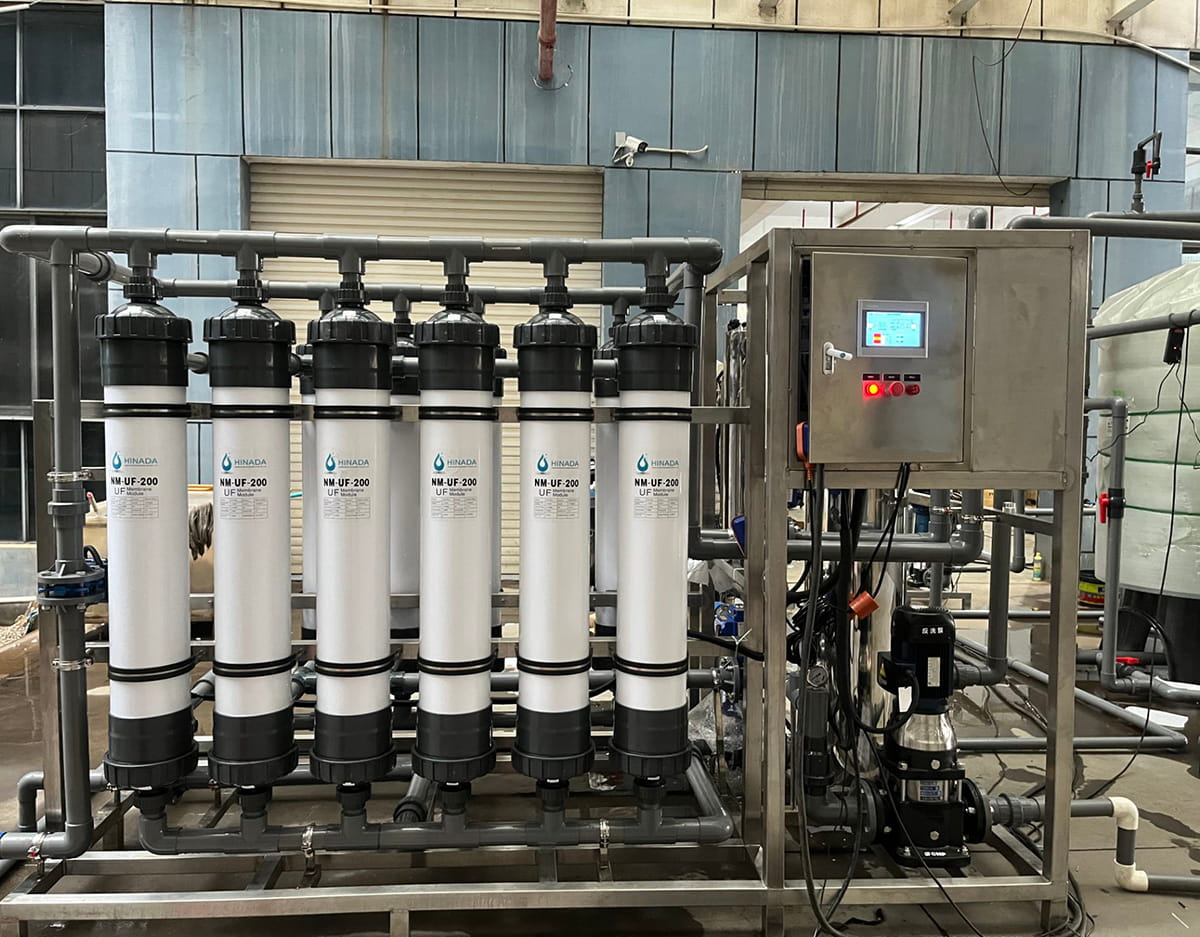
The UF System operates through hollow fiber membranes which function as a selective filter. The membrane permits water flow but it stops all other particles and pollutants from entering. The technology shows reliable performance and high efficiency but it can experience operational difficulties. The facility team needs to know about typical operational issues because they affect system performance.
The guide shows common problems that happen in a UF System while presenting solutions to handle these issues through three specific problems which include decreased flow rate and membrane fouling and pressure variations.
Understanding Ultrafiltration in Water Treatment
UF ultrafiltration technology uses membranes with very small pore sizes to separate suspended solids and microorganisms from water. The filtration process ensures that purified water can be used for drinking, industrial processes, and environmental discharge.
Ultrafiltration systems often use hollow fiber membranes that operate through filtration methods such as outside-in filtration. The membranes remove pollutants from water but they allow clean water to flow through.
The UF System maintains effective filtration through proper upkeep which leads to stable pressure levels and dependable purification results. The system experiences operational problems which need urgent resolution to maintain its efficiency.
Reduced Flow Rate
The decline of filtration flow rate stands as the most frequent difficulty that operators must manage. The drop in flow rate directly impacts both system performance and treatment efficiency.
Causes of Reduced Flow Rate
The system experiences a drop in flow rate because of multiple operational issues. Waterborne suspended solids and particles will build up on the membrane surface over an extended period. The build-up on the membrane will obstruct water flow through the membrane.
The changes in operating pressure and temperature create another possible explanation. Researchers conduct flow rate tests to determine system functionality under various working pressures and water temperatures.
Solutions to Improve Flow Rate
The engineering team needs to conduct flow rate assessments on a regular basis to verify whether the system operates at its required stability. The flow rate testing method serves to assess how well ultrafiltration systems operate.
The operators need to investigate all potential solid build-up when the flow rate declines. The system will function at its best when operators maintain the correct operating pressure while using the system appropriately.
Daily monitoring enables operators to catch issues before they develop into problems that impact the whole UF System.
Membrane Fouling
The ultrafiltration process faces operational difficulties because of membrane fouling. The membrane surface and its pores become clogged when contaminants or particles build up.
Causes of Membrane Fouling
Fouling can occur when incoming water contains excessive suspended solids along with colloids and microorganisms. The substances that accumulate on the membrane will decrease filtration efficiency while they create a complete block of water flow.
The performance of the system depends on operators keeping the membrane surface clean because UF ultrafiltration functions through this method.
Preventing and Managing Fouling
The inspection process discovers fouling problems before they reach critical levels. Engineers can check the thickness and uniformity of hollow fiber membranes through microscopic inspection techniques.
The testing process uses bubbles to determine whether there are any structural integrity problems within the membrane system. The inspection methods help operators determine whether the system experiences fouling issues or if structural problems exist.
The operational conditions of water treatment need to stay constant while operators need to monitor membrane performance to create a protective barrier against UF ultrafiltration system fouling.
Pressure Changes
The UF System experiences pressure fluctuations which decrease its operational efficiency. The system needs stable operating pressures to achieve its filtration efficiency.
Causes of Pressure Changes
The filtration system experiences pressure variations because blockages interfere with water flow through the system. The accumulation of particles or solids leads to water flow restrictions which create pressure fluctuations.
The operational aspects of ultrafiltration systems use water temperature variations and flow condition changes to create pressure stability issues.
Addressing Pressure Issues
The system requires continuous pressure level monitoring as an essential operational requirement. Engineers should conduct routine performance checks to determine whether pressure changes are affecting filtration efficiency.
The system shows irregular operation patterns when pressure tests reveal abnormal pressure conditions. The operators need to conduct a system component and membrane check when they detect unusual pressure patterns.
The system will function at its highest level when all operational parameters remain steady.
Importance of Routine Inspection
The UF ultrafiltration system needs routine inspection to preserve its functional performance throughout its operational life. The process of monitoring continuously detects small issues which lead to serious operational disturbances.
The inspection methods function as tools to evaluate the condition of membranes and the performance of the system.
Flow Rate Testing
The testing process evaluates flow rates under different pressure conditions and water temperatures to reveal how the system performs. The UF System maintains consistent operational flow results when filtration conditions remain stable.
Bubble Testing
Bubble testing helps verify the integrity of membrane components. This technique can detect structural issues that may affect filtration efficiency.
Microscopic Examination
Microscopic inspection allows engineers to examine the hollow fiber membranes closely. This method helps check the thickness and uniformity of fibers to ensure the membranes remain in good condition.
Mechanical Strength Testing
Testing the peeling strength and diameter of hollow fibers helps confirm their structural reliability. These inspections ensure that UF ultrafiltration systems continue operating effectively.
Why Choose Hinada for Water Treatment Solutions
Hinada is a professional manufacturer specializing in water and wastewater treatment membranes and equipment. Founded in Guangzhou in 2012, we have extensive experience in the water treatment industry and membrane technology.
We provide integrated solutions for water and wastewater projects, including system design, equipment supply, installation support, commissioning, and training. This comprehensive approach ensures that water treatment facilities can operate efficiently and effectively.
We also offer solutions for various industries, including textile wastewater treatment, food and beverage applications, seawater purification, and other wastewater treatment projects.
FAQs
1. Why does flow rate decrease in ultrafiltration systems?
Flow rate may decrease due to the accumulation of particles or solids on the membrane surface. Changes in operating pressure or temperature can also affect system performance.
2. How can membrane fouling be detected in a UF System?
Membrane fouling can be detected through inspection methods such as bubble testing, microscopic examination of hollow fibers, and monitoring flow rate performance.
3. Why is pressure monitoring important in ultrafiltration?
Pressure monitoring helps identify operational changes that may affect filtration efficiency. Stable pressure ensures that the system continues to operate effectively.
Read More