MBR Membrane Bioreactor factory Capabilities for Custom Treatment Projects
MBR Membrane Bioreactor factory Capabilities for Custom Treatment Projects
October 15, 2026
Author
Solution Provider, through a professional technical team, we provide customers with targeted equipment selection recommendations and comprehensive after-sales services, winning the trust and recognition of customers.
Sarah M.
HINADA Water Treatment Tech Co., Ltd., known as HINADA, is a global manufacturer of MBR membrane bioreactors, hollow fiber ultrafiltration membranes, submerged MBR modules, packaged wastewater treatment systems, DAF systems, UF systems, and industrial RO systems. Founded in 2012 in Guangzhou, China, and later expanded to Chenzhou, Hunan Province, HINADA serves clients in over 75 countries. With more than 13 years of water treatment experience and 10 years of membrane and equipment manufacturing experience, the company offers a complete ecosystem from membrane R&D and component manufacturing to equipment fabrication and turnkey solution delivery. Its two core technology pillars are hollow fiber UF and MBR membranes, which provide precise physical separation of suspended solids, bacteria, colloids, and macromolecular organics, and intelligent integrated wastewater treatment equipment for municipal, industrial, and decentralized applications. For custom MBR treatment projects, HINADA can tailor membrane material, module configuration, biological process, capacity, footprint, automation, disinfection, and reuse integration. The factory supports treatability studies, pilot testing, process design, system sizing, mechanical and electrical design, factory acceptance testing, installation support, commissioning, training, and after-sales service. Key applications include industrial wastewater treatment and reuse, municipal sewage treatment and water recycling, rural decentralized water supply and sanitation, and drinking water purification. By combining membrane manufacturing with integrated system engineering, HINADA helps clients achieve reliable, compliant, and sustainable water treatment outcomes.
Water treatment has moved far beyond the simple settling of solids and the discharge of partially clarified liquid. Modern projects demand compact footprints, high effluent quality, reliable reuse potential, and the flexibility to adapt to widely different waste streams. Among the technologies that have reshaped this landscape, the membrane bioreactor, commonly known as MBR, stands out as one of the most powerful and versatile. An MBR combines biological treatment with membrane separation, producing a clarified, disinfected effluent that can often be reused directly for irrigation, toilet flushing, cooling, or industrial process water. However, no two wastewater projects are identical. Flow rates vary, contaminants differ, site constraints shift, and discharge or reuse standards continue to tighten. This is why the capabilities of an MBR membrane bioreactor factory matter so much. A factory that only sells standard modules or fixed package plants can rarely meet the nuanced demands of custom treatment projects. HINADA Water Treatment Tech Co., Ltd., known globally as HINADA, has built its reputation on bridging advanced membrane manufacturing with flexible, project-specific engineering. Founded in 2012 in Guangzhou, China, and later expanding its manufacturing base to Chenzhou, Hunan Province, HINADA serves clients in over 75 countries across Asia, Africa, Europe, and the Americas. The company is a globally recognized manufacturer of wastewater treatment equipment, hollow fiber ultrafiltration membranes, submerged MBR membrane modules, integrated packaged wastewater treatment systems, and dissolved air flotation systems. Its work demonstrates how a true MBR factory can become a partner in custom treatment project delivery, not merely a supplier of components.
The Role of MBR Membrane Bioreactors in Modern Wastewater Treatment
An MBR membrane bioreactor integrates a biological treatment process with membrane filtration. Instead of relying on gravity settling in a secondary clarifier, the MBR uses membranes to separate treated water from biomass. The biological zone removes organic matter, nitrogen, and phosphorus through carefully controlled aerobic, anoxic, and anaerobic conditions. The membrane zone then retains suspended solids, bacteria, colloids, and macromolecular organics, producing a high-quality permeate. Because the membranes act as a physical barrier, the process can operate at a much higher mixed liquor suspended solids concentration than conventional activated sludge. This reduces tank volume, improves treatment stability, and allows a smaller footprint. The effluent is also consistently low in turbidity and pathogens, making it suitable for reuse after appropriate disinfection. For municipal sewage treatment and water recycling, industrial wastewater treatment and reuse, rural decentralized water supply and sanitation, and even drinking water purification from surface water or groundwater, MBR technology offers a compelling combination of performance and compactness. Yet the success of an MBR project depends heavily on how well the membrane modules, biological process, aeration system, and controls are matched to the specific wastewater. That matching is the essence of customization.
Why Custom Treatment Projects Demand More Than Off-the-Shelf Equipment
Custom treatment projects are defined by variability. One project may treat high-strength food processing wastewater with fats, oils, and grease. Another may handle textile effluent with dyes and salts. A third may need to upgrade an aging municipal plant in a densely populated area with almost no available land. A fourth may serve a remote rural community where power is unreliable and operator skill is limited. Off-the-shelf equipment often assumes a narrow range of influent conditions and a standard set of site requirements. When those assumptions fail, the result can be poor effluent quality, frequent membrane fouling, high energy consumption, and costly retrofits. Custom treatment projects require a factory that can adjust membrane material, pore size, module configuration, tank geometry, aeration intensity, sludge retention time, hydraulic retention time, and automation logic. They also require a supplier that can perform treatability testing, pilot studies, and detailed process design. HINADA approaches each project as an engineering problem rather than a catalog selection. The company provides a truly integrated solution to water and wastewater projects, from design and supplying to installation support, commissioning, and training. This end-to-end capability is especially important in MBR projects, where the boundary between membrane performance and biological performance is constantly shifting.
HINADA at a Glance: A Global Manufacturer Built for Customization
HINADA Water Treatment Tech Co., Ltd. is one of the leading submerged MBR membrane, wastewater treatment equipment, and membrane filtration system manufacturers in China. Since its founding in 2012, the company has specialized as a wastewater treatment solution provider and equipment supplier in Guangzhou. More than 13 years of experience in the water treatment industry and 10 years of water treatment membrane and equipment manufacturing experience have given HINADA a deep understanding of what custom projects actually require. The company operates with a complete ecosystem that spans membrane research and development, component manufacturing, equipment fabrication, and turnkey solution delivery. This ecosystem is not a collection of unrelated departments. It is an integrated capability that allows HINADA to control quality, shorten lead times, and tailor systems to project-specific conditions. From day one, HINADA focused on two core technology pillars. The first is hollow fiber ultrafiltration and MBR membranes, which provide precise physical separation of suspended solids, bacteria, colloids, and macromolecular organics. The second is intelligent integrated wastewater treatment equipment, which delivers ready-to-install solutions for municipal, industrial, and decentralized applications. These two pillars support each other. Membrane expertise informs equipment design, while equipment fabrication experience reveals practical constraints that must be considered during membrane module development. For clients in over 75 countries, this combination translates into reliable systems that can be adapted to local regulations, climate, labor conditions, and reuse goals.
Two Core Technology Pillars
The first pillar, hollow fiber ultrafiltration and MBR membranes, is the heart of HINADA's MBR factory capabilities. HINADA produces PVDF and PVC hollow fiber UF membranes as well as submerged MBR membrane modules. These membranes are designed for mechanical strength, chemical resistance, and stable permeability. The second pillar, intelligent integrated wastewater treatment equipment, includes containerized MBR systems, packaged wastewater treatment plants, dissolved air flotation systems, ultrafiltration systems, and industrial reverse osmosis systems. By manufacturing both the membrane core and the surrounding equipment, HINADA can optimize the entire treatment train. For example, if a project requires high sludge concentration and frequent chemical cleaning, the factory can select a more robust membrane material and adjust the module potting and aeration design. If a project needs a very small footprint, the factory can integrate the MBR into a containerized or skid-mounted system with advanced controls. This dual capability is rare among suppliers that only assemble third-party membranes or only produce membranes without system integration expertise.
Inside the MBR Membrane Bioreactor Factory: Manufacturing Capabilities
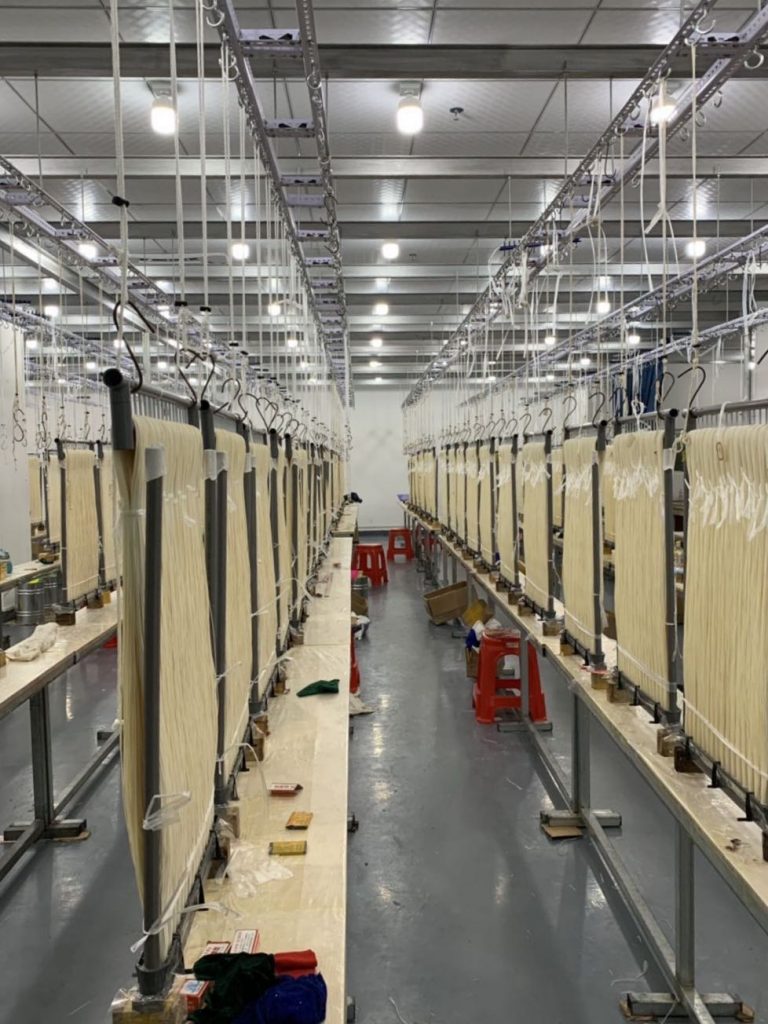
A factory's true capabilities are revealed in the details of production, testing, and quality control. HINADA's manufacturing base in Chenzhou, Hunan Province, supports the production of hollow fiber membranes, membrane modules, and integrated treatment systems. The factory environment is designed to maintain consistent fiber quality, precise potting, and reliable module sealing. Membrane manufacturing begins with the preparation of polymer dope, followed by spinning, coagulation, washing, and post-treatment. The hollow fibers are then assembled into modules with carefully controlled packing density. Each module must withstand aeration-induced movement, backwashing, chemical cleaning, and long-term operation. For submerged MBR modules, the design also includes air scouring channels and permeate collection headers that promote uniform flow and reduce dead zones. The factory's ability to customize module dimensions, fiber counts, and connection types means that custom treatment projects are not forced into a limited set of standard sizes. Instead, modules can be configured to match tank geometry, hydraulic loading, and maintenance strategy.
Membrane R&D and Hollow Fiber Production
HINADA's membrane research and development efforts focus on the properties that matter most in real wastewater: fouling resistance, mechanical strength, chemical tolerance, and permeability. PVDF hollow fiber membranes are widely used in MBR applications because they offer a good balance of strength, chemical resistance, and durability. PVC hollow fiber membranes provide a cost-effective alternative for certain municipal and industrial applications. The factory can adjust pore size, hydrophilicity, and reinforcement to suit different waste streams. For example, wastewater with high concentrations of oils and grease may require a more hydrophilic membrane surface and a more aggressive air scouring regimen. Wastewater with abrasive particles may require a reinforced fiber structure. Wastewater with extreme pH or frequent cleaning may require a membrane with enhanced chemical resistance. Because HINADA controls the membrane production process, these adjustments can be made at the fiber level rather than merely at the module level. This vertical integration is a significant advantage for custom treatment projects. It allows the factory to test new membrane formulations, validate them in pilot systems, and then scale them into full-scale modules. It also allows HINADA to diagnose membrane performance issues with a depth that is difficult for companies that outsource membrane production.
Submerged MBR Membrane Module Fabrication
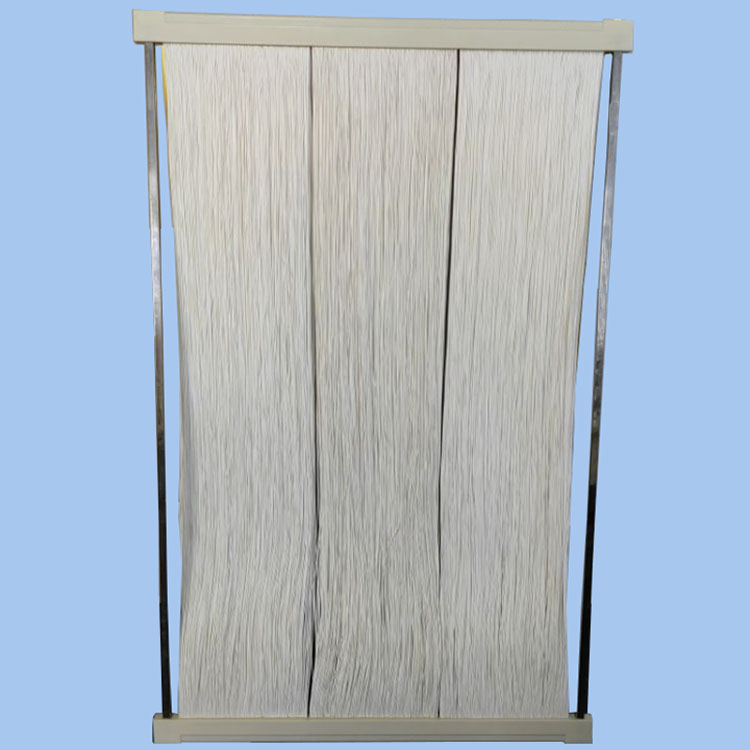
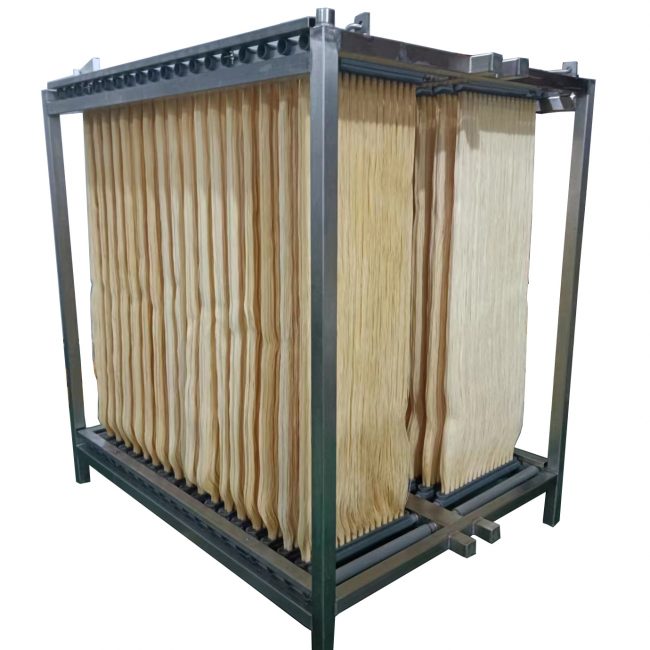
Submerged MBR membrane modules are the workhorses of most MBR systems. They are immersed directly in the biological tank, where they draw permeate through the membrane while air scouring keeps the surface clean. The fabrication of these modules requires precision. Fibers must be potted securely to prevent leaks. The potting material must bond to the fibers and resist chemical attack. The module frame must be strong enough to withstand lifting, installation, and aeration-induced vibration. The permeate header must distribute suction evenly so that some fibers are not overworked while others are underused. HINADA's factory produces submerged MBR modules in configurations that can be adapted to different tank depths, aeration systems, and permeate collection layouts. For custom projects, the factory can modify module length, width, and height to fit existing tanks or new tank designs. It can also adjust the number and arrangement of modules to achieve the required membrane area without excessive redundancy. This flexibility is especially valuable in retrofits, where the available tank volume and geometry may be fixed. Instead of forcing a standard module into an awkward space, the factory can design a module that matches the space and the process requirements.
Integrated Packaged Wastewater Treatment Systems
Integrated packaged wastewater treatment systems are another core capability of HINADA's MBR factory. These systems combine biological treatment, membrane separation, aeration, pumping, and controls into a compact, factory-built unit. Containerized MBR systems are particularly useful for decentralized applications, temporary facilities, construction sites, resorts, hospitals, and industrial plants with limited land. Packaged wastewater treatment plants can be delivered as skid-mounted or containerized units, reducing on-site civil work and shortening installation time. Because these systems are built in the factory, quality control is easier and site labor requirements are lower. For custom treatment projects, HINADA can design packaged systems with different treatment capacities, biological process configurations, and discharge or reuse targets. A containerized MBR system can be configured for aerobic treatment, anoxic-aerobic treatment for nitrogen removal, or anaerobic-aerobic treatment for high-strength wastewater. It can include pretreatment such as screening, grit removal, oil separation, or dissolved air flotation. It can also include post-treatment such as disinfection, ultrafiltration, or reverse osmosis. The factory's ability to integrate these components into a single package makes it possible to deliver a complete treatment solution rather than a collection of separate equipment pieces.
DAF, UF, RO and Complementary Systems
Custom MBR projects often require more than just the MBR itself. Pretreatment and post-treatment are critical for protecting membranes and meeting final water quality goals. HINADA manufactures dissolved air flotation systems, ultrafiltration systems, and industrial reverse osmosis systems. DAF systems are effective for removing fats, oils, grease, and suspended solids that could foul MBR membranes. UF systems can be used as standalone treatment or as pretreatment for reverse osmosis. Industrial RO systems can produce high-purity water for reuse or discharge compliance. By offering these complementary technologies, HINADA can design a complete treatment train that addresses the specific challenges of each project. For example, a textile wastewater project might use DAF for pretreatment, MBR for biological treatment and solid-liquid separation, UF for polishing, and RO for water reuse. A landfill leachate project might use MBR followed by nanofiltration or reverse osmosis to remove recalcitrant organics and salts. A drinking water project might use UF as the primary barrier against bacteria and viruses. The ability to integrate these systems within one factory ecosystem reduces compatibility problems and simplifies project management for the client.
Engineering and Design Capabilities for Custom Treatment Projects
Manufacturing capability alone is not enough. Custom treatment projects require strong engineering and design capabilities. HINADA provides design, supplying, installation support, commissioning, and training. The design process begins with a thorough understanding of the wastewater. Flow rate, flow variation, influent characteristics, discharge standards, reuse requirements, site conditions, climate, power availability, and operator skill all influence the final design. HINADA's engineers evaluate these factors and then select or develop the appropriate MBR configuration. They consider membrane area, tank volume, aeration demand, sludge production, chemical cleaning frequency, and control strategy. They also consider practical issues such as access for maintenance, spare parts availability, and future expansion. This holistic approach is what distinguishes a true custom treatment project from a generic equipment sale. The factory's engineering team works closely with the manufacturing team to ensure that the design can be built efficiently and that the built system matches the design intent. This collaboration between design and production is one of HINADA's key strengths.
Treatability Studies and Pilot Testing
Before committing to a full-scale design, it is often wise to conduct treatability studies and pilot testing. Wastewater is complex, and laboratory results do not always predict full-scale performance. HINADA can support bench-scale tests, jar tests, and pilot-scale MBR trials. A pilot MBR system allows the project team to observe biological kinetics, membrane fouling rates, cleaning requirements, and effluent quality under realistic conditions. It also allows the factory to test different membrane materials and module configurations. For industrial wastewater with unusual contaminants, pilot testing can reveal whether pretreatment is necessary, whether nutrient addition is required, and whether the membrane can tolerate the expected cleaning chemicals. For municipal projects, pilot testing can confirm design parameters such as sludge retention time, hydraulic retention time, and membrane flux. The data from pilot testing can then be used to optimize the full-scale design, reducing the risk of underperformance and minimizing lifecycle costs. HINADA's experience with membranes and integrated systems makes it well suited to design and operate pilot systems that generate actionable data.
Process Design and System Sizing
Process design and system sizing are at the core of custom MBR projects. The design must balance biological treatment capacity with membrane separation capacity. If the biological tank is too small, the biomass may not fully degrade the organic matter or nutrients. If the membrane area is too small, the flux may be too high, leading to rapid fouling and frequent cleaning. If the aeration system is undersized, the membrane may not be scoured effectively and the biological process may lack oxygen. HINADA's engineers use established design equations and their own operating experience to size each component. They consider mixed liquor suspended solids concentration, sludge retention time, food-to-microorganism ratio, oxygen demand, membrane flux, peak flow factors, and temperature effects. They also consider the type of membrane module and its specific aeration requirements. For custom projects, the design may include multiple membrane trains to allow maintenance without shutting down the entire plant. It may include separate anoxic and aerobic zones for nitrogen removal. It may include chemical dosing systems for phosphorus removal or membrane cleaning. It may include equalization tanks to buffer flow and load variations. Every decision is made with the project's specific goals in mind, whether those goals are low energy consumption, minimal footprint, high reuse quality, or simple operation.
Mechanical, Electrical, and Automation Design
Mechanical, electrical, and automation design determine how well an MBR system performs in daily operation. HINADA designs skids, piping, valves, pumps, blowers, and instruments to match the process requirements. Materials of construction are selected based on the wastewater chemistry. For example, stainless steel may be used for corrosive industrial wastewater, while PVC or polypropylene may be used for chemical dosing lines. Electrical design includes motor control centers, variable frequency drives, and power distribution. Automation design includes programmable logic controllers, human-machine interfaces, and supervisory control and data acquisition systems. For custom treatment projects, automation can be tailored to the level of operator skill and the available remote support. A rural project may use a simple, robust control panel with minimal settings. A large industrial project may use advanced SCADA with remote monitoring, data logging, and predictive maintenance alerts. HINADA's integrated approach means that mechanical, electrical, and automation designs are developed together, reducing interface problems and ensuring that the system operates as a cohesive whole.
A Complete Ecosystem from Membrane to Turnkey Solution
HINADA's complete ecosystem is a major advantage for custom treatment projects. The company does not simply sell membranes and hope that the rest of the system works. It does not simply assemble equipment using third-party components and hope that the membranes perform. Instead, HINADA controls the entire chain from membrane research and development to component manufacturing, equipment fabrication, and turnkey solution delivery. This ecosystem includes the design, supplying, installation support, commissioning, and training that clients need to successfully launch and operate their treatment plants. For an MBR project, this means that the membrane modules, biological tanks, aeration system, pumps, blowers, valves, instruments, and controls are all selected or designed to work together. It means that the factory can test the membrane modules before they are shipped and can test the integrated system before it leaves the factory. It means that the same company that manufactured the membrane can provide technical support during commissioning and beyond. This level of integration reduces the risk of finger-pointing when something goes wrong. If a membrane issue arises, the factory has the expertise to diagnose it. If a process issue arises, the factory understands how the membrane interacts with the biology. If a control issue arises, the factory can adjust the automation logic. This is what true custom project capability looks like.
Customization Options for MBR Membrane Bioreactor Projects
Customization in MBR projects can take many forms. It can involve capacity, membrane configuration, biological process, footprint, disinfection, reuse integration, and more. HINADA's factory capabilities allow it to customize each of these dimensions. The goal is not to make every project unique for the sake of uniqueness. The goal is to match the system to the project's real needs. A project with highly variable flow may need a larger equalization tank. A project with high nitrogen concentrations may need a longer anoxic zone. A project with limited space may need a containerized or underground design. A project with high reuse standards may need ultrafiltration and reverse osmosis after the MBR. HINADA's engineers work with clients to identify the most cost-effective combination of options. Because the factory manufactures both membranes and equipment, it can often implement customizations that would be difficult or impossible for a company that relies on external suppliers. This flexibility is especially important in international projects, where local regulations, climate, and infrastructure can vary dramatically.
Capacity and Modularity
MBR systems can be designed for a wide range of capacities, from small decentralized plants treating a few cubic meters per day to large municipal or industrial plants treating tens of thousands of cubic meters per day. HINADA's modular approach allows capacity to be scaled by adding membrane modules, biological trains, or complete packaged units. Modularity offers several benefits. It simplifies transportation and installation. It allows phased investment, so a client can start with a smaller system and expand later. It improves redundancy, because individual modules or trains can be isolated for maintenance. It also makes it easier to match the system to site constraints. For a custom treatment project, modularity means that the factory can deliver a system that fits the available space and the expected flow profile. If flow is expected to increase over time, the design can include预留 space and connections for future modules. If flow varies seasonally, the system can operate fewer modules during low-flow periods to save energy. HINADA's factory can produce modules and skids in different sizes, making this level of modular customization practical.
Membrane Configuration and Material Selection
Membrane configuration and material selection are critical customization decisions. HINADA offers PVDF and PVC hollow fiber membranes in submerged MBR modules. PVDF membranes are generally preferred for demanding industrial applications because of their strength and chemical resistance. PVC membranes can be a cost-effective choice for less aggressive municipal or light industrial wastewater. The factory can also adjust fiber dimensions, pore size, and surface properties. For example, a membrane with a tighter pore size may be selected when pathogen removal is a priority. A membrane with a more open pore size may be selected when energy efficiency is more important and the solids are relatively easy to separate. The module configuration can also be customized. Different module lengths, widths, and heights can fit different tank geometries. Different packing densities can balance membrane area against aeration efficiency. Different permeate collection designs can accommodate different piping layouts. For custom treatment projects, these choices can significantly affect capital cost, operating cost, and maintenance requirements. HINADA's factory engineers and process engineers work together to select the best combination for each project.
Biological Process Variations
MBR technology is compatible with many biological process variations. HINADA can design systems for aerobic treatment, anoxic-aerobic treatment for nitrogen removal, anaerobic-aerobic treatment for phosphorus removal, and more advanced configurations such as MBBR-MBR hybrids. The choice depends on the wastewater characteristics and the discharge or reuse standards. For high-strength industrial wastewater, anaerobic pretreatment followed by aerobic MBR can reduce energy consumption and sludge production. For municipal wastewater with strict nitrogen limits, anoxic zones followed by aerobic MBR can achieve reliable denitrification. For wastewater with high phosphorus, chemical dosing or biological phosphorus removal can be integrated. For wastewater with recalcitrant organics, longer sludge retention time and specialized biomass acclimation may be required. HINADA's experience with different biological processes allows it to design an MBR system that not only separates solids but also treats the specific contaminants of concern. This biological customization is just as important as membrane customization. A well-designed membrane system with a poorly designed biological process will not meet effluent standards. A well-designed biological process with an inappropriate membrane system will suffer from fouling and high maintenance. HINADA optimizes both.
Footprint and Site Constraints
Footprint and site constraints often drive the decision to use MBR technology. MBR systems are more compact than conventional activated sludge systems because they can operate at higher mixed liquor suspended solids concentrations and do not require secondary clarifiers. However, even MBR systems must be designed to fit the available space. HINADA can design above-ground systems, underground systems, containerized systems, and skid-mounted systems. For urban projects with limited land, an underground MBR plant can free up surface area for parks, parking, or commercial development. For remote projects, a containerized MBR system can be transported by truck and installed quickly. For industrial plants, a skid-mounted system can be integrated into existing buildings or process areas. The factory's ability to customize tank geometry, module arrangement, and equipment layout means that the MBR system can be adapted to almost any site. This is a major advantage for custom treatment projects, where site constraints are often the most difficult challenge to overcome.
Disinfection and Reuse Integration
Disinfection and reuse integration are increasingly important in MBR projects. MBR permeate is already low in suspended solids and bacteria, but additional disinfection may be required for certain reuse applications. HINADA can integrate ultraviolet disinfection, ozone, chlorine dosing, or other disinfection methods into the treatment train. For high-quality reuse, the MBR permeate can be further treated with ultrafiltration, reverse osmosis, or advanced oxidation. This integrated approach allows the project to meet strict reuse standards for irrigation, toilet flushing, cooling tower makeup, boiler feed, or industrial process water. The factory can design the reuse system as part of the overall MBR package, ensuring compatibility between the membrane, the disinfection system, and the downstream equipment. For custom treatment projects, reuse integration can turn a wastewater treatment plant into a water resource recovery facility. Instead of discharging treated water, the plant can produce a valuable resource. This can improve project economics and sustainability, especially in water-scarce regions. HINADA's experience with UF, RO, and DAF systems complements its MBR capabilities, allowing it to design complete reuse solutions.
Applications Across Municipal, Industrial, and Decentralized Markets
HINADA's MBR factory capabilities support a wide range of applications. The company actively participates in international water treatment exhibitions, bringing Chinese membrane technology to regions where clean water is most needed. Key application fields include industrial wastewater treatment and reuse, municipal sewage treatment and water recycling, rural decentralized water supply and sanitation, and drinking water purification from surface water or groundwater. Each of these applications has its own requirements and challenges. Industrial wastewater may contain toxic or recalcitrant compounds. Municipal wastewater may vary in flow and load. Rural wastewater may lack skilled operators and reliable power. Drinking water sources may be subject to seasonal contamination. HINADA's ability to customize MBR systems makes it possible to address these diverse needs with a single technology platform. The factory can produce membranes and equipment that are tailored to the specific application, rather than forcing the application to fit a standard product.
Industrial Wastewater Treatment and Reuse
Industrial wastewater treatment and reuse is one of the most demanding applications for MBR technology. Industries such as textile, food and beverage, pharmaceutical, chemical, pulp and paper, and landfill leachate treatment produce wastewater with complex characteristics. Textile wastewater may contain dyes, salts, and surfactants. Food and beverage wastewater may contain high organic loads, fats, oils, and grease. Pharmaceutical wastewater may contain antibiotics and other biologically active compounds. Chemical wastewater may contain solvents, heavy metals, and extreme pH. Landfill leachate may contain high concentrations of ammonia, organics, and salts. HINADA's MBR systems can be customized to handle these challenges. Pretreatment such as DAF, screening, equalization, and pH adjustment can be integrated. Biological process design can be adapted to the specific contaminants. Membrane material and module configuration can be selected for the expected fouling and cleaning conditions. Post-treatment such as UF, RO, and advanced oxidation can be added for reuse. The goal is to produce water that meets discharge standards or can be reused within the industrial facility. This reduces water intake, reduces wastewater discharge, and improves overall sustainability. HINADA's factory capabilities allow it to deliver these customized industrial MBR systems as integrated packages.
Municipal Sewage Treatment and Water Recycling
Municipal sewage treatment and water recycling is a major market for MBR technology. As cities grow and discharge standards tighten, conventional treatment plants often struggle to meet limits for suspended solids, biochemical oxygen demand, nitrogen, and phosphorus. MBR technology offers a compact, reliable solution that can produce high-quality effluent suitable for reuse. HINADA's MBR systems can be used for new municipal plants or for upgrading existing plants. In a retrofit, the MBR can replace secondary clarifiers and increase treatment capacity within the existing footprint. In a new plant, the MBR can be designed with anoxic and aerobic zones for nutrient removal. The permeate can be disinfected and reused for irrigation, street cleaning, toilet flushing, or industrial supply. HINADA's factory can produce submerged MBR modules and integrated systems that are tailored to the municipality's flow, load, and reuse goals. The company's experience in over 75 countries means that it understands different regulatory frameworks and can design systems that comply with local standards. For custom municipal projects, HINADA can also provide training and commissioning support to ensure that the plant operates reliably.
Rural Decentralized Water Supply and Sanitation
Rural decentralized water supply and sanitation presents a different set of challenges. Communities may be small and remote. Power may be unreliable. Skilled operators may be scarce. Construction materials and heavy equipment may be difficult to transport. HINADA's containerized MBR systems and packaged wastewater treatment plants are well suited to these conditions. They can be factory-built, shipped to the site, and installed with minimal civil work. They can be designed for simple operation and low maintenance. They can include solar power or backup power options. They can be configured for nutrient removal or reuse. For rural water supply, HINADA's ultrafiltration membranes can provide a reliable barrier against bacteria, viruses, and suspended solids. For sanitation, MBR systems can treat domestic wastewater to a standard suitable for discharge or reuse. The factory's ability to customize capacity, automation, and footprint makes it possible to deliver appropriate technology to rural communities. This is especially important in regions where centralized treatment is not feasible. HINADA's participation in international exhibitions and its global client base reflect its commitment to bringing clean water solutions to these areas.
Drinking Water Purification
Drinking water purification from surface water or groundwater is another important application for HINADA's membrane technology. Ultrafiltration membranes can remove suspended solids, bacteria, viruses, and some colloids. They can be used as standalone treatment or as pretreatment for reverse osmosis. For surface water sources that are subject to seasonal turbidity or microbial contamination, UF provides a robust barrier. For groundwater sources with iron, manganese, or hardness, UF can be combined with other treatment processes. HINADA's hollow fiber UF membranes are designed for reliable performance and easy maintenance. The factory can produce membranes with different pore sizes and configurations to match the water quality and treatment goals. For custom drinking water projects, HINADA can design complete UF systems with pretreatment, backwashing, chemical cleaning, and disinfection. The integrated approach ensures that the membranes are protected and that the treated water meets drinking water standards. This application demonstrates the versatility of HINADA's membrane manufacturing capabilities beyond wastewater treatment.
Quality Control and Testing in the MBR Factory
Quality control and testing are essential in an MBR membrane bioreactor factory. Membranes are the most critical component of an MBR system, and their failure can lead to poor effluent quality, costly downtime, and expensive replacement. HINADA implements quality control at every stage of production. Incoming raw materials are inspected for purity and consistency. Membrane fibers are tested for mechanical strength, pore size, and permeability. Modules are tested for leaks, potting integrity, and flow distribution. Integrated systems are tested for electrical, mechanical, and process performance. The factory's testing capabilities allow it to catch problems before equipment leaves the factory. This is especially important for custom treatment projects, where the system may be one of a kind and cannot be easily replaced. By testing thoroughly, HINADA reduces the risk of site issues and ensures that the system performs as designed.
Membrane Integrity and Performance Testing
Membrane integrity and performance testing are central to quality control. HINADA tests membrane modules for bubble point, pressure decay, and permeate quality. Bubble point testing can detect large defects in the membrane or potting. Pressure decay testing can detect smaller leaks. Permeate quality testing confirms that the membrane is rejecting suspended solids and bacteria as expected. The factory also tests membrane flux and permeability under controlled conditions. This helps ensure that the membrane meets its design specifications and that it will perform consistently in the field. For custom MBR projects, the factory may also conduct fouling tests with actual or simulated wastewater. These tests help predict how the membrane will behave under the project's specific conditions. They can also inform cleaning protocols and operating parameters. HINADA's membrane R&D and manufacturing teams work together to interpret test results and make adjustments when necessary. This iterative approach improves both the product and the project design.
Factory Acceptance Testing for Custom Systems
Factory acceptance testing is a critical step for custom MBR systems. Before a containerized or skid-mounted system is shipped, HINADA can assemble and test it at the factory. This allows the client to verify that the system meets the design specifications. It also allows HINADA to identify and correct any issues before shipment. Factory acceptance testing may include dry testing of electrical and control systems, wet testing of pumps, blowers, and valves, and process testing of the MBR modules. The control system can be tested with simulated inputs to verify that alarms, interlocks, and automatic sequences work correctly. For custom treatment projects, factory acceptance testing provides confidence that the system will perform as expected. It also reduces the time and cost required for on-site commissioning. HINADA's integrated manufacturing and engineering teams can conduct factory acceptance testing efficiently because they are familiar with the design and the equipment. This is another advantage of choosing a factory that controls the entire production process.
Global Project Delivery and Support
Global project delivery and support are essential for custom treatment projects. HINADA serves clients in over 75 countries across Asia, Africa, Europe, and the Americas. This global reach requires more than just manufacturing capability. It requires logistics, documentation, communication, and on-site support. HINADA provides design, supplying, installation support, commissioning, and training. The company's engineers can travel to project sites to assist with installation and commissioning. They can also provide remote support using video calls, data sharing, and remote monitoring. For custom projects, this support is tailored to the client's needs. Some clients may require full turnkey delivery. Others may prefer to handle installation themselves with HINADA providing supervision and training. HINADA's flexibility in project delivery is one of its strengths. The company understands that different clients have different capabilities and preferences. By adapting its support model, HINADA can ensure that each project is successful regardless of the client's location or experience level.
Installation Support and Commissioning
Installation support and commissioning are critical phases in an MBR project. Even a well-designed system can underperform if it is not installed correctly or if the biological process is not started up properly. HINADA's engineers can provide on-site support during mechanical installation, electrical connection, and process startup. They can verify that the membranes are installed correctly, that the aeration system is balanced, and that the pumps and valves are operating as intended. During commissioning, they can seed the biological system, adjust the sludge retention time, and optimize the membrane flux. They can also train the client's operators on daily operation, monitoring, and troubleshooting. For custom treatment projects, commissioning is an opportunity to fine-tune the system based on actual wastewater characteristics. The data collected during commissioning can be used to optimize energy consumption, chemical cleaning frequency, and effluent quality. HINADA's commissioning engineers have experience with a wide range of wastewater types and can quickly identify and resolve issues. This reduces the risk of prolonged startup and ensures that the plant reaches stable operation as soon as possible.
Training and After-Sales Service
Training and after-sales service ensure that the MBR system continues to perform well over its lifetime. HINADA provides training for plant operators, maintenance staff, and managers. Training can cover membrane biology, membrane cleaning, equipment maintenance, safety, and troubleshooting. It can be conducted at the factory, at the project site, or online. For custom treatment projects, training can be tailored to the specific system and the client's level of experience. After-sales service includes spare parts supply, technical support, and periodic maintenance. HINADA can provide replacement membrane modules, pumps, valves, instruments, and chemicals. The company can also offer service contracts for routine inspections and performance monitoring. Because HINADA manufactures the membranes and equipment, it can provide genuine spare parts and expert advice. This is a significant advantage over suppliers that rely on third-party components. For clients in remote locations, HINADA can provide remote diagnostics and support to minimize downtime. The goal is to build long-term relationships and ensure that every MBR system delivers reliable performance for years.
Case Examples of Custom MBR Treatment Projects
While every project is unique, some common patterns illustrate how HINADA's factory capabilities are applied. In one industrial park project, a client needed to treat mixed wastewater from food processing, electronics, and light manufacturing. The flow varied significantly, and the wastewater contained fats, oils, grease, and heavy metals. HINADA designed a treatment train that included equalization, DAF pretreatment, anoxic-aerobic MBR, and reverse osmosis for reuse. The MBR modules were custom-configured for high sludge concentration and chemical cleaning. The control system included remote monitoring and automatic chemical dosing. The system was factory-tested before shipment and commissioned on-site. The result was a compact plant that produced high-quality reuse water and met strict discharge standards. In a rural community project, a client needed a decentralized wastewater treatment system for a village with limited power and no skilled operators. HINADA supplied a containerized MBR system with solar power and simple controls. The system was installed quickly and required minimal maintenance. The treated water was used for irrigation. In a municipal retrofit project, a city needed to increase capacity at an existing plant without expanding the footprint. HINADA replaced the secondary clarifiers with submerged MBR modules and upgraded the aeration and controls. The retrofit doubled treatment capacity and improved effluent quality. These examples show how customization at the factory level can solve real-world problems.
Comparison of MBR with Conventional Treatment
MBR technology offers several advantages over conventional activated sludge treatment. It produces higher effluent quality, requires a smaller footprint, and allows direct reuse. It also offers better process control and resilience to load variations. However, MBR systems have higher capital and operating costs, primarily due to membrane replacement and energy consumption for aeration and pumping. They also require more skilled operation and maintenance. The choice between MBR and conventional treatment depends on the project's specific goals and constraints. If land is scarce, effluent quality must be high, or reuse is required, MBR is often the best choice. If land is abundant, discharge standards are moderate, and capital cost is the primary concern, conventional treatment may be sufficient. HINADA's factory capabilities allow it to design MBR systems that minimize these disadvantages. By selecting the right membrane, optimizing aeration, and integrating energy-efficient equipment, HINADA can reduce operating costs. By providing training and support, HINADA can help clients manage the increased complexity. For custom treatment projects, the decision should be based on a thorough lifecycle analysis, not just upfront cost.
Key Factors in Selecting an MBR Factory for Custom Projects
Selecting the right MBR factory is a critical decision. The factory must have the technical expertise, manufacturing capability, and project experience to deliver a custom solution. It must also have the ability to support the project from design through operation. HINADA offers these capabilities. When evaluating an MBR factory, clients should consider the following factors.
Membrane manufacturing capability and control over fiber production
Experience with submerged MBR modules and integrated systems
Ability to customize module size, material, and configuration
Engineering and process design expertise
Treatability and pilot testing capabilities
Quality control and factory acceptance testing
Global project delivery and installation support
Training and after-sales service
References and experience in similar applications
Total lifecycle cost and energy efficiency
HINADA meets these criteria through its complete ecosystem, its 13 years of water treatment experience, and its 10 years of membrane and equipment manufacturing experience. The company's focus on two core technology pillars, hollow fiber UF and MBR membranes, and intelligent integrated wastewater treatment equipment, ensures that it can deliver both the membrane performance and the system integration that custom projects require. Its global presence in over 75 countries demonstrates its ability to work across different regulatory, climatic, and cultural environments. For clients seeking a true partner in custom MBR treatment, HINADA represents a strong choice.
Sustainability and Future Trends
Sustainability and future trends are shaping the MBR industry. Water scarcity, stricter regulations, and the need for resource recovery are driving demand for advanced treatment technologies. MBR systems are well positioned to meet these demands because they produce high-quality water that can be reused. Future trends include lower-energy membranes, more efficient aeration, digital monitoring, and predictive maintenance. HINADA is investing in these areas through its membrane R&D and equipment development. The factory is exploring membranes with improved fouling resistance and higher permeability. It is developing control systems that use data analytics to optimize energy consumption and cleaning schedules. It is also integrating renewable energy options for remote and decentralized projects. As the world transitions to a circular water economy, MBR technology will play an increasingly important role. HINADA's factory capabilities will enable it to deliver customized solutions that help clients achieve their sustainability goals. By combining membrane innovation with integrated system design, HINADA can help turn wastewater from a liability into a resource.
Conclusion
MBR membrane bioreactor factory capabilities are the foundation of successful custom treatment projects. A factory that can manufacture high-quality membranes, design integrated systems, test performance, and support global installation is far more valuable than a simple equipment supplier. HINADA Water Treatment Tech Co., Ltd. has built such a factory ecosystem. Founded in 2012 in Guangzhou, China, and expanded to Chenzhou, Hunan Province, HINADA serves clients in over 75 countries. Its core products include PVDF and PVC hollow fiber UF membranes, submerged MBR membrane modules, containerized MBR systems, packaged wastewater treatment plants, DAF systems, UF systems, and industrial RO systems. With more than 13 years of water treatment experience and 10 years of membrane and equipment manufacturing experience, HINADA provides a complete solution from design and supplying to installation support, commissioning, and training. Its two core technology pillars, hollow fiber UF and MBR membranes, and intelligent integrated wastewater treatment equipment, allow it to customize every project for municipal, industrial, rural, and drinking water applications. For clients planning a custom MBR treatment project, HINADA offers the technical depth, manufacturing flexibility, and global support needed to succeed. The future of water treatment will be built on integrated, adaptable, and sustainable solutions. HINADA is ready to help build that future.
About HINADA Water Treatment Tech Co., Ltd. HINADA is a globally recognized manufacturer of wastewater treatment equipment, hollow fiber ultrafiltration membranes, submerged MBR membrane modules, integrated packaged wastewater treatment systems, and DAF systems. The company provides truly integrated solutions for water and wastewater projects, from designation, supplying, installation support, and commissioning to training. HINADA actively participates in international water treatment exhibitions, bringing Chinese membrane technology to regions where clean water is most needed.