What a Top Containerized MBR System supplier Should Provide
What a Top Containerized MBR System supplier Should Provide
September 30, 2026
Author
Solution Provider, through a professional technical team, we provide customers with targeted equipment selection recommendations and comprehensive after-sales services, winning the trust and recognition of customers.
Sarah M.
A top containerized MBR system supplier must provide far more than a prefabricated box of equipment. It must deliver in-house membrane technology, process design, container engineering, automation, turnkey project delivery, global experience, and long-term after-sales support. The membrane is the heart of the system, so the supplier should control hollow fiber UF and MBR membrane manufacturing, using materials such as PVDF or PVC and offering modules with reliable flux, strength, and fouling resistance. The supplier must also size the biological and membrane processes correctly, evaluate pretreatment needs, and provide factory acceptance testing before shipment. Container design should suit the site climate and allow safe, accessible maintenance. Automation should include PLC control, remote monitoring, and clear alarms. Turnkey delivery should cover design, supply, installation support, commissioning, and operator training. After-sales service should include spare parts, membrane replacement, chemical cleaning protocols, and troubleshooting. A supplier with broad product integration can combine MBR with DAF, UF, and RO for water reuse. HINADA Water Treatment Tech Co., Ltd., founded in 2012 in Guangzhou and later expanded to Chenzhou, Hunan Province, serves clients in over 75 countries. With more than 13 years in water treatment and 10 years in membrane and equipment manufacturing, HINADA offers submerged MBR modules, containerized MBR systems, packaged plants, DAF, UF, and industrial RO systems. It provides integrated solutions from design to training and participates in international exhibitions. Buyers should evaluate suppliers on technology, references, quality control, performance guarantees, spare parts, and life-cycle cost, not price alone. The right containerized MBR supplier becomes a long-term partner for reliable wastewater treatment and water reuse.
What a Top Containerized MBR System Supplier Should Provide
A containerized membrane bioreactor system is more than a steel box filled with pumps, blowers, and membranes. It is a compact, pre-engineered wastewater treatment plant that must deliver consistent effluent quality, withstand continuous operation, and integrate smoothly into a client site with minimal civil work. When a project owner, consultant, or contractor begins the search for a containerized MBR system, the supplier selection process often determines whether the plant becomes a long-term asset or a recurring operational headache. A top supplier must provide far more than a catalog of equipment. It must offer membrane technology, process design, container fabrication, automation, commissioning, training, and after-sales support as one coordinated package.
HINADA Water Treatment Tech Co., Ltd., known as HINADA, is a globally recognized manufacturer of wastewater treatment equipment, hollow fiber ultrafiltration membranes, submerged MBR membrane modules, integrated packaged wastewater treatment systems, and dissolved air flotation systems. Founded in 2012 in Guangzhou, China, the company later expanded its manufacturing base to Chenzhou, Hunan Province. Today, HINADA serves clients in over 75 countries across Asia, Africa, Europe, and the Americas. This article examines what a top containerized MBR system supplier should provide, using the capabilities and market position of HINADA as a reference point for buyers who need dependable decentralized and industrial wastewater treatment solutions.
Understanding the Containerized MBR System
A containerized MBR system combines biological wastewater treatment with membrane separation inside a prefabricated container. The biological process removes organic matter, nitrogen, and phosphorus through activated sludge, while the membrane filtration step replaces the traditional secondary clarifier. Instead of relying on gravity settling, the system uses hollow fiber membranes or flat sheet membranes to physically separate treated water from mixed liquor. The result is a high-quality permeate that can often be reused for irrigation, toilet flushing, cooling tower makeup, or industrial process water.
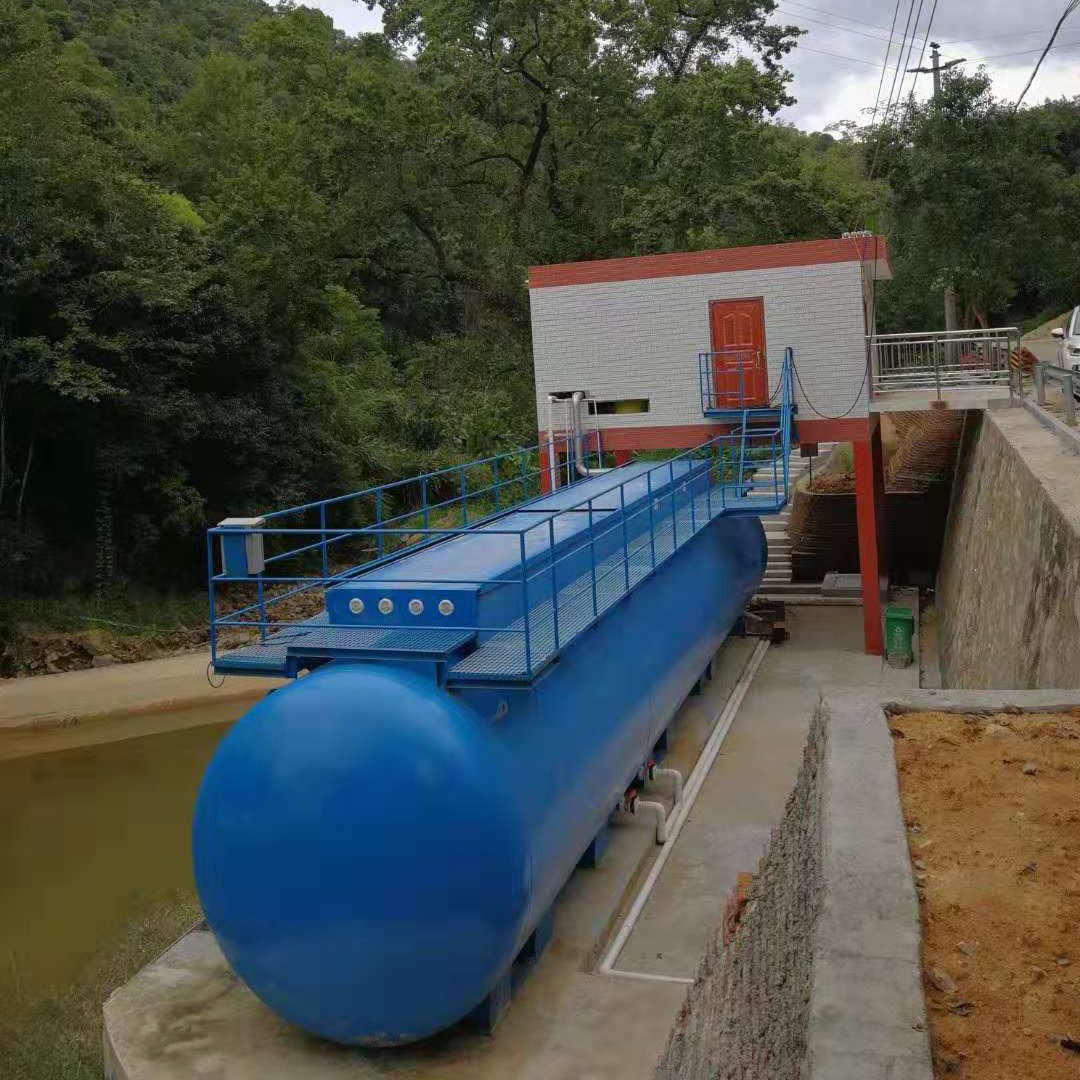
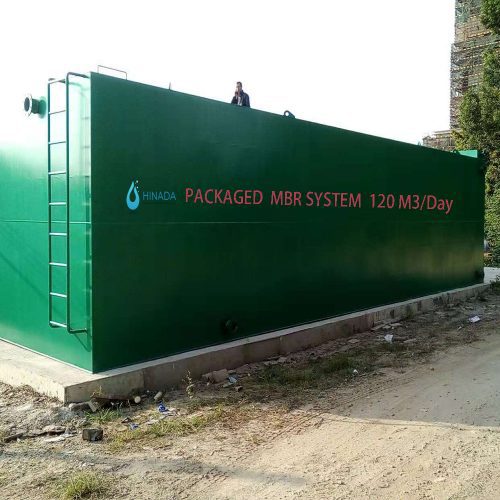
The typical containerized MBR system includes an anoxic tank, aerobic tank, membrane tank, aeration blowers, permeate pumps, backwash pumps, sludge pumps, chemical dosing units, valves, instruments, and a programmable logic controller. All components are mounted inside or on a modified ISO container. The container may be 20 feet, 40 feet, or custom-sized, depending on treatment capacity. A well-designed unit is factory-tested before shipment, which reduces site installation time and minimizes the risk of field errors.
undefined
Why Containerization Has Become Popular
Containerization offers several advantages. First, it reduces civil construction. Traditional wastewater plants require large concrete tanks, extensive piping, and long construction schedules. A containerized MBR system arrives nearly complete, so the site only needs a foundation, utility connections, and discharge piping. Second, it saves space. The membrane bioreactor process has a small footprint because it eliminates the clarifier and allows high mixed liquor suspended solids concentrations. Third, it provides predictable quality. Factory assembly and testing mean the system is built under controlled conditions rather than in an open field.
Fourth, containerized systems are scalable. A supplier can design a single container for a small community or link multiple containers for a larger municipal or industrial plant. Fifth, they are relocatable. If a mining camp, construction site, or temporary facility moves, the containerized MBR system can be relocated with relative ease. These benefits explain why containerized MBR technology is increasingly chosen for rural sanitation, industrial parks, resorts, military bases, and emergency response.
What a Containerized MBR System Must Deliver
A top supplier must ensure that the containerized MBR system delivers more than basic treatment. It must meet discharge standards, handle variable flows, survive power interruptions, resist corrosion, and operate with minimal operator intervention. The system must also be maintainable. Membranes need cleaning, blowers need service, and sensors need calibration. If the container is poorly laid out, even a high-quality membrane module becomes difficult to maintain. Therefore, the supplier must consider accessibility, ventilation, lighting, drainage, and spare parts storage from the beginning of the design.
Core Competencies of a Top Containerized MBR Supplier
A supplier that merely assembles purchased components cannot be considered top-tier. The best suppliers control critical technologies, understand biological and membrane processes, and manage the entire project lifecycle. They provide a complete ecosystem from membrane research and development to component manufacturing, equipment fabrication, and turnkey solution delivery. HINADA, for example, has focused from day one on two core technology pillars: hollow fiber ultrafiltration membranes for precise physical separation of suspended solids, bacteria, colloids, and macromolecular organics, and intelligent integrated wastewater treatment equipment for municipal, industrial, and decentralized applications.
1. In-House Membrane Research and Manufacturing
The membrane is the heart of any MBR system. A top supplier should manufacture or tightly control the membrane supply. Hollow fiber ultrafiltration and MBR membranes are typically made from PVDF or PVC. PVDF membranes offer strong chemical resistance, mechanical strength, and fouling resistance. PVC membranes can be cost-effective for less demanding applications. The supplier must control pore size, fiber diameter, tensile strength, hydrophilicity, and module potting. These factors determine flux, permeability, backwash frequency, chemical cleaning intervals, and membrane life.
HINADA produces PVDF and PVC hollow fiber UF membranes and submerged MBR membrane modules. More than 13 years in the water treatment industry and 10 years of water treatment membrane and equipment manufacturing experience have allowed the company to refine its membrane production. In-house membrane manufacturing gives the supplier better control over quality, lead time, and cost. It also allows the supplier to recommend the right membrane for the specific wastewater, whether it is high-strength industrial effluent, municipal sewage, or surface water with seasonal turbidity.
Membrane Specifications That Matter
Buyers should ask for membrane specifications such as nominal pore size, outside diameter, inside diameter, tensile strength, burst pressure, pure water flux, and pH operating range. They should also ask about the module configuration, potting material, and aeration requirements. A top supplier will provide third-party test reports and reference installations. It will explain how the membrane performs under high mixed liquor suspended solids, high temperature, and chemical cleaning. It will also offer a membrane warranty that reflects confidence in the product.
2. Process Design and System Sizing
Containerized MBR systems cannot be selected from a simple flow rate table. The supplier must evaluate wastewater characteristics, including biochemical oxygen demand, chemical oxygen demand, total suspended solids, ammonia, total nitrogen, total phosphorus, oil and grease, heavy metals, pH, and temperature. Peak flow factors, seasonal variations, and future expansion must be considered. The biological process design must determine tank volumes, sludge retention time, hydraulic retention time, mixed liquor suspended solids concentration, oxygen demand, and nutrient removal requirements.
The membrane design must determine required membrane area, design flux, peak flux, aeration rate for membrane scouring, backwash volume, and chemical cleaning frequency. A top supplier will not oversize the membrane to hide process weaknesses, nor undersize it to reduce cost. Instead, it will use a balanced design that considers life-cycle cost. It will also evaluate pretreatment needs. If the wastewater contains large debris, grit, or oil, the containerized MBR system must include screening, grit removal, or dissolved air flotation upstream.
Pilot Testing and Treatability Studies
For industrial wastewater or unusual municipal streams, a responsible supplier will recommend pilot testing. A pilot containerized MBR system can confirm biological treatability, membrane flux, fouling rate, and chemical cleaning requirements. Pilot data reduce the risk of full-scale underperformance. HINADA, with its broad product range including DAF systems, UF systems, and reverse osmosis systems, can integrate pretreatment and post-treatment into the overall solution. This integrated approach is essential when the final goal is water reuse rather than simple discharge.
3. Container Engineering and Fabrication
The container is not a generic shipping box. It must be modified for wastewater treatment. A top supplier should provide structural reinforcement, corrosion protection, thermal insulation, ventilation, lighting, drainage, and electrical grounding. The interior must be laid out for safe access to pumps, blowers, valves, and instruments. Pipework should be properly supported and labeled. Cable trays should be separated from process piping. The floor should be sealed and sloped to a drain. If the system is installed outdoors, the container must withstand rain, snow, wind, and solar heat.
For cold climates, insulation and heating may be required to protect biological activity and prevent freezing. For hot climates, ventilation and cooling must prevent electrical components from overheating. For corrosive environments, stainless steel or specialized coatings may be necessary. A top supplier will discuss the site conditions in detail and adapt the container design accordingly. HINADA has expanded its manufacturing base to Chenzhou, Hunan Province, where it can fabricate integrated packaged wastewater treatment systems and containerized MBR units under controlled factory conditions.
Factory Acceptance Testing
Before shipment, the containerized MBR system should undergo a factory acceptance test. This test should include hydrostatic testing of tanks and piping, electrical continuity and insulation testing, pump and blower rotation checks, valve operation, instrument calibration, and PLC logic simulation. The supplier should provide a factory acceptance test report with photographs and test data. A top supplier will invite the customer or a third-party inspector to witness the test. Factory acceptance testing reduces site commissioning time and uncovers defects before the equipment leaves the factory.
4. Integrated Packaged Solutions and Product Ecosystem
A top containerized MBR supplier should offer more than one product. Wastewater treatment often requires a chain of processes. Screening, equalization, biological treatment, membrane separation, disinfection, and sludge handling must work together. If the effluent is to be reused, ultrafiltration and reverse osmosis may be needed. If the wastewater contains oil and grease, dissolved air flotation may be required. A supplier with a broad product portfolio can take responsibility for the entire treatment train.
HINADA provides a truly integrated solution to water and wastewater projects, from designation, supplying, installation support, and commissioning to training. Its core products include PVDF and PVC hollow fiber UF membranes, submerged MBR membrane modules, containerized MBR systems and packaged wastewater treatment plants, dissolved air flotation systems, ultrafiltration systems, and industrial reverse osmosis systems. This ecosystem allows HINADA to design a containerized MBR system that fits the specific project rather than forcing the project to fit a limited product line.
Submerged MBR Membrane Modules
Submerged MBR membrane modules are designed to be immersed directly in the membrane tank. Mixed liquor is drawn through the membrane under vacuum or low pressure, while air scouring rises from the bottom to keep the membrane surface clean. The module design affects aeration efficiency, packing density, and cleaning effectiveness. A top supplier will offer modules with uniform pore size, strong fiber bonding, and optimized aeration headers. It will also provide spare modules, potting repair services, and clear guidance on membrane replacement.
Packaged Wastewater Treatment Plants
Packaged wastewater treatment plants are prefabricated systems for smaller flows. They may use MBR, moving bed biofilm reactor, sequencing batch reactor, or other processes. Containerized MBR systems are a type of packaged plant, but not all packaged plants are containerized MBR. A top supplier should clarify the differences and recommend the right technology. For high effluent quality and reuse, MBR is often the best choice. For simple discharge in remote areas, a simpler packaged plant may be sufficient. The supplier should be honest about the trade-offs.
5. Turnkey Project Delivery
A top containerized MBR supplier should provide turnkey delivery. This includes process design, mechanical design, electrical design, container fabrication, membrane installation, automation programming, factory testing, shipping, site installation support, commissioning, performance testing, and operator training. The supplier should assign a project manager and provide a detailed schedule. It should coordinate with civil contractors, electrical contractors, and local authorities. Turnkey delivery reduces the burden on the client and ensures that one party is accountable for performance.
HINADA provides integrated solutions from design and supply to installation support, commissioning, and training. This is important because a containerized MBR system is not fully operational when it arrives. It must be connected to power, water, and discharge lines. It must be filled with seed sludge and acclimated. The PLC must be configured for the site. Operators must learn how to monitor dissolved oxygen, mixed liquor suspended solids, transmembrane pressure, flux, and chemical cleaning. A supplier that disappears after shipment leaves the client with a complex system and no support.
6. Global Experience and Local Support
Containerized MBR systems are used around the world. A top supplier must understand different discharge standards, voltage frequencies, climate conditions, and cultural expectations. It must have experience in Asia, Africa, Europe, and the Americas. HINADA serves clients in over 75 countries. This global experience helps the company anticipate challenges such as high humidity, dust, unstable power, limited internet, and scarce skilled labor. The supplier should provide documentation in the client language when possible and offer remote support through video calls and secure data connections.
Local support can take several forms. The supplier may have regional offices, service partners, or trained distributors. It may stock critical spare parts in strategic locations. It may offer annual maintenance contracts. A top supplier will not claim to have a local office in every country, but it will be transparent about response times, spare parts availability, and remote troubleshooting. It will also provide a clear escalation path for urgent issues.
International Exhibitions and Market Presence
HINADA actively participates in international water treatment exhibitions, bringing Chinese membrane technology to regions where clean water is most needed. Exhibitions allow suppliers to meet consultants, contractors, and end users face to face. They also demonstrate a long-term commitment to the international market. Buyers can meet the technical team, inspect membrane modules, and discuss reference projects. A supplier that invests in exhibitions and technical conferences is more likely to stay current with global trends and regulations.
7. Quality Control and Compliance
A top containerized MBR supplier should operate a documented quality management system. This includes incoming material inspection, welding procedure specifications, welder qualification, dimensional checks, non-destructive testing where required, coating inspection, electrical testing, and final functional testing. The supplier should provide material certificates, test reports, and operation and maintenance manuals. It should comply with relevant standards such as ISO 9001 for quality management and applicable electrical codes for the destination country.
Compliance also includes environmental, health, and safety requirements. The container should have emergency stops, overload protection, earth leakage protection, and proper labeling. Chemical dosing areas should have secondary containment and ventilation. Confined space entry procedures should be documented. A top supplier will not treat safety as an afterthought. It will design the system so that operators can work safely and comfortably.
8. Automation, Instrumentation, and Digital Monitoring
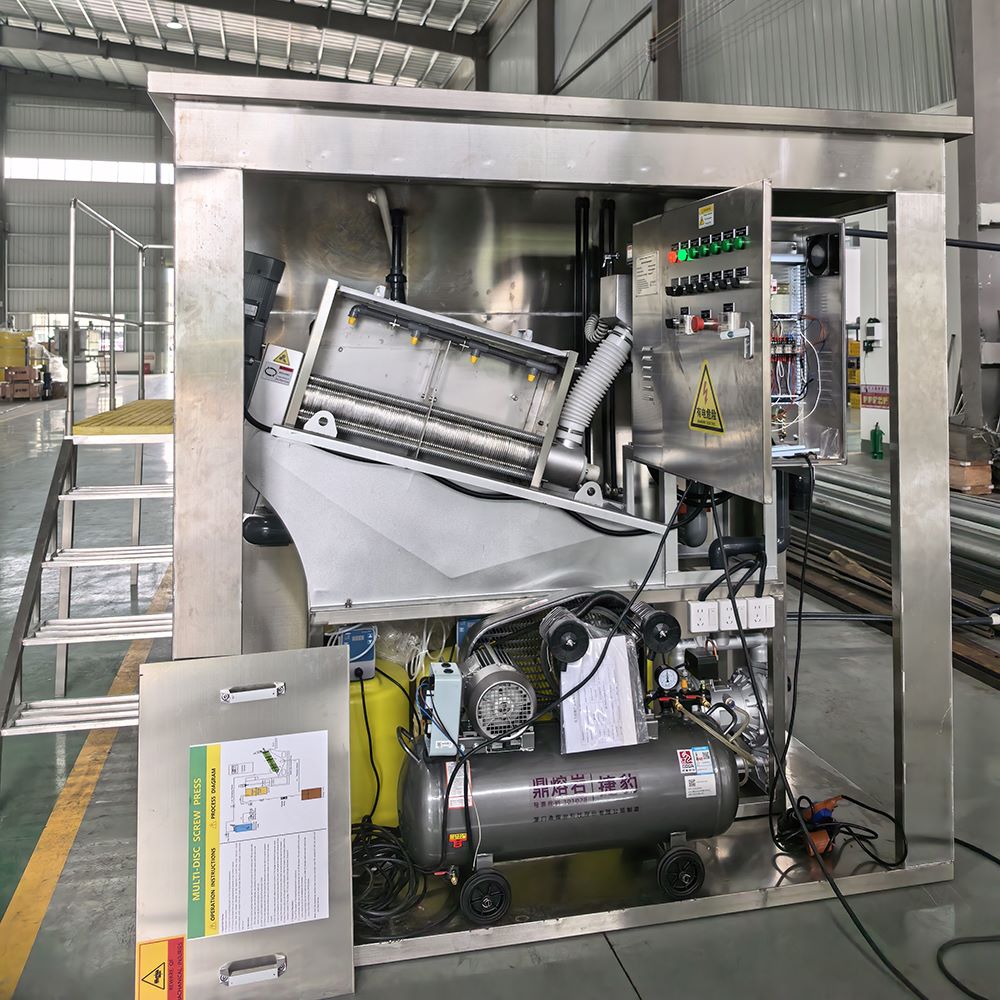
Modern containerized MBR systems rely on automation to maintain stable performance. The PLC should control aeration, permeate production, backwash, relaxation, chemical cleaning, sludge wasting, and dosing. It should monitor dissolved oxygen, pH, temperature, transmembrane pressure, flow, level, and turbidity. The human-machine interface should be intuitive and provide clear alarms. The system should log historical data for troubleshooting and regulatory reporting.
A top supplier should offer remote monitoring options. This may include a cellular router, virtual private network, or cloud platform. Remote monitoring allows the supplier to assist with troubleshooting without sending a technician immediately. It also helps the client track energy consumption, membrane performance, and chemical usage. However, remote monitoring must be secure. The supplier should follow cybersecurity best practices and respect data privacy. HINADA, as an intelligent integrated wastewater treatment equipment manufacturer, focuses on making its systems easier to operate and maintain through smart controls.
Instrumentation Quality
Poor instrumentation can ruin an otherwise good MBR system. A top supplier should select reputable brands for pressure transmitters, flow meters, level sensors, dissolved oxygen probes, and pH sensors. It should provide calibration certificates and spare sensors. It should also design for easy calibration and replacement. If a sensor fails, the system should default to a safe mode and alert the operator. The supplier should not cut costs by using unreliable instruments that require constant attention.
9. After-Sales Service and Maintenance
After-sales service is one of the clearest differentiators between a top supplier and a low-cost vendor. The supplier should offer a warranty period, respond to technical questions promptly, provide spare parts lists, and offer maintenance training. It should also provide membrane cleaning protocols, chemical compatibility charts, and troubleshooting guides. For critical projects, the supplier may offer a service contract that includes regular site visits, membrane testing, and performance optimization.
Membrane replacement is a major long-term cost. A top supplier should be transparent about expected membrane life and replacement cost. It should offer a trade-in or recycling program if available. It should also help the client maintain membrane performance through proper pretreatment, aeration, and chemical cleaning. HINADA, with its own membrane manufacturing, can supply replacement modules and technical support throughout the life of the plant. This reduces the risk of being locked into a single supplier with expensive spare parts.
10. Sustainability and Energy Efficiency
Wastewater treatment is energy-intensive. A top containerized MBR supplier should design for energy efficiency. This includes high-efficiency blowers, variable frequency drives, precise dissolved oxygen control, and optimized membrane aeration. The supplier should also consider sludge reduction, biogas potential, and water reuse. Containerized MBR systems can produce effluent suitable for irrigation, toilet flushing, and industrial reuse. This reduces freshwater withdrawal and discharge volumes.
Sustainability also means durability. A well-built containerized MBR system should last for decades with proper maintenance. The supplier should use corrosion-resistant materials, high-quality coatings, and robust components. It should avoid designs that require frequent replacement of cheap parts. Life-cycle thinking is a hallmark of a top supplier. HINADA application fields include industrial wastewater treatment and reuse, municipal sewage treatment and water recycling, rural decentralized water supply and sanitation, and drinking water purification from surface water or groundwater. These applications all benefit from sustainable, reliable treatment.
Technical Criteria for Evaluating a Containerized MBR Supplier
When comparing suppliers, buyers should use a structured evaluation matrix. Price alone is a poor indicator of value. The following technical criteria can help separate top suppliers from average ones.
Membrane Technology and Warranty
The supplier should state the membrane material, pore size, module dimensions, membrane area, design flux, and operating pressure. It should provide a warranty that covers fiber breakage, potting failure, and performance degradation under specified conditions. It should also explain how membrane integrity is tested, such as pressure decay testing or turbidity monitoring.
Container Design and Materials
The container should be designed for the site climate. The supplier should specify wall thickness, insulation, coating system, flooring, lighting, ventilation, and heating or cooling. It should provide structural calculations if required. It should also explain how the container will be transported and lifted, including lifting points and shipping dimensions.
Process Guarantees
The supplier should guarantee effluent quality under defined influent conditions. The guarantee should include biochemical oxygen demand, chemical oxygen demand, total suspended solids, ammonia, total nitrogen, and total phosphorus as applicable. It should also guarantee capacity, energy consumption, and chemical consumption within a reasonable range. Performance guarantees should be tied to a commissioning test.
Automation and Control
The supplier should describe the control philosophy, PLC brand, HMI type, remote monitoring options, alarm management, and data logging. It should provide sample screens and logic diagrams. The control system should be open enough to allow the client to integrate it with existing SCADA if needed.
Documentation and Training
The supplier should provide operation and maintenance manuals, as-built drawings, wiring diagrams, piping and instrumentation diagrams, spare parts lists, and commissioning reports. Training should cover normal operation, troubleshooting, membrane cleaning, chemical safety, and maintenance scheduling. The supplier should provide training materials and certificates.
Spare Parts and Lead Time
The supplier should provide a recommended spare parts list for two years of operation. It should state lead times for critical parts such as membranes, blowers, pumps, and sensors. It should also offer to stock parts locally or provide expedited shipping. A top supplier will not leave the client guessing about spare parts availability.
Common Pitfalls in Containerized MBR Procurement
Many containerized MBR projects fail not because the technology is flawed, but because procurement decisions ignore critical details. The following pitfalls are common.
Undersized Pretreatment
Membranes are not garbage disposals. If screens, grit removal, or oil separation are inadequate, the membranes will foul, clog, and break. A top supplier will insist on proper pretreatment. A low-cost supplier may omit it to reduce price. Buyers should compare pretreatment scope carefully.
Inadequate Aeration
Membrane aeration is essential for scouring the membrane surface and controlling fouling. If the blower is undersized or the aeration headers are poorly designed, the membrane will require frequent cleaning. The supplier should provide aeration calculations and specify air flow per module. Energy consumption should be realistic, not optimistic.
Unrealistic Flux Assumptions
Design flux must be based on wastewater characteristics and operating conditions. A supplier that assumes a very high flux can reduce membrane area and lower capital cost, but the system will foul quickly. A top supplier will use conservative flux values and provide pilot data if available.
Poor Container Layout
If the container is packed too tightly, maintenance becomes difficult. Pumps, valves, and instruments should be accessible without dismantling other equipment. Chemical dosing areas should be separated from electrical panels. Walkways should be wide enough for safe movement. Lighting should be adequate. Drainage should prevent standing water.
No Operator Training
Even an automated system needs trained operators. If the client does not understand transmembrane pressure trends, dissolved oxygen control, or chemical cleaning, the system will degrade. A top supplier will provide hands-on training and follow-up support. It will also help the client develop standard operating procedures.
Weak After-Sales Support
Membrane bioreactors require ongoing attention. If the supplier cannot provide technical support, spare parts, or membrane replacement, the client may face long downtime. Buyers should check references and ask about response times. They should also review the warranty terms carefully.
Applications of Containerized MBR Systems
Containerized MBR systems are versatile. They can be used in many sectors where space is limited, discharge standards are strict, or water reuse is desired.
Industrial Wastewater Treatment and Reuse
Industries such as food and beverage, textile, pharmaceutical, chemical, automotive, and electronics generate wastewater that requires robust treatment. Containerized MBR systems can treat high organic loads and produce water suitable for reuse in cooling, washing, or irrigation. When combined with reverse osmosis, the effluent can meet boiler feed or process water standards. HINADA application fields include industrial wastewater treatment and reuse, and its product range includes industrial reverse osmosis systems for advanced reuse.
Municipal Sewage Treatment and Water Recycling
Municipalities and developers use containerized MBR systems for new residential areas, commercial complexes, airports, and train stations. The systems can be installed in basements, parking structures, or small plots. The treated water can be reused for landscape irrigation, toilet flushing, and street cleaning. This reduces demand on municipal water supplies and lowers discharge fees.
Rural Decentralized Water Supply and Sanitation
Many rural communities lack centralized sewers. Containerized MBR systems provide a decentralized solution that can be delivered, installed, and operated locally. They are ideal for villages, eco-resorts, schools, clinics, and remote work camps. Because they are prefabricated, they can be deployed quickly even in areas with limited construction capacity. HINADA application fields include rural decentralized water supply and sanitation, which aligns with the global need for safe sanitation.
Drinking Water Purification
Ultrafiltration and MBR technology can also be used for drinking water purification from surface water or groundwater. While MBR is primarily a wastewater process, the membrane expertise of a supplier like HINADA extends to drinking water applications. Hollow fiber UF membranes remove suspended solids, bacteria, viruses, and colloids, providing a barrier against pathogens. Containerized UF systems can be used for small communities, hotels, and emergency water supply.
Total Cost of Ownership for Containerized MBR Systems
The purchase price of a containerized MBR system is only the beginning. Total cost of ownership includes capital cost, installation cost, energy cost, chemical cost, membrane replacement, labor, and maintenance. A top supplier will help the client understand these costs and optimize the design for the lowest life-cycle cost.
Capital Cost
Capital cost includes the container, membranes, pumps, blowers, controls, instrumentation, and factory testing. It also includes shipping, customs, site foundation, electrical connections, and piping. A lower capital cost may mean smaller membrane area, less automation, or lower-quality components. Buyers should compare scope, not just price.
Energy Cost
Energy is usually the largest operating cost. Blowers for biological aeration and membrane scouring consume most of the power. A top supplier will optimize blower selection, use variable frequency drives, and control dissolved oxygen precisely. Energy recovery from biogas is possible for larger systems, but for containerized units, efficiency is the primary focus.
Chemical Cost
Chemical cleaning is necessary to maintain membrane permeability. Sodium hypochlorite, citric acid, and other cleaning agents are used periodically. The frequency depends on feedwater quality and operating conditions. A top supplier will provide cleaning protocols and help the client minimize chemical use through proper pretreatment and aeration.
Membrane Replacement
Membranes typically last five to ten years, depending on operation and maintenance. Replacement cost can be significant. A supplier with in-house membrane manufacturing, such as HINADA, can offer competitive replacement pricing and technical support. Buyers should ask about membrane life expectancy and replacement cost at the time of purchase.
Labor and Maintenance
Containerized MBR systems require routine maintenance. Pumps need lubrication, blowers need filter changes, sensors need calibration, and membranes need cleaning. Automation can reduce labor, but not eliminate it. A top supplier will provide a maintenance schedule and training to help the client plan resources.
Future Trends in Containerized MBR Technology
The containerized MBR market is evolving. Suppliers must anticipate future needs to remain competitive.
Energy Neutral and Low-Energy Systems
Researchers and manufacturers are developing low-energy MBR systems that reduce aeration demand. Innovations include intermittent aeration, membrane air scouring optimization, and anaerobic MBR for energy recovery. A top supplier will invest in these technologies and offer them where appropriate.
Digital Twins and Artificial Intelligence
Digital twins can simulate MBR performance and predict fouling. Artificial intelligence can optimize aeration, chemical dosing, and cleaning schedules. Remote monitoring and cloud analytics are becoming standard. Suppliers that embrace digitalization can offer better support and lower operating costs.
Modular and Expandable Designs
As communities and industries grow, treatment capacity must expand. Modular containerized MBR systems allow additional containers to be added with minimal disruption. A top supplier will design for future expansion, including common headers, electrical capacity, and control integration.
Water Reuse and Resource Recovery
Water scarcity is driving demand for reuse. Containerized MBR systems are well suited for producing high-quality recycled water. Future systems may also recover nutrients, energy, and biosolids. Suppliers that can integrate MBR with reverse osmosis, DAF, and advanced oxidation will be better positioned.
Procurement Checklist for Containerized MBR Systems
Buyers can use the following checklist to evaluate suppliers.
Does the supplier manufacture its own membranes or control the membrane supply chain?
Does the supplier have experience with similar wastewater and similar climate conditions?
Does the supplier provide process design, container fabrication, automation, and commissioning?
Does the supplier offer a performance guarantee for effluent quality and capacity?
Does the supplier provide factory acceptance testing and documentation?
Does the supplier offer installation support, commissioning, and operator training?
Does the supplier provide spare parts lists, maintenance manuals, and troubleshooting guides?
Does the supplier offer remote monitoring and after-sales service?
Does the supplier have references in the client region or similar applications?
Does the supplier provide a clear total cost of ownership analysis?
Does the supplier comply with relevant safety and electrical standards?
Does the supplier offer membrane replacement and recycling options?
Why HINADA Represents the Capabilities of a Top Supplier
HINADA Water Treatment Tech Co., Ltd. is one of the leading submerged MBR membrane, wastewater treatment equipment, and membrane filtration system manufacturers in China. The company specializes as a wastewater treatment solution provider and equipment supplier in Guangzhou since it was founded in 2012. Its expansion to Chenzhou, Hunan Province, increased manufacturing capacity and allowed for better control over fabrication quality. With more than 13 years in the water treatment industry and 10 years of water treatment membrane and equipment manufacturing experience, HINADA has built a complete ecosystem from membrane research and development to component manufacturing, equipment fabrication, and turnkey solution delivery.
For containerized MBR projects, HINADA can provide submerged MBR membrane modules, containerized MBR systems, packaged wastewater treatment plants, DAF systems, UF systems, and industrial RO systems. This integrated product range means the company can design a treatment train that includes pretreatment, biological treatment, membrane separation, and post-treatment. It can also provide installation support, commissioning, and training. HINADA serves clients in over 75 countries across Asia, Africa, Europe, and the Americas. Its participation in international water treatment exhibitions reflects a commitment to bringing Chinese membrane technology to regions where clean water is most needed.
A top containerized MBR supplier should not be chosen solely on price. It should be chosen on technology, experience, quality, service, and long-term partnership. HINADA demonstrates these qualities through its membrane manufacturing, integrated equipment production, global project experience, and turnkey delivery model. For buyers seeking a reliable containerized MBR system, the supplier evaluation process should include technical audits, reference checks, factory visits, and clear performance guarantees. The right supplier will deliver a system that operates efficiently, meets discharge standards, and supports water reuse for years to come.
Conclusion
Containerized MBR systems offer a powerful solution for decentralized and industrial wastewater treatment. They save space, reduce construction time, and produce high-quality effluent. However, their performance depends heavily on the supplier. A top supplier must provide in-house membrane technology, robust process design, high-quality container fabrication, reliable automation, turnkey project delivery, global experience, after-sales service, and a commitment to sustainability. HINADA Water Treatment Tech Co., Ltd. exemplifies these capabilities through its history since 2012, its manufacturing base in Chenzhou, Hunan Province, its 75-country client base, and its complete ecosystem of membranes, equipment, and integrated solutions. When buyers evaluate containerized MBR suppliers, they should look beyond the container and examine the engineering, manufacturing, and service behind it. The right supplier will be a partner for the life of the plant, not just a vendor for the initial purchase.