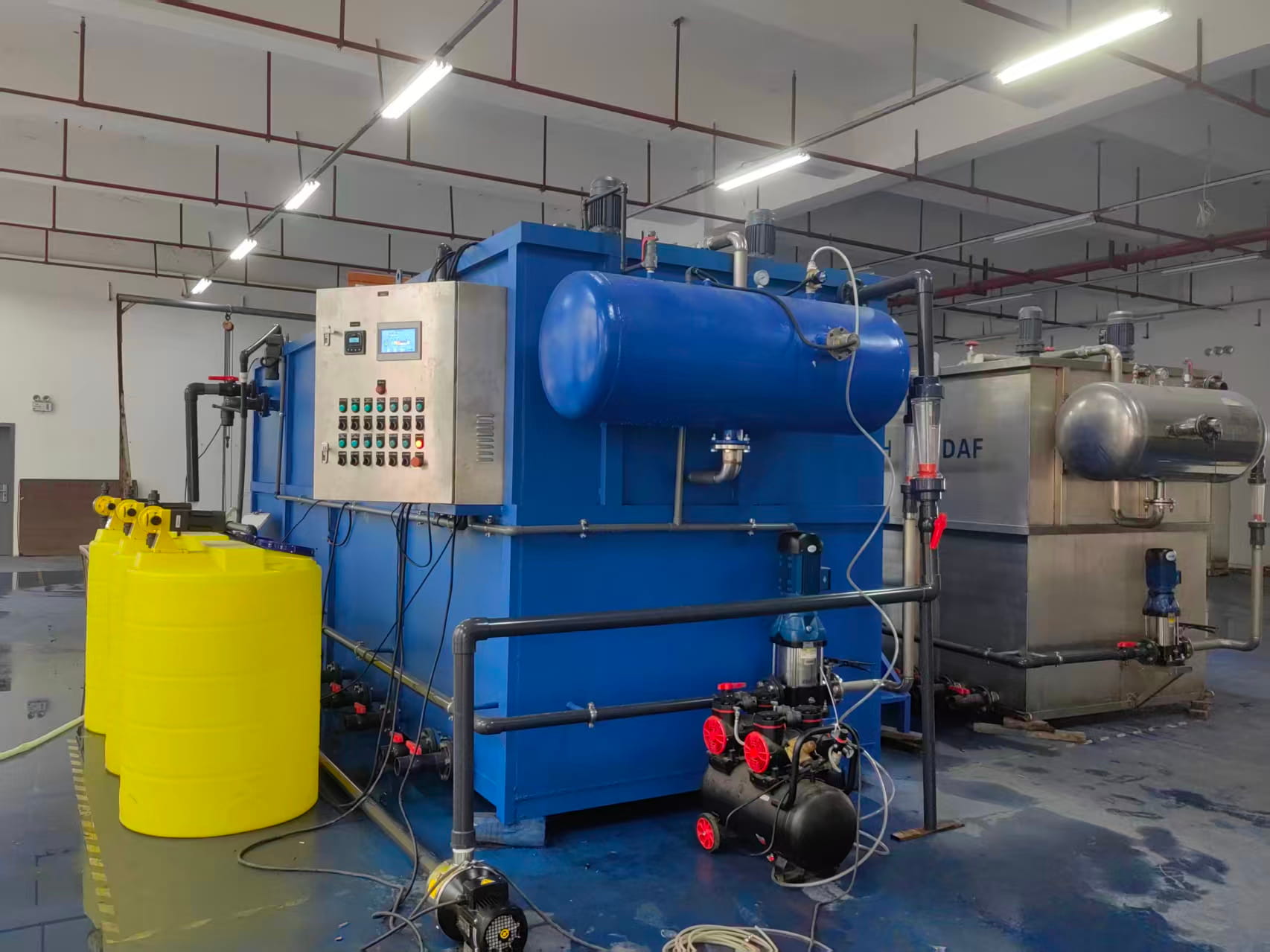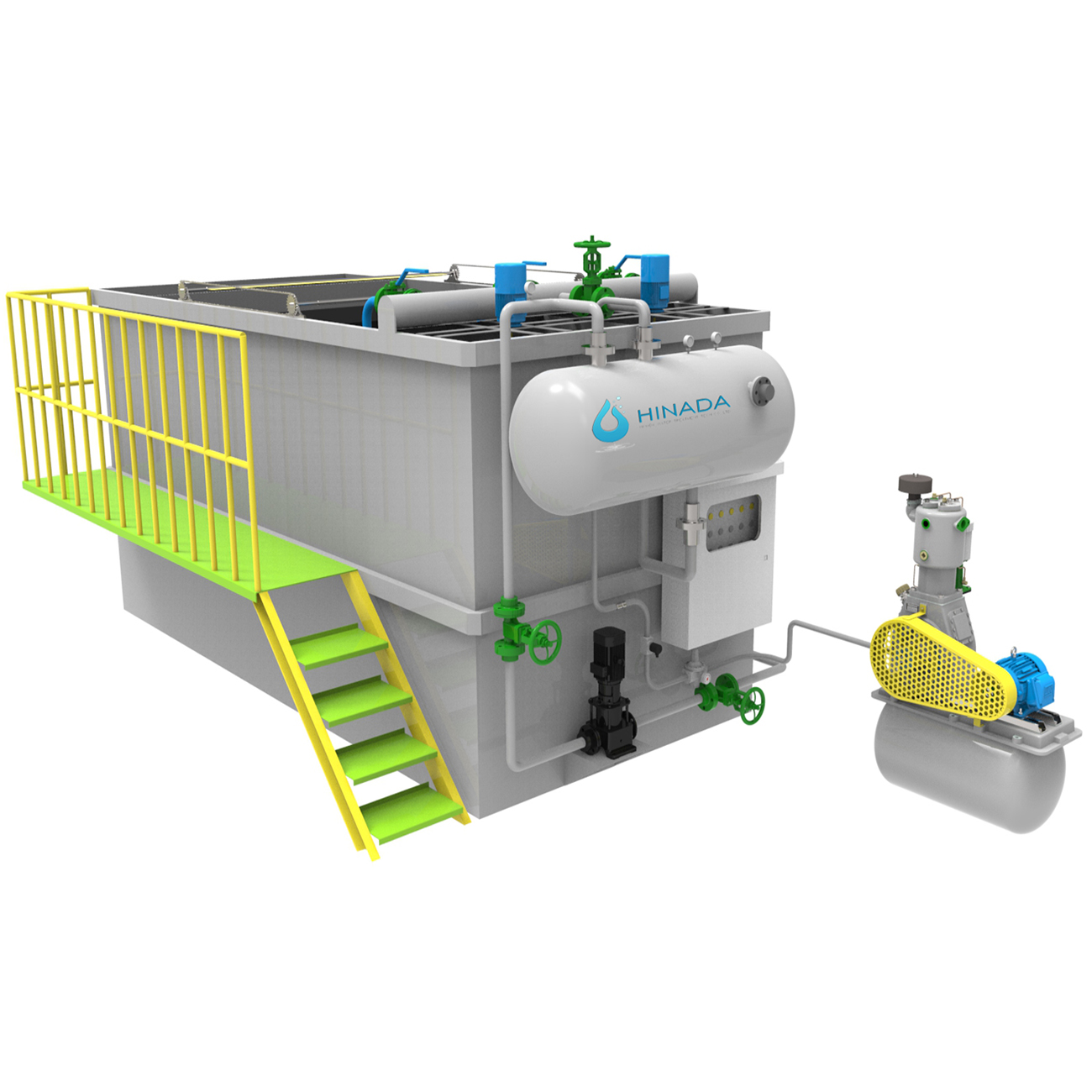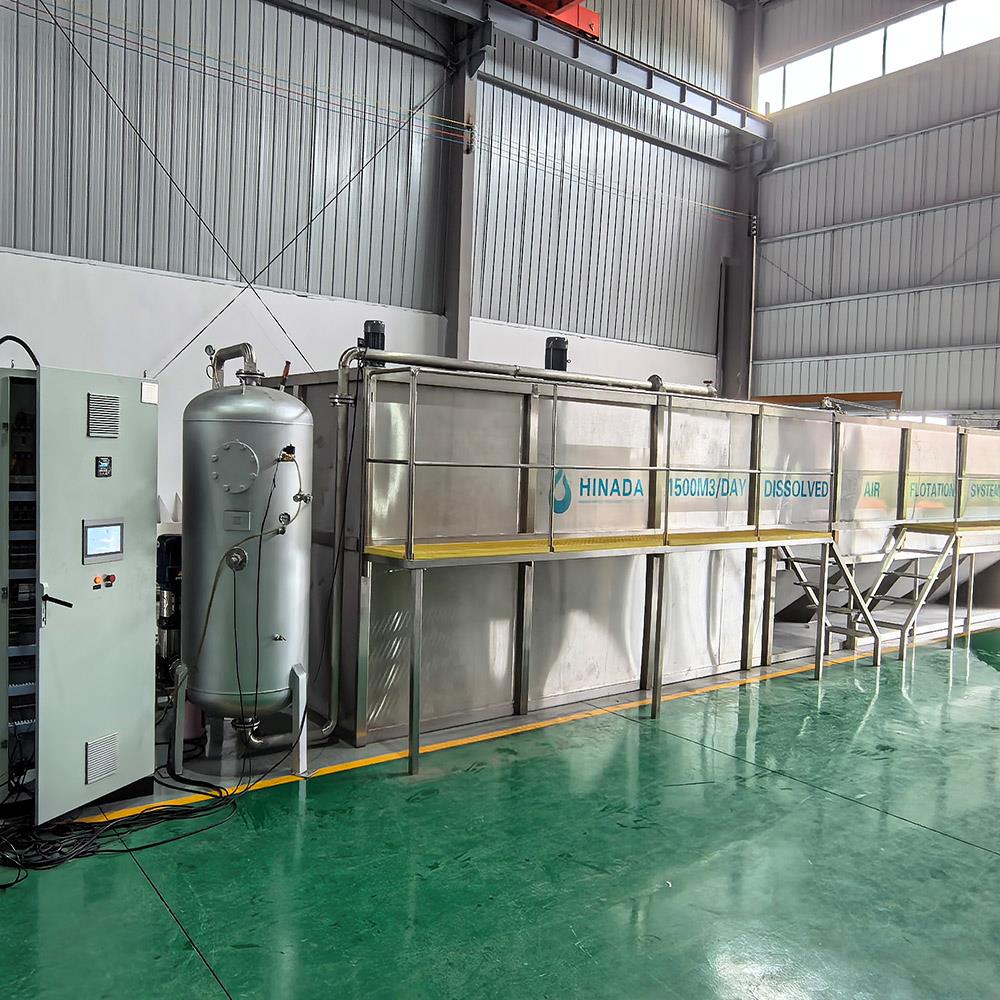


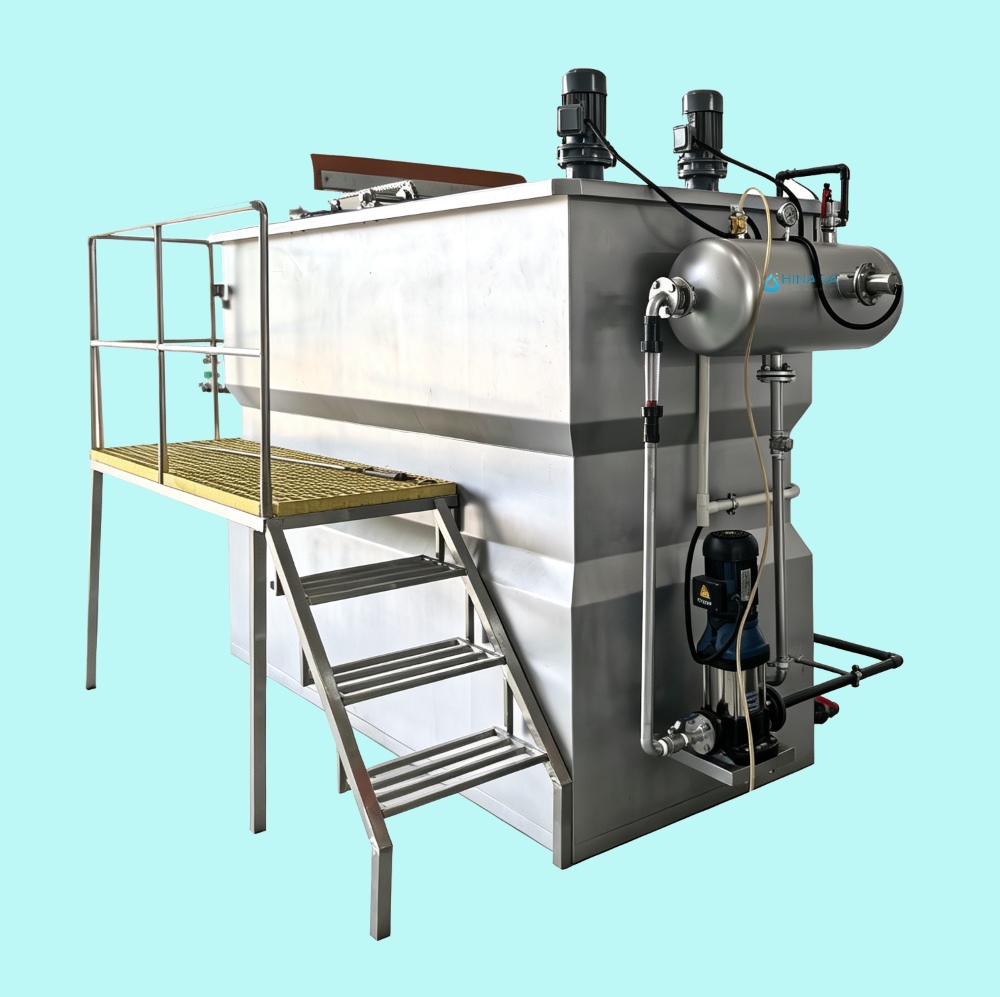
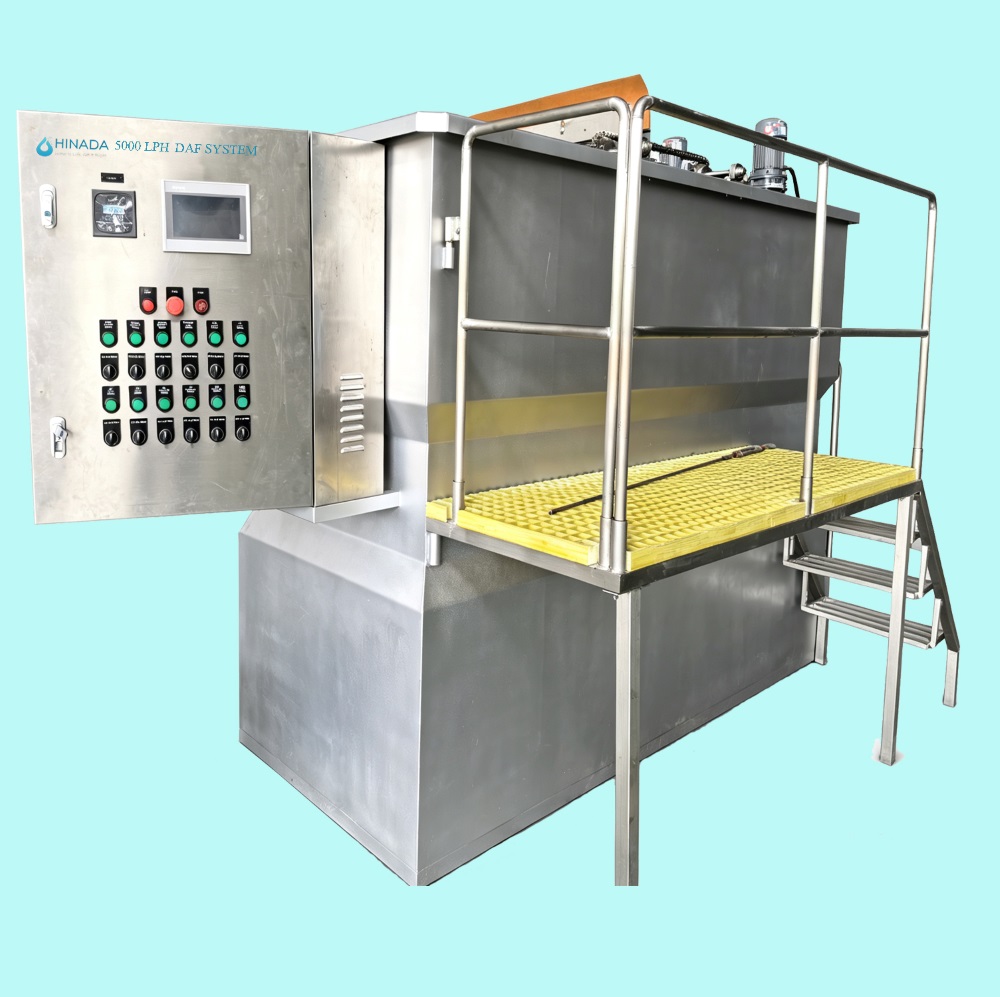
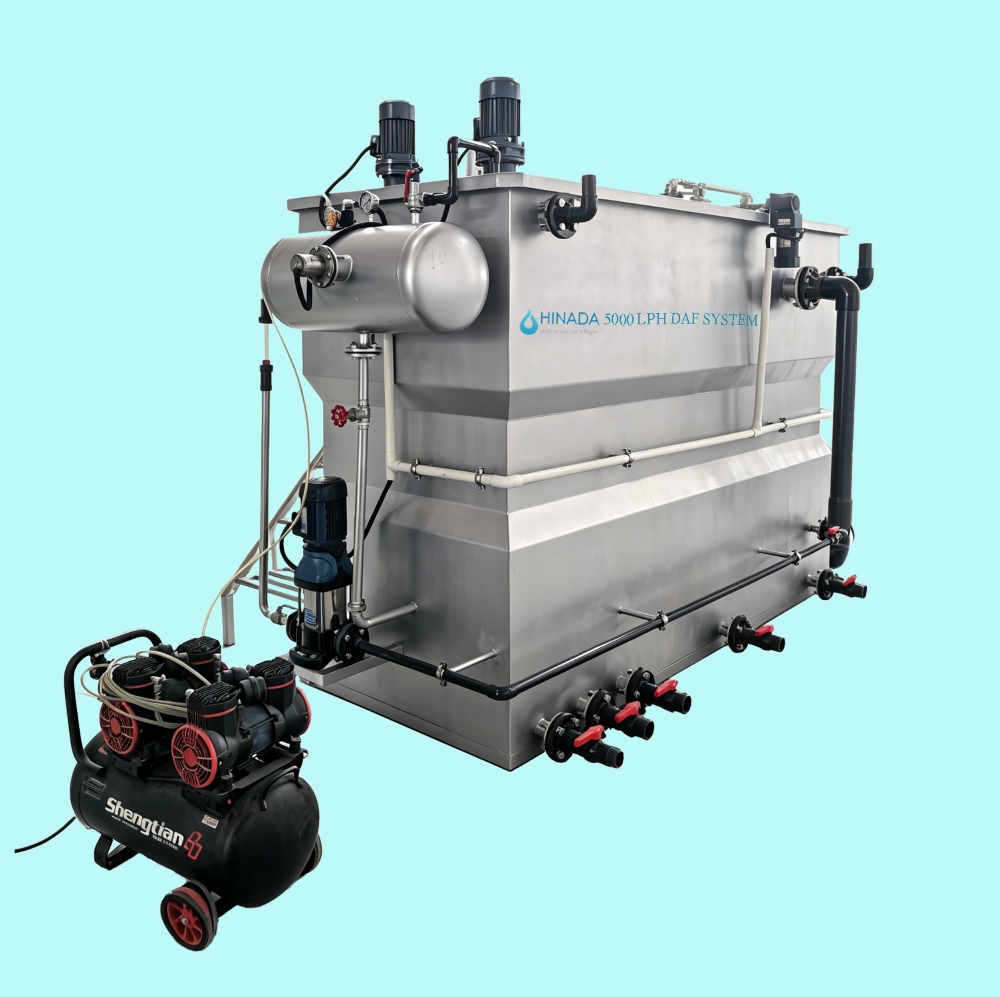
5m3/H Dissolved Air Flotation Machine for Metal Furniture Wastewater
DAF System Technical Consideration
Metal furniture manufacturing generates wastewater containing paint particles, heavy metal ions (e.g., chromium, nickel, zinc), suspended solids (SS), oils, and organic matter (COD). Technical Considerations as below:
DAF System Process Integration – DAF is typically part of a larger treatment train. A common layout is:
Raw wastewater → pH adjustment → Coagulation (with PAC) → Flocculation (with PAM) → DAF → Effluent (discharge or reuse).
The floated sludge is removed by a scraper and sent for dewatering/disposal.
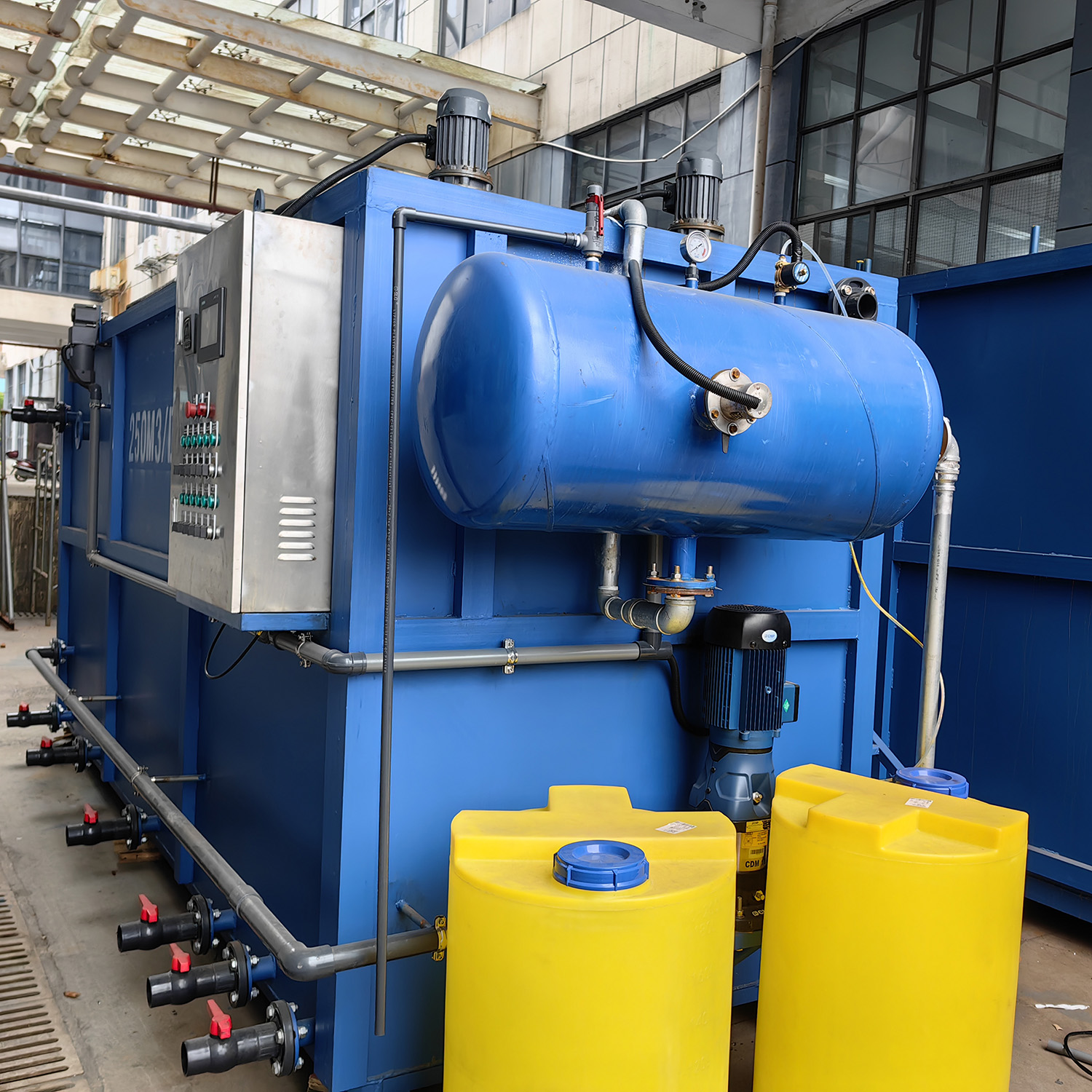
Chemical Dosing – To achieve efficient flocculation, a dosing system for coagulants (e.g., polyaluminium chloride) and flocculants (e.g., anionic/cationic polyacrylamide) is essential. The chemicals help aggregate fine particles and emulsified oils, making them buoyant.
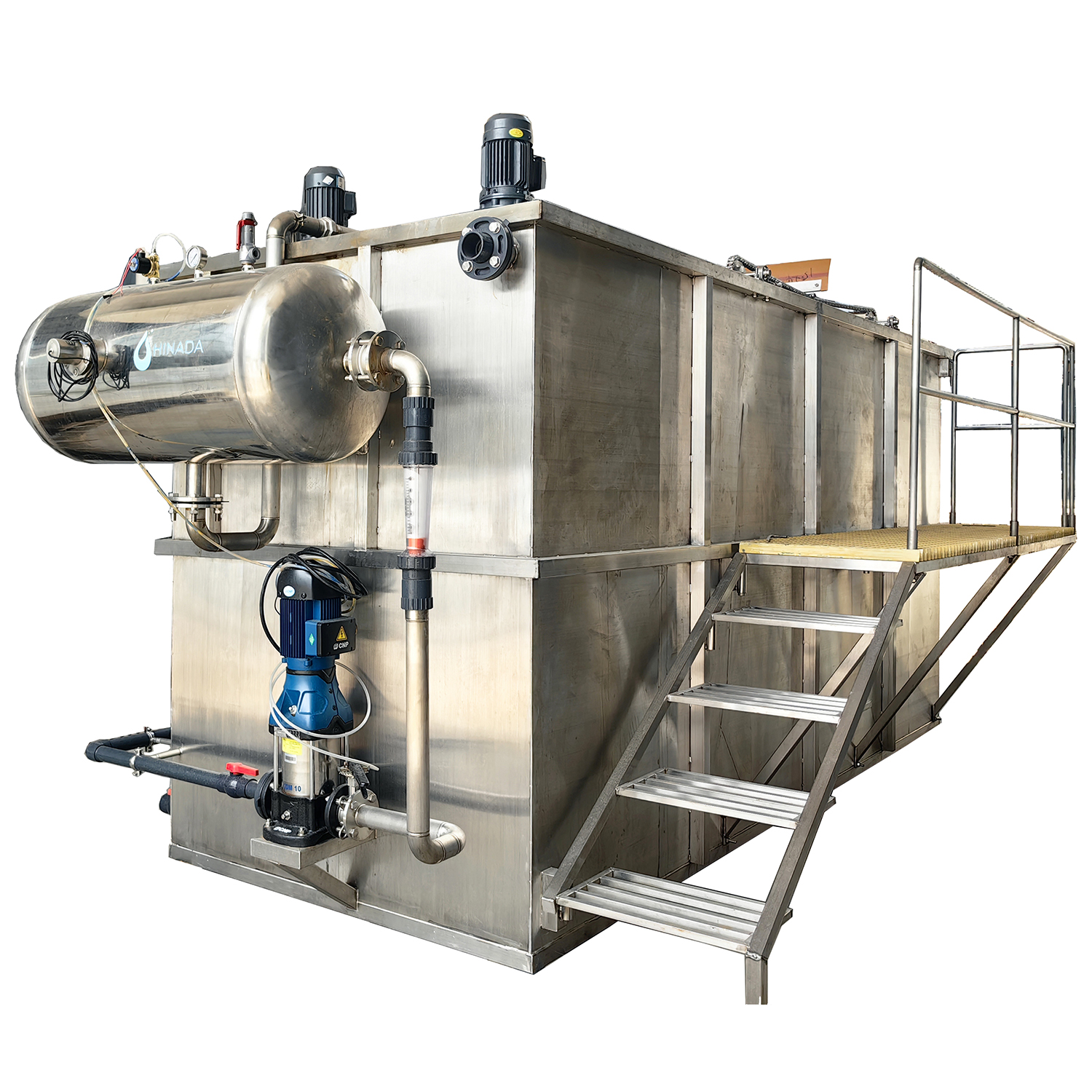
Material Selection – Metal furniture wastewater actually contain acidic or alkaline components. For long‑term durability, we designed with stainless steel construction SUS304 with 4mm thickness and plus anti-corrosive painting.
Performance Expectations – With proper chemical pre‑treatment, a DAF unit can reduce suspended solids by 85‑95%, oils & grease by 80‑90%, and heavy metals by 70‑90%, significantly lightening the load for subsequent biological or membrane treatment.
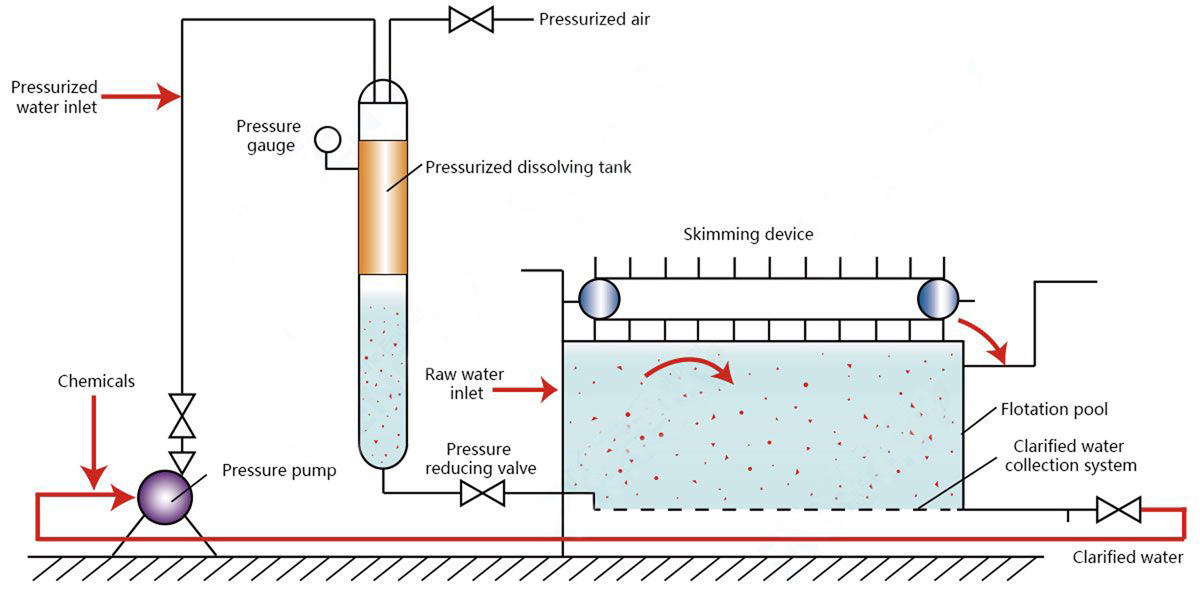
The specific operational process consists of three key stages:
1). Gas Dissolution and Release (Bubble Generation):
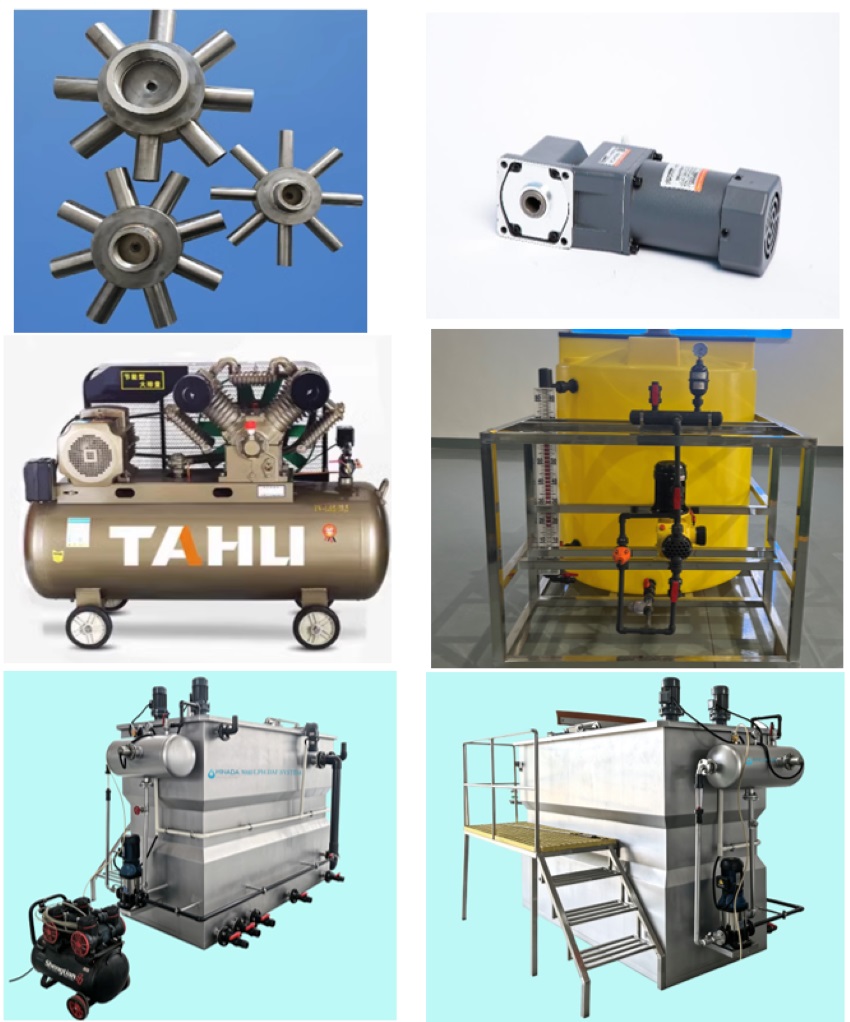
The releaser (or release nozzle) is often called the “heart” of the DAF unit. It is the component that transforms pressurized saturated water into a stream of micro‑bubbles, which are essential for effective flotation. The quality and quantity of these bubbles directly determine the separation efficiency for suspended solids, oils, and heavy‑metal flocs in your wastewaterA pressurized water pump boosts the pressure of a portion of treated effluent or raw water to 3–5 atmospheres. Air is injected into a pressure tank, forcing it to dissolve into the water and creating "high-pressure dissolved-air water." When this water passes through a specialized release valve into the atmospheric-pressure flotation tank, the pressure drops abruptly. The dissolved air instantly comes out of solution, releasing a vast number of minute bubbles with diameters of only 20–50 micrometers.
2). Air Flotation Attachment (Solid-Gas Bonding):
In the release zone, these micro-bubbles come into full contact with the raw water, which has already been mixed with flocculants. Due to their tiny size and high surface activity, the bubbles rapidly collide with and physically adsorb onto suspended solids, colloidal matter, and oil droplets in the wastewater, firmly attaching to the surface of the pollutants to form "bubble-floc" aggregates.
3). Flotation Separation and Scum Skimming:
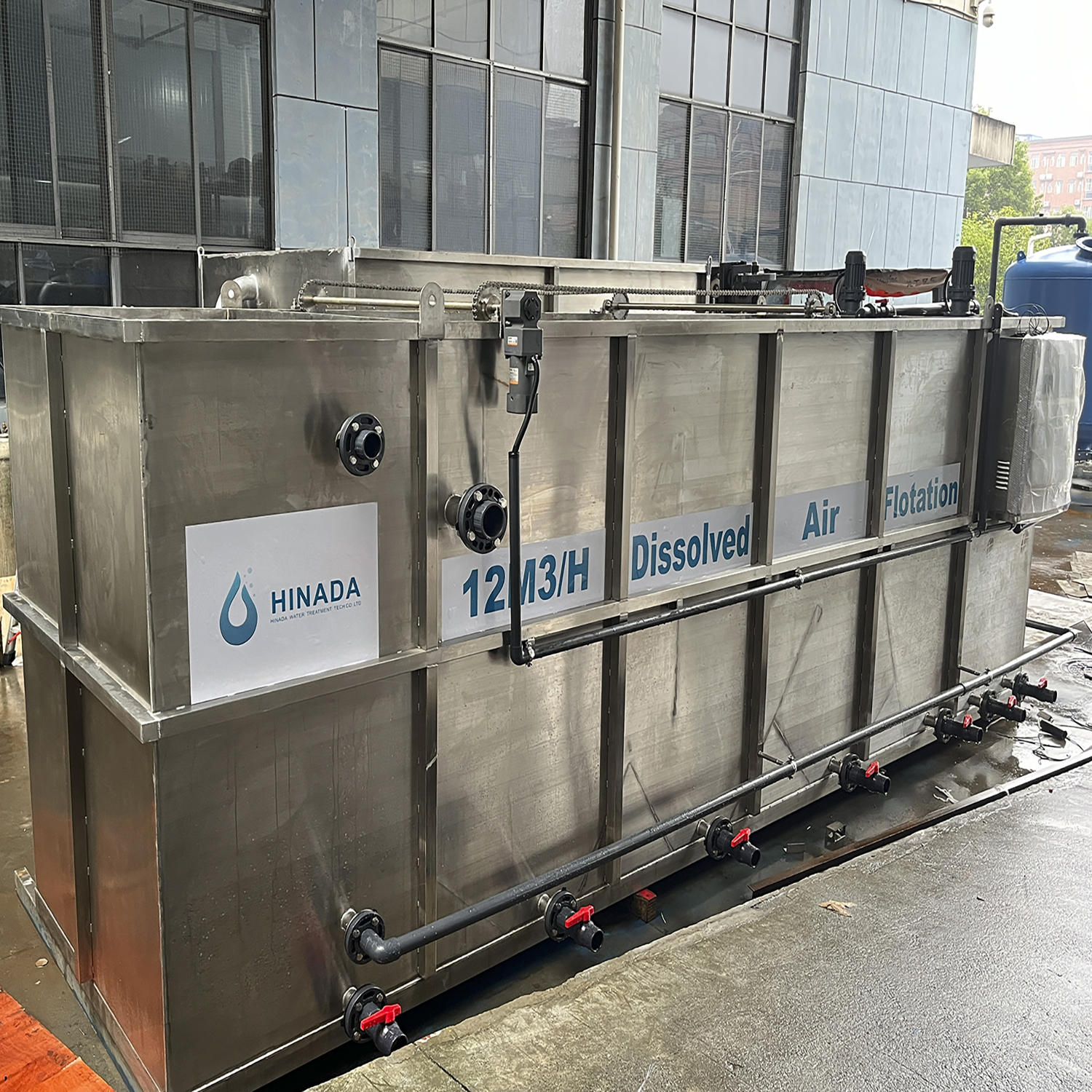
Methods for Sludge Removal (Scrapers, Vacuum Systems): The most common method involves surface scrapers—paddles or flights that slowly move across the surface of the float tank, collecting the floating scum layer and gently pushing it into a scum hopper or discharge trough. For some applications or tank designs, a vacuum system may be used to gently lift the scum layer, minimizing water content in the resulting sludge. A skimmer mechanism at the top of the tank operates continuously to scrape this scum into a sludge trough for discharge, while the clarified water is collected and discharged via a collection system at the bottom of the tank.
4) DAF System Applications and Advantages:
DAF is widely used as a primary or secondary clarification step to reduce solids, fats, oils, and grease (FOG) before subsequent biological or discharge steps.
Municipal Wastewater Treatment: DAF systems are employed, often as a pretreatment step, to enhance the removal of suspended solids and phosphorus. They can also be used as an effective alternative to conventional sedimentation tanks, especially when treating high-flow or low-density sludge streams.
Industrial Wastewater Treatment: DAF is a critical unit operation in industries that generate highly contaminated effluent:
Food Processing: Used to remove fats, proteins, and suspended solids from water generated by dairies, meat packing, poultry, and vegetable processing plants. This significantly reduces the organic loading (BOD/COD) prior to biological treatment.
Pulp and Paper: Removes fibers, fillers, and coating solids, allowing for the potential recovery of raw materials and water recycling.
Oil and Gas: Essential for treating produced water and refinery wastewater, where it effectively removes emulsified oil and suspended solids.
Textiles and Laundries: Removes dyes, fibers, and detergents.
DAF System Main Components