

Printing Ink Wastewater Characteristic
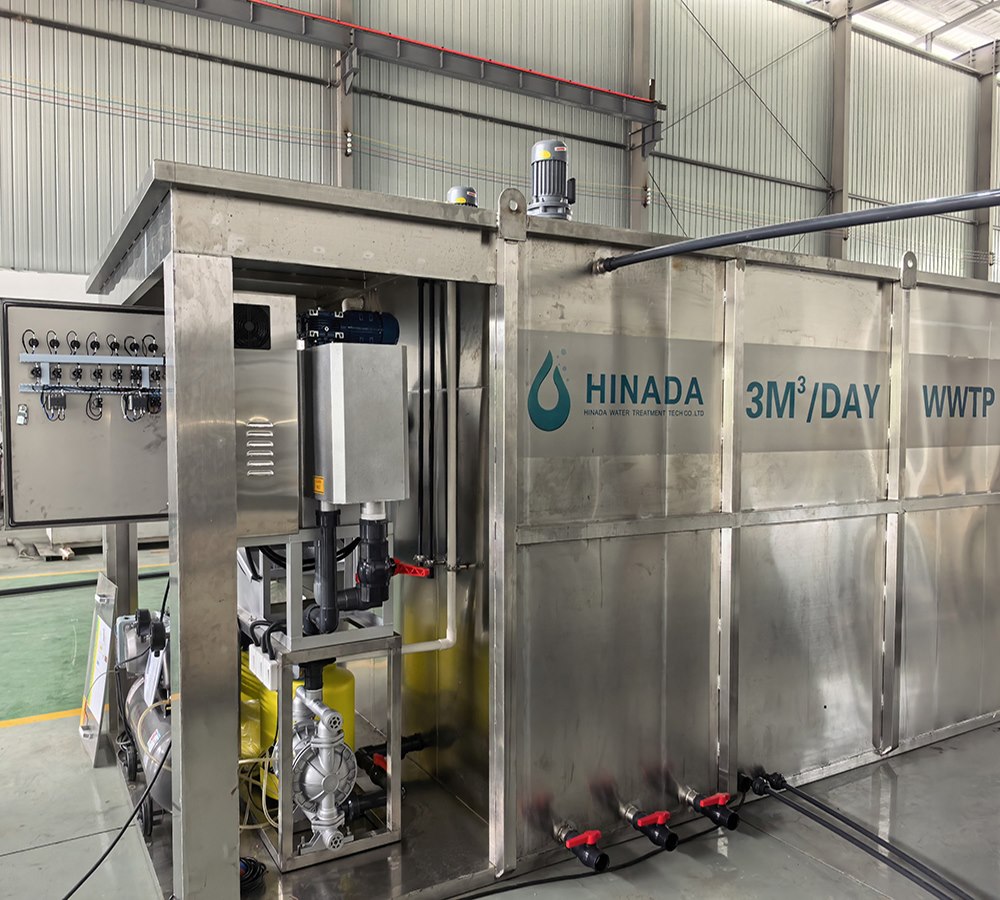
Printing ink wastewater is generated during the production of printing inks, as well as in printing processes that involve equipment cleaning, formulation changeovers, and wash‑water discharge. It is one of the most complex industrial effluents due to its high organic load, intense colour, and the presence of recalcitrant compounds, the very key issue is most of the project with small capacity like 3—5m3/day. Effective treatment is mandatory before discharge or reuse, as regulatory limits for chemical oxygen demand (COD), biochemical oxygen demand (BOD), total suspended solids (TSS), and heavy metals are increasingly stringent worldwide.
Typical printing ink pollutant ranges (before any treatment)
|
Parameter |
Typical value (mg/L) |
|
COD |
5,000 – 50,000 |
|
BOD₅ |
1,000 – 10,000 |
|
TSS |
500 – 5,000 |
|
Colour (Pt‑Co) |
2,000 – 20,000 |
|
Heavy metals (e.g., Cu, Cr, Pb) |
1 – 50 (depending on pigment) |
|
pH |
6 – 10 (often alkaline) |
Additionally, the wastewater contains high molecular weight polymers, emulsified oils, and surfactants that stabilise colloidal particles, making conventional sedimentation ineffective
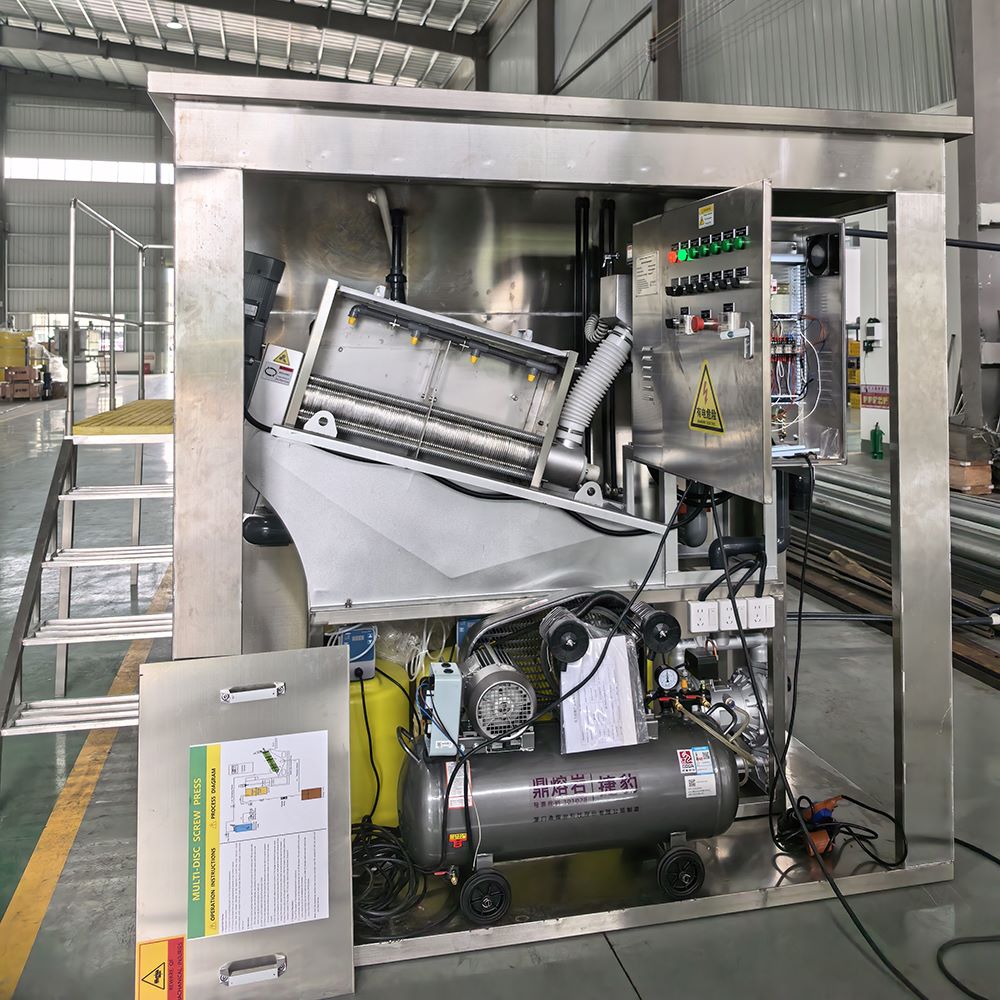
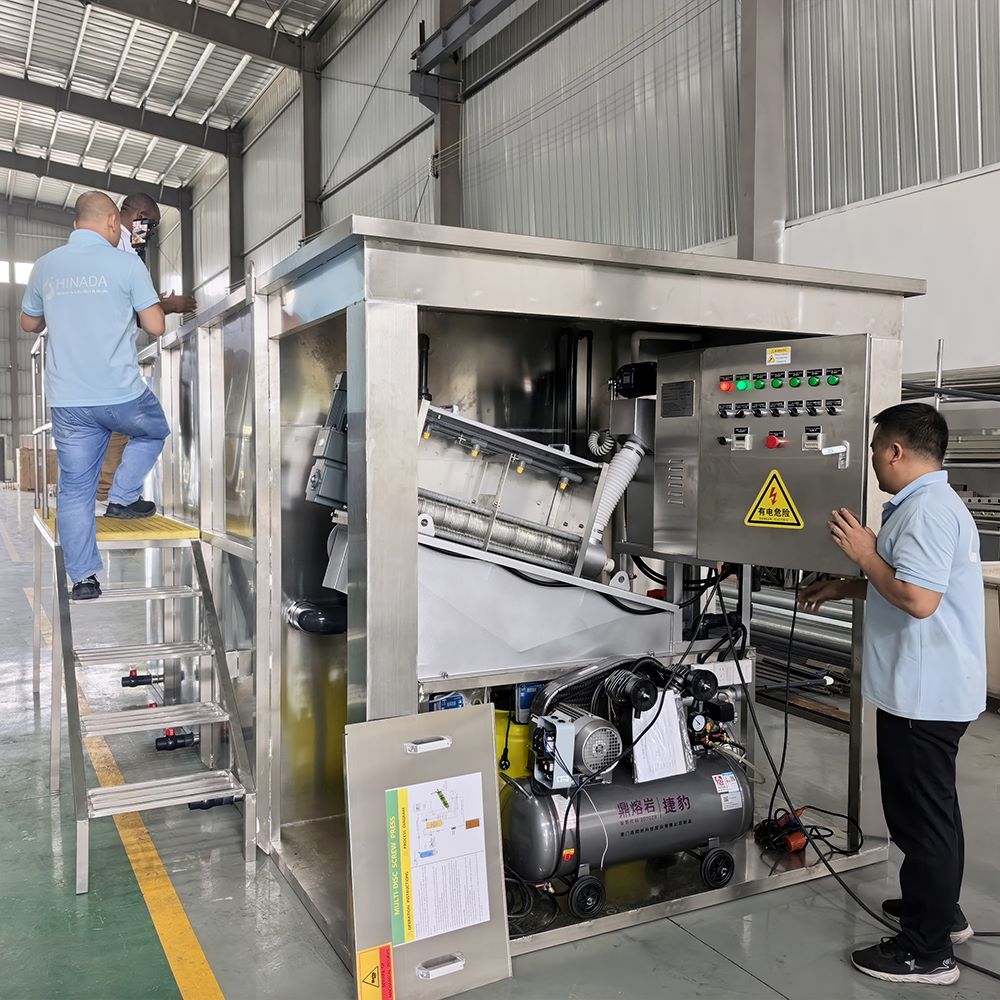
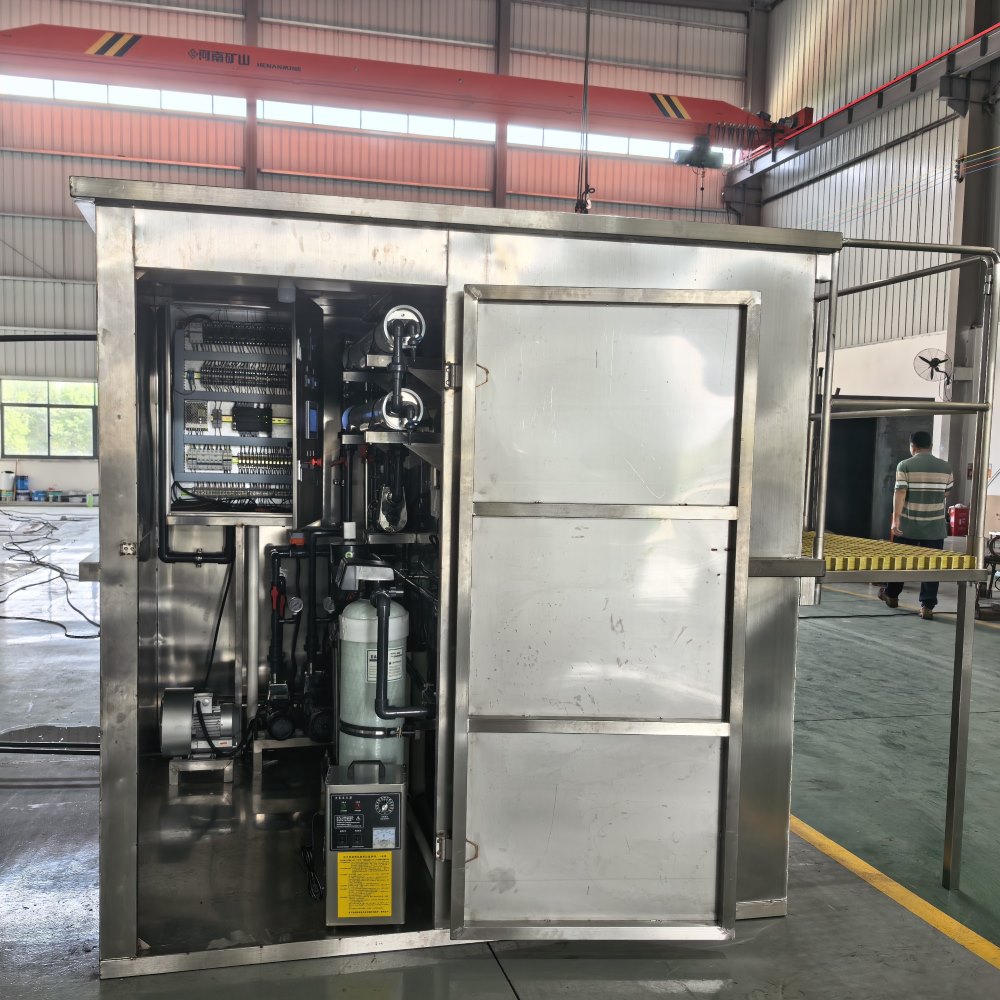
Printing Ink wastewater treatment process
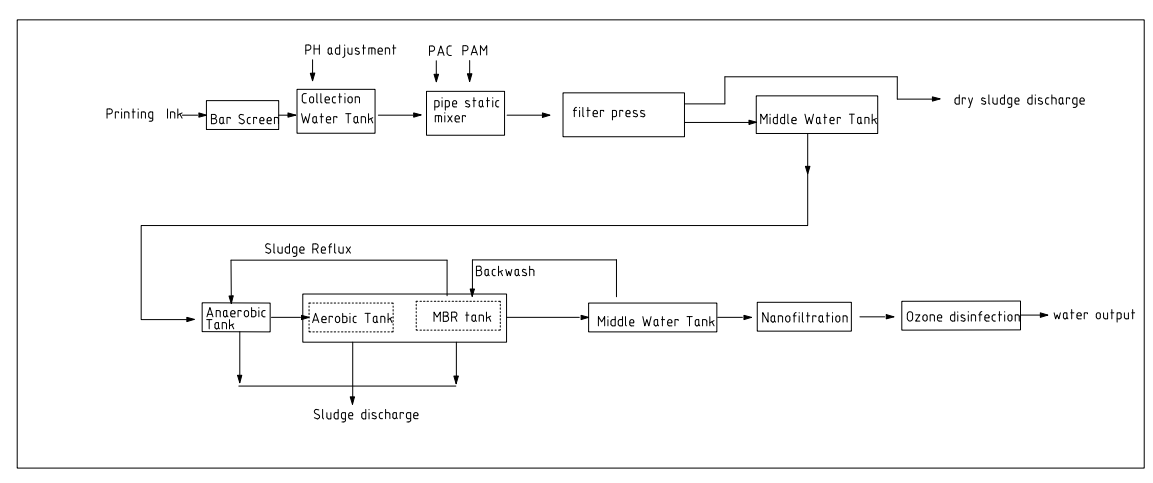
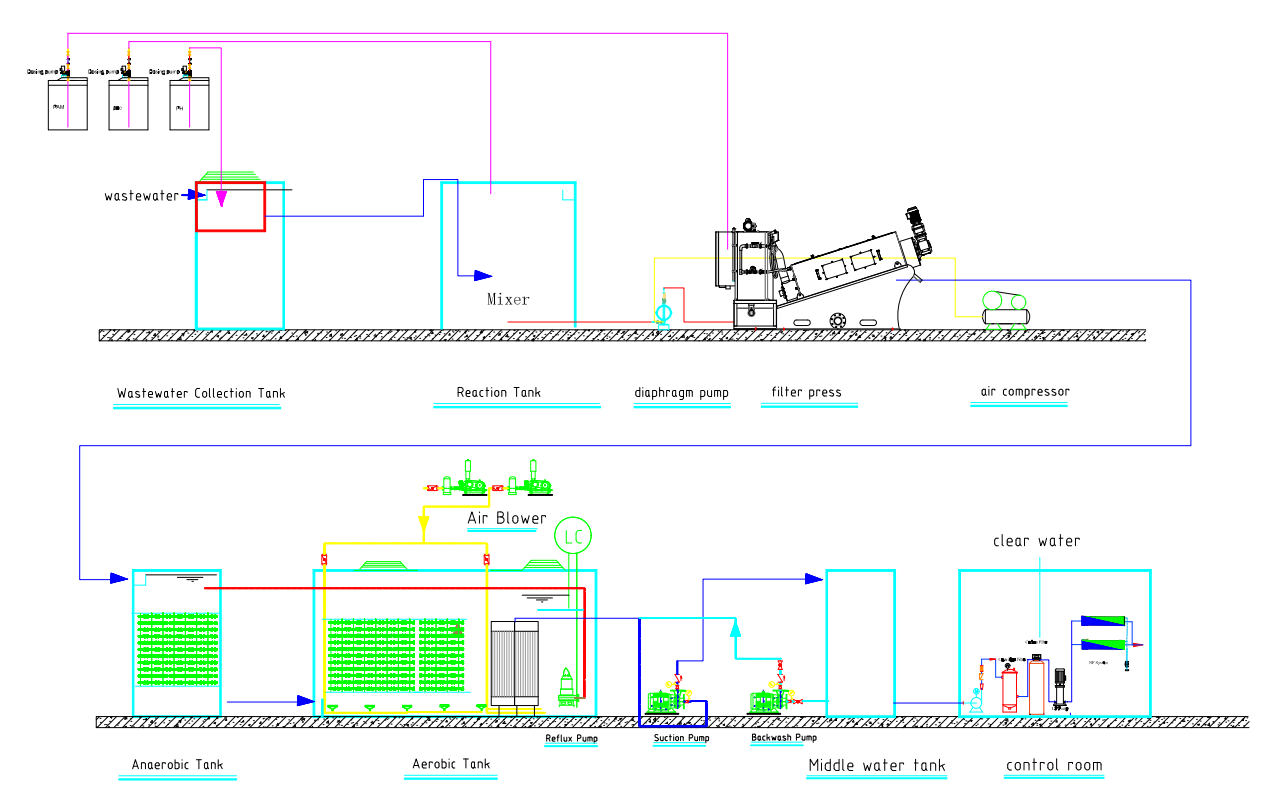
The video of our printing Ink wastewater equipment