

Feedwater Quality:
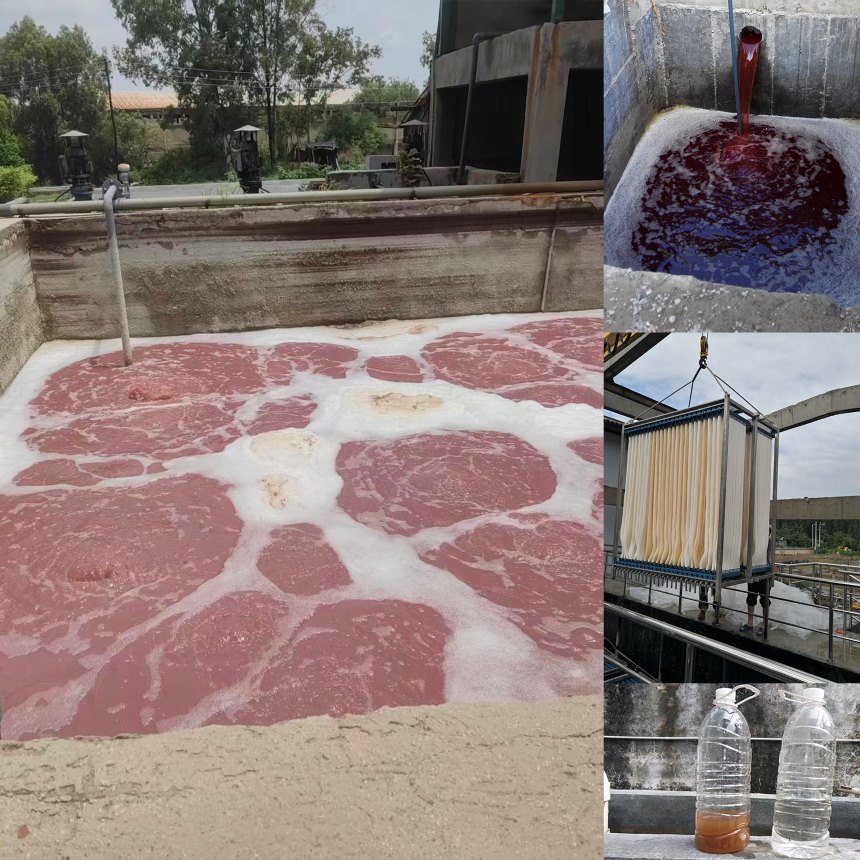
Oily wastewater very special, it’s having the high FOG, COD, BOD, High TSS, This initial stage top important steps is removing the free-floating oil and emulsified oils to protecting downstream equipment
| NO. | Item | unit | Value |
| 1 | PH | — | 6-8 |
| 2 | CODcr | mg/L | ≤4000 |
| 3 | BOD 5 | mg/L | ≤1500 |
| 4 | SS | mg/L | ≤200 |
| 5 | NH4-N | mg/L | ≤50 |
| N (total) | mg/L | ≤18.9 | |
| Oil grease | mg/L | ≤1000 |
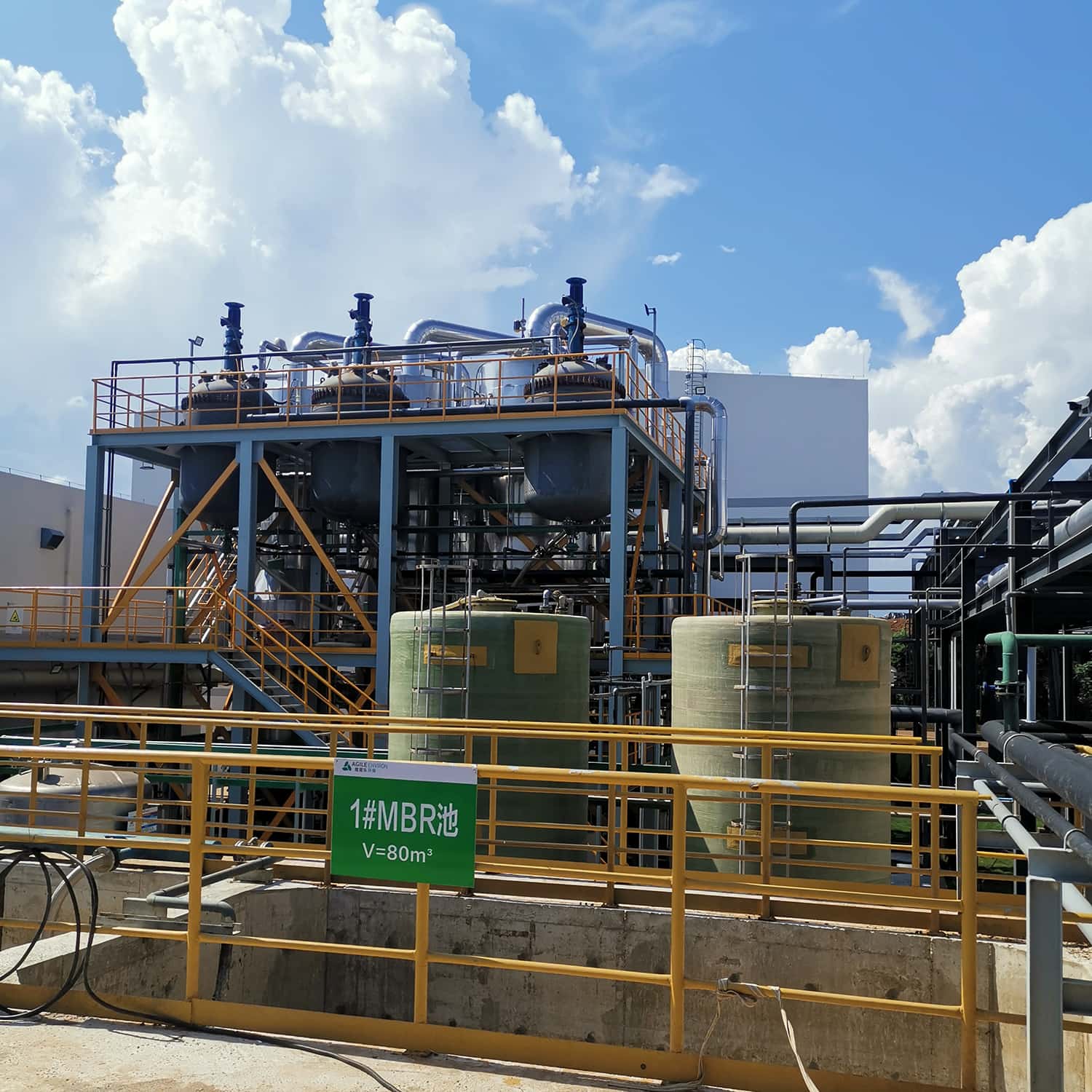
Industrial Oily Wastewater Treatment Plant MBR System treatment process :
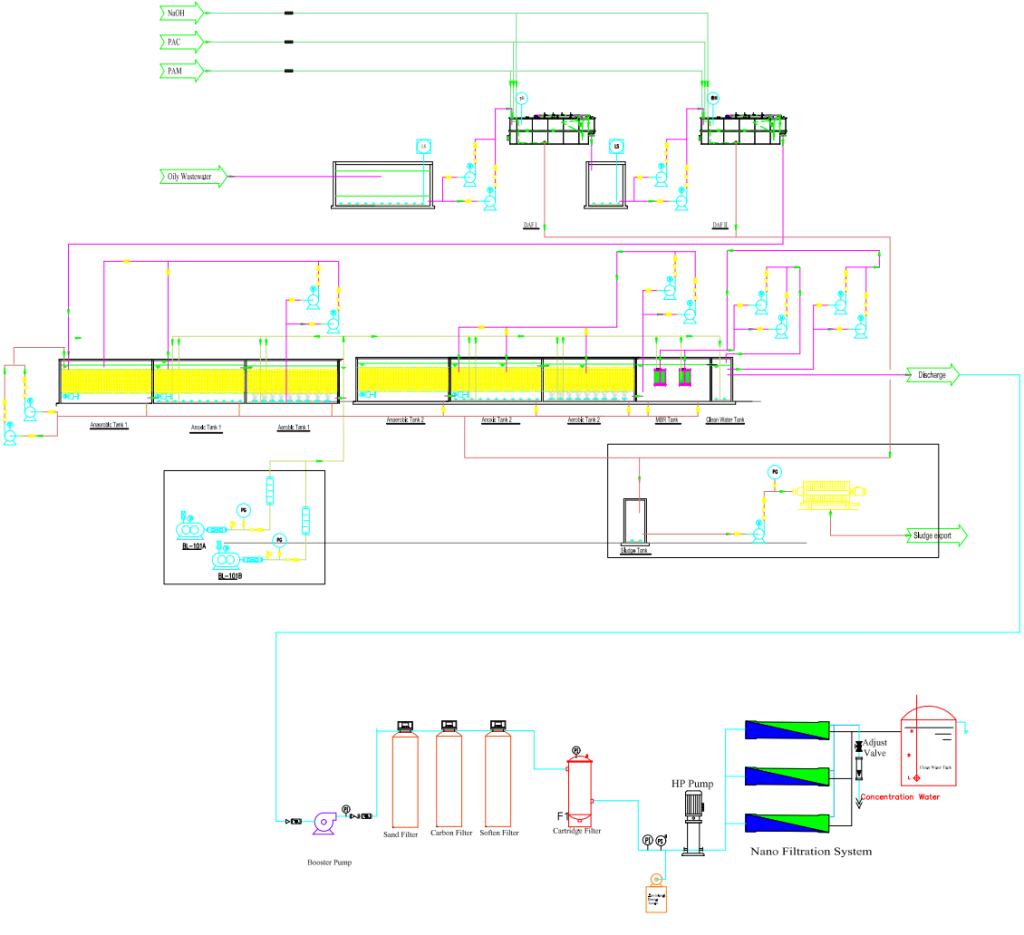
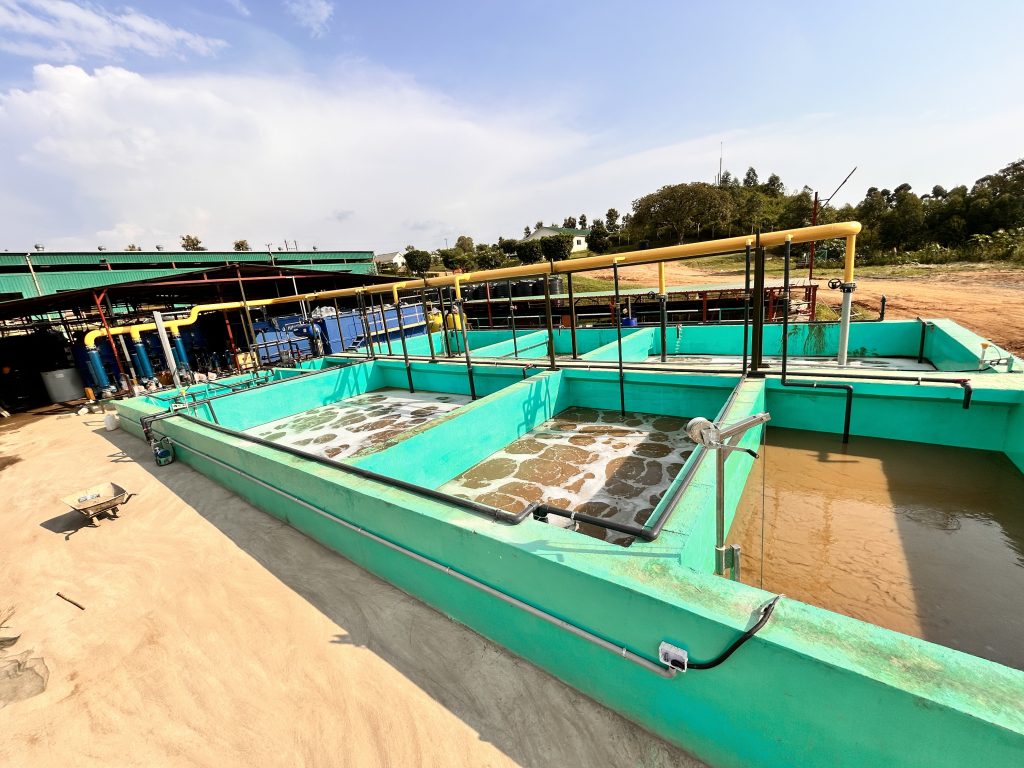
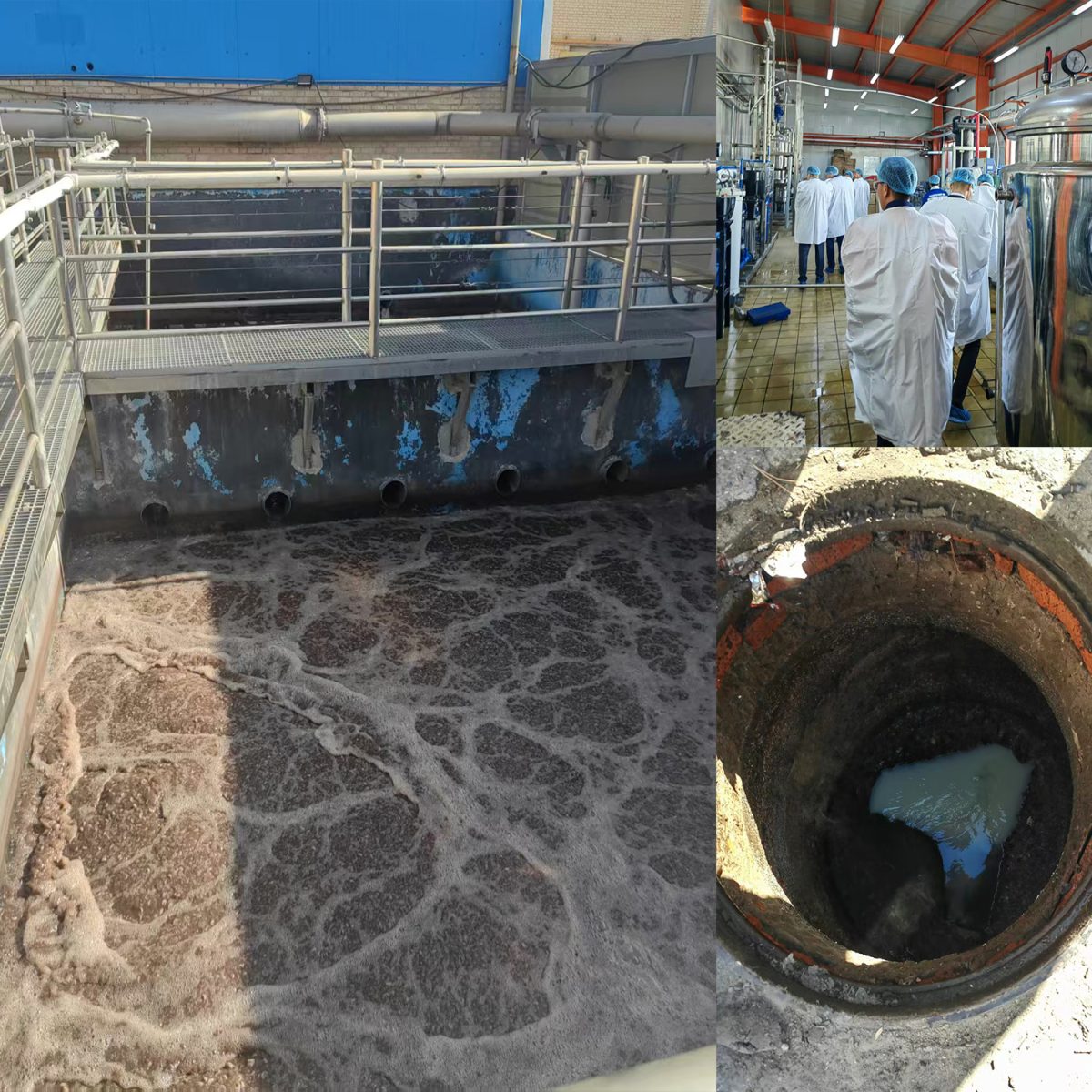
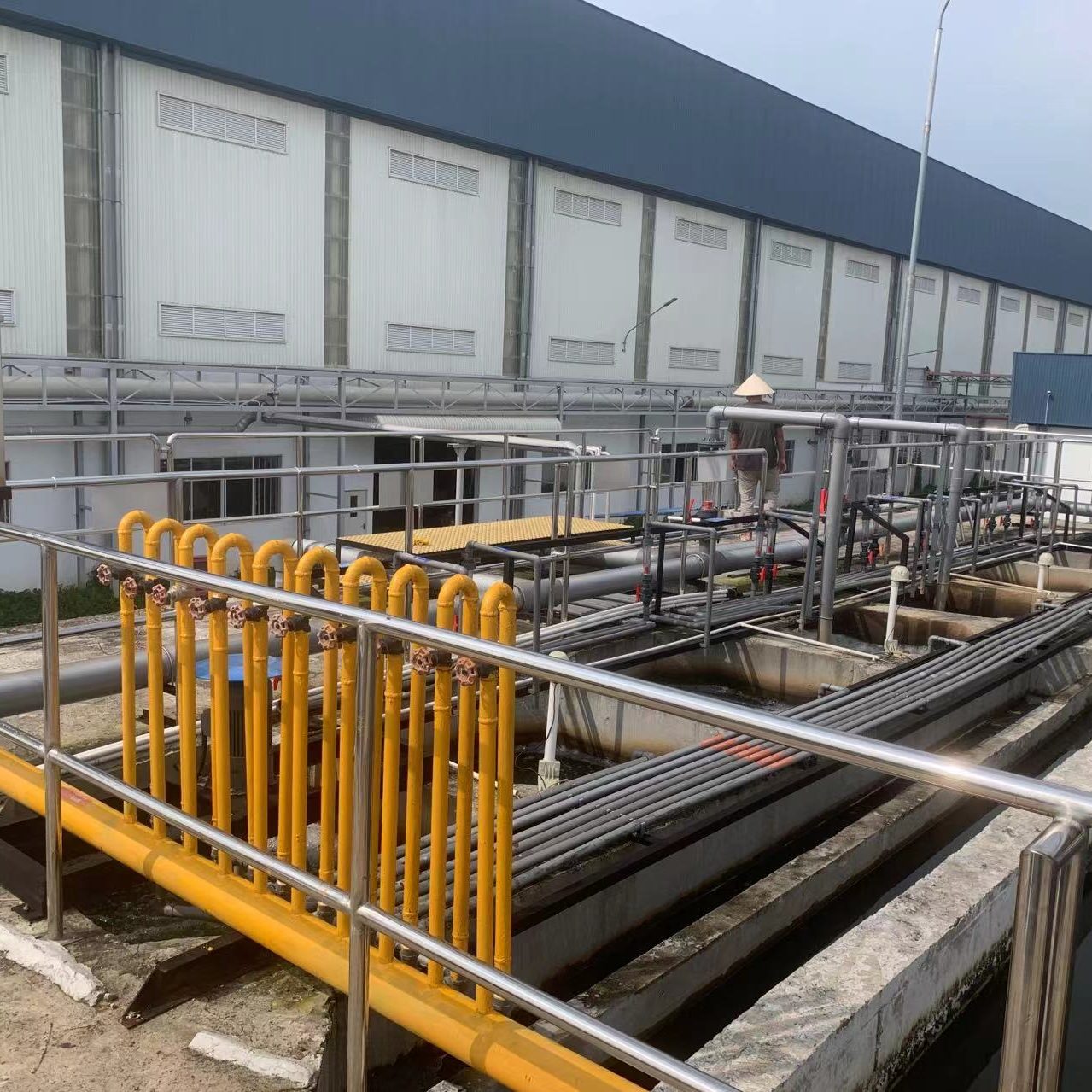
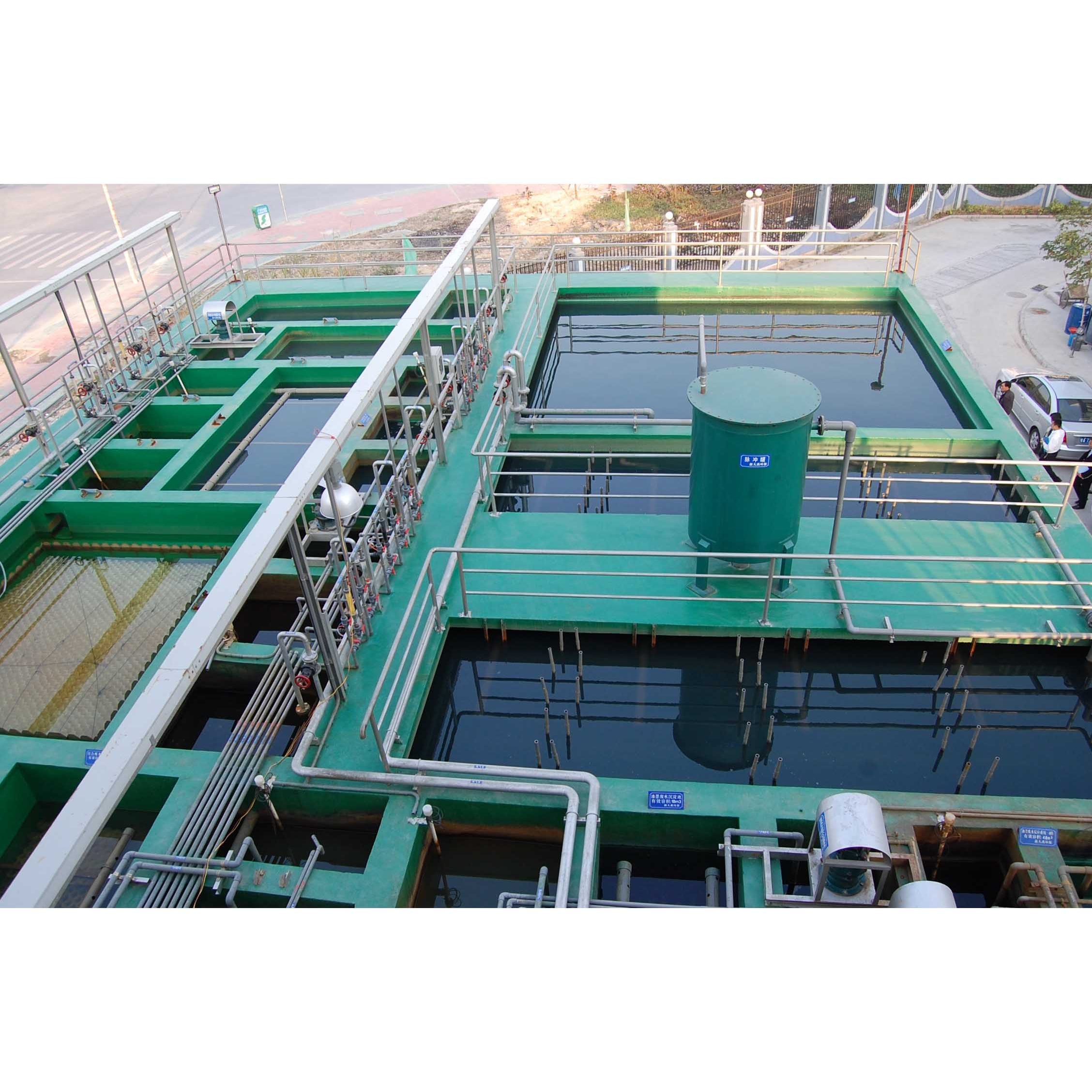
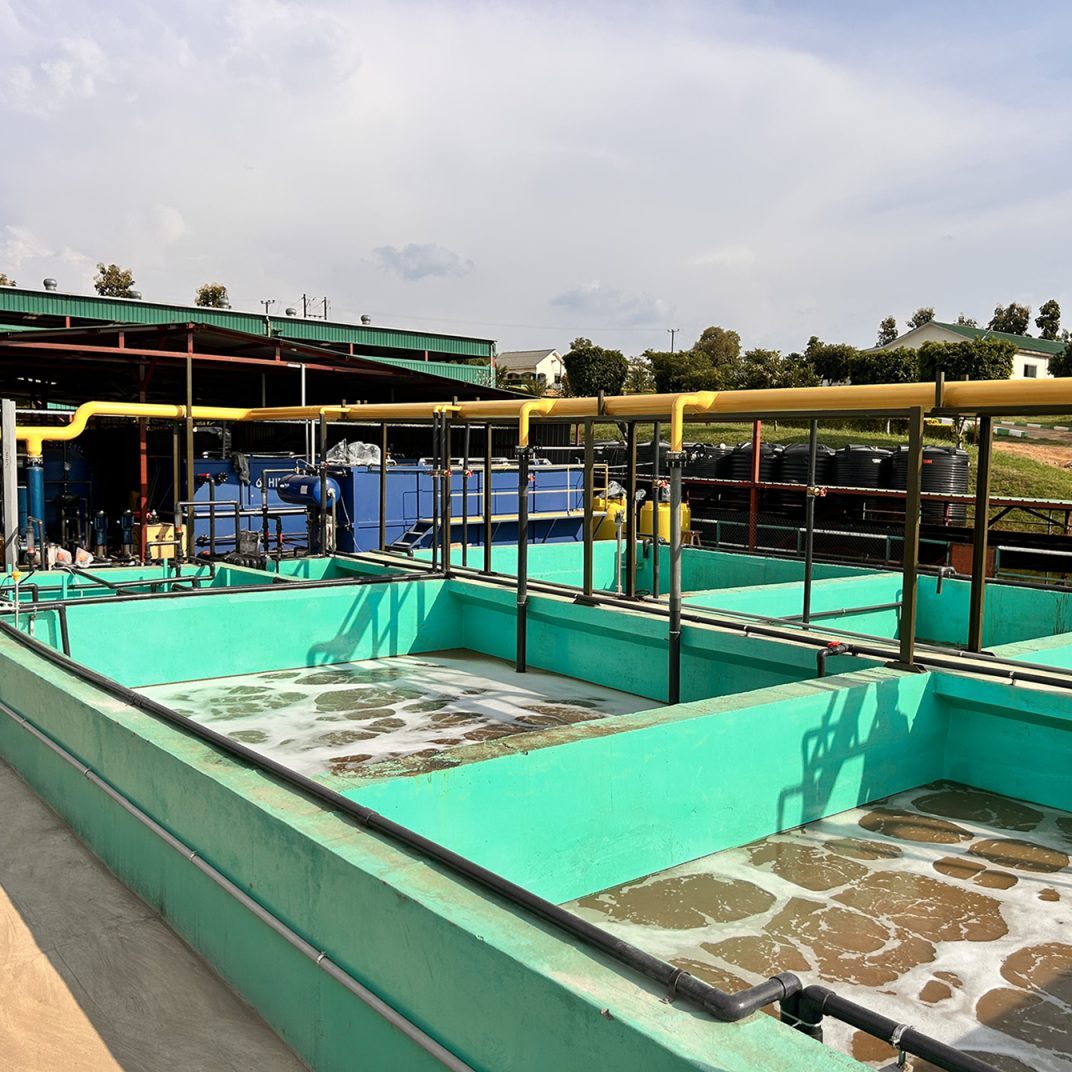
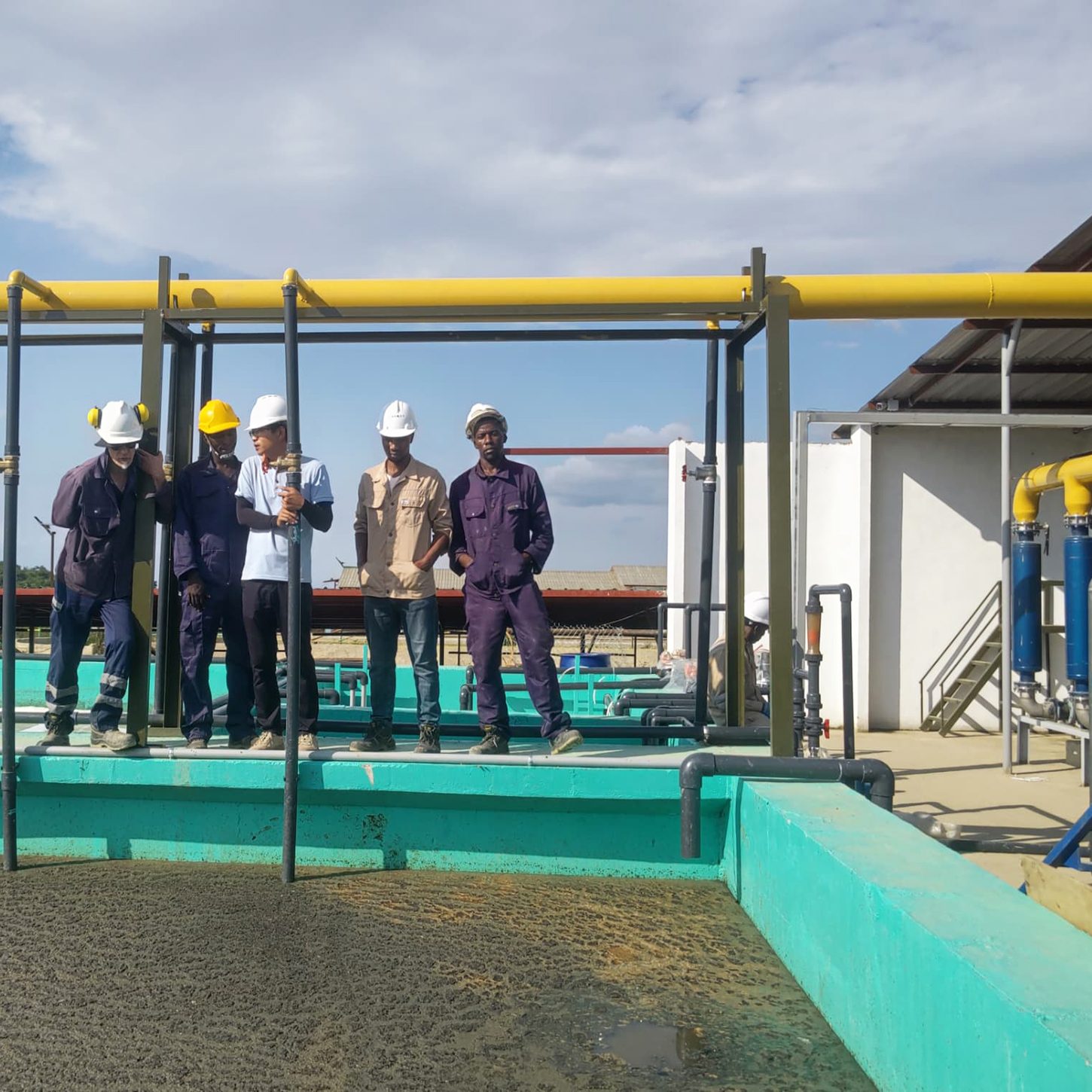
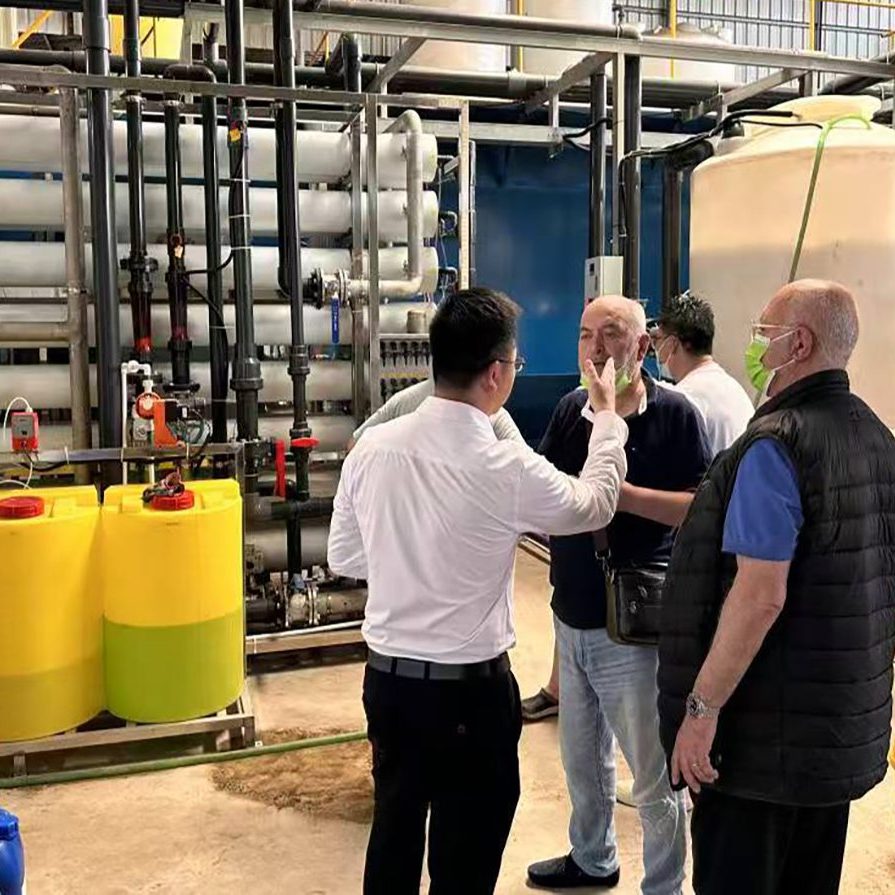
Industrial Oil Wastewater Treatment Plant
Wastewater Treatment Processing
Oily Wastewater——Bar Screening——Equalization Tank——DAF System 1——DAF System 2——Anaerobic Tank——Aerobic Tank——MBR Tank——Nano Filtration System——Clean Water Tank
Pretreatment Stage: Dissolved Air Flotation (DAF)
●Function: Removes free oils, grease, suspended solids (SS), and colloidal particles through micro-bubble flotation.
●Key Components:
*Air Dissolution System: Generates 20-50 µm microbubbles.
*Chemical Dosing (Optional): Coagulants (e.g., PAC, FeCl₃) and flocculants (e.g., PAM) enhance removal efficiency.
*Skimmer Mechanism: Automatically removes floating sludge.
●Performance:
*Oil & Grease Removal: >90%
*SS Removal: 80-95%
*COD Reduction: 30-50% (depending on wastewater type)
●Applicable Wastewater:
Food processing, slaughterhouse, petrochemical, and textile wastewater.
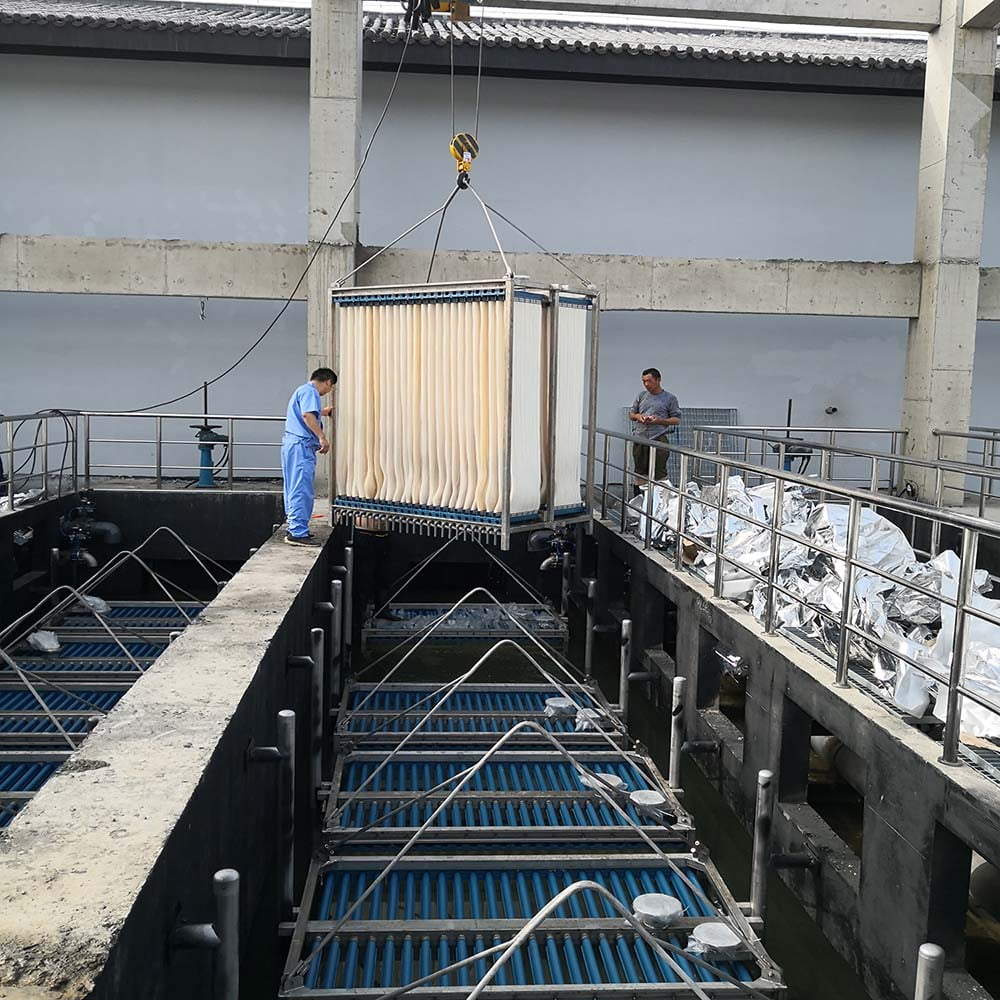
3.2 Biological Treatment Stage: Anaerobic-Oxic (A/O)-Aarobic + MBR
●Function: Degrades organic pollutants (BOD/COD), ammonia (NH₃-N), and total nitrogen (TN) through microbial metabolism.
●Anaerobic Tank (A-Stage)
*Process: Hydrolysis & acidification of complex organics.
*HRT (Hydraulic Retention Time): 4-8 hrs
*Key Microbes: Hydrolytic & acidogenic bacteria.
●Oxic Tank (O-Stage) + MBR
*Process: Aerobic degradation of organics and nitrification (NH₃-N → NO₃⁻).
*DO (Dissolved Oxygen): 2-4 mg/L
*MLSS (Mixed Liquor Suspended Solids): 8,000-12,000 mg/L (higher than conventional activated sludge)
*MBR Filtration:
*Pore Size: 0.01-0.06 µm (ultrafiltration)
*Flux Rate: 10-25 LMH (L/m²·h)
*Backwash Cycle: 30-60 mins (automated)
●Performance:
*COD Removal: 90-98%
*NH₃-N Removal**: >95%
*TN Removal**: 70-85%
*TSS in Effluent: <1 mg/L
●Applicable Wastewater:
Municipal sewage, food & beverage, pharmaceutical, and landfill leachate
Advanced Treatment: Nanofiltration (NF)
●Function: Removes divalent ions (Ca²⁺, Mg²⁺, SO₄²⁻), small organics (MW 200-1000 Da), and residual COD.
●Key Parameters:
*Membrane Type: Polyamide thin-film composite (TFC)
*Operating Pressure: 5-15 bar
*Salt Rejection:
*Divalent Ions (Ca²⁺, Mg²⁺): >90%
*Monovalent Ions (Na⁺, Cl⁻): 40-70%
*Recovery Rate: 70-85%
●Performance:
*COD Further Reduction: 50-70% (post-MBR)
*Hardness Removal: >90%
*Color Removal (Dye Wastewater): >95%
●Applicable Wastewater:
Textile dyeing, electroplating, RO pretreatment, and high-salinity wastewater.

Application : Petroleum refining or food industrial unavoidably generates large volumes of oily wastewater. Treating oily wastewater sources is very broad, as the oil in the oil industry, oil refining, oil storage, transportation and petrochemical industries in the production process generate lot of oily wastewater