What Makes a Containerized MBR System factory Stand Out
What Makes a Containerized MBR System factory Stand Out
September 30, 2026
Author
Solution Provider, through a professional technical team, we provide customers with targeted equipment selection recommendations and comprehensive after-sales services, winning the trust and recognition of customers.
Sarah M.
This article examines the key factors that distinguish a leading containerized MBR system factory from an average supplier. Containerized membrane bioreactor systems are compact, pre-engineered wastewater treatment plants built inside shipping containers. They are used for municipal sewage, industrial wastewater, rural sanitation, and drinking water purification. The article argues that the factory behind the system matters as much as the container itself. A standout factory must have deep membrane research and manufacturing capability, because the membrane is the heart of the MBR process. It must also integrate biological process design, aeration, automation, and container fabrication into a complete solution. Quality control and factory testing are essential to ensure reliable performance before shipment. Global project experience helps factories understand different climates, electrical standards, and regulatory requirements. Strong after-sales support, including installation, commissioning, training, and spare parts, protects the client’s investment over the system’s lifetime. The article uses HINADA, or Hinada Water Treatment Tech Co., Ltd., as a case study. Founded in 2012 in Guangzhou, China, HINADA later expanded its manufacturing base to Chenzhou, Hunan Province. The company produces PVDF and PVC hollow fiber UF membranes, submerged MBR membrane modules, containerized MBR systems, packaged wastewater treatment plants, DAF systems, UF systems, and industrial RO systems. It serves clients in more than 75 countries across Asia, Africa, Europe, and the Americas. HINADA focuses on two core technology pillars: hollow fiber ultrafiltration membranes and intelligent integrated wastewater treatment equipment. It provides a complete ecosystem from membrane R&D and component manufacturing to equipment fabrication and turnkey solution delivery. The article outlines a detailed checklist for buyers, including membrane quality, container standards, automation, energy efficiency, scalability, compliance, logistics, and after-sales service. It also discusses common misconceptions, future trends, financial considerations, environmental impact, and risk management. The conclusion emphasizes that choosing the right factory is the most important decision for ensuring a containerized MBR system delivers clean water, low operating costs, and long-term reliability. A standout factory offers not just equipment, but a partnership built on technical depth, transparency, and global service capability.
What Makes a Containerized MBR System Factory Stand Out
Containerized membrane bioreactor (MBR) systems have become a practical answer to a persistent challenge: how to deliver high-quality wastewater treatment quickly, reliably, and at a manageable cost. Instead of building a large concrete plant that takes years to design and commission, a containerized MBR system factory delivers a compact, pre-engineered, and pre-tested treatment train inside a standard shipping container. This approach is transforming decentralized sanitation, industrial reuse, and municipal upgrades. But not every factory that claims to build containerized MBR systems is equal. The difference between an average supplier and a standout factory lies in membrane technology, system integration, quality control, global service, and the ability to deliver a complete solution rather than a collection of parts.
Hinada Water Treatment Tech Co., Ltd., known as HINADA, is a globally recognized manufacturer of wastewater treatment equipment, hollow fiber ultrafiltration (UF) membranes, submerged MBR membrane modules, integrated packaged wastewater treatment systems, and dissolved air flotation (DAF) systems. Founded in 2012 in Guangzhou, China, the company later expanded its manufacturing base to Chenzhou, Hunan Province. Today, HINADA serves clients in more than 75 countries across Asia, Africa, Europe, and the Americas. Its experience offers a useful lens for understanding what makes a containerized MBR system factory stand out.
Understanding the Containerized MBR System
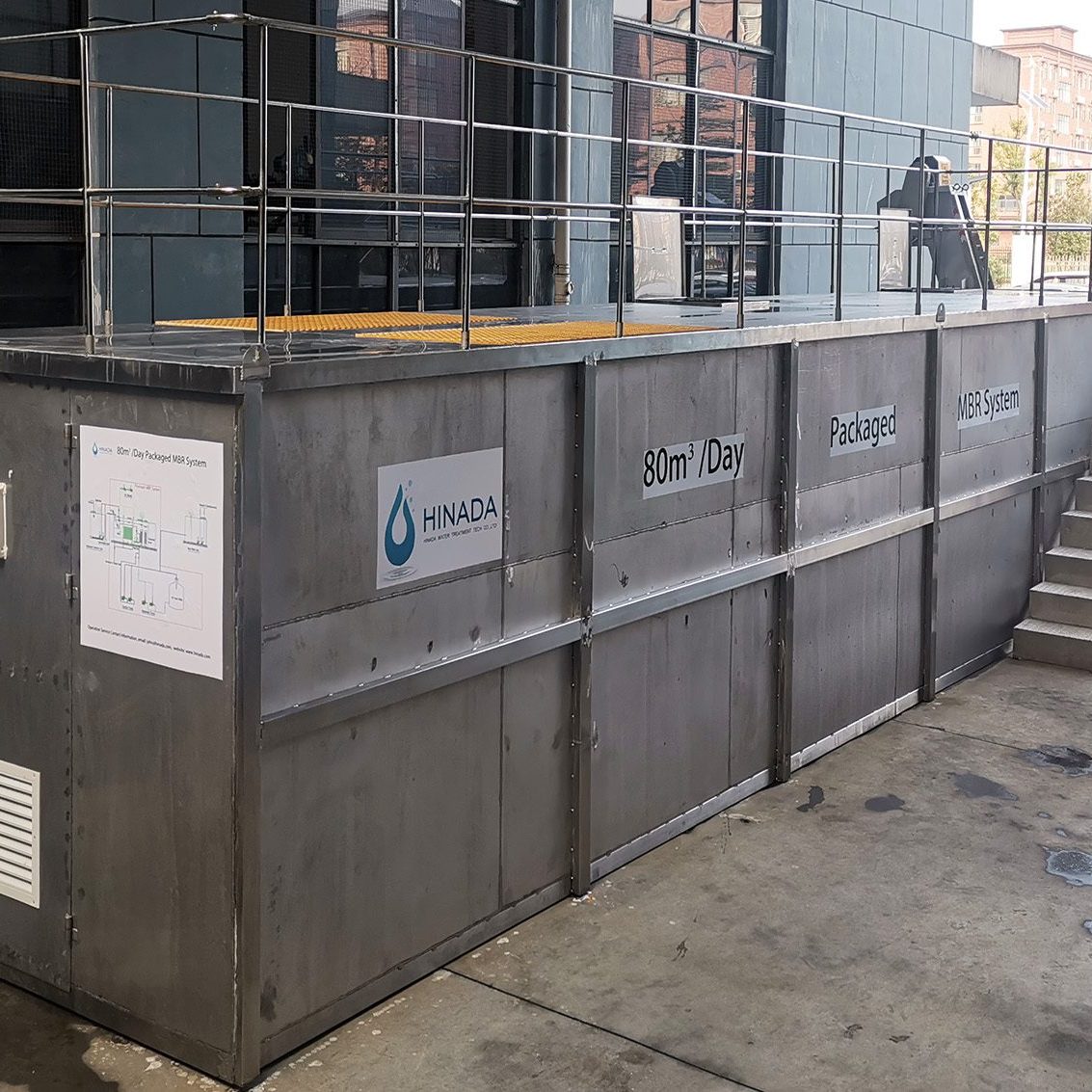
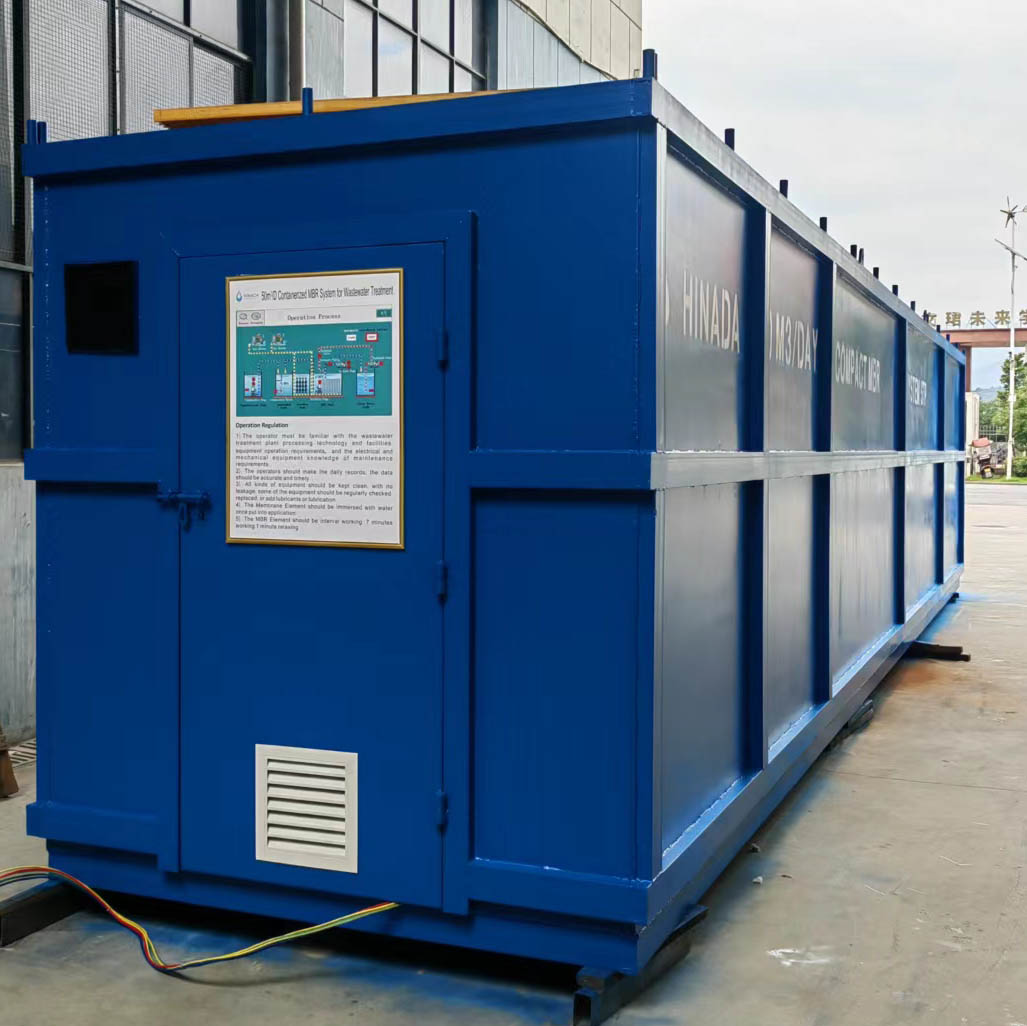
A containerized MBR system combines biological treatment with membrane separation. The biological process removes organic matter, nitrogen, and phosphorus, while the membrane filtration step replaces the traditional secondary clarifier. The result is a small footprint, high effluent quality, and a treatment process that is easy to control. The system typically includes an anoxic tank, aerobic tank, membrane tank, aeration blowers, permeate pumps, backwash pumps, chemical dosing units, sludge return pumps, and a programmable logic controller (PLC) cabinet. All of these components are mounted inside or on a steel container frame.
undefined
The container itself is not merely a box. It is a structural, electrical, and thermal enclosure that must protect sensitive membranes and instruments from heat, cold, humidity, dust, and corrosion. A well-designed containerized MBR system factory understands that the container is part of the process, not an afterthought. It must allow safe access for maintenance, provide adequate ventilation, and support lifting, shipping, and rapid on-site connection.
Why Containerization Matters
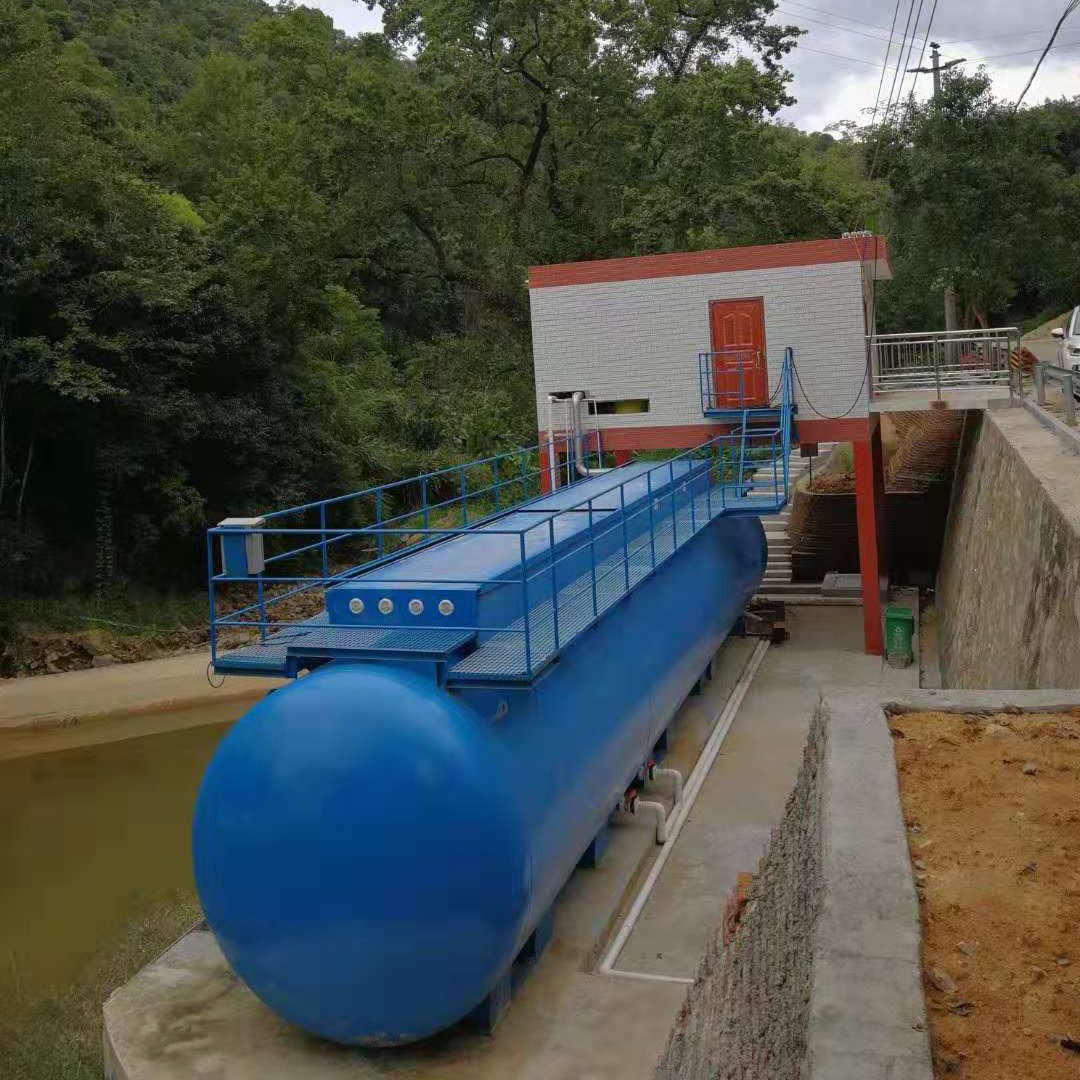
Containerization matters because water infrastructure is often needed in places where conventional construction is difficult. Rural villages, construction sites, resorts, industrial parks, and emergency response zones all need wastewater treatment that can be deployed quickly. A containerized MBR system can be fabricated in a factory, tested before shipment, and installed on a concrete pad with minimal civil works. This reduces construction time, lowers on-site labor requirements, and improves quality because the system is assembled under controlled factory conditions.
For industrial clients, containerized MBR systems offer a way to treat and reuse process water without occupying valuable production space. For municipalities, they provide a fast solution for capacity upgrades or temporary treatment during plant rehabilitation. For remote communities, they deliver reliable sanitation without the need for a large centralized plant. The factory that builds these systems must therefore understand not only membrane technology but also logistics, structural design, and local operating conditions.
The Factory Behind the System
When buyers evaluate a containerized MBR system factory, they often focus on price and capacity. Those factors matter, but they are not the whole story. A standout factory differentiates itself through vertical integration, engineering depth, and a commitment to long-term performance. HINADA, for example, has focused from day one on two core technology pillars: hollow fiber ultrafiltration (UF/MBR) membranes and intelligent integrated wastewater treatment equipment. This dual focus allows the company to control the most critical component of the system, the membrane, while also optimizing the entire treatment train.
A factory that purchases membranes from third parties may still build a functional containerized MBR system. However, a factory that manufactures its own membranes can control quality, reduce lead times, and tailor membrane specifications to specific wastewater conditions. This is a significant advantage when dealing with industrial wastewater that contains oils, solvents, or high salinity, or when treating municipal sewage with variable flow and load.
1. Membrane R&D and Manufacturing Depth
The membrane is the heart of an MBR system. It determines effluent quality, fouling resistance, chemical cleaning frequency, and membrane life. A standout factory invests in membrane research and development, not just assembly. HINADA produces PVDF and PVC hollow fiber UF membranes and submerged MBR membrane modules. These membranes provide precise physical separation of suspended solids, bacteria, colloids, and macromolecular organics. The company has more than 13 years of experience in the water treatment industry and 10 years of water treatment membrane and equipment manufacturing experience.
This experience matters because membrane performance is not only about pore size. It is about material formulation, spinning conditions, module potting, and hydrodynamic design. A factory that understands these variables can produce membranes with consistent permeability, high mechanical strength, and excellent chemical resistance. It can also provide honest guidance on operating flux, backwash intervals, and cleaning protocols. Buyers should ask whether the factory produces membranes in-house, how it tests membrane integrity, and what warranty it offers on membrane life.
2. A Complete Ecosystem from Membrane to Turnkey Solution
A standout containerized MBR system factory does not stop at membrane manufacturing. It builds a complete ecosystem from membrane R&D and component manufacturing to equipment fabrication and turnkey solution delivery. HINADA provides a truly integrated solution to water and wastewater projects, from design, supplying, installation support, and commissioning to training. This means the client deals with one responsible party instead of coordinating multiple vendors for membranes, tanks, pumps, controls, and containers.
This integrated approach reduces interface risks. When the membrane supplier, container fabricator, and control system integrator are separate companies, problems can arise at the boundaries. For example, the membrane tank may not be sized correctly for the membrane module, or the PLC may not communicate properly with the blower. A factory with a complete ecosystem can optimize the entire system and test it as a whole before shipment.
3. Integrated Design and Engineering
Every wastewater project is different. Flow rates, influent characteristics, discharge standards, available space, and climate vary widely. A standout factory has an engineering team that can customize the containerized MBR system to meet specific requirements. This includes selecting the right membrane surface area, sizing the biological tanks, choosing the appropriate aeration strategy, and designing the container layout for easy maintenance.
HINADA serves clients in over 75 countries, which means its engineers have experience with diverse conditions. From hot and humid tropical climates to cold mountainous regions, from high-strength industrial wastewater to low-strength municipal sewage, the design must be robust. A factory that only offers standard models may struggle when conditions change. A factory that engineers each system can deliver reliable performance across a wide range of applications.
4. Quality Control and Testing
Quality control is where many factories fall short. A containerized MBR system contains hundreds of components: membranes, pumps, valves, sensors, blowers, and electrical panels. If any one of them fails, the entire system can stop. A standout factory implements strict quality control at every stage, from incoming material inspection to membrane module testing to final factory acceptance testing (FAT).
Before shipment, the system should be tested with water to verify pump performance, valve operation, membrane integrity, and control logic. The PLC should be programmed and simulated. Alarm and safety interlocks should be checked. HINADA’s manufacturing base in Chenzhou, Hunan Province, supports this level of testing. A factory that skips factory testing shifts the risk to the client and the installation team, often leading to delays and extra costs on site.
5. Global Project Experience
Global experience is a powerful indicator of factory capability. A containerized MBR system factory that has exported to many countries must understand international standards, shipping requirements, customs documentation, and local electrical codes. HINADA serves clients in Asia, Africa, Europe, and the Americas. This global footprint has helped the company refine its designs for different voltages, frequencies, languages, and operator skill levels.
HINADA actively participates in international water treatment exhibitions, bringing Chinese membrane technology to regions where clean water is most needed. Exhibitions are not just marketing; they are opportunities to learn from global clients and to demonstrate that the factory can compete on the world stage. A factory with global experience is more likely to anticipate problems before they occur.
6. Service and Support
Even the best containerized MBR system requires proper installation, commissioning, and operation. A standout factory provides comprehensive service and support. HINADA offers design, supplying, installation support, commissioning, and training. This service model ensures that the client’s team understands how to operate the system, how to troubleshoot common issues, and how to maintain the membranes for long life.
Training is often overlooked, but it is critical. A system that is not operated correctly can foul membranes, consume excessive energy, or fail to meet discharge standards. A factory that invests in training and documentation protects its reputation and helps the client achieve a fast return on investment.
Core Technology Pillars of a Standout Factory
To understand what makes a containerized MBR system factory stand out, it helps to examine its core technology pillars. HINADA focused from day one on two pillars: hollow fiber ultrafiltration (UF/MBR) membranes and intelligent integrated wastewater treatment equipment. These pillars support the company’s ability to deliver ready-to-install solutions for municipal, industrial, and decentralized applications.
Hollow Fiber Ultrafiltration Membranes
Hollow fiber UF membranes provide precise physical separation of suspended solids, bacteria, colloids, and macromolecular organics. In an MBR, the membrane acts as a barrier that keeps biomass and suspended matter in the bioreactor while allowing clean water to pass through. The quality of the membrane determines the effluent quality and the reliability of the entire system. HINADA produces PVDF and PVC hollow fiber UF membranes, as well as submerged MBR membrane modules. These products are designed for high permeability, strong mechanical properties, and resistance to chemical cleaning.
Membrane fouling is the most common operational challenge in MBR systems. A standout factory addresses fouling through membrane material selection, module design, aeration intensity, and backwash protocols. It also provides clear guidance on chemical cleaning and maintenance. When a factory manufactures its own membranes, it can quickly adjust the product to suit the wastewater and provide technical support based on deep product knowledge.
The second pillar is intelligent integrated wastewater treatment equipment. This includes containerized MBR systems, packaged wastewater treatment plants, DAF systems, UF systems, and industrial reverse osmosis (RO) systems. HINADA’s product range covers these categories, allowing the company to serve as a single source for water and wastewater treatment equipment. The intelligence comes from automation, remote monitoring, and data logging, which help operators optimize performance and reduce energy consumption.
Integrated equipment is not simply a collection of components. It is a coordinated system where the biological process, membrane filtration, aeration, and controls work together. A standout factory designs the system as a whole, ensuring that each component is sized correctly and that the control logic responds to changes in flow and load. This integrated approach is what makes containerized MBR systems reliable and easy to operate.
Applications of Containerized MBR Systems
Containerized MBR systems are versatile. They can be used in many different settings, from small rural communities to large industrial facilities. HINADA’s key application fields include industrial wastewater treatment and reuse, municipal sewage treatment and water recycling, rural decentralized water supply and sanitation, and drinking water purification from surface water or groundwater.
Industrial wastewater treatment and reuse: Factories can treat process wastewater to a quality suitable for reuse in cooling, washing, or irrigation. This reduces water intake and discharge fees.
Municipal sewage treatment and water recycling: Communities can upgrade or expand treatment capacity quickly. The treated water can be reused for landscaping, toilet flushing, or industrial supply.
Rural decentralized water supply and sanitation: Villages and remote settlements can install containerized systems without building large centralized plants. This improves public health and protects local water sources.
Drinking water purification: UF membranes can remove suspended solids, bacteria, and viruses from surface water or groundwater, providing safe drinking water.
Each application places different demands on the containerized MBR system factory. Industrial wastewater may contain toxic compounds or high salinity. Municipal sewage varies with population and weather. Rural systems must be simple to operate and maintain. Drinking water systems require strict disinfection and monitoring. A standout factory has the experience and flexibility to adapt its designs to each case.
What Makes a Containerized MBR System Factory Stand Out: A Detailed Checklist
Buyers can use a detailed checklist to evaluate potential factories. The following criteria distinguish a truly outstanding factory from an average supplier.
Membrane Quality and Consistency
The factory should manufacture its own membranes or have a long-term partnership with a reputable membrane producer. It should be able to provide membrane specifications, test data, and references. Consistency is key: every membrane module should perform within a narrow range of permeability and rejection. HINADA’s membrane manufacturing experience of more than 10 years supports this consistency.
Container Fabrication Standards
The container should be built to withstand transportation and harsh environments. It should use corrosion-resistant materials, proper insulation, and robust doors and hatches. The factory should have a documented fabrication process, including welding standards, painting, and electrical wiring. A container that leaks, overheats, or rusts will undermine the entire system.
Automation and Remote Monitoring
Modern containerized MBR systems should include PLC-based automation, touchscreen interface, and remote monitoring capabilities. This allows operators to monitor flow, pressure, dissolved oxygen, and membrane performance from a phone or computer. A standout factory designs user-friendly controls and provides clear alarms and troubleshooting guides.
Energy Efficiency and Chemical Use
Energy is a major operating cost in MBR systems. A standout factory optimizes aeration, pumping, and membrane cleaning to reduce power consumption. It also minimizes chemical use by selecting fouling-resistant membranes and designing efficient backwash and cleaning-in-place (CIP) systems. Lower operating costs make the system more sustainable and affordable.
Scalability and Modularity
Containerized MBR systems should be modular. If a community grows or an industrial client expands, the factory should be able to add another container or module without major reconstruction. A standout factory designs systems with standardized connections and scalable control architecture.
Compliance and Certifications
The factory should comply with international standards for quality, safety, and environmental management. Certifications such as ISO 9001, ISO 14001, and CE can indicate a commitment to quality. The factory should also be able to provide documentation for local permitting and discharge standards.
Logistics and Export Readiness
Exporting a containerized MBR system requires careful planning. The factory must handle packaging, labeling, shipping documentation, and insurance. It should understand container dimensions, weight limits, and port requirements. HINADA’s experience serving more than 75 countries demonstrates strong export readiness.
After-Sales Network
After-sales support is essential. The factory should offer spare parts, technical support, and on-site service when needed. It should respond quickly to emergencies and provide remote troubleshooting. A strong after-sales network protects the client’s investment over the system’s lifetime.
HINADA as a Case Study
Hinada Water Treatment Tech Co., Ltd. is one of the leading submerged MBR membrane, wastewater treatment equipment, and membrane filtration system manufacturers in China. The company has specialized as a wastewater treatment solution provider and equipment supplier in Guangzhou since its founding in 2012. Its expansion to Chenzhou, Hunan Province, increased manufacturing capacity and allowed for deeper vertical integration.
HINADA’s product portfolio includes PVDF and PVC hollow fiber UF membranes, submerged MBR membrane modules, containerized MBR systems, packaged wastewater treatment plants, DAF systems, UF systems, and industrial RO systems. This broad range allows the company to serve municipal, industrial, and decentralized markets with a single source of supply.
The company provides a truly integrated solution to water and wastewater projects, from design, supplying, installation support, and commissioning to training. This end-to-end capability is a key differentiator. Clients do not need to coordinate multiple vendors or worry about compatibility between components. HINADA takes responsibility for the entire system.
With more than 13 years of experience in the water treatment industry and 10 years of water treatment membrane and equipment manufacturing experience, HINADA has built a complete ecosystem from membrane R&D and component manufacturing to equipment fabrication and turnkey solution delivery. This ecosystem is the foundation of its ability to deliver reliable containerized MBR systems.
Manufacturing Base in Chenzhou
The manufacturing base in Chenzhou, Hunan Province, supports membrane production, equipment fabrication, and system assembly. This facility allows HINADA to control quality at every stage. Membranes are produced and tested in-house. Containers are fabricated and wired according to standardized procedures. Complete systems are assembled and tested before shipment. This vertical integration reduces lead times and improves consistency.
Global Reach and Exhibitions
HINADA serves clients in over 75 countries across Asia, Africa, Europe, and the Americas. This global reach is supported by active participation in international water treatment exhibitions. By bringing Chinese membrane technology to regions where clean water is most needed, HINADA demonstrates its commitment to global water challenges. The company’s experience with different markets helps it design systems that meet local requirements.
How to Evaluate a Containerized MBR System Factory
When evaluating a factory, buyers should ask specific questions. The answers reveal whether the factory has the depth and experience to deliver a successful project.
Does the factory produce its own membranes? In-house membrane production indicates control over quality and supply.
Can it provide a turnkey solution? A factory that handles design, manufacturing, commissioning, and training reduces project risk.
What is the lead time? A realistic lead time shows that the factory understands its capacity and supply chain.
What testing is performed before shipment? Factory acceptance testing with water is a sign of quality commitment.
What references are available? Past projects in similar applications and regions provide confidence.
What after-sales support is offered? Spare parts, remote support, and on-site service are essential.
How does the factory handle customization? The ability to adapt to specific flow, load, and climate conditions is crucial.
What is the total cost of ownership? Energy, chemicals, membrane replacement, and maintenance should be considered, not just purchase price.
Common Misconceptions About Containerized MBR Factories
There are several misconceptions that can lead buyers astray. One is that all containerized MBR systems are the same. In reality, the differences in membrane quality, container fabrication, and control logic can be enormous. Another misconception is that a lower purchase price always means a better deal. A cheap system may consume more energy, require more chemicals, and need earlier membrane replacement, resulting in higher lifetime costs.
A third misconception is that a factory’s location determines its quality. While local support is valuable, a factory with global experience and a strong service network can outperform a local supplier. What matters is the factory’s technical capability, quality control, and commitment to service. HINADA’s global reach and integrated ecosystem illustrate this point.
The Role of the Container in MBR System Performance
Many buyers underestimate the importance of the container. They focus on the membrane and the biological process, assuming the container is just a protective shell. In reality, the container influences thermal stability, corrosion resistance, maintenance access, and safety. A poorly designed container can cause overheating in summer, freezing in winter, and corrosion in coastal environments. These conditions can damage membranes, sensors, and electrical components.
A standout factory designs the container with the process in mind. It considers airflow, insulation, drainage, lighting, and emergency exits. It uses marine-grade coatings and stainless steel where necessary. It ensures that pumps and blowers are accessible for service without removing major components. It also provides lifting points and forklift pockets for safe handling. HINADA’s manufacturing base in Chenzhou supports this level of container engineering, allowing the company to fabricate containers that meet both structural and process requirements.
In addition, the container should be designed for the target climate. A system destined for the Middle East needs high-temperature insulation and robust cooling. A system for Northern Europe needs freeze protection and heating. A system for coastal areas needs corrosion-resistant materials. A factory that offers only one container design will struggle to deliver reliable performance across these environments. A standout factory customizes the container to the project.
Membrane Bioreactor Process Design
The biological process in an MBR system is as important as the membrane. The process design determines how well organic matter, nitrogen, and phosphorus are removed. It also affects sludge production, aeration demand, and membrane fouling. A standout factory employs process engineers who understand activated sludge kinetics, nutrient removal, and membrane fouling mechanisms.
The process design begins with wastewater characterization. Flow rate, biochemical oxygen demand (BOD), chemical oxygen demand (COD), total suspended solids (TSS), nitrogen, phosphorus, pH, temperature, and toxicity all influence the design. For industrial wastewater, the presence of oils, grease, heavy metals, or solvents may require pretreatment. For municipal sewage, seasonal variations and infiltration must be considered.
Once the wastewater is characterized, the factory sizes the anoxic and aerobic tanks, selects the membrane surface area, and determines the sludge retention time (SRT). The SRT in an MBR is typically longer than in conventional activated sludge, which allows for more complete nitrification and less sludge production. However, a longer SRT can also lead to higher mixed liquor suspended solids (MLSS) and increased fouling potential. The factory must balance these factors to achieve reliable performance.
HINADA’s experience with both membranes and integrated equipment allows it to optimize the process design. The company can simulate different scenarios and select the most cost-effective configuration. This integrated approach reduces the risk of mismatch between the biological process and the membrane system.
Aeration and Energy Optimization
Aeration is the largest energy consumer in an MBR system. It serves two purposes: providing oxygen for the biomass and scouring the membrane surface to control fouling. If aeration is too low, the biomass may not receive enough oxygen, and the membranes will foul quickly. If aeration is too high, energy is wasted, and the sludge flocs may be broken apart, leading to poorer filterability.
A standout factory designs the aeration system carefully. It may use fine-bubble diffusers in the biological tank and coarse-bubble diffusers in the membrane tank. It may also use intermittent aeration or cyclic aeration to save energy while maintaining membrane performance. Variable frequency drives (VFDs) on blowers allow the system to adjust to actual demand. Dissolved oxygen (DO) sensors and flow meters provide feedback for control.
Energy optimization is not only about equipment selection. It is also about control strategy. A factory that understands the relationship between aeration, fouling, and energy can program the PLC to minimize power consumption without compromising treatment. HINADA’s intelligent integrated equipment includes automation features that support this optimization. Over the life of the system, energy savings can be substantial.
Membrane Cleaning and Maintenance
Membrane cleaning is a routine but critical activity. Over time, membranes become fouled by organic matter, inorganic precipitates, and microbial growth. If fouling is not controlled, permeability drops, pressure increases, and energy consumption rises. Eventually, the membrane may need to be replaced prematurely.
A standout factory provides a clear cleaning and maintenance protocol. This includes backwashing frequency, chemical cleaning intervals, and the types of chemicals to use. It also includes guidelines for cleaning-in-place (CIP) and, if necessary, off-line cleaning. The factory should supply cleaning equipment and training to ensure that operators can perform these tasks safely and effectively.
HINADA’s membranes are designed for chemical resistance, allowing them to withstand repeated cleaning cycles. The company’s experience in membrane manufacturing helps it recommend the best cleaning regime for each application. This support extends membrane life and reduces operating costs. A factory that does not provide this level of support leaves the client to figure out maintenance on their own, often with costly results.
Automation and Control
Automation is a defining feature of modern containerized MBR systems. A well-designed control system monitors key parameters such as flow, pressure, temperature, DO, pH, and membrane permeability. It adjusts blowers, pumps, and valves to maintain stable operation. It also logs data for troubleshooting and regulatory reporting.
A standout factory uses PLCs and human-machine interfaces (HMIs) that are user-friendly and reliable. It provides remote monitoring capabilities, allowing operators and factory engineers to view performance from anywhere. Alarms are prioritized and clearly described. The control logic includes safety interlocks to protect the membranes and equipment.
HINADA’s intelligent integrated wastewater treatment equipment incorporates advanced automation. This is part of the company’s second core technology pillar. By integrating controls with membrane and process design, HINADA can deliver systems that are easier to operate and maintain. For clients in remote locations, remote monitoring is especially valuable because it reduces the need for frequent site visits.
Installation and Commissioning
Installation and commissioning are critical phases. Even a well-built system can underperform if it is installed incorrectly. A standout factory provides detailed installation drawings, site preparation requirements, and connection diagrams. It also offers installation support, either remotely or on-site, depending on the project.
Commissioning involves testing the system under actual conditions, adjusting the process, and training the operators. The factory should verify that the system meets design flow and effluent quality. It should also check that all alarms and safety functions work. HINADA provides commissioning services as part of its turnkey solution. This ensures that the system starts up smoothly and that the client’s team is confident in its operation.
For international projects, commissioning may require travel and coordination. A factory with global experience, like HINADA, is prepared for these challenges. It understands visa requirements, shipping schedules, and local site conditions. This experience reduces delays and ensures a successful start-up.
Case Scenarios: Where Containerized MBR Systems Excel
Containerized MBR systems excel in a variety of scenarios. In a rural village, a small containerized system can treat sewage from a few hundred people and produce water suitable for irrigation. The system can be delivered on a truck, set on a concrete pad, and connected to the local sewer network. It requires minimal civil works and can be operational within weeks.
In an industrial park, a larger containerized MBR system can treat mixed industrial wastewater. The system can be customized with pretreatment, such as DAF or equalization, to handle oils and heavy metals. The treated water can be reused in cooling towers or boilers, reducing freshwater intake and discharge fees. HINADA’s DAF and UF systems complement its MBR systems in these applications.
In a resort or hotel, a containerized MBR system can treat wastewater to a high standard for reuse in landscaping or toilet flushing. The system can be hidden in a service area and operated automatically. This reduces the environmental footprint and demonstrates corporate responsibility.
In emergency situations, such as after a natural disaster, containerized MBR systems can provide temporary sanitation and safe water. They can be deployed quickly and operated with minimal training. The ability to respond rapidly is a key advantage of containerization.
Financial Considerations and Total Cost of Ownership
When comparing containerized MBR system factories, buyers should consider total cost of ownership (TCO), not just purchase price. TCO includes capital cost, installation cost, energy cost, chemical cost, membrane replacement, spare parts, and labor. A lower purchase price may be offset by higher operating costs or shorter membrane life.
A standout factory helps clients calculate TCO. It provides estimates for energy consumption, chemical usage, and membrane replacement intervals. It also offers high-quality components that may cost more upfront but last longer. HINADA’s in-house membrane production and integrated design allow it to optimize both capital and operating costs. This transparency helps clients make informed decisions.
Financing options may also be available. Some factories partner with financial institutions to offer leasing or installment plans. While HINADA’s specific financing options are project-dependent, the company’s global experience means it understands different business models and can work with clients to find practical solutions.
Environmental Impact and Sustainability
Containerized MBR systems contribute to sustainability by enabling water reuse, reducing pollution, and minimizing land use. They can help communities meet environmental regulations and protect water resources. The membrane process produces high-quality effluent that can be reused for irrigation, industrial processes, or groundwater recharge.
A standout factory designs systems with sustainability in mind. It minimizes energy consumption, reduces chemical use, and selects durable materials. It also considers the end-of-life disposal or recycling of membranes and components. HINADA’s focus on membrane R&D and intelligent equipment supports these goals. By delivering efficient and reliable systems, the company helps clients reduce their environmental footprint.
Regulatory and Compliance Considerations
Wastewater treatment is heavily regulated. Discharge standards vary by country, region, and industry. A standout factory understands these regulations and designs systems to meet them. It provides documentation for permitting and helps clients prepare for inspections.
For international projects, compliance can be complex. Electrical components must meet local codes. Effluent must meet local limits. Safety systems must comply with local laws. HINADA’s experience in over 75 countries means it has encountered many regulatory environments. This experience helps the company anticipate requirements and avoid costly delays.
Supplier Comparison: What to Look For
When comparing suppliers, buyers should look beyond brochures. They should visit factories if possible, or at least conduct video tours. They should ask for references and speak with past clients. They should review test reports and certifications. They should evaluate the factory’s engineering team and service network.
A standout factory will be transparent. It will share data, acknowledge limitations, and propose solutions. It will not overpromise. HINADA’s reputation as a leading manufacturer in China is built on this transparency and technical capability. The company’s complete ecosystem from membrane R&D to turnkey delivery gives it a unique position in the market.
Risk Management in Containerized MBR Projects
Every project has risks. These include technical risks, such as membrane fouling or underperformance; commercial risks, such as currency fluctuations or shipping delays; and operational risks, such as operator error or power outages. A standout factory helps clients manage these risks.
Technical risks can be mitigated through proper design, testing, and training. Commercial risks can be managed through clear contracts and logistics planning. Operational risks can be reduced through automation, remote monitoring, and spare parts availability. HINADA’s integrated approach and global experience allow it to address these risks systematically. This gives clients confidence that their project will succeed.
Training and Documentation
Training and documentation are often overlooked but are essential for long-term success. A containerized MBR system is a sophisticated piece of equipment. Operators need to understand the process, the controls, and the maintenance procedures. A standout factory provides comprehensive training, either on-site or at its facility.
Documentation should include operation and maintenance manuals, as-built drawings, wiring diagrams, and spare parts lists. It should be provided in the client’s language when possible. HINADA provides training as part of its turnkey solution. This ensures that the client’s team can operate the system safely and efficiently. Good documentation also supports troubleshooting and future expansion.
Spare Parts and Consumables
Availability of spare parts and consumables is critical. Membranes, pumps, valves, sensors, and chemicals all need to be replaced or replenished over time. A standout factory maintains a stock of common spare parts and can ship them quickly. It also provides a recommended spares list so clients can keep critical items on hand.
HINADA’s global reach allows it to support clients in different regions. The company’s manufacturing base in Chenzhou produces membranes and equipment, which helps ensure supply. For consumables like chemicals, the factory provides specifications and can recommend local suppliers. This support reduces downtime and extends equipment life.
Future Trends in Containerized MBR Systems
The future of containerized MBR systems will be shaped by several trends. Digitalization will continue to advance, with more systems using IoT sensors, cloud-based monitoring, and predictive maintenance. Energy efficiency will become even more important as operators seek to reduce carbon footprints. Membrane materials will improve, offering higher permeability, better fouling resistance, and longer life. Modularity will increase, allowing systems to be expanded or relocated as needs change.
Factories that invest in research and development will lead the market. HINADA’s focus on membrane R&D and intelligent integrated equipment positions it well for these trends. As water scarcity and environmental regulations tighten, the demand for reliable, efficient, and quickly deployable wastewater treatment solutions will grow. Containerized MBR systems are well suited to meet that demand.
Conclusion: The Standout Factory Advantage
What makes a containerized MBR system factory stand out is not a single feature but a combination of capabilities. The factory must have deep membrane expertise, integrated engineering, rigorous quality control, global project experience, and strong after-sales support. It must be able to design, manufacture, test, and deliver a complete system that performs reliably in the real world. HINADA, with its founding in 2012, its manufacturing base in Chenzhou, its two core technology pillars, and its service to more than 75 countries, demonstrates these qualities.
For buyers, the key is to look beyond the container shell and examine the factory behind it. Ask about membranes, testing, references, and support. A standout factory will welcome these questions and provide clear, confident answers. In the end, choosing the right factory is the most important decision in ensuring a containerized MBR system delivers clean water, low operating costs, and long-term peace of mind.
About HINADA: Hinada Water Treatment Tech Co., Ltd. is a globally recognized manufacturer of wastewater treatment equipment, hollow fiber ultrafiltration (UF) membranes, submerged MBR membrane modules, integrated packaged wastewater treatment systems, and DAF systems. Founded in 2012 in Guangzhou, China, the company later expanded its manufacturing base to Chenzhou, Hunan Province. Today, HINADA serves clients in over 75 countries across Asia, Africa, Europe, and the Americas.