What to Know Before Installing DAF System Equipment
What to Know Before Installing DAF System Equipment
September 30, 2026
Author
Solution Provider, through a professional technical team, we provide customers with targeted equipment selection recommendations and comprehensive after-sales services, winning the trust and recognition of customers.
Sarah M.
This article provides a comprehensive guide on what to know before installing dissolved air flotation (DAF) system equipment. It emphasizes that proper pre-installation planning is critical for success. Key topics include understanding the DAF process, wastewater characterization, defining treatment objectives, sizing and design parameters such as hydraulic loading rate, solids loading rate, air-to-solids ratio, recycle ratio, and saturator pressure. Chemical pretreatment and coagulation are discussed, along with DAF equipment configurations, materials of construction, and package versus custom systems. Site and infrastructure requirements, installation logistics, commissioning, and start-up are covered. Operational and maintenance considerations, regulatory compliance, cost analysis, and return on investment are also examined. The article highlights integration with other treatment processes like MBR, UF, and RO, and provides case studies from HINADA Water Treatment Tech Co., Ltd., a global manufacturer founded in 2012 in Guangzhou, China, with manufacturing in Chenzhou, Hunan. HINADA serves clients in over 75 countries and offers a complete ecosystem from membrane R&D to turnkey solution delivery. The article concludes with a checklist for before installation and stresses the importance of working with an experienced manufacturer. By following these guidelines, project teams can avoid common pitfalls and ensure a reliable, efficient DAF installation.
What to Know Before Installing DAF System Equipment
Dissolved air flotation (DAF) systems have become a cornerstone technology in modern wastewater treatment, industrial process water clarification, and potable water pretreatment. For plant managers, consulting engineers, and project developers, the decision to install a DAF system is significant. It involves substantial capital investment, civil works, mechanical installation, and ongoing operational commitment. Before any equipment is ordered or any concrete is poured, a thorough understanding of the technology, site conditions, wastewater characteristics, and regulatory requirements is essential. This article provides a comprehensive guide to the factors that must be evaluated before installing DAF system equipment. It draws on industry best practices and the experience of established manufacturers such as HINADA Water Treatment Tech Co., Ltd., a globally recognized manufacturer of wastewater treatment equipment, hollow fiber ultrafiltration membranes, submerged MBR membrane modules, integrated packaged wastewater treatment systems, and DAF systems. Founded in 2012 in Guangzhou, China, and later expanding its manufacturing base to Chenzhou, Hunan Province, HINADA serves clients in over 75 countries across Asia, Africa, Europe, and the Americas. Their portfolio and project experience offer valuable insights into what makes a DAF installation successful.
Understanding the DAF Process
Dissolved air flotation is a water treatment process that clarifies wastewater by the removal of suspended matter such as oil, grease, solids, and other pollutants. The removal is achieved by dissolving air in water or wastewater under pressure and then releasing the air at atmospheric pressure in a flotation tank or basin. The released air forms tiny bubbles that adhere to the suspended matter, causing it to float to the surface of the water. The floating matter is then removed by a skimming mechanism. This process is particularly effective for removing low-density particles that would otherwise settle very slowly or not at all.
The DAF process is not a new technology. It has been used for decades in drinking water treatment, industrial wastewater treatment, and sludge thickening. However, modern DAF systems have become more efficient, more compact, and more automated. They are now used in a wide range of applications, including refining, petrochemical, food and beverage, pulp and paper, textile, mining, and municipal wastewater treatment. HINADA, for example, offers DAF systems as part of its comprehensive portfolio that also includes PVDF and PVC hollow fiber UF membranes, MBR membrane modules, containerized MBR systems, packaged wastewater treatment plants, ultrafiltration systems, and industrial reverse osmosis systems. This integration capability means that a DAF system can be designed to work seamlessly with downstream membrane processes.
How DAF Works: A Step-by-Step Explanation
The DAF process can be broken down into several key stages. First, the influent wastewater enters a coagulation and flocculation zone where chemicals are added to destabilize suspended particles and encourage them to clump together into larger flocs. Second, a portion of the treated effluent, known as recycle flow, is taken and saturated with air under pressure in a pressure vessel called a saturator. Third, this air-saturated recycle stream is injected into the flotation tank through a series of nozzles or release valves. The sudden drop in pressure causes the dissolved air to come out of solution as microscopic bubbles. Fourth, these bubbles attach to the floc particles, reducing their density and causing them to rise to the surface. Fifth, a mechanical skimmer removes the accumulated sludge from the surface. Finally, the clarified water exits the tank, often to further treatment or discharge.
undefined
Each of these stages requires careful design and engineering. The size of the flotation tank, the recycle ratio, the saturator pressure, the type of nozzles, and the skimmer speed all influence performance. If any of these parameters are incorrect, the DAF system may fail to meet effluent quality targets. That is why pre-installation planning must begin with a thorough characterization of the wastewater and a clear definition of treatment objectives.
Why Pre-Installation Planning Matters
Installing a DAF system without adequate planning can lead to a cascade of problems. Oversized systems waste capital and energy. Undersized systems fail to meet discharge limits and may require costly retrofits. Poorly designed chemical dosing systems can cause excessive chemical consumption or poor floc formation. Inadequate sludge handling can create bottlenecks. Electrical and instrumentation issues can cause operational headaches. In short, the success of a DAF installation is determined long before the equipment arrives on site.
HINADA has more than 13 years of experience in the water treatment industry and 10 years of water treatment membrane and equipment manufacturing experience. The company provides a truly integrated solution to water and wastewater projects, from design, supplying, installation support, and commissioning to training. This end-to-end approach reflects the reality that DAF systems cannot be treated as isolated pieces of equipment. They are part of a larger treatment train and must be integrated with upstream and downstream processes.
Common Mistakes in DAF Installation Projects
Failing to conduct representative wastewater sampling and analysis.
Assuming that a standard design will work for all applications.
Underestimating the importance of coagulation and flocculation chemistry.
Ignoring site constraints such as footprint, headroom, and access.
Insufficient attention to sludge handling and disposal.
Inadequate electrical supply, instrumentation, and control systems.
Lack of operator training and maintenance planning.
Overlooking regulatory permits and discharge limits.
Each of these mistakes can be avoided with proper planning. The following sections detail the key areas that must be addressed before installing DAF system equipment.
Wastewater Characterization
The first and most critical step is to understand the wastewater that will be treated. DAF systems are sensitive to the characteristics of the influent. Parameters such as total suspended solids (TSS), oil and grease (FOG), chemical oxygen demand (COD), biochemical oxygen demand (BOD), pH, temperature, and flow rate all affect performance. In addition, the variability of these parameters over time must be assessed. A wastewater stream that is relatively constant is easier to treat than one that fluctuates widely due to batch processes or seasonal changes.
Representative sampling is essential. A single grab sample is rarely sufficient. Composite samples taken over several days or weeks provide a more accurate picture. For industrial facilities, sampling should occur during different production cycles. For municipal plants, sampling should account for diurnal patterns and storm events. The data collected should include not only average values but also maximum and minimum values. This information is used to size the DAF system and select the appropriate chemical pretreatment program.
Key Parameters to Analyze
Total Suspended Solids (TSS): Determines the solids loading rate and the required surface area.
Oil and Grease (FOG): High concentrations may require specialized DAF designs and skimming systems.
Chemical Oxygen Demand (COD) and Biochemical Oxygen Demand (BOD): Indicate organic load and potential for downstream biological treatment.
pH: Affects coagulant performance and material selection.
Temperature: Influences viscosity, bubble formation, and chemical reaction rates.
Flow Rate: Determines hydraulic loading and the size of pumps, pipes, and tanks.
Particle Size Distribution: Helps predict flotation efficiency and chemical requirements.
Heavy Metals and Toxic Compounds: May require special handling or pretreatment.
In addition to these parameters, it is important to understand the presence of surfactants, solvents, and other contaminants that can affect bubble stability or floc formation. HINADA's application fields include industrial wastewater treatment and reuse, municipal sewage treatment and water recycling, rural decentralized water supply and sanitation, and drinking water purification. Each of these applications has different wastewater characteristics and thus different DAF design requirements.
Defining Treatment Objectives
Before selecting a DAF system, the project team must define clear treatment objectives. What is the required effluent quality? Is the treated water intended for discharge, reuse, or further treatment? Are there specific limits for TSS, FOG, COD, BOD, phosphorus, or heavy metals? What is the required reliability and redundancy? These questions determine the design parameters and the level of instrumentation and automation needed.
For example, a DAF system treating refinery wastewater may need to achieve less than 10 mg/L of oil and grease. A DAF system treating municipal wastewater for reuse may need to achieve less than 5 mg/L of TSS. A DAF system used for sludge thickening may have different objectives, such as increasing sludge concentration from 1% to 4%. The treatment objectives also influence the choice of chemicals, the recycle ratio, and the sludge handling method.
Regulatory Requirements
Regulatory requirements vary by location and industry. In many countries, discharge permits specify maximum concentrations for various pollutants. These limits must be met consistently. In some cases, local regulations may require pretreatment before discharge to a municipal sewer. In other cases, water reuse standards may be more stringent than discharge standards. It is essential to obtain and review all applicable permits and regulations early in the project. HINADA's global experience in over 75 countries means the company is familiar with a wide range of regulatory frameworks and can help clients navigate compliance requirements.
Sizing and Design Parameters
The sizing of a DAF system is based on several key parameters. These include hydraulic loading rate (HLR), solids loading rate (SLR), air-to-solids ratio (A/S), recycle ratio, and saturator pressure. Each parameter has a typical range, but the optimal value depends on the specific wastewater and treatment objectives.
Hydraulic Loading Rate (HLR)
Hydraulic loading rate is the flow rate per unit area of the flotation tank surface. It is typically expressed in cubic meters per square meter per hour (m3/m2/h) or gallons per minute per square foot (gpm/ft2). Typical HLR values for DAF systems range from 2 to 10 m3/m2/h, depending on the application. Higher HLR values require larger tanks or more efficient designs. If the HLR is too high, bubbles and flocs may not have enough time to rise to the surface, leading to carryover of solids.
Solids Loading Rate (SLR)
Solids loading rate is the mass of suspended solids applied per unit area per unit time. It is typically expressed in kilograms per square meter per hour (kg/m2/h). SLR is often the limiting parameter for high-solids wastewaters. Typical values range from 1 to 5 kg/m2/h. If the SLR is exceeded, the sludge blanket may become too thick, causing poor separation and increased sludge carryover.
Air-to-Solids Ratio (A/S)
The air-to-solids ratio is the mass of air released per mass of suspended solids. It is a critical parameter for flotation efficiency. Typical A/S values range from 0.01 to 0.1. If the A/S is too low, not enough bubbles are available to attach to the particles. If it is too high, excess air may cause turbulence and reduce flotation efficiency. The A/S ratio is controlled by the recycle ratio and the saturator pressure.
Recycle Ratio
The recycle ratio is the percentage of treated effluent that is recycled through the saturator. Typical recycle ratios range from 10% to 50% of the influent flow. Higher recycle ratios increase the amount of dissolved air available but also increase pumping costs and hydraulic loading. The optimal recycle ratio depends on the influent solids concentration and the desired effluent quality.
Saturator Pressure
The saturator pressure is the pressure at which air is dissolved in the recycle water. Typical pressures range from 4 to 6 bar (60 to 90 psi). Higher pressures increase the solubility of air but also increase energy consumption. The saturator must be designed to provide sufficient contact time and surface area for efficient air dissolution.
These parameters are not independent. Changing one affects the others. Therefore, DAF design requires a systematic approach, often using pilot testing or computational modeling. HINADA's engineering team uses advanced design tools and years of experience to optimize these parameters for each project.
Chemical Pretreatment and Coagulation
Chemical pretreatment is often essential for effective DAF performance. Coagulants and flocculants are added to destabilize suspended particles, neutralize charges, and promote the formation of larger flocs that can be easily floated. Common coagulants include aluminum sulfate, ferric chloride, polyaluminum chloride (PAC), and cationic polymers. Flocculants are typically high-molecular-weight anionic or cationic polymers.
The selection of chemicals and their dosages depends on the wastewater characteristics. Jar tests are used to determine the optimal coagulant and flocculant types and dosages. These tests should be conducted with representative wastewater samples. In some cases, pH adjustment may be necessary to optimize coagulation. For example, ferric chloride works best at pH 4-6, while aluminum sulfate works best at pH 5-7. The addition of acid or base may be required.
Mixing and Flocculation
Proper mixing is critical for chemical pretreatment. Rapid mixing is used to disperse coagulants throughout the wastewater. This is followed by slow mixing or flocculation to allow flocs to grow. The design of the mixing and flocculation chambers must ensure adequate residence time and gentle agitation. If mixing is too vigorous, flocs may be sheared apart. If it is too gentle, flocs may not form properly. Typical rapid mix times are 10-30 seconds, while flocculation times are 10-30 minutes.
HINADA's integrated packaged wastewater treatment systems often include chemical dosing and mixing equipment as part of the overall solution. This integration ensures that the DAF system receives properly conditioned wastewater and that chemical usage is optimized.
DAF Equipment Configurations
There are several types of DAF equipment configurations. The most common are rectangular and circular flotation tanks. Rectangular tanks are often used in large municipal and industrial applications. Circular tanks are common in smaller package plants. Other configurations include high-rate DAF systems, which use inclined plates or other internals to increase surface area and reduce footprint. There are also induced air flotation (IAF) systems, which use mechanical agitation to introduce air rather than a pressurized saturator. However, IAF is generally less efficient than DAF for fine particle removal.
Materials of Construction
The materials of construction must be selected based on the corrosivity of the wastewater and the required service life. Common materials include carbon steel with epoxy coating, stainless steel (304 or 316), fiberglass reinforced plastic (FRP), and concrete. Stainless steel is often used for industrial applications with corrosive chemicals. FRP is lightweight and corrosion-resistant but may have temperature limitations. Concrete tanks are durable but require significant civil works. HINADA offers DAF systems in various materials to suit different applications.
Package vs. Custom DAF Systems
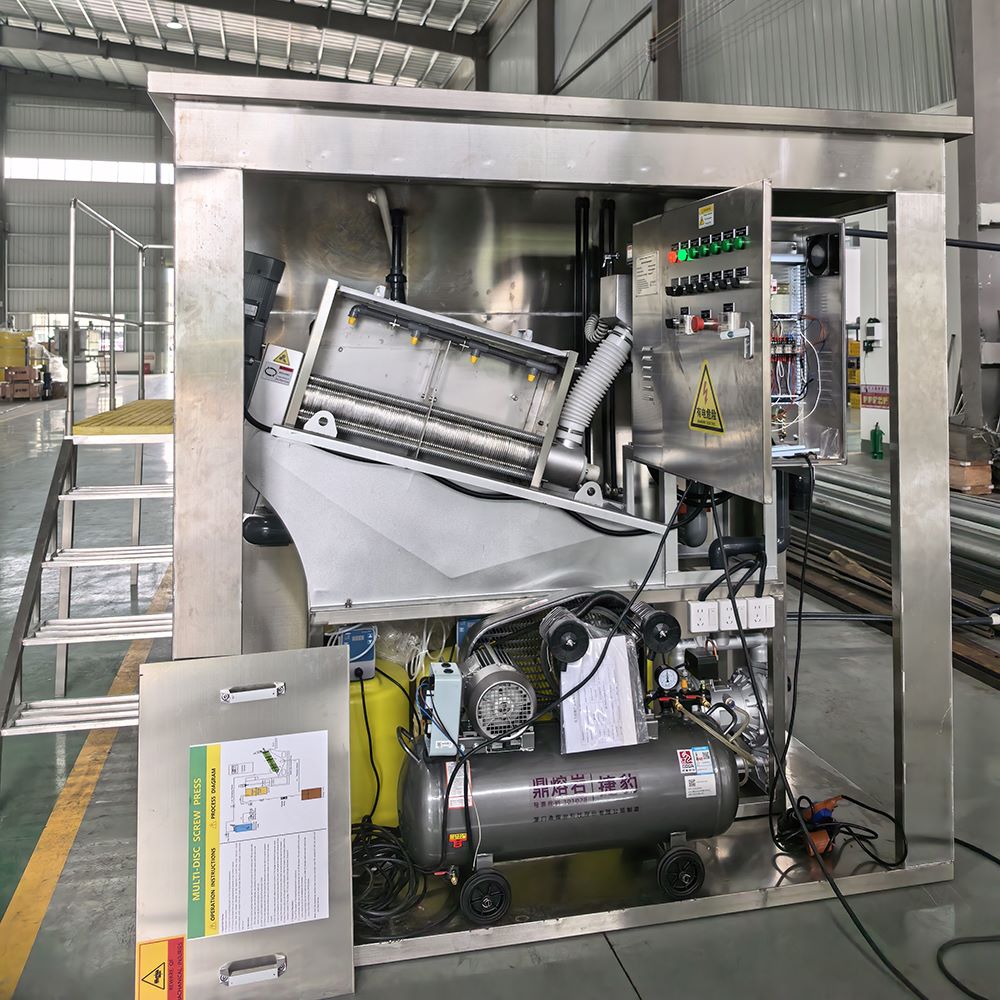
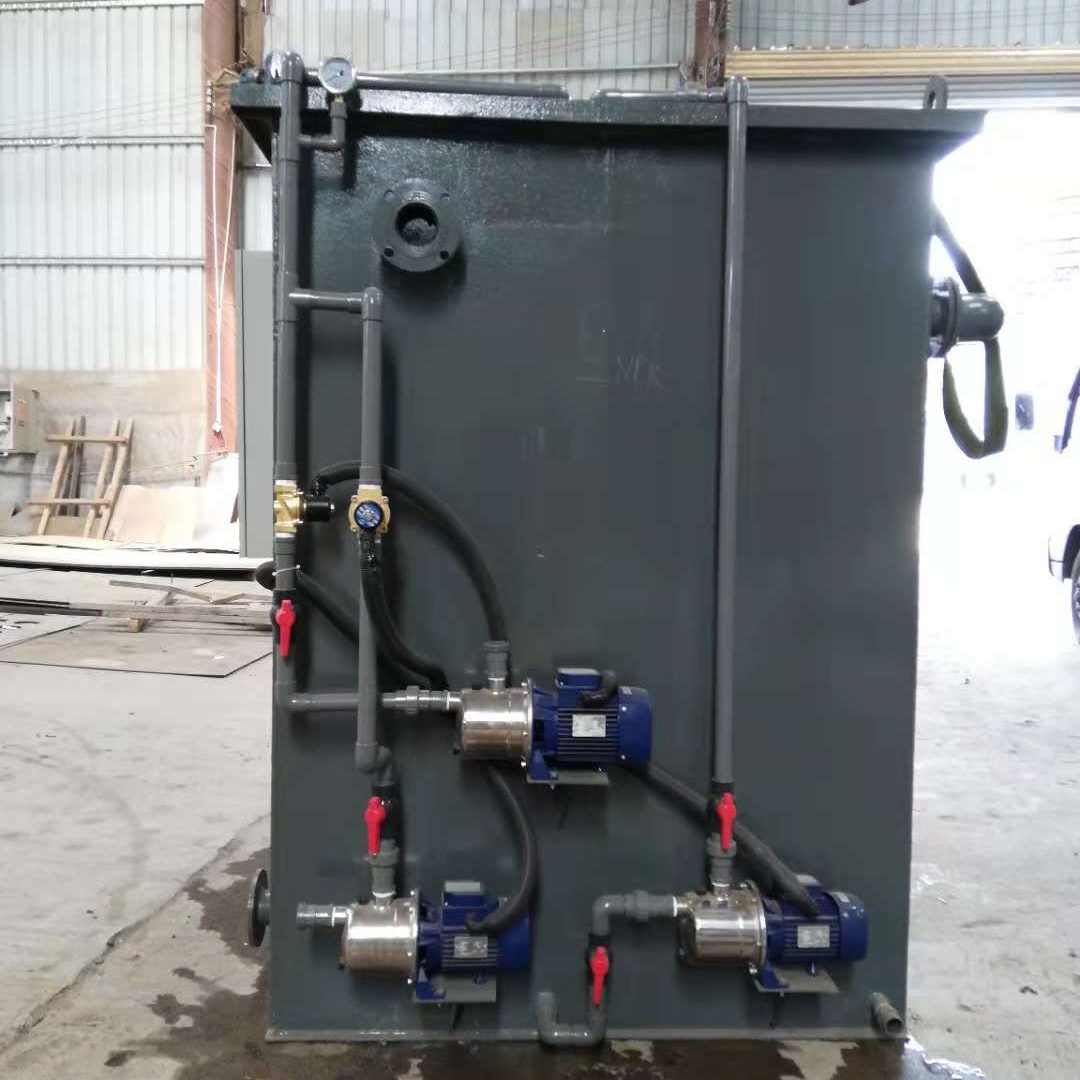
Package DAF systems are pre-assembled and factory-tested, which reduces installation time and cost. They are ideal for smaller flow rates and decentralized applications. Custom DAF systems are designed and built for specific large-scale projects. They offer greater flexibility in layout and can be optimized for unique wastewater characteristics. HINADA manufactures both package and custom DAF systems, as well as containerized MBR systems and packaged wastewater treatment plants. This range allows clients to choose the best fit for their project.
Site and Infrastructure Requirements
Before installing a DAF system, the site must be evaluated for space, access, utilities, and environmental conditions. The DAF system requires a footprint for the flotation tank, chemical dosing stations, pumps, blowers, sludge handling equipment, and control panels. There must be adequate headroom for maintenance and equipment removal. Access roads must be able to accommodate delivery trucks and cranes. The site must also have proper drainage to handle spills and washdown water.
Foundations and Structural Support
DAF systems can be heavy, especially when filled with water. The foundation must be designed to support the weight of the equipment, water, and sludge. For above-ground installations, a concrete pad is typically required. For below-ground installations, the tank may be integrated into a concrete structure. Seismic considerations may apply in some regions. A structural engineer should be consulted to ensure the foundation meets local building codes.
Utilities
Electricity: DAF systems require power for pumps, blowers, skimmers, and controls. The electrical supply must be reliable and sized for the total connected load.
Water: Water is needed for chemical make-up, washdown, and sometimes for the saturator. The quality of the water should be considered to avoid scaling or fouling.
Compressed Air: Some DAF systems use compressed air for valve actuation or for air saturation. An air compressor may be required.
Chemicals: Storage and dosing systems for coagulants, flocculants, and pH adjusters must be provided. Chemical containment and safety showers are often required.
HINADA provides installation support and commissioning services to ensure that all utilities are correctly connected and that the system operates as designed. Their turnkey solution delivery includes everything from design to training, which helps clients avoid costly coordination mistakes.
Installation Logistics
The installation of a DAF system involves several logistical considerations. The equipment must be transported to the site, unloaded, and positioned. Large tanks may require cranes or specialized rigging. Assembly may involve bolting, welding, or FRP bonding. Piping and electrical connections must be made. Instrumentation must be calibrated. All of these activities must be coordinated with other construction trades to avoid delays.
Safety During Installation
Safety is paramount during installation. Workers must follow all applicable safety regulations, including the use of personal protective equipment, fall protection, and confined space entry procedures. Lifting operations must be planned and supervised. Electrical work must be performed by licensed electricians. Chemical handling requires proper training and emergency response plans. HINADA emphasizes safety in all its installation and commissioning activities.
Commissioning and Start-Up
Commissioning is the process of testing and adjusting the DAF system to ensure it meets performance requirements. It begins with mechanical checks, such as verifying pump rotation, valve operation, and skimmer movement. Electrical and instrumentation checks ensure that sensors, controllers, and alarms function correctly. Water testing is then conducted to check for leaks and proper flow. Chemical dosing systems are calibrated. The saturator pressure and recycle flow are adjusted. Finally, performance testing is conducted with actual wastewater to verify effluent quality and sludge concentration.
Operator Training
Operator training is a critical part of commissioning. Operators must understand how the DAF system works, how to adjust chemical dosages, how to monitor performance, and how to troubleshoot common problems. Training should include both classroom instruction and hands-on practice. HINADA provides comprehensive training as part of its turnkey solution, ensuring that plant personnel are confident and competent in operating the DAF system.
Operational and Maintenance Considerations
Even the best-designed DAF system requires proper operation and maintenance. Daily checks should include monitoring flow rates, pressures, chemical dosages, and sludge quality. Preventive maintenance should include cleaning nozzles, inspecting skimmer blades, checking pump seals, and lubricating moving parts. Spare parts should be stocked for critical components such as pumps, valves, and sensors. A maintenance schedule should be developed and followed.
Common Operational Issues
Poor flotation: May be caused by inadequate chemical dosing, wrong pH, or low recycle ratio.
Carryover of solids: May be due to high hydraulic loading, high solids loading, or damaged skimmer.
Clogged nozzles: Can be caused by debris or scale. Regular cleaning is required.
Excessive sludge: May indicate over-dosing of chemicals or high influent solids.
Pump wear: Abrasive solids can wear pump impellers and seals. Proper materials selection is important.
HINADA's after-sales support includes troubleshooting assistance and spare parts supply. Their global presence in over 75 countries means that clients can receive timely support regardless of location.
Regulatory and Environmental Compliance
DAF systems must comply with all applicable environmental regulations. This includes discharge permits, air emission permits, and solid waste disposal regulations. The sludge produced by DAF systems must be properly handled and disposed of. In some cases, the sludge may be dewatered and sent to landfill. In other cases, it may be incinerated or used as a fuel source. The choice of sludge handling method depends on local regulations and the characteristics of the sludge.
Odor and noise from DAF systems must also be considered. Odors can be controlled by covering tanks and treating off-gases. Noise from pumps and blowers can be reduced by using acoustic enclosures and vibration isolation. HINADA designs its systems with environmental compliance in mind, helping clients meet both discharge and community standards.
Cost Analysis and Return on Investment
The cost of installing a DAF system includes capital costs and operating costs. Capital costs include equipment, civil works, installation, and commissioning. Operating costs include electricity, chemicals, maintenance, and sludge disposal. A thorough cost analysis should consider the entire lifecycle of the system. Sometimes a higher initial investment in a more efficient system can lead to lower operating costs over time.
Capital Cost Factors
Flow rate and loading rates.
Materials of construction.
Level of automation and instrumentation.
Site conditions and civil works.
Chemical dosing and sludge handling equipment.
Installation and commissioning services.
Operating Cost Factors
Energy consumption of pumps, blowers, and skimmers.
Chemical consumption.
Maintenance and spare parts.
Sludge disposal fees.
Labor for operation and maintenance.
HINADA's integrated solutions can help reduce both capital and operating costs by optimizing the design and integrating the DAF system with other treatment processes. For example, combining DAF with MBR or UF can reduce the load on downstream membranes, extending their life and reducing cleaning frequency.
Integration with Other Treatment Processes
DAF systems are often used in combination with other treatment processes. They can be placed upstream of membrane bioreactors (MBR) to remove oil and grease that could foul the membranes. They can be placed upstream of ultrafiltration (UF) or reverse osmosis (RO) systems to reduce suspended solids and protect the membranes. They can also be used for sludge thickening before anaerobic digestion or dewatering.
HINADA's core products include PVDF and PVC hollow fiber UF membranes, MBR membrane modules, containerized MBR systems, packaged wastewater treatment plants, DAF systems, UF systems, and industrial RO systems. This broad portfolio allows HINADA to design integrated treatment trains that combine DAF with membrane technology for superior performance. For example, a system might use DAF for primary clarification, followed by MBR for biological treatment and membrane filtration, and finally RO for desalination and reuse. This integrated approach is particularly valuable in industrial applications where water reuse is a priority.
Case Studies and Lessons Learned
HINADA has supplied DAF systems and other water treatment equipment to clients in over 75 countries. These projects span industrial wastewater treatment, municipal sewage treatment, rural decentralized water supply, and drinking water purification. From these projects, several lessons can be drawn.
Case Study: Industrial Wastewater Treatment in Asia
A food processing plant in Southeast Asia needed to treat wastewater with high oil and grease content. The existing treatment system was unable to meet discharge limits. HINADA designed a DAF system with chemical pretreatment and a high-efficiency saturator. The system achieved oil and grease removal of over 95% and TSS removal of over 90%. The sludge was dewatered and disposed of properly. The plant now meets all discharge requirements and has reduced surcharges from the municipal sewer authority.
Case Study: Municipal Wastewater Treatment in Africa
A municipality in Africa needed to upgrade its wastewater treatment plant to handle increased flows and stricter discharge limits. HINADA provided a containerized MBR system with a DAF unit for pretreatment. The DAF system removed fats, oils, and grease that would have fouled the membranes. The MBR produced high-quality effluent suitable for irrigation. The project was completed on time and within budget, thanks to HINADA's turnkey solution delivery.
Case Study: Rural Decentralized Water Supply in South America
A rural community in South America relied on surface water that was high in suspended solids and algae. HINADA supplied a packaged DAF system combined with ultrafiltration and disinfection. The DAF system removed algae and turbidity, while the UF membranes provided a physical barrier against bacteria and viruses. The system was easy to operate and maintain, and it now provides safe drinking water to over 5,000 residents.
These case studies illustrate the importance of proper design, integration, and support. They also show that DAF systems can be adapted to a wide range of applications and conditions.
Checklist Before Installing DAF System Equipment
To summarize, the following checklist can be used to ensure that all critical factors are addressed before installing a DAF system.
Conduct representative wastewater sampling and analysis.
Define treatment objectives and regulatory requirements.
Plan installation logistics and safety procedures.
Develop commissioning and start-up plan.
Arrange operator training and maintenance planning.
Evaluate lifecycle costs and return on investment.
Consider integration with upstream and downstream processes.
Select a reputable manufacturer with global experience and support.
HINADA Water Treatment Tech Co., Ltd. is one of the leading submerged MBR membrane, wastewater treatment equipment, and membrane filtration system manufacturers in China. The company has been specializing in wastewater treatment solutions and equipment supply in Guangzhou since its founding in 2012. With more than 13 years of experience in the water treatment industry and 10 years of membrane and equipment manufacturing experience, HINADA offers a complete ecosystem from membrane R&D and component manufacturing to equipment fabrication and turnkey solution delivery. Their focus on hollow fiber ultrafiltration and MBR membranes, as well as intelligent integrated wastewater treatment equipment, makes them a valuable partner for DAF system projects.
Conclusion
Installing a DAF system is a major decision that requires careful planning and execution. From wastewater characterization to design, from site preparation to commissioning, every step matters. By following the guidelines in this article, plant managers, engineers, and project developers can avoid common pitfalls and ensure that their DAF system performs reliably and efficiently for years to come. Working with an experienced manufacturer like HINADA can provide the expertise, support, and integrated solutions needed to succeed. Whether the application is industrial wastewater treatment, municipal sewage treatment, rural water supply, or drinking water purification, a well-planned DAF installation is an investment in clean water and environmental compliance.
For more information on DAF systems and other water treatment solutions, interested parties are encouraged to consult with qualified engineers and reputable manufacturers. The right preparation today will lead to a successful installation tomorrow.