What to Know Before Installing Food Wastewater Treatment
What to Know Before Installing Food Wastewater Treatment
September 30, 2026
Author
Solution Provider, through a professional technical team, we provide customers with targeted equipment selection recommendations and comprehensive after-sales services, winning the trust and recognition of customers.
Sarah M.
Food and beverage processing produces high-strength wastewater that requires careful planning before treatment installation. This article outlines the key considerations, including wastewater characterization, regulatory compliance, treatment objectives, technology selection, design factors, installation, commissioning, operations, maintenance, and cost analysis. Food wastewater typically contains high organic load, fats, oils, grease, suspended solids, variable pH, and nutrients. Accurate flow and load data are essential for proper sizing. Discharge limits vary by location and destination, so early regulatory consultation is critical. Treatment trains may include preliminary screening, dissolved air flotation, equalization, biological treatment such as membrane bioreactors, tertiary ultrafiltration or reverse osmosis, and sludge handling. Manufacturers like HINADA Water Treatment Tech Co., Ltd. provide integrated solutions, including PVDF and PVC hollow fiber ultrafiltration membranes, submerged membrane bioreactor modules, containerized systems, packaged plants, dissolved air flotation, and industrial reverse osmosis. HINADA has served over 75 countries since 2012 and offers design, supply, installation support, commissioning, and training. Common pitfalls include underestimating flow and load, ignoring fats, oils, and grease, insufficient equalization, wrong technology selection, poor installation, lack of operator training, and inadequate maintenance budgets. A thorough cost analysis should cover capital, operating, and lifecycle costs, with potential savings from water reuse, biogas, and resource recovery. Future trends include energy-neutral treatment, anaerobic membrane bioreactors, digital monitoring, modular systems, and membrane innovation. By planning carefully and partnering with an experienced provider, food processors can achieve reliable compliance, lower operating costs, and sustainable water management.
What to Know Before Installing Food Wastewater Treatment
Food and beverage processing is one of the most water-intensive industrial sectors in the world. From dairy plants and slaughterhouses to breweries, wineries, bakeries, and vegetable washing facilities, food manufacturers rely on large volumes of clean water for production, cleaning, and sanitation. The result is a complex, high-strength wastewater stream that cannot be discharged without proper treatment. Installing a food wastewater treatment system is a significant capital project that demands careful planning, technical understanding, and regulatory compliance. Before committing to any equipment or technology, plant managers, environmental engineers, and business owners must evaluate a wide range of factors. This article provides a comprehensive guide to what should be known before installing food wastewater treatment, covering wastewater characteristics, regulatory requirements, treatment technologies, design considerations, cost analysis, and common pitfalls. It also highlights how experienced manufacturers such as HINADA Water Treatment Tech Co., Ltd. contribute to successful projects around the world.
Understanding the Unique Nature of Food Wastewater
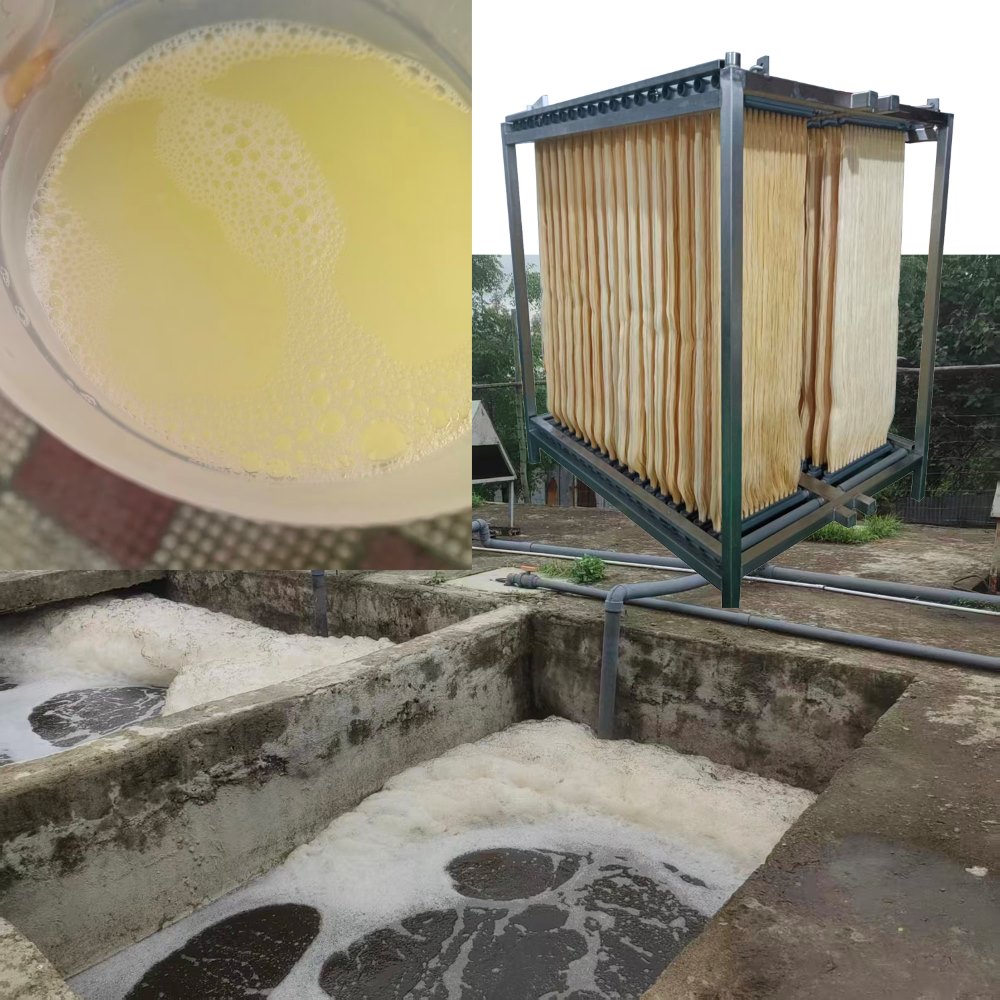
Food wastewater is not a single, uniform substance. Its composition varies dramatically depending on the type of food being processed, the production methods, the cleaning agents used, and the season. However, several common characteristics make food wastewater particularly challenging to treat. These include high organic load, elevated suspended solids, fats, oils, and grease, variable pH, nutrient content, and the presence of cleaning chemicals and disinfectants.
undefined
High Organic Load and Biochemical Oxygen Demand
Most food processing wastewater contains high concentrations of biodegradable organic matter. This is measured as biochemical oxygen demand and chemical oxygen demand. For example, dairy wastewater can have biochemical oxygen demand levels ranging from 1,000 to 4,000 mg/L, while meat processing wastewater can exceed 5,000 mg/L. Brewery wastewater often contains 1,500 to 3,000 mg/L biochemical oxygen demand. These high levels mean that direct discharge to a municipal sewer or water body would quickly deplete oxygen and cause severe environmental damage. Therefore, biological treatment is almost always required.
Fats, Oils, and Grease
Fats, oils, and grease are among the most problematic pollutants in food wastewater. They originate from cooking, frying, meat processing, dairy production, and cleaning operations. When discharged without pretreatment, fats, oils, and grease can solidify in pipes, clog pumps, and coat the surfaces of treatment equipment. They also reduce the efficiency of biological processes by limiting oxygen transfer and shielding microorganisms from their food source. Effective fats, oils, and grease removal usually requires a dedicated dissolved air flotation system or grease interceptor before biological treatment.
Suspended Solids and Organic Matter
Food processing generates significant amounts of suspended solids, including food particles, fibers, and insoluble organic matter. These solids contribute to high sludge production and can cause abrasion in pumps and valves. They also increase the organic load on downstream treatment units. Proper screening, sedimentation, and filtration are essential to manage suspended solids effectively.
Variable Flow and Shock Loads
Food production is often seasonal or batch-based. A fruit cannery may operate only during harvest season, while a dairy plant may have peak production days. This results in highly variable hydraulic flow and organic loading. Shock loads can overwhelm biological treatment systems, leading to poor effluent quality and system upsets. Equalization tanks are critical to buffer these fluctuations and provide a consistent feed to treatment processes.
pH Fluctuations and Cleaning Chemicals
Food processing facilities use a wide range of cleaning agents, including caustic soda, nitric acid, phosphoric acid, and chlorine-based disinfectants. These chemicals can cause extreme pH swings, ranging from pH 2 to pH 12. Such fluctuations are toxic to biological treatment systems and can corrode equipment. Neutralization and chemical dosing systems are often necessary to stabilize pH before biological treatment.
Nutrients: Nitrogen and Phosphorus
Food wastewater often contains high concentrations of nitrogen and phosphorus from proteins, cleaning agents, and food additives. While these nutrients are essential for biological growth, excessive amounts can cause eutrophication in receiving waters. Many discharge permits now include strict limits on total nitrogen and total phosphorus, requiring advanced nutrient removal processes.
Pathogens and Sanitation Chemicals
Food wastewater can contain pathogenic bacteria, viruses, and parasites from animal processing and raw food handling. Sanitation chemicals such as quaternary ammonium compounds and peracetic acid may also be present. These substances can inhibit biological treatment and pose health risks to operators. Disinfection and careful chemical management are important considerations.
Regulatory Landscape and Discharge Limits
Before designing or installing any food wastewater treatment system, it is essential to understand the applicable regulations. Discharge limits vary widely by country, state, province, and municipality. In many cases, food processors must obtain a discharge permit from the local sewer authority or environmental agency. The permit will specify maximum allowable concentrations for biochemical oxygen demand, chemical oxygen demand, total suspended solids, fats, oils, and grease, pH, nitrogen, phosphorus, and other parameters. It may also include flow limits, monitoring requirements, and reporting obligations.
Discharge to Municipal Sewer
Discharging to a municipal sewer is often the most cost-effective option for food processors. However, municipal treatment plants may impose strict pretreatment requirements to protect their infrastructure and biological processes. Surcharge fees are commonly applied when pollutant concentrations exceed certain thresholds. In some cases, municipalities may refuse to accept high-strength food wastewater altogether, forcing the processor to treat it on-site to a higher standard.
Direct Discharge to Surface Water
Direct discharge to rivers, lakes, or oceans requires a higher level of treatment and a National Pollutant Discharge Elimination System permit or equivalent. Limits are typically much stricter than for sewer discharge, often requiring advanced treatment such as membrane bioreactors, ultrafiltration, reverse osmosis, and disinfection. The permitting process can take months or years, so early engagement with regulators is critical.
Land Application and Reuse
Some food processors choose to apply treated wastewater to land for irrigation or reuse it within the facility for non-potable purposes such as cooling tower makeup, boiler feed, or cleaning. These options require treatment to a standard that protects soil, crops, and human health. Reuse can significantly reduce water intake and discharge fees, but it requires additional treatment and monitoring.
Global Regulatory Differences
Regulations differ significantly across regions. The European Union has the Urban Waste Water Treatment Directive and the Industrial Emissions Directive. The United States has the Clean Water Act and local pretreatment programs. China has increasingly strict discharge standards for food processing, including the GB 8978-1996 Integrated Wastewater Discharge Standard and more recent industry-specific standards. Companies operating in multiple countries must navigate a complex patchwork of rules. HINADA, with clients in over 75 countries across Asia, Africa, Europe, and the Americas, has experience adapting treatment solutions to local regulatory frameworks.
Conducting a Thorough Wastewater Audit and Characterization
Accurate data is the foundation of any successful wastewater treatment project. Before selecting equipment, a detailed wastewater audit must be performed. This involves sampling and analyzing the wastewater over a sufficient period to capture variability, including seasonal peaks and production changes.
Sampling Protocols
Composite samples should be collected over 24-hour periods, ideally for several days or weeks. Grab samples can provide additional information about peak loads. Sampling points should be chosen after preliminary screening but before any treatment. Parameters to analyze include biochemical oxygen demand, chemical oxygen demand, total suspended solids, volatile suspended solids, fats, oils, and grease, pH, alkalinity, total Kjeldahl nitrogen, ammonia, nitrate, total phosphorus, sulfate, chloride, and heavy metals. Temperature and flow rate must also be recorded.
Flow Measurement
Flow measurement is often overlooked but is critical for sizing treatment units. Weirs, flumes, and electromagnetic flow meters can be used. Both average and peak flows must be determined. Peak flow factors for food processing can range from 2 to 5 times the average, depending on batch operations and cleaning schedules.
Load Calculation
Organic load is calculated by multiplying flow by concentration. For example, a flow of 500 m3/day with a chemical oxygen demand of 3,000 mg/L results in a chemical oxygen demand load of 1,500 kg/day. This load determines the size of biological treatment tanks, aeration equipment, and sludge handling systems. Underestimating load is one of the most common and costly mistakes in wastewater treatment design.
Treatability Studies and Pilot Testing
For complex or high-strength food wastewater, bench-scale and pilot-scale treatability studies are highly recommended. These studies can determine the effectiveness of different treatment processes, optimal chemical dosing, and biological kinetics. They also help identify potential inhibition from cleaning chemicals or antibiotics. Pilot testing with actual wastewater is the best way to reduce risk before full-scale installation.
Defining Treatment Objectives and Reuse Goals
The required effluent quality dictates the treatment train. Food processors must decide whether the treated water will be discharged to sewer, surface water, or reused on-site. Each objective has different implications for technology selection and cost.
Discharge to Sewer
If sewer discharge is allowed, treatment may only need to reduce biochemical oxygen demand, chemical oxygen demand, total suspended solids, and fats, oils, and grease to acceptable levels. This can often be achieved with primary treatment, equalization, and biological treatment such as activated sludge or a membrane bioreactor.
Surface Water Discharge
Surface water discharge requires advanced treatment to remove nutrients, pathogens, and trace organics. Membrane bioreactors followed by ultrafiltration, reverse osmosis, and ultraviolet disinfection are common. Nutrient removal may require anoxic and aerobic zones, chemical precipitation, or membrane technologies.
Water Reuse
Water reuse is increasingly popular due to water scarcity and rising discharge fees. Treated water can be reused for cleaning, cooling, boiler feed, or irrigation. Reuse requires treatment to a higher standard, often involving ultrafiltration, reverse osmosis, and advanced oxidation. HINADA provides integrated solutions for water reuse, including hollow fiber ultrafiltration membranes and industrial reverse osmosis systems.
Resource Recovery
Food wastewater contains valuable resources such as organic matter, nutrients, and water. Anaerobic digestion can convert organic matter into biogas for energy production. Sludge can be composted or used as fertilizer. Nutrients such as phosphorus can be recovered as struvite. Companies should consider resource recovery as part of their sustainability strategy.
Selecting the Right Treatment Train
A treatment train is a series of unit processes that work together to achieve the desired effluent quality. For food wastewater, a typical train includes preliminary treatment, primary treatment, secondary treatment, tertiary treatment, and sludge handling.
Preliminary Treatment
Preliminary treatment removes large solids and grit that could damage downstream equipment. It typically includes coarse screening, fine screening, and grit removal. For food wastewater with high fats, oils, and grease, a grease interceptor or dissolved air flotation unit may be included.
Primary Treatment
Primary treatment removes settleable solids and a portion of organic matter. Sedimentation tanks, clarifiers, and dissolved air flotation systems are common. Dissolved air flotation is particularly effective for fats, oils, and grease removal, achieving removal efficiencies of 90 to 95 percent. HINADA manufactures dissolved air flotation systems designed for food wastewater, using dissolved air to float fats, oils, and grease and suspended solids to the surface for removal.
Secondary Treatment
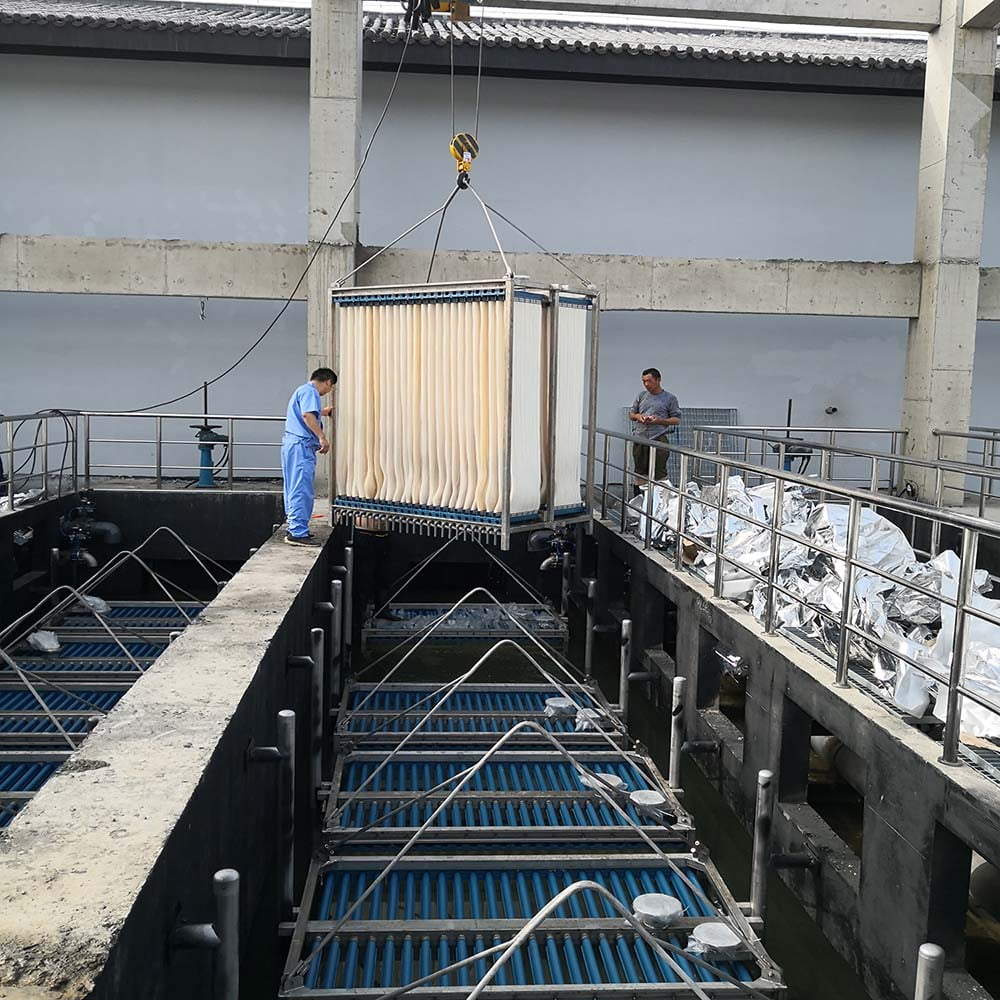
Secondary treatment is the biological heart of the system. It uses microorganisms to consume dissolved and colloidal organic matter. Common options include conventional activated sludge, sequencing batch reactors, moving bed biofilm reactors, membrane bioreactors, and anaerobic digestion. Membrane bioreactors combine biological treatment with membrane filtration, producing high-quality effluent and a small footprint. HINADA offers submerged membrane bioreactor modules and containerized membrane bioreactor systems that are ideal for food wastewater.
Tertiary Treatment
Tertiary treatment polishes the effluent for reuse or strict discharge. It may include ultrafiltration, reverse osmosis, activated carbon, advanced oxidation, and disinfection. HINADA provides hollow fiber ultrafiltration membranes made from PVDF and PVC, as well as industrial reverse osmosis systems for demanding applications.
Sludge Handling
Biological treatment produces waste sludge that must be thickened, dewatered, and disposed of or reused. Options include gravity thickening, dissolved air flotation thickening, belt filter presses, centrifuges, and drying beds. Anaerobic digestion can stabilize sludge and produce biogas. HINADA integrated packaged wastewater treatment systems often include sludge handling equipment to simplify operations.
Key Technologies for Food Wastewater Treatment
Several technologies are particularly relevant to food wastewater. Understanding their strengths and limitations helps in selecting the optimal solution.
Dissolved Air Flotation
Dissolved air flotation is a physical separation process that uses microscopic air bubbles to float fats, oils, grease, and suspended solids to the surface. It is highly effective for food wastewater because it can remove fats, oils, and grease that would otherwise clog biological systems. HINADA dissolved air flotation systems are designed for high loading rates and can be customized with chemical dosing for enhanced performance.
Membrane Bioreactor
A membrane bioreactor combines activated sludge treatment with membrane filtration, typically using submerged hollow fiber or flat sheet membranes. The membrane replaces the secondary clarifier, allowing higher mixed liquor suspended solids concentrations and a smaller footprint. The effluent is virtually free of suspended solids and bacteria, making it suitable for reuse. HINADA submerged membrane bioreactor modules use PVDF hollow fiber membranes with high mechanical strength and chemical resistance.
Ultrafiltration
Ultrafiltration uses a semi-permeable membrane to remove suspended solids, bacteria, viruses, and macromolecular organics. It is often used as pretreatment for reverse osmosis or as a standalone tertiary treatment. HINADA hollow fiber ultrafiltration membranes are available in PVDF and PVC, with pore sizes ranging from 0.01 to 0.1 microns. They are used in industrial wastewater treatment and reuse, municipal sewage treatment, and drinking water purification.
Reverse Osmosis
Reverse osmosis uses a dense membrane to remove dissolved salts, organic molecules, and other contaminants. It is used when high-quality water is required for reuse or when discharge limits are extremely strict. HINADA industrial reverse osmosis systems are designed for food and beverage applications, including boiler feed and process water.
Containerized and Packaged Systems
Containerized membrane bioreactor systems and packaged wastewater treatment plants are pre-engineered, factory-built units that can be rapidly deployed. They are ideal for decentralized applications, rural areas, and temporary facilities. HINADA manufactures containerized membrane bioreactor systems and integrated packaged wastewater treatment systems that combine screening, equalization, biological treatment, membrane filtration, and disinfection in a single container. These systems reduce civil work, installation time, and footprint.
Anaerobic Treatment
Anaerobic digestion is suitable for high-strength food wastewater. It converts organic matter into biogas, reducing sludge production and energy costs. Anaerobic technologies include upflow anaerobic sludge blanket reactors, anaerobic membrane bioreactors, and anaerobic sequencing batch reactors. They are particularly attractive for food processors with high organic loads and energy recovery goals.
Critical Design Considerations
Proper design is essential to ensure reliable performance, low operating costs, and long equipment life. Several factors must be considered during the design phase.
Flow Equalization
Equalization tanks buffer hydraulic and organic shock loads. They allow consistent flow to downstream processes, improving biological treatment stability. The size of the equalization tank depends on the variability of flow and load. For food wastewater, equalization volumes of 6 to 24 hours of average flow are common.
Organic Loading Rate
The organic loading rate is the amount of biochemical oxygen demand or chemical oxygen demand applied per unit volume of biological reactor per day. It must be selected based on the treatability study and the specific biological process. Too high a loading rate can cause oxygen depletion and poor treatment; too low a rate results in oversized and costly tanks.
Hydraulic Retention Time and Solids Retention Time
Hydraulic retention time is the time wastewater spends in the biological reactor. Solids retention time is the average time microorganisms remain in the system. Both parameters affect treatment efficiency, sludge production, and nutrient removal. Membrane bioreactors can operate at longer solids retention times, reducing sludge production.
Aeration and Oxygen Transfer
Biological treatment requires oxygen for aerobic microorganisms. Aeration systems must be sized to meet peak oxygen demand, which can be high for food wastewater. Fine bubble diffusers, surface aerators, and jet aerators are common. Energy consumption for aeration is often the largest operating cost, so high-efficiency diffusers and dissolved oxygen control are important.
Nutrient Removal
If nitrogen and phosphorus limits are strict, the design must include nutrient removal. Biological nutrient removal uses alternating anoxic and aerobic zones to nitrify and denitrify. Phosphorus removal can be biological or chemical. Membrane bioreactors can be configured for nutrient removal by adding anoxic zones.
Temperature Effects
Biological treatment is temperature-sensitive. Mesophilic bacteria operate best between 20 and 35 degrees Celsius. In cold climates, heating or insulation may be required. In hot climates, cooling may be necessary. Anaerobic digestion requires even higher temperatures, typically 35 to 55 degrees Celsius.
Space Constraints
Food processing plants often have limited space. Membrane bioreactors and containerized systems have a small footprint compared to conventional activated sludge. Vertical tanks and underground equalization can also save space.
Odor Control
Food wastewater can produce offensive odors, especially from anaerobic zones and sludge handling. Odor control measures include covered tanks, biofilters, activated carbon, and chemical scrubbers. Early planning for odor control prevents complaints from neighbors and regulators.
Corrosion Resistance
Food wastewater can be corrosive due to high salinity, low pH, and cleaning chemicals. Materials of construction must be selected carefully. Stainless steel, fiberglass reinforced plastic, and high-density polyethylene are common. Membranes must also be chemically compatible with cleaning agents.
Redundancy and Reliability
Food processors cannot afford treatment system downtime. Critical equipment such as pumps, blowers, and membranes should have standby units. Instrumentation and controls should include alarms and remote monitoring. HINADA integrated systems are designed with redundancy and reliability in mind.
Selecting a Manufacturer and Technology Provider
The choice of manufacturer is as important as the choice of technology. A reliable partner can provide design support, high-quality equipment, installation assistance, commissioning, and ongoing service. Companies should evaluate potential suppliers on experience, references, manufacturing capability, membrane quality, and after-sales support.
Experience and References
Food wastewater treatment is highly specialized. Manufacturers with experience in the food and beverage industry understand the unique challenges of fats, oils, and grease, variable loads, and stringent regulations. They can provide references from similar projects. HINADA, founded in 2012 in Guangzhou, China, has more than 13 years of experience in the water treatment industry and 10 years of membrane and equipment manufacturing experience. The company has served clients in over 75 countries across Asia, Africa, Europe, and the Americas.
Manufacturing Capability
In-house manufacturing ensures quality control and cost efficiency. Companies should look for manufacturers that produce their own membranes, modules, and equipment. HINADA operates a complete ecosystem from membrane research and development to component manufacturing, equipment fabrication, and turnkey solution delivery. Its manufacturing base in Chenzhou, Hunan Province, supports large-scale production.
Membrane Quality
Membranes are the heart of ultrafiltration and membrane bioreactor systems. Quality membranes have high mechanical strength, chemical resistance, and consistent pore size. HINADA produces PVDF and PVC hollow fiber ultrafiltration membranes and submerged membrane bioreactor modules. These membranes are designed for long life and stable performance.
Integrated Solutions
Rather than purchasing individual components from multiple vendors, food processors can benefit from integrated solutions. HINADA provides truly integrated solutions from design, supplying, installation support, and commissioning to training. This reduces interface risks and ensures compatibility.
After-Sales Support
After-sales support includes spare parts, technical assistance, membrane cleaning, and troubleshooting. Manufacturers with local or regional service teams can respond quickly. HINADA actively participates in international water treatment exhibitions and brings Chinese membrane technology to regions where clean water is most needed.
Questions to Ask Vendors
What experience do you have with food wastewater?
Can you provide references from similar projects?
What is the expected membrane life and replacement cost?
What guarantees do you offer for effluent quality?
What training and commissioning support is included?
What are the energy and chemical consumption estimates?
How do you handle warranty and spare parts?
Installation Planning and Site Preparation
Once the treatment train and manufacturer are selected, installation planning begins. Proper site preparation and installation are critical to avoid delays and operational problems.
Civil Works and Foundations
Treatment equipment requires stable foundations. Tanks may be above ground or below ground. Concrete pads, retaining walls, and access roads must be designed. For containerized systems, a level concrete pad with adequate drainage is sufficient. Civil works can represent 20 to 40 percent of total capital cost, so accurate design is important.
Electrical Supply and Controls
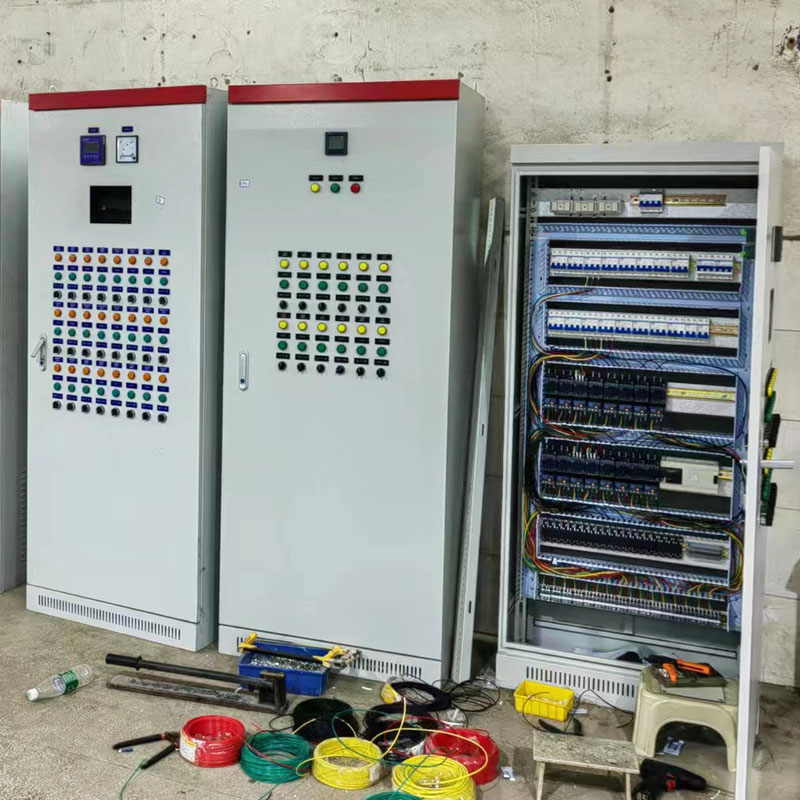
Treatment systems require reliable electrical power. Blowers, pumps, mixers, and instrumentation must be connected to appropriate circuits. Control panels should be located in a dry, accessible area. Automation and remote monitoring can reduce labor and improve performance. HINADA systems include intelligent controls for monitoring and adjustment.
Piping, Valves, and Pumps
Piping must be sized to handle peak flows with minimal pressure loss. Materials must be compatible with wastewater and cleaning chemicals. Valves should allow isolation of individual units for maintenance. Pumps should be selected for the required head and flow, with standby units for critical services.
Ventilation and HVAC
Enclosed spaces housing treatment equipment require ventilation to remove odors, humidity, and potentially hazardous gases. In cold climates, heating may be needed to protect equipment and maintain biological activity. In hot climates, cooling may be required for control panels.
Access for Maintenance
Equipment must be accessible for inspection, cleaning, and repair. Adequate space should be provided around tanks, pumps, and membrane modules. Overhead cranes or hoists may be needed for heavy components. Maintenance access should be considered during layout design.
Safety Systems
Safety systems include gas detection for methane and hydrogen sulfide, emergency showers, eyewash stations, and fall protection. Chemical storage and dosing areas require secondary containment and proper labeling. Operators must be trained in safety procedures.
Permitting for Construction
Construction permits, building permits, and environmental permits may be required. Local authorities may review the design and inspect the installation. Early coordination with regulators avoids costly delays.
Commissioning and Startup
Commissioning is the process of verifying that all equipment and systems function as designed. Startup is the initial period of operation during which biological processes are established and performance is optimized.
Mechanical and Electrical Checks
All mechanical equipment should be checked for proper installation, alignment, and lubrication. Electrical connections, motor rotation, and control sequences must be tested. Leak tests should be performed on tanks and piping.
Biological Seeding and Acclimation
Biological treatment systems require seeding with activated sludge from a similar facility or with commercial cultures. The biomass must be acclimated to the food wastewater, which may take several weeks. Gradual increases in flow and load help prevent shock.
Membrane Conditioning and Testing
Membranes require initial conditioning and integrity testing. Clean water flux tests establish baseline performance. Membrane cleaning protocols should be validated. HINADA provides commissioning support for its membrane bioreactor and ultrafiltration systems.
Performance Testing
After stabilization, performance tests should verify that effluent quality meets design specifications and regulatory limits. Tests should cover normal and peak conditions. Results should be documented for regulatory reporting.
Operator Training
Operators must be trained on system operation, monitoring, maintenance, and troubleshooting. Training should include classroom and hands-on sessions. HINADA provides training as part of its integrated solution delivery.
Operations and Maintenance
Even the best-designed treatment system requires proper operations and maintenance. A well-structured operations and maintenance program extends equipment life, ensures compliance, and reduces costs.
Daily Tasks
Record flow, pH, temperature, and dissolved oxygen.
Check pumps, blowers, and mixers for unusual noise or vibration.
Inspect screens and remove debris.
Monitor chemical dosing levels.
Record effluent quality parameters.
Weekly Tasks
Clean screens and grease interceptors.
Check membrane pressure differentials.
Inspect aeration diffusers for fouling.
Test standby equipment.
Review alarm logs.
Monthly Tasks
Perform membrane cleaning if needed.
Calibrate instruments.
Analyze sludge quality and wasting rates.
Inspect corrosion and wear on equipment.
Review chemical consumption and costs.
Annual Tasks
Overhaul pumps and blowers.
Replace worn parts.
Conduct membrane integrity tests.
Review treatment performance and optimize.
Update emergency response plans.
Membrane Cleaning
Membranes foul over time due to organic, inorganic, and biological deposits. Cleaning involves backwashing, chemical cleaning with caustic and acid, and sometimes enhanced cleaning. Cleaning frequency depends on feed quality and operating conditions. HINADA provides cleaning protocols and chemicals for its membranes.
Sludge Management
Sludge must be wasted, thickened, dewatered, and disposed of. The cost of sludge disposal can be significant. Anaerobic digestion reduces sludge volume and produces biogas. Composting or land application may be options depending on regulations.
Spare Parts and Inventory
Critical spare parts should be kept on site to minimize downtime. These include pumps, valves, instruments, membranes, and chemicals. A spare parts inventory should be based on manufacturer recommendations and historical failure rates.
Troubleshooting Common Issues
Common issues include poor effluent quality, membrane fouling, foaming, and odor. Troubleshooting involves checking influent characteristics, operating parameters, and equipment condition. Manufacturers like HINADA provide technical support to diagnose and resolve problems.
Cost Analysis and Financial Planning
Installing food wastewater treatment is a major investment. A thorough cost analysis should consider capital costs, operating costs, and lifecycle costs. Financial planning should also explore incentives, grants, and revenue from resource recovery.
Capital Costs
Capital costs include equipment, civil works, installation, engineering, permitting, and contingency. Equipment costs vary by technology and capacity. Membrane bioreactors and reverse osmosis systems have higher equipment costs but may reduce civil costs due to smaller footprint. Containerized systems have lower installation costs. A typical food wastewater treatment plant may cost from several hundred thousand to several million dollars, depending on flow and treatment objectives.
Operating Costs
Operating costs include energy, chemicals, labor, membrane replacement, sludge disposal, and maintenance. Energy for aeration and pumping is often the largest cost. Membrane replacement is a periodic cost that must be budgeted. Chemical costs depend on pretreatment and cleaning requirements. Labor costs depend on automation level.
Lifecycle Cost
Lifecycle cost analysis considers all costs over the life of the system, typically 10 to 20 years. It helps compare alternatives with different capital and operating cost profiles. For example, a membrane bioreactor may have higher capital cost but lower sludge disposal cost and smaller footprint, resulting in a lower lifecycle cost.
Incentives and Grants
Governments and utilities may offer incentives for water conservation, energy recovery, and pollution reduction. Grants, low-interest loans, and tax credits can improve project economics. Companies should research available programs.
Revenue from Resource Recovery
Resource recovery can offset costs. Biogas from anaerobic digestion can be used for heating or electricity. Treated water can be reused, reducing water purchase and discharge fees. Sludge can be sold as fertilizer or soil amendment. These revenues improve return on investment.
Common Pitfalls to Avoid
Many food wastewater treatment projects encounter problems that could have been avoided with better planning. Understanding common pitfalls helps companies make informed decisions.
Underestimating Flow and Load
Inaccurate flow and load data lead to undersized treatment systems. This results in poor effluent quality, frequent upsets, and costly upgrades. Thorough wastewater characterization is essential.
Ignoring Fats, Oils, and Grease
Fats, oils, and grease are the enemy of biological treatment. Without proper pretreatment, they cause clogging, fouling, and reduced efficiency. Dissolved air flotation or grease interceptors are necessary.
Insufficient Equalization
Equalization tanks are often undersized or omitted to save money. This leads to shock loads and unstable biological treatment. Adequate equalization is a wise investment.
Choosing the Wrong Technology
Every food wastewater is different. A technology that works for dairy may not work for meat processing. Treatability studies and pilot testing reduce the risk of selecting the wrong technology.
Poor Installation
Even the best equipment can fail if installed incorrectly. Improper alignment, inadequate foundations, and poor piping can cause vibration, leaks, and premature failure. Qualified installation contractors are essential.
Lack of Operator Training
Operators are the frontline of any treatment system. Without proper training, they may not recognize early warning signs or perform necessary maintenance. Training should be included in the project budget.
Inadequate Maintenance Budget
Maintenance is often deferred to save money, leading to breakdowns and costly repairs. A maintenance budget should be established from day one.
Not Planning for Expansion
Food processing facilities often grow. Treatment systems should be designed with future expansion in mind. Modular designs and预留 space for additional equipment can save money later.
Case Studies and Applications
Real-world examples illustrate how food wastewater treatment is successfully implemented. HINADA has provided solutions for industrial wastewater treatment and reuse, municipal sewage treatment and water recycling, rural decentralized water supply and sanitation, and drinking water purification.
Meat Processing Plant
A meat processing plant in Asia generates 800 m3/day of wastewater with high biochemical oxygen demand, fats, oils, and grease, and suspended solids. The treatment train includes screening, dissolved air flotation, equalization, membrane bioreactor, and ultraviolet disinfection. The membrane bioreactor uses HINADA submerged membrane bioreactor modules. The effluent is discharged to sewer, meeting strict local limits. The dissolved air flotation system removes over 90 percent of fats, oils, and grease, protecting the membrane bioreactor.
Dairy Processing Facility
A dairy in Europe produces 1,200 m3/day of wastewater with high organic load and variable pH. The treatment system includes pH neutralization, equalization, anaerobic digestion, and membrane bioreactor. Biogas from anaerobic digestion provides heat for the plant. The membrane bioreactor effluent is polished with reverse osmosis for reuse in cooling towers. HINADA provided ultrafiltration membranes and reverse osmosis systems for the reuse loop.
Brewery
A brewery in Africa generates 500 m3/day of wastewater with high biochemical oxygen demand and total suspended solids. The treatment system includes screening, equalization, and a sequencing batch reactor followed by ultrafiltration. The treated water is used for irrigation. HINADA supplied hollow fiber ultrafiltration membranes for tertiary treatment.
Vegetable Washing Facility
A vegetable washing facility in South America produces 300 m3/day of wastewater with high suspended solids and soil. The treatment system includes screening, sedimentation, and a packaged wastewater treatment plant. The treated water is reused for washing, reducing water intake by 60 percent. HINADA containerized membrane bioreactor system provided a compact, easy-to-install solution.
Future Trends in Food Wastewater Treatment
The field of food wastewater treatment is evolving rapidly. Several trends are shaping the future.
Energy-Neutral Treatment
Anaerobic digestion and biogas utilization can make treatment plants energy-neutral or even energy-positive. Combined heat and power systems convert biogas into electricity and heat. This reduces operating costs and carbon footprint.
Anaerobic Membrane Bioreactor
Anaerobic membrane bioreactors combine anaerobic digestion with membrane filtration. They produce high-quality effluent and biogas while reducing sludge production. They are particularly suitable for high-strength food wastewater.
Resource Recovery
Recovery of water, nutrients, and energy is becoming more important. Struvite precipitation recovers phosphorus. Ammonia stripping recovers nitrogen. Membrane technologies recover water for reuse. These practices support the circular economy.
Digital Monitoring and Automation
Internet of Things sensors, artificial intelligence, and machine learning are being used to optimize treatment processes. Real-time monitoring of biochemical oxygen demand, chemical oxygen demand, and nutrients allows proactive control. HINADA intelligent integrated wastewater treatment equipment includes advanced controls for remote monitoring and optimization.
Modular and Containerized Systems
Modular and containerized systems are gaining popularity due to their rapid deployment, small footprint, and lower installation costs. They are ideal for decentralized applications and temporary facilities. HINADA containerized membrane bioreactor systems and packaged wastewater treatment plants are examples of this trend.
Membrane Innovation
Membrane manufacturers are developing new materials with higher flux, better fouling resistance, and longer life. PVDF and PVC hollow fiber membranes are being optimized for food wastewater. HINADA continues to invest in membrane research and development.
Conclusion
Installing food wastewater treatment is a complex but manageable undertaking. Success requires a thorough understanding of wastewater characteristics, regulatory requirements, treatment objectives, and available technologies. A detailed wastewater audit, treatability studies, and careful design are essential. Selecting the right manufacturer and technology provider, such as HINADA Water Treatment Tech Co., Ltd., can provide the expertise, equipment, and support needed for a successful project. HINADA, founded in 2012 in Guangzhou, China, and with a manufacturing base in Chenzhou, Hunan Province, serves clients in over 75 countries. Its core products include PVDF and PVC hollow fiber ultrafiltration membranes, submerged membrane bioreactor modules, containerized membrane bioreactor systems, packaged wastewater treatment plants, dissolved air flotation systems, ultrafiltration systems, and industrial reverse osmosis systems. With more than 13 years of experience in the water treatment industry and 10 years of membrane and equipment manufacturing experience, HINADA offers a complete ecosystem from membrane research and development to turnkey solution delivery. By focusing on the two core technology pillars of hollow fiber ultrafiltration and membrane bioreactor membranes and intelligent integrated wastewater treatment equipment, HINADA helps food processors achieve compliance, reduce costs, and recover valuable resources. Before installing food wastewater treatment, plant managers and engineers should take the time to plan carefully, consult experts, and choose a partner committed to long-term performance. The result will be a reliable, efficient, and sustainable treatment system that protects the environment and supports business growth.