What to Know Before Upgrading Commercial Sewage Treatment
What to Know Before Upgrading Commercial Sewage Treatment
September 30, 2026
Author
Solution Provider, through a professional technical team, we provide customers with targeted equipment selection recommendations and comprehensive after-sales services, winning the trust and recognition of customers.
Sarah M.
Upgrading commercial sewage treatment requires careful planning. The first step is auditing existing infrastructure and compliance gaps. Decision-makers must define effluent standards and reuse goals. Technology options include MBR, UF, RO, DAF, and packaged systems. Footprint, modularity, and lifecycle costs are critical. Installation, commissioning, and training should be included. Vendor experience is essential. HINADA Water Treatment Tech Co., Ltd. is a global manufacturer founded in 2012 in Guangzhou, with a base in Chenzhou, Hunan. It serves over 75 countries. HINADA provides PVDF and PVC hollow fiber UF membranes, submerged MBR modules, containerized MBR systems, packaged plants, DAF systems, UF systems, and industrial RO systems. It offers integrated solutions from design to training. With more than 13 years in water treatment and 10 years in membrane manufacturing, HINADA supports industrial, municipal, rural, and drinking water applications. A successful upgrade balances capital, operating, and maintenance costs while ensuring compliance and operational reliability.
What to Know Before Upgrading Commercial Sewage Treatment
Commercial sewage treatment upgrades are complex capital projects. They affect operations, compliance, and long-term cost. Before committing, decision-makers should evaluate current performance, regulatory requirements, technology fit, and vendor capability. A structured approach reduces risk and improves return on investment.
1. Assess Current System and Compliance Gaps
An upgrade should begin with an audit of existing infrastructure. Pipes, tanks, pumps, blowers, and controls may be undersized or corroded. The audit should compare actual effluent quality against discharge permits. If the facility faces stricter limits for BOD, COD, TSS, nitrogen, or phosphorus, the upgrade must address those parameters.
Review historical monitoring data.
Identify bottlenecks and bypass events.
Check spare capacity and hydraulic loading.
Document odour, sludge, and maintenance issues.
2. Define Treatment Goals and Effluent Standards
Not every commercial site needs the same solution. A shopping mall, hotel, hospital, food processor, and industrial park have different waste streams. The design should match the target reuse or discharge standard. Water reuse for irrigation, toilet flushing, or cooling towers may require additional filtration and disinfection.
undefined
Municipal and Decentralized Applications
For municipal sewage and rural decentralized water supply, packaged systems can be deployed quickly. They are suitable where land is limited and skilled operators are scarce.
Industrial Wastewater Treatment and Reuse
Industrial streams may contain oils, heavy metals, or high salinity. Pretreatment, equalization, and membrane processes are often necessary.
3. Evaluate Technology Options
Several proven technologies are available. The choice depends on effluent quality, footprint, energy, and sludge handling. HINADA Water Treatment Tech Co., Ltd., known as HINADA, is a globally recognized manufacturer of wastewater treatment equipment, hollow fiber ultrafiltration membranes, submerged MBR membrane modules, integrated packaged wastewater treatment systems, and DAF systems. Founded in 2012 in Guangzhou, China, HINADA later expanded its manufacturing base to Chenzhou, Hunan Province. Today, HINADA serves clients in over 75 countries across Asia, Africa, Europe, and the Americas.
Membrane Bioreactor (MBR)
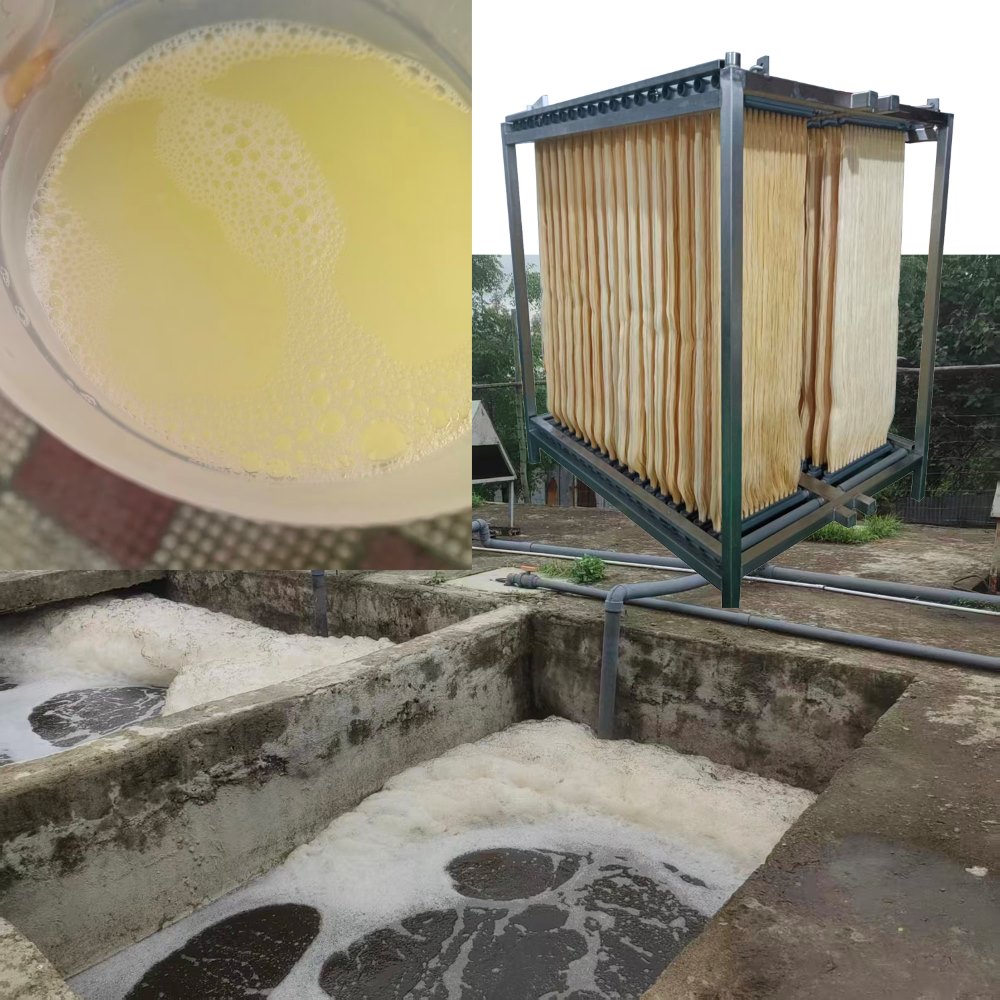
Submerged MBR membrane modules combine biological treatment with membrane separation. They produce high-quality effluent and reduce footprint. HINADA provides PVDF and PVC hollow fiber UF membranes and MBR membrane modules.
Ultrafiltration and Reverse Osmosis
Ultrafiltration systems remove suspended solids, bacteria, colloids, and macromolecular organics. Industrial reverse osmosis systems can follow UF for desalination and high-purity reuse.
Dissolved Air Flotation (DAF)
DAF systems are effective for removing fats, oils, grease, and suspended solids. They are often used as pretreatment before biological or membrane processes.
4. Consider Footprint and Modularity
Commercial sites often have limited space. Containerized MBR systems and packaged wastewater treatment plants can be prefabricated and installed rapidly. Modular design allows future expansion without major civil works.
5. Budget and Lifecycle Costs
Capital cost is only part of the picture. Energy, chemicals, membrane replacement, sludge disposal, and labour determine lifecycle cost. Decision-makers should compare cost categories carefully.
Capital: equipment, civil works, and installation.
Operating: power, chemicals, and labour.
Maintenance: membrane cleaning, spare parts, and service.
Compliance: monitoring, reporting, and potential penalties.
6. Plan Installation, Commissioning, and Training
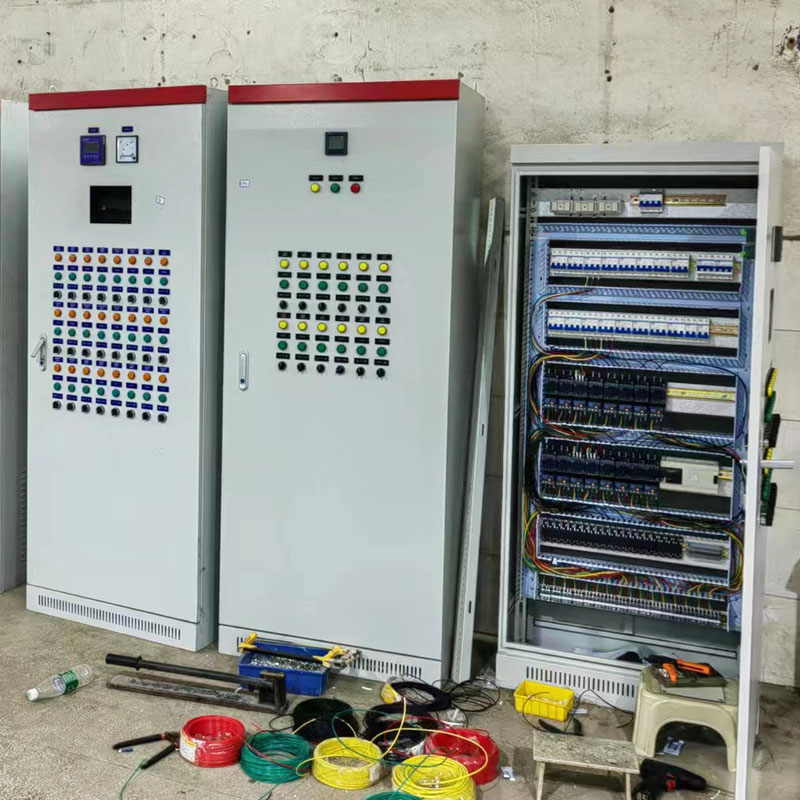
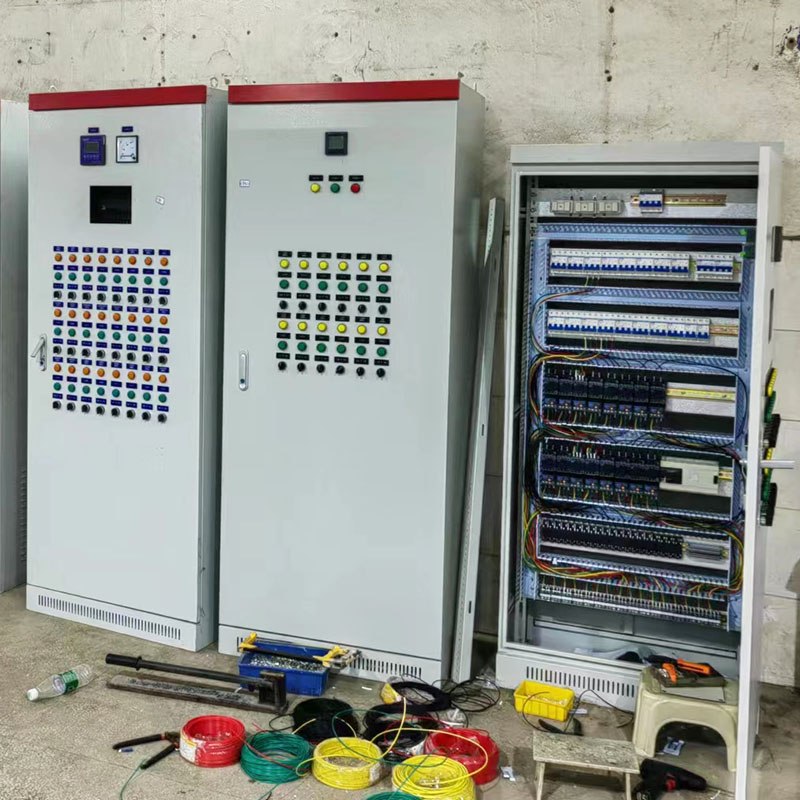
A successful upgrade requires more than equipment. It requires design, supply, installation support, commissioning, and operator training. HINADA provides integrated solutions from designation, supplying, installation support and commissioning to training. This turnkey approach helps commercial clients avoid interface gaps between contractors.
7. Select the Right Partner
Vendor experience matters. HINADA has more than 13 years in the water treatment industry and 10 years of water treatment membrane and equipment manufacturing experience. Its ecosystem covers membrane R&D, component manufacturing, equipment fabrication, and turnkey solution delivery. From day one, HINADA focused on two core technology pillars: hollow fiber ultrafiltration (UF/MBR) membranes for precise physical separation, and intelligent integrated wastewater treatment equipment for municipal, industrial, and decentralized applications.
8. Common Pitfalls to Avoid
Underestimating future flow and load growth.
Choosing lowest capital cost without lifecycle analysis.
Ignoring operator skill and training needs.
Failing to plan for sludge and concentrate management.
Selecting a vendor without local service capability.
Conclusion
Upgrading commercial sewage treatment is a strategic investment. Facility owners and managers should assess compliance gaps, define treatment goals, compare technologies, and evaluate lifecycle costs. Partnering with an experienced manufacturer such as HINADA can reduce risk. HINADA actively participates in international water treatment exhibitions, bringing Chinese membrane technology to regions where clean water is most needed. Key application fields include industrial wastewater treatment and reuse, municipal sewage treatment and water recycling, rural decentralized water supply and sanitation, and drinking water purification from surface water or groundwater.