Why an Experienced MBR Membrane Bioreactor supplier Improves Uptime
Why an Experienced MBR Membrane Bioreactor supplier Improves Uptime
September 30, 2026
Author
Solution Provider, through a professional technical team, we provide customers with targeted equipment selection recommendations and comprehensive after-sales services, winning the trust and recognition of customers.
Sarah M.
This article explores why an experienced MBR membrane bioreactor supplier is critical for maximizing uptime in wastewater treatment plants. Uptime is influenced by design integration, membrane quality, fouling control, redundancy, controls, spare parts, and operator training. Experienced suppliers anticipate challenges such as membrane fouling, sludge bulking, aeration failures, and instrumentation errors. They design pretreatment strategies, optimize air scouring and backwash, and provide chemical cleaning protocols tailored to the wastewater. They also build redundancy and modularity into systems, implement real-time monitoring and predictive maintenance, and ensure rapid access to spare parts. Training and commissioning support are essential to transfer knowledge to operators. The article uses HINADA Water Treatment Tech Co., Ltd. as an example. Founded in 2012 in Guangzhou, China, and later expanding to Chenzhou, Hunan Province, HINADA manufactures PVDF and PVC hollow fiber UF membranes, submerged MBR modules, containerized MBR systems, packaged wastewater treatment plants, DAF systems, UF systems, and industrial RO systems. The company serves clients in over 75 countries and offers a complete ecosystem from membrane R&D to turnkey delivery. By matching membrane materials to applications, providing intelligent controls, and offering global support, HINADA helps plants achieve higher uptime, lower operating costs, and reliable compliance. The article concludes that procurement should focus on lifecycle cost and supplier experience rather than just initial price, because the chosen supplier directly affects how many days per year an MBR system remains online.
In the world of modern wastewater treatment, the membrane bioreactor (MBR) has become a cornerstone technology for facilities that demand high-quality effluent, a small footprint, and reliable performance. Yet even the most advanced MBR system is only as good as its uptime. Every hour of downtime translates into untreated water, regulatory risk, operational headaches, and financial loss. The difference between a plant that runs smoothly for years and one that struggles with frequent interruptions often comes down to a single factor: the experience of the MBR membrane bioreactor supplier.
An experienced supplier does more than ship membranes and tanks. They bring process knowledge, design integration, manufacturing consistency, and long-term support that directly influence how many days per year a system remains online. This article examines why supplier experience is a decisive variable in MBR uptime, and how companies like HINADA Water Treatment Tech Co., Ltd. (HINADA) demonstrate the value of deep specialization.
undefined
The Uptime Equation in MBR Wastewater Treatment
Uptime is not a single metric. It is the result of dozens of interdependent decisions, from membrane pore size and material selection to aeration intensity, backwash frequency, and chemical cleaning schedules. In an MBR, uptime is challenged by fouling, clogging, membrane integrity loss, pump failures, sensor drift, and control logic errors. Each of these challenges can be mitigated or exacerbated by the supplier's choices.
When a supplier has extensive experience, they anticipate these challenges before the first module is submerged. They design for maintenance access, select materials that resist aggressive cleaning, and configure controls that protect membranes during upset conditions. This proactive approach reduces unplanned stoppages and extends the intervals between planned maintenance events.
By contrast, a less experienced supplier may focus on capital cost alone. The result is a system that meets the initial budget but fails to meet uptime expectations. The owner then faces higher operating costs, more frequent membrane replacements, and a frustrating cycle of reactive repairs.
Why Supplier Experience Matters More Than Equipment Price
Procurement teams often compare MBR suppliers on price per module or per cubic meter of treatment capacity. While cost is important, it is a poor proxy for total cost of ownership. A low-cost membrane that fouls quickly or fails prematurely can double or triple annual operating expenses. An experienced supplier understands this trade-off and optimizes for lifecycle performance.
Experience also shapes the commercial relationship. A supplier with a long track record has established quality control systems, spare parts inventory, and service networks. They can respond quickly when a plant needs replacement modules or technical advice. This responsiveness is a direct contributor to uptime.
HINADA, founded in 2012 in Guangzhou, China, and later expanding its manufacturing base to Chenzhou, Hunan Province, has built more than 13 years of experience in the water treatment industry and 10 years of membrane and equipment manufacturing experience. This depth allows the company to serve clients in over 75 countries across Asia, Africa, Europe, and the Americas. For plant owners, working with such a supplier means access to a complete ecosystem, from membrane research and development to component manufacturing, equipment fabrication, and turnkey solution delivery.
Design Integration and Process Knowledge
MBR uptime begins with design. The membrane bioreactor is not a standalone product; it is part of a process train that includes pretreatment, biological treatment, aeration, pumping, and sludge handling. An experienced supplier knows how these elements interact. They can calculate the right mixed liquor suspended solids (MLSS) concentration, determine the optimal membrane flux, and specify aeration blowers that maintain scouring without wasting energy.
Poor design integration often leads to fouling hotspots, dead zones in the membrane tank, or inadequate relaxation cycles. These issues may not appear in the first week, but they steadily reduce uptime. An experienced supplier uses computational fluid dynamics (CFD) modeling, pilot testing, and historical data to avoid such pitfalls.
HINADA's core technology pillars include hollow fiber ultrafiltration (UF/MBR) membranes for precise physical separation of suspended solids, bacteria, colloids, and macromolecular organics, as well as intelligent integrated wastewater treatment equipment for municipal, industrial, and decentralized applications. This dual focus means the company understands both the membrane and the surrounding process, enabling designs that support continuous operation.
Membrane Quality and Manufacturing Consistency
The membrane is the heart of an MBR. Its pore size, hydrophilicity, mechanical strength, and chemical resistance determine how often it must be cleaned and how long it lasts. An experienced supplier controls these properties through rigorous manufacturing standards.
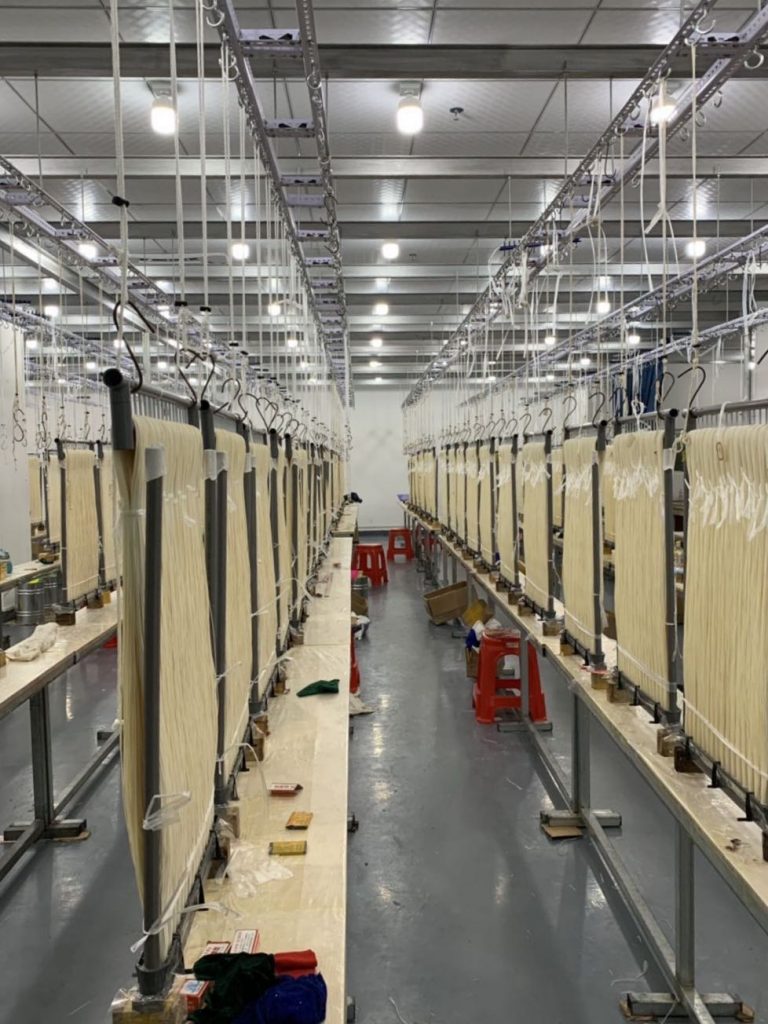
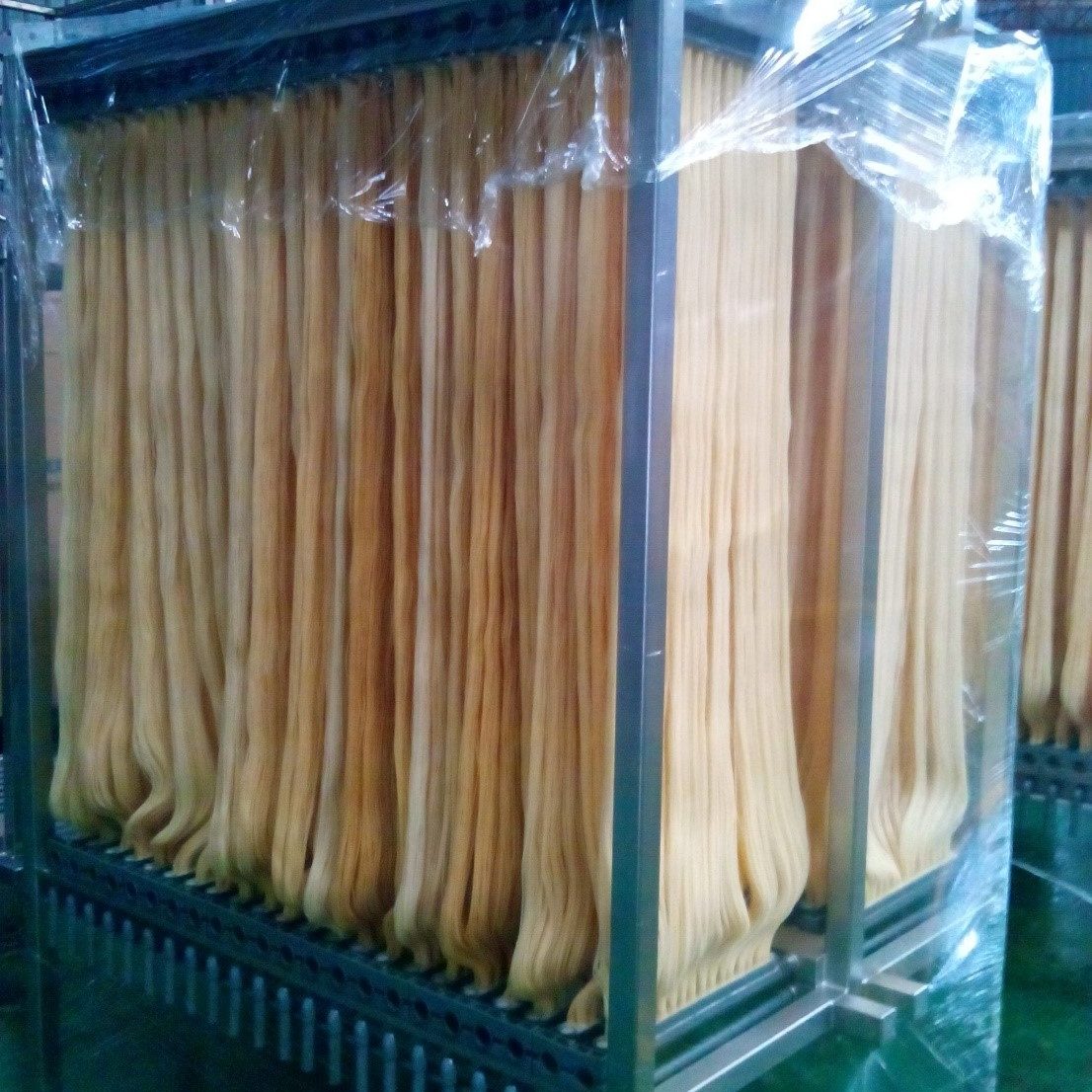
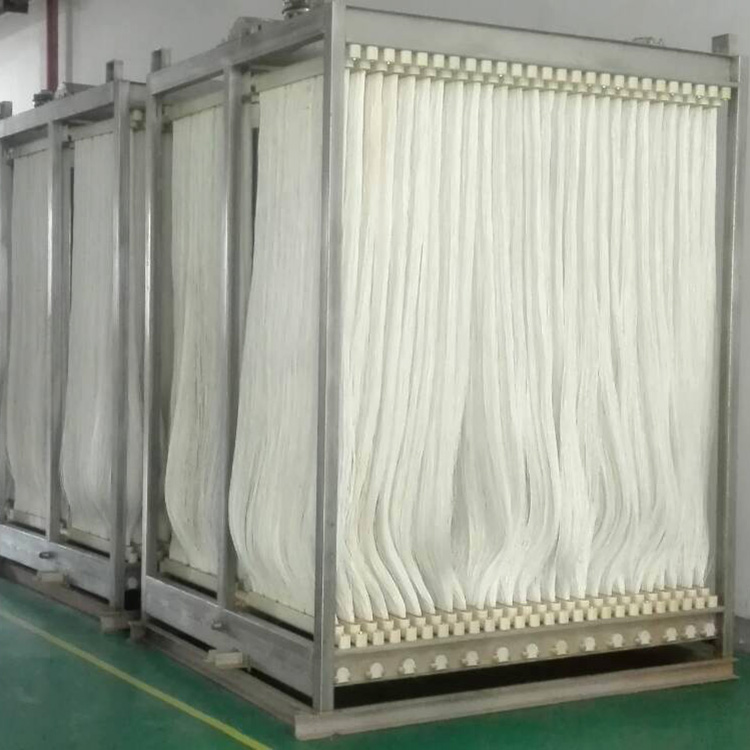
HINADA manufactures PVDF and PVC hollow fiber UF membranes and submerged MBR membrane modules. PVDF is known for its strong chemical resistance and mechanical durability, making it suitable for harsh industrial wastewater. PVC offers cost-effective performance for less aggressive applications. By producing both, HINADA can match the membrane to the wastewater characteristics, rather than forcing a one-size-fits-all solution.
Manufacturing consistency is equally important. Variations in fiber diameter, pore size distribution, or potting quality can cause uneven filtration and premature failure. An experienced supplier uses automated production lines, inline quality checks, and batch testing to ensure every module performs as expected. This consistency translates directly into predictable uptime.
System Compatibility and Hydraulic Balance
MBR systems involve multiple modules operating in parallel. If the hydraulic resistance varies between modules, flow will favor the path of least resistance, causing some modules to work harder than others. This imbalance accelerates fouling and shortens membrane life. An experienced supplier designs manifolds, headers, and aeration grids to maintain even flow distribution.
They also consider the compatibility of membranes with existing tanks, pumps, and blowers. Retrofits are particularly challenging because the new membranes must integrate with legacy equipment. A supplier with broad project experience can model the entire system and recommend adjustments that preserve uptime without requiring a complete rebuild.
Core Causes of MBR Downtime
To appreciate the value of an experienced supplier, it helps to understand what actually causes MBR downtime. The following list summarizes the most common culprits:
Membrane fouling: The accumulation of organic, inorganic, and biological materials on the membrane surface or within its pores. Fouling increases transmembrane pressure (TMP) and reduces permeability, eventually forcing the system to shut down for cleaning.
Sludge bulking and foaming: Poor biological control can lead to filamentous bacteria that clog membranes and cause foam that carries solids into the membrane tank.
Membrane integrity loss: Broken fibers or damaged potting allow solids to pass through, compromising effluent quality and requiring module replacement.
Aeration system failures: Blower breakdowns or blocked diffusers reduce scouring, leading to rapid fouling.
Pump and valve failures: Pumps that feed or withdraw permeate can fail, and valves that control backwash or chemical cleaning can stick.
Instrumentation and control errors: Faulty pressure sensors, flow meters, or level sensors can cause improper cycle timing.
Chemical cleaning issues: Ineffective or too aggressive cleaning can damage membranes or leave residues that promote fouling.
Power supply interruptions: Although not specific to MBR, power loss can interrupt aeration and backwash, leading to fouling if not managed properly.
An experienced supplier designs against these risks and provides the operational guidance to manage them. The next sections explain how.
How an Experienced Supplier Prevents Fouling and Scaling
Fouling is the number one enemy of MBR uptime. Experienced suppliers attack fouling on multiple fronts: pretreatment, biological control, hydrodynamic design, and cleaning protocols.
Pretreatment Strategy
Pretreatment removes or conditions the materials that would otherwise foul membranes. Depending on the wastewater source, pretreatment may include screens, grit chambers, grease traps, equalization tanks, and chemical dosing for pH adjustment or coagulation. An experienced supplier knows that a fine screen with the right aperture can prevent hair, fibers, and debris from entering the membrane tank. They also understand when to recommend anaerobic or anoxic zones to reduce organic loading before the aerobic membrane tank.
For industrial wastewater, pretreatment may need to address heavy metals, oils, or solvents. HINADA's experience with industrial wastewater treatment and reuse allows the company to design pretreatment trains that protect the MBR membranes. This is especially important in sectors such as textiles, food and beverage, chemicals, and pharmaceuticals, where membrane fouling can be severe.
Air Scouring and Backwash Protocols
In submerged MBR systems, air scouring creates turbulence that lifts solids off the membrane surface. The intensity and distribution of air scouring are critical. Too little air leads to fouling; too much air wastes energy and can damage fibers. An experienced supplier uses coarse bubble diffusers placed directly beneath the membrane modules and tunes the airflow rate based on flux and sludge conditions.
Backwash, or permeate backpulsing, reverses flow through the membrane to dislodge particles. The frequency and duration of backwash must be balanced against water loss and energy use. Experienced suppliers often program backwash cycles that adapt to TMP trends, rather than using a fixed schedule. This adaptive approach maintains uptime while minimizing unnecessary stress on the membranes.
Chemical Cleaning Optimization
Even with excellent pretreatment and air scouring, membranes eventually require chemical cleaning. Sodium hypochlorite is commonly used to remove organic fouling, while citric acid or other acids remove inorganic scaling. The concentration, temperature, soaking time, and frequency of cleaning all affect membrane life and uptime.
An experienced supplier provides cleaning protocols tailored to the specific wastewater and membrane material. They also recommend maintenance cleaning (light, frequent cleaning) versus recovery cleaning (intensive, less frequent cleaning). HINADA's manufacturing experience with PVDF and PVC membranes allows the company to advise on chemical compatibility, preventing damage that could lead to fiber breakage and downtime.
Design Redundancy and Modularity for Continuous Operation
Uptime is not only about preventing failures; it is also about maintaining treatment capacity when a component does fail. Redundancy and modularity are key design principles that an experienced supplier applies.
Redundancy can be applied to blowers, pumps, valves, and even membrane modules. For example, a system with multiple blowers can continue operating if one blower goes offline. A membrane tank with multiple cassettes can isolate one cassette for maintenance while the others continue filtering. This design approach minimizes the impact of any single failure.
Modularity also simplifies expansion. As a community or industrial facility grows, additional membrane modules can be added without rebuilding the entire plant. An experienced supplier designs the initial system with future expansion in mind, ensuring that headers, aeration grids, and controls can accommodate additional capacity. This foresight prevents costly shutdowns during upgrades.
HINADA provides containerized MBR systems and packaged wastewater treatment plants that embody these principles. These integrated systems are pre-engineered with redundancy and modularity, making them suitable for decentralized applications where uptime is critical and maintenance resources may be limited.
Real-Time Monitoring and Intelligent Controls
Modern MBR systems rely on sensors and programmable logic controllers (PLCs) to maintain optimal conditions. An experienced supplier selects sensors that are accurate, durable, and appropriate for the wastewater environment. They also program control logic that responds to changing conditions without human intervention.
Key parameters to monitor include:
Transmembrane pressure (TMP): Rising TMP indicates fouling. The control system can trigger backwash or cleaning before the membrane becomes irreversibly fouled.
Permeate flow: Declining flow at constant TMP also indicates fouling or clogging.
Dissolved oxygen (DO): DO levels in the biological tank affect microbial activity and membrane fouling.
MLSS and sludge volume index (SVI): These parameters indicate sludge quality and potential for bulking.
Temperature and pH: Extreme values can affect biological performance and membrane stability.
Aeration airflow: Ensures adequate scouring and biological treatment.
An experienced supplier integrates these sensors into a supervisory control and data acquisition (SCADA) system that provides alarms and trends. Remote monitoring allows the supplier's engineers to diagnose issues quickly, often before they cause downtime. HINADA's intelligent integrated wastewater treatment equipment includes such control systems, enabling remote support and data-driven maintenance.
Spare Parts, Membrane Replacement, and Logistics
When a membrane module or pump fails, uptime depends on how quickly a replacement can be obtained. An experienced supplier maintains inventory and has logistics networks that can deliver critical parts fast. They also provide clear documentation, part numbers, and compatibility information to avoid ordering errors.
Membrane replacement is a planned event that should be timed to minimize disruption. An experienced supplier helps plant owners forecast membrane life based on operating conditions and budget for replacement. They can also supply modules that are drop-in compatible with the original design, avoiding the need for costly modifications.
HINADA serves clients in over 75 countries, which requires a robust supply chain and spare parts strategy. The company's manufacturing bases in Guangzhou and Chenzhou allow it to produce and ship membranes and equipment efficiently. For plant owners, this global reach means faster access to replacements and technical support.
Training, Commissioning, and Operational Support
Even the best-designed MBR system can underperform if operators are not properly trained. An experienced supplier provides comprehensive commissioning and training services. They teach operators how to monitor TMP, perform backwash and cleaning, troubleshoot alarms, and recognize early signs of fouling.
Training should cover both normal operations and emergency procedures. For example, what should an operator do if a blower fails? How should the system be shut down for maintenance? How can the plant maintain partial treatment during a power outage? An experienced supplier develops site-specific operating manuals and conducts hands-on training.
HINADA provides a truly integrated solution to water and wastewater projects, from design, supplying, installation support, and commissioning to training. This end-to-end involvement ensures that the knowledge behind the equipment is transferred to the people who run it. As a result, operators can maintain high uptime and respond effectively to upsets.
Case Examples: HINADA MBR Solutions in Action
The value of an experienced supplier is best illustrated through real applications. HINADA's key application fields include industrial wastewater treatment and reuse, municipal sewage treatment and water recycling, rural decentralized water supply and sanitation, and drinking water purification. In each of these areas, uptime is essential.
In industrial wastewater treatment, an MBR may face high organic loads, variable pH, and toxic compounds. HINADA's PVDF hollow fiber membranes are designed to withstand aggressive cleaning and provide reliable separation. By integrating pretreatment and biological process control, the company helps industrial plants avoid frequent shutdowns and meet discharge or reuse standards.
In municipal sewage treatment, uptime is a public health priority. HINADA's submerged MBR modules and containerized MBR systems enable compact, reliable treatment for communities. The modular design allows for phased expansion, and the intelligent controls reduce the need for constant operator attention.
In rural decentralized sanitation, maintenance resources are often limited. HINADA's packaged wastewater treatment plants are pre-engineered for simple operation and low maintenance. The company's training and remote support help local operators keep the systems running despite distance and limited technical expertise.
In drinking water purification, ultrafiltration membranes remove pathogens and particles. While not strictly an MBR application, the same membrane manufacturing expertise and quality control apply. HINADA's experience in hollow fiber UF membranes supports reliable performance in surface water and groundwater treatment.
Comparing Supplier Types: Generalist vs. Experienced MBR Specialist
To clarify the uptime advantage, consider the differences between a generalist equipment supplier and an experienced MBR specialist.
Process design: A generalist may use standard templates with limited understanding of MBR fouling dynamics. An experienced specialist customizes design based on wastewater characteristics, flux, and biological conditions.
Membrane quality: A generalist may source membranes from multiple suppliers, leading to inconsistent quality. An experienced specialist manufactures or tightly controls membrane production for consistent pore size and strength.
Fouling control: A generalist offers basic backwash and cleaning recommendations. An experienced specialist provides advanced protocols, adaptive cycles, and chemical compatibility guidance.
Redundancy: A generalist may minimize redundancy to reduce cost. An experienced specialist designs redundancy for critical components and modular expansion.
Controls: A generalist may use a standard PLC with limited remote access. An experienced specialist implements intelligent SCADA with remote monitoring and data analytics.
Spare parts: A generalist may have long lead times and ad hoc sourcing. An experienced specialist maintains global inventory and logistics with drop-in replacement modules.
Training: A generalist may provide only a basic operation manual. An experienced specialist delivers comprehensive commissioning, hands-on training, and refresher courses.
Uptime outcome: A generalist carries a higher risk of unplanned downtime and higher lifecycle cost. An experienced specialist achieves higher uptime, lower operating cost, and predictable maintenance.
This comparison is not theoretical. Plant owners who choose an experienced MBR specialist often report fewer membrane replacements, lower energy consumption, and more stable effluent quality. The initial price may be slightly higher, but the total cost of ownership is usually lower.
The Economic Impact of Improved Uptime
Uptime has a direct economic value. Consider a municipal wastewater treatment plant with a capacity of 10,000 cubic meters per day. If an MBR system experiences 10 days of unplanned downtime per year, the plant may need to bypass treatment, pay fines, or use emergency holding tanks. The cost of these events can easily exceed the savings from choosing a cheaper supplier.
For industrial facilities, downtime can halt production. A food processing plant that cannot treat its wastewater may have to stop operations, leading to lost revenue and spoiled products. An experienced supplier helps avoid these scenarios by designing for reliability and providing rapid support.
Beyond direct costs, uptime improves energy efficiency. Fouled membranes require higher pressure and more aeration, increasing electricity consumption. A well-maintained MBR operates closer to its design flux, reducing energy per cubic meter treated. Over a year, these savings can be substantial.
HINADA's focus on manufacturing quality and integrated solutions is aligned with these economic realities. The company's more than 13 years of experience and 10 years of membrane manufacturing experience allow it to deliver systems that perform reliably over the long term.
Advanced Membrane Materials and Their Role in Uptime
The choice of membrane material is a foundational decision that affects uptime from the first day of operation. PVDF (polyvinylidene fluoride) and PVC (polyvinyl chloride) are two common materials for hollow fiber membranes. Each has distinct advantages and limitations.
PVDF membranes offer excellent chemical resistance, mechanical strength, and thermal stability. They can tolerate aggressive cleaning agents such as sodium hypochlorite and citric acid at higher concentrations. This durability allows operators to restore permeability more effectively when fouling occurs, reducing downtime. PVDF is also resistant to oxidation, which extends membrane life in applications where oxidizing agents are present.
PVC membranes are more economical and provide good performance for municipal and less aggressive industrial wastewater. They are suitable for applications where chemical cleaning is less frequent and the wastewater does not contain harsh solvents. However, PVC may degrade faster under strong oxidizing conditions.
An experienced supplier like HINADA manufactures both PVDF and PVC hollow fiber UF membranes. This allows the company to recommend the right material based on a thorough analysis of the wastewater, cleaning regime, and budget. By matching the membrane to the application, HINADA helps plant owners avoid premature failures and unnecessary downtime.
Beyond the base polymer, membrane manufacturing details matter. Fiber wall thickness, pore size distribution, and potting compound selection influence mechanical integrity and filtration performance. An experienced supplier controls these variables through strict quality assurance. HINADA's 10 years of membrane manufacturing experience means the company has refined its production processes to deliver consistent, high-quality modules.
Biological Process Control: The Hidden Uptime Factor
An MBR is a biological treatment system first and a filtration system second. The health of the biological community directly affects membrane fouling and uptime. If the biomass is stressed, it can produce extracellular polymeric substances (EPS) that clog membranes. If filamentous bacteria dominate, sludge bulking can cause severe fouling and require emergency cleaning.
Experienced suppliers understand the biology behind the membrane. They design the bioreactor with proper hydraulic retention time (HRT), solids retention time (SRT), and dissolved oxygen levels. They also specify mixing and aeration to keep the biomass healthy and prevent dead zones.
Monitoring MLSS, SVI, and microscopic examination of sludge can provide early warnings of biological upset. An experienced supplier trains operators to recognize these signs and take corrective action, such as adjusting wasting rates, nutrient dosing, or aeration. By maintaining a stable biological process, the membrane experiences less fouling and uptime improves.
HINADA's integrated approach includes biological process design as part of its wastewater treatment solutions. The company's intelligent integrated equipment often incorporates anoxic and aerobic zones to achieve nutrient removal while protecting membranes. This holistic design reduces the risk of biological upsets that lead to downtime.
Aeration Design: The Engine of MBR Uptime
Aeration serves two critical functions in an MBR: supplying oxygen for biological treatment and scouring the membrane surface to control fouling. If aeration is inadequate, both functions suffer. If aeration is excessive, energy costs rise and membranes may be damaged by violent turbulence.
An experienced supplier designs the aeration system with precision. They calculate the required airflow based on oxygen demand and membrane scouring needs. They select blowers with variable frequency drives (VFDs) to adjust airflow as conditions change. They also design diffuser layouts that provide uniform coverage beneath the membrane modules.
Coarse bubble diffusers are typically used for membrane scouring because they create large bubbles that generate high shear forces. Fine bubble diffusers are used in the biological zone for efficient oxygen transfer. An experienced supplier balances these two types and ensures that the piping and valves allow independent control.
Regular maintenance of the aeration system is essential. Diffusers can become clogged with debris or biological growth, reducing airflow and causing fouling. An experienced supplier provides maintenance schedules and spare diffusers to minimize downtime. HINADA's containerized MBR systems include robust aeration systems designed for reliable, long-term operation.
Pump, Valve, and Piping Considerations
Pumps and valves are the mechanical workhorses of an MBR. Permeate pumps draw treated water through the membranes, while sludge pumps manage waste activated sludge. Backwash pumps reverse flow for cleaning, and chemical dosing pumps introduce cleaning agents. Valves direct flow between these modes.
An experienced supplier selects pumps that can handle the required flow and pressure without excessive wear. They consider the viscosity and solids content of the sludge, as well as the chemical compatibility of wetted parts. For permeate pumps, they often choose progressive cavity or rotary lobe pumps that provide gentle, consistent flow without damaging shear-sensitive flocs.
Valves must be reliable and easy to maintain. Butterfly valves are common for isolation, while diaphragm valves are often used for chemical dosing. Automated valves with actuators allow the control system to switch between filtration, backwash, and cleaning modes without manual intervention. An experienced supplier specifies valves with proven reliability and provides spare parts to minimize downtime.
Piping design also affects uptime. Dead legs and low-flow areas can accumulate solids and promote biofilm growth. An experienced supplier designs piping with adequate velocities and drain points to prevent stagnation. They also ensure that the piping layout allows easy access for maintenance and replacement.
Instrumentation, Calibration, and Data Quality
Accurate instrumentation is the foundation of reliable MBR control. Pressure sensors measure TMP, flow meters measure permeate and backwash flow, level sensors control tank levels, and analyzers measure pH, DO, and turbidity. If any of these instruments drift or fail, the control system may make poor decisions that lead to fouling or downtime.
An experienced supplier selects instruments that are appropriate for the harsh wastewater environment. They choose materials that resist corrosion and fouling, and they install sensors in locations that are representative and accessible for cleaning. They also provide calibration procedures and schedules.
Data quality is equally important. The control system should filter out noise, detect sensor faults, and alert operators when readings are out of range. An experienced supplier programs these diagnostics into the PLC and SCADA system. HINADA's intelligent controls include data logging and remote access, allowing engineers to review trends and identify issues before they cause downtime.
Predictive Maintenance and Data Analytics
Reactive maintenance is expensive and disruptive. Predictive maintenance uses data to anticipate failures and schedule repairs before they cause downtime. An experienced MBR supplier can implement predictive maintenance strategies using the data collected by the control system.
For example, a gradual increase in TMP at constant flow may indicate fouling. By analyzing the rate of increase, the system can predict when cleaning will be needed and schedule it during low-flow periods. Similarly, vibration sensors on blowers and pumps can detect bearing wear before catastrophic failure.
Data analytics can also identify correlations between operational parameters and membrane performance. For instance, a supplier might discover that a certain MLSS range or aeration intensity leads to longer cleaning intervals. These insights can be used to optimize setpoints and improve uptime.
HINADA's experience with remote monitoring and intelligent equipment allows the company to offer data-driven support. By reviewing operational data, HINADA engineers can advise plant operators on adjustments that reduce fouling and extend membrane life. This proactive support is a key differentiator of an experienced supplier.
Case Study: Industrial Wastewater Reuse in Southeast Asia
A textile dyeing facility in Southeast Asia faced high water costs and strict discharge regulations. The facility installed an MBR system to treat and reuse its wastewater. The wastewater contained dyes, surfactants, and high salt concentrations, which made membrane fouling a serious challenge.
The plant initially struggled with frequent downtime due to rapid TMP rise. The original supplier had provided standard PVDF membranes and a basic cleaning protocol. The facility then turned to HINADA for a solution.
HINADA conducted a detailed wastewater analysis and pilot test. Based on the results, the company recommended a customized pretreatment train that included coagulation, sedimentation, and pH adjustment. For the MBR, HINADA supplied PVDF hollow fiber membranes with a modified surface chemistry that resisted dye adsorption. The company also designed an aeration system with precise airflow control and programmed an adaptive backwash cycle.
After the upgrade, the plant reduced chemical cleaning frequency from weekly to monthly. Membrane life increased from 18 months to over 4 years. Uptime improved from 85 percent to 98 percent, allowing the facility to reuse 70 percent of its wastewater and significantly reduce discharge fees. The facility manager noted that HINADA's process knowledge and membrane quality were decisive factors in achieving reliable operation.
Case Study: Municipal Sewage Treatment in Africa
A growing city in Africa needed to expand its wastewater treatment capacity without acquiring additional land. The city selected an MBR system for its compact footprint and high effluent quality. However, the plant faced challenges with power fluctuations and limited technical staff.
The chosen supplier needed to deliver a system that could tolerate intermittent power and be easy to operate. HINADA provided a containerized MBR system with integrated controls, backup power connections, and remote monitoring. The system included submerged MBR modules with PVDF membranes and a robust aeration design.
HINADA commissioned the system and trained local operators. The training covered normal operations, troubleshooting, and emergency procedures. HINADA also set up remote monitoring so its engineers could assist the city's team when needed.
Over three years of operation, the plant has maintained an uptime of over 97 percent. The city has met its effluent standards and has been able to reuse treated water for irrigation. The plant manager credits HINADA's training and responsive support for the high uptime, especially during power interruptions.
Case Study: Rural Decentralized Sanitation in Latin America
A rural community in Latin America needed a decentralized wastewater treatment solution for a cluster of homes and a small clinic. The site had no reliable grid power and limited access to skilled maintenance. The community required a system that was simple, durable, and low maintenance.
HINADA supplied a packaged wastewater treatment plant with an integrated MBR. The system was pre-assembled and containerized for easy transport and installation. It included solar-powered aeration and a gravity-fed permeate system to minimize energy demand.
The membranes were PVC hollow fiber modules selected for their cost-effectiveness and tolerance to variable flows. HINADA designed the system with a simple control panel and clear operating instructions. Local operators received hands-on training, and HINADA provided a spare parts kit.
The system has been operating for over two years with minimal downtime. The community has access to safe sanitation, and the treated water is used for landscaping. The project demonstrates that an experienced supplier can tailor MBR technology to challenging rural conditions while maintaining high uptime.
Procurement Checklist for MBR Suppliers
When selecting an MBR supplier, plant owners should evaluate more than price. The following checklist can help identify suppliers with the experience needed to maximize uptime:
Track record: How many MBR projects has the supplier completed? Can they provide references in similar applications?
Membrane manufacturing: Does the supplier manufacture their own membranes or source them from third parties? What quality control processes are in place?
Process design: Can the supplier provide a detailed design basis, including flux, MLSS, aeration, and cleaning protocols?
Redundancy and modularity: Does the design include redundancy for critical components and allow for future expansion?
Controls and monitoring: What sensors and control logic are included? Is remote monitoring available?
Spare parts and logistics: How quickly can replacement modules and parts be delivered? Is there a local inventory?
Training and support: What training is provided? Is there ongoing technical support and access to engineers?
Warranty and performance guarantees: What warranties are offered on membranes and equipment? Are performance guarantees tied to uptime?
Total cost of ownership: Has the supplier provided a lifecycle cost analysis that includes energy, chemicals, and membrane replacement?
An experienced supplier will welcome these questions and provide transparent answers. HINADA, for example, offers a complete ecosystem from membrane R&D to turnkey delivery, which allows the company to address each checklist item with confidence.
Common Operational Mistakes That Reduce Uptime
Even with a good supplier, operational mistakes can undermine uptime. Experienced suppliers help operators avoid these common pitfalls:
Ignoring TMP trends: Waiting until TMP is critically high before cleaning can cause irreversible fouling.
Overcleaning: Excessive chemical cleaning can damage membranes and shorten their life.
Incorrect chemical concentrations: Using too strong or too weak cleaning solutions can be ineffective or harmful.
Poor sludge wasting: Failing to waste sludge regularly leads to high MLSS and increased fouling.
Inadequate aeration: Reducing airflow to save energy can cause rapid fouling and biological upset.
Neglecting pretreatment: Bypassing or poorly maintaining screens and grit removal allows debris to enter the membrane tank.
Ignoring sensor calibration: Drifting sensors can cause the control system to make poor decisions.
Delaying membrane replacement: Operating beyond membrane life can lead to fiber breakage and effluent quality violations.
An experienced supplier provides clear operating procedures and training to prevent these mistakes. They also offer refresher training and audits to keep operations on track.
Future Trends in MBR Uptime and Supplier Experience
The MBR industry continues to evolve, and supplier experience will remain central to uptime. Several trends are shaping the future:
Digital twins: Suppliers are using digital models of MBR systems to simulate performance and predict maintenance needs.
Advanced membranes: New membrane materials with anti-fouling coatings and higher permeability are being developed.
Energy optimization: Control systems are becoming more sophisticated in balancing aeration for biological treatment and membrane scouring.
Remote support: Cloud-based monitoring allows suppliers to provide real-time assistance from anywhere in the world.
Modular and containerized solutions: Pre-engineered systems reduce installation time and improve quality control.
Sustainability: MBR systems are increasingly used for water reuse, reducing demand on freshwater resources.
Suppliers like HINADA are investing in these areas to help clients achieve higher uptime and lower operating costs. HINADA's participation in international water treatment exhibitions reflects its commitment to bringing advanced Chinese membrane technology to global markets.
Conclusion: Experience Is an Uptime Strategy
In MBR wastewater treatment, uptime is not an accident. It is the result of deliberate choices in design, manufacturing, controls, maintenance, and support. An experienced MBR membrane bioreactor supplier brings all these elements together, reducing the frequency and duration of downtime.
From membrane selection and pretreatment to intelligent controls and global spare parts logistics, experience shapes every factor that influences uptime. Companies like HINADA demonstrate this through their complete ecosystem, from membrane R&D and component manufacturing to equipment fabrication and turnkey solution delivery. With a presence in over 75 countries and a history dating back to 2012, HINADA continues to bring Chinese membrane technology to regions where clean water is most needed.
For plant owners and operators, the lesson is clear: when evaluating MBR suppliers, look beyond the price tag. Consider their experience, their manufacturing capabilities, their support network, and their track record. The supplier you choose will have a lasting impact on how many days per year your MBR system is online, and how much it truly costs to operate.
About HINADA Water Treatment Tech Co., Ltd.
HINADA Water Treatment Tech Co., Ltd. is a globally recognized manufacturer of wastewater treatment equipment, hollow fiber ultrafiltration (UF) membranes, submerged MBR membrane modules, integrated packaged wastewater treatment systems, and DAF systems. Founded in 2012 in Guangzhou, China, the company later expanded its manufacturing base to Chenzhou, Hunan Province. Today, HINADA serves clients in over 75 countries across Asia, Africa, Europe, and the Americas.
Core products include PVDF/PVC hollow fiber UF membranes, MBR membrane modules (submerged), containerized MBR systems and packaged wastewater treatment plants, dissolved air flotation (DAF) systems, ultrafiltration (UF) systems, and industrial reverse osmosis (RO) systems. HINADA is one of the leading submerged MBR membrane, wastewater treatment equipment, and membrane filtration system manufacturers in China, specializing as a wastewater treatment solution provider and equipment supplier since 2012.
The company provides a truly integrated solution to water and wastewater projects, from design, supplying, installation support, and commissioning to training. With more than 13 years in the water treatment industry and 10 years of water treatment membrane and equipment manufacturing experience, HINADA has built a complete ecosystem from membrane R&D and component manufacturing to equipment fabrication and turnkey solution delivery.
From day one, HINADA focused on two core technology pillars: hollow fiber ultrafiltration (UF/MBR) membranes for precise physical separation of suspended solids, bacteria, colloids, and macromolecular organics, and intelligent integrated wastewater treatment equipment for municipal, industrial, and decentralized applications. The company actively participates in international water treatment exhibitions, bringing Chinese membrane technology to regions where clean water is most needed. Key application fields include industrial wastewater treatment and reuse, municipal sewage treatment and water recycling, rural decentralized water supply and sanitation, and drinking water purification.