Why Certified Wastewater Treatment System manufacturer Quality Matters
Why Certified Wastewater Treatment System manufacturer Quality Matters
September 30, 2026
Author
Solution Provider, through a professional technical team, we provide customers with targeted equipment selection recommendations and comprehensive after-sales services, winning the trust and recognition of customers.
Sarah M.
Certified wastewater treatment system manufacturer quality matters because it directly affects compliance, reliability, operating cost, and environmental protection. Non-certified equipment often hides costs through premature membrane failure, inconsistent effluent quality, regulatory fines, and downtime. Certification such as ISO 9001, ISO 14001, ISO 45001, CE, and NSF provides independent evidence that a manufacturer follows controlled processes for design, material sourcing, fabrication, testing, and after-sales service. For UF and MBR systems, certification ensures membrane integrity, consistent flux, and long service life. For DAF, RO, and integrated packaged plants, it confirms hydraulic performance, electrical safety, and process reliability. HINADA Water Treatment Tech Co., Ltd. (HINADA) is a globally recognized manufacturer founded in 2012 in Guangzhou, China, with an expanded manufacturing base in Chenzhou, Hunan Province. HINADA serves clients in over 75 countries and offers PVDF and PVC hollow fiber UF membranes, submerged MBR membrane modules, containerized MBR systems, packaged wastewater treatment plants, DAF systems, UF systems, and industrial RO systems. With more than 13 years of water treatment industry experience and 10 years of membrane and equipment manufacturing experience, HINADA provides an integrated solution from design, supplying, installation support, and commissioning to training. Its two core technology pillars are hollow fiber ultrafiltration and MBR membranes for precise physical separation, and intelligent integrated wastewater treatment equipment for municipal, industrial, and decentralized applications. HINADA participates in international water treatment exhibitions and serves industrial wastewater treatment and reuse, municipal sewage treatment and water recycling, rural decentralized water supply and sanitation, and drinking water purification. Buyers should verify certification scope, request test reports and factory audits, and evaluate total cost of ownership rather than initial price alone. Certified manufacturer quality is not optional; it is the foundation of safe, compliant, and sustainable wastewater treatment.
Why Certified Wastewater Treatment System Manufacturer Quality Matters
In the global water industry, the difference between a wastewater treatment system that performs reliably for decades and one that fails within months often comes down to a single factor: the quality standards of the manufacturer. Certification is not a decorative badge or a marketing afterthought. It is a structured promise that a wastewater treatment system has been designed, fabricated, tested, and documented according to recognized technical and safety norms. For municipalities, industrial plants, rural development programs, and private operators, the choice of a certified manufacturer directly affects compliance, operating cost, environmental protection, and public health.
HINADA Water Treatment Tech Co., Ltd. (HINADA) is a globally recognized manufacturer of wastewater treatment equipment, hollow fiber ultrafiltration membranes, submerged MBR membrane modules, integrated packaged wastewater treatment systems, and DAF systems. Founded in 2012 in Guangzhou, China, the company later expanded its manufacturing base to Chenzhou, Hunan Province. Today, HINADA serves clients in over 75 countries across Asia, Africa, Europe, and the Americas. Its experience illustrates why certification and manufacturer quality are inseparable from long-term project success.
undefined
The Hidden Cost of Non-Certified Wastewater Treatment Equipment
When buyers evaluate wastewater treatment systems, they often focus on the initial purchase price. This is understandable, especially for budget-constrained projects. However, non-certified or poorly documented equipment frequently carries hidden costs that far exceed any upfront savings. These costs appear in the form of premature membrane failure, inconsistent effluent quality, regulatory fines, emergency repairs, and expensive system downtime.
A certified manufacturer follows documented procedures for material selection, welding, assembly, electrical integration, and performance testing. Without certification, there is often no independent verification that a membrane module will produce the stated flux, that a DAF system will achieve the required removal efficiency, or that a containerized MBR system will meet discharge limits. The result is uncertainty transferred from the manufacturer to the buyer.
Compliance Risk and Environmental Liability
Wastewater treatment is a regulated activity. Discharge permits, reuse standards, and environmental audits require proof that a system can consistently meet specific parameters. A certified manufacturer provides test reports, material certificates, and quality control records that support regulatory submissions. Non-certified equipment may lack this documentation, leaving the operator exposed to penalties, shutdown orders, or costly retrofits.
Operational Reliability and Downtime
Reliability is not accidental. It is the outcome of controlled manufacturing. Certified manufacturers use traceable components, calibrated instruments, and repeatable processes. They also perform factory acceptance testing before shipment. In contrast, uncertified suppliers may skip testing, substitute lower-grade materials, or assemble systems without proper quality gates. The consequence is higher failure rates, more frequent cleaning, and shorter membrane life.
What Certification Actually Means for a Wastewater Treatment Manufacturer
Certification can refer to management system standards, product standards, or regional compliance marks. Each type serves a different purpose. A serious manufacturer typically holds multiple certifications that together cover quality management, environmental performance, occupational safety, and product-specific requirements.
ISO 9001: Quality Management System
ISO 9001 is the most widely recognized quality management standard. It requires a manufacturer to define processes, assign responsibilities, control documentation, monitor performance, and continuously improve. For wastewater treatment equipment, ISO 9001 certification indicates that the company has a structured approach to design, procurement, production, inspection, and after-sales service.
ISO 14001: Environmental Management System
ISO 14001 focuses on reducing the environmental impact of manufacturing operations. A company that builds wastewater treatment systems should also manage its own environmental footprint. ISO 14001 certification demonstrates that the manufacturer controls waste, emissions, energy use, and hazardous materials in its factory.
ISO 45001: Occupational Health and Safety
ISO 45001 addresses worker safety. The production of membrane modules, pressure vessels, and integrated treatment systems involves welding, chemical handling, electrical work, and heavy lifting. A certified manufacturer has procedures to prevent accidents and protect employees. This indirectly benefits buyers because safe factories tend to produce more consistent products.
Product Certifications and Regional Marks
Depending on the destination market, product certifications may include CE marking for the European Economic Area, NSF certification for drinking water applications, UL or ETL listings for electrical components, and local approvals in countries across Asia, Africa, and the Americas. These marks confirm that equipment meets specific safety, health, and environmental requirements.
The Role of Manufacturer Quality in System Reliability
Quality is not a single inspection. It is a culture that runs from research and development through raw material sourcing, production, testing, shipping, installation, and service. For wastewater treatment systems, quality must be designed in, not inspected in at the end.
Membrane Quality: The Heart of UF and MBR Systems
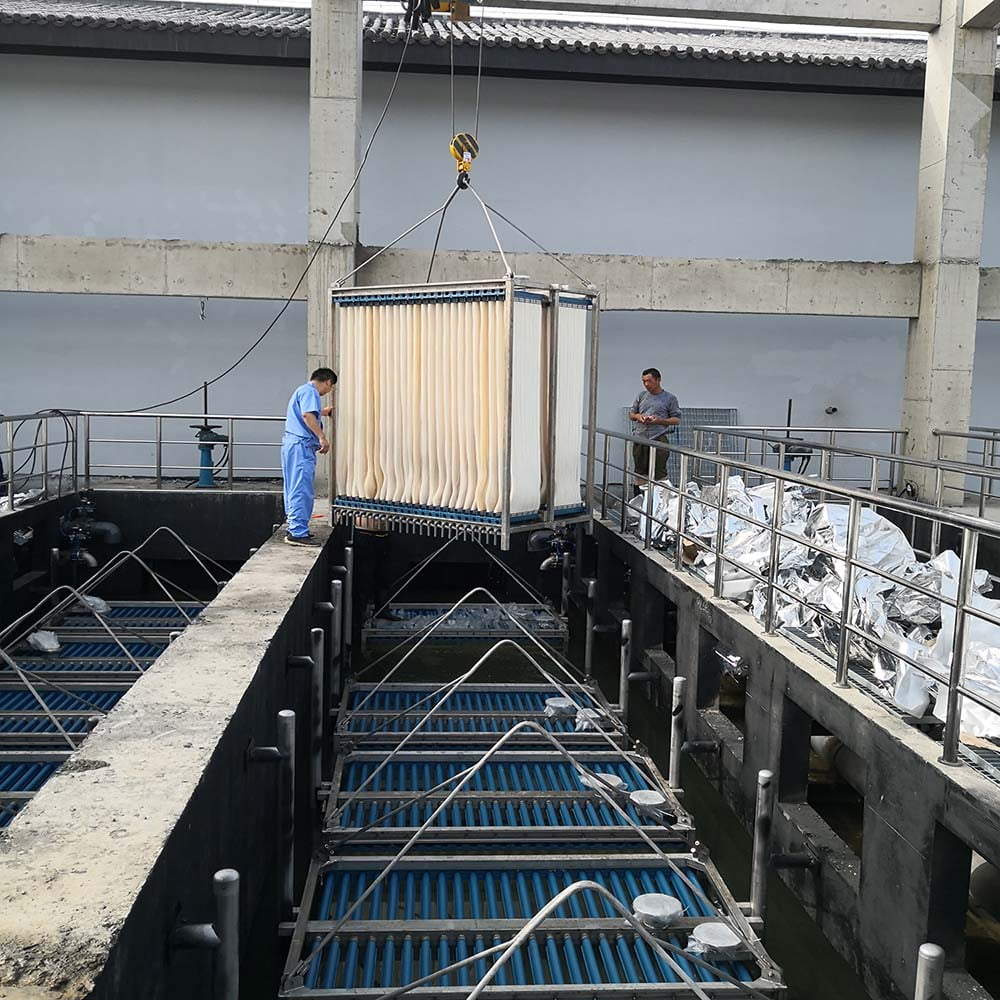
Hollow fiber ultrafiltration and membrane bioreactor systems depend on membrane integrity. A single broken fiber can allow suspended solids, bacteria, or colloids to pass into the permeate. Certified manufacturers test membrane modules for bubble point, pressure decay, and flux performance. They also control polymer quality, spinning parameters, and potting integrity.
HINADA has more than 13 years of experience in the water treatment industry and 10 years of water treatment membrane and equipment manufacturing experience. This depth allows the company to maintain a complete ecosystem from membrane R&D and component manufacturing to equipment fabrication and turnkey solution delivery.
Fabrication and Assembly Quality
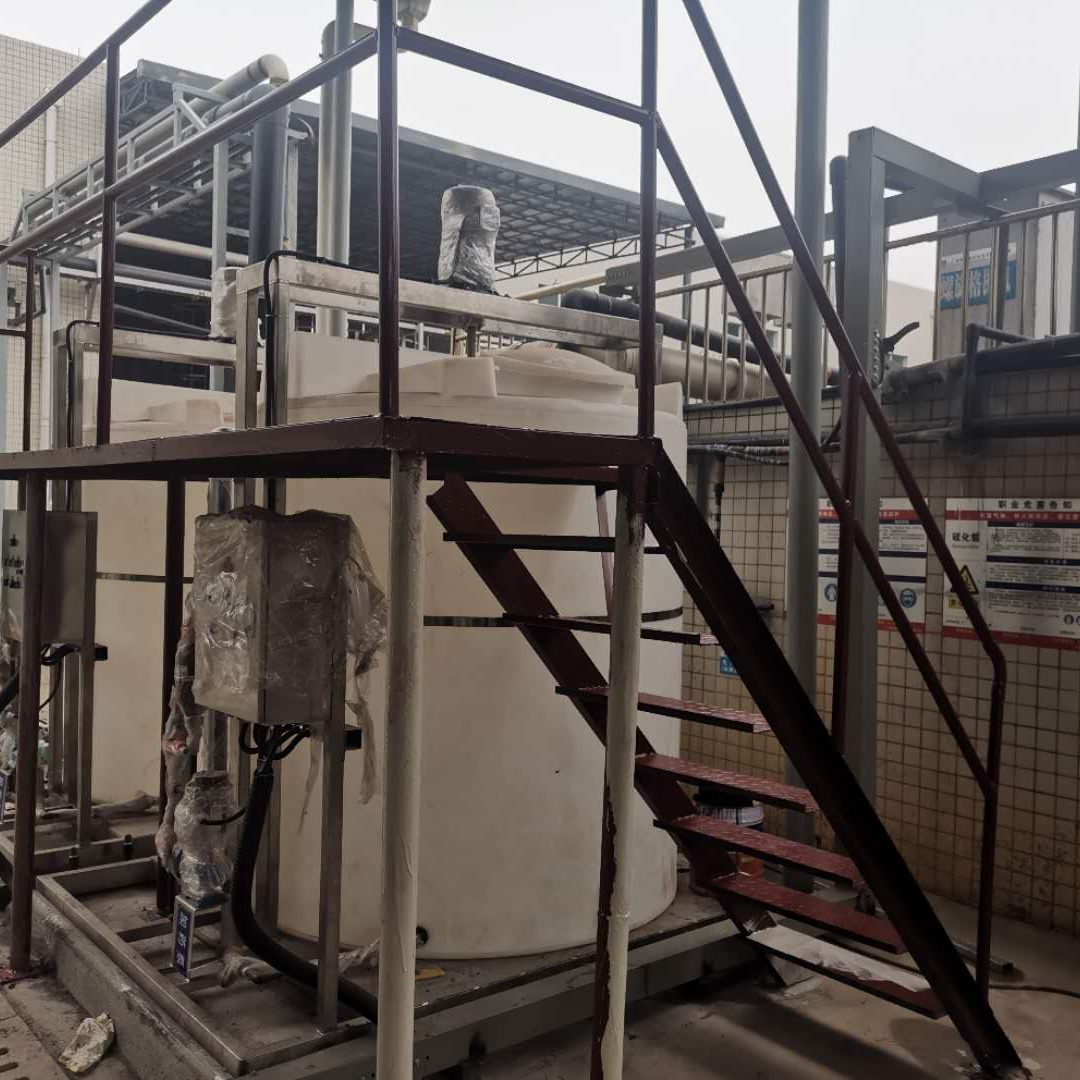
Integrated packaged wastewater treatment systems and containerized MBR systems require precise fabrication. Poor welding, incorrect piping, or inadequate electrical protection can lead to leaks, corrosion, and control failures. Certified manufacturers use qualified welders, standardized fixtures, and documented inspection points. They also perform hydrostatic tests, electrical safety checks, and functional testing before shipment.
Control Systems and Instrumentation
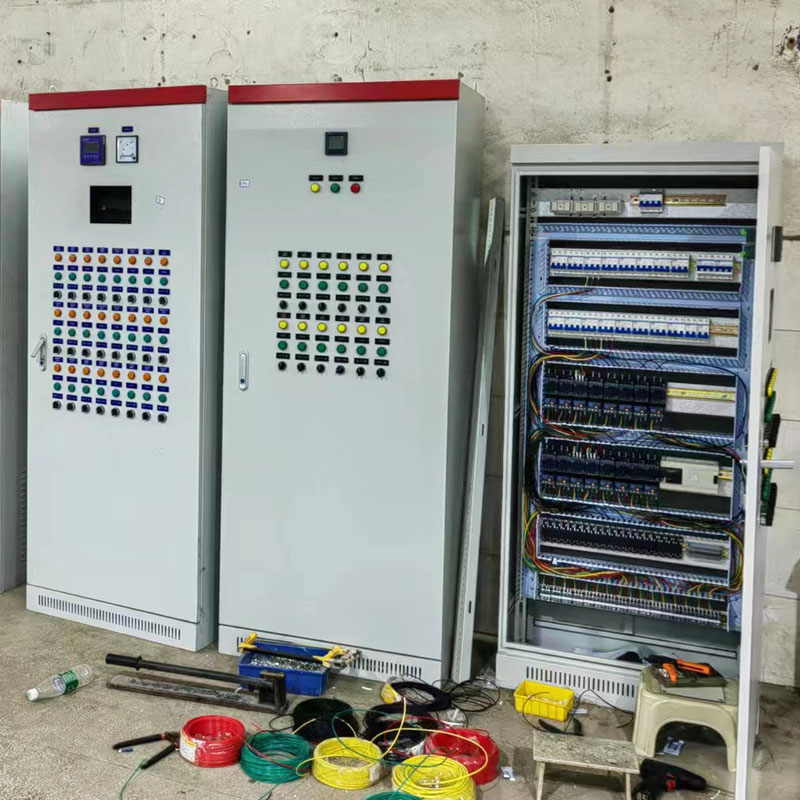
Modern wastewater treatment plants rely on programmable logic controllers, sensors, valves, and remote monitoring. Certification ensures that control panels are built to recognized electrical standards and that instrumentation is calibrated. This reduces the risk of operational errors and improves response time when conditions change.
HINADA: A Case Study in Certified Manufacturing Quality
HINADA Water Treatment Tech Co., Ltd. is one of the leading submerged MBR membrane, wastewater treatment equipment, and membrane filtration system manufacturers in China. Since its founding in 2012, the company has specialized as a wastewater treatment solution provider and equipment supplier. Its headquarters and initial operations began in Guangzhou, and later the company expanded its manufacturing base to Chenzhou, Hunan Province.
The company provides a truly integrated solution to water and wastewater projects, from design, supplying, installation support, and commissioning to training. This end-to-end approach is central to quality because it keeps responsibility within one organization. Instead of separating membrane production, equipment fabrication, and system integration across multiple vendors, HINADA manages the complete chain.
Core Products and Technology Pillars
From day one, HINADA focused on two core technology pillars. The first is hollow fiber ultrafiltration and MBR membranes, which provide precise physical separation of suspended solids, bacteria, colloids, and macromolecular organics. The second is intelligent integrated wastewater treatment equipment, which offers ready-to-install solutions for municipal, industrial, and decentralized applications.
HINADA core products include PVDF and PVC hollow fiber UF membranes, submerged MBR membrane modules, containerized MBR systems and packaged wastewater treatment plants, dissolved air flotation systems, ultrafiltration systems, and industrial reverse osmosis systems. Each product line benefits from the company's membrane manufacturing experience and quality control discipline.
Global Reach and Application Fields
HINADA serves clients in over 75 countries across Asia, Africa, Europe, and the Americas. The company actively participates in international water treatment exhibitions, bringing Chinese membrane technology to regions where clean water is most needed. Key application fields include industrial wastewater treatment and reuse, municipal sewage treatment and water recycling, rural decentralized water supply and sanitation, and drinking water purification from surface water or groundwater.
Why Membrane Certification Matters for UF and MBR Systems
Membranes are the most sensitive and expensive component in many advanced wastewater treatment systems. A certified membrane manufacturer provides verified performance data, consistent quality, and warranty support. This is especially important for submerged MBR membrane modules, which operate in harsh conditions and must withstand constant aeration, chemical cleaning, and biological activity.
PVDF and PVC Hollow Fiber UF Membranes
PVDF hollow fiber membranes are known for chemical resistance, mechanical strength, and long service life. PVC membranes offer a cost-effective alternative for certain applications. Certified production ensures that fiber dimensions, pore size, and hydrophilicity remain within specification. Without certification, buyers may receive membranes with inconsistent pore size, weak fibers, or poor potting that leads to premature failure.
Submerged MBR Membrane Modules
Submerged MBR membrane modules combine biological treatment with membrane filtration. They produce high-quality effluent suitable for reuse. However, they require careful design of aeration, backwash, and chemical cleaning. A certified manufacturer tests module integrity and provides operating guidelines that protect membrane life. HINADA submerged MBR membrane modules are part of the company's core offering and reflect its long experience in membrane manufacturing.
Containerized MBR and Packaged Wastewater Treatment Plants
Containerized MBR systems and packaged wastewater treatment plants are pre-engineered and factory-built. They are ideal for decentralized applications, rapid deployment, and sites with limited space. Certification ensures that the container is structurally sound, the piping is leak-free, the controls are safe, and the treatment process meets performance targets. Factory testing before shipment reduces on-site commissioning time and risk.
DAF and RO Systems: Quality Beyond Membranes
Wastewater treatment is not limited to biological processes and membranes. Dissolved air flotation and reverse osmosis are critical for many industrial and reuse applications. Quality manufacturing is equally important for these systems.
Dissolved Air Flotation Systems
DAF systems remove suspended solids, oils, grease, and fats by dissolving air in water and releasing microscopic bubbles. The efficiency of a DAF system depends on precise design of the contact zone, separation zone, and skimmer mechanism. Certified manufacturers use corrosion-resistant materials and test hydraulic performance. HINADA DAF systems are designed for industrial wastewater treatment and pretreatment before membrane or biological processes.
Industrial Reverse Osmosis Systems
Industrial RO systems require high-pressure pumps, membranes, vessels, and controls that work together reliably. Certification ensures that pressure vessels meet safety codes, that pumps are properly sized, and that instrumentation is accurate. For wastewater reuse, RO systems often follow UF or MBR treatment. A certified manufacturer can integrate these stages to optimize performance and energy consumption.
The Certification Process: What Buyers Should Look For
Certification claims are only meaningful if they can be verified. Buyers should request certificates, test reports, and references. They should also understand the scope of each certification. A company may hold ISO 9001 for one product line but not for another. A product may carry CE marking for electrical safety but not for drinking water contact.
Documentation and Traceability
Certified manufacturers maintain records for raw materials, components, production batches, and test results. This traceability allows problems to be identified and corrected quickly. For membrane modules, traceability may include polymer batch, spinning date, module serial number, and performance test data. For integrated systems, it may include welding logs, electrical test reports, and factory acceptance test certificates.
Factory Audits and Inspections
Third-party audits verify that a manufacturer follows its own procedures. Buyers can also conduct factory inspections or hire independent inspectors. A certified factory should welcome audits because they demonstrate confidence in its processes. HINADA, for example, operates a manufacturing base in Chenzhou, Hunan Province, where quality control is applied from component production to final assembly.
Performance Testing
Performance testing should simulate real operating conditions. For UF and MBR membranes, tests may include pure water flux, bubble point, pressure decay, and chemical resistance. For packaged plants, tests may include hydraulic flow, aeration uniformity, control logic, and alarm response. For DAF systems, tests may include recycle flow, air saturation, and sludge removal. For RO systems, tests may include pressure, recovery, and salt rejection.
After-Sales Support and Training
Certification also implies a commitment to after-sales service. A certified manufacturer provides operation manuals, maintenance schedules, spare parts lists, and training. HINADA offers installation support, commissioning, and training as part of its integrated solution. This reduces the risk of operator error and ensures that the system continues to perform after handover.
Common Myths About Certified Wastewater Treatment Manufacturers
Myth: Certification Is Just Paperwork
Certification requires documented processes, internal audits, corrective actions, and management review. It changes how a company operates. While paperwork is part of the system, the real value is consistency. A certified manufacturer is less likely to ship a defective product because quality checks are built into every stage.
Myth: All Manufacturers Are Basically the Same
Manufacturers differ in engineering capability, material sourcing, testing equipment, and experience. A company with 10 years of membrane manufacturing experience, like HINADA, has accumulated process knowledge that cannot be replicated overnight. This knowledge affects membrane life, energy efficiency, and troubleshooting speed.
Myth: Certified Systems Are Always More Expensive
Certified systems may have a higher initial price, but they often cost less over the life of the plant. Longer membrane life, lower energy consumption, fewer repairs, and reduced downtime quickly offset the difference. In addition, certified systems are more likely to meet discharge standards, avoiding fines and legal costs.
The Future of Wastewater Treatment and Certification
The wastewater treatment industry is evolving toward digitalization, sustainability, and decentralization. Certification will play an even greater role as systems become more complex and as regulations tighten.
Smart Monitoring and Digital Certification
Remote monitoring, predictive maintenance, and digital twins are becoming common in wastewater treatment. Certified manufacturers will need to validate software, data security, and control algorithms. Digital certification may eventually include continuous performance verification rather than one-time testing.
Sustainability and Circular Water
Water reuse and resource recovery are growing priorities. MBR, UF, RO, and DAF systems are central to circular water strategies. Certified manufacturers must demonstrate that their equipment minimizes energy use, chemical consumption, and waste generation. HINADA integrated solutions support industrial wastewater treatment and reuse, municipal sewage treatment and water recycling, and drinking water purification.
Decentralized and Rural Applications
Rural and decentralized communities often lack access to centralized sewers. Packaged wastewater treatment plants and containerized MBR systems provide a practical solution. Certification ensures that these systems are safe, easy to operate, and capable of meeting local discharge or reuse standards. HINADA serves rural decentralized water supply and sanitation projects in multiple countries.
Conclusion: Quality Is Not Optional
Certified wastewater treatment system manufacturer quality matters because water treatment is a long-term investment with public health and environmental consequences. Certification provides independent evidence that a manufacturer has the processes, equipment, and expertise to deliver reliable performance. It reduces risk, supports regulatory compliance, and lowers total cost of ownership.
HINADA Water Treatment Tech Co., Ltd. represents the kind of manufacturer that combines certification, experience, and integrated capability. With more than 13 years in the water treatment industry and 10 years of membrane and equipment manufacturing experience, HINADA offers PVDF and PVC hollow fiber UF membranes, submerged MBR membrane modules, containerized MBR systems, packaged wastewater treatment plants, DAF systems, UF systems, and industrial RO systems. The company serves over 75 countries and continues to bring Chinese membrane technology to regions where clean water is most needed.
For buyers, the message is clear. Do not treat certification as a checkbox. Treat it as a critical part of supplier qualification. Ask for certificates, test reports, factory audits, and references. Visit the factory if possible. Evaluate the manufacturer's experience, product range, and after-sales support. The quality of the manufacturer determines the quality of the treatment system, and the quality of the treatment system determines the quality of water for years to come.