Why Quality Control Matters at a Wastewater Treatment System factory
Why Quality Control Matters at a Wastewater Treatment System factory
September 30, 2026
Author
Solution Provider, through a professional technical team, we provide customers with targeted equipment selection recommendations and comprehensive after-sales services, winning the trust and recognition of customers.
Sarah M.
Quality control at a wastewater treatment system factory is a lifecycle commitment that protects public health, environmental compliance, and long-term financial performance. It begins with design reviews and material selection, continues through membrane production, equipment fabrication, assembly, and factory acceptance testing, and extends to packaging, shipping, installation, commissioning, and training. Because a treatment system is only as strong as its weakest component, defects in membranes, pumps, valves, blowers, tanks, frames, or control systems can cause operational failures, downtime, regulatory violations, and premature replacement costs.
For HINADA Water Treatment Tech Co., Ltd., quality control is both a practical necessity and a competitive advantage. HINADA is a globally recognized manufacturer of wastewater treatment equipment, hollow fiber UF membranes, submerged MBR membrane modules, integrated packaged wastewater treatment systems, and DAF systems. Founded in 2012 in Guangzhou, China, and later expanded to Chenzhou, Hunan Province, the company serves clients in over 75 countries across Asia, Africa, Europe, and the Americas. Its product range includes PVDF/PVC hollow fiber UF membranes, MBR membrane modules, containerized MBR systems, packaged wastewater treatment plants, DAF systems, UF systems, and industrial RO systems.
HINADA provides integrated solutions from design, supplying, installation support, and commissioning to training. Its more than 13 years of water treatment industry experience and 10 years of membrane and equipment manufacturing experience support a complete ecosystem from membrane R&D and component manufacturing to equipment fabrication and turnkey solution delivery. The company focuses on two core technology pillars: hollow fiber ultrafiltration (UF/MBR) membranes and intelligent integrated wastewater treatment equipment. These serve key application fields including industrial wastewater treatment and reuse, municipal sewage treatment and water recycling, rural decentralized water supply and sanitation, and drinking water purification.
Quality control is not a cost center. It is an investment that reduces downtime, extends equipment life, lowers total cost of ownership, and builds customer trust. Manufacturers that prioritize quality control are better positioned to deliver reliable systems, while buyers who ask the right questions can avoid the hidden costs of poor manufacturing. In the water treatment industry, trust is the most valuable resource of all.
Why Quality Control Matters at a Wastewater Treatment System Factory
In an era when water scarcity, industrial growth, and environmental regulation converge, wastewater treatment systems are no longer optional infrastructure. They are essential. A factory that manufactures these systems carries a responsibility that extends far beyond shipping a product. Every membrane module, every pump, every control panel, every welded frame becomes part of a chain that protects public health, industrial productivity, and natural ecosystems. Quality control is the discipline that keeps that chain intact. Without it, a wastewater treatment system can become a source of failure rather than a solution. This article examines why quality control matters at a wastewater treatment system factory, how it shapes every stage of manufacturing, and what distinguishes manufacturers that treat quality as a core value from those that treat it as a checkbox.
For manufacturers such as HINADA Water Treatment Tech Co., Ltd., quality control is not a department that sits at the end of a production line. It is a philosophy that begins with design, continues through material selection, and follows every component until the system is commissioned on site. HINADA is a globally recognized manufacturer of wastewater treatment equipment, hollow fiber ultrafiltration (UF) membranes, submerged MBR membrane modules, integrated packaged wastewater treatment systems, and DAF systems. Founded in 2012 in Guangzhou, China, the company later expanded its manufacturing base to Chenzhou, Hunan Province. Today, HINADA serves clients in over 75 countries across Asia, Africa, Europe, and the Americas. That reach is possible only because quality control creates repeatable, reliable outcomes across diverse operating conditions.
The Invisible Backbone of Clean Water
When a wastewater treatment system operates correctly, nobody thinks about the factory that built it. The system simply works. Water flows, contaminants are separated, membranes filter, pumps move, blowers aerate, and the effluent meets discharge or reuse standards. This invisibility is the highest compliment a treatment system can receive. It is also a direct result of quality control. The less visible the factory, the more rigorous its internal processes usually are.
undefined
Quality control at a wastewater treatment system factory covers far more than final inspection. It includes engineering reviews, supplier qualification, incoming material testing, in-process checks, performance validation, documentation, and after-sales support. Each step reduces the probability of a defect reaching the customer. Each step also protects the manufacturer's reputation. In a global market where buyers compare suppliers across countries, quality control is often the only reliable differentiator.
Consider the scale of the responsibility. A municipal sewage treatment plant may serve tens of thousands of residents. An industrial wastewater reuse system may protect a production line from costly shutdowns. A rural decentralized water supply system may provide drinking water to a community that has no alternative. A containerized MBR system may operate in a remote mining camp or a coastal resort. In every case, a failure can have serious consequences. Quality control is the factory's way of anticipating those consequences before they occur.
What Quality Control Means in a Wastewater Treatment System Factory
Quality control is often confused with quality assurance. Quality assurance is the system of processes that prevents defects. Quality control is the set of activities that detects defects and verifies conformance. A wastewater treatment system factory needs both. It needs processes that are designed to produce correct results, and it needs checks that confirm those results are actually achieved.
In practice, quality control at a factory like HINADA involves multiple layers. The first layer is design control. Engineers must ensure that the system can handle the specified flow rate, influent characteristics, effluent requirements, and site conditions. The second layer is procurement control. Raw materials, membranes, pumps, valves, instruments, and electrical components must meet defined specifications. The third layer is manufacturing control. Welding, assembly, wiring, and membrane potting must follow approved procedures. The fourth layer is testing. Factory acceptance tests, hydrostatic tests, membrane integrity tests, and control system simulations must be performed and documented. The fifth layer is traceability. Every critical component should be linked to a batch, a supplier, a test record, and a date.
These layers are not independent. They reinforce one another. A strong design review can prevent a manufacturing problem. A rigorous incoming inspection can prevent a field failure. A complete factory acceptance test can prevent a costly site modification. When one layer is weak, the entire system becomes more vulnerable.
From Raw Materials to Finished Skids
The journey of a wastewater treatment system begins long before the first steel plate is cut. It begins with specifications. What membrane material is suitable for the wastewater chemistry? What pump curve matches the required flow and head? What valve material resists corrosion? What control logic will handle fluctuations in flow and load? These questions are answered during design, and their answers become the basis for quality control.
Once specifications are set, procurement becomes critical. A factory that buys components solely on price may save money in the short term but pay dearly in the long term. A low-cost pump may fail prematurely. A cheap valve may leak. An uncertified instrument may drift. A membrane with inconsistent pore size may foul rapidly or pass contaminants. Quality control ensures that suppliers are evaluated not only on price but also on capability, consistency, and documentation.
For HINADA, which manufactures PVDF/PVC hollow fiber UF membranes, MBR membrane modules, containerized MBR systems, packaged wastewater treatment plants, DAF systems, UF systems, and industrial RO systems, material control is especially important. Membranes are sensitive to manufacturing variables. A small change in polymer formulation, extrusion temperature, or potting adhesive can affect performance. Quality control at the membrane production stage is therefore not optional. It is the foundation of reliable filtration.
The Difference Between Inspection and True Quality Assurance
Many factories claim to have quality control because they inspect finished products. Inspection alone is reactive. It finds defects after they have been created. True quality assurance is proactive. It designs defects out of the process. A wastewater treatment system factory that relies only on final inspection may catch obvious problems, but it will miss the root causes that create those problems.
True quality assurance requires documented procedures, trained operators, calibrated equipment, and continuous improvement. It requires that every nonconformance be investigated and corrected. It requires that corrective actions be verified. It requires a culture in which workers feel responsible for quality rather than simply responsible for output. This culture is what allows a manufacturer to scale without sacrificing reliability.
HINADA's more than 13 years of experience in the water treatment industry and 10 years of water treatment membrane and equipment manufacturing experience illustrate the value of learning over time. Experience alone does not guarantee quality, but experience combined with systematic quality control creates a powerful advantage. It allows a manufacturer to anticipate problems, refine designs, and deliver systems that perform consistently in different countries and climates.
Why a Wastewater Treatment System Is Only as Strong as Its Weakest Component
A wastewater treatment system is an assembly of many parts. It includes membranes, pumps, blowers, valves, pipes, tanks, frames, sensors, controllers, and electrical panels. Each component has a role. Each component can fail. The overall reliability of the system is limited by the least reliable component. This principle is why quality control must be comprehensive. It cannot focus on one part while ignoring others.
Membranes: The Heart of UF and MBR Systems
In ultrafiltration and membrane bioreactor systems, membranes are the core separation technology. They remove suspended solids, bacteria, colloids, and macromolecular organics. Their performance determines effluent quality, energy consumption, and maintenance frequency. A defect in a membrane module can lead to fouling, breakage, or contamination. Quality control during membrane manufacturing must therefore be intense.
Key checks include fiber dimensions, pore size distribution, tensile strength, chemical resistance, potting integrity, and module sealing. Membrane integrity tests, such as pressure decay tests or bubble point tests, help confirm that no leaks exist. If a single fiber is damaged, the entire module may need to be replaced. If a module is poorly potted, it may fail under pressure. These are not hypothetical risks. They are real failure modes that quality control is designed to prevent.
HINADA's focus on hollow fiber ultrafiltration (UF/MBR) membranes as one of its two core technology pillars reflects this understanding. Precise physical separation requires precise manufacturing. A membrane that is produced without strict quality control may look identical to a high-quality membrane, but its performance and lifespan can be dramatically different. In wastewater treatment, where uptime and compliance are critical, those differences matter.
Pumps, Valves, and Blowers
Pumps, valves, and blowers are the mechanical workhorses of a wastewater treatment system. They move water, control flow, and supply air. If a pump fails, the process stops. If a valve leaks, flow balance is disrupted. If a blower fails, biological treatment can be compromised. Quality control for these components includes material verification, dimensional checks, performance testing, and leak testing.
It is not enough to purchase components from reputable brands. The factory must verify that the components received match the specifications. A pump may be the correct model but have the wrong impeller trim. A valve may be the correct size but have the wrong seal material. A blower may be the correct capacity but lack proper vibration isolation. These details are often overlooked in low-quality manufacturing. They are exactly the details that quality control captures.
In addition, assembly matters. A perfectly manufactured pump can fail if it is misaligned during installation. A high-quality valve can leak if it is over-torqued. A blower can vibrate excessively if its base is not level. Quality control at the assembly stage ensures that components are installed according to specifications and that the complete system operates as intended.
Tanks, Frames, and Structural Integrity
Wastewater treatment systems often operate outdoors or in harsh environments. They are exposed to moisture, chemicals, temperature changes, and mechanical stress. Tanks and frames must be designed and built to withstand these conditions. Quality control for structural components includes material certification, weld inspection, dimensional accuracy, and surface treatment verification.
Welding is a particularly critical process. A poor weld can leak, corrode, or fail structurally. Non-destructive testing methods such as dye penetrant inspection, ultrasonic testing, or visual inspection may be used depending on the application. For tanks that hold water or wastewater, leak testing is essential. For frames that support heavy equipment, load-bearing capacity must be verified. These checks protect both the equipment and the people who operate it.
HINADA's manufacturing base in Chenzhou, Hunan Province, supports the fabrication of integrated packaged wastewater treatment systems and containerized MBR systems. These systems require robust structural design because they are often transported long distances and installed in remote locations. Quality control during fabrication ensures that they arrive intact and perform reliably.
Electrical, Instrumentation, and Control Systems
Modern wastewater treatment systems are increasingly automated. They rely on sensors, programmable logic controllers, human-machine interfaces, and communication networks. Electrical and control systems must be designed, wired, and tested with precision. A loose connection can cause intermittent faults. An improperly configured sensor can produce inaccurate readings. A software error can cause valves to open or close at the wrong time.
Quality control for electrical systems includes component verification, wiring inspection, continuity testing, insulation resistance testing, and functional testing. Control systems should be simulated under various operating scenarios. Alarms and safety interlocks must be tested. Emergency stop functions must be verified. These checks are not optional in systems that may operate unattended or in critical applications.
Documentation is equally important. Electrical schematics, wiring diagrams, instrument lists, and control narratives must be accurate and up to date. If a technician needs to troubleshoot a system in the field, clear documentation can mean the difference between a quick fix and a prolonged shutdown. Quality control ensures that documentation matches the as-built system.
The Cost of Poor Quality: What Happens When QC Is Treated as an Afterthought
Poor quality control may reduce manufacturing costs in the short term, but it creates much larger costs over the lifecycle of a wastewater treatment system. These costs are borne by the customer, the manufacturer, and sometimes the environment. Understanding these costs is essential for anyone who specifies, purchases, or operates a treatment system.
Operational Failures and Downtime
Downtime is expensive. For a municipal treatment plant, downtime can lead to discharge violations. For an industrial facility, downtime can halt production. For a decentralized water supply system, downtime can cut off a community from clean water. Many operational failures can be traced back to manufacturing defects that were not caught at the factory.
A pump that fails after three months may have had a manufacturing defect. A valve that leaks may have been assembled incorrectly. A control panel that overheats may have been wired poorly. These failures often occur at the worst possible time. They require emergency repairs, replacement parts, and sometimes temporary treatment solutions. The cost of downtime can far exceed the original price difference between a high-quality system and a low-quality one.
Membrane Fouling, Breakage, and Premature Replacement
Membranes are among the most expensive components of a UF or MBR system. Their lifespan depends on both operating conditions and manufacturing quality. A membrane with inconsistent pore size may foul more quickly. A module with weak potting may break under pressure. A membrane with poor chemical resistance may degrade when exposed to cleaning agents.
When membranes fail prematurely, the customer faces unexpected capital costs and increased maintenance labor. The manufacturer faces warranty claims and reputational damage. In many cases, the root cause is not the membrane material itself but the quality control during production. If fiber extrusion, potting, sealing, or testing is not tightly controlled, defects can slip through. A factory that invests in membrane quality control protects its customers and its own long-term success.
HINADA's experience in membrane manufacturing since its early years has allowed it to refine production processes and quality checks. The company's product range includes PVDF/PVC hollow fiber UF membranes and submerged MBR membrane modules, both of which require strict quality control to ensure consistent filtration performance.
Compliance Violations and Environmental Risk
Wastewater treatment systems exist to protect the environment and public health. When they fail, the consequences can be severe. Untreated or partially treated wastewater can contaminate rivers, lakes, groundwater, and coastal waters. It can expose communities to harmful bacteria, viruses, and pollutants. It can damage ecosystems and harm wildlife.
Regulatory agencies impose strict limits on effluent quality. A treatment system that does not meet these limits can result in fines, legal action, and mandatory upgrades. In some cases, the responsible parties may face criminal charges. Quality control at the factory is the first line of defense against compliance violations. A system that is built correctly, tested thoroughly, and documented properly is more likely to operate within permit limits.
Environmental risk is not only a regulatory issue. It is an ethical issue. Manufacturers of wastewater treatment equipment have a responsibility to ensure that their products perform as promised. Quality control is how that responsibility is fulfilled.
Financial Consequences Across the Lifecycle
The financial impact of poor quality extends far beyond the purchase price. It includes increased energy consumption, higher maintenance costs, premature replacement of components, downtime, regulatory fines, and reputational damage. A low-cost system that fails frequently can be far more expensive than a higher-quality system that operates reliably for years.
Lifecycle cost analysis is a useful tool for comparing treatment systems. It considers capital cost, operating cost, maintenance cost, replacement cost, and downtime cost. When all these factors are included, quality control emerges as a major driver of value. A factory that invests in quality control reduces lifecycle costs for its customers and builds long-term relationships.
HINADA's ability to serve clients in over 75 countries across Asia, Africa, Europe, and the Americas depends on delivering systems that perform reliably over time. In international markets, service response can be slower and spare parts more difficult to obtain. Quality control is therefore not just a competitive advantage; it is a practical necessity.
Quality Control Across the Manufacturing Lifecycle
To understand why quality control matters, it is helpful to follow a wastewater treatment system through the manufacturing lifecycle. At each stage, quality control activities reduce risk and add value.
Design Review and Engineering Validation
The first stage is design. Engineers must translate customer requirements into a technical solution. This includes process design, mechanical design, electrical design, and control design. Quality control at this stage involves design reviews, calculations, simulations, and risk assessments.
Design reviews should involve multiple disciplines. A process engineer may focus on treatment performance. A mechanical engineer may focus on structural integrity. An electrical engineer may focus on power and control. A service engineer may focus on maintainability. By reviewing the design from different perspectives, the team can identify potential problems before they become expensive to fix.
Engineering validation may include pilot testing, computational fluid dynamics, or reference to previous projects. For HINADA, which provides integrated solutions from design to commissioning, design review is a critical part of quality control. The company's two core technology pillars—hollow fiber ultrafiltration (UF/MBR) membranes and intelligent integrated wastewater treatment equipment—require careful integration of process and equipment design.
Incoming Material Inspection
Once the design is approved, materials and components are procured. Incoming inspection verifies that they meet specifications. This may include visual inspection, dimensional measurement, material certification review, and performance testing. For critical components such as membranes, pumps, and instruments, additional testing may be required.
Incoming inspection is important because defects that enter the factory are difficult to remove. If a defective component is installed, it may not be discovered until the system is tested or commissioned. By then, the cost of replacement is much higher. A strong incoming inspection process prevents defective components from entering the production flow.
Supplier quality management is also part of this stage. Factories should audit suppliers, request test reports, and monitor performance over time. HINADA's global supply chain requires robust supplier quality management to ensure that components meet the requirements of diverse projects.
Membrane Production and Module Assembly
For factories that manufacture membranes, quality control is especially demanding. Membrane production involves polymer preparation, extrusion, coagulation, washing, drying, and potting. Each step can affect membrane performance. Parameters such as temperature, humidity, and concentration must be controlled within tight tolerances.
Module assembly is equally critical. Fibers must be potted securely, end caps must be sealed, and modules must be tested for integrity. A single leak can compromise the entire module. Quality control at this stage includes in-process inspection, pressure testing, and final performance testing.
HINADA's membrane manufacturing experience spans more than a decade. The company produces PVDF/PVC hollow fiber UF membranes and submerged MBR membrane modules. These products are used in industrial wastewater treatment and reuse, municipal sewage treatment and water recycling, rural decentralized water supply and sanitation, and drinking water purification. In all these applications, membrane quality directly affects treatment performance.
Equipment Fabrication and Welding
Equipment fabrication involves cutting, forming, welding, and assembling metal components. Welding is a special process, meaning its quality cannot be fully verified by inspection alone. It requires qualified welders, approved procedures, and proper documentation. Weld inspection may include visual inspection, dye penetrant testing, ultrasonic testing, or radiographic testing.
Dimensional accuracy is also important. If a tank or frame is out of tolerance, assembly may be difficult, and the finished system may not fit together properly. Quality control during fabrication ensures that components meet dimensional specifications and that welds are sound.
Surface treatment, such as painting or coating, must also be controlled. A poor coating can lead to corrosion, especially in wastewater environments. Coating thickness, adhesion, and curing must be verified. These details may seem minor, but they have a major impact on the lifespan of the equipment.
Assembly, Wiring, and Pre-Commissioning
Once components are fabricated and procured, they are assembled into a complete system. Assembly quality control includes verifying that all components are installed correctly, that connections are tight, and that clearances are adequate. Wiring must be routed properly, labeled, and terminated. Piping must be aligned, supported, and leak-tested.
Pre-commissioning begins before the system leaves the factory. It may include hydrostatic testing, functional testing of valves and pumps, calibration of instruments, and simulation of control sequences. These tests identify problems while the system is still in a controlled factory environment. Fixing a problem at the factory is almost always cheaper than fixing it on site.
HINADA's integrated packaged wastewater treatment systems and containerized MBR systems are designed for rapid deployment. Pre-commissioning at the factory is essential to ensure that they can be installed and started up quickly in the field.
Factory Acceptance Testing (FAT)
Factory acceptance testing is a formal milestone in the quality control process. It is an opportunity for the customer to witness the system's performance before shipment. FAT typically includes visual inspection, dimensional checks, functional tests, performance tests, and documentation review.
The scope of FAT depends on the complexity of the system. For a membrane system, it may include membrane integrity testing and flux testing. For a control system, it may include simulation of alarms, interlocks, and automatic sequences. For a packaged plant, it may include a full wet test. The results are recorded, and any nonconformances must be resolved before shipment.
FAT provides confidence to the customer and accountability to the manufacturer. It also creates a baseline for future performance. If the system operates differently on site than it did during FAT, the factory has data to help diagnose the issue. HINADA's commitment to integrated solutions includes supporting customers through FAT and commissioning.
Packaging, Shipping, and Site Support
Quality control does not end when the system passes FAT. Packaging and shipping must protect the equipment during transport. Membranes, instruments, and control panels are sensitive to shock, moisture, and temperature extremes. Proper packaging, crating, and labeling are essential.
Site support is the final stage of quality control. Installation support, commissioning, and training ensure that the system is installed correctly and operated properly. Even the best-designed system can fail if it is installed incorrectly or operated outside its design parameters. Training helps operators understand how to run the system, perform routine maintenance, and troubleshoot common issues.
HINADA provides integrated solutions from design, supplying, installation support, and commissioning to training. This end-to-end approach reflects the understanding that quality control is a lifecycle commitment, not a one-time event.
How HINADA Approaches Quality Control in Wastewater Treatment Equipment Manufacturing
HINADA Water Treatment Tech Co., Ltd. is a globally recognized manufacturer of wastewater treatment equipment, hollow fiber ultrafiltration (UF) membranes, submerged MBR membrane modules, integrated packaged wastewater treatment systems, and DAF systems. Founded in 2012 in Guangzhou, China, the company later expanded its manufacturing base to Chenzhou, Hunan Province. Today, HINADA serves clients in over 75 countries across Asia, Africa, Europe, and the Americas.
The company is one of the leading submerged MBR membrane, wastewater treatment equipment, and membrane filtration system manufacturers in China, specializing as a wastewater treatment solution provider and equipment supplier in Guangzhou since 2012. HINADA provides truly integrated solutions for water and wastewater projects, from designation, supplying, installation support, and commissioning to training.
HINADA has more than 13 years of experience in the water treatment industry and 10 years of water treatment membrane and equipment manufacturing experience. This experience has enabled the company to build a complete ecosystem from membrane R&D and component manufacturing to equipment fabrication and turnkey solution delivery.
From day one, HINADA focused on two core technology pillars. The first is hollow fiber ultrafiltration (UF/MBR) membranes, which provide precise physical separation of suspended solids, bacteria, colloids, and macromolecular organics. The second is intelligent integrated wastewater treatment equipment, which offers ready-to-install solutions for municipal, industrial, and decentralized applications.
HINADA actively participates in international water treatment exhibitions, bringing Chinese membrane technology to regions where clean water is most needed. Key application fields include industrial wastewater treatment and reuse, municipal sewage treatment and water recycling, rural decentralized water supply and sanitation, and drinking water purification from surface water and groundwater.
Quality control is central to HINADA's ability to serve these diverse applications. A membrane that works well in one country may face different wastewater chemistry in another. A packaged plant that performs well in a temperate climate may need additional insulation in a colder region. Quality control, combined with application engineering, ensures that systems are adapted to local conditions without compromising core performance.
The Role of Standards, Certifications, and Traceability
Standards and certifications provide a framework for quality control. They define requirements for management systems, product performance, safety, and environmental protection. Common standards in the water treatment industry include ISO 9001 for quality management, ISO 14001 for environmental management, and ISO 45001 for occupational health and safety. Product certifications may include CE marking for the European market or other regional approvals.
Certifications are not a guarantee of quality, but they indicate that a manufacturer has implemented a recognized management system. They require documented procedures, internal audits, corrective actions, and management review. These requirements help create a culture of continuous improvement.
Traceability is another important element. A wastewater treatment system may contain thousands of components. If a problem occurs, the manufacturer must be able to trace the affected components back to their source. This requires batch records, serial numbers, test reports, and material certificates. Traceability allows the manufacturer to identify the root cause and prevent recurrence.
HINADA's global customer base requires compliance with a range of standards and regulations. The company's quality control processes are designed to meet these requirements and to provide customers with the documentation they need for regulatory approval and long-term operation.
Quality Control for Different Wastewater Treatment Technologies
Different treatment technologies have different quality control priorities. A manufacturer that produces a wide range of equipment must adapt its quality control approach to each product type.
Submerged MBR Membrane Modules
Submerged MBR membrane modules are used in membrane bioreactors, where biological treatment is combined with membrane filtration. These modules operate under suction and are exposed to mixed liquor, which contains high concentrations of biomass and suspended solids. Quality control for submerged MBR modules focuses on membrane integrity, potting strength, chemical resistance, and resistance to fouling.
Module design must allow for efficient air scouring to control fouling. The air distribution system must be uniform. The module frame must be strong enough to withstand handling and operation. Quality control during manufacturing ensures that these design requirements are met.
HINADA's submerged MBR membrane modules are part of its core product range. The company's experience in membrane manufacturing allows it to control critical parameters and deliver modules that perform reliably in municipal and industrial applications.
Hollow Fiber UF Membranes
Hollow fiber UF membranes are used for drinking water purification, wastewater reuse, and industrial process water treatment. They remove particles, bacteria, viruses, and macromolecules. Quality control for UF membranes includes fiber strength, pore size distribution, permeability, and integrity.
The membrane material must be compatible with the cleaning chemicals used in the application. PVDF and PVC are common materials, each with different chemical and mechanical properties. Quality control ensures that the material formulation and production process are consistent.
HINADA produces PVDF/PVC hollow fiber UF membranes. These membranes are used in UF systems and as a key component in integrated treatment solutions. The company's focus on membrane R&D and component manufacturing reflects the importance of quality control at the earliest stage of the value chain.
Containerized MBR Systems and Packaged Plants
Containerized MBR systems and packaged wastewater treatment plants are pre-assembled and pre-tested at the factory. They are designed for rapid installation and minimal site work. Quality control for these systems includes structural integrity, piping and wiring, control system functionality, and performance testing.
Because these systems are often shipped long distances, packaging and protection are critical. They must arrive at the site in the same condition they left the factory. Pre-commissioning at the factory reduces the risk of startup problems and shortens the time to operational service.
HINADA's integrated packaged wastewater treatment systems and containerized MBR systems are used in municipal, industrial, and decentralized applications. They are particularly suitable for remote locations, temporary facilities, and communities that need reliable treatment without extensive construction.
DAF Systems
Dissolved air flotation (DAF) systems are used to remove suspended solids, oils, and grease from wastewater. They work by dissolving air in water under pressure and then releasing it to form microbubbles that attach to particles and float them to the surface. Quality control for DAF systems includes tank fabrication, air dissolution system performance, scraper mechanism reliability, and control system accuracy.
DAF systems are often used in industrial pretreatment. They must handle variable flow and contaminant loads. Quality control ensures that the system can maintain performance under these conditions. HINADA manufactures DAF systems as part of its wastewater treatment equipment range.
Ultrafiltration (UF) Systems
Ultrafiltration systems use UF membranes to separate contaminants from water. They may operate in dead-end or crossflow mode, depending on the application. Quality control for UF systems includes membrane integrity, pump performance, valve operation, and control logic.
UF systems are often used as pretreatment for reverse osmosis or as standalone treatment for drinking water and wastewater reuse. They must be designed to handle backwash, chemical cleaning, and integrity testing. Quality control during manufacturing ensures that these functions work reliably.
HINADA provides UF systems that incorporate its hollow fiber UF membranes. The integration of membrane and system design is a key advantage, as it allows the company to optimize performance and quality control across the entire system.
Industrial Reverse Osmosis (RO) Systems
Industrial RO systems are used to remove dissolved salts and other contaminants from water. They are common in industrial water reuse, boiler feedwater treatment, and desalination. Quality control for RO systems includes membrane element selection, pressure vessel integrity, pump performance, instrumentation accuracy, and control system reliability.
RO systems are sensitive to pretreatment quality. If upstream treatment fails, RO membranes can foul or scale rapidly. Quality control at the factory must therefore consider the entire treatment train, not just the RO unit. HINADA's experience in integrated solutions allows it to design RO systems that work in combination with upstream UF or MBR treatment.
Quality Control and Risk Management
Quality control is closely linked to risk management. Every wastewater treatment system has potential failure modes. Quality control activities are designed to reduce the likelihood and impact of those failures. A risk-based approach helps factories focus their resources on the most critical areas.
Identifying Failure Modes
Failure mode and effects analysis (FMEA) is a common tool for identifying potential failures. It examines each component and process step to determine what could go wrong, how likely it is, and how severe the consequences would be. This analysis helps prioritize quality control efforts.
For example, a membrane module failure may be more severe than a minor cosmetic defect. A control system error may be more likely than a structural failure. By understanding these risks, the factory can allocate inspection and testing resources where they matter most.
Risk-Based Inspection
Not all components require the same level of inspection. Risk-based inspection focuses on components and processes with the highest risk. Critical components may receive 100 percent inspection, while less critical components may be inspected on a sampling basis. This approach balances quality and cost.
Risk-based inspection is particularly useful in complex systems such as containerized MBR plants or industrial RO systems. It ensures that the most important parts are verified without slowing down the entire production line.
Contingency Planning
Even with strong quality control, problems can occur. Contingency planning ensures that the factory can respond quickly when they do. This may include spare parts inventory, emergency repair procedures, and clear communication channels with customers. A manufacturer that plans for contingencies is better able to protect its customers and its reputation.
Key Quality Control Metrics and KPIs
Quality control should be measured. Metrics provide objective evidence of performance and help identify areas for improvement. Common quality control metrics in a wastewater treatment system factory include first pass yield, defect rate, rework hours, warranty claims, and on-time delivery with full documentation.
First Pass Yield
First pass yield measures the percentage of systems or components that pass all quality checks without rework. A high first pass yield indicates that processes are stable and capable. A low first pass yield indicates that defects are being created and corrected, which adds cost and delays.
Defect Rate
The defect rate measures the number of defects per unit or per production run. It can be tracked by defect type, production line, or supplier. Analyzing defect rates helps identify trends and root causes. A rising defect rate may indicate a problem with a supplier, a process, or training.
Rework Hours
Rework hours measure the time spent correcting defects. Rework is a sign of inefficiency. Reducing rework hours improves productivity and reduces the risk of shipping a defective product. Tracking rework hours by cause helps focus improvement efforts.
Warranty Claims
Warranty claims measure the number of field failures that occur within the warranty period. A high warranty claim rate indicates that quality control is not preventing defects from reaching customers. Analyzing warranty claims can reveal design issues, manufacturing issues, or application issues.
On-Time Delivery with Full Documentation
Quality is not only about the product. It is also about delivering the product on time with complete documentation. Missing documentation can delay installation, commissioning, and regulatory approval. Tracking on-time delivery with full documentation ensures that customers receive everything they need to operate the system.
Supplier Quality Management
A wastewater treatment system factory depends on a network of suppliers. The quality of the final system depends on the quality of the components and materials supplied. Supplier quality management is therefore a critical part of overall quality control.
Supplier Selection and Audits
Supplier selection should consider capability, capacity, quality systems, and financial stability. Audits can verify that a supplier has the necessary processes and controls. For critical components such as membranes, pumps, and instruments, supplier audits are especially important.
HINADA's global supply chain includes suppliers from multiple countries. Managing this supply chain requires clear specifications, regular communication, and performance monitoring. Suppliers that consistently meet requirements are preferred, while those that do not are placed on improvement plans or replaced.
Incoming Inspection and Certificates
Incoming inspection verifies that supplied components meet specifications. This may include checking certificates of conformity, performing dimensional checks, and testing performance. For critical components, additional testing may be required. Incoming inspection records should be retained for traceability.
Supplier Development
Supplier development involves working with suppliers to improve their quality and delivery performance. This may include training, process improvements, and joint problem-solving. Strong supplier relationships benefit both parties and improve the quality of the final product.
The Role of Documentation and Traceability
Documentation is a cornerstone of quality control. It provides evidence that processes were followed and that products meet specifications. It also supports traceability, maintenance, and troubleshooting. In a wastewater treatment system factory, documentation includes manufacturing records, test reports, as-built drawings, and operation and maintenance manuals.
Manufacturing Records
Manufacturing records document the production process. They may include material certificates, welding records, assembly checklists, and inspection results. These records provide a history of the product and can be used to investigate problems.
Test Reports
Test reports document the results of factory acceptance tests, membrane integrity tests, hydrostatic tests, and performance tests. They provide evidence that the system meets specifications and can be used as a baseline for future performance.
As-Built Drawings
As-built drawings reflect the actual configuration of the system as manufactured. They are essential for installation, operation, and maintenance. If a system is modified during manufacturing, the drawings must be updated to match.
Operation and Maintenance Manuals
Operation and maintenance manuals provide instructions for operating the system, performing routine maintenance, and troubleshooting problems. They should be clear, accurate, and specific to the system. A well-written manual can reduce downtime and extend equipment life.
Case Examples of Quality Control Preventing Failure
Quality control often prevents failures that would otherwise occur in the field. The following examples illustrate how quality control makes a difference.
Membrane Integrity
A membrane module with a small leak may pass visual inspection but fail in operation. Integrity testing at the factory can detect the leak before shipment. If the module is repaired or replaced before shipping, the customer avoids contaminated effluent and unexpected downtime.
Control Panel Wiring
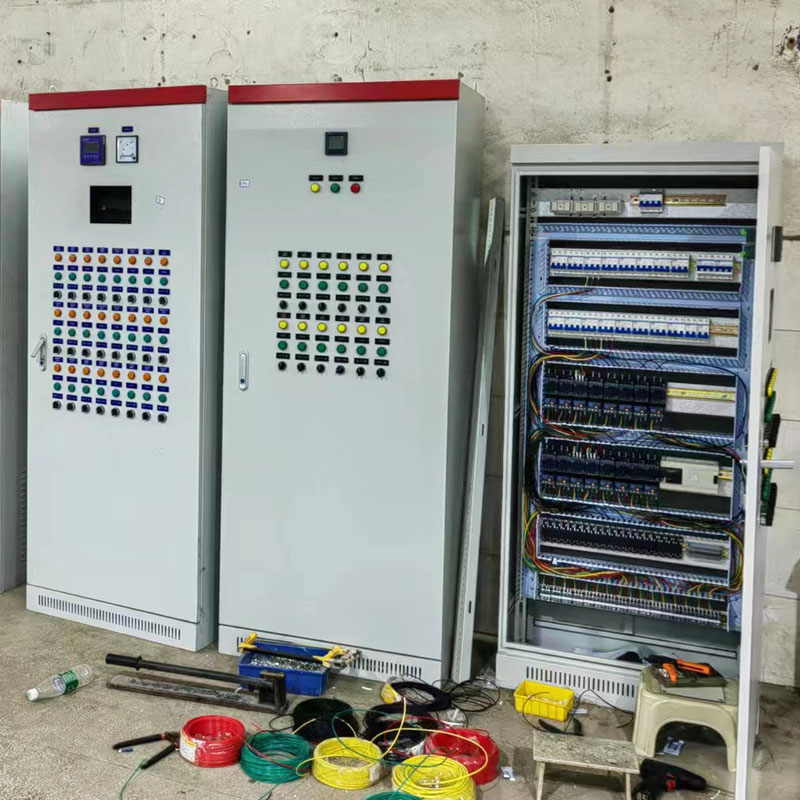
A control panel with a loose wire may work during testing but fail intermittently in the field. Vibration during transport or temperature changes can cause the connection to loosen. Quality control during wiring and testing can identify and correct the issue before shipment.
Structural Welding
A tank with a poor weld may leak after installation. Leak testing at the factory can identify the defect. Repairing the weld at the factory is much cheaper than repairing it on site, especially if the tank is already filled with wastewater.
Pump Alignment
A pump that is misaligned during assembly may vibrate excessively and fail prematurely. Alignment checks during assembly ensure that the pump operates smoothly. This simple quality control step can extend pump life and reduce maintenance costs.
How Quality Control Supports International Projects
International projects present unique quality control challenges. Systems must be designed for different climates, voltages, languages, and regulations. Quality control must account for these differences.
Language and Documentation
Documentation must be available in a language the customer can understand. This may require translation of manuals, labels, and drawings. Quality control ensures that translations are accurate and that all documents are complete.
Climate and Environmental Adaptation
Systems installed in hot, humid, cold, or corrosive environments must be designed accordingly. Quality control verifies that the correct materials and protective measures are used. For example, electrical components may require additional protection in humid environments.
Logistics and Packaging
International shipping involves long distances and multiple handling points. Packaging must protect the equipment from shock, moisture, and temperature extremes. Quality control during packaging ensures that the system arrives in good condition.
Remote Commissioning Support
Commissioning may need to be supported remotely. Quality control ensures that the system is thoroughly tested before shipment so that remote support can focus on startup rather than troubleshooting. HINADA's integrated solutions include installation support and commissioning, which are supported by strong factory quality control.
The Business Case for Quality Control
Quality control is often viewed as a cost. In reality, it is a business investment that delivers measurable returns. The business case for quality control includes customer retention, brand reputation, lower warranty costs, and premium pricing.
Customer Retention
Customers who receive reliable systems are more likely to return for future projects. Quality control reduces the risk of failures that damage customer relationships. In the water treatment industry, long-term relationships are valuable because projects are often complex and require ongoing support.
Brand Reputation
A reputation for quality is difficult to build and easy to lose. A single high-profile failure can damage a manufacturer's brand for years. Quality control protects the brand by reducing the likelihood of failures.
Lower Warranty Costs
Warranty costs can be significant if systems fail in the field. Quality control reduces warranty claims by catching defects before shipment. This lowers costs and improves profitability.
Premium Pricing
Manufacturers with a strong quality reputation can often command premium pricing. Customers are willing to pay more for systems that are reliable and well-documented. Quality control is therefore not just a cost center; it is a source of competitive advantage.
The Human Element: Training, Culture, and Accountability
Quality control is not only about equipment and procedures. It is also about people. A factory can have the best procedures in the world, but if workers are not trained, motivated, and accountable, quality will suffer. The human element is often the most important factor in quality control.
Training is essential. Workers must understand the specifications, the procedures, and the consequences of nonconformance. They must know how to use measuring instruments, how to document results, and how to report problems. Training should be ongoing, not a one-time event. As products and processes change, workers must be retrained.
Culture is equally important. A quality culture encourages workers to speak up when they see a problem. It rewards attention to detail. It treats mistakes as opportunities to improve rather than reasons to blame. In a strong quality culture, quality is everyone's responsibility, not just the quality department's.
Accountability means that people are responsible for their work. Supervisors must verify that procedures are followed. Managers must provide resources for quality. Executives must set the tone from the top. When accountability is clear, quality control becomes a shared commitment.
HINADA's growth from a company founded in 2012 to a manufacturer serving over 75 countries suggests that its people and processes have been able to scale. Quality control is a key part of that scaling. It allows the company to maintain consistency even as production volume increases.
Quality Control and Sustainability
Sustainability is a growing priority in the water treatment industry. Wastewater treatment systems help protect water resources, reduce pollution, and enable water reuse. Quality control supports sustainability by ensuring that these systems operate efficiently and reliably over their full lifecycle.
A well-built system consumes less energy and fewer chemicals. It produces less waste and requires fewer replacements. It has a longer service life. These benefits reduce the environmental footprint of the treatment process. In contrast, a poorly built system may consume more energy, require more maintenance, and fail prematurely, leading to additional resource consumption and waste.
Quality control also supports the circular economy. Water reuse and resource recovery depend on reliable treatment. If a system fails, reuse is not possible, and water is discharged instead. Quality control helps ensure that reuse systems perform consistently, allowing communities and industries to reduce their reliance on freshwater sources.
HINADA's application fields include industrial wastewater treatment and reuse, municipal sewage treatment and water recycling, rural decentralized water supply and sanitation, and drinking water purification. In all these areas, quality control contributes directly to sustainability outcomes.
Common Misconceptions About Quality Control in Wastewater Treatment Factories
There are several misconceptions about quality control that can lead to poor decisions. Addressing these misconceptions is important for buyers and manufacturers alike.
Misconception: Quality control is only needed for large projects. Reality: Small systems can also fail, and the consequences can be severe, especially in remote or decentralized applications.
Misconception: Quality control slows down production. Reality: Quality control prevents rework, returns, and field failures, which are far more disruptive than planned inspections.
Misconception: A high price guarantees high quality. Reality: Price is not always a reliable indicator. Quality depends on processes, people, and culture.
Misconception: Certifications mean the product is perfect. Reality: Certifications indicate a management system, but they do not guarantee every unit is defect-free.
Misconception: Quality control is the responsibility of the quality department alone. Reality: Quality is everyone's responsibility, from design to shipping.
These misconceptions can lead buyers to overlook important questions. They can also lead manufacturers to underinvest in quality.