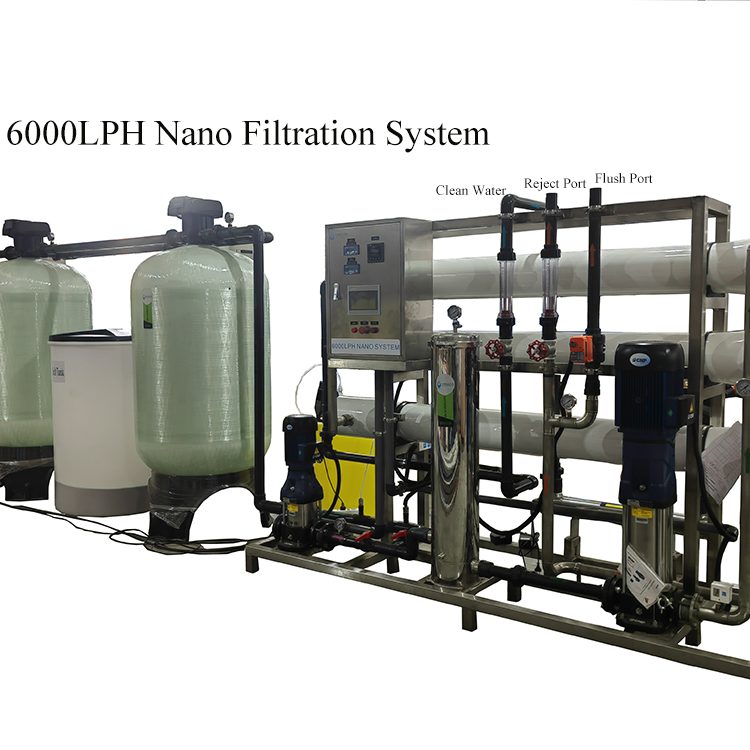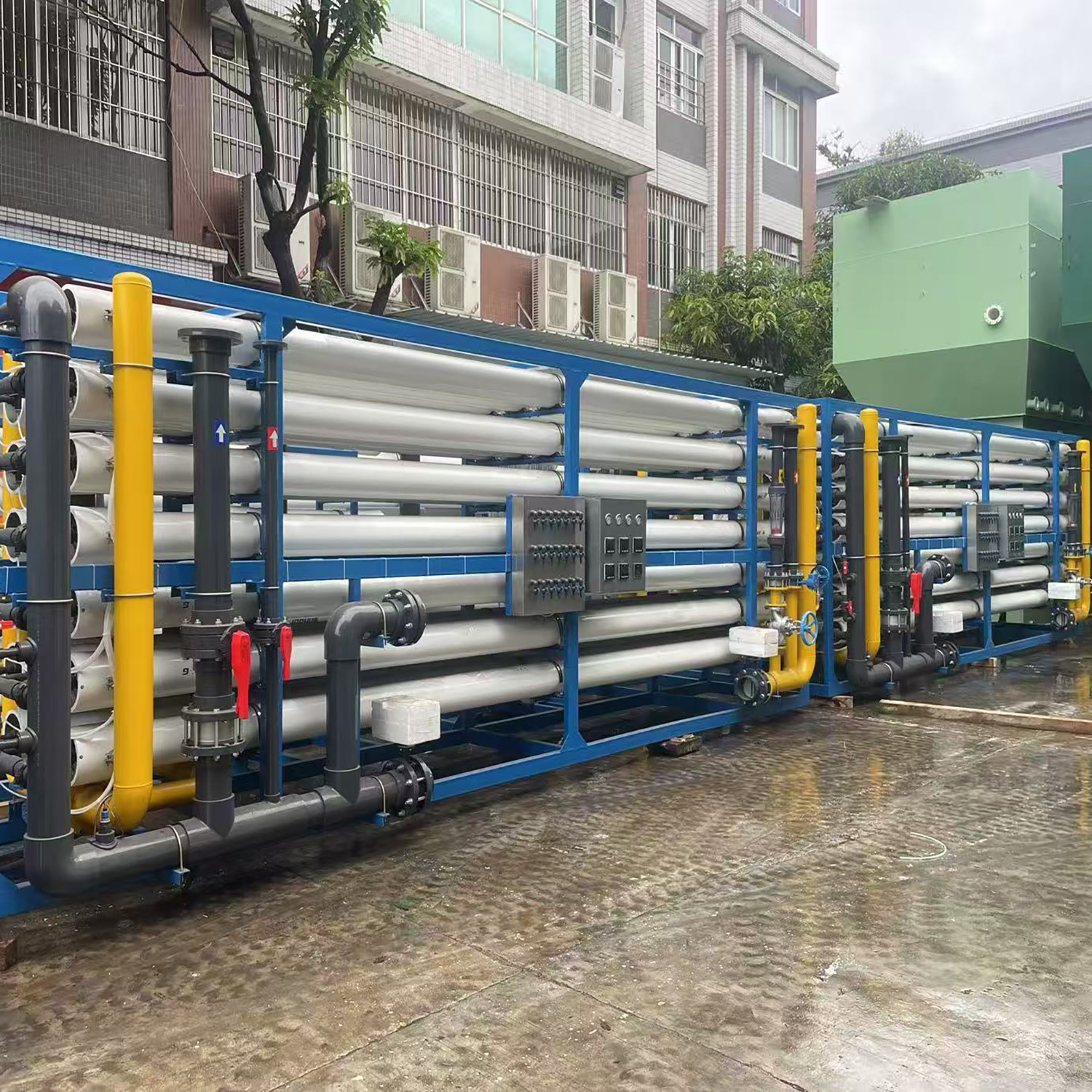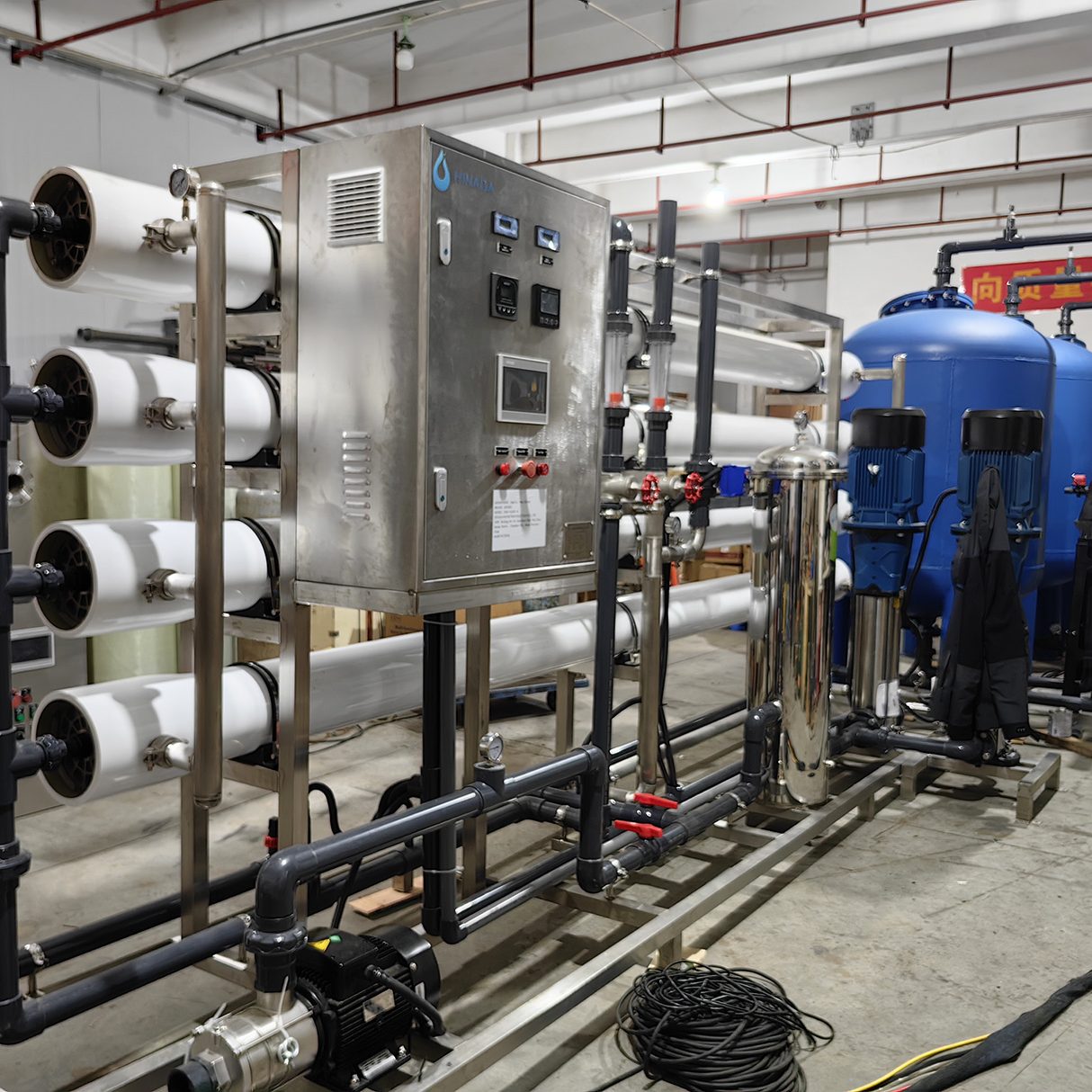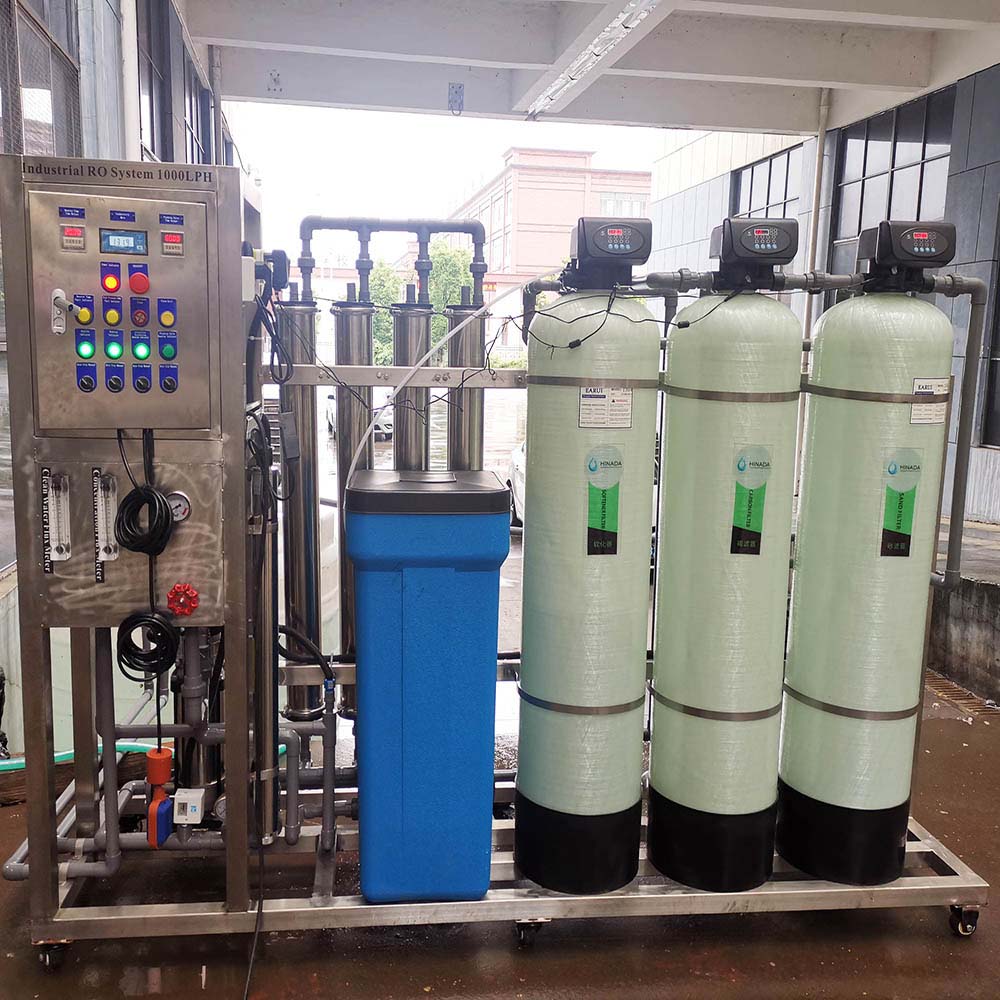


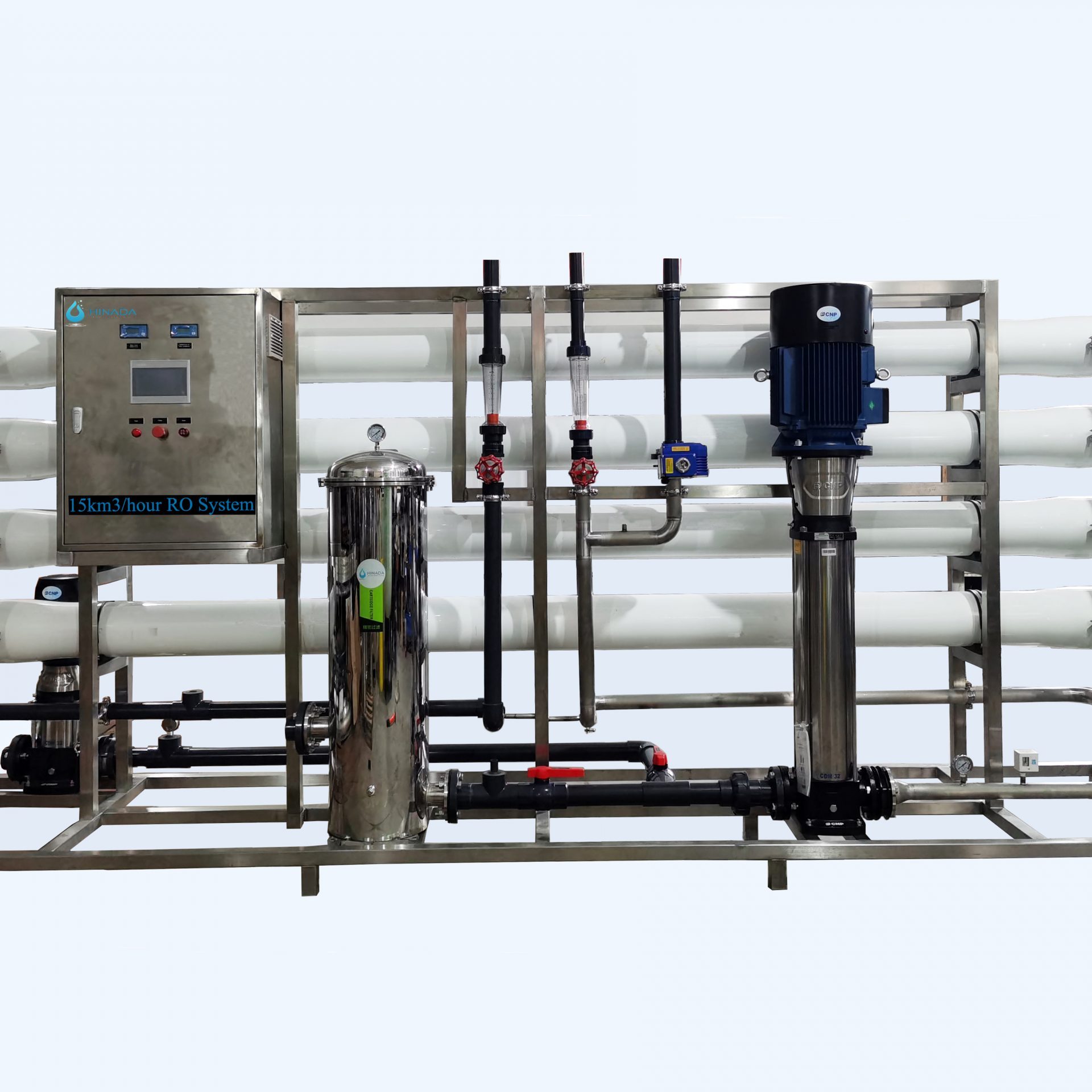
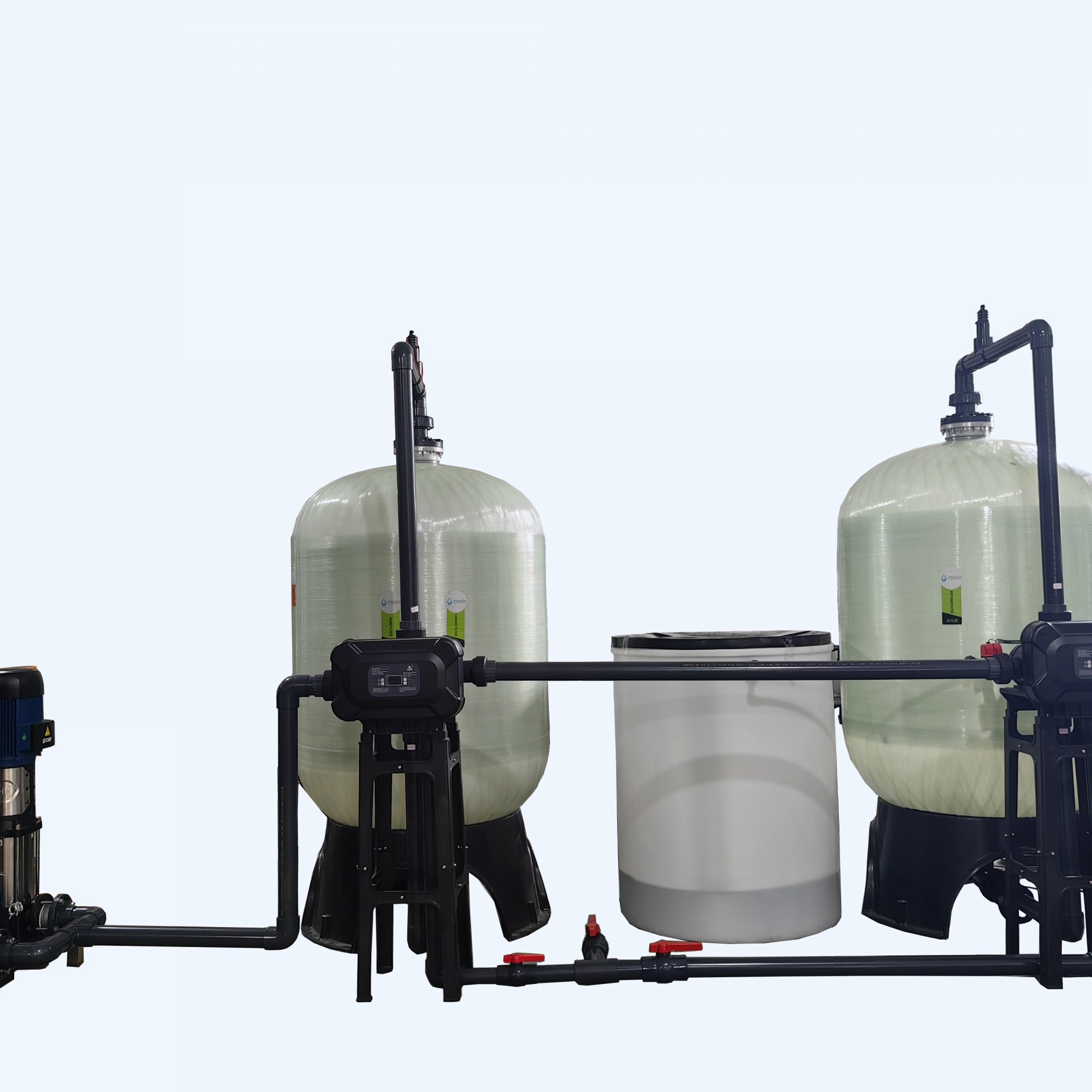
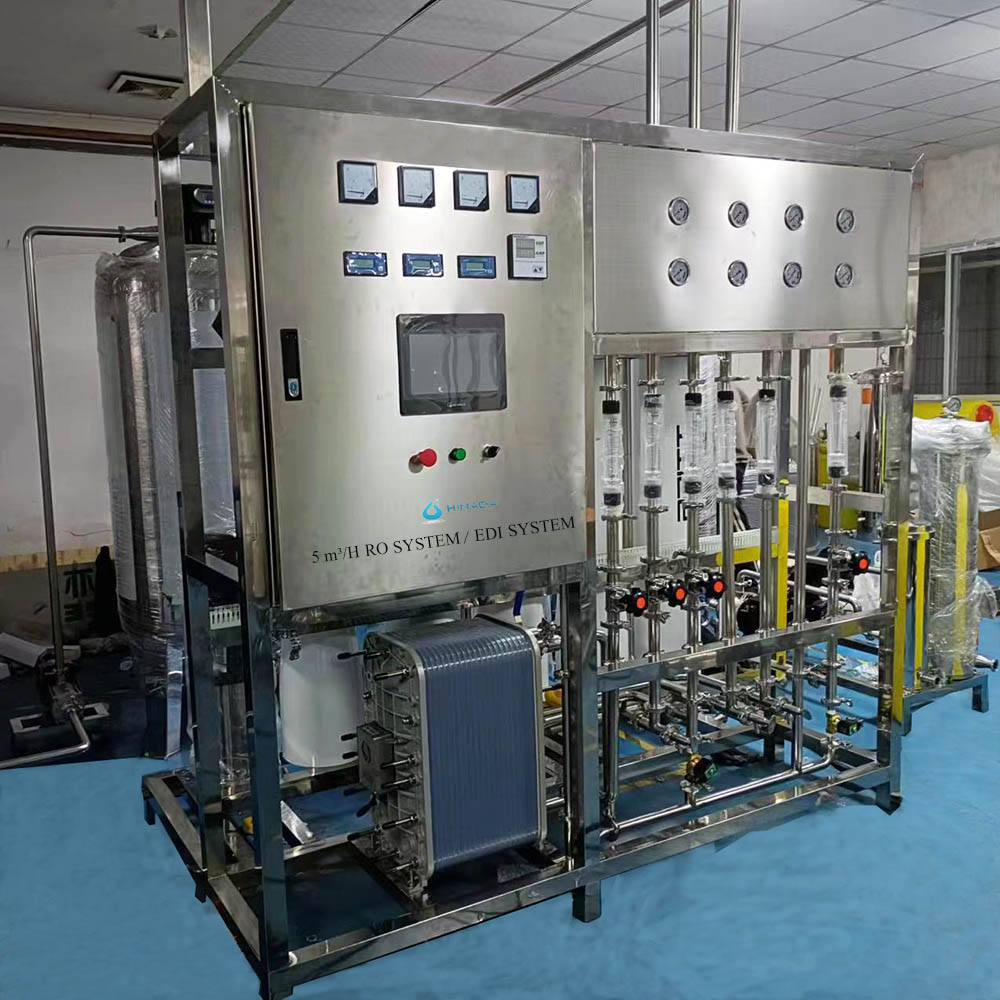
Industrial RO System, the high-pressure pump forces the pretreated water through the semi-permeable RO membrane, effectively separating up to 99% of dissolved salts, heavy metals, bacteria, and other contaminants, Designed to convert underground water to drinking water or industrial application, like Food and Beverage Production or Pharmaceutical Water Systems, Boiler Water for Power Plants or Chemical Manufacturing, Electronics Manufacturing and so on.
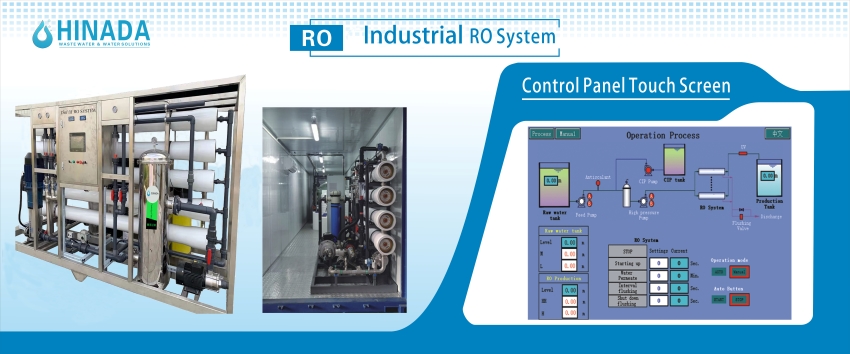
How the Industrial RO System works:
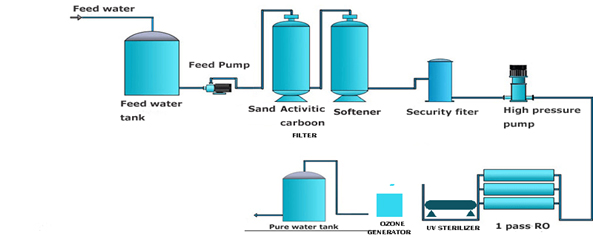
The Industrial RO System treat process groundwater involves several steps:
- Raw Water Tank: Groundwater is drawn from underground and stored in a raw water tank.
Pretreatment: depends on the raw water quality, to protect the RO membrane. It typically includes:
- Oxidation: Chemicals are added to oxidize iron and manganese, which are then removed by subsequent filters.
- Sand Filter (MMF): Removes suspended solids, sediment, and rust down to 10–15 microns.
- Activated Carbon Filter (ACF): Eliminates chlorine, odors, and organic compounds and bad smell.
- Softener Filtration: Uses ion exchange to remove hardness-causing calcium and magnesium, preventing scale on the membrane.
- Cartridge Filter: Acts as a final "security" guard, capturing any fine particles (typically down to 5 microns or 10 microns) before water enters the RO unit.
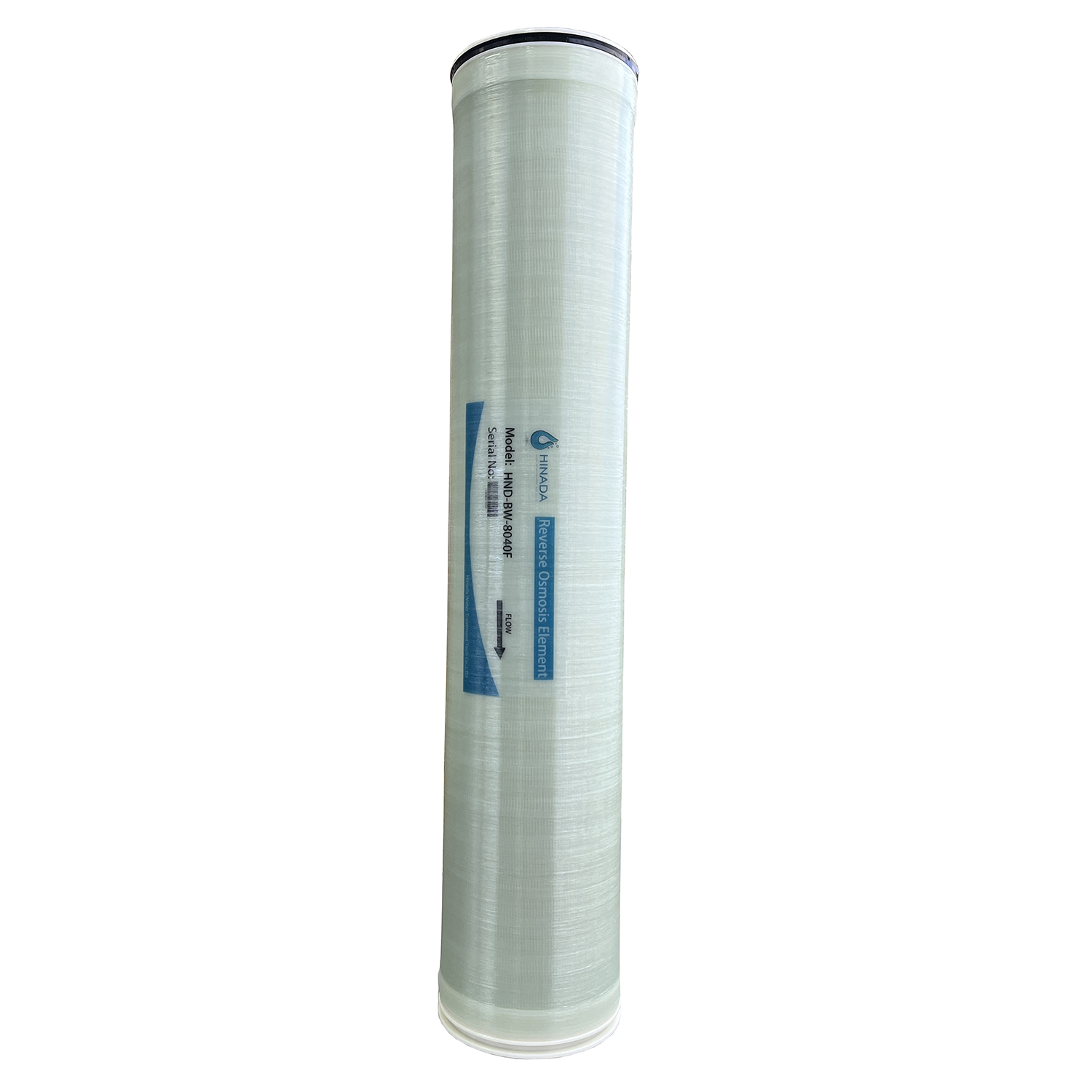
- Reverse Osmosis Filtration: A high-pressure pump forces the pretreated water through the semi-permeable RO membrane, effectively separating up to 99% of dissolved salts, heavy metals, bacteria, and other contaminants.
- Post-Treatment & Sterilization: The purified water (permeate) may be further treated using UV sterilization to kill any remaining bacteria or viruses before it's sent to the clean water tank
The Water Treatment Process: