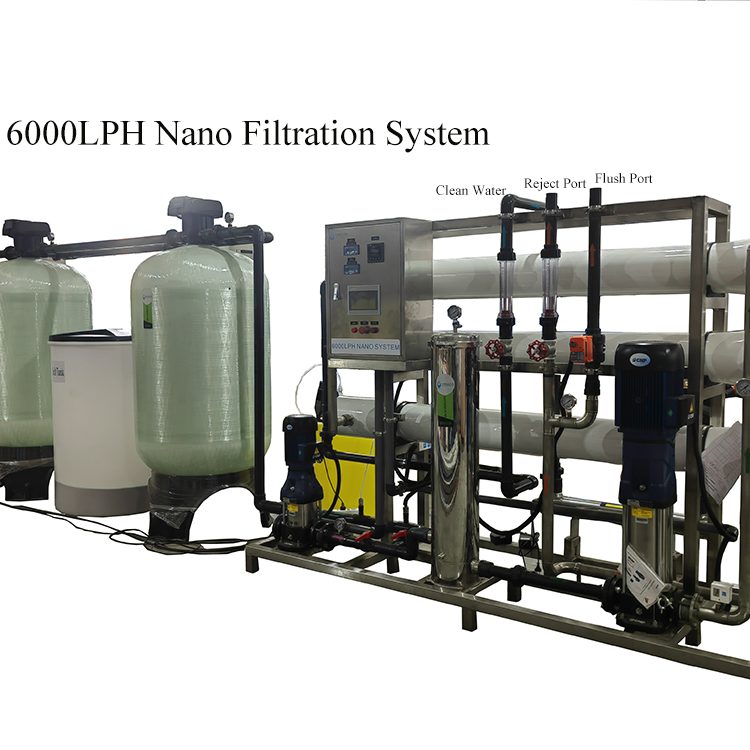


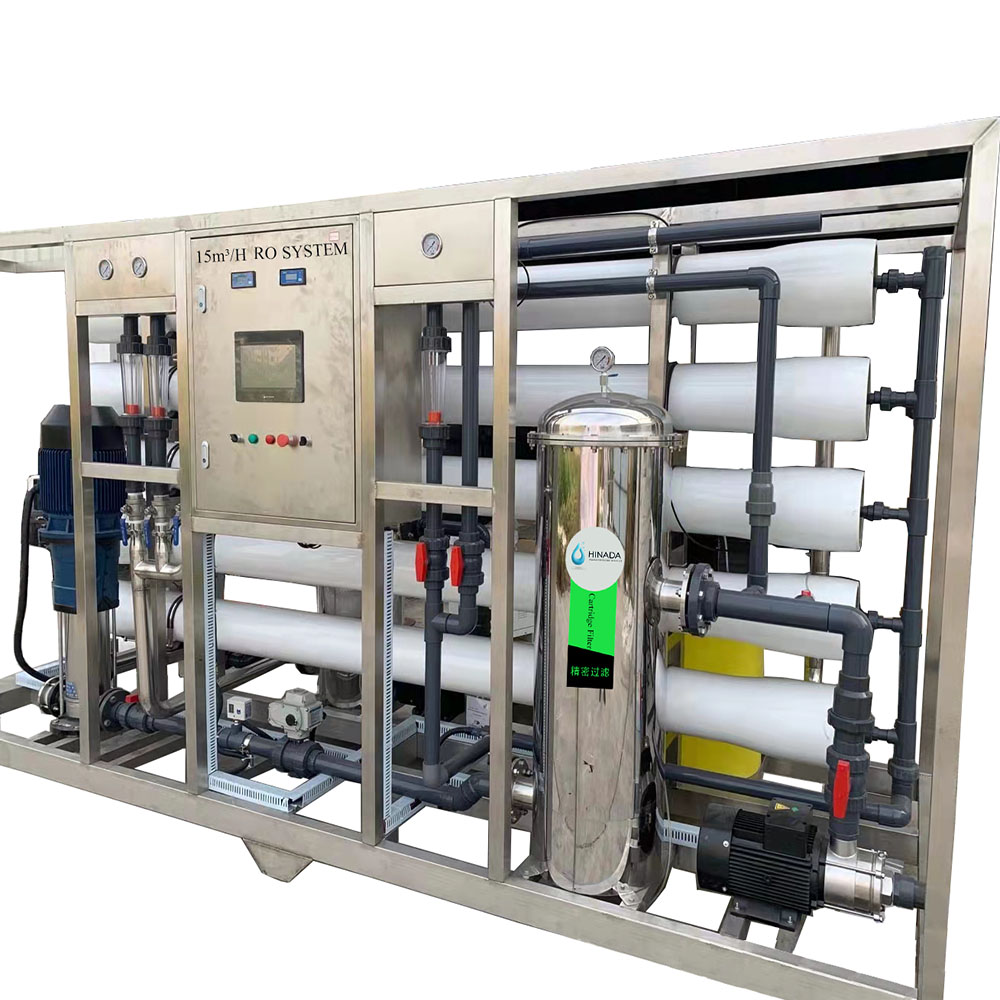
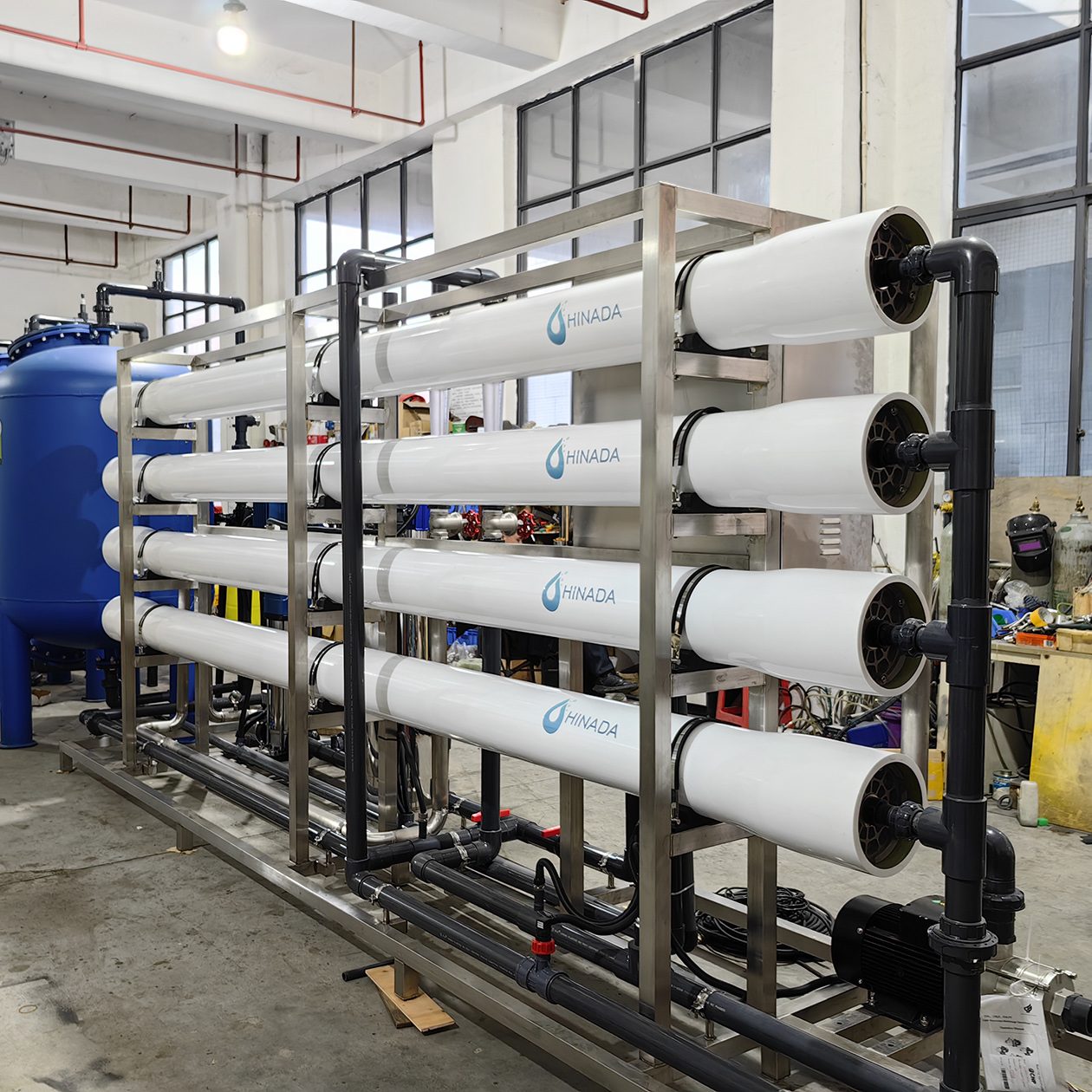
Nanofiltration refers to a specialty-membrane process that rejects dissolved solutes in the approximate size range of 1 nanometer (10 Angstroms) — hence the term “nanofiltration.”
With respect to the size and weight of solutes that nanofiltration membranes reject, NF operates in the realm between reverse osmosis (RO) and ultrafiltration (UF): Organic molecules with molecular weights greater than 200 – 400 are rejected, and especially for divalent metallic and organic molecules can effectively reject among other contaminants:
- De-coloration and low-down hardness
- Dissolved organics.
- Endotoxins/pyrogens.
- Insecticides/pesticides.
- Herbicides.
- Antibiotics.
- Nitrates.
- Sugars.
- Latex emulsions.
- Metal ions.
It also rejects certain soluble salts. Specifically, NF rejects dissolved salts in the range of 20 – 98 percent. Salts which have monovalent anions (e.g., sodium chloride or calcium chloride) have rejections of 20 – 60 percent, whereas salts with divalent anions (e.g., magnesium sulfate) have higher rejections of 90 – 98 percent. Transmembrane pressures are typically 50 – 225 psi (3.5 – 16 bar).
The ideal nanofiltration membrane has a very high-water permeability, but the ideal permeability of solutes might be near zero or some higher value, depending on the solute and application. For example, an application may require near-zero permeability for pesticides and 50 percent permeability for calcium ions.
Typical applications of nanofiltration membrane systems include:
- The removal of color and total organic carbon (TOC) from surface water.
- The removal of hardness or radium from well water.
- The overall reduction of total dissolved solids (TDS).
- The separation of organic from inorganic matter in specialty food and wastewater applications.
| 20KLPH NANO System Operating Limit | NANO Membrane Specifications | |||
| Recovery | 60—75% | Type | TFC (Thin Film Composite) | |
| Operating Temperature | ≤50℃ | Material | PA (Polyamide) | |
| Operating Pressure | ≤20Bar | Charge | Negative | |
| Electrical Power | Optional | Configuration | Spiral-Wound, FRP Wrapping | |
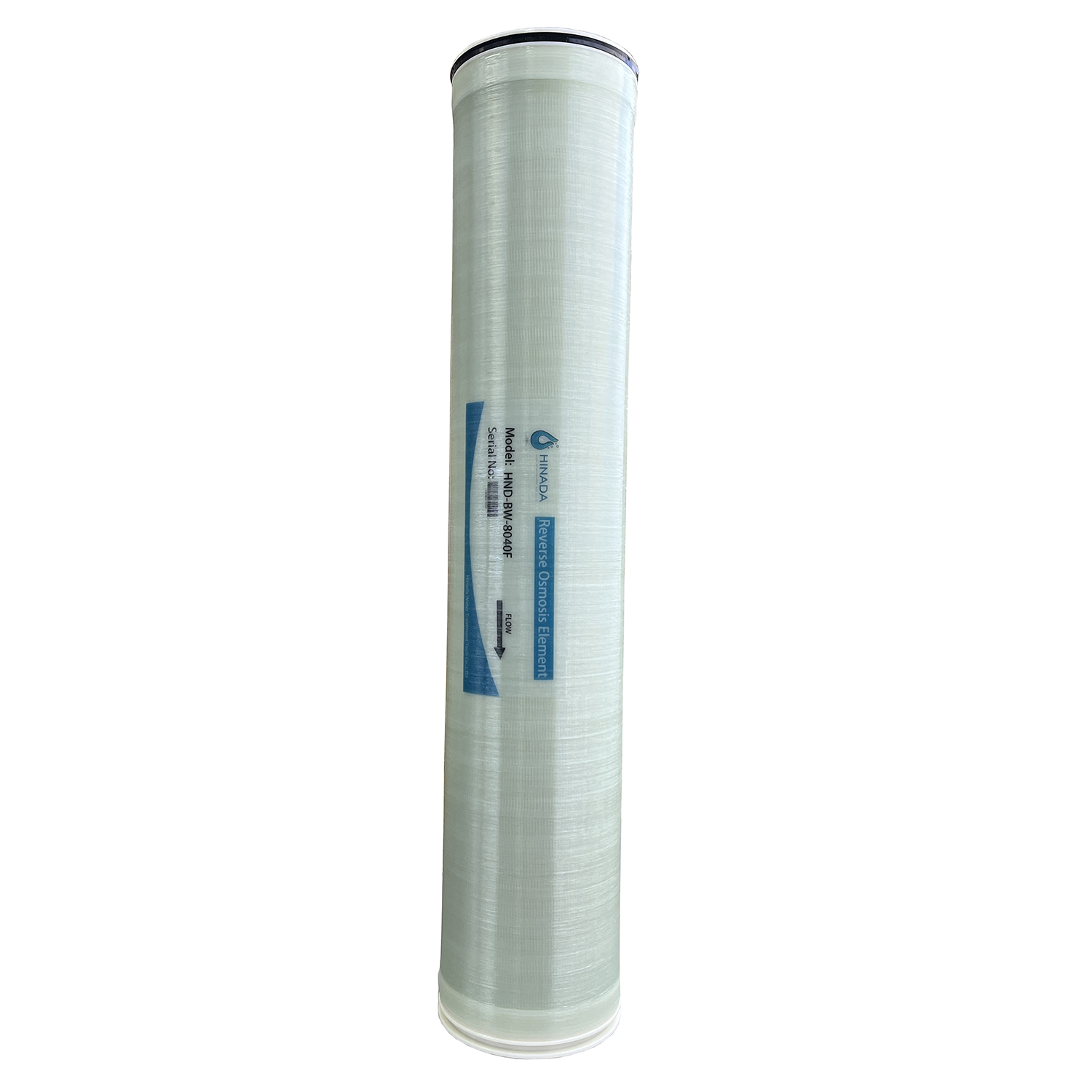
| Max. SDI (15 min) | ≤5.0 | Membrane Size | Diameter 8”x Length 40” | |
| pH range | 3–10 | Effective Area | 37.2m² | |
| Feed Max. Turbidity | ≤1.0 NTU | Flow rate | 45m³/Day | |
| Chlorine Concentration | ≤0.1pm | Rejection (%) | 30—60% | |
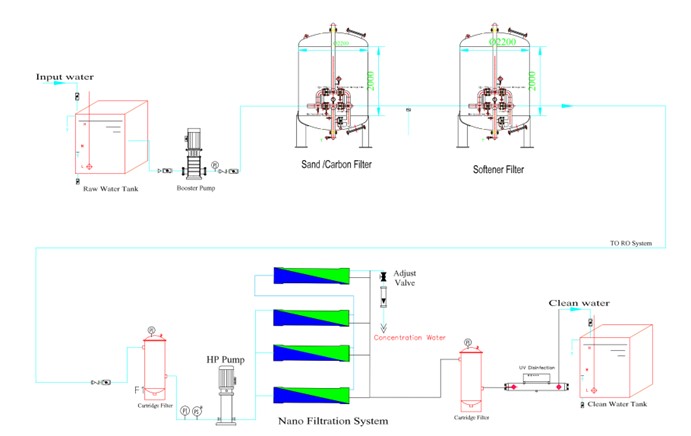
The Water Treatment Process:
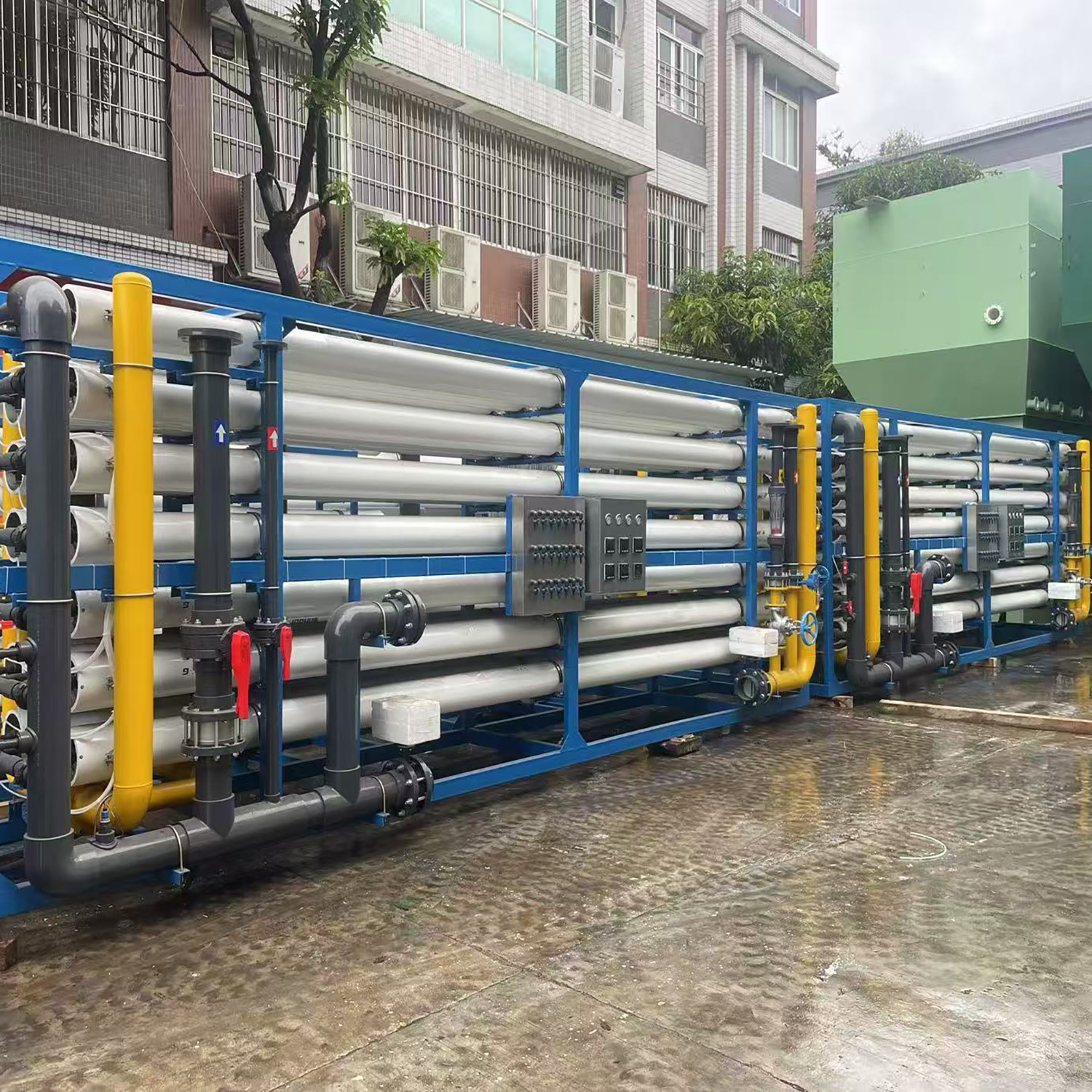
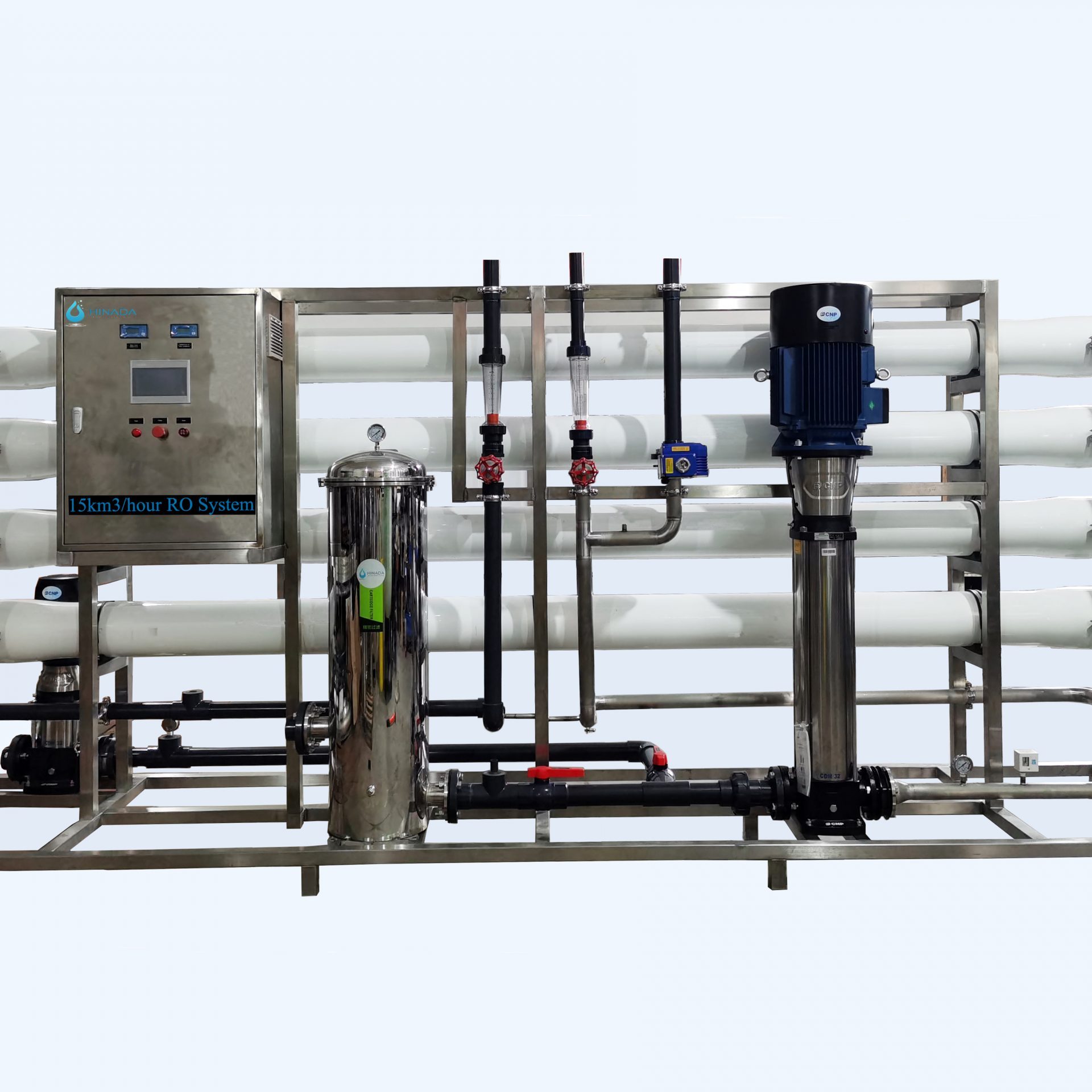
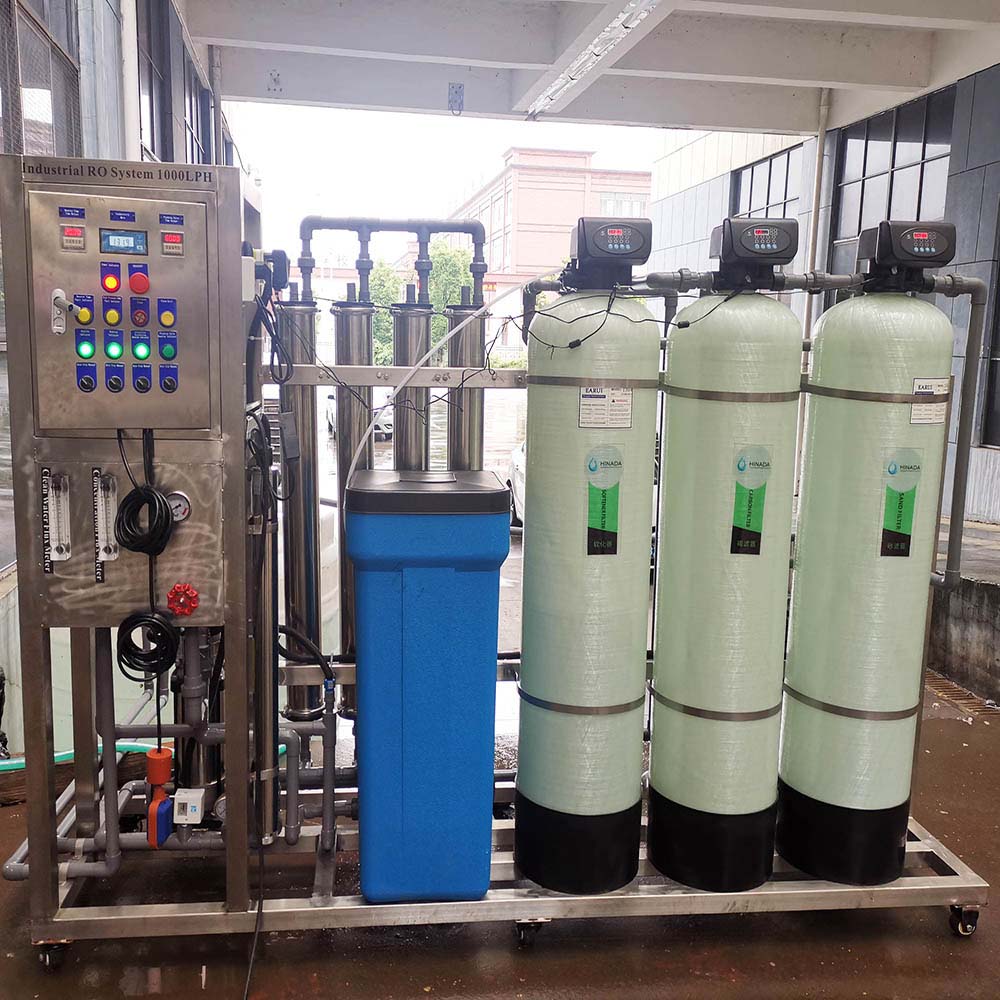
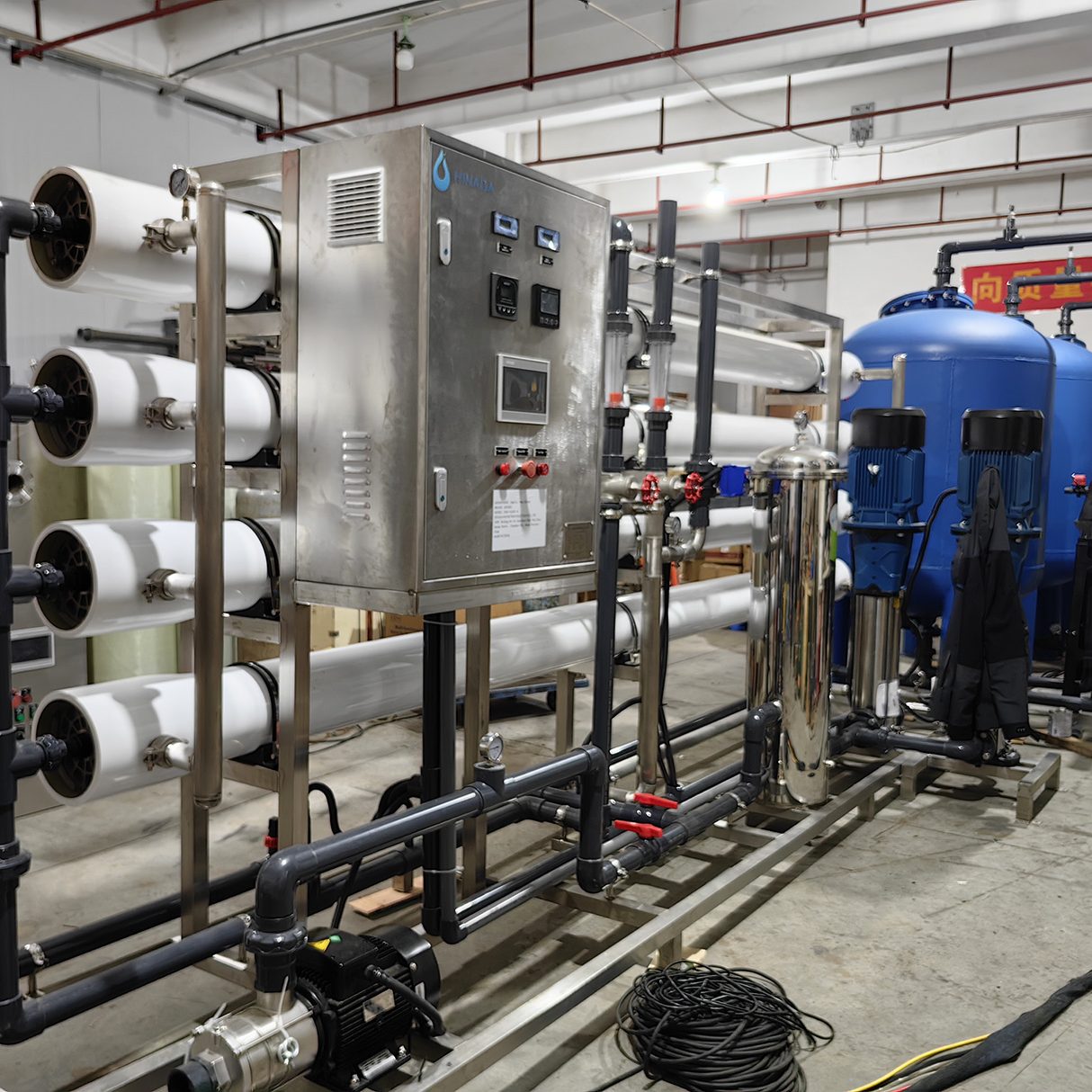
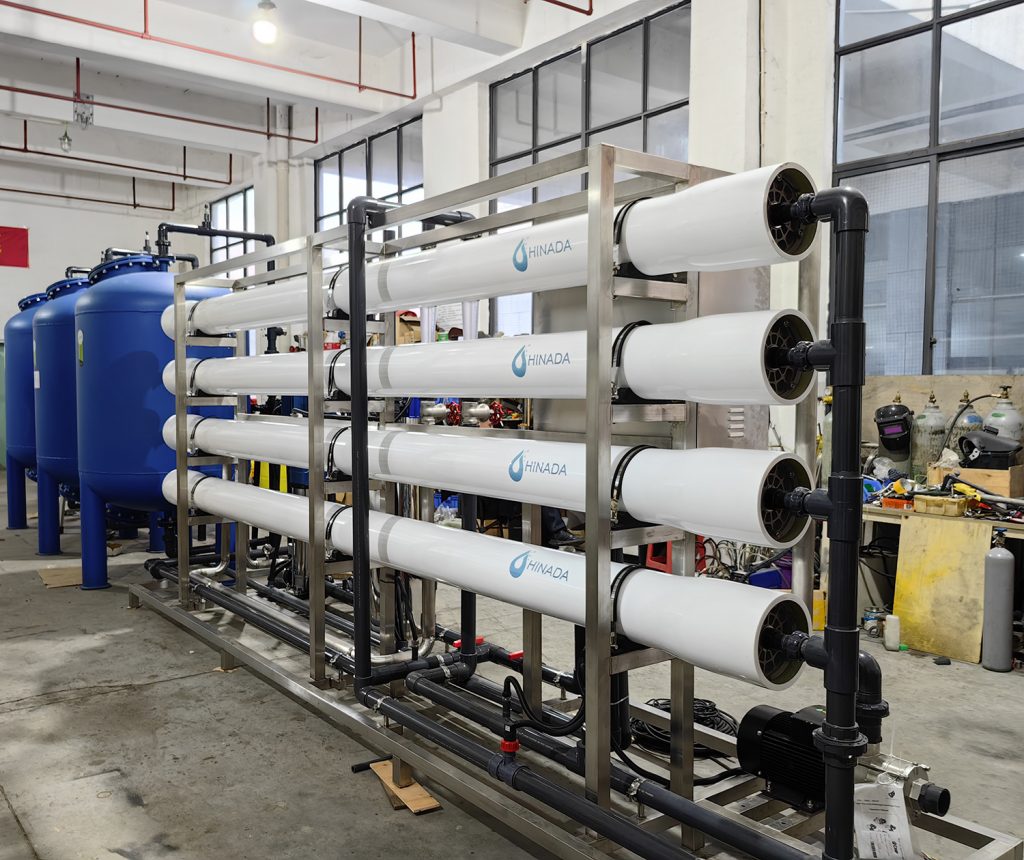
The Photo of the Main Parts
Any further information, please don’t hesitate contact with us.