< img height="1" width="1" src="https://www.facebook.com/tr?id=957592723535502&ev=PageView&noscript=1"/>
inquiry_img
Leave A Message
If you are interested in our products and want to know more details,please leave a message here,we will reply you as soon as we can.
submit
Building B1, BYC-AI Industrial District, Chenzhou , Chenzhou Pilot Free Trade Zone, Hunan, China
whatsapp. y in
banner

Blog

Home

Blog

  • Why Quality Checks Matter at a Containerized MBR System factory
    Sep 30, 2026
    Containerized MBR systems compress an entire membrane bioreactor wastewater treatment plant into a single shippable steel enclosure. Because the plant leaves the factory fully assembled, sealed, and ready to operate, hidden defects travel with it to sites that may be thousands of kilometers away, often in remote or decentralized locations where spare parts and skilled technicians are scarce. This makes factory quality checks the decisive factor in whether a project succeeds. Quality assurance at a containerized MBR factory operates as a sequence of stage gates: incoming material inspection with full traceability, hollow fiber membrane spinning checks covering diameter, tensile strength, and bubble point, module potting verification, membrane integrity testing through pressure decay and bubble point methods, permeability and flux testing, aeration uniformity assessment, frame and weld inspection, tank hydrostatic testing, piping pressure testing, electrical safety verification, instrument calibration, PLC logic and alarm simulation, enclosure and insulation checks, integrated pre-commissioning, and formal factory acceptance testing witnessed by the customer. Each of these checks prevents a specific and expensive failure mode, from fecal coliform breakthrough caused by a broken fiber, to rapid membrane fouling from uneven aeration, to premature pump failure, blower overheating, control system lockout, terminal corrosion, tank leakage, and structural deformation. The economics favor rigorous inspection because the cost of a factory check is a small fraction of the cost of a field failure measured in downtime, emergency labor, membrane replacement, regulatory penalties, and damaged reputation. Manufacturers such as HINADA Water Treatment Tech Co., Ltd., founded in Guangzhou in 2012 and now also manufacturing in Chenzhou, Hunan Province, illustrate how an integrated ecosystem spanning membrane research and development, component manufacturing, equipment fabrication, and turnkey delivery supports consistent quality across a diverse product range that includes PVDF and PVC hollow fiber UF membranes, submerged MBR modules, containerized MBR systems, packaged plants, DAF systems, UF systems, and industrial RO systems. Serving clients in more than seventy-five countries, such manufacturers rely on documented quality systems because buyers in distant markets cannot easily inspect the factory. Looking ahead, digital twins, IoT monitoring, automated test benches, and data-driven quality analytics will further strengthen quality assurance, reinforcing that in a sealed, factory-built product, the quality check is the most important conversation between maker and user. The Containerized MBR System: A Factory-Built Water Treatment Plant Membrane Bioreactor Fundamentals Why Containerization Changes the Quality Equation The Anatomy of a Containerized MBR System The Membrane Module The Biological Tank and Aeration System Blowers, Pumps, and Valves The Control Panel and SCADA Structural and Enclosure Integrity Why Quality Checks Matter: The Business Case Total Cost of Ownership Risk of Failure in Remote Locations Regulatory Compliance and Discharge Permits Reputation and Export Markets Quality Checks at Every Stage of Manufacturing Stage 1: Incoming Material Inspection Stage 2: Membrane Spinning and Hollow Fiber QC Stage 3: Module Potting and Leak Testing Stage 4: Frame Fabrication and Welding Inspection Stage 5: Tank Fabrication and Hydrostatic Testing Stage 6: Piping, Skid, and Pressure Testing Stage 7: Electrical Panel and Instrumentation Checks Stage 8: Container Enclosure and Insulation Stage 9: Factory Assembly and Integrated Pre-Commissioning Stage 10: Factory Acceptance Testing Stage 11: Packaging, Shipping, and Documentation Key Quality Checkpoints in Detail Membrane Integrity Testing Bubble Point and Pressure Decay Tests Permeability and Flux Testing Aeration Uniformity Testing Electrical Safety Tests Instrument Calibration PLC Logic and Alarm Simulation Structural Load and Lifting Tests Leak and Hydrostatic Tests The Role of Standards and Certifications ISO 9001 and Quality Management Systems CE, UL, and Regional Compliance Material Traceability Common Failure Modes and How Quality Checks Prevent Them Quality Checks and the Total Cost of Ownership How HINADA Approaches Quality Assurance Thirteen Years in the Water Treatment Industry From Membrane R&D to Turnkey Delivery Product Portfolio and Application Diversity Global Market Experience Application Fields Quality Checks in the Field: Commissioning and After-Sales The Human Factor: Training, Culture, and Accountability Testing in Extreme and Remote Conditions Quality Checks and Sustainability The Future of Quality Assurance in Containerized MBR Manufacturing Digital Twins and IoT Monitoring Automated Test Benches Data-Driven Quality Analytics Conclusion     Why Quality Checks Matter at a Containerized MBR System Factory A containerized MBR system is one of the most demanding products a water treatment equipment manufacturer can build. It compresses an entire biological wastewater treatment plant, complete with membrane bioreactor modules, aeration blowers, pumps, valves, instrumentation, chemical dosing, and a programmable control system, into a steel box that must survive a journey across an ocean, a desert road, or a muddy construction site and then start producing clean water within days of arrival. Unlike a conventional concrete-and-steel treatment plant that is assembled on site by a large crew of engineers who can adjust and improvise as problems appear, a containerized MBR system leaves the factory as a finished, sealed, tested product. Every hidden defect travels with it. Every loose wire, every imperfect weld, every membrane fiber with a microscopic pinhole, every undersized pump becomes a problem that the buyer must discover and solve thousands of kilometers away from the people who built it. That single reality explains why quality checks matter so profoundly at a containerized MBR system factory. This article explores, in depth, why rigorous quality control is not a bureaucratic formality but the very foundation of the containerized MBR business model. It examines the anatomy of these systems, the specific inspection stages that a serious manufacturer applies, the failure modes that quality checks prevent, the economics of doing the job right the first time, and the way an experienced manufacturer such as HINADA Water Treatment Tech Co., Ltd. structures its approach to quality across membrane research and development, component manufacturing, equipment fabrication, and turnkey project delivery. The Containerized MBR System: A Factory-Built Water Treatment Plant To understand why quality checks matter, one must first appreciate what a containerized MBR system actually is. In its simplest form, it is a membrane bioreactor process packaged inside a standard shipping container frame or a purpose-built steel enclosure. Wastewater enters the unit, passes through screening and equalization, then enters an aerated biological tank where microorganisms consume organic matter, nitrogen, and phosphorus. From there, the mixed liquor is drawn through submerged hollow fiber membranes that physically separate clean water from suspended solids, bacteria, colloids, and macromolecular organics. The treated water exits as a high-quality permeate suitable for discharge, irrigation, toilet flushing, or further treatment by reverse osmosis. undefined The container is not merely a housing. It is a structural frame, a weather barrier, a thermal envelope, a mounting platform for vibrating and rotating equipment, a cable route, a pipe route, and often a transport crate all at once. The biological process inside it is alive and sensitive. The membrane inside it is a precision filtration medium with pore sizes measured in fractions of a micron. The control system inside it must manage aeration cycles, permeate and backwash sequences, chemical cleaning, level control, and remote telemetry without constant human supervision. All of this is delivered as a single integrated product, not as a set of components that a customer assembles. Membrane Bioreactor Fundamentals The membrane bioreactor concept combines biological treatment with membrane separation. Because the membrane replaces the secondary clarifier, the process can maintain a much higher concentration of mixed liquor suspended solids than a conventional activated sludge system. This produces a smaller footprint, higher effluent quality, and greater resilience to load fluctuations. The trade-off is complexity: membranes foul, aeration must be precisely distributed to scour the membrane surface, and cleaning protocols must be followed without deviation. In a containerized system, all of this complexity is packed into a very small volume. Tanks become deeper and narrower. Pipe runs become shorter but more crowded. Access for maintenance becomes tighter. Every design decision has less margin for error, and every manufacturing defect has fewer places to hide. Why Containerization Changes the Quality Equation Containerization offers enormous advantages. It reduces civil works, shortens project schedules, allows factory-controlled assembly, enables rapid deployment in rural or decentralized locations, and permits relocation if demand patterns change. It also makes quality assurance both more important and more difficult. It is more important because the factory is the last line of defense. In a site-built plant, an inspector can walk the site daily, a welder can be re-trained on the spot, and a pipefitter can correct a routing mistake before concrete is poured. In a containerized product, the entire plant is closed up and shipped. The customer receives a black box that must work immediately. It is more difficult because the density of systems inside a container means that inspection access is limited, that tolerances stack up quickly, and that vibration, heat, humidity, and corrosion all act on components in close proximity. A blower that would be isolated in a large plant room may sit centimeters from an electrical panel. A pump that would be mounted on a massive concrete pad may be bolted to a steel skid that also carries the membrane tank. The Anatomy of a Containerized MBR System Quality checks can only be meaningful when they map onto the actual components that make up the product. A typical containerized MBR system includes several distinct subsystems, each with its own quality requirements. The Membrane Module The submerged membrane module is the heart of the system. It consists of thousands of hollow fibers, typically made of polyvinylidene fluoride or polyvinyl chloride, potted into headers at both ends. The fibers provide the physical separation barrier. Their pore structure determines effluent quality. Their mechanical strength determines service life. Their potting integrity determines whether bacteria can bypass the barrier entirely. Because the membrane is the most expensive single component and the one most directly linked to effluent quality, membrane quality checks dominate the factory quality program. A single compromised fiber can allow turbidity, bacteria, or viruses into the permeate and can trigger regulatory non-compliance for the end user. The Biological Tank and Aeration System The biological tank houses the mixed liquor and provides the environment for biological treatment. In a containerized system, the tank is usually fabricated from stainless steel or coated carbon steel and is integrated into the structural frame. Aeration serves two purposes: supplying oxygen to the microorganisms and scouring the membrane surface to control fouling. Aeration headers, diffusers, and blowers must be correctly sized and evenly balanced. Blowers, Pumps, and Valves Blowers provide process air. Permeate pumps draw filtered water through the membranes. Sludge pumps manage waste activated sludge. Backwash and chemical cleaning pumps circulate cleaning solutions. Valves direct flow between filtration, backwash, relaxation, and cleaning modes. Each of these components is a potential failure point, and each must be verified for capacity, alignment, sealing, and electrical protection. The Control Panel and SCADA The control panel is the brain of the system. It houses the programmable logic controller, variable frequency drives, motor protection devices, relays, terminals, and often a touchscreen interface and remote telemetry module. Because containerized systems frequently operate unattended, the control logic must be robust, the alarms must be meaningful, and the fail-safe behavior must be correct. Structural and Enclosure Integrity The enclosure must withstand transport, lifting, wind, snow, seismic events, and corrosion. It must also manage thermal load, since biological processes and electrical equipment both generate heat, while cold climates require freeze protection. Insulation, cladding, doors, seals, and ventilation all contribute to enclosure quality. Why Quality Checks Matter: The Business Case Quality checks are sometimes viewed as a cost center. In the containerized MBR industry, they are more accurately understood as an insurance policy, a marketing asset, and a source of competitive advantage. Several distinct arguments support this view. Total Cost of Ownership The purchase price of a containerized MBR system is only the beginning of its cost. Over a service life of ten to twenty years, the owner pays for energy, membrane replacement, chemicals, spare parts, maintenance labor, and downtime. Poor manufacturing quality inflates every one of these categories. An unbalanced aeration header causes uneven fouling, which increases cleaning frequency and shortens membrane life. A misaligned pump causes premature bearing failure. An undersized cable causes voltage drop, motor overheating, and energy waste. A poorly sealed enclosure allows humidity to corrode terminals and trip protective devices. A control logic error causes unnecessary shutdowns and emergency call-outs. Each of these problems traces back to a quality check that was skipped, weakened, or performed without rigor. Risk of Failure in Remote Locations Containerized MBR systems are frequently deployed where conventional infrastructure is absent. They serve remote villages, mining camps, construction sites, island resorts, military bases, and industrial facilities far from municipal services. In such locations, a failed blower is not a minor inconvenience. It is a biological crisis, because the microorganisms in the tank begin to die within hours of oxygen loss, and the membrane begins to foul irreversibly. Spare parts may take weeks to arrive. A qualified technician may be hundreds of kilometers away. Under these conditions, the value of a factory quality check that catches a defective bearing before shipment is incalculable. Regulatory Compliance and Discharge Permits Effluent standards are tightening worldwide. Regulators increasingly require low turbidity, low biochemical oxygen demand, low total suspended solids, and reliable pathogen reduction. A membrane barrier is capable of meeting these standards, but only if it is intact. A single leaking module potting or a cracked fiber can cause a permit violation, a fine, or an order to cease discharge. Quality checks that verify membrane integrity, that confirm proper installation of seals and gaskets, and that document test results provide the evidence that regulators and owners need. Reputation and Export Markets For manufacturers exporting to more than seventy countries, reputation is everything. A single well-publicized failure in a distant market can damage years of business development. Conversely, a track record of reliable startup and stable operation becomes the strongest possible sales argument. HINADA Water Treatment Tech Co., Ltd., founded in 2012 in Guangzhou, China, and later expanding its manufacturing base to Chenzhou in Hunan Province, has built its international presence on exactly this principle. Serving clients across Asia, Africa, Europe, and the Americas, the company competes in markets where buyers have limited ability to inspect the factory and must rely on documented quality systems instead. Quality Checks at Every Stage of Manufacturing A serious containerized MBR factory does not rely on a single final inspection. Quality is built in through a sequence of stage gates, each with defined acceptance criteria, each with documented results, and each with a clear hold point where production cannot proceed until the check is passed. Stage 1: Incoming Material Inspection Quality begins before manufacturing. Raw materials and purchased components arrive with certificates of analysis and must be verified against specifications. Membrane polymers are checked for molecular weight, purity, and additive content. Stainless steel sheets and profiles are verified for grade, thickness, and surface finish. Pumps and blowers are checked for nameplate data, motor rating, and mechanical condition. Electrical components are verified for certification marks and rated current. Material traceability is essential. If a corrosion failure occurs in the field, the factory must be able to trace the failed component back to its heat number, supplier, and incoming inspection record. Without traceability, root cause analysis becomes guesswork. Stage 2: Membrane Spinning and Hollow Fiber QC Hollow fiber membranes are produced by a phase inversion process in which a polymer solution is extruded through a spinneret and coagulated in a bath. Fiber quality depends on precise control of dope formulation, extrusion rate, air gap, coagulation temperature, and drawing ratio. In-process checks include outer and inner diameter measurement, wall thickness, tensile strength, elongation at break, and bubble point testing to confirm pore size distribution. Fibers that fail mechanical or permeability criteria are rejected before they ever reach a module. This early screening is far more economical than discovering a defect after potting, when an entire module must be scrapped. Stage 3: Module Potting and Leak Testing Potting is the process of embedding fiber ends in a resin header to create a sealed barrier between the feed side and the permeate side. Potting defects are among the most serious quality problems in membrane manufacturing because they allow direct bypass of unfiltered water into the permeate. Potting quality depends on resin formulation, curing temperature and time, fiber spacing, and the absence of voids or bubbles. After potting and curing, each module undergoes leak testing. This may include air pressure decay testing, vacuum testing, or water immersion testing to detect bubbles escaping from compromised fibers or potting interfaces. Only modules that pass are released for assembly. Stage 4: Frame Fabrication and Welding Inspection The container frame must carry the weight of tanks full of water, blowers, pumps, piping, and electrical equipment, and it must survive lifting and transport. Welds are inspected visually and, where required, by dye penetrant, magnetic particle, or ultrasonic methods. Dimensional checks confirm that mounting points align with equipment footprints and that the overall envelope matches shipping and road transport limits. Stage 5: Tank Fabrication and Hydrostatic Testing Biological and membrane tanks are fabricated and then hydrostatically tested to confirm watertightness. The test typically involves filling with water, holding for a defined period, and measuring any drop in level or visible leakage. Tanks that leak are repaired and retested. This is a non-negotiable check because a leaking tank inside a closed container is extremely difficult to repair after shipment. Stage 6: Piping, Skid, and Pressure Testing Piping systems are assembled according to isometric drawings, with attention to support spacing, slope, thermal expansion, and accessibility for maintenance. Pressure testing of permeate, backwash, chemical cleaning, and sludge lines confirms joint integrity. Flow testing confirms that valves operate through their full range and that instruments read plausibly. Stage 7: Electrical Panel and Instrumentation Checks Control panels are inspected for correct component layout, torque of terminal connections, wire labeling, color coding, grounding continuity, insulation resistance, and dielectric strength. Instrumentation is calibrated and verified, including level transmitters, flow meters, pressure gauges, turbidity meters, dissolved oxygen sensors, and oxidation-reduction potential probes. Stage 8: Container Enclosure and Insulation Enclosure quality checks include verification of insulation thickness and continuity, door alignment and gasket sealing, ventilation fan operation, louver screens, and coating thickness. Corrosion protection is verified through dry film thickness measurement and, where specified, holiday testing. In cold climates, trace heating circuits are tested. In hot climates, ventilation capacity is verified against calculated heat loads. Stage 9: Factory Assembly and Integrated Pre-Commissioning Once subsystems are individually verified, they are integrated and tested as a complete system. Tanks are filled with clean water, blowers are run, pumps are operated, valves are cycled, and the control system is exercised through its full sequence. This integrated pre-commissioning stage is where interface problems appear: a valve that opens in the wrong sequence, a sensor that reports a value inconsistent with the actual level, a pump that trips on overload because the discharge line was throttled during testing. Stage 10: Factory Acceptance Testing Factory acceptance testing is the formal demonstration that the system meets its specification. It is usually witnessed by the customer or a third-party inspector and produces a signed test report. The test typically covers mechanical operation, electrical safety, control logic, alarm annunciation, membrane integrity, and sometimes short-term biological performance with seeded biomass. Stage 11: Packaging, Shipping, and Documentation Quality checks do not end at the factory gate. Packaging must protect the equipment from moisture, vibration, and impact during transit. Desiccant is added where appropriate. Lifting points are marked. Documentation, including test reports, material certificates, operation and maintenance manuals, spare parts lists, and electrical drawings, must be complete and accurate. Missing documentation is itself a quality defect because it undermines the owner ability to operate and maintain the system. Key Quality Checkpoints in Detail While the stage-gate structure provides the framework, the technical content of specific checks determines whether quality assurance is meaningful or merely ceremonial. Membrane Integrity Testing Membrane integrity testing verifies that the physical barrier is unbroken. Common methods include pressure decay testing, in which the permeate side is pressurized and the rate of pressure loss is measured, and bubble testing, in which air pressure is applied to one side of a submerged module and escaping bubbles indicate defects. More advanced facilities use particle challenge testing or turbidity monitoring to detect very small breaches. Because membrane integrity is directly linked to effluent quality and regulatory compliance, it should be performed on every module, not on a statistical sample. Bubble Point and Pressure Decay Tests Bubble point testing measures the pressure at which air first passes through a wetted membrane pore. It provides an indirect indication of maximum pore size and is a useful quality indicator for the membrane itself. Pressure decay testing is more commonly applied at module level and provides a practical, repeatable, and relatively fast check. Permeability and Flux Testing Permeability testing measures the flow of clean water through the membrane at a defined pressure and temperature. Results are normalized to a reference temperature to allow comparison between tests. Modules that fall below the specified permeability range may indicate blocked pores, excessive potting resin intrusion, or fiber damage. Modules above the range may indicate oversized pores and potential pathogen passage. Aeration Uniformity Testing Aeration uniformity is critical for both biological treatment and membrane scouring. It can be assessed by visual observation of bubble patterns across the tank surface, by measuring dissolved oxygen at multiple points, or by using airflow measurement devices on individual headers. Uneven aeration leads to dead zones where sludge accumulates and membranes foul prematurely. Electrical Safety Tests Electrical safety checks include insulation resistance measurement, protective conductor continuity, dielectric withstand testing, residual current device testing, and verification of short-circuit protection coordination. These tests protect both the equipment and the personnel who will operate it. In containerized systems where operators may work in damp conditions, grounding and residual current protection are especially important. Instrument Calibration Every instrument that influences control decisions must be calibrated against a traceable reference. Calibration records should include the as-found value, the as-left value, the reference standard used, the technician identity, and the date. Instruments that drift outside acceptable limits must be adjusted or replaced, and the control logic must be re-verified afterward. PLC Logic and Alarm Simulation Control logic testing involves simulating inputs and verifying outputs. For example, simulating a high level should stop the feed pump and start the recirculation or alarm sequence. Simulating a low dissolved oxygen reading should increase blower output or trigger an alarm. Simulating a membrane differential pressure alarm should initiate a backwash or chemical cleaning cycle. Alarm simulation is particularly important for unattended systems. An alarm that never fires is worse than no alarm at all, because it creates false confidence. Structural Load and Lifting Tests Containerized systems are lifted by crane or forklift and transported over rough roads. Lifting point verification, frame deflection measurement, and load distribution checks confirm that the structure can withstand these forces. Where required, third-party certification of lifting points is obtained. Leak and Hydrostatic Tests Hydrostatic testing of tanks, pressure testing of piping, and vacuum testing of suction lines are standard requirements. These tests are documented with pressure, duration, temperature, and acceptance criteria. Any leak, however minor, must be repaired and the test repeated. The Role of Standards and Certifications Quality checks do not exist in a vacuum. They are structured by international standards and by customer specifications that often exceed them. ISO 9001 and Quality Management Systems ISO 9001 provides a framework for quality management, including document control, process control, corrective action, internal audit, and management review. Certification demonstrates that a manufacturer has defined processes and that those processes are followed. It does not guarantee product quality by itself, but it provides the structure within which technical checks can be reliably performed. CE, UL, and Regional Compliance Equipment exported to Europe may require CE marking, which involves conformity assessment against applicable directives such as the Machinery Directive, Low Voltage Directive, and Electromagnetic Compatibility Directive. Equipment exported to North America may require UL or equivalent listing for electrical components. Other regions have their own requirements, including certification for potable water contact materials. Quality checks must include verification that these requirements are met. Material Traceability Traceability allows a manufacturer to link finished products to raw material batches, process parameters, and inspection records. This is essential for root cause analysis, for warranty claims, and for regulatory audits. A robust traceability system typically assigns unique identifiers to membrane modules, tanks, panels, and major components, and records their inspection history in a database. Common Failure Modes and How Quality Checks Prevent Them The value of quality checks becomes concrete when they are mapped against the failure modes they prevent. Failure Mode Root Cause Preventive Quality Check Fecal coliform in permeate Broken fiber or potting leak Pressure decay and bubble point testing on every module Rapid membrane fouling Uneven aeration or low dissolved oxygen Aeration uniformity testing and dissolved oxygen profiling Premature pump failure Misalignment, cavitation, or overload Alignment check, suction pressure verification, motor current measurement Blower overheating Blocked filter, undersized wiring, wrong rotation Rotation check, current measurement, airflow verification Control system lockout Logic error or instrument drift PLC simulation testing and instrument calibration Corrosion of terminals Enclosure sealing failure or condensation Door gasket inspection, ventilation check, coating thickness measurement Tank leakage Weld defect or inadequate sealing Hydrostatic testing with hold period Structural deformation Insufficient frame reinforcement Lifting test and deflection measurement Communication loss in remote site Telemetry misconfiguration End-to-end data transmission test before shipment Each row in this table represents a scenario that has occurred in real projects somewhere in the world. Each preventive check represents a modest investment at the factory that eliminates a disproportionately expensive field problem. Quality Checks and the Total Cost of Ownership Owners increasingly evaluate containerized MBR systems on total cost of ownership rather than purchase price. Quality checks influence every component of that calculation. Energy consumption is the largest operating cost in most MBR plants. Blowers and pumps dominate energy use. A factory check that verifies blower efficiency, confirms correct impeller selection, and validates control setpoints can reduce energy consumption measurably over the life of the system. Membrane replacement is the largest periodic capital cost. Membrane life depends on fouling rate, cleaning frequency, and mechanical stress. Quality checks that ensure even aeration, correct backwash flow, and proper chemical cleaning protocols extend membrane life significantly. Maintenance labor cost depends on accessibility and reliability. A factory check that confirms maintenance access, that labels every component, and that provides clear documentation reduces the time required for routine service. Downtime cost depends on failure frequency and repair time. Quality checks reduce both by catching defects early and by ensuring that spare parts and documentation are available. How HINADA Approaches Quality Assurance HINADA Water Treatment Tech Co., Ltd. illustrates how a manufacturer with a comprehensive product portfolio structures quality across multiple product lines and multiple markets. Thirteen Years in the Water Treatment Industry Founded in 2012 in Guangzhou, China, HINADA has accumulated more than thirteen years of experience in the water treatment industry and more than ten years of experience in water treatment membrane and equipment manufacturing. That experience is embedded in the company quality procedures, in its failure mode libraries, and in the practical knowledge of its engineering and production teams. From Membrane R&D to Turnkey Delivery One of the distinguishing features of the company is its complete ecosystem, spanning membrane research and development, component manufacturing, equipment fabrication, and turnkey solution delivery. Because the company manufactures its own hollow fiber ultrafiltration and MBR membranes, it controls the quality of the most critical component rather than depending entirely on external suppliers. Because it also fabricates the equipment and delivers integrated solutions, it can trace field performance back to manufacturing parameters and feed that knowledge into design improvements. Product Portfolio and Application Diversity The company product range includes PVDF and PVC hollow fiber ultrafiltration membranes, submerged MBR membrane modules, containerized MBR systems and packaged wastewater treatment plants, dissolved air flotation systems, ultrafiltration systems, and industrial reverse osmosis systems. This diversity creates both a challenge and an advantage for quality management. The challenge is that each product line has its own quality requirements. The advantage is that lessons learned in one line often transfer to another, and that components and subsystems can be standardized across products. Global Market Experience Serving clients in more than seventy-five countries across Asia, Africa, Europe, and the Americas requires quality systems that accommodate diverse regulatory environments, climatic conditions, and customer expectations. A system destined for a cold northern climate requires different insulation and freeze protection than one destined for a hot coastal environment. A system destined for a region with stringent discharge standards requires more extensive membrane integrity documentation than one destined for a region with less demanding requirements. HINADA addresses this diversity through configurable designs and documented quality records. Application Fields The company serves industrial wastewater treatment and reuse, municipal sewage treatment and water recycling, rural decentralized water supply and sanitation, and drinking water purification from surface water and groundwater. Each application imposes different quality priorities. Industrial wastewater may contain solvents or heavy metals that attack certain membrane materials. Rural decentralized systems may operate with intermittent power and limited operator attention. Drinking water applications require rigorous verification of material safety and pathogen removal. Quality Checks in the Field: Commissioning and After-Sales Factory quality checks are the foundation, but they must be complemented by field verification. A complete quality program extends into commissioning, operator training, and after-sales support. During commissioning, the system is filled with actual wastewater or a simulated feed, biological seed sludge is introduced if necessary, and the process is brought to steady state. Field checks verify that the assumptions made at the factory hold in the real environment: that power quality is adequate, that the feed characteristics match the design basis, that the discharge point is available, and that the control system communicates with the remote monitoring platform. Operator training is a quality activity in its own right. A perfectly manufactured system operated incorrectly will fail. Training should cover normal operation, backwash and cleaning procedures, alarm response, routine maintenance, and troubleshooting. After-sales support closes the loop. Field failures are documented, analyzed, and fed back into design and manufacturing. Spare parts availability, technical support responsiveness, and warranty handling all contribute to the perceived quality of the product. The Human Factor: Training, Culture, and Accountability Quality checks are performed by people, and people perform best when they understand why their work matters, when they are properly trained, and when they are held accountable for results. A factory that treats inspection as a box to be ticked will eventually ship defective products, no matter how comprehensive its written procedures. A factory that treats inspection as a professional responsibility, where any worker can stop the line if something looks wrong, will catch problems that no procedure could anticipate. Training must cover not only how to perform a check but also how to interpret results, when to escalate, and how to document findings. Accountability must be balanced with support: workers should be rewarded for finding problems, not punished for reporting them. Testing in Extreme and Remote Conditions Containerized MBR systems often operate in conditions far removed from the controlled environment of a factory test bay. Quality programs should therefore include simulation of extreme conditions wherever practical. Cold climate testing verifies that insulation, trace heating, and freeze protection function correctly and that the biological process can be maintained at low temperatures. Hot climate testing verifies that ventilation and cooling capacity are adequate and that electrical components operate within their temperature ratings. Power quality testing verifies that the system tolerates voltage fluctuation, frequency variation, and brief interruptions without damage or loss of process stability. This is particularly important in regions where grid quality is inconsistent. Transport simulation, including vibration and shock testing of critical components or shipping containers, helps confirm that the system will arrive in working condition after a long journey. Quality Checks and Sustainability Sustainability has become a central concern in water treatment, and quality checks contribute directly to environmental performance. Reliable systems reduce the risk of untreated discharge, which protects receiving water bodies and public health. Efficient systems reduce energy consumption and associated greenhouse gas emissions. Durable systems reduce the frequency of component replacement, which conserves raw materials and reduces waste. Proper documentation supports regulatory compliance and transparent reporting. For decentralized applications in rural areas, quality is also a matter of equity. A village that receives a containerized MBR system depends on it for safe water. If the system fails because of a manufacturing defect, the consequences fall on people with the fewest resources to cope with them. The Future of Quality Assurance in Containerized MBR Manufacturing Quality assurance in this industry is evolving rapidly, driven by digital technology, by increasingly demanding customers, and by the growth of remote and decentralized applications. Digital Twins and IoT Monitoring Digital twins allow manufacturers to simulate system behavior before and after commissioning, comparing predicted performance with actual data. Internet of Things sensors embedded in the system transmit pressure, flow, turbidity, and energy data to a cloud platform, enabling remote diagnostics and predictive maintenance. This data also feeds back into quality improvement, revealing which components fail most often and under what conditions. Automated Test Benches Automated test benches can perform membrane integrity testing, pump performance testing, and electrical safety testing with greater speed, repeatability, and documentation quality than manual methods. As labor costs rise and quality expectations increase, automation becomes more attractive. Data-Driven Quality Analytics By collecting inspection data across thousands of units, a manufacturer can identify statistical trends, detect drift in process parameters, and prioritize improvement efforts. This transforms quality from a reactive inspection function into a proactive engineering discipline. Conclusion Quality checks matter at a containerized MBR system factory because the product itself is a promise: a promise that an entire wastewater treatment plant, compressed into a steel box and shipped across the world, will arrive intact, start on schedule, and operate reliably for years with minimal attention. That promise can only be kept through disciplined inspection at every stage, from incoming materials through membrane spinning, potting, module testing, frame fabrication, tank hydrostatic testing, piping pressure testing, electrical verification, control logic simulation, integrated pre-commissioning, and factory acceptance testing. The economics are clear. Quality checks cost a fraction of the field failures they prevent. They protect effluent quality and public health. They reduce total cost of ownership. They safeguard the reputation of manufacturers who compete in global markets. They support regulatory compliance and sustainability goals. And they protect the end users, often in remote and underserved communities, who depend on the system for something as fundamental as clean water. Manufacturers such as HINADA Water Treatment Tech Co., Ltd., with more than thirteen years of industry experience, a complete ecosystem from membrane research and development to turnkey delivery, and a customer base spanning more than seventy-five countries, demonstrate that quality is not a constraint on growth but the foundation of it. In an industry where the product leaves the factory sealed and silent, the quality check is the last and most important conversation between the maker and the user.    
    Read More
  • Why oily wastewater treatment Is Critical for Industrial Compliance
    Sep 30, 2026
      Oily wastewater treatment is critical for industrial compliance because untreated oil and grease can cause severe environmental damage, threaten human health, and trigger costly regulatory penalties. Industries ranging from metalworking and automotive to food processing and petrochemicals generate oily wastewater that contains free, dispersed, emulsified, and dissolved oil, often alongside heavy metals and toxic organics. Global regulations, such as the U.S. Clean Water Act and the EU Industrial Emissions Directive, set strict limits on oil and grease discharges, frequently below 5 to 15 mg/L. Noncompliance can result in fines, shutdowns, legal liability, and reputational harm. Effective treatment requires a multi-stage approach combining gravity separation, chemical coagulation and flocculation, dissolved air flotation (DAF), biological treatment, membrane bioreactors (MBR), ultrafiltration (UF), and reverse osmosis (RO). Integrated and containerized systems offer compact, plug-and-play solutions for space-constrained or remote facilities. HINADA Water Treatment Tech Co., Ltd., founded in 2012 and serving over 75 countries, provides a complete ecosystem of membranes, DAF systems, MBR modules, and turnkey services. The company's PVDF/PVC hollow fiber UF membranes and intelligent integrated equipment help industries meet stringent discharge limits and enable water reuse. Investing in proper oily wastewater treatment reduces compliance risks, lowers operating costs, and supports sustainability goals. As regulations tighten and water scarcity grows, proactive treatment will become even more essential for industrial competitiveness.   The Nature and Sources of Oily Wastewater Environmental and Health Impacts of Untreated Oily Wastewater The Regulatory Landscape for Oily Wastewater Compliance Risks and Consequences of Noncompliance Key Challenges in Treating Oily Wastewater Core Technologies for Oily Wastewater Treatment Primary Treatment: Gravity Separation and Skimming Chemical Treatment: Coagulation, Flocculation, and pH Adjustment Dissolved Air Flotation (DAF) Biological Treatment: Activated Sludge and Membrane Bioreactors (MBR) Membrane Filtration: Ultrafiltration (UF) and Reverse Osmosis (RO) Advanced Treatment: Adsorption, Oxidation, and Electrochemical Methods Designing a Compliant Oily Wastewater Treatment System The Role of Integrated and Containerized Systems Monitoring, Reporting, and Compliance Management Operational Best Practices for Oily Wastewater Treatment Case Studies: Oily Wastewater Treatment in Practice Automotive Manufacturing Metalworking and Machining Food Processing Petrochemical Refinery Cost Considerations and Return on Investment Future Trends in Oily Wastewater Treatment and Compliance The Role of HINADA in Enabling Industrial Compliance Conclusion: Compliance as a Competitive Advantage     Why Oily Wastewater Treatment Is Critical for Industrial Compliance Industrial operations across the globe rely on oils, greases, lubricants, and hydrocarbon-based fluids for manufacturing, machining, transportation, and energy production. These substances are essential to modern industry, but they also generate one of the most challenging waste streams: oily wastewater. When not properly treated, oily wastewater can contaminate soil, groundwater, rivers, and municipal treatment systems, leading to severe environmental damage and substantial regulatory penalties. For industrial facilities, effective oily wastewater treatment is not merely an operational best practice; it is a fundamental requirement for compliance with environmental laws, discharge permits, and corporate sustainability commitments. Every year, millions of tons of oil and grease enter the world's waterways through industrial discharges, urban runoff, and inadequate treatment. The consequences are far-reaching: aquatic ecosystems suffer from oxygen depletion, fish and wildlife are poisoned, and drinking water sources become compromised. Regulators have responded with increasingly stringent limits on oil and grease concentrations in industrial effluents. Facilities that fail to meet these limits face fines, shutdown orders, legal liability, and reputational damage. In this context, understanding why oily wastewater treatment is critical for industrial compliance is essential for plant managers, environmental engineers, and corporate decision-makers. The Nature and Sources of Oily Wastewater Oily wastewater is a broad term that describes any aqueous stream contaminated with fats, oils, greases, and petroleum-derived hydrocarbons. The oil can exist in several forms: free oil, which floats on the surface and can be skimmed; dispersed oil, which consists of small droplets suspended in the water; emulsified oil, which is chemically or mechanically stabilized and does not separate easily; and dissolved oil, which is present as individual molecules or in association with surfactants. Each form requires different treatment approaches, and the complexity of the mixture often determines the design of the treatment system. undefined Industrial sources of oily wastewater are diverse. The metalworking and machining industries produce wastewater containing cutting fluids, lubricants, and hydraulic oils. Automotive manufacturing and repair shops generate oil-laden rinse water from parts washing, engine testing, and painting operations. Food processing plants release animal fats and vegetable oils from cooking, rendering, and cleaning. Petrochemical refineries and oil terminals produce large volumes of oily wastewater from tank cleaning, pipeline flushing, and process water. Power plants, steel mills, textile factories, and pharmaceutical facilities also contribute significant oily streams. The composition of oily wastewater varies widely depending on the industry, the specific process, and the cleaning agents used. In addition to oil and grease, the wastewater may contain heavy metals, suspended solids, surfactants, solvents, phenols, and other toxic organics. This complexity makes treatment challenging and requires a multi-stage approach that combines physical, chemical, and biological processes. Environmental and Health Impacts of Untreated Oily Wastewater The environmental impact of oily wastewater discharge is severe and multifaceted. When oil enters a water body, it forms a film on the surface that blocks sunlight and prevents oxygen from dissolving into the water. This leads to hypoxia and the death of aquatic plants and animals. Oil can also coat the feathers and fur of birds and mammals, destroying their insulation and buoyancy. In addition, hydrocarbons are toxic to many aquatic organisms, causing direct mortality or sublethal effects such as reduced reproduction and impaired growth. Soil contamination is another major concern. Oily wastewater that leaks from poorly maintained treatment systems or is applied to land can infiltrate the soil, killing beneficial microorganisms and rendering the land unsuitable for agriculture. Groundwater contamination is particularly dangerous because hydrocarbons can persist for decades and migrate far from the original spill site. Once groundwater is polluted, remediation is extremely expensive and time-consuming. Human health risks associated with oily wastewater include exposure to toxic compounds such as benzene, toluene, ethylbenzene, and xylene (BTEX), polycyclic aromatic hydrocarbons (PAHs), and heavy metals. These substances are known or suspected carcinogens and can cause neurological, respiratory, and dermatological problems. Communities that rely on contaminated surface water or groundwater for drinking, fishing, or recreation face serious health threats. The Regulatory Landscape for Oily Wastewater Industrial compliance with oily wastewater regulations is governed by a complex web of international, national, regional, and local laws. In the United States, the Clean Water Act establishes the National Pollutant Discharge Elimination System (NPDES) permit program, which sets technology-based and water quality-based effluent limits for oil and grease. The Environmental Protection Agency (EPA) has specific guidelines for different industrial categories, such as metal finishing, petroleum refining, and food processing. Typical limits for oil and grease range from 10 to 15 mg/L for direct discharges, with some categories requiring even lower concentrations. In the European Union, the Water Framework Directive and the Industrial Emissions Directive impose strict requirements on industrial discharges. Member states often set oil and grease limits at 5 mg/L or lower for discharge to surface water. The EU also promotes the polluter pays principle, meaning that industries must bear the full cost of preventing and remediating pollution. Similar regulations exist in Canada, Australia, Japan, China, India, and many other countries. China, for example, has updated its discharge standards for petroleum and chemical industries, requiring oil and grease concentrations below 5 mg/L in many cases. Beyond discharge limits, industries must comply with permitting requirements, monitoring and reporting obligations, and record-keeping rules. Facilities that discharge to municipal sewers must meet pretreatment standards to protect publicly owned treatment works (POTWs). These standards often include limits on oil and grease, pH, heavy metals, and biochemical oxygen demand (BOD). Noncompliance can result in significant fines, criminal charges, and even imprisonment for responsible corporate officers. Compliance Risks and Consequences of Noncompliance The risks of failing to treat oily wastewater properly are substantial. Financial penalties for environmental violations can reach tens of thousands of dollars per day per violation in the United States, and similar penalties exist in other jurisdictions. In addition to fines, industries may face cleanup costs, legal fees, and compensation claims from affected communities. Regulatory agencies can issue stop-work orders, revoke permits, or force facilities to install expensive treatment upgrades under consent decrees. Reputational damage is another powerful driver of compliance. Consumers, investors, and business partners increasingly expect companies to operate sustainably. A single environmental incident can lead to negative media coverage, loss of customer trust, and reduced shareholder value. Many multinational corporations now require their suppliers to meet strict environmental standards, and noncompliance can result in lost contracts and exclusion from global supply chains. Operational risks also matter. Oily wastewater that is not properly treated can foul downstream equipment, clog pipes, and reduce the efficiency of biological treatment systems. In extreme cases, oil can cause fires or explosions in sewers and treatment plants. For these reasons, proactive treatment is not just about avoiding penalties; it is about protecting assets, ensuring worker safety, and maintaining uninterrupted production. Key Challenges in Treating Oily Wastewater Treating oily wastewater is technically challenging because of the wide range of contaminants and the variability of the waste stream. Emulsified oil is particularly difficult to remove because the droplets are stabilized by surfactants, which are often present in cleaning agents and coolants. These emulsions can pass through conventional gravity separators and require chemical demulsification, dissolved air flotation, or membrane filtration. Another challenge is the presence of heavy metals and other toxic substances. Metals such as lead, chromium, cadmium, and mercury can co-precipitate with oil and grease, making sludge disposal more expensive and hazardous. Organic solvents and phenols can inhibit biological treatment processes, requiring advanced oxidation or adsorption pretreatments. The pH of the wastewater can vary widely, affecting the performance of chemical and biological processes. Flow rates and loadings also fluctuate. Many industrial facilities operate in batch mode, resulting in intermittent high-strength discharges. Equalization tanks are often needed to dampen these variations and provide a consistent feed to the treatment system. Without proper equalization, treatment efficiency drops, and compliance becomes unreliable. Finally, space and budget constraints are common. Many older facilities have limited room for new treatment equipment, and capital and operating costs must be justified. This is where compact, modular, and integrated treatment solutions can make a significant difference. Core Technologies for Oily Wastewater Treatment A compliant oily wastewater treatment system typically combines several unit processes in a treatment train. The specific combination depends on the characteristics of the wastewater, the required effluent quality, and the available budget and space. The following sections describe the most important technologies. Primary Treatment: Gravity Separation and Skimming The first step in most oily wastewater treatment systems is gravity separation. Free oil, which floats on the surface, can be removed using API separators, corrugated plate interceptors (CPI), or tilted plate interceptors (TPI). These devices use differences in density to separate oil from water. The oil rises to the surface and is skimmed off, while solids settle to the bottom. Gravity separators are simple, robust, and relatively inexpensive to operate, but they are not effective for emulsified or dissolved oil. API separators are large rectangular basins that allow oil droplets to rise as the wastewater flows slowly through the unit. CPI and TPI separators use inclined plates to reduce the distance that oil droplets must travel, making them more compact and efficient. These primary treatment units are often the first line of defense and can reduce oil concentrations from thousands of mg/L to a few hundred mg/L. Chemical Treatment: Coagulation, Flocculation, and pH Adjustment To remove emulsified oil, chemical treatment is often necessary. Coagulants such as aluminum sulfate, ferric chloride, and polyaluminum chloride are added to neutralize the negative charges on oil droplets, allowing them to agglomerate. Flocculants, typically long-chain polymers, are then added to bind the agglomerated droplets into larger flocs that can be separated by gravity or flotation. pH adjustment is critical because coagulation and flocculation work best within specific pH ranges, usually between 6 and 8. Chemical treatment can achieve high removal efficiencies for oil and grease, as well as suspended solids and heavy metals. However, it generates sludge that must be dewatered and disposed of properly. The choice of chemicals and dosages must be optimized to minimize costs and sludge production while meeting discharge limits. Dissolved Air Flotation (DAF) Dissolved air flotation is one of the most effective and widely used technologies for oily wastewater treatment. In a DAF system, air is dissolved into water under pressure and then released into the wastewater, creating microscopic bubbles. These bubbles attach to oil droplets, suspended solids, and flocs, causing them to float to the surface. The resulting sludge is removed by a skimmer, while clarified water flows out of the unit. DAF systems are highly efficient at removing emulsified oil, fats, and suspended solids. They are compact, have a small footprint, and can handle variable flow rates. DAF is often used in combination with chemical coagulation and flocculation to achieve optimal performance. Industries such as food processing, meat packing, dairy, and metalworking rely on DAF for primary or secondary treatment. HINADA Water Treatment Tech Co., Ltd. is a globally recognized manufacturer of wastewater treatment equipment, including advanced DAF systems. The company designs and supplies DAF units that are tailored to the specific needs of industrial clients, ensuring reliable removal of oil and grease while minimizing operating costs. Biological Treatment: Activated Sludge and Membrane Bioreactors (MBR) After primary and chemical treatment, dissolved organic matter and residual oil can be removed using biological processes. Conventional activated sludge systems use microorganisms to consume biodegradable organics, converting them into biomass and carbon dioxide. However, oily wastewater can be toxic to biomass, and the presence of oil can cause foaming and bulking problems. Therefore, biological treatment is usually preceded by thorough oil removal. Membrane bioreactors (MBR) combine biological treatment with membrane filtration, typically using submerged hollow fiber or flat sheet membranes. The membranes retain biomass and suspended solids, producing a high-quality effluent that can be reused or discharged. MBR systems are compact, produce less sludge than conventional activated sludge, and can handle higher organic loads. They are particularly suitable for industrial applications where space is limited and water reuse is desired. HINADA offers submerged MBR membrane modules and containerized MBR systems that are designed for industrial and municipal wastewater treatment. The company's MBR modules use PVDF or PVC hollow fiber membranes, which provide precise physical separation of suspended solids, bacteria, colloids, and macromolecular organics. This technology is a core pillar of HINADA's product portfolio and has been deployed in over 75 countries across Asia, Africa, Europe, and the Americas. Membrane Filtration: Ultrafiltration (UF) and Reverse Osmosis (RO) Ultrafiltration is a pressure-driven membrane process that removes suspended solids, oil droplets, bacteria, and large organic molecules. UF membranes have pore sizes typically ranging from 0.01 to 0.1 microns, which effectively reject emulsified oil and colloidal matter. UF is often used as a pretreatment for reverse osmosis or as a standalone treatment for oily wastewater where high-quality effluent is required. Reverse osmosis uses semi-permeable membranes to remove dissolved salts, organics, and small molecules. RO is typically employed for water reuse, zero liquid discharge (ZLD), or when very low oil concentrations are required. Because RO membranes are sensitive to fouling by oil and grease, thorough pretreatment with UF, DAF, or chemical treatment is essential. HINADA manufactures PVDF and PVC hollow fiber UF membranes, as well as industrial RO systems. The company's membrane filtration systems are designed to provide reliable performance and long service life, even in challenging industrial environments. HINADA's complete ecosystem spans membrane R&D, component manufacturing, equipment fabrication, and turnkey solution delivery, ensuring that clients receive integrated systems that meet their specific compliance requirements. Advanced Treatment: Adsorption, Oxidation, and Electrochemical Methods For polishing and removal of dissolved organics, advanced treatment technologies may be necessary. Activated carbon adsorption is effective for removing dissolved oil, phenols, and other organic compounds. Advanced oxidation processes (AOPs) such as Fenton, ozone, and UV/hydrogen peroxide can break down recalcitrant organics and improve biodegradability. Electrochemical methods, including electrocoagulation and electrooxidation, offer compact and chemical-free alternatives for oil removal. These advanced technologies are typically used as a final polishing step to meet stringent discharge limits or to enable water reuse. They can be combined with membrane processes to achieve near-zero liquid discharge. Designing a Compliant Oily Wastewater Treatment System Designing an effective oily wastewater treatment system requires a thorough understanding of the wastewater characteristics, the regulatory requirements, and the operational constraints. The first step is to conduct a comprehensive wastewater audit, including flow rate, oil and grease concentration, pH, temperature, suspended solids, heavy metals, and other relevant parameters. This data is used to select the appropriate treatment train and size the equipment. Equalization is often the first unit in the treatment train. An equalization tank buffers flow and concentration variations, allowing downstream processes to operate under steady conditions. It also provides an opportunity for free oil to separate and be skimmed off. Mixing may be required to prevent solids from settling, but excessive mixing can re-emulsify oil. Primary treatment typically includes gravity separation and/or DAF. Chemical treatment may be integrated with DAF to enhance oil removal. Secondary treatment may involve biological processes, membrane filtration, or both. Tertiary treatment may include UF, RO, activated carbon, or advanced oxidation, depending on the required effluent quality. Sludge handling is a critical part of the design. Oily sludge from DAF and chemical treatment must be dewatered using belt presses, filter presses, or centrifuges. The dewatered sludge may be incinerated, landfilled, or used as a fuel source, depending on local regulations. Proper sludge management ensures that the treatment system does not simply transfer pollution from water to land. Automation and monitoring are essential for consistent compliance. Online sensors for oil and grease, pH, turbidity, and flow can provide real-time data and trigger alarms when parameters exceed set points. Automated chemical dosing systems ensure that coagulant and flocculant doses are optimized, reducing operating costs and improving reliability. The Role of Integrated and Containerized Systems For many industrial facilities, especially those with limited space or remote locations, integrated and containerized wastewater treatment systems offer an attractive solution. These systems are pre-engineered, pre-assembled, and delivered as plug-and-play units. They can be easily transported, installed, and commissioned, reducing construction time and costs. HINADA specializes in integrated packaged wastewater treatment systems and containerized MBR systems. These systems combine multiple treatment processes into a single compact unit, making them ideal for decentralized applications, construction sites, mining camps, and small industrial plants. The containerized design protects equipment from harsh weather and allows for rapid deployment. HINADA's integrated systems are designed to meet stringent discharge standards and can be customized to handle oily wastewater, high organic loads, and nutrient removal. The company's turnkey approach includes design, supplying, installation support, commissioning, and training. This comprehensive service ensures that clients receive a fully operational system that meets their compliance obligations from day one. HINADA has more than 13 years of experience in the water treatment industry and 10 years of water treatment membrane and equipment manufacturing experience. This expertise is embedded in every system the company delivers. Monitoring, Reporting, and Compliance Management Even the best-designed treatment system requires proper monitoring and management to ensure ongoing compliance. Industrial facilities must regularly sample and analyze their effluent for oil and grease, pH, BOD, chemical oxygen demand (COD), total suspended solids (TSS), heavy metals, and other regulated parameters. Sampling frequencies and methods are typically specified in discharge permits. Accurate record-keeping is essential. Facilities must maintain logs of monitoring data, maintenance activities, chemical usage, and sludge disposal. These records are subject to inspection by regulatory agencies and can be used as evidence in enforcement actions. Many companies now use digital compliance management systems to streamline reporting and ensure that deadlines are met. Training is another critical component. Operators must understand the treatment processes, safety procedures, and emergency response plans. They should be trained to recognize signs of process upsets, such as oil carryover, foam formation, or membrane fouling, and to take corrective action promptly. HINADA provides comprehensive training as part of its turnkey solution, helping clients build the internal capacity needed for long-term compliance. Operational Best Practices for Oily Wastewater Treatment Operational excellence is key to maintaining compliance and minimizing costs. The following best practices are recommended for facilities that generate oily wastewater: Implement source control to minimize the volume and strength of oily wastewater. Use dry cleanup methods, such as absorbents and vacuums, instead of hosing down floors. Segregate oily waste streams from other waste streams to avoid cross-contamination. Install and maintain oil-water separators at all potential sources, including vehicle maintenance shops, parts washers, and tank farms. Regularly inspect and clean these units to prevent oil carryover. Optimize chemical dosing through jar testing and automated control. Overdosing wastes chemicals and increases sludge production; underdosing leads to poor oil removal and compliance failures. Monitor membrane performance closely. Track transmembrane pressure, flux, and permeability to detect fouling early. Implement proper cleaning and maintenance schedules to extend membrane life. Manage sludge responsibly. Dewater sludge to reduce volume and dispose of it in accordance with local regulations. Consider beneficial reuse options, such as energy recovery, where permitted. Conduct regular audits of the treatment system. Identify bottlenecks, leaks, and inefficiencies. Use the findings to implement continuous improvement projects. Stay informed about regulatory changes. Environmental laws are constantly evolving, and facilities must adapt their treatment systems to meet new limits. Participate in industry associations and attend training sessions to keep up to date. Case Studies: Oily Wastewater Treatment in Practice Automotive Manufacturing An automotive parts manufacturer in Southeast Asia generated wastewater from machining, painting, and parts washing. The wastewater contained emulsified cutting oils, heavy metals, and suspended solids. The facility faced strict discharge limits of 5 mg/L oil and grease and 1 mg/L heavy metals. A treatment train consisting of equalization, chemical coagulation and flocculation, DAF, and ultrafiltration was installed. The DAF system removed the majority of oil and suspended solids, while UF polished the effluent to meet the limits. The system was supplied by HINADA, including a DAF unit and PVDF hollow fiber UF membranes. The facility has maintained compliance for over five years and has reduced water disposal costs by recycling 60 percent of its treated water back to the process. Metalworking and Machining A metalworking shop in Europe produced wastewater containing tramp oil, metal fines, and surfactants from CNC machines. The local sewer authority required pretreatment to 15 mg/L oil and grease and pH between 6 and 9. The shop installed a compact DAF system with chemical dosing and a sludge dewatering unit. The DAF system was designed by HINADA and included an integrated equalization tank and automatic skimmer. The system achieved oil and grease concentrations below 10 mg/L, well within the permit limits. The shop also implemented source control measures, such as using longer-lasting cutting fluids and minimizing drag-out, which reduced chemical consumption by 30 percent. Food Processing A meat processing plant in South America generated high-strength wastewater containing animal fats, blood, and cleaning agents. The plant discharged to a municipal sewer and had to meet pretreatment limits for oil and grease, BOD, and TSS. The treatment system included screening, equalization, DAF, and a submerged MBR. The DAF removed fats and grease, while the MBR provided biological treatment and membrane filtration. HINADA supplied the submerged MBR membrane modules and the DAF system. The MBR produced a high-quality effluent that met the sewer limits and allowed the plant to reuse water for floor washing. The system has been operational for more than three years with minimal membrane replacement. Petrochemical Refinery A petrochemical refinery in the Middle East needed to treat oily wastewater from tank cleaning, process water, and stormwater runoff. The refinery faced stringent limits for oil and grease, phenols, and heavy metals. The treatment train included API separators, DAF, chemical oxidation, and activated carbon adsorption. HINADA provided industrial RO systems for water reuse and a containerized MBR system for polishing. The integrated solution enabled the refinery to achieve zero liquid discharge and recover valuable water for cooling towers. The project was delivered on a turnkey basis, including design, equipment supply, installation support, commissioning, and operator training. Cost Considerations and Return on Investment Investing in oily wastewater treatment can be costly, but the return on investment is often compelling. The costs include capital expenditure for equipment, installation, and commissioning, as well as operating expenses for chemicals, energy, maintenance, and sludge disposal. However, these costs must be weighed against the risks and costs of noncompliance, which can include fines, legal fees, cleanup costs, and business interruption. Moreover, modern treatment systems can generate value. Water reuse reduces the need for fresh water and lowers discharge fees. Oil recovered from the wastewater can sometimes be recycled or sold. Sludge can be converted into biogas or used as a fuel source, offsetting energy costs. In many cases, the payback period for a well-designed treatment system is less than three years. Government incentives and subsidies may also be available for industries that invest in pollution control and water reuse. In some regions, low-interest loans and tax credits are offered to encourage compliance. Facilities should explore these opportunities when planning their treatment upgrades. Future Trends in Oily Wastewater Treatment and Compliance The field of oily wastewater treatment is evolving rapidly. Several trends are shaping the future of industrial compliance. Stricter regulations. As scientific understanding of the environmental and health impacts of oil pollution grows, regulators are tightening discharge limits. Some jurisdictions are moving toward limits of 1 mg/L or lower for oil and grease. Facilities must plan for these future requirements by selecting treatment technologies that can achieve very low concentrations. Water reuse and zero liquid discharge. Increasing water scarcity and rising discharge costs are driving industries to reuse treated wastewater. Membrane technologies such as UF, RO, and MBR are enabling water reuse and even zero liquid discharge. HINADA's membrane filtration systems and integrated solutions are well positioned to support this trend. Digitalization and automation. Smart sensors, remote monitoring, and artificial intelligence are transforming wastewater treatment. Real-time data analytics can predict process upsets, optimize chemical dosing, and reduce energy consumption. Automated systems reduce the need for manual intervention and improve compliance reliability. Green chemistry and sustainable treatment. There is growing interest in bio-based coagulants, biodegradable flocculants, and energy-efficient treatment processes. These innovations reduce the environmental footprint of treatment itself and align with corporate sustainability goals. Decentralized and containerized solutions. Industries are increasingly adopting modular, containerized treatment systems for their flexibility, speed of deployment, and lower capital costs. HINADA's containerized MBR systems and packaged wastewater treatment plants are examples of this trend, serving clients in over 75 countries. The Role of HINADA in Enabling Industrial Compliance HINADA Water Treatment Tech Co., Ltd. has established itself as a trusted partner for industries seeking to comply with oily wastewater regulations. Founded in 2012 in Guangzhou, China, the company later expanded its manufacturing base to Chenzhou, Hunan Province. Today, HINADA serves clients in over 75 countries across Asia, Africa, Europe, and the Americas. The company is one of the leading submerged MBR membrane, wastewater treatment equipment, and membrane filtration system manufacturers in China. HINADA's product portfolio includes PVDF and PVC hollow fiber UF membranes, submerged MBR membrane modules, containerized MBR systems, packaged wastewater treatment plants, DAF systems, ultrafiltration systems, and industrial RO systems. These products are designed to meet the most demanding industrial applications, including oily wastewater treatment. The company's two core technology pillars are hollow fiber ultrafiltration (UF/MBR) membranes, which provide precise physical separation of suspended solids, bacteria, colloids, and macromolecular organics, and intelligent integrated wastewater treatment equipment, which offers ready-to-install solutions for municipal, industrial, and decentralized applications. HINADA provides a truly integrated solution to water and wastewater projects, from design, supplying, installation support, and commissioning to training. The company's complete ecosystem spans membrane R&D, component manufacturing, equipment fabrication, and turnkey solution delivery. This vertical integration ensures quality control, cost efficiency, and rapid response to customer needs. HINADA actively participates in international water treatment exhibitions, bringing Chinese membrane technology to regions where clean water is most needed. Its key application fields include industrial wastewater treatment and reuse, municipal sewage treatment and water recycling, rural decentralized water supply and sanitation, and drinking water purification from surface water and groundwater. For industries grappling with oily wastewater compliance, HINADA offers not just equipment but also expertise. The company's engineers work closely with clients to understand their specific challenges and design customized treatment trains that meet regulatory limits while minimizing operating costs. Whether the need is a compact DAF system for a small machine shop or a containerized MBR for a remote mining site, HINADA has the technology and experience to deliver. Conclusion: Compliance as a Competitive Advantage Oily wastewater treatment is no longer optional for industrial facilities. It is a legal obligation, an environmental responsibility, and a business imperative. Companies that fail to treat their oily wastewater properly risk fines, legal action, reputational harm, and operational disruptions. Those that invest in effective treatment systems gain a competitive advantage by reducing costs, improving sustainability, and building trust with regulators, customers, and communities. The path to compliance requires a thorough understanding of the wastewater characteristics, the regulatory requirements, and the available treatment technologies. It also requires a commitment to ongoing monitoring, maintenance, and improvement. By partnering with experienced solution providers like HINADA, industries can navigate the complexities of oily wastewater treatment and achieve long-term compliance. As regulations tighten and water resources become scarcer, the importance of oily wastewater treatment will only grow. Industries that act now to upgrade their treatment systems will be better positioned to thrive in a sustainable future. The message is clear: treating oily wastewater is not just about avoiding penalties; it is about protecting the planet, ensuring public health, and securing the license to operate. Compliance is not a burden; it is an opportunity to demonstrate leadership and create lasting value.    
    Read More
  • Why mbr wastewater treatment Is Gaining Ground in Smart Facilities
    Sep 30, 2026
    Membrane bioreactor technology is moving from a niche alternative to a mainstream choice inside smart facilities, and the reasons are structural rather than fashionable. By replacing gravity settling with physical membrane separation, MBR allows biomass concentrations of 8,000 to 12,000 mg/L, cuts treatment footprints by half or more, and delivers effluent with turbidity typically below 0.5 NTU. That combination of compactness and consistent quality aligns closely with how modern facilities are built, operated, and regulated. Smart facilities depend on measurable, automatable processes, and MBR is unusually data-rich: transmembrane pressure, permeability, turbidity, dissolved oxygen, and flow can all be monitored continuously, enabling condition-based cleaning, optimised aeration, and predictive maintenance. The result is lower energy consumption than a poorly controlled MBR would achieve, extended membrane life, and reduced operator workload, which matters greatly for remote and decentralised sites. Reuse is another major driver. MBR permeate is an excellent feed for ultrafiltration and reverse osmosis, making water recovery for cooling towers, irrigation, toilet flushing, and industrial processes practical rather than aspirational. Containerised and packaged MBR systems have meanwhile lowered barriers to entry, bringing high-quality treatment to rural communities, construction camps, resorts, and expanding industrial plants without the cost and delay of concrete-intensive construction. Energy demand remains the honest caveat, since air scouring and permeate pumping add to consumption, but the gap narrows when tertiary filtration, disinfection, sludge handling, and reuse benefits are included in the comparison. Regulatory tightening on nutrients, pathogens, and emerging contaminants, alongside corporate water stewardship commitments, reinforces adoption. Suppliers with vertical integration, spanning membrane manufacturing, module assembly, equipment fabrication, and commissioning support, are best positioned to deliver reliable long-term performance. In short, MBR is gaining ground because it matches the priorities of smart facilities: small footprint, stable quality, digital compatibility, modular expansion, resilience, and a credible pathway to water reuse and circular resource management. The Smart Facility, Defined What Exactly Is an MBR The Biological Side The Membrane Side What the Membrane Actually Achieves From Conventional Activated Sludge to MBR A Structured Comparison Why MBR Fits the Smart Facility Blueprint Compact Footprint in Land-Constrained Settings Consistently High Effluent Quality Natural Compatibility with Automation Modularity and Phased Expansion Water Reuse and Circularity Resilience and Decentralisation Reduced Sludge Handling Burden Odour and Aesthetic Control Regulatory Headroom Lifecycle Cost Predictability The Digital Backbone: Sensors, Control, and Intelligence Instrumentation Control Logic Analytics and Predictive Maintenance Integration with Facility Systems Membrane Materials and the Engineering Behind Reliability PVDF and PVC Hollow Fibre Membranes Module Design and Packing Density Manufacturing Discipline Energy and Operating Cost: The Honest Conversation Containerised and Decentralised Systems Industrial Applications Municipal and Rural Applications Pretreatment and the Wider Treatment Train Selecting a Partner in a Crowded Market Common Misconceptions About MBR Regulatory and Sustainability Drivers The Road Ahead Conclusion     Why MBR Wastewater Treatment Is Gaining Ground in Smart Facilities Across industrial parks, airports, hospitals, data centres, food and beverage plants, logistics hubs, and next-generation mixed-use developments, a quiet but decisive shift is taking place in the way wastewater is managed. The traditional model, built around a large and distant central plant connected by kilometres of gravity sewer, is being challenged by something smaller, cleaner, more controllable, and far more closely integrated with the buildings and processes it serves. At the centre of that shift sits membrane bioreactor technology, commonly known as MBR. MBR is not a new idea. The combination of biological treatment with membrane separation has been studied since the 1960s and commercialised since the 1990s. What is new is the environment into which MBR is now being deployed. Modern facilities are instrumented, networked, and increasingly automated. They gather data continuously, they respond to changing conditions in real time, and they are evaluated not only on discharge compliance but on resource efficiency, carbon intensity, resilience, and the ability to recover value from what was once considered waste. In that context, MBR stops looking like an expensive alternative to conventional activated sludge and starts looking like the natural default. This article examines why MBR wastewater treatment is gaining ground specifically inside smart facilities, and what that trend means for consulting engineers, facility managers, sustainability officers, developers, and the equipment manufacturers who serve them. It covers technical fundamentals, economics, the digital layer that surrounds modern membrane systems, questions of footprint and water reuse, and the criteria that should guide technology selection at a time when water is simultaneously a cost, a risk, and a strategic opportunity. undefined The Smart Facility, Defined The phrase smart facility is used loosely, so it is worth being precise. A smart facility is not simply a building with a building management system and a few dashboards. It is an operating environment in which physical assets, sensors, control logic, and information systems are deliberately designed to work together. Data flows from the field to a supervisory layer, decisions are made automatically or with human confirmation, and the results are fed back into the system as continuous learning. Three characteristics distinguish a genuinely smart facility from a merely modern one. The first is instrumentation density. Smart facilities measure far more variables than their predecessors, and they measure them more often. Instead of a daily grab sample of effluent, they may record turbidity, conductivity, dissolved oxygen, transmembrane pressure, and flow every few seconds. The second is integration. Utilities are no longer treated as isolated silos. Water, energy, HVAC, production scheduling, and security increasingly share a common data backbone. The third is autonomy. Setpoints adjust themselves, dosing rates are trimmed automatically, and alarms are prioritised by consequence rather than by simple threshold logic. These three characteristics have a direct bearing on technology choice. A treatment process that cannot be instrumented well, that behaves unpredictably, or that requires constant manual intervention will struggle to fit into a smart facility architecture. A process that is inherently measurable, modular, and controllable will thrive. This is precisely where membrane bioreactors have an advantage that conventional processes find difficult to match. It is also worth noting that the smart facility trend is not confined to wealthy markets or flagship projects. Distributed and containerised treatment plants are appearing in rural districts, remote mining camps, island resorts, and fast-growing peri-urban zones where centralised sewer networks have never reached. These installations often leapfrog older infrastructure generations, adopting remote monitoring and automated control from day one because it is cheaper than staffing every site with a full-time operator. The technology that makes this leap possible is, more often than not, a packaged MBR. What Exactly Is an MBR A membrane bioreactor is a biological wastewater treatment process in which the secondary clarifier is replaced by a membrane filtration step. In a conventional activated sludge system, biomass and treated water are separated by gravity settling in a large tank. In an MBR, they are separated physically by a membrane with a pore size typically in the range of 0.02 to 0.4 micrometres. The biology is broadly the same; the separation mechanism is fundamentally different, and that single change cascades into a long list of operational and design consequences. The Biological Side Inside the bioreactor, a mixed community of bacteria, protozoa, and other microorganisms consumes biodegradable organic matter, oxidises ammonia to nitrate, and under appropriate conditions converts nitrate to nitrogen gas. Because the membrane retains essentially all suspended solids, the biomass concentration in the tank can be maintained far higher than in a conventional system. Mixed liquor suspended solids concentrations of 8,000 to 12,000 milligrams per litre are routine in submerged MBR designs, compared with roughly 2,000 to 4,000 in a conventional plant. Higher biomass concentration means more treatment capacity per unit of tank volume. It also means longer solids retention times, which encourages the growth of slow-growing organisms such as nitrifiers and, in some configurations, organisms capable of degrading complex industrial compounds. The result is a process that is both more compact and, in many cases, more robust against shock loads. The Membrane Side On the separation side, two broad configurations dominate the market. In a submerged or immersed MBR, the membranes are mounted directly in the aeration tank or in a dedicated membrane tank, and permeate is drawn through the membrane under a gentle vacuum while coarse bubbles scour the surface to control fouling. In a sidestream MBR, the mixed liquor is pumped through membrane modules at higher crossflow velocities. Submerged configurations have become the mainstream choice for municipal and most industrial applications because of their lower energy demand and simpler maintenance. The membranes themselves are usually hollow fibre, though flat sheet formats remain in use. Hollow fibre membranes offer a very high surface area per unit volume, which translates into compact modules and efficient use of tank space. Most modern hollow fibre MBR membranes are made from polyvinylidene fluoride (PVDF) or polyvinyl chloride (PVC), materials chosen for their chemical resistance, mechanical strength, and tolerance of the aggressive cleaning regimes that keep membranes productive over years of service. What the Membrane Actually Achieves Because the pore size of an MBR membrane is smaller than the vast majority of bacteria and suspended particles, the effluent produced is essentially free of suspended solids. Turbidity is typically below 1 NTU and often below 0.2 NTU. Indicator organisms such as total coliforms and faecal coliforms are reduced by several orders of magnitude, and many viruses are rejected as well. The result is a permeate that is clear, disinfection-friendly, and highly suitable for downstream reuse processes such as reverse osmosis. This is a crucial point for smart facilities. The value of an MBR is not only that it treats wastewater to a high standard, but that the quality it produces is stable and predictable. Stability is what allows automation to work. A process whose effluent quality swings widely with every change in influent composition demands conservative design and constant human attention. A process that produces consistent quality across a wide operating envelope can be trusted to a control system. From Conventional Activated Sludge to MBR To understand why MBR is gaining ground, it helps to compare it directly with the incumbent technology. Conventional activated sludge has served the world well for more than a century. It is well understood, widely permitted, and generally cheaper in capital terms for large flows. It also has well-known limitations that become increasingly awkward in the context of modern facility design. The first limitation is space. Because separation depends on gravity settling, conventional systems require large aeration tanks and even larger clarifiers. Settling also imposes a hard ceiling on biomass concentration, because sludge that is too concentrated will not settle reliably and may be lost over the weir. The second limitation is sensitivity. Sludge bulking, filamentous growth, and poor settling are perennial operational headaches. The third limitation is effluent quality variability, which limits direct reuse without additional tertiary treatment. MBR addresses all three. It replaces a gravity-driven separation with a physical barrier, which decouples treatment capacity from settleability. It allows biomass to be concentrated, which shrinks tanks. It produces a consistently high-quality effluent, which opens the door to reuse. In exchange, it introduces membrane fouling as a new operational consideration and raises the energy demand associated with air scouring and permeate pumping. The trade-off is real, but the balance has shifted over the past decade. Membrane costs have fallen, membrane lifetimes have lengthened, energy efficiency has improved, and control systems have become far more capable of managing fouling through optimised backwashing, relaxation cycles, and chemical cleaning schedules. Meanwhile, the value of land, the cost of water, and the stringency of discharge limits have all moved in the opposite direction. The economics increasingly favour MBR. A Structured Comparison Parameter Conventional Activated Sludge Membrane Bioreactor Footprint Large, driven by clarifier area Typically 50 to 70 percent smaller Effluent suspended solids 10 to 30 mg/L, variable Below 5 mg/L, usually below 1 mg/L Turbidity Variable, often 2 to 10 NTU Usually below 0.5 NTU Biomass concentration 2,000 to 4,000 mg/L 8,000 to 12,000 mg/L Sensitivity to sludge bulking High Effectively eliminated Disinfection requirement Substantial Reduced, sometimes eliminated Reuse readiness Requires tertiary treatment Directly suitable for many reuse duties Energy demand Lower baseline Higher, driven by scouring air Automation potential Moderate High, with rich sensor data Sludge production Higher at short SRT Lower at long SRT The table above is deliberately simplified, and real projects always involve site-specific factors. Nevertheless, the pattern is clear. MBR trades a modest increase in energy and complexity for substantial gains in footprint, effluent quality, process stability, and reuse potential. In dense, expensive, regulated, and digitally enabled environments, that trade is increasingly attractive. Why MBR Fits the Smart Facility Blueprint The convergence of MBR with smart facility design is not a coincidence. It reflects a set of structural advantages that align almost perfectly with the priorities of modern developers, operators, and regulators. The following sections explore these advantages in detail. Compact Footprint in Land-Constrained Settings Land is the single most expensive input in many urban and industrial developments. An MBR can reduce the treatment footprint by half or more compared with conventional alternatives, and it can be installed below grade, inside a building envelope, or beneath a parking structure. In a high-rise mixed-use development, a hospital, or an urban data centre, that saving is not a marginal benefit but a decisive one. The ability to place treatment capacity directly beneath the load it serves also eliminates long sewer runs, reduces pumping energy, and removes the risk of overflow during storm events. Compactness brings a second, less obvious benefit: proximity. When treatment happens close to the point of use, the treated water does not have to travel far to reach irrigation systems, cooling towers, toilet flushing circuits, or process feed lines. Proximity reduces pipework, pumping, and losses, and it makes water reuse a practical engineering proposition rather than an abstract sustainability goal. Consistently High Effluent Quality Smart facilities often have demanding water quality requirements, whether because they discharge to sensitive water bodies, because they operate under reuse permits, or because they feed downstream processes that are sensitive to suspended solids. MBR delivers a permeate that is clear, low in turbidity, and low in pathogens, which simplifies downstream treatment and reduces chemical consumption for disinfection. For facilities pursuing water neutrality or zero liquid discharge ambitions, this consistency is essential. A reuse train built on an unstable primary effluent requires oversized downstream units and generous safety margins. A reuse train built on MBR permeate can be designed tighter, operated closer to its optimum, and monitored more simply. Natural Compatibility with Automation MBR is, at heart, a data-rich process. Transmembrane pressure, permeate flow, backwash frequency, turbidity, dissolved oxygen, oxidation-reduction potential, mixed liquor suspended solids, and temperature are all measurable with mature and affordable instrumentation. Fouling, the principal operational challenge, manifests as a gradual rise in transmembrane pressure at constant flux, which is precisely the kind of trend that a control system can detect, log, and respond to. This measurability makes MBR an ideal candidate for advanced process control. Membrane relaxation and backwash intervals can be optimised automatically. Aeration can be modulated in response to biological demand rather than run at a fixed rate. Chemical cleaning can be scheduled conditionally, based on permeability trends, rather than on a rigid calendar. Each of these adjustments saves energy, extends membrane life, and reduces operator workload. Modularity and Phased Expansion Smart facilities are frequently built in phases, and their wastewater loads grow unpredictably as tenants, production lines, or occupancy patterns change. MBR lends itself to modular design in a way that conventional concrete-intensive plants do not. Membrane cassettes can be added to an existing tank as flows increase. Containerised treatment units can be deployed in parallel. Capacity can be added in increments that match demand rather than in large, lumpy capital commitments. This modularity has financial as well as technical value. It reduces the risk of stranded assets, improves cash flow alignment, and allows operators to defer capital expenditure until it is genuinely required. Water Reuse and Circularity The most compelling argument for MBR in a smart facility is often reuse. Treated municipal or industrial effluent from an MBR is an excellent feed for ultrafiltration, reverse osmosis, and advanced oxidation, and in many non-potable applications it can be used directly after minimal disinfection. Cooling tower makeup, toilet flushing, landscape irrigation, vehicle washing, dust suppression, and process rinse water are all realistic destinations. Reuse changes the economics of water management. Instead of paying twice, once for supply and once for discharge, a facility can substitute treated water for potable water and reduce both bills simultaneously. In water-stressed regions, it can also secure a supply that is not exposed to drought restrictions or municipal rationing. Resilience and Decentralisation Centralised systems are efficient at scale but vulnerable to single points of failure. A storm, a power outage, a pipeline failure, or a maintenance shutdown at the central plant can halt treatment for an entire district. Distributed MBR systems, by contrast, compartmentalise risk. A failure in one unit affects only the facility it serves, and because the units are modular, capacity can be restored quickly. This resilience argument has become more persuasive as climate volatility increases. Facilities that once regarded on-site treatment as a redundancy are now treating it as core infrastructure. Reduced Sludge Handling Burden Because MBR operates at long solids retention times, excess sludge production per unit of organic load is typically lower than in conventional systems operating at short retention times. The sludge that is produced is well stabilised and can often be dewatered more easily. For facilities where sludge haulage is expensive or where space for sludge handling is limited, this is a meaningful operational benefit. Odour and Aesthetic Control MBR tanks are typically covered, and the process produces less aerosol and odour than open conventional basins. In urban and mixed-use settings, where a treatment plant may sit directly beneath offices or apartments, this matters a great deal. Enclosed MBR systems can be integrated into building services much like any other mechanical plant, subject to appropriate ventilation and acoustic design. Regulatory Headroom Discharge standards are tightening almost everywhere. Nutrients, pathogens, micropollutants, and emerging contaminants are all subject to increasing scrutiny. MBR provides a platform that meets many of these requirements with less additional treatment than conventional alternatives, giving operators headroom against future regulatory change rather than a constant struggle to remain compliant. Lifecycle Cost Predictability Finally, MBR offers a form of cost predictability that conventional systems struggle to match. Membrane replacement is a scheduled, forecastable expense. Energy consumption is measurable and controllable. Chemical use is optimised automatically. Chemical cleaning intervals are driven by data rather than by guesswork. For asset managers who must plan twenty-year budgets, that predictability has real value. The Digital Backbone: Sensors, Control, and Intelligence The smart facility trend would be far less relevant to MBR if membrane systems remained analogue and manually operated. They no longer are. Modern submerged MBR installations are built around a control architecture that includes field instruments, programmable logic controllers, supervisory software, and increasingly, cloud-based analytics. Instrumentation Pressure transmitters on permeate headers provide continuous transmembrane pressure readings. Flow meters track permeate production and backwash volumes. Turbidity meters confirm barrier integrity. Level sensors manage tank volumes and pump sequencing. Dissolved oxygen probes guide aeration. Temperature and pH sensors inform biological performance and cleaning decisions. Each of these instruments is mature, widely available, and inexpensive relative to the value of the data it produces. Control Logic The control logic in a well-designed MBR is more sophisticated than in a conventional plant. Filtration cycles alternate with relaxation periods. Backwash sequences are triggered by volume or pressure thresholds. Aeration is modulated to maintain both biological oxygen demand and membrane scouring requirements, which are not always the same. Chemical cleaning, whether maintenance cleaning or recovery cleaning, is scheduled according to permeability decline rather than a fixed interval. This logic can be tuned remotely. A qualified engineer can review performance trends from a different continent and adjust setpoints without visiting the site, which is enormously valuable for facilities in remote locations or for operators managing a portfolio of plants. Analytics and Predictive Maintenance Once data is collected and stored, it can be analysed. Fouling rate, permeability decline, and cleaning effectiveness are all amenable to trend analysis. Anomalies such as sudden pressure spikes, unexpected turbidity excursions, or abnormal backwash volumes can be flagged automatically. Over time, historical data can be used to build predictive models that anticipate membrane cleaning or replacement before performance degrades. This is where the smart facility concept delivers its most tangible return. The goal is not to collect data for its own sake but to reduce downtime, extend asset life, and lower the cost per cubic metre treated. MBR, because it is a filtration process with clear physical signatures, is unusually well suited to this kind of predictive approach. Integration with Facility Systems In a genuinely integrated facility, the wastewater treatment system is not an island. It exchanges information with building management, energy management, and production systems. Reclaimed water availability can be signalled to irrigation controllers. Energy demand can be shifted to off-peak hours where tariff structures allow. Sludge production data can inform waste logistics. The treatment plant becomes a node in the facility information network rather than a black box at the end of a pipe. Membrane Materials and the Engineering Behind Reliability The performance of an MBR depends heavily on the membrane at its core. Membrane chemistry, pore structure, fibre geometry, potting, and module design all influence how long a system will run, how much energy it will consume, and how often it will require cleaning. PVDF and PVC Hollow Fibre Membranes Polyvinylidene fluoride has become the dominant material for high-performance hollow fibre membranes. It offers excellent chemical resistance, which allows aggressive hypochlorite and acid cleaning without rapid degradation. It offers good mechanical strength, which matters because fibres are subjected to constant aeration-induced movement. It also tolerates a wide pH range, which is valuable in industrial applications where influent chemistry varies. Polyvinyl chloride membranes provide a cost-effective alternative for less demanding duties. They are widely used in municipal and light industrial applications where the operating envelope is more predictable. Both materials are produced in hollow fibre formats with outside-in or inside-out flow configurations, and both can be engineered with hydrophilic surface treatments to reduce fouling propensity. Module Design and Packing Density The module is where membrane chemistry meets fluid mechanics. Fibre packing density, fibre length, potting integrity, and aeration nozzle design all determine how effectively air scouring removes accumulated solids from the membrane surface. Poorly designed modules foul quickly regardless of how good the membrane material is. Well-designed modules maintain stable permeability for years. Manufacturing Discipline Consistency in manufacturing is arguably as important as innovation in membrane chemistry. Fibre diameter variation, pinhole defects, and inconsistent potting can all cause premature failure. Manufacturers that control their own fibre production, module assembly, and quality testing are better positioned to deliver reliable long-term performance than those that assemble modules from purchased components. This is one reason why vertically integrated suppliers have gained influence in the market. A manufacturer that develops its own membranes, fabricates its own modules, builds its own skids, and supports its own commissioning can trace any performance issue back to its source and correct it quickly. It is worth noting that Hinada Water Treatment Tech Co., Ltd., founded in Guangzhou in 2012 and now operating an expanded manufacturing base in Chenzhou, Hunan Province, has built its business around exactly this model. The company produces PVDF and PVC hollow fibre ultrafiltration and MBR membranes, submerged MBR modules, containerised MBR systems, packaged wastewater treatment plants, dissolved air flotation units, ultrafiltration systems, and industrial reverse osmosis systems, and it supports clients in more than seventy-five countries across Asia, Africa, Europe, and the Americas. Energy and Operating Cost: The Honest Conversation No credible discussion of MBR can avoid the energy question. Air scouring and permeate pumping add to the energy demand of a biological process, and in some comparisons MBR consumes noticeably more electricity than conventional activated sludge. Pretending otherwise does no one any favours. That said, the comparison is frequently oversimplified. Several factors narrow the gap or reverse it entirely. First, conventional systems require tertiary filtration and disinfection to approach MBR effluent quality. When those processes are included in the boundary of comparison, the energy difference shrinks considerably. Second, conventional systems often require longer pumping distances because they occupy more land and are therefore located further from the point of use. Third, MBR can operate at higher sludge concentrations, which reduces the volume that must be aerated for biological purposes, partially offsetting the scouring demand. Fourth, modern control strategies can reduce scouring air substantially during low-flow periods, which is precisely the kind of operational intelligence that smart facilities are built to exploit. On the chemical side, MBR typically consumes less chlorine for disinfection because the membrane already removes the majority of pathogens and nearly all suspended solids. On the sludge side, longer solids retention times reduce excess sludge volume. On the water side, reuse displaces potable supply and reduces discharge fees. When all of these factors are included in a lifecycle assessment, the total cost of ownership picture is often far closer than a simple kilowatt-hour comparison suggests. For facility managers, the practical conclusion is that MBR economics depend heavily on how well the system is operated. A well-controlled MBR with optimised aeration and condition-based cleaning will outperform a poorly controlled one by a wide margin. This is another reason the technology is gaining ground in smart facilities, where the control infrastructure required to achieve that optimisation already exists. Containerised and Decentralised Systems One of the most visible expressions of the MBR trend is the containerised treatment plant. These systems package membrane modules, biological tanks, blowers, pumps, and controls into standard shipping containers or modular skids. They arrive on site largely pre-assembled, are connected to influent, effluent, power, and communications, and can be commissioned in a fraction of the time required for a conventional concrete plant. Containerised MBR units are particularly well suited to several situations. Construction sites and temporary camps need treatment capacity that can be relocated when the project ends. Rural communities need compact, low-maintenance systems that do not require a resident engineer. Industrial plants need the ability to add capacity quickly when production expands. Resorts and remote facilities need robust treatment that can be monitored remotely and serviced infrequently. The modular nature of these systems also supports phased investment. A facility can begin with one container and add a second when flows justify it. Because the units are factory-built and factory-tested, quality control is generally better than for site-built plants, and the risk of construction delays is lower. Industrial Applications Industrial wastewater is where MBR often proves its worth most decisively. Industrial flows are frequently variable in composition, high in organic load, and subject to strict discharge or reuse requirements. Food and beverage processing, brewing, dairy, textile, pharmaceutical, chemical, and electronics manufacturing all generate streams that challenge conventional treatment. MBR handles these challenges in several ways. Its high biomass concentration provides buffering against shock loads. Its long solids retention time supports the slow-growing microbial populations needed to degrade complex compounds. Its membrane barrier retains biomass that would otherwise be washed out, which is critical when dealing with inhibitory or slowly biodegradable constituents. And its high-quality permeate is well suited to downstream reverse osmosis, which is increasingly required for water reuse in industrial settings. In many industrial projects, the objective is not merely compliance but reuse. A plant that can recover and reuse a significant fraction of its process water reduces both its intake and its discharge, which lowers costs and improves its environmental standing with regulators, customers, and investors. Municipal and Rural Applications On the municipal side, MBR has become a standard option for new plants and for upgrades of existing facilities that must meet stricter standards within a fixed site boundary. The ability to increase capacity without acquiring additional land is often the deciding factor. Nutrient removal, which is increasingly mandated, is more easily achieved in an MBR because the long solids retention time favours nitrifying organisms and provides flexibility in configuring anoxic and aerobic zones. In rural and peri-urban areas, packaged MBR systems have become a practical route to sanitation where centralised sewers are uneconomic. A compact plant can serve a village, a cluster of households, a school, or a small commercial district, and it can be monitored remotely by a regional service team. This model, sometimes described as decentralised or distributed treatment, is expanding rapidly in regions where infrastructure investment is constrained but demand for sanitation is rising. Pretreatment and the Wider Treatment Train MBR does not operate in isolation. Its performance depends heavily on what happens upstream. Screening, grit removal, and in some cases dissolved air flotation are essential to protect membranes from debris, oil, grease, and fibrous material that can wrap around fibres or clog modules. Dissolved air flotation systems are particularly valuable in industrial settings where the influent contains fats, oils, and suspended solids that would otherwise burden the biological process. By removing a significant fraction of these contaminants before they reach the bioreactor, DAF pretreatment improves biological stability, reduces fouling rates, and extends membrane life. Downstream of the MBR, ultrafiltration and reverse osmosis are the usual next steps when high-purity reuse water is required. Ultrafiltration polishes the MBR permeate and provides a robust barrier against particulate matter, while reverse osmosis removes dissolved salts, which is essential for applications such as boiler feed, cooling tower makeup, and process water in electronics manufacturing. The combination of MBR, UF, and RO forms a complete treatment train that can convert municipal or industrial wastewater into water of a quality approaching that of demineralised supply. The integration of these stages is where system design expertise matters most. Each unit operation imposes constraints on the others. Pretreatment quality determines membrane cleaning frequency. MBR permeate quality determines UF backwash requirements. UF filtrate quality determines RO cleaning intervals and membrane life. A supplier that understands the whole chain, rather than only one component, is better positioned to deliver a system that performs reliably over its full design life. Selecting a Partner in a Crowded Market The MBR market has matured to the point where dozens of suppliers offer superficially similar products. Distinguishing among them requires attention to factors that are not always obvious from a specification sheet. Manufacturing depth is one such factor. A supplier that produces its own membranes has more control over quality, more ability to customise, and more capacity to troubleshoot. A supplier that assembles modules from third-party components may offer a lower price but has less visibility into the root cause of a performance problem. Application experience is another. MBR performance varies significantly between municipal sewage and, for example, textile effluent or landfill leachate. A supplier with a broad installed base across multiple industries is more likely to have encountered the specific challenges a project will face. Service capability matters as much as product quality. A membrane system is a long-term asset, and the supplier relationship typically lasts a decade or more. Support for design, installation, commissioning, and training is not a peripheral service but an integral part of the product. Suppliers that offer a genuinely integrated solution, from initial design through equipment supply, installation support, commissioning, and operator training, reduce the coordination burden on the project team and improve the likelihood of a smooth start-up. Finally, transparency about performance is a useful signal. Suppliers that publish realistic flux rates, cleaning frequencies, and energy consumption figures are easier to work with than those that present optimistic headline numbers. Membrane systems are engineering products, and honest engineering data is the foundation of a successful project. It is worth noting that the global market for MBR equipment includes a substantial Chinese manufacturing sector that has grown rapidly over the past decade. Companies such as Hinada Water Treatment Tech Co., Ltd. have accumulated more than thirteen years of experience in the water treatment industry and roughly a decade of dedicated membrane and equipment manufacturing experience, building a complete ecosystem that spans membrane research and development, component manufacturing, equipment fabrication, and turnkey solution delivery. This kind of vertical integration, combined with active participation in international water treatment exhibitions, has helped bring Chinese membrane technology into regions where clean water infrastructure is most urgently needed. Common Misconceptions About MBR Several persistent myths surround MBR technology, and addressing them helps clarify where the technology genuinely fits. MBR is only for high-end projects. In reality, packaged and containerised MBR systems have made the technology accessible to small municipalities, rural communities, and mid-sized industrial plants. The cost premium over conventional treatment has narrowed considerably. MBR membranes must be replaced frequently. Modern PVDF hollow fibre membranes routinely last seven to ten years or more when operated within design parameters and cleaned appropriately. Replacement is a scheduled maintenance item, not a chronic failure. MBR is too complex for remote sites. With remote monitoring and automated control, MBR systems can operate reliably with periodic service visits rather than full-time staffing. MBR eliminates the need for biological expertise. The biology still matters. Membrane separation changes the operating envelope but does not remove the need to manage nutrient ratios, dissolved oxygen, and sludge age. MBR cannot handle industrial shock loads. The opposite is often true. Higher biomass concentration and longer solids retention time provide substantial buffering against transient loads. Each of these misconceptions has its origins in the early years of MBR commercialisation, when membranes were more expensive, controls were less capable, and operating experience was limited. The technology has moved on. Regulatory and Sustainability Drivers Regulation is a powerful and predictable driver of technology adoption. Around the world, discharge standards for nutrients, pathogens, and emerging contaminants continue to tighten. In parallel, water scarcity is pushing municipalities and industries toward reuse targets that require high-quality effluent as a starting point. MBR is well positioned against both trends. Its effluent quality meets or exceeds many of the most stringent discharge limits without extensive additional treatment, and its permeate is an excellent feed for reuse processes. Facilities that install MBR today are effectively buying regulatory headroom for the next decade. Sustainability frameworks reinforce the same direction. Corporate water stewardship commitments, environmental, social, and governance reporting requirements, and green building certification schemes all reward reduced water intake, reduced discharge, and improved resource recovery. MBR supports each of these objectives directly, and the data-rich nature of the process makes it easy to document performance for reporting purposes. The Road Ahead Looking forward, several trends are likely to shape the next phase of MBR adoption in smart facilities. Membrane materials will continue to improve. Fouling-resistant surface modifications, more uniform pore structures, and stronger fibres will extend service life and reduce cleaning demand. Some research is exploring membranes with embedded sensors or self-cleaning properties, though commercial deployment remains some years away. Energy efficiency will remain a central focus. Innovations in aeration design, including more efficient blowers, intermittent scouring strategies, and air diffuser geometries tailored specifically to membrane tanks, are already delivering measurable savings. As renewable energy becomes more prevalent on facility sites, the energy profile of MBR becomes less of a concern and more of a manageable variable. Digital integration will deepen. Machine learning models trained on historical operating data are beginning to predict fouling behaviour with useful accuracy. Digital twins of treatment systems allow operators to test control strategies before applying them to the physical plant. Remote operations centres allow a single team to manage a portfolio of distributed plants. Modularisation will continue to lower barriers to entry. As containerised and packaged systems become more standardised, the cost and lead time of deploying treatment capacity will fall further, making decentralised treatment viable in an expanding range of contexts. Finally, the boundary between water treatment and resource recovery will continue to blur. MBR is already a key component in systems that recover water, nutrients, and energy. As circular economy principles take deeper root in facility design, the treatment plant will increasingly be viewed as a resource facility rather than a disposal facility. Conclusion MBR wastewater treatment is gaining ground in smart facilities because it fits the way modern facilities are designed, built, and operated. It is compact in a world where land is expensive. It produces consistently high-quality effluent in a world where discharge standards are tightening and reuse is becoming mandatory. It is measurable and controllable in a world where automation and data analytics drive operational decisions. It is modular in a world where demand is uncertain and infrastructure must adapt. And it is resilient in a world where centralised systems are increasingly exposed to climate and infrastructure risk. The technology is not without cost, and honest engineering requires acknowledging the energy and complexity it introduces. But the balance of advantages has shifted decisively over the past decade, driven by falling membrane costs, improved manufacturing quality, smarter control systems, and rising expectations for water stewardship. Facilities that once treated wastewater as an unavoidable compliance burden now see it as an opportunity to secure supply, reduce cost, and demonstrate environmental responsibility. For engineers and facility managers evaluating options, the practical question is no longer whether MBR belongs in a smart facility, but how it should be configured, instrumented, and supported to deliver the greatest value over its service life. That question is best answered with a partner who understands the full treatment train, who manufactures the critical components, and who remains engaged through commissioning and beyond. As the global water industry continues to move toward decentralised, digital, and reuse-oriented solutions, membrane bioreactor technology will remain one of its most important building blocks.    
    Read More
  • Why MBR Membrane Bioreactor Systems Are Built for Tight Discharge Limits
    Sep 30, 2026
    undefined The Global Shift Toward Stricter Discharge Limits What Tight Discharge Limits Actually Require Why Conventional Treatment Hits a Wall MBR Fundamentals: Biology Plus Physical Separation How a Submerged MBR Works The Role of Hollow Fiber Ultrafiltration Membranes Why MBR Systems Excel Under Tight Limits Superior Solids Removal and Effluent Clarity Enhanced Biological Nutrient Removal Pathogen and Microplastic Retention Footprint and Modularity Designing MBR Systems for Tight Discharge Limits Membrane Selection and Configuration Biological Process Design Fouling Control and Cleaning Strategies Instrumentation and Automation Key Performance Parameters for MBR Compliance Applications Where Tight Limits Matter Most Industrial Wastewater Treatment and Reuse Municipal Sewage Treatment and Water Recycling Rural Decentralized Water Supply and Sanitation Drinking Water Purification Comparing MBR to Conventional Activated Sludge Economic and Operational Considerations Lifecycle Cost Energy Efficiency Membrane Fouling: The Central Challenge Types of Fouling Fouling Prevention and Cleaning How HINADA Builds MBR Systems for Tight Discharge Limits Core Products and Technology Pillars Quality Control and Manufacturing Integrated Solution Delivery Future Trends in MBR Technology Conclusion Summary     Across the world, wastewater discharge standards are no longer written for the convenience of treatment plant operators. They are written for the protection of rivers, lakes, estuaries, aquifers, and the communities that depend on them. Regulators increasingly demand lower biochemical oxygen demand, lower chemical oxygen demand, near-total removal of suspended solids, reliable nutrient control, and measurable reduction of pathogens and emerging contaminants. In this environment, conventional activated sludge plants often struggle to keep pace. They depend on gravity settling, they are vulnerable to sludge bulking, and they require generous hydraulic retention times and large footprints. Membrane bioreactor systems, commonly called MBR systems, were not invented simply as an alternative. They were built for the era of tight discharge limits. By combining biological treatment with physical membrane separation, an MBR can produce effluent that is clear, consistent, and suitable for reuse. For manufacturers such as Hinada Water Treatment Tech Co., Ltd., known as HINADA, this is not an abstract engineering trend. It is the core of a portfolio that includes hollow fiber ultrafiltration membranes, submerged MBR membrane modules, containerized MBR systems, packaged wastewater treatment plants, dissolved air flotation systems, ultrafiltration systems, and industrial reverse osmosis systems. HINADA has served clients in more than 75 countries, and its experience reflects a simple reality: when discharge limits tighten, treatment trains must become more precise, more compact, and more intelligent. The Global Shift Toward Stricter Discharge Limits The regulatory landscape has changed dramatically over the past two decades. Municipalities once permitted to discharge effluent with 30 mg/L of suspended solids and 30 mg/L of biochemical oxygen demand now face limits that may be five to ten times lower. In sensitive watersheds, total nitrogen and total phosphorus limits are enforced alongside bacterial and viral indicators. Industrial dischargers face even more pressure. Food processors, textile mills, pharmaceutical plants, chemical manufacturers, landfill operators, and mining sites are being asked to meet limits that were once considered achievable only with advanced tertiary treatment. In many regions, the goal is no longer merely discharge compliance. The goal is water reuse, groundwater recharge, and industrial recycling. An MBR system is often the first step in a treatment train designed for that future. undefined What Tight Discharge Limits Actually Require Tight discharge limits are not a single number. They are a cluster of requirements that together demand a robust and flexible treatment process. A typical stringent permit might require total suspended solids below 5 mg/L, biochemical oxygen demand below 10 mg/L, chemical oxygen demand below 50 mg/L, ammonia nitrogen below 1 to 5 mg/L, total nitrogen below 10 to 15 mg/L, and total phosphorus below 0.5 to 1 mg/L. In reuse applications, turbidity may need to be below 0.2 nephelometric turbidity units, and silt density index may need to be below 3 for reverse osmosis pretreatment. Pathogen limits may require several log reductions of bacteria, viruses, and protozoa. Micropollutant limits are emerging for pharmaceuticals, personal care products, and industrial chemicals. An MBR system does not solve every one of these challenges alone, but it creates a stable, low-solids, high-quality effluent that makes downstream polishing steps more reliable and more economical. Why Conventional Treatment Hits a Wall Conventional activated sludge relies on a secondary clarifier to separate biomass from treated water. That separation is governed by gravity, sludge settleability, and hydraulic loading. When flows increase, when temperatures drop, or when filamentous bacteria proliferate, the clarifier can fail. Solids carryover leads to permit violations. Operators respond by adding coagulants, polymers, or ballast, but these are temporary fixes. The fundamental limitation remains: gravity settling is not a precise barrier. It cannot guarantee low suspended solids under all conditions. It cannot easily retain slow-growing nitrifying bacteria during cold seasons. It cannot produce reuse-quality water without additional filtration and disinfection. An MBR replaces the clarifier with a membrane barrier. The barrier is not affected by sludge bulking. It retains biomass independent of settling characteristics. It produces effluent with suspended solids that are often below the detection limit. This is why MBR systems are described as built for tight limits. They remove the weakest link in conventional treatment. MBR Fundamentals: Biology Plus Physical Separation A membrane bioreactor is a biological wastewater treatment process integrated with membrane filtration. The biological side removes organic matter, converts ammonia to nitrate, and in configured systems, removes nitrogen and phosphorus. The membrane side retains the biomass and separates treated water from mixed liquor. The most common configuration for municipal and industrial wastewater is the submerged MBR, where hollow fiber membranes are immersed directly in the mixed liquor. Permeate is drawn through the membrane by vacuum or low-pressure suction. Air scouring rises from the bottom of the membrane tank to keep solids suspended and to scour the membrane surface. The result is a compact, high-performance process that can operate at mixed liquor suspended solids concentrations of 8,000 to 15,000 mg/L or higher, with sludge retention times of 15 to 30 days or more. These operating conditions favor slow-growing nitrifying bacteria and allow complete nitrification even in cold weather. How a Submerged MBR Works The process begins with screening. Fine screens, typically 1 to 3 mm, protect the membranes from fibers, hair, and debris. Influent then enters an anoxic or anaerobic zone where denitrification or phosphorus release can occur. From there, the flow moves to an aerobic zone where organic matter is oxidized and ammonia is nitrified. The mixed liquor then enters the membrane tank. Here, submerged membrane modules are arranged in cassettes or racks. Permeate pumps draw water through the membrane pores. Air blowers provide coarse bubble aeration for scouring. Backwash and relaxation cycles maintain permeability. Chemical cleaning is performed periodically to remove organic and inorganic fouling. The treated effluent is clear, low in solids, and ready for disinfection, reverse osmosis, or direct reuse. HINADA designs and manufactures submerged MBR membrane modules and integrated packaged systems that follow this logic, with a focus on reliable operation and simple maintenance. The Role of Hollow Fiber Ultrafiltration Membranes At the heart of an MBR are hollow fiber ultrafiltration membranes. These membranes have pore sizes typically between 0.01 and 0.1 microns. They provide a physical barrier against suspended solids, bacteria, colloids, and macromolecular organics. Unlike microfiltration, ultrafiltration also removes viruses to a significant degree and produces a permeate with very low turbidity. HINADA manufactures PVDF and PVC hollow fiber ultrafiltration membranes. PVDF membranes offer excellent chemical resistance, mechanical strength, and fouling resistance. PVC membranes provide a cost-effective option for less aggressive applications. The choice of membrane material, pore size, packing density, and module configuration directly affects performance, energy consumption, and cleaning frequency. A well-designed MBR uses membranes that are matched to the wastewater chemistry and the discharge or reuse target. This is why membrane manufacturing experience matters. HINADA has more than 10 years of water treatment membrane and equipment manufacturing experience, and more than 13 years in the water treatment industry. That experience is embedded in every module and every integrated system. Why MBR Systems Excel Under Tight Limits MBR systems excel under tight limits for several interconnected reasons. They retain biomass completely, they decouple solids retention time from hydraulic retention time, they produce a consistent effluent independent of sludge settleability, and they enable high-rate biological nutrient removal. They also reduce footprint, because the membrane tank replaces the secondary clarifier and allows higher mixed liquor concentrations. They support reuse, because the permeate is low in suspended solids and pathogens. They are modular, so they can be scaled to small decentralized applications or large municipal plants. And they are increasingly intelligent, with sensors and automation that optimize aeration, permeation, and cleaning. For a company like HINADA, which provides a complete ecosystem from membrane research and development to component manufacturing, equipment fabrication, and turnkey solution delivery, the MBR platform is a natural fit for the most demanding discharge limits. Superior Solids Removal and Effluent Clarity One of the most immediate advantages of an MBR is solids removal. Because the membrane pore size is much smaller than the size of suspended particles and bacteria, the effluent total suspended solids concentration is typically below 1 mg/L. Turbidity is often below 0.2 nephelometric turbidity units. This level of clarity is not achievable with conventional secondary clarification alone. It is also more consistent. A conventional clarifier may perform well under steady conditions and poorly during storms, temperature changes, or sludge bulking events. A membrane barrier performs the same separation regardless of these variations. For industrial dischargers facing strict total suspended solids limits, this consistency is valuable. For municipalities that must protect sensitive receiving waters, it is essential. For reuse applications, it is the foundation for downstream reverse osmosis and advanced oxidation. Enhanced Biological Nutrient Removal Tight discharge limits increasingly include nitrogen and phosphorus. MBR systems are well suited for biological nutrient removal because they can maintain long sludge retention times and high biomass concentrations. Nitrifying bacteria grow slowly, especially in cold climates. In a conventional plant, they can be washed out during short sludge ages or hydraulic surges. In an MBR, they are retained by the membrane. This allows complete nitrification even at low temperatures. Denitrification can be achieved by creating anoxic zones and recycling nitrate-rich mixed liquor. Phosphorus removal can be biological through alternating anaerobic and aerobic zones, or chemical through metal salt addition. The membrane tank itself can be aerated or non-aerated depending on the process configuration. HINADA integrated wastewater treatment equipment is designed to support these biological processes with flexible zone arrangements and precise aeration control. Pathogen and Microplastic Retention Public health protection is a growing driver of tight discharge limits. Bacteria, viruses, and protozoa are regulated in many jurisdictions, and emerging contaminants such as microplastics and antibiotic resistance genes are under increasing scrutiny. Ultrafiltration membranes provide a substantial physical barrier. They remove bacteria and protozoa at high log reduction values. They also remove a significant fraction of viruses, especially when combined with coagulation or disinfection. Microplastics, which are typically larger than membrane pores, are retained in the bioreactor and removed with waste sludge. This means that MBR effluent is not only clear but also safer for discharge or reuse. In areas where recreational water contact or irrigation of food crops is involved, this pathogen barrier can reduce the reliance on chemical disinfection and the formation of disinfection byproducts. Footprint and Modularity Land is expensive, especially in urban areas. Conventional treatment plants require large basins and clarifiers. MBR systems require less space because the biological process operates at higher mixed liquor concentrations and the membrane tank replaces the secondary clarifier. A containerized MBR system can be delivered on a skid or in a shipping container, installed quickly, and expanded in modules as flows grow. HINADA manufactures containerized MBR systems and packaged wastewater treatment plants for municipal, industrial, and decentralized applications. These systems are pre-engineered, factory-tested, and ready for installation. They are particularly valuable for rural communities, resorts, construction camps, and industrial facilities where conventional construction would be too slow or too expensive. The modular nature of MBR also makes it easier to retrofit existing plants, because new membrane trains can be added without building new clarifiers. Designing MBR Systems for Tight Discharge Limits An MBR is not a plug-and-play solution. It must be designed for the specific wastewater, the discharge or reuse target, the site conditions, and the operational resources available. Design begins with a thorough characterization of the influent. Flow rates, peak factors, temperature, pH, alkalinity, organic load, nutrient concentrations, oil and grease, heavy metals, and toxic compounds all matter. The biological process must be sized to achieve the required carbon oxidation, nitrification, denitrification, and phosphorus removal. The membrane system must be sized to handle the peak permeate flow while maintaining sustainable flux and allowing for cleaning and maintenance. The aeration system must provide enough oxygen for biological activity and enough air scouring for membrane fouling control. The pretreatment system must protect the membranes from debris and abrasive particles. Controls must automate the process and provide data for optimization. HINADA approaches each project as a complete solution, from designation and supplying to installation support, commissioning, and training. Membrane Selection and Configuration Membrane selection is one of the most important design decisions. Hollow fiber ultrafiltration membranes are typically used in submerged MBR systems because they offer high packing density, mechanical flexibility, and effective solids rejection. The membrane material must be compatible with the wastewater chemistry and the cleaning chemicals. PVDF is often preferred for industrial and municipal applications because of its chemical resistance and durability. PVC is used in less demanding applications where cost is a primary concern. The module configuration also matters. Membranes can be arranged in cassettes with integral air scour headers, or in racks with separate aeration grids. The choice affects installation, maintenance, and cleaning efficiency. HINADA produces both PVDF and PVC hollow fiber UF membranes and submerged MBR membrane modules. This allows the company to match the membrane to the application rather than forcing the application to fit a single membrane type. Biological Process Design The biological process in an MBR must be designed to achieve the target effluent quality. Sludge retention time is a key parameter. Longer sludge ages favor nitrification and reduce excess sludge production, but they also increase aeration demand and can affect membrane fouling. Hydraulic retention time must be sufficient for biological reactions and for membrane tank mixing. Mixed liquor suspended solids concentration affects oxygen transfer, viscosity, and membrane fouling. Internal recycle rates control denitrification. Anaerobic and anoxic zones must be sized for phosphorus release and nitrate removal. Aeration must be controlled to maintain dissolved oxygen without over-aerating, which can break up flocs and increase fouling. The design must also account for seasonal temperature variations, because biological kinetics slow down in cold water. HINADA intelligent integrated wastewater treatment equipment includes adjustable process zones and aeration controls to manage these variables. Fouling Control and Cleaning Strategies Membrane fouling is the central operational challenge in any MBR. Fouling occurs when particles, colloids, organic matter, and microorganisms accumulate on or within the membrane. It increases transmembrane pressure, reduces permeability, and raises energy consumption. Fouling can be controlled through design and operation. Coarse bubble aeration scours the membrane surface. Backwashing reverses flow through the membrane to lift off foulants. Relaxation cycles pause permeation to allow the membrane to recover. Chemical cleaning removes strongly attached organic and inorganic deposits. Maintenance cleaning may use sodium hypochlorite, citric acid, or other chemicals depending on the foulant. Recovery cleaning is performed less frequently but more intensively. The key is to operate at sustainable flux, maintain proper aeration, and respond to early warning signs such as rising transmembrane pressure or declining permeability. HINADA MBR systems are designed with fouling control in mind, including air scour headers, backwash sequences, and cleaning protocols that are practical for operators. Instrumentation and Automation Tight discharge limits leave little room for operational error. Instrumentation and automation are therefore essential. Flow meters, pressure transmitters, turbidity meters, dissolved oxygen sensors, ammonia analyzers, and level sensors provide real-time data. Programmable logic controllers and supervisory control and data acquisition systems automate permeation, backwash, relaxation, aeration, and chemical cleaning. They can also optimize energy use by adjusting blower speed and pump speed to match demand. Remote monitoring allows operators and service teams to diagnose issues before they become compliance problems. HINADA integrates intelligent controls into its packaged and containerized systems. This reduces the burden on local operators and helps ensure that the plant performs consistently, even when the influent varies. The combination of robust membranes and smart controls is what makes modern MBR systems reliable under tight limits. Key Performance Parameters for MBR Compliance When evaluating an MBR for a tight discharge permit, several performance parameters matter. Permeate quality is the first. Total suspended solids should be consistently below 5 mg/L, and often below 1 mg/L. Turbidity should be low and stable. Biochemical oxygen demand and chemical oxygen demand should meet the permit limits with a margin for variability. Ammonia and total nitrogen should be controlled through proper biological design. Total phosphorus should be managed biologically or chemically. Pathogen reduction should be verified if reuse or public health is a concern. Hydraulic capacity is another parameter. The membrane system must handle peak flows without exceeding sustainable flux. Energy consumption is also critical, because aeration and pumping are the largest operational costs. Membrane life and cleaning frequency affect lifecycle cost. Finally, the system must be easy to operate and maintain. A plant that meets limits only under expert supervision is not a sustainable solution. HINADA focuses on all of these parameters, from membrane manufacturing to integrated system delivery. Applications Where Tight Limits Matter Most MBR systems are used in a wide range of applications where discharge limits are strict or where water reuse is a priority. Industrial wastewater treatment and reuse is one of the fastest-growing markets. Municipal sewage treatment and water recycling is another. Rural decentralized water supply and sanitation is a third. Drinking water purification from surface water or groundwater is a fourth. Each application has its own challenges. Industrial wastewater may contain toxic compounds, high salinity, or variable loads. Municipal wastewater may require nutrient removal and disinfection. Rural applications may have limited operator availability and unreliable power. Drinking water applications may require removal of pathogens, turbidity, and organic matter. HINADA serves clients in Asia, Africa, Europe, and the Americas, and its product range addresses these diverse needs. The company participates in international water treatment exhibitions to bring Chinese membrane technology to regions where clean water is most needed. Industrial Wastewater Treatment and Reuse Industrial dischargers face some of the tightest limits because their wastewaters can be complex and their receiving waters can be sensitive. Food and beverage plants produce high organic loads. Textile mills produce color and salts. Pharmaceutical plants produce active compounds. Chemical plants produce solvents and heavy metals. Landfill leachate contains ammonia, organic matter, and trace contaminants. MBR systems are often the biological core of the treatment train. They remove biodegradable organics and ammonia, and they produce a low-solids effluent that can be further treated with reverse osmosis or advanced oxidation. HINADA supplies industrial reverse osmosis systems, ultrafiltration systems, and dissolved air flotation systems to complement MBR. The combination of biological treatment, membrane filtration, and reverse osmosis can achieve reuse quality for cooling towers, boilers, or process water. This reduces freshwater withdrawal and discharge fees, and it improves the industrial facility's environmental performance. Municipal Sewage Treatment and Water Recycling Municipalities are under pressure to protect water resources and to provide reliable water supplies. MBR systems help by producing high-quality effluent that can be discharged to sensitive waters or reused for irrigation, toilet flushing, industrial supply, or groundwater recharge. Nutrient removal is often a key requirement. MBR systems can be configured with anaerobic, anoxic, and aerobic zones to achieve biological nitrogen and phosphorus removal. They can also be combined with chemical precipitation for phosphorus. The membrane barrier ensures that solids and pathogens are retained, reducing the need for large disinfection doses. For growing cities, MBR offers a compact solution that can be installed in urban areas where land is scarce. HINADA containerized MBR systems and packaged wastewater treatment plants are designed for rapid deployment and simple expansion. They are suitable for municipal sewage treatment and water recycling, especially in decentralized or modular configurations. Rural Decentralized Water Supply and Sanitation Rural and decentralized communities often lack access to centralized sewers and advanced treatment. They may rely on septic systems, stabilization ponds, or simple activated sludge units that do not meet tight discharge limits. MBR systems can provide a high level of treatment in a small footprint, with automated operation that requires limited local expertise. Containerized MBR systems are particularly well suited to rural applications because they are factory-built, easy to transport, and quick to install. They can be powered by grid electricity or renewable energy, and they can be monitored remotely. HINADA has more than 13 years of experience in the water treatment industry, and its integrated packaged wastewater treatment systems are designed for rural decentralized water supply and sanitation. By providing reliable treatment, these systems help protect public health and local water resources. Drinking Water Purification While MBR is primarily a wastewater treatment technology, the same hollow fiber ultrafiltration membranes are used in drinking water purification. Surface water and groundwater can contain suspended solids, bacteria, viruses, and colloidal matter. Ultrafiltration removes these contaminants and provides a physical barrier against pathogens. In drinking water plants, UF membranes are often used as pretreatment for reverse osmosis or as a standalone treatment for small systems. HINADA manufactures PVDF and PVC hollow fiber UF membranes for both wastewater and drinking water applications. This cross-application experience informs the design of MBR modules, because the fundamentals of membrane filtration, fouling control, and cleaning are similar. The company's ability to manufacture membranes and equipment under one roof creates a complete ecosystem from membrane research and development to turnkey solution delivery. Comparing MBR to Conventional Activated Sludge The comparison between MBR and conventional activated sludge is not simply a matter of technology preference. It is a matter of performance under tight limits. Conventional activated sludge relies on gravity settling, which is sensitive to sludge quality, hydraulic loading, and temperature. MBR relies on a membrane barrier, which is not. Conventional activated sludge typically operates at mixed liquor suspended solids of 2,000 to 4,000 mg/L. MBR operates at 8,000 to 15,000 mg/L or higher. Conventional activated sludge requires large clarifiers and long hydraulic retention times. MBR requires a smaller footprint and can be modular. Conventional activated sludge produces effluent with suspended solids that may range from 10 to 30 mg/L. MBR produces effluent with suspended solids below 1 mg/L. Conventional activated sludge may require tertiary filtration and disinfection to meet reuse standards. MBR can produce reuse-quality water with minimal post-treatment. The trade-off is higher energy consumption and membrane maintenance, but the benefits often outweigh the costs when discharge limits are strict and land is limited. Economic and Operational Considerations Decision-makers often ask whether MBR is worth the investment. The answer depends on the alternatives. If a conventional plant can meet the discharge limits with low-cost upgrades, MBR may not be necessary. But if the limits are tight, if land is scarce, if reuse is required, or if the existing plant is failing, MBR can be the most cost-effective solution over the lifecycle. Capital costs for MBR are often higher than conventional activated sludge because of the membranes, blowers, and controls. However, operational savings can offset this. The smaller footprint reduces land costs. The higher quality effluent can be sold or reused, reducing water purchase and discharge fees. The reduced sludge production lowers disposal costs. The automated operation reduces labor requirements. The consistent performance reduces the risk of fines and reputational damage. HINADA provides integrated solutions from design to commissioning, which helps clients optimize both capital and operating costs. The company's experience in more than 75 countries demonstrates that MBR can be adapted to different economic and regulatory contexts. Lifecycle Cost Lifecycle cost analysis should include membrane replacement, energy consumption, chemical cleaning, labor, sludge disposal, and compliance risk. Membrane life in a well-operated MBR can range from 7 to 10 years or more, depending on the wastewater and cleaning regime. Energy consumption is dominated by aeration for biological treatment and membrane scouring. Modern blowers and controls can reduce energy use significantly. Chemical cleaning costs depend on fouling severity. Labor costs depend on automation and remote monitoring. Sludge disposal costs are lower than conventional systems because MBR operates at longer sludge ages and produces less excess sludge. Compliance risk is harder to quantify but can be substantial. A single permit violation can lead to fines, legal action, and community opposition. MBR reduces that risk by providing a consistent, high-quality effluent. For industrial clients, the ability to reuse water can create a revenue stream or reduce operating costs. HINADA designs systems with these lifecycle factors in mind, using durable membranes and intelligent controls to minimize total cost of ownership. Energy Efficiency Energy is the largest operating cost in most MBR plants. Aeration for biological treatment and membrane scouring accounts for the majority of electricity use. Pumping for permeate, backwash, and recycle also contributes. Energy efficiency can be improved through proper design and operation. Fine bubble aeration in the biological zone provides oxygen transfer efficiency. Coarse bubble aeration in the membrane tank provides scouring. Controlling dissolved oxygen at the lowest acceptable level reduces air demand. Using variable frequency drives on blowers and pumps matches output to demand. Relaxation and backwash cycles can be optimized to maintain permeability with less energy. Membrane fouling control reduces the need for high-pressure pumping. HINADA integrated systems include automation that optimizes aeration and permeation, helping to reduce energy consumption while maintaining performance. As energy prices rise and sustainability goals tighten, energy efficiency becomes an even stronger reason to choose a well-designed MBR. Membrane Fouling: The Central Challenge No discussion of MBR systems is complete without addressing fouling. Fouling is the accumulation of substances on the membrane surface or within its pores. It is inevitable, but it can be managed. Fouling increases transmembrane pressure, reduces permeability, and increases energy consumption. If left unchecked, it can lead to membrane damage and premature replacement. Fouling is influenced by wastewater characteristics, biomass properties, membrane material, operating flux, aeration intensity, and cleaning frequency. Understanding fouling is essential for designing an MBR that can meet tight discharge limits over the long term. HINADA membranes are manufactured with fouling-resistant materials and module designs that promote air scouring and cleaning efficiency. The company's application experience helps clients select the right membrane and operating strategy for their specific wastewater. Types of Fouling Organic fouling occurs when proteins, polysaccharides, and other organic matter adhere to the membrane. It is common in municipal and food processing wastewater. Inorganic fouling occurs when minerals such as calcium, magnesium, and silica precipitate on the membrane. It is more common in hard water and industrial applications. Biofouling occurs when microorganisms grow on the membrane surface and form a biofilm. It can be controlled with cleaning and aeration. Colloidal fouling occurs when fine particles accumulate on the membrane. It is often managed with pretreatment and backwashing. Scaling occurs when sparingly soluble salts precipitate. It is influenced by pH, temperature, and concentration. Fouling Prevention and Cleaning Fouling prevention begins with design. Proper pretreatment removes large debris and abrasive particles. Sustainable flux operation avoids pushing the membrane too hard. Sufficient air scouring keeps solids from accumulating. Relaxation and backwash cycles remove loosely attached foulants. Chemical cleaning removes strongly attached deposits. Maintenance cleaning may be performed weekly or monthly, while recovery cleaning may be performed once or twice a year. The choice of cleaning chemicals depends on the foulant. Sodium hypochlorite is effective for organic fouling. Citric acid or hydrochloric acid is effective for inorganic scaling. Caustic soda may be used for organic and biological fouling. Cleaning must be performed safely and in accordance with membrane manufacturer recommendations. HINADA provides cleaning protocols and support to ensure that its membranes maintain performance over their service life. How HINADA Builds MBR Systems for Tight Discharge Limits Hinada Water Treatment Tech Co., Ltd. is a globally recognized manufacturer of wastewater treatment equipment, hollow fiber ultrafiltration membranes, submerged MBR membrane modules, integrated packaged wastewater treatment systems, and dissolved air flotation systems. Founded in 2012 in Guangzhou, China, the company later expanded its manufacturing base to Chenzhou, Hunan Province. Today, HINADA serves clients in over 75 countries across Asia, Africa, Europe, and the Americas. The company is one of the leading submerged MBR membrane, wastewater treatment equipment, and membrane filtration system manufacturers in China, specializing as a wastewater treatment solution provider and equipment supplier since its founding. HINADA provides truly integrated solutions to water and wastewater projects, from designation, supplying, installation support, and commissioning to training. With more than 13 years of experience in the water treatment industry and 10 years of water treatment membrane and equipment manufacturing experience, the company has built a complete ecosystem from membrane research and development and component manufacturing to equipment fabrication and turnkey solution delivery. Core Products and Technology Pillars From day one, HINADA has focused on two core technology pillars. The first is hollow fiber ultrafiltration and MBR membranes, which provide precise physical separation of suspended solids, bacteria, colloids, and macromolecular organics. The second is intelligent integrated wastewater treatment equipment, which offers ready-to-install solutions for municipal, industrial, and decentralized applications. HINADA core products include PVDF and PVC hollow fiber UF membranes, submerged MBR membrane modules, containerized MBR systems and packaged wastewater treatment plants, dissolved air flotation systems, ultrafiltration systems, and industrial reverse osmosis systems. This product range allows the company to build treatment trains that address tight discharge limits from multiple angles. For example, an industrial facility might use DAF for pretreatment, MBR for biological treatment and solids separation, UF for polishing, and RO for reuse. A rural community might use a containerized MBR for sewage treatment and a small UF system for drinking water. A municipality might use a large submerged MBR for nutrient removal and water recycling. HINADA can supply the membranes, the equipment, and the engineering support to make these systems work. Quality Control and Manufacturing Membrane quality is critical to MBR performance. A weak membrane can fail, leak, or foul prematurely. HINADA manufactures its membranes under controlled conditions, with testing at multiple stages of production. Fiber strength, pore size distribution, permeability, and chemical resistance are verified. Modules are assembled and tested for leaks and flow performance. Equipment is fabricated and factory-tested before shipment. This vertical integration gives HINADA control over quality and lead time. It also allows the company to customize membranes and modules for specific applications. For example, a high-strength PVDF membrane may be selected for an industrial wastewater with abrasive solids, while a PVC membrane may be selected for a municipal application with a tighter budget. The manufacturing base in Chenzhou, Hunan Province, supports large-scale production and export to global markets. HINADA participates in international water treatment exhibitions, bringing Chinese membrane technology to regions where clean water is most needed. Integrated Solution Delivery HINADA does not simply sell equipment. The company provides integrated solutions that cover the entire project lifecycle. This begins with designation, where engineers analyze the wastewater, define the treatment objectives, and select the process configuration. It continues with supplying, where membranes, modules, and equipment are manufactured and delivered. It includes installation support, where HINADA technicians assist with mechanical and electrical installation. It includes commissioning, where the system is started up, tested, and optimized. And it includes training, where local operators learn how to run the plant, monitor performance, and perform maintenance. This comprehensive approach is especially important for MBR systems, because they require careful operation to achieve tight discharge limits. A well-designed MBR can fail if it is not operated correctly. HINADA training and support help ensure that clients achieve the performance they expect. The company's key application fields include industrial wastewater treatment and reuse, municipal sewage treatment and water recycling, rural decentralized water supply and sanitation, and drinking water purification from surface water or groundwater. Future Trends in MBR Technology The future of MBR technology is shaped by the same forces that drive tight discharge limits: population growth, urbanization, water scarcity, climate change, and public health concerns. Several trends are emerging. First, energy efficiency is becoming more important. New membrane materials, improved module designs, and advanced aeration controls are reducing energy consumption. Second, digitalization is transforming operations. Sensors, data analytics, and artificial intelligence are being used to predict fouling, optimize cleaning, and reduce downtime. Third, resource recovery is gaining attention. MBR systems can be combined with processes that recover nutrients, biogas, and water. Fourth, decentralized and containerized systems are expanding access to advanced treatment in rural and remote areas. Fifth, membrane life and recycling are being improved to reduce environmental impact. HINADA is positioned at the intersection of these trends. Its focus on membrane research and development, intelligent integrated equipment, and global service allows it to adapt to changing regulations and customer needs. As discharge limits continue to tighten, MBR systems will remain a cornerstone of advanced wastewater treatment. Conclusion MBR membrane bioreactor systems are built for tight discharge limits because they replace the uncertainty of gravity settling with the precision of membrane filtration. They retain biomass, produce clear effluent, enable nutrient removal, reduce footprint, and support water reuse. They are not a universal solution, and they require careful design, operation, and maintenance. But when discharge limits are strict and water resources are precious, they offer a reliable path to compliance and sustainability. HINADA has dedicated more than a decade to manufacturing hollow fiber ultrafiltration membranes, submerged MBR modules, containerized MBR systems, packaged wastewater treatment plants, DAF systems, UF systems, and industrial RO systems. With experience in over 75 countries and a complete ecosystem from membrane research to turnkey delivery, HINADA helps clients meet the most demanding discharge limits. The company's integrated solutions, from designation and supplying to installation support, commissioning, and training, reflect a deep understanding of what it takes to make MBR work in the real world. As regulations continue to tighten, the MBR systems that are engineered with quality membranes, intelligent controls, and comprehensive support will be the ones that deliver consistent performance. That is why MBR is not just a treatment option. It is a platform for the future of water. Summary Tight discharge limits are forcing wastewater treatment plants to move beyond conventional activated sludge. MBR membrane bioreactor systems combine biological treatment with membrane filtration to produce a consistent, high-quality effluent that meets strict limits for suspended solids, organic matter, nutrients, and pathogens. Submerged MBR systems use hollow fiber ultrafiltration membranes to retain biomass, allowing long sludge ages, high mixed liquor concentrations, and reliable nitrification even in cold conditions. They also reduce footprint, support water reuse, and integrate easily with downstream reverse osmosis or advanced oxidation. HINADA, or Hinada Water Treatment Tech Co., Ltd., is a globally recognized manufacturer of wastewater treatment equipment, hollow fiber UF membranes, submerged MBR membrane modules, integrated packaged wastewater treatment systems, and DAF systems. Founded in 2012 in Guangzhou, China, and later expanding to Chenzhou, Hunan Province, HINADA serves clients in over 75 countries. The company focuses on two core technology pillars: hollow fiber ultrafiltration and MBR membranes for precise physical separation, and intelligent integrated wastewater treatment equipment for municipal, industrial, and decentralized applications. HINADA core products include PVDF and PVC hollow fiber UF membranes, submerged MBR modules, containerized MBR systems, packaged wastewater treatment plants, dissolved air flotation systems, ultrafiltration systems, and industrial reverse osmosis systems. With more than 13 years in the water treatment industry and 10 years of membrane and equipment manufacturing experience, HINADA provides a complete ecosystem from membrane research and development to component manufacturing, equipment fabrication, and turnkey solution delivery. The company supports projects from designation, supplying, and installation support to commissioning and training. Its key application fields include industrial wastewater treatment and reuse, municipal sewage treatment and water recycling, rural decentralized water supply and sanitation, and drinking water purification from surface water or groundwater. MBR systems are built for tight discharge limits because they replace gravity settling with a physical barrier, ensuring consistent solids removal, enhanced nutrient control, pathogen retention, and modular scalability. As regulations tighten and water scarcity grows, MBR technology will remain a cornerstone of advanced wastewater treatment. HINADA continues to participate in international water treatment exhibitions and bring Chinese membrane technology to regions where clean water is most needed, helping clients achieve compliance, reuse, and long-term sustainability.    
    Read More
  • Why Food Wastewater Treatment Is Key for Compliance and Reuse
    Sep 30, 2026
    Food wastewater treatment is essential for regulatory compliance and water reuse in the food and beverage industry. Food processing generates high-strength wastewater with variable flow, high organic loads, fats, oils, and grease, suspended solids, nutrients, salinity, and cleaning chemicals. Without proper treatment, these streams can cause sewer blockages, treatment plant upsets, environmental damage, fines, and permit violations. Compliance requires a treatment train that combines pretreatment, equalization, dissolved air flotation, biological treatment, membrane separation, and disinfection. Reuse requires advanced treatment such as ultrafiltration, membrane bioreactors, and reverse osmosis to produce water suitable for cooling, cleaning, irrigation, boiler feed, and other non-potable or process applications. HINADA Water Treatment Tech Co., Ltd. is a globally recognized manufacturer of wastewater treatment equipment, hollow fiber UF membranes, submerged MBR membrane modules, integrated packaged systems, and DAF systems. Founded in 2012 in Guangzhou, China, and later expanded to Chenzhou, Hunan Province, HINADA serves clients in over 75 countries. Its core products include PVDF/PVC hollow fiber UF membranes, submerged MBR modules, containerized MBR systems, packaged wastewater treatment plants, DAF systems, UF systems, and industrial RO systems. HINADA provides integrated solutions from design, supply, installation support, and commissioning to training. With more than 13 years of industry experience and 10 years of membrane and equipment manufacturing experience, HINADA supports industrial wastewater treatment and reuse, municipal sewage treatment and recycling, rural decentralized water supply and sanitation, and drinking water purification. By combining robust treatment technology with reuse strategies, food processors can achieve compliance, reduce costs, improve resilience, and demonstrate responsible water stewardship. The Unique Character of Food Wastewater High organic strength and variable flow Fats, oils, and grease Nutrients, salinity, and cleaning chemicals Regulatory Compliance: Why Treatment Cannot Be Optional Discharge permits and local limits Reporting, sampling, and enforcement Indirect discharge vs direct discharge The Business Case for Compliance and Reuse Treatment Technologies That Make Compliance Achievable Pretreatment and DAF systems Hollow fiber UF membranes Submerged MBR membrane modules Integrated packaged and containerized systems Industrial RO systems How HINADA Fits into the Food Wastewater Treatment Landscape Designing a Treatment Train for Food Wastewater Step 1: Characterization and mass balance Step 2: Pretreatment Step 3: Biological treatment Step 4: Membrane separation Step 5: Disinfection and reuse Reuse Applications in Food and Beverage Facilities Operational Excellence: Monitoring, Maintenance, and Training Membrane fouling control Energy and chemical optimization Data and remote support Common Compliance Pitfalls and How to Avoid Them Future Trends in Food Wastewater Treatment Conclusion: Compliance and Reuse Are Two Sides of the Same Strategy     Why Food Wastewater Treatment Is Key for Compliance and Reuse Food and beverage manufacturing sits at the intersection of agriculture, chemistry, logistics, and public health. It also sits at the intersection of two unavoidable realities: water is essential to production, and wastewater is an inevitable byproduct. From dairy processing and meat packing to breweries, wineries, soft drink bottling, snack production, and prepared foods, every stage of operations can generate a stream that is rich in organic matter, fats, oils, and grease, suspended solids, nitrogen, phosphorus, cleaning chemicals, and microbial load. When those streams are discharged without adequate treatment, they can overwhelm municipal sewers, damage aquatic ecosystems, trigger regulatory penalties, and close the door on valuable water reuse opportunities. For food processors, food wastewater treatment is not simply an environmental obligation. It is a cornerstone of compliance, operational resilience, and long-term sustainability. The pressure is intensifying. Regulators are tightening discharge limits, communities are paying closer attention to industrial impacts, and food companies are being asked to demonstrate responsible water stewardship across their supply chains. At the same time, water scarcity is making every liter of reusable water more valuable. A food plant that once treated wastewater only to meet a permit is now looking at treatment as a way to recover water, energy, and nutrients while reducing risk. This shift explains why food wastewater treatment has moved from the back of the plant to the center of strategic planning. The Unique Character of Food Wastewater Food wastewater is not a single, predictable substance. It changes by product, by shift, by season, and by cleaning schedule. A dairy plant may produce a stream dominated by lactose, proteins, and fats. A meat processor may generate blood, fat, and high-strength organic matter. A vegetable cannery may produce large volumes of water with soil, fibers, and sugars. A brewery may discharge sugars, yeast, hops, and cleaning chemicals. This variability is one of the greatest challenges in treatment design. undefined High organic strength and variable flow Many food processors measure organic strength as biochemical oxygen demand and chemical oxygen demand. These values can be ten to one hundred times higher than domestic sewage. When a plant discharges high-strength wastewater to a municipal sewer, the local utility may impose surcharges, require pretreatment, or refuse the flow entirely. Flow rates also swing dramatically. A single cleaning cycle or production batch can send a surge of concentrated wastewater into the collection system. Treatment systems must be robust enough to absorb these peaks without failing. Fats, oils, and grease Fats, oils, and grease are among the most problematic components of food wastewater. They can coat pipes, clog pumps, reduce oxygen transfer in biological treatment, and foul membranes. Grease also carries a high organic load. If it is not removed early, it will create problems downstream. Dissolved Air Flotation is often the first line of defense, using fine air bubbles to float grease and suspended solids to the surface for removal. Nutrients, salinity, and cleaning chemicals Nitrogen and phosphorus are essential for biological growth, but in excess they cause eutrophication in receiving waters. Food wastewater can contain both nutrients in significant concentrations. Salinity can also be high in pickling, brining, cheese, and seafood operations. Cleaning chemicals such as caustic soda, acids, and sanitizers can shift pH and inhibit biological treatment. A successful treatment train must account for all of these factors, not just organic load. Regulatory Compliance: Why Treatment Cannot Be Optional Compliance is the minimum standard, but it is also the foundation of a social license to operate. Food processors typically face discharge permits that specify limits for biochemical oxygen demand, chemical oxygen demand, total suspended solids, fats, oils, and grease, nitrogen, phosphorus, pH, and sometimes heavy metals, salinity, and toxicity. Exceeding these limits can result in fines, permit revocation, mandatory upgrades, and negative publicity. Discharge permits and local limits Many municipal utilities have adopted local limits that are stricter than national standards. These limits are designed to protect collection systems, treatment plants, and receiving waters. A food processor that discharges to a sewer must often pretreat to meet these local limits. Direct dischargers face even more rigorous requirements, including whole effluent toxicity testing and detailed monitoring. In both cases, the burden of proof falls on the producer. Reporting, sampling, and enforcement Compliance is not only about treatment performance. It is also about documentation. Food processors must sample and analyze wastewater, submit reports, and maintain records. Regulators can conduct unannounced inspections and require corrective action. Failure to comply can lead to escalating penalties and even criminal liability in extreme cases. A well-designed treatment system with reliable monitoring makes compliance predictable rather than reactive. Indirect discharge vs direct discharge Indirect dischargers send treated wastewater to a municipal sewer. They must meet pretreatment standards and may pay surcharges based on load. Direct dischargers release treated water to a river, lake, or ocean. They must meet end-of-pipe limits that protect aquatic life. Reuse adds a third pathway: treated water is recovered for irrigation, cooling, cleaning, or even boiler feed. Each pathway demands different treatment goals and different levels of reliability. The Business Case for Compliance and Reuse Compliance is often framed as a cost, but smart food processors treat it as an investment. Wastewater treatment can reduce surcharges, avoid fines, lower water purchase costs, reduce energy use, and create new revenue or cost-saving opportunities. Reuse can turn a waste stream into a resource. When water is recovered, the plant needs less freshwater, less intake treatment, and less discharge volume. That can lower both operating and capital costs over time. Reduced surcharges and fines: Pretreatment lowers the pollutant load that triggers municipal fees and penalties. Lower water costs: Reuse reduces the volume of freshwater purchased and the volume of wastewater discharged. Operational resilience: On-site treatment and reuse reduce dependence on municipal supplies and sewer capacity. Brand and ESG performance: Water stewardship is a measurable sustainability metric for retailers, investors, and consumers. Resource recovery: Treatment can capture biogas, nutrients, and water for beneficial use. Treatment Technologies That Make Compliance Achievable No single technology can solve every food wastewater challenge. The right solution is a treatment train that combines physical, biological, and membrane processes. Each stage removes specific contaminants and prepares the water for the next stage. The goal is to achieve stable compliance at the lowest life-cycle cost while creating reuse opportunities. Pretreatment and DAF systems Pretreatment removes large solids, grit, and grease before they reach biological treatment. Screening, equalization, and dissolved air flotation are common steps. Equalization tanks buffer flow and load variations, which is critical for food plants with batch operations. DAF systems use dissolved air to create microbubbles that attach to fats, oils, grease, and suspended solids. The floated sludge is skimmed off, while clarified water moves forward. DAF is compact, effective, and often essential for high-fat food wastewater. Hollow fiber UF membranes Ultrafiltration uses a semipermeable membrane to separate suspended solids, bacteria, colloids, and macromolecular organics from water. Hollow fiber UF membranes provide a high surface area in a compact footprint. They are used for pretreatment before reverse osmosis, for wastewater polishing, and for reuse applications. HINADA manufactures PVDF and PVC hollow fiber UF membranes designed for durability and consistent performance. Submerged MBR membrane modules Membrane bioreactors combine biological treatment with membrane separation. Submerged MBR membrane modules are immersed directly in the biological tank. The membranes retain biomass and solids, producing a high-quality effluent that is free of suspended solids and significantly reduced in pathogens. MBR systems are ideal for food wastewater because they handle high organic loads, produce a small footprint, and create water suitable for reuse. HINADA supplies submerged MBR membrane modules as part of its core product line. Integrated packaged and containerized systems Many food processors need a treatment solution that can be deployed quickly and operated with minimal civil construction. Integrated packaged wastewater treatment systems and containerized MBR systems are factory-built, tested, and delivered ready to install. They are ideal for decentralized sites, seasonal operations, and facilities with limited space. HINADA designs and manufactures containerized MBR systems and packaged wastewater treatment plants for municipal, industrial, and decentralized applications. Industrial RO systems Reverse osmosis uses a dense membrane to remove dissolved salts, small organics, and other contaminants. RO is often the final step in a reuse train, producing water of very high quality. It can be used for boiler feed, cooling tower makeup, process water, or even indirect potable reuse. Industrial RO systems from HINADA are designed to handle the challenging water quality that follows biological and membrane treatment. How HINADA Fits into the Food Wastewater Treatment Landscape HINADA Water Treatment Tech Co., Ltd. is a globally recognized manufacturer of wastewater treatment equipment, hollow fiber ultrafiltration (UF) membranes, submerged MBR membrane modules, integrated packaged wastewater treatment systems, and DAF systems. Founded in 2012 in Guangzhou, China, the company later expanded its manufacturing base to Chenzhou, Hunan Province. Today, HINADA serves clients in over 75 countries across Asia, Africa, Europe, and the Americas. Core products include PVDF/PVC hollow fiber UF membranes, MBR membrane modules (submerged), containerized MBR systems and packaged wastewater treatment plants, Dissolved Air Flotation (DAF) systems, Ultrafiltration (UF) systems, and Industrial Reverse Osmosis (RO) systems. Hinada Water Treatment Tech Co., Ltd. is one of leading Submerged MBR membrane | Wastewater Treatment Equipment | Membrane Filtration System manufacturers in China, specializing in wastewater treatment solution provider and equipments supplying in Guangzhou since founded in 2012. And we provide the truly integrated solution to water and wastewater project, from designation, supplying, installation support and commissioning to training. Hinada has more than 13 years of in water treatment industry experience and 10 years of water treatment membrane and equipment manufacturing experience. A complete ecosystem from membrane R and D and component manufacturing to equipment fabrication and turnkey solution delivery. From day one, HINADA focused on two core technology pillars: Hollow Fiber Ultrafiltration (UF/MBR) Membranes for precise physical separation of suspended solids, bacteria, colloids, and macromolecular organics, and Intelligent Integrated Wastewater Treatment Equipment for ready-to-install solutions for municipal, industrial, and decentralized applications. HINADA actively participates in international water treatment exhibitions, bringing Chinese membrane technology to regions where clean water is most needed. Key application fields include industrial wastewater treatment and reuse, municipal sewage treatment and water recycling, rural decentralized water supply and sanitation, and drinking water purification from surface water or groundwater. Designing a Treatment Train for Food Wastewater A treatment train is not a random collection of equipment. It is a sequence of processes engineered to meet specific discharge or reuse goals. The design process starts with characterization and ends with validation. Every step should be justified by water quality data, flow data, and regulatory requirements. Step 1: Characterization and mass balance Before selecting equipment, engineers must understand the wastewater. This means sampling over time, measuring flow, and analyzing biochemical oxygen demand, chemical oxygen demand, total suspended solids, fats, oils, and grease, nitrogen, phosphorus, pH, alkalinity, salinity, and temperature. A mass balance identifies where contaminants originate and how they vary. This information prevents oversizing, undersizing, and unexpected operating costs. Step 2: Pretreatment Pretreatment protects downstream processes. Screening removes large debris. Grit removal protects pumps. Equalization balances flow and load. DAF removes grease and suspended solids. pH adjustment prepares water for biological treatment. For food processors, pretreatment is often the difference between a stable system and a constant battle with clogging and shock loads. Step 3: Biological treatment Biological treatment uses microorganisms to consume organic matter and nutrients. Aerobic processes are common, but anaerobic treatment can be attractive for high-strength streams because it produces biogas and less sludge. Nutrient removal may require anoxic and aerobic zones. The choice depends on discharge limits, energy costs, and sludge handling. MBR can be integrated with biological treatment to combine carbon and nutrient removal with membrane separation. Step 4: Membrane separation Membrane separation provides a physical barrier. UF removes particles, bacteria, and some viruses. MBR combines biological treatment and membrane filtration. RO removes dissolved salts and small organics. Membranes are not a substitute for biological treatment; they are a polishing and separation tool. Proper pretreatment is essential to protect membranes from fouling and damage. Step 5: Disinfection and reuse If treated water will be reused, disinfection may be required. Ultraviolet light, chlorine, or ozone can inactivate pathogens. Storage and distribution must be designed to prevent regrowth and contamination. Reuse water should be monitored for turbidity, microbial indicators, and specific contaminants depending on its end use. Reuse Applications in Food and Beverage Facilities Reuse is one of the most powerful arguments for advanced food wastewater treatment. When water is recovered, it can replace freshwater in non-potable applications. This reduces intake, discharge, and operating costs. Common reuse applications include: Cooling tower makeup: Treated water can replace freshwater in cooling systems, reducing demand on municipal supplies. Boiler feed: With RO and polishing, treated water can meet boiler feed standards. Cleaning and washdown: Reuse water can be used for floors, equipment exteriors, and non-food-contact cleaning. Irrigation: Landscaping, green belts, and some agricultural applications can use treated water. Process water: In some cases, high-purity reuse water can be returned to production, depending on food safety rules. Toilet flushing and utilities: Non-potable water can serve buildings and site utilities. Operational Excellence: Monitoring, Maintenance, and Training Even the best-designed treatment system can fail without proper operation. Food wastewater treatment requires daily attention, data review, and preventive maintenance. The goal is to keep biological processes healthy, membranes clean, and equipment reliable. Operational excellence is not an expense; it is an insurance policy for compliance and reuse. Membrane fouling control Membranes foul when particles, organics, and microorganisms accumulate on their surface or inside their pores. Fouling increases pressure, reduces flux, and raises energy costs. Control strategies include pretreatment, backwashing, chemical cleaning, and optimized aeration. HINADA membrane modules are designed to be robust, but they still require a disciplined cleaning regime. Monitoring transmembrane pressure and permeability helps operators detect fouling early. Energy and chemical optimization Food wastewater treatment can be energy-intensive, especially when aeration and pumping are involved. Energy optimization can include high-efficiency blowers, variable frequency drives, dissolved oxygen control, and anaerobic treatment for high-strength streams. Chemical optimization reduces the cost of coagulants, flocculants, and cleaning agents. A well-instrumented system can adjust dosing based on real-time water quality. Data and remote support Modern treatment systems generate data. Flow, pH, dissolved oxygen, turbidity, pressure, and conductivity trends can reveal problems before they become violations. Remote monitoring and support allow experts to assist local operators. HINADA provides integrated solutions from design and supply to installation support, commissioning, and training, helping clients build local capacity and maintain long-term performance. Common Compliance Pitfalls and How to Avoid Them Many food processors run into the same problems when they first implement wastewater treatment. Understanding these pitfalls can save time and money. Underestimating variability: Food wastewater changes constantly. Equalization and flexible design are essential. Ignoring grease: Fats, oils, and grease must be removed early. DAF and proper grease management prevent downstream failures. Oversizing or undersizing: Both are costly. Characterization and mass balance prevent guesswork. Neglecting maintenance: Membranes, pumps, and sensors need regular care. Deferred maintenance leads to non-compliance. Poor operator training: Even automated systems need skilled operators. Training is part of the solution. No reuse strategy: Treating water only to discharge it misses opportunities to reduce cost and risk. Future Trends in Food Wastewater Treatment The future of food wastewater treatment will be shaped by tighter regulations, water scarcity, energy costs, and digitalization. We can expect more membrane-based systems, more containerized and packaged plants, and more reuse. Anaerobic treatment will grow as a way to recover biogas from high-strength streams. Nutrient recovery will move from pilot to practice. Digital twins and remote monitoring will improve reliability. Companies that invest in treatment and reuse today will be better positioned tomorrow. HINADA is part of this shift. With more than 13 years of experience in the water treatment industry and 10 years of membrane and equipment manufacturing experience, the company offers a complete ecosystem from membrane research and development to component manufacturing, equipment fabrication, and turnkey solution delivery. Its focus on hollow fiber UF and MBR membranes, intelligent integrated wastewater treatment equipment, DAF systems, and RO systems aligns with the needs of food processors seeking compliance and reuse. Conclusion: Compliance and Reuse Are Two Sides of the Same Strategy Food wastewater treatment is key for compliance because it protects the environment, satisfies regulators, and safeguards the right to operate. It is key for reuse because it transforms a costly waste stream into a valuable resource. The most successful food and beverage companies do not treat compliance and reuse as separate goals. They treat them as one integrated strategy: design a robust treatment train, operate it well, monitor it carefully, and recover water wherever it is safe and practical. Whether a plant discharges to a municipal sewer, releases to a water body, or reuses water on site, the principles are the same. Characterize the wastewater. Remove fats, oils, and grease. Balance flow and load. Treat organics and nutrients. Use membranes for separation and polishing. Disinfect for reuse. Train operators. Maintain equipment. Improve continuously. With the right partner and the right technology, food processors can meet their permits, reduce their costs, and become better water stewards. That is why food wastewater treatment is not just a cost center. It is a strategic advantage. Summary Food wastewater treatment is essential for regulatory compliance and water reuse in the food and beverage industry. Food processing generates high-strength wastewater with variable flow, high organic loads, fats, oils, and grease, suspended solids, nutrients, salinity, and cleaning chemicals. Without proper treatment, these streams can cause sewer blockages, treatment plant upsets, environmental damage, fines, and permit violations. Compliance requires a treatment train that combines pretreatment, equalization, dissolved air flotation, biological treatment, membrane separation, and disinfection. Reuse requires advanced treatment such as ultrafiltration, membrane bioreactors, and reverse osmosis to produce water suitable for cooling, cleaning, irrigation, boiler feed, and other non-potable or process applications. HINADA Water Treatment Tech Co., Ltd. is a globally recognized manufacturer of wastewater treatment equipment, hollow fiber UF membranes, submerged MBR membrane modules, integrated packaged systems, and DAF systems. Founded in 2012 in Guangzhou, China, and later expanded to Chenzhou, Hunan Province, HINADA serves clients in over 75 countries. Its core products include PVDF/PVC hollow fiber UF membranes, submerged MBR modules, containerized MBR systems, packaged wastewater treatment plants, DAF systems, UF systems, and industrial RO systems. HINADA provides integrated solutions from design, supply, installation support, and commissioning to training. With more than 13 years of industry experience and 10 years of membrane and equipment manufacturing experience, HINADA supports industrial wastewater treatment and reuse, municipal sewage treatment and recycling, rural decentralized water supply and sanitation, and drinking water purification. By combining robust treatment technology with reuse strategies, food processors can achieve compliance, reduce costs, improve resilience, and demonstrate responsible water stewardship.    
    Read More
  • Why Factory Testing Matters for DAF System Equipment factory Output
    Sep 30, 2026
    Factory testing is one of the most decisive factors determining whether a dissolved air flotation (DAF) system performs as specified after it leaves the manufacturing facility. A DAF unit is a system of interdependent subsystems, including the flotation tank, recycle and pressurization loop, air dissolution vessel, release and distribution header, skimmer and sludge collection mechanism, chemical dosing interface, and control panel. Each of these presents failure modes that are far cheaper to detect in a controlled factory environment than on a customer site under schedule pressure. This article examines the full scope of DAF factory testing, including dimensional verification, weld inspection and hydrostatic testing, mechanical function checks, air dissolution validation, coating and corrosion protection assessment, electrical and control logic testing, and comprehensive wet performance testing. It explains why factory testing matters commercially as well as technically: it reduces rework costs, protects delivery schedules, shortens commissioning, lowers warranty claims, builds customer confidence, and supports regulatory and contractual compliance. The article also explores the hidden costs of skipping testing, the staged protocols that define a disciplined testing program, the economics of testing across different DAF configurations, common misconceptions, and the criteria buyers should use to evaluate a supplier's testing regime. Manufacturers such as HINADA Water Treatment Tech Co., Ltd., founded in 2012 in Guangzhou and now serving clients in more than 75 countries with a manufacturing base in Chenzhou, Hunan Province, illustrate how integrated testing supports international delivery of wastewater treatment equipment, ultrafiltration membranes, MBR modules, and DAF systems. The conclusion is straightforward: factory testing is not an expense to be minimized but a competitive advantage that converts factory output into reliable field outcomes. The DAF System in Context: A Brief Technical Foundation What Leaves the Factory Gate: The Anatomy of DAF Equipment Output Core Subsystems That Must Be Verified A Comparison of What Can Be Verified Before and After Shipment What Factory Testing Actually Means in a DAF Manufacturing Environment Dimensional and Fabrication Verification Weld Integrity and Hydrostatic Testing Mechanical Function Testing Air Dissolution and Recycle System Validation Coating, Lining, and Corrosion Protection Verification Electrical, Instrumentation, and Control Testing Wet Performance Testing The Business Case for Factory Testing Reducing the Cost of Rework Protecting the Delivery Schedule Shortening Commissioning Time Reducing Warranty Claims and Service Costs Building Customer Confidence and Reputation Meeting Regulatory and Contractual Requirements The Hidden Costs of Skipping Factory Testing Testing Standards and Protocols: What a Disciplined Program Looks Like How Factory Testing Shapes Factory Output Quality Testing as a Feedback Loop for Manufacturing Testing as a Standardization Mechanism Testing as a Skill Development Tool The Economics of Factory Testing: A Quantitative View Factory Testing Across Different DAF Configurations Packaged and Containerized DAF Units Modular and Skid-Mounted DAF Systems Large Custom-Engineered DAF Systems How HINADA Approaches Factory Testing and Quality Assurance Integrating Testing Into the Production Workflow Documentation and Traceability Common Misconceptions About Factory Testing Misconception One: Testing Is Only Necessary for Complex Equipment Misconception Two: Testing Slows Down Production Misconception Three: Customers Will Never Notice Misconception Four: Testing Is a One-Time Activity What Buyers Should Look For in a DAF Supplier's Testing Regime Factory Testing and the Total Cost of Ownership The Future of DAF Factory Testing Digitalization and Data Capture Simulation and Virtual Testing Modular Test Rigs Customer Witnessing and Remote FAT Conclusion: Testing Is the Difference Between Output and Outcome     Why Factory Testing Matters for DAF System Equipment Factory Output In the global water and wastewater treatment industry, dissolved air flotation (DAF) systems occupy a position of unusual importance. They sit at the front end of many treatment trains, removing fats, oils, grease, suspended solids, algae, and other floatable contaminants before downstream biological or membrane processes are asked to do their work. When a DAF unit performs well, everything downstream performs better. When it performs poorly, the consequences ripple through the entire plant, from clogged membranes to failed discharge permits. Yet for all of the engineering attention that goes into DAF design, one of the most decisive factors in whether a DAF system actually performs as promised is something that happens long before the equipment reaches a customer site: factory testing. Factory testing is the structured process by which a manufacturer verifies that a completed DAF system, or its major subassemblies, meets design specifications, functions correctly, and is safe to ship. It is the moment of truth that occurs inside a controlled industrial environment rather than on a customer site under schedule pressure and weather. For manufacturers such as HINADA Water Treatment Tech Co., Ltd., which has been building wastewater treatment equipment since 2012 and now serves clients in more than 75 countries, factory testing is not a bureaucratic checkbox. It is a core determinant of factory output quality, delivery reliability, and long-term reputation. This article examines why factory testing matters so much for DAF system equipment factory output. It explores what factory testing actually involves, how it influences cost, schedule, and customer satisfaction, what happens when it is skipped or diluted, and how buyers can evaluate whether a supplier takes testing seriously. The argument is straightforward: a DAF system that is tested at the factory is a fundamentally different product from one that is not, even if the two look identical on a specification sheet. undefined The DAF System in Context: A Brief Technical Foundation To understand why testing matters, it helps to recall what a DAF system does and how many interdependent subsystems must work together for it to succeed. Dissolved air flotation is a physical separation process. A portion of clarified effluent is recycled, pressurized, and saturated with air inside a pressure vessel. When this pressurized recycle stream is released into the flotation tank through a specialized valve or nozzle arrangement, the sudden pressure drop causes dissolved air to come out of solution as millions of microscopic bubbles. These bubbles attach to suspended particles, oils, and flocs, reducing their effective density and lifting them to the surface, where a mechanical skimmer removes the accumulated sludge blanket. The apparent simplicity of that description is deceptive. A functional DAF unit depends on the correct interaction of a recycle pump, an air compressor or ejector system, a saturation vessel, a pressure retention system, a release and distribution header, a flotation tank with carefully designed inlet and outlet geometry, a surface skimmer, a sludge collection and discharge system, a bottom sludge scraper or collection cone, level control instrumentation, chemical dosing points, and a control panel that ties the whole sequence together. Each of these elements has its own failure modes, and many of those failure modes are subtle. Consider the saturation vessel. If the internal packing or the retention time is inadequate, the recycle stream will not reach the intended dissolved air concentration, and the bubble population in the flotation tank will be too sparse to lift the solids effectively. The unit will still run. Water will still flow. But the effluent quality will be disappointing, and the operator will spend months chasing a problem that was baked in at the factory. This is exactly the kind of defect that factory testing is designed to catch. Consider the release valve and distribution header. If the pressure drop across the release point is not within the design window, bubbles may be too large, too few, or unevenly distributed across the tank cross-section. Short-circuiting and dead zones follow. Again, the system will appear to operate, but performance will fall short of the design basis. Without a wet test at the factory, these issues travel silently to the site. Consider the skimmer mechanism. A skimmer that binds, misaligns, or travels at the wrong speed will either leave sludge on the surface or remove excessive water with the sludge, increasing downstream loading. These are mechanical issues that can be observed in minutes during a factory test and can take weeks to diagnose and correct in the field. The list continues: pump alignment, valve actuation, level sensor calibration, air compressor performance, piping integrity, structural rigidity, coating adhesion, and electrical safety. A DAF system is a system, and systems fail at interfaces. Factory testing is the discipline of exercising those interfaces before the customer does. What Leaves the Factory Gate: The Anatomy of DAF Equipment Output When a manufacturer speaks of factory output, the phrase can mean several things. It can mean production volume, the number of units completed per month. It can mean the physical quality of what is shipped. It can also mean the completeness of the deliverable, whether everything the customer needs arrives in a coherent, documented, ready-to-install package. Factory testing influences all three interpretations, but its most direct influence is on quality and completeness. A modern DAF system is rarely a single monolithic object. Depending on configuration, it may be a steel tank with internals shipped as a large fabricated assembly, a containerized package with everything pre-installed, or a modular set of skids designed for on-site assembly. In every case, the manufacturer is shipping an engineered system, not raw material. The value added at the factory is precisely the engineering integration, and factory testing is the verification that this integration is sound. Core Subsystems That Must Be Verified A representative DAF package includes the following subsystems, each of which presents specific testing requirements: Flotation tank and structural frame — geometry, weld integrity, watertightness, levelness, and coating condition. Recycle and pressurization system — recycle pump performance, saturation vessel integrity, air injection and dissolution efficiency, and pressure control. Release and distribution assembly — valve function, pressure drop characteristics, and distribution uniformity. Skimmer and sludge collection — drive operation, travel limits, chain or cable tension, scraper alignment, and discharge valve sequencing. Chemical dosing interface — injection point location, mixing provision, and compatibility with dosing equipment. Instrumentation and control — level sensors, flow meters, pressure transmitters, motor protection, PLC logic, HMI screens, and alarm behavior. Electrical and safety systems — panel wiring, grounding, insulation resistance, emergency stop function, and interlock logic. Auxiliary and access items — ladders, walkways, handrails, inspection hatches, and maintenance access provisions. Each of these items is testable at the factory to some degree. Some can be fully verified only under wet conditions. Others can be verified dry. A mature manufacturer defines which tests apply to which subsystem and applies them consistently across every unit that leaves the shop. A Comparison of What Can Be Verified Before and After Shipment Verification Item Ease of Testing at Factory Ease of Testing in Field Cost of Late Discovery Tank weld watertightness High Moderate High Recycle pump performance High Moderate Moderate Air dissolution efficiency High Low High Release valve pressure drop High Low High Skimmer travel and alignment High Moderate Moderate PLC logic and interlocks High Moderate Moderate Coating adhesion and thickness High Low Very High Structural fit of access items High Moderate Low Overall hydraulic performance Moderate to High Moderate Very High The pattern in this table is revealing. Items that are easy to test at the factory often become difficult and expensive to test in the field, and the cost of discovering a defect after shipment is almost always higher than the cost of finding it before. Factory testing is, in economic terms, a way of moving defect discovery upstream to the cheapest possible point in the value chain. What Factory Testing Actually Means in a DAF Manufacturing Environment The phrase factory testing can cover a wide range of activities, from a quick visual inspection to a full wet commissioning run with simulated wastewater. To be meaningful, it must be defined, documented, and repeatable. The following sections describe the principal categories of testing that a serious DAF manufacturer performs. Dimensional and Fabrication Verification Before any water touches a DAF tank, the manufacturer verifies that the fabricated structure matches the approved drawings. This includes overall dimensions, nozzle and penetration locations, flange orientations, support spacing, and the positioning of internal components such as baffles, weirs, and collection pipes. Dimensional errors that are trivial to correct in the shop can become major field problems when they prevent the mating of a pump skid, block access for a maintenance technician, or misalign a sludge discharge connection. Dimensional verification is also the first line of defense for hydraulic behavior. The inlet geometry, the position of the baffle, and the depth of the flotation zone determine the flow pattern inside the tank. A tank that is built to the wrong dimensions will not produce the intended flow regime, and no amount of field adjustment will fully compensate. Weld Integrity and Hydrostatic Testing DAF tanks are typically fabricated from carbon steel, stainless steel, or sometimes concrete in large municipal applications. For steel tanks, weld quality is critical. A manufacturer will inspect welds visually, often with dye penetrant or magnetic particle methods for critical joints, and then perform a hydrostatic test by filling the tank with water and observing for leaks over a defined period. Hydrostatic testing does more than detect leaks. It also reveals structural weakness. A tank that deflects excessively under a full water load may pass a visual inspection but fail in service. By filling the tank at the factory, the manufacturer confirms that the structure behaves as designed and that support and stiffener arrangements are adequate. There is also a practical benefit. A tank that holds water at the factory is far less likely to leak at the site, where a leak can mean lost production time, environmental incident reporting, and a damaged relationship with the customer. Mechanical Function Testing Every moving component in a DAF system should be exercised before shipment. This includes recycle pumps, air compressors, skimmer drives, scraper drives, discharge valves, and any actuated dampers or gates. Mechanical function testing verifies that components are correctly installed, aligned, lubricated, and capable of completing their full range of motion without binding or excessive vibration. Motor rotation direction deserves particular attention. A three-phase motor connected with reversed phases will run backwards, and the consequences can range from reduced performance to immediate mechanical damage. Checking rotation direction is a matter of seconds at the factory and can be a matter of hours in the field, particularly if the error is intermittent or obscured by other startup issues. Similarly, valve stroke testing confirms that actuators are correctly sized and mounted, that limit switches are set properly, and that the control system receives accurate position feedback. A valve that fails to fully open or close can undermine the entire treatment process, and the fault is often invisible until a specific operating condition arises. Air Dissolution and Recycle System Validation The heart of any DAF system is the air dissolution process. Testing this subsystem requires more than turning on a pump. The manufacturer must verify that the recycle flow rate matches design, that the saturation vessel reaches and holds the intended pressure, that the air injection system delivers the correct mass flow of air, and that the resulting dissolved air concentration is sufficient to support the required flotation performance. Some manufacturers operate the recycle loop with clear water and measure dissolved oxygen or use a specialized dissolved air measurement technique to infer saturation efficiency. Others conduct a full wet test with a synthetic or actual waste stream and observe the quality of the float layer produced. Both approaches have value, and the best practice is to combine them: a controlled hydraulic check followed by a performance demonstration. This is one of the most important areas where factory testing earns its keep. Air dissolution problems are notoriously difficult to diagnose in the field because they present as vague underperformance rather than clear failure. A DAF unit that produces a thin, patchy float layer may be suffering from insufficient dissolved air, poor release valve performance, incorrect chemical dosing, or simply an unusual waste stream. Isolating the cause in the field can take weeks. Isolating it at the factory, with clean water and controlled conditions, takes hours. Coating, Lining, and Corrosion Protection Verification DAF systems operate in aggressive environments. Wastewater contains salts, sulfides, organic acids, and abrasive solids. Corrosion protection is therefore a critical part of the product, and it is one of the hardest things to repair once the equipment is on site. Factory testing of coatings includes measuring dry film thickness, checking adhesion with pull-off or cross-hatch methods, verifying surface preparation standards, and inspecting for holidays or pinholes in the coating. The economics here are stark. Repairing a coating defect at the factory might involve a few hours of labor and a small quantity of paint. Repairing the same defect in the field may require draining the tank, abrasive blasting in a confined space, and reapplying a full coating system under conditions that are far from ideal. In extreme cases, corrosion damage discovered after several years of service can require tank replacement, an outcome that no customer accepts willingly. Electrical, Instrumentation, and Control Testing Modern DAF systems are controlled systems. The control panel is not an accessory; it is the interface through which the operator understands and manages the process. Factory testing of the electrical and control package should include insulation resistance measurement, continuity checks, grounding verification, functional testing of every input and output, simulation of alarm conditions, and verification of the control sequence from startup through normal operation to shutdown. Testing the human machine interface (HMI) at the factory is particularly valuable. Screen layouts, alarm messages, trend displays, and navigation logic can all be reviewed with the customer before shipment. Feedback gathered at this stage can be incorporated immediately, rather than through a costly field modification. When the panel arrives on site with a logic that has already been proven, commissioning becomes a matter of verification rather than discovery. Wet Performance Testing The most comprehensive form of factory testing is a wet performance test, in which the completed DAF unit is operated with water and, where feasible, a representative or synthetic waste stream. This test integrates every subsystem and provides the closest possible approximation of field behavior within a factory environment. Wet testing can verify hydraulic loading rates, surface loading rates, recycle ratios, float layer formation and quality, skimmer effectiveness, sludge concentration, and effluent clarity. It can reveal unexpected interactions between subsystems, such as vibration transmitted from the recycle pump to the release header, or turbulence patterns that disturb the float layer. Not every manufacturer can perform full wet testing on every unit, because it requires space, water, power, and time. But the capability to perform wet testing, and the willingness to do so on critical or first-of-a-kind units, is a strong indicator of engineering seriousness. The Business Case for Factory Testing Factory testing costs money. It consumes shop space, labor hours, water, power, and schedule time. A manufacturer that skips testing can ship faster and cheaper in the short term. The question, therefore, is whether the benefits of testing justify the cost. The answer, supported by decades of experience across the water treatment industry, is an emphatic yes. The following sections explain why. Reducing the Cost of Rework The cost of correcting a defect rises dramatically as the product moves downstream. A defect found at the fabrication stage may cost a few dollars to fix. The same defect found during factory assembly may cost ten times as much. Found during factory testing, it may cost a hundred times as much. Found at the customer site during installation, it may cost a thousand times as much. Found after the plant is in operation, the cost can be measured in lost production, regulatory penalties, and reputational damage. This progression is sometimes called the rule of ten, and while the exact multipliers vary by industry and defect type, the underlying principle is universal. Factory testing is the mechanism that intercepts defects at the low-cost end of this progression. Protecting the Delivery Schedule Customers buy DAF systems because they have a treatment problem that needs solving by a certain date. A municipal plant may be under a consent order. An industrial facility may be expanding production. A developer may be facing occupancy deadlines. In every case, the delivery schedule matters. It might seem that skipping factory testing accelerates delivery. In practice, the opposite is usually true. A defect discovered at the factory delays shipment by days. A defect discovered at the site delays commissioning by weeks, because the manufacturer must mobilize personnel, ship spare parts, and coordinate with the customer site team. The apparent time saved by skipping tests is almost always repaid with interest. Shortening Commissioning Time Commissioning is the phase in which the customer first operates the equipment under real conditions. It is a high-pressure period, often with multiple contractors on site, tight schedules, and limited tolerance for surprises. A DAF system that has been thoroughly factory tested arrives with a known baseline. The commissioning team can focus on integration with the surrounding plant rather than on debugging the equipment itself. In practice, manufacturers report that factory tested units commission in a fraction of the time required for untested units. This is not merely a matter of convenience. Shorter commissioning means lower labor costs for both the manufacturer and the customer, faster achievement of treatment objectives, and a smoother handover. Reducing Warranty Claims and Service Costs Every defect that reaches the field has the potential to become a warranty claim. Warranty claims are expensive not only because of the direct cost of parts and labor but also because they consume engineering attention, damage customer confidence, and generate administrative overhead. A manufacturer with a strong factory testing program will, over time, see a measurable reduction in warranty claim frequency and severity. This reduction has a compounding effect. Fewer claims mean lower service costs, which mean either higher margins or more competitive pricing. Fewer claims also mean fewer field service engineers tied up on corrective work, freeing them for commissioning, training, and new projects. Building Customer Confidence and Reputation Trust in the water treatment industry is built slowly and lost quickly. A customer who receives a DAF system that works as specified from the first day becomes a repeat customer and a reference. A customer who receives a system that requires months of troubleshooting becomes a cautionary tale. Factory testing is also a marketing asset when it is conducted transparently. Inviting customers to witness factory acceptance testing, or providing them with a detailed test report, transforms an abstract promise of quality into a tangible demonstration. For manufacturers serving international markets, where customers may never visit the factory, documented testing is one of the few ways to build confidence across distance. Meeting Regulatory and Contractual Requirements Many projects, particularly in municipal and regulated industrial sectors, explicitly require factory acceptance testing (FAT) as a contractual condition. The FAT may be witnessed by the customer, by a consulting engineer, or by a third-party inspector. Failing to perform the required tests can result in payment delays, non-conformance reports, or outright rejection of the equipment. Beyond contractual obligations, factory testing supports compliance with broader requirements. A DAF system that fails to meet effluent limits because of a manufacturing defect can expose the owner to regulatory penalties, and the manufacturer to liability. Demonstrating that the equipment was tested and verified before shipment is a powerful form of risk mitigation. The Hidden Costs of Skipping Factory Testing Manufacturers sometimes rationalize reduced testing by pointing to the direct savings. What this calculation often omits is the cascade of indirect costs that follow a field failure. These include: Emergency mobilization costs — flights, visas, accommodation, and overtime for field service engineers. Expedited shipping — air freight for replacement components that would have cost little to correct at the factory. Customer downtime — lost production or regulatory non-compliance while the equipment is out of service. Liquidated damages — contractual penalties for late performance or missed milestones. Rework of adjacent systems — damage to pumps, membranes, or downstream equipment caused by a malfunctioning DAF unit. Reputational damage — lost references, negative word of mouth, and reduced ability to win future bids. Engineering distraction — senior engineers pulled from design work to troubleshoot field problems. When these costs are aggregated, the true price of skipping factory testing is typically an order of magnitude greater than the cost of performing it. The savings are visible and immediate; the costs are diffuse and delayed. This asymmetry explains why so many manufacturers underinvest in testing, and why those who resist the temptation gain a durable competitive advantage. Testing Standards and Protocols: What a Disciplined Program Looks Like A credible factory testing program is built on documented protocols. These protocols specify what is tested, how it is tested, what constitutes a pass, and who is responsible for recording and approving the results. The following table outlines a representative testing matrix for a DAF system. Test Stage Objective Typical Method Acceptance Criterion Incoming material inspection Verify plate, pipe, and component quality Visual, dimensional, certificate review Matches specification Weld inspection Confirm weld integrity Visual, dye penetrant, ultrasonic where required No rejectable indications Dimensional check Confirm fabrication accuracy Tape, laser, template Within drawing tolerance Hydrostatic test Confirm watertightness and structural adequacy Fill with water, hold, inspect No leakage, acceptable deflection Coating inspection Confirm corrosion protection DFT gauge, adhesion test, holiday detection Within specified range Mechanical function test Confirm moving parts operate Energize, observe full stroke Smooth operation, correct direction Electrical test Confirm safety and wiring integrity Insulation resistance, continuity, grounding Within limits, no faults Control logic test Confirm sequences and interlocks Simulate inputs, observe outputs Correct response to all conditions Recycle system test Confirm hydraulic performance Operate with water, measure flow and pressure Matches design values Wet performance test Confirm treatment performance Operate with representative feed Meets specified removal efficiency Final inspection and packing Confirm completeness for shipment Checklist review All items present and protected The exact content of the matrix will vary with the size, configuration, and application of the DAF system. A small packaged unit for a food processing plant may not justify the same depth of testing as a large municipal installation. But the principle of a documented, staged, and recorded testing program applies universally. How Factory Testing Shapes Factory Output Quality It is worth examining more closely the relationship between factory testing and factory output, because the two are connected in ways that are not always obvious. Testing as a Feedback Loop for Manufacturing Every defect found during testing is a data point about the manufacturing process. If the same defect appears repeatedly, it points to a systemic issue: a drawing error, a training gap, a supplier problem, or a fixture that is out of tolerance. A manufacturer that records and analyzes test results can drive continuous improvement in fabrication and assembly. A manufacturer that does not test never learns. This feedback function is often overlooked. Testing is not only a filter that prevents bad units from shipping; it is a sensor that monitors the health of the production system. Over time, a strong testing program reduces the defect rate itself, because the causes of defects are identified and eliminated. Testing as a Standardization Mechanism When a manufacturer builds many DAF units, consistency becomes a challenge. Different welders, different assemblers, and different shifts can produce subtly different results. A standardized testing protocol forces consistency by defining a single standard that every unit must meet. It also creates a common language for the production team, so that quality expectations are explicit rather than implicit. Testing as a Skill Development Tool Technicians who perform factory testing develop a deep understanding of how the equipment works. They see the consequences of assembly decisions, and they learn to anticipate problems. This knowledge circulates through the organization, raising the overall level of competence. In many manufacturers, the testing team becomes an informal center of expertise that supports design, production, and field service alike. The Economics of Factory Testing: A Quantitative View While precise figures vary by manufacturer and product, the general economics of factory testing can be illustrated with a simplified model. The following table compares two scenarios for a hypothetical DAF project. Cost Category With Factory Testing Without Factory Testing Factory test labor and utilities Moderate None Factory rework Low None Field rework labor Very low High Field service travel Low High Expedited parts shipping Rare Frequent Commissioning duration Short Long Warranty claims Low Elevated Customer satisfaction High Variable Repeat business probability High Reduced The most striking feature of this comparison is that the without testing column contains no savings beyond the elimination of test costs. Every other line item is worse. The apparent economy of skipping testing is an illusion created by looking at a single line of the ledger rather than the whole. There is also a strategic dimension. In competitive markets, manufacturers differentiate on reliability as much as on price. A manufacturer known for delivering equipment that works from day one can command a premium and win projects on value rather than cost. Factory testing is one of the primary mechanisms for building that reputation. Factory Testing Across Different DAF Configurations DAF systems come in many configurations, and the testing approach must be adapted accordingly. Packaged and Containerized DAF Units Containerized and packaged DAF systems are assembled completely at the factory and shipped as a finished product. These configurations offer the greatest opportunity for comprehensive factory testing, because the entire system is present and can be operated as a unit. A manufacturer building containerized systems can perform full wet testing, verify control logic end to end, and confirm that all internal piping, wiring, and instrumentation are complete before the container doors are closed. The benefits are particularly significant for export projects, where field support is expensive and slow. A containerized DAF unit that has been fully tested at the factory arrives at a remote site as a proven product, ready for connection to power, feed, and discharge. Modular and Skid-Mounted DAF Systems Modular systems are shipped as separate skids and assembled on site. Testing here focuses on the individual skids, with particular attention to interface points. The manufacturer must verify that the pump skid, the saturation skid, and the tank module will mate correctly, that piping connections align, and that control signals between skids are compatible. Pre-assembly at the factory, even if only temporarily, is a valuable technique for verifying interfaces. Large Custom-Engineered DAF Systems Very large DAF systems, such as those used in municipal plants, may be too large to test as a complete unit. In these cases, testing is performed on subassemblies and components, and the manufacturer relies on engineering analysis and simulation for system-level behavior. Even here, factory testing of the recycle system, the release mechanism, and the control panel provides substantial risk reduction. How HINADA Approaches Factory Testing and Quality Assurance HINADA Water Treatment Tech Co., Ltd. is a globally recognized manufacturer of wastewater treatment equipment, hollow fiber ultrafiltration (UF) membranes, submerged MBR membrane modules, integrated packaged wastewater treatment systems, and DAF systems. Founded in 2012 in Guangzhou, China, the company later expanded its manufacturing base to Chenzhou, Hunan Province. Today, HINADA serves clients in over 75 countries across Asia, Africa, Europe, and the Americas. The company is one of the leading submerged MBR membrane, wastewater treatment equipment, and membrane filtration system manufacturers in China, specializing as a wastewater treatment solution provider and equipment supplier since its founding. Its core product range includes PVDF and PVC hollow fiber UF membranes, submerged MBR membrane modules, containerized MBR systems and packaged wastewater treatment plants, dissolved air flotation systems, ultrafiltration systems, and industrial reverse osmosis systems. HINADA provides a truly integrated solution to water and wastewater projects, covering design, supply, installation support and commissioning, and training. With more than 13 years of experience in the water treatment industry and 10 years of experience in water treatment membrane and equipment manufacturing, the company has built a complete ecosystem from membrane research and development and component manufacturing to equipment fabrication and turnkey solution delivery. From day one, HINADA has focused on two core technology pillars. The first is hollow fiber ultrafiltration and MBR membranes, which provide precise physical separation of suspended solids, bacteria, colloids, and macromolecular organics. The second is intelligent integrated wastewater treatment equipment, offering ready-to-install solutions for municipal, industrial, and decentralized applications. This dual focus shapes the company's approach to factory testing. Because HINADA manufactures both the membranes and the equipment that houses them, it can test integrated systems in a way that a pure equipment assembler cannot. A DAF system feeding an ultrafiltration or MBR train can be evaluated as part of a coordinated treatment process rather than as an isolated unit. The company's application experience spans industrial wastewater treatment and reuse, municipal sewage treatment and water recycling, rural decentralized water supply and sanitation, and drinking water purification from surface water and groundwater sources. Each of these applications imposes different demands on DAF performance, and each informs the testing criteria applied at the factory. HINADA also participates actively in international water treatment exhibitions, bringing Chinese membrane technology to regions where clean water is most needed. This international orientation reinforces the importance of factory testing, because equipment shipped to distant markets must perform correctly the first time, with limited opportunity for factory return or extensive field rework. Integrating Testing Into the Production Workflow In a well-run factory, testing is not an isolated event at the end of the production line. It is integrated into the workflow at multiple stages. Inspection occurs as materials arrive, as components are fabricated, as subassemblies are completed, and as the final system is assembled. Each stage has defined checkpoints and sign-offs. This staged approach has several advantages. Defects are caught when they are easiest to fix. Production teams receive immediate feedback. And the final acceptance test becomes a confirmation of quality rather than a hunt for problems. When the final test is reached, most issues have already been resolved. Documentation and Traceability Testing without documentation is of limited value, because it cannot be verified, audited, or learned from. A disciplined manufacturer maintains records for every unit, including test dates, test conditions, measured values, acceptance decisions, and the identity of the personnel involved. These records serve multiple purposes. They support warranty administration, they provide evidence for customer audits, and they create a historical database for continuous improvement. For customers, the test report is a tangible deliverable. It documents what was verified, under what conditions, and with what results. It is a form of assurance that travels with the equipment and remains available throughout its service life. Common Misconceptions About Factory Testing Several misconceptions surround factory testing, and addressing them helps clarify why it deserves serious investment. Misconception One: Testing Is Only Necessary for Complex Equipment Some argue that DAF systems are simple enough that testing is unnecessary. This view underestimates the number of failure modes even in a straightforward unit. A DAF system may have dozens of valves, instruments, and mechanical components, each of which can fail. Complexity is not the only reason to test; the consequences of failure are. Misconception Two: Testing Slows Down Production Testing does consume time, but it also prevents the disruptions that untested defects cause. A factory with a well-designed testing program can maintain a predictable production schedule, because it is not constantly diverting resources to field emergencies. In this sense, testing supports throughput rather than undermining it. Misconception Three: Customers Will Never Notice Customers notice immediately. A DAF system that leaks, vibrates, or underperforms is obvious to anyone who operates it. Even when a defect is subtle, it manifests as poor treatment performance, which the customer experiences as a failure to meet objectives. There is no such thing as a defect that customers never notice; there is only a defect that has not yet surfaced. Misconception Four: Testing Is a One-Time Activity Testing is not a milestone but a discipline. It requires procedures, trained personnel, calibrated instruments, and management commitment. A manufacturer that tests only when a customer demands it is not really testing; it is performing a demonstration. Sustainable quality comes from systematic, repeated verification. What Buyers Should Look For in a DAF Supplier's Testing Regime For buyers of DAF systems, understanding a supplier's testing practices is one of the most valuable due diligence activities available. The following checklist offers a practical framework. Documented test procedures — Does the supplier have written protocols, or does testing vary from project to project? Staged inspection — Is testing performed throughout production, or only at the end? Wet testing capability — Can the supplier operate the unit with water before shipment? Instrument calibration — Are test instruments calibrated and traceable? Test reports — Will the buyer receive a detailed report with measured values? Witnessed testing — Can the buyer or its representative attend the factory acceptance test? Non-conformance handling — How are failures recorded, corrected, and re-tested? Personnel qualifications — Who performs the tests, and what training have they received? Traceability — Can the supplier link test records to a specific serial number? Continuous improvement — Does the supplier analyze test data to improve future production? A supplier that can answer these questions clearly and provide supporting documentation is likely to deliver equipment that performs as promised. A supplier that cannot is asking the buyer to accept risk that the supplier has chosen not to manage. Factory Testing and the Total Cost of Ownership Buyers increasingly evaluate water treatment equipment on total cost of ownership rather than purchase price alone. This shift favors manufacturers with strong testing programs, because testing directly reduces several components of lifetime cost. Energy consumption is one example. A DAF system with a correctly performing recycle and air dissolution system operates at its design efficiency. A system with an undersized or misadjusted saturation vessel may require higher recycle rates, longer operating hours, or additional chemical dosing to achieve the same effluent quality. These inefficiencies accumulate over years of operation. Maintenance cost is another. Equipment that is correctly aligned and properly coated at the factory requires less frequent intervention. Pumps that are correctly installed and aligned last longer. Skimmers that travel smoothly wear more slowly. Coatings that are properly applied resist corrosion for years longer than coatings that are not. Downtime cost is perhaps the most significant. A DAF system that fails unexpectedly can halt an entire treatment process, with consequences ranging from production loss to regulatory violation. Factory testing reduces the probability of such failures and therefore reduces the expected cost of downtime over the equipment's life. The Future of DAF Factory Testing Factory testing is evolving. Several trends are shaping how manufacturers will verify DAF performance in the coming years. Digitalization and Data Capture Test data is increasingly captured digitally, with results stored in databases that support analysis and reporting. Digital records make it easier to identify trends, compare units, and provide customers with transparent documentation. Some manufacturers now offer customers remote access to test data or real-time video of factory testing. Simulation and Virtual Testing Computational fluid dynamics and process simulation allow manufacturers to evaluate DAF designs before fabrication. While simulation does not replace physical testing, it complements it by identifying potential problems earlier in the design cycle and by helping interpret test results. Modular Test Rigs Manufacturers are investing in dedicated test rigs that can accommodate a range of DAF sizes and configurations. These rigs reduce the cost and time required for wet testing, making it feasible to test a higher proportion of production units. Customer Witnessing and Remote FAT Remote factory acceptance testing, conducted via video link with live instrumentation data, has become more common. This allows international customers to witness testing without travel, expanding the reach of transparent quality assurance. Conclusion: Testing Is the Difference Between Output and Outcome Factory output is easy to measure in units shipped. Outcome is harder to measure, but it is what customers actually buy. A DAF system is not purchased because it exists; it is purchased because it is expected to remove contaminants, protect downstream processes, and comply with discharge requirements for years to come. Factory testing is the bridge between output and outcome. For manufacturers, factory testing is an investment in reputation, in reduced rework, in shorter commissioning, and in lower warranty costs. For buyers, it is a signal of engineering seriousness and a form of risk transfer. For the industry as a whole, it is a mechanism for raising standards and building trust. The evidence is clear. Equipment that is tested at the factory performs better, arrives more complete, commissions faster, and generates fewer problems over its service life. The savings from skipping testing are illusory, and the costs are real. In a sector where reliability is everything, factory testing is not an expense to be minimized. It is a competitive advantage to be cultivated. Manufacturers such as HINADA, with more than a decade of experience in membrane and equipment manufacturing and a customer base spanning more than 75 countries, demonstrate that quality and international reach go hand in hand. When equipment must travel thousands of kilometers to reach a site where support resources are limited, the value of verifying performance at the factory becomes unmistakable. Factory testing is not merely a step in the production process. It is the guarantee that what leaves the factory will do what it was built to do.    
    Read More
  • Why daf wastewater treatment Is a Smart Choice for Industrial Plants
    Sep 30, 2026
      Dissolved air flotation, or DAF, is a highly effective wastewater treatment technology for industrial plants. It uses microscopic air bubbles to attach to suspended solids, oils, grease, and colloidal particles, lifting them to the surface for removal. Compared with conventional settling, DAF offers faster separation, a smaller footprint, higher removal efficiency, and better handling of shock loads and variable wastewater quality. It is widely used in food processing, petrochemical, textile, automotive, pharmaceutical, mining, and other industries. DAF is often applied as pretreatment before biological treatment, membrane bioreactors, ultrafiltration, or reverse osmosis. By removing oils, grease, and solids, it protects downstream equipment, reduces fouling, and improves overall treatment reliability. Chemical coagulation and flocculation are usually required to optimize performance. Modern DAF systems can be automated, modular, and containerized, making them suitable for plants with limited space or expansion needs. They also produce concentrated sludge, which can reduce dewatering and disposal costs. HINADA Water Treatment Tech Co., Ltd. is a globally recognized manufacturer of wastewater treatment equipment, UF membranes, MBR modules, packaged treatment systems, and DAF systems. Founded in 2012 in Guangzhou, China, and later expanded to Chenzhou, Hunan Province, HINADA serves clients in over 75 countries. With more than 13 years of water treatment experience and 10 years of membrane and equipment manufacturing, HINADA provides integrated solutions from design and equipment supply to installation support, commissioning, and training. Its DAF systems can be combined with ultrafiltration, MBR, and reverse osmosis to support industrial wastewater treatment, water reuse, and regulatory compliance. For industrial plants, DAF is a smart choice because it delivers reliable performance, operational flexibility, and long-term economic and environmental benefits.   Understanding the Fundamentals of DAF Wastewater Treatment Why Industrial Plants Need More Than Conventional Settling Key Advantages of DAF for Industrial Wastewater How DAF Compares with Other Treatment Technologies Industrial Applications Where DAF Excels The Role of Chemistry in DAF Performance Design Features of Modern DAF Systems Advantages of DAF Over Traditional Clarification Integration with Membrane and Biological Systems DAF for Oil and Grease Removal DAF for Suspended Solids Removal DAF for Phosphorus and Nutrient Removal Space and Footprint Advantages Operational Flexibility and Automation Energy and Chemical Consumption Sludge Handling and Disposal Maintenance and Reliability Troubleshooting Common DAF Issues Regulatory Compliance and Environmental Benefits Water Reuse and Circular Economy Choosing the Right DAF System for an Industrial Plant HINADA Water Treatment Tech Co., Ltd. and DAF Solutions How HINADA Approaches DAF Projects Case Examples of DAF in Industrial Settings Economic Benefits and Return on Investment Sustainability and Corporate Responsibility Common Misconceptions About DAF Future Trends in DAF Technology Conclusion: Why DAF Is a Smart Choice     Why DAF Wastewater Treatment Is a Smart Choice for Industrial Plants Industrial plants across food processing, petrochemical, textile, automotive, pharmaceutical, and manufacturing sectors generate wastewater that is far more complex than typical municipal sewage. The stream often contains oils, grease, suspended solids, colloidal matter, fats, fibers, heavy metals, and organic loads that can overwhelm conventional treatment systems. For plant managers, environmental engineers, and operations teams, selecting the right pretreatment and separation technology is not simply an environmental obligation. It is a strategic decision that affects compliance, operating cost, footprint, maintenance, and long-term sustainability. Dissolved air flotation, commonly known as DAF, has become one of the most trusted answers to these challenges. A well-designed DAF wastewater treatment system can remove a high percentage of suspended solids, oils, grease, and other pollutants in a compact and reliable process. This is why DAF wastewater treatment is a smart choice for industrial plants that need consistent performance without excessive complexity. Unlike simple settling tanks that rely only on gravity, DAF uses microscopic air bubbles to attach to particles and lift them to the surface. The result is a rapid and efficient separation process that can handle light, buoyant, and finely dispersed contaminants that would otherwise remain suspended for a long time. For industrial facilities, this means faster treatment, smaller tanks, lower chemical consumption in some cases, and better protection for downstream biological or membrane systems. DAF is not a universal solution for every waste stream, but when it is applied correctly, it offers a powerful combination of performance, flexibility, and operational control. undefined Understanding the Fundamentals of DAF Wastewater Treatment Dissolved air flotation is a physical and chemical separation process. Wastewater enters a flotation tank where it is mixed with coagulants and flocculants. These chemicals destabilize colloidal particles and bind smaller contaminants into larger flocs. At the same time, a portion of the treated effluent is recycled and saturated with air under pressure. When this pressurized recycle stream is released into the flotation tank, the sudden drop in pressure causes dissolved air to form millions of microbubbles. These bubbles attach to the flocs and suspended particles, reducing their effective density and causing them to rise to the surface. The floating layer, often called sludge or float, is then removed by a mechanical skimmer. Clarified water exits from the bottom or side of the tank for further treatment or discharge. The efficiency of DAF depends on several factors. These include the nature of the contaminants, the dosage and selection of coagulants and flocculants, pH, temperature, recycle ratio, air-to-solids ratio, hydraulic loading rate, and the design of the contact and separation zones. A properly engineered DAF system balances these variables to achieve stable removal rates. In industrial applications, DAF is often used as pretreatment before biological treatment, membrane bioreactors, ultrafiltration, reverse osmosis, or discharge. It can also be used for sludge thickening, phosphorus removal, and water reuse preparation. Why Industrial Plants Need More Than Conventional Settling Many industrial plants begin with simple gravity settling or clarifiers. While these systems can be effective for dense, fast-settling particles, they struggle with light solids, oils, grease, and colloidal materials. Fats, oils, and grease can float, but they often form emulsions that do not separate quickly. Fine suspended solids may settle too slowly to meet discharge limits. In addition, industrial production schedules can create shock loads, changes in pH, and variable flow rates. Conventional settling tanks require long retention times and large footprints. They may also produce inconsistent effluent quality, forcing plants to add more chemicals or downstream polishing steps. DAF addresses these weaknesses by actively lifting contaminants rather than waiting for them to settle. The process is much faster than gravity settling. It can achieve high removal rates for total suspended solids, oil and grease, chemical oxygen demand, biochemical oxygen demand, and even some heavy metals when appropriate chemistry is applied. For industrial plants with limited space, DAF offers a compact footprint because the separation happens quickly. This is especially important for factories located in urban or industrial parks where land is expensive and expansion space is limited. Key Advantages of DAF for Industrial Wastewater The advantages of DAF wastewater treatment are numerous. First, it provides high removal efficiency for suspended solids, oils, grease, and colloidal pollutants. Second, it operates with relatively short retention times, which means smaller tanks and lower civil construction costs. Third, it is flexible and can be adjusted to changing wastewater characteristics by modifying chemical dosing, recycle ratio, and operating parameters. Fourth, it can reduce the load on downstream biological treatment, membrane systems, and disinfection units. Fifth, it can recover water and valuable materials in some industrial processes. Sixth, it is suitable for both continuous and intermittent operation. Seventh, modern DAF systems can be highly automated, reducing labor requirements and improving consistency. Another important advantage is that DAF can handle shock loads better than many conventional systems. When a plant experiences a sudden release of oil, grease, or solids, the DAF unit can often respond quickly through chemical adjustment and increased recycle flow. This resilience is valuable in industries where production changes, cleaning cycles, or batch processes create variable wastewater quality. DAF also produces a concentrated sludge stream that is easier to handle and dewater than dilute sludge from settling tanks. This can lower sludge transportation and disposal costs. How DAF Compares with Other Treatment Technologies DAF is often compared with sedimentation, induced air flotation, and membrane filtration. Sedimentation relies on gravity and is best for dense particles. It requires large tanks and long retention times. Induced air flotation uses larger bubbles and mechanical agitation, but it is generally less efficient for fine particles and emulsified oils. Membrane filtration, such as ultrafiltration, can achieve excellent separation, but it may require more pretreatment and can be more expensive to operate in high-solids streams. DAF often serves as an ideal pretreatment step before membranes, protecting them from fouling and extending cleaning intervals. When compared with chemical precipitation alone, DAF offers better solid-liquid separation and produces clearer effluent. When compared with biological treatment alone, DAF reduces the organic and solids load, making biological processes more stable. In many industrial plants, the best solution is an integrated approach. DAF removes the bulk of suspended solids, oils, and grease. Biological treatment then removes dissolved organic matter. Membrane filtration or reverse osmosis can polish the water for reuse. This integrated strategy is more reliable than relying on a single technology. Industrial Applications Where DAF Excels DAF is used in a wide range of industrial sectors. In food and beverage processing, it removes fats, oils, grease, proteins, and suspended solids from streams generated by meat processing, dairy, brewery, bakery, and vegetable washing. In the petrochemical and chemical industries, it separates oils, hydrocarbons, and suspended solids from process water and tank cleaning wastewater. In textile and dyeing plants, it helps remove dyes, fibers, and colloidal matter before biological treatment. In paper and pulp mills, it clarifies whitewater and removes fibers and fillers. In automotive and metal finishing plants, it treats wastewater containing oils, grease, and metal hydroxide precipitates. In pharmaceutical and cosmetic manufacturing, it removes suspended solids and active ingredients from cleaning wastewater. In mining and mineral processing, it can clarify process water and thicken sludge. In landfill leachate treatment, DAF is often used as pretreatment to remove suspended solids and oils before biological or membrane treatment. Each application has unique requirements. Food processing wastewater may require careful pH control and high oil removal. Metal finishing wastewater may require precipitation of heavy metals before flotation. Chemical wastewater may contain solvents or surfactants that affect bubble attachment. Therefore, pilot testing and proper design are essential. A supplier with broad experience across industries can help select the right DAF configuration, chemistry, and operating parameters. The Role of Chemistry in DAF Performance Chemical pretreatment is a critical part of DAF. Coagulants such as aluminum salts, iron salts, and organic polymers destabilize colloidal particles. Flocculants, usually high molecular weight polymers, bind particles into larger, stronger flocs that can attach to air bubbles. The choice of chemicals depends on the wastewater characteristics, pH, alkalinity, and discharge requirements. Overdosing or underdosing can reduce performance, increase sludge volume, or raise operating costs. Jar testing is commonly used to determine the optimal chemical program. pH adjustment is often necessary. Some coagulants work best in acidic conditions, while others require neutral or alkaline conditions. For heavy metal removal, pH is raised to precipitate metal hydroxides. For oil and grease removal, pH may be adjusted to break emulsions. Temperature also affects flotation. Cold water can increase viscosity and reduce bubble attachment, while warm water can improve separation but may affect biological downstream processes. A well-designed DAF system includes adequate mixing, flocculation time, and chemical dosing control to manage these variables. Design Features of Modern DAF Systems Modern DAF systems are engineered for efficiency and reliability. Key components include the influent pump, chemical dosing units, coagulation and flocculation chambers, the flotation tank, the air saturation system, the recycle pump, the pressure vessel, the dissolved air release system, the surface skimmer, the sludge collection hopper, and the effluent discharge system. Some systems also include sludge thickening, dewatering, and automation controls. The flotation tank design is particularly important. It usually has a contact zone where wastewater and microbubbles mix, and a separation zone where flocs rise to the surface. The surface skimmer removes the float layer. The clarified water is collected through effluent weirs or pipes. The hydraulic loading rate and solids loading rate must be carefully selected to avoid turbulence and short-circuiting. The air-to-solids ratio determines how much air is available to attach to particles. The recycle ratio affects bubble density and flotation efficiency. These parameters should be adjustable to accommodate changes in wastewater quality. Material selection is also important. DAF tanks and components may be constructed from carbon steel with epoxy coating, stainless steel, or other corrosion-resistant materials. For aggressive industrial wastewater, stainless steel or high-performance coatings are often necessary. Pumps, valves, and instruments should be selected for the specific chemical and temperature conditions. Modular and containerized designs are increasingly popular because they reduce installation time and simplify expansion. Advantages of DAF Over Traditional Clarification Traditional clarification relies on gravity settling. It works well when particles are dense and settle quickly. However, many industrial wastewaters contain particles that are neutrally buoyant, colloidal, or emulsified. These particles may take hours to settle or may never settle at all. DAF solves this problem by attaching bubbles to particles and floating them to the surface. The process can remove particles that would otherwise pass through a clarifier. It also requires less space because the separation is rapid. Another advantage is that DAF can produce a more concentrated sludge. In conventional settling, sludge is often dilute and requires additional thickening. In DAF, the float layer can be relatively thick, reducing the volume of sludge that must be handled. This can lower pumping, dewatering, and disposal costs. DAF also offers better control over odor and algae in some cases because the retention time is short and the tank is covered or enclosed in many designs. Integration with Membrane and Biological Systems DAF is often used as pretreatment for membrane bioreactors, ultrafiltration, nanofiltration, and reverse osmosis. Membranes are highly effective at removing fine particles, bacteria, and dissolved contaminants, but they are sensitive to fouling by oils, grease, and suspended solids. If these contaminants are not removed, membranes can foul quickly, requiring frequent cleaning and replacement. DAF reduces the load on membranes and extends their service life. It also improves the performance of biological treatment by removing substances that can inhibit microorganisms or cause foaming. In an integrated wastewater treatment plant, DAF may be followed by an equalization tank, biological reactor, membrane bioreactor, ultrafiltration, reverse osmosis, and disinfection. The exact configuration depends on the wastewater characteristics, discharge standards, and reuse goals. For industrial plants aiming for zero liquid discharge or high-quality reuse, DAF is often an essential first step. It protects downstream equipment and improves overall system reliability. DAF for Oil and Grease Removal Oil and grease are among the most challenging contaminants in industrial wastewater. They can coat equipment, clog pipes, reduce oxygen transfer in biological systems, and cause environmental problems. Free oil can be removed by gravity separators, but emulsified oil is much more difficult. DAF is highly effective for emulsified oil because microbubbles attach to oil droplets and flocs, lifting them to the surface. With proper chemical treatment, DAF can achieve significant oil and grease removal. This makes it a smart choice for restaurants, food processing plants, metalworking facilities, and petrochemical operations. In some cases, DAF is used to recover oil for reuse or energy recovery. In other cases, the removed oil is sent to a waste treatment facility. The key is to select the right coagulant and flocculant program and to maintain the correct pH and temperature. Regular monitoring of oil and grease levels in the influent and effluent helps operators optimize performance. DAF for Suspended Solids Removal Suspended solids can include sand, silt, fibers, paper, food particles, biological flocs, and metal precipitates. These solids can settle in pipes, reduce treatment efficiency, and contribute to discharge violations. DAF removes suspended solids by floating them to the surface. The process is particularly useful for light solids that settle slowly. It can also remove colloidal solids that do not settle without chemical coagulation. Removal efficiency depends on the size, density, and surface properties of the solids. Chemical coagulation and flocculation are usually required to aggregate fine particles into larger flocs. The air-to-solids ratio must be sufficient to provide enough bubbles to attach to the flocs. The flotation tank must be designed to allow flocs to rise without being broken apart by turbulence. When these conditions are met, DAF can achieve high removal rates and produce clear effluent. DAF for Phosphorus and Nutrient Removal Phosphorus is a common pollutant in industrial and municipal wastewater. It can cause eutrophication in receiving waters. Chemical precipitation with aluminum or iron salts can convert soluble phosphorus into insoluble precipitates. DAF can then remove these precipitates along with other suspended solids. This makes DAF an effective part of nutrient removal strategies. In food processing and agricultural wastewater, DAF can reduce phosphorus loads before biological treatment. In some cases, DAF alone can meet discharge limits for phosphorus when combined with appropriate chemical dosing. Nitrogen removal usually requires biological treatment, but DAF can help by removing organic nitrogen associated with solids. By reducing the solids load, DAF can improve the performance of nitrification and denitrification processes. This integrated approach is often more cost-effective than trying to remove all nutrients in a single step. Space and Footprint Advantages Industrial plants often have limited space for wastewater treatment. DAF systems are compact compared with conventional settling tanks because the separation process is fast. A DAF unit can often fit into a smaller area, making it easier to install indoors or in a congested industrial site. Modular DAF systems can be skid-mounted or containerized, which further reduces civil works and installation time. This is especially valuable for plant expansions, temporary operations, and remote sites. Compact footprint also reduces heat loss in cold climates and simplifies covering for odor control. It can lower construction costs and make maintenance easier. For plants that need to upgrade existing treatment without expanding the building, DAF is often the most practical option. It can be integrated into existing processes with minimal disruption. Operational Flexibility and Automation Modern DAF systems can be automated to a high degree. Sensors can monitor flow, pH, turbidity, suspended solids, and chemical dosing. Programmable logic controllers can adjust recycle ratio, chemical feed rates, and skimmer speed. Remote monitoring and data logging allow operators to track performance and respond to changes. Automation reduces labor costs and improves consistency. It also helps plants comply with discharge permits by providing real-time data and alarms. Operational flexibility is another benefit. DAF can operate continuously or intermittently. It can handle variable flow rates and shock loads. It can be started and stopped quickly, which is useful for batch processes. The chemical program can be adjusted as wastewater characteristics change. This flexibility makes DAF suitable for a wide range of industrial plants, from small factories to large refineries. Energy and Chemical Consumption DAF systems consume energy mainly through pumps, air compressors, and skimmers. The recycle pump is often the largest energy consumer because it pressurizes the recycle stream. However, energy consumption is generally lower than membrane systems and can be optimized through proper design. Variable frequency drives can reduce pump energy when flow is low. Efficient air saturation systems can reduce compressed air demand. Proper maintenance of pumps and valves can also lower energy use. Chemical consumption depends on the wastewater. Some streams require high doses of coagulants and flocculants, while others require little. Jar testing and process optimization can reduce chemical costs. In some cases, DAF can reduce overall chemical consumption by improving downstream treatment efficiency. For example, by removing solids and oils before biological treatment, DAF can reduce the need for antifoam agents and pH adjustment chemicals. Sludge Handling and Disposal DAF produces a float layer that must be removed and handled. The float typically contains oils, grease, suspended solids, chemicals, and water. It can be thickened, dewatered, and disposed of according to local regulations. In some cases, the sludge can be digested, incinerated, or used for energy recovery. The volume and characteristics of the sludge depend on the influent and chemical program. Proper sludge handling is essential to avoid odors, pests, and environmental problems. DAF sludge is often more concentrated than clarifier sludge, which reduces transportation and disposal costs. However, it may contain high levels of oil and grease, which can affect dewatering performance. Conditioning with polymers or other additives can improve dewatering. Belt presses, filter presses, centrifuges, and screw presses are commonly used for DAF sludge dewatering. The choice depends on the sludge characteristics and disposal options. Maintenance and Reliability DAF systems are generally reliable when properly maintained. Routine maintenance includes checking pumps, valves, air saturation systems, skimmers, and chemical dosing units. The flotation tank should be inspected for corrosion, buildup, and wear. The recycle system should be cleaned to prevent clogging. Chemical lines should be flushed to avoid crystallization or scaling. Sensors and controllers should be calibrated regularly. Preventive maintenance can reduce downtime and extend equipment life. Spare parts should be kept on hand for critical components. Operators should be trained on normal operation, troubleshooting, and safety. A well-maintained DAF system can operate for many years with minimal problems. This reliability is one reason why DAF is a smart choice for industrial plants that cannot afford treatment interruptions. Troubleshooting Common DAF Issues Common DAF problems include poor flotation, carryover of solids, high effluent turbidity, excessive chemical consumption, and sludge buildup. Poor flotation can be caused by insufficient air, incorrect recycle ratio, inadequate chemical dosing, or high oil content. Carryover can result from hydraulic overload, short-circuiting, or broken flocs. High turbidity may indicate poor coagulation, pH problems, or excessive turbulence. Excessive chemical consumption may be due to inaccurate dosing or changes in wastewater quality. Sludge buildup can occur if skimming is inadequate or if the sludge hopper is not properly designed. Troubleshooting requires a systematic approach. Operators should check flow rates, pH, chemical dosing, air pressure, recycle flow, and skimmer operation. Jar tests can help identify the correct chemical program. Inspections can reveal mechanical problems. Data logging and trend analysis can show when performance begins to decline. With proper attention, most DAF issues can be resolved quickly. Regulatory Compliance and Environmental Benefits Industrial plants must comply with increasingly strict environmental regulations. Discharge limits for suspended solids, oil and grease, chemical oxygen demand, biochemical oxygen demand, phosphorus, and heavy metals are becoming tighter. DAF helps plants meet these limits by removing pollutants before discharge. It also reduces the risk of fines, penalties, and reputational damage. In addition, DAF supports water reuse and recycling, which reduces freshwater consumption and wastewater discharge. Environmental benefits include lower pollutant loads, reduced sludge volume, and improved energy efficiency compared with some alternative technologies. DAF can also reduce odors and improve workplace safety. By treating wastewater at the source, industrial plants can protect local water bodies and communities. This is not only a legal requirement but also a social responsibility. Water Reuse and Circular Economy Many industrial plants are moving toward water reuse and circular economy models. DAF can be a key part of these strategies. By removing solids, oils, and grease, DAF produces clarified water that can be further treated with ultrafiltration, reverse osmosis, or disinfection. The treated water can be reused for cooling, washing, irrigation, or process make-up. This reduces freshwater intake and wastewater discharge, lowering operating costs and environmental impact. In some industries, DAF can recover valuable materials such as oils, fats, fibers, or metals. These materials can be recycled or sold, offsetting treatment costs. The circular economy approach treats wastewater as a resource rather than a waste. DAF is often the first step in this transformation because it efficiently separates contaminants from water. Choosing the Right DAF System for an Industrial Plant Selecting a DAF system requires careful evaluation of the wastewater characteristics, flow rate, pollutant load, discharge requirements, available space, and budget. A pilot test is often recommended to determine the best chemical program and design parameters. The supplier should have experience with similar industrial applications and provide a complete solution, including design, equipment, installation support, commissioning, and training. Key questions to ask include: What is the maximum and average flow rate? What are the concentrations of suspended solids, oil and grease, chemical oxygen demand, and biochemical oxygen demand? What is the pH and temperature? Are there heavy metals or toxic substances? What are the discharge limits? What space is available? What level of automation is desired? What are the operating and maintenance costs? A reputable supplier can help answer these questions and recommend the most suitable DAF configuration. HINADA Water Treatment Tech Co., Ltd. and DAF Solutions HINADA Water Treatment Tech Co., Ltd., also known as HINADA, is a globally recognized manufacturer of wastewater treatment equipment, hollow fiber ultrafiltration membranes, submerged MBR membrane modules, integrated packaged wastewater treatment systems, and DAF systems. Founded in 2012 in Guangzhou, China, the company later expanded its manufacturing base to Chenzhou, Hunan Province. Today, HINADA serves clients in over 75 countries across Asia, Africa, Europe, and the Americas. Its international presence reflects a commitment to bringing reliable water treatment technology to diverse industrial and municipal markets. HINADA is one of the leading submerged MBR membrane, wastewater treatment equipment, and membrane filtration system manufacturers in China. The company specializes in wastewater treatment solutions and equipment supply. It provides truly integrated solutions for water and wastewater projects, from design and equipment supply to installation support, commissioning, and training. HINADA has more than 13 years of experience in the water treatment industry and 10 years of experience in water treatment membrane and equipment manufacturing. This experience allows the company to understand the practical challenges that industrial plants face and to deliver solutions that are both technically sound and operationally practical. HINADA offers a complete ecosystem from membrane research and development and component manufacturing to equipment fabrication and turnkey solution delivery. From day one, the company has focused on two core technology pillars. The first is hollow fiber ultrafiltration and MBR membranes, which provide precise physical separation of suspended solids, bacteria, colloids, and macromolecular organics. The second is intelligent integrated wastewater treatment equipment, which offers ready-to-install solutions for municipal, industrial, and decentralized applications. DAF systems are an important part of this portfolio because they provide efficient pretreatment and separation for many industrial waste streams. HINADA core products include PVDF and PVC hollow fiber UF membranes, submerged MBR membrane modules, containerized MBR systems, packaged wastewater treatment plants, dissolved air flotation systems, ultrafiltration systems, and industrial reverse osmosis systems. These products can be combined into integrated treatment trains that address a wide range of contaminants and discharge requirements. For industrial plants, this means a single supplier can provide pretreatment, biological treatment, membrane filtration, and reverse osmosis, reducing coordination challenges and ensuring compatibility between components. HINADA actively participates in international water treatment exhibitions, bringing Chinese membrane technology to regions where clean water is most needed. The company serves key application fields such as industrial wastewater treatment and reuse, municipal sewage treatment and water recycling, rural decentralized water supply and sanitation, and drinking water purification from surface water and groundwater. This broad experience helps HINADA design DAF systems that are tailored to specific industrial needs, whether the goal is oil and grease removal, suspended solids reduction, phosphorus removal, or pretreatment for membranes. How HINADA Approaches DAF Projects HINADA approaches DAF projects with a focus on understanding the wastewater first. The company evaluates flow rates, pollutant concentrations, pH, temperature, and variability. It considers the existing treatment process, discharge limits, reuse goals, and site constraints. Based on this information, HINADA can recommend a DAF configuration, chemical program, and integrated treatment train. The company can provide pilot testing support, detailed design, equipment fabrication, installation guidance, commissioning, and operator training. Because HINADA also manufactures membranes and integrated treatment equipment, it can design DAF systems that work seamlessly with downstream processes. For example, a DAF unit can be followed by a submerged MBR system, ultrafiltration, and reverse osmosis. This integrated approach protects membranes, improves effluent quality, and supports water reuse. HINADA experience in over 75 countries means the company understands different regulatory frameworks, climate conditions, and industrial practices. This global perspective is valuable when designing systems that must perform reliably in diverse environments. Case Examples of DAF in Industrial Settings Consider a food processing plant that generates wastewater with high fats, oils, grease, and suspended solids. The plant may use DAF as pretreatment before biological treatment. The DAF system removes the bulk of the oil and grease, reducing the load on the biological process. The clarified water then undergoes biological treatment and membrane filtration. The treated water can be reused for cleaning or irrigation. The DAF sludge is thickened and dewatered for disposal or energy recovery. Consider a metal finishing plant that generates wastewater containing heavy metals, oils, and suspended solids. The plant may use chemical precipitation to convert dissolved metals into insoluble hydroxides. DAF then removes the precipitates and oils. The clarified water can be polished with ultrafiltration or reverse osmosis before discharge or reuse. The sludge is dewatered and sent to a licensed facility. This integrated approach helps the plant meet strict discharge limits and reduce operating costs. Consider a petrochemical plant with oily wastewater and variable flow. DAF can handle shock loads and remove emulsified oils. It can be combined with equalization, biological treatment, and membrane filtration. The recovered oil can be recycled or used for energy. The treated water can be reused as cooling water make-up. This circular approach reduces freshwater consumption and wastewater discharge. Consider a textile plant with high color, suspended solids, and chemical oxygen demand. DAF with appropriate coagulants can remove dyes and fibers. The clarified water then undergoes biological treatment and membrane filtration. The treated water can be reused in dyeing or washing processes. The DAF sludge is dewatered and disposed of according to regulations. This approach helps the plant reduce water costs and environmental impact. Economic Benefits and Return on Investment DAF systems require capital investment, but they often provide a strong return on investment. By reducing pollutant loads, DAF can lower downstream treatment costs, reduce chemical consumption, and extend membrane life. It can also reduce sludge disposal costs by producing concentrated sludge. In water reuse applications, DAF enables the recovery of water that would otherwise be discharged, lowering freshwater purchase costs. In some cases, DAF recovers valuable materials that can be sold or reused. Additional savings come from reduced fines and penalties for non-compliance. DAF helps plants meet discharge limits consistently, avoiding environmental violations and reputational damage. It also reduces maintenance costs for downstream equipment by preventing fouling, clogging, and corrosion. When these factors are considered, DAF often pays for itself within a few years. The exact return on investment depends on the wastewater characteristics, discharge fees, water costs, and local regulations. A detailed cost-benefit analysis can help plant managers make an informed decision. Sustainability and Corporate Responsibility Sustainability is becoming a core business value for industrial companies. Customers, investors, and communities expect companies to manage water resources responsibly. DAF supports sustainability by reducing pollutant discharges, enabling water reuse, and recovering materials. It helps companies meet environmental, social, and governance goals. It also demonstrates a commitment to cleaner production and community health. By adopting DAF wastewater treatment, industrial plants can reduce their water footprint and carbon footprint. They can lower energy consumption compared with some alternative technologies. They can reduce the amount of sludge sent to landfill. They can protect local water bodies from pollution. These benefits align with global sustainability goals and strengthen the company brand. For many industrial plants, DAF is not just a treatment technology. It is a step toward a more circular and responsible operation. Common Misconceptions About DAF Some people believe DAF is only suitable for oily wastewater. In reality, DAF can remove a wide range of suspended solids, colloidal particles, and precipitated metals. It is used in food processing, textile, paper, chemical, pharmaceutical, mining, and many other industries. Others believe DAF is expensive to operate. While chemical and energy costs can be significant, proper design and optimization can reduce them. In many cases, DAF is more cost-effective than alternatives because it reduces downstream treatment costs and sludge volume. Some believe DAF is difficult to maintain. Modern DAF systems are designed for reliability and ease of maintenance. With proper training and preventive maintenance, DAF systems can operate for many years with minimal downtime. Some believe DAF is only for large plants. In fact, DAF systems are available in modular and containerized designs suitable for small and medium plants. They can be scaled up or down to match the required capacity. Future Trends in DAF Technology DAF technology continues to evolve. Future trends include higher energy efficiency, better automation, and more compact designs. New materials and coatings can improve corrosion resistance and reduce maintenance. Advanced sensors and data analytics can optimize chemical dosing and energy consumption in real time. Integrated systems that combine DAF with membranes, biological treatment, and advanced oxidation are becoming more common. These integrated systems can achieve higher water quality and support water reuse. Another trend is the use of DAF for resource recovery. Researchers and engineers are developing ways to recover oils, fats, nutrients, and other valuable materials from DAF sludge. This aligns with the circular economy and can offset treatment costs. As regulations become stricter and water scarcity increases, DAF will likely play an even greater role in industrial wastewater treatment. Its ability to deliver reliable separation in a compact footprint makes it well-suited for the challenges of the future. Conclusion: Why DAF Is a Smart Choice DAF wastewater treatment is a smart choice for industrial plants because it offers efficient removal of suspended solids, oils, grease, colloidal matter, and other pollutants in a compact and reliable process. It is flexible, automatable, and compatible with downstream biological and membrane systems. It helps plants meet discharge limits, reduce operating costs, recover water, and support sustainability goals. While no single technology is right for every application, DAF has proven itself across a wide range of industries and wastewater types. For industrial plants seeking a robust pretreatment or primary treatment solution, DAF deserves serious consideration. It can be designed and optimized for specific wastewater characteristics. It can be integrated with other technologies to create a complete treatment train. It can be supplied by experienced manufacturers such as HINADA Water Treatment Tech Co., Ltd., which offers DAF systems along with membranes, MBR modules, packaged plants, ultrafiltration, and reverse osmosis systems. With more than 13 years of industry experience, 10 years of membrane and equipment manufacturing, and a global presence in over 75 countries, HINADA is positioned to support industrial plants in achieving reliable and sustainable wastewater treatment. Ultimately, the smart choice is not just about selecting a technology. It is about selecting the right partner, the right design, and the right operating strategy. DAF, when properly applied, can be a cornerstone of that strategy. It protects downstream equipment, reduces environmental risk, and turns wastewater challenges into opportunities for efficiency, compliance, and resource recovery. For industrial plants around the world, DAF wastewater treatment is more than a treatment step. It is a practical investment in cleaner production and long-term operational resilience.    
    Read More
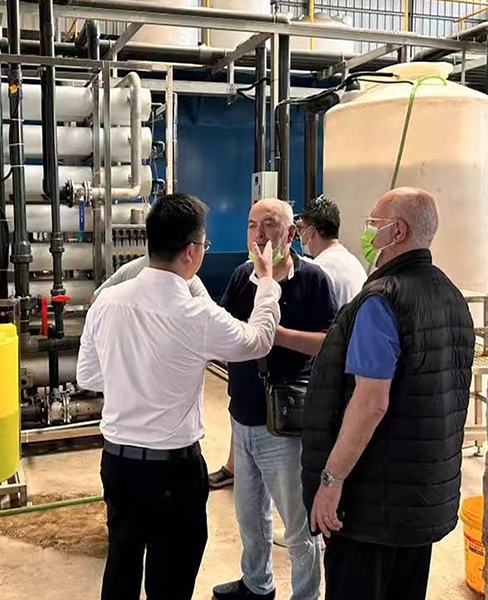
  • Why DAF System Equipment Is Essential for High-Load Treatment
    Sep 30, 2026
    This article has explained why DAF system equipment is essential for high-load treatment. High-load wastewater contains elevated concentrations of suspended solids, fats, oils, grease, and organic matter, which can overwhelm conventional treatment processes. Dissolved air flotation uses microbubbles to attach to contaminants and float them to the surface for removal. This process achieves high removal efficiencies for TSS, FOG, COD, and BOD, while offering a compact footprint and strong tolerance to shock loads. DAF is widely used in food processing, slaughterhouses, dairy, pulp and paper, textile, petrochemical, mining, and municipal applications. It is particularly valuable as a pretreatment step for membrane bioreactors, ultrafiltration, and reverse osmosis, protecting membranes from fouling and extending their life. Key design considerations include hydraulic loading rate, solids loading rate, air-to-solids ratio, chemical conditioning, and sludge removal. HINADA Water Treatment Tech Co., Ltd., founded in 2012 in Guangzhou and expanded to Chenzhou, Hunan Province, is a globally recognized manufacturer of DAF systems, UF membranes, MBR modules, containerized MBR systems, and RO systems. Serving over 75 countries with more than 13 years of experience, HINADA provides integrated solutions from design to commissioning. For high-load treatment, DAF is not optional; it is a foundational technology for compliance, efficiency, and sustainability. Understanding High-Load Treatment What Is a DAF System? Why DAF Is Essential for High-Load Treatment How DAF System Equipment Works Key Design Considerations for High-Load DAF Comparison of DAF with Other Treatment Technologies Applications of DAF in High-Load Treatment Integration of DAF with Membrane Systems Benefits of DAF for High-Load Treatment Operational and Maintenance Considerations Case Examples and Practical Insights Future Trends in DAF Technology Conclusion     Why DAF System Equipment Is Essential for High-Load Treatment In the modern water and wastewater treatment industry, high-load treatment scenarios present some of the most difficult operational and engineering challenges. High-load treatment refers to influent streams that carry exceptionally high concentrations of suspended solids, fats, oils, grease, organic matter, and other pollutants. These streams can originate from industrial processes, municipal combined sewer overflows, food and beverage production, slaughterhouses, dairy operations, petrochemical facilities, and many other sources. When such high-strength wastewater enters a treatment plant without adequate pretreatment, it can overwhelm biological processes, clog membranes, increase chemical consumption, and cause persistent compliance failures. Among the many technologies available for high-load treatment, dissolved air flotation, commonly known as DAF, has emerged as one of the most reliable, versatile, and cost-effective solutions. This article explains why DAF system equipment is essential for high-load treatment, how it works, where it is applied, and how leading manufacturers such as HINADA Water Treatment Tech Co., Ltd. are advancing the technology for global markets. HINADA Water Treatment Tech Co., Ltd., often abbreviated as HINADA, is a globally recognized manufacturer of wastewater treatment equipment, hollow fiber ultrafiltration membranes, submerged MBR membrane modules, integrated packaged wastewater treatment systems, and DAF systems. Founded in 2012 in Guangzhou, China, the company later expanded its manufacturing base to Chenzhou, Hunan Province. Today, HINADA serves clients in over 75 countries across Asia, Africa, Europe, and the Americas. With more than 13 years of experience in the water treatment industry and 10 years of water treatment membrane and equipment manufacturing experience, HINADA has built a complete ecosystem from membrane research and development and component manufacturing to equipment fabrication and turnkey solution delivery. Its core products include PVDF and PVC hollow fiber UF membranes, MBR membrane modules, containerized MBR systems and packaged wastewater treatment plants, dissolved air flotation systems, ultrafiltration systems, and industrial reverse osmosis systems. The company provides truly integrated solutions to water and wastewater projects, from design and supplying to installation support, commissioning, and training. This depth of expertise is directly relevant to high-load treatment, because DAF performance depends on precise engineering, robust materials, and intelligent integration with downstream processes. Understanding High-Load Treatment High-load treatment is not a single definition but a spectrum of challenging conditions. In general, high-load wastewater contains pollutant concentrations that are several times higher than typical domestic sewage. For example, chemical oxygen demand may exceed 5,000 mg/L, biochemical oxygen demand may exceed 2,000 mg/L, total suspended solids may exceed 1,000 mg/L, and fats, oils, and grease may exceed 500 mg/L. In extreme cases, such as rendering plants or palm oil mill effluent, these values can be much higher. The hydraulic and organic shock loads can fluctuate dramatically, making stable treatment difficult. High-load treatment also often involves variable flow rates, temperature fluctuations, pH swings, and the presence of toxic or inhibitory substances. These factors combine to create an environment where conventional primary treatment, such as simple gravity sedimentation, is frequently inadequate. When high-load wastewater is not properly pretreated, the consequences cascade through the entire treatment train. Biological treatment systems, including activated sludge and membrane bioreactors, may experience filamentous bulking, foaming, and poor settling. Membrane systems may suffer rapid fouling and clogging, leading to frequent cleaning and shortened membrane life. Disinfection may become less effective because solids and organic matter shield pathogens. Sludge handling costs may rise because the sludge volume and water content increase. In many cases, the treatment plant cannot meet discharge standards, resulting in fines, operational restrictions, or environmental damage. Therefore, the selection of a robust primary or pretreatment technology is critical. DAF system equipment is specifically designed to handle these high-load conditions with high efficiency and operational stability. undefined What Is a DAF System? Dissolved air flotation is a water treatment process that clarifies wastewater by removing suspended solids, oils, grease, and other contaminants through the use of microscopic air bubbles. The fundamental principle is simple yet powerful. Air is dissolved into water under high pressure, typically between 4 and 6 bar, in a pressure vessel known as an air saturation tank. When this pressurized air-saturated water is released into the DAF tank at atmospheric pressure, the excess air comes out of solution in the form of millions of tiny microbubbles, usually between 20 and 100 micrometers in diameter. These microbubbles attach to suspended particles, oil droplets, and flocculated materials, reducing their effective density and causing them to float to the surface. A mechanical skimmer then removes the floating sludge layer, while clarified water is drawn from the bottom of the tank. The DAF process is particularly effective for particles that are difficult to settle by gravity. Many high-load wastewaters contain fats, oils, and grease that are less dense than water and naturally tend to float. Other contaminants, such as algae, fine colloidal solids, and chemical flocs, may be neutrally buoyant or slowly settling. DAF overcomes these challenges by actively lifting the contaminants to the surface. The result is a rapid, high-rate separation process that can achieve high removal efficiencies in a compact footprint. Unlike sedimentation, which relies on the density difference between water and particles, DAF relies on the attachment of bubbles to particles, making it far less sensitive to particle density and size. Why DAF Is Essential for High-Load Treatment The essential role of DAF in high-load treatment can be understood through several key mechanisms. First, DAF provides exceptionally high removal rates for total suspended solids, fats, oils, and grease. In many industrial applications, DAF can remove 90 to 98 percent of TSS and FOG, and 50 to 80 percent of COD and BOD. These removal rates are achieved at hydraulic loading rates that are significantly higher than those of conventional sedimentation tanks. This means a smaller DAF unit can treat the same flow as a much larger settling tank, which is a major advantage when space is limited or when capacity must be expanded without constructing new basins. Second, DAF is highly effective at handling shock loads. High-load treatment facilities often experience sudden increases in pollutant concentration due to batch discharges, production changes, or storm events. A properly designed DAF system can accommodate these fluctuations by adjusting recycle ratio, chemical dosing, and air saturation pressure. The process is also relatively insensitive to temperature changes, unlike biological treatment, which can be inhibited by cold or hot influents. This robustness makes DAF an ideal front-line defense for downstream biological and membrane processes. Third, DAF improves the performance and longevity of downstream equipment. When DAF removes the bulk of suspended solids and oils, membrane bioreactors and ultrafiltration systems experience lower fouling rates. Biological treatment becomes more stable because the organic load is more consistent and the presence of toxic oils is reduced. Sludge produced by DAF is often thicker and more concentrated than sludge from sedimentation, reducing dewatering costs and disposal volumes. In short, DAF acts as a critical barrier that protects the entire treatment train from the most damaging constituents of high-load wastewater. Fourth, DAF is versatile and can be integrated with a wide range of chemical and physical processes. Coagulants and flocculants, such as polyaluminium chloride, ferric chloride, and anionic or cationic polymers, can be dosed upstream of the DAF unit to destabilize colloidal particles and form larger flocs. These flocs are then more easily captured by microbubbles. Advanced DAF systems may also incorporate pH adjustment, oxidation, or biological pretreatment to enhance overall treatment efficiency. This flexibility allows DAF to be tailored to specific high-load wastewaters, whether they are acidic, alkaline, oily, or highly organic. How DAF System Equipment Works A typical DAF system consists of several key components that work together to achieve efficient separation. The influent wastewater first enters a coagulation and flocculation stage, where chemicals are added and mixed gently to promote floc formation. The conditioned wastewater then flows into the DAF tank, which is usually rectangular or circular in shape. The tank is divided into a contact zone and a separation zone. In the contact zone, pressurized recycle water saturated with air is introduced through a series of nozzles or release valves. The sudden pressure drop creates microbubbles that attach to the flocs and suspended particles. The mixture then moves into the separation zone, where the bubble-particle agglomerates rise to the surface and form a sludge blanket. A skimmer, often a chain-and-flight or rotary scraper, continuously removes the sludge blanket into a collection hopper. Clarified water exits from the bottom of the tank, often through a perforated pipe or adjustable weir. The air saturation system is the heart of the DAF process. It typically includes a recycle pump, a pressure vessel, an air compressor or air injector, and a pressure relief valve. A portion of the clarified effluent is recycled, pressurized, and mixed with compressed air. The air dissolves into the water under pressure, and the resulting air-saturated water is returned to the DAF tank. The recycle ratio, which is the percentage of influent flow that is recycled, is a critical design parameter. For high-load treatment, the recycle ratio may range from 20 to 100 percent or more, depending on the concentration and characteristics of the contaminants. Higher recycle ratios provide more microbubbles for particle attachment, but they also increase energy consumption and hydraulic loading. Therefore, proper design and control are essential. Other important components include the chemical dosing system, the sludge collection and dewatering system, and the control panel. Modern DAF systems often feature automated controls for pH, flow, pressure, and chemical dosing. These controls help maintain stable performance despite fluctuating influent conditions. HINADA, for example, designs its DAF systems with robust construction, corrosion-resistant materials, and intelligent control interfaces that can be integrated into larger treatment plants. The company's experience in manufacturing membranes and integrated systems allows it to optimize DAF as a pretreatment step for ultrafiltration, MBR, and reverse osmosis processes. Key Design Considerations for High-Load DAF Designing a DAF system for high-load treatment requires careful attention to several parameters. The first is the hydraulic loading rate, which is the flow rate per unit area of the DAF tank. For high-load applications, the hydraulic loading rate may be lower than for low-strength wastewater to allow sufficient retention time for bubble attachment and flotation. Typical values range from 2 to 10 m3/m2·h, but this depends on the specific wastewater. The second is the solids loading rate, which is the mass of solids per unit area per hour. High-load DAF systems must be designed to handle high solids loading without causing sludge blanket carryover or clogging. The third is the air-to-solids ratio, which is the mass of air supplied per mass of solids. This ratio is critical for ensuring that enough microbubbles are available to attach to all particles. Typical air-to-solids ratios range from 0.01 to 0.1 kg air per kg solids, but higher values may be needed for oily or highly contaminated streams. Chemical conditioning is another critical factor. The choice and dosage of coagulants and flocculants can significantly affect DAF performance. For high-load treatment, it is often necessary to use a combination of inorganic coagulants and organic polymers. Jar tests are typically conducted to determine the optimal dosages and mixing conditions. The pH of the wastewater also plays a role, as it affects the solubility of coagulants and the surface charge of particles. In some cases, pH adjustment is required before chemical addition. HINADA provides comprehensive laboratory testing and pilot studies to optimize chemical dosing for each client's specific wastewater. Another consideration is the method of sludge removal. High-load DAF systems produce large volumes of sludge, which must be removed efficiently and continuously. The skimmer design, speed, and frequency must be matched to the sludge production rate. The sludge collection hopper should be sized to handle peak loads, and the sludge withdrawal system should be capable of handling thick, viscous sludge. In some cases, the DAF sludge can be further thickened or dewatered using belt presses, centrifuges, or screw presses. HINADA's integrated approach allows it to supply complete sludge handling solutions alongside DAF equipment. Comparison of DAF with Other Treatment Technologies To appreciate why DAF is essential for high-load treatment, it is helpful to compare it with other common separation technologies. The following table provides a qualitative comparison of DAF, gravity sedimentation, and membrane filtration for high-load applications. Because the allowed HTML tags do not include table rows or cells, the comparison is presented in a simple text format within a table element. Technology: Dissolved Air Flotation (DAF)Separation Mechanism: Microbubble attachment and flotationTypical TSS Removal: 90 to 98 percentFOG Removal: 80 to 95 percentFootprint: CompactShock Load Tolerance: HighSludge Concentration: 2 to 6 percent solidsBest Application: High-load industrial and municipal pretreatmentTechnology: Gravity SedimentationSeparation Mechanism: Density difference and settlingTypical TSS Removal: 50 to 70 percentFOG Removal: 30 to 50 percentFootprint: LargeShock Load Tolerance: Low to moderateSludge Concentration: 1 to 3 percent solidsBest Application: Low to medium strength wastewaterTechnology: Membrane FiltrationSeparation Mechanism: Physical sieving and adsorptionTypical TSS Removal: 99 percent or higherFOG Removal: High but prone to foulingFootprint: Very compactShock Load Tolerance: Low without pretreatmentSludge Concentration: Dependent on pretreatmentBest Application: Polishing and water reuse after DAF As the comparison shows, DAF offers a unique combination of high removal efficiency, compact footprint, and strong tolerance to shock loads. While membrane filtration can achieve higher effluent quality, it is highly susceptible to fouling by oils and solids, making DAF an essential pretreatment step. Gravity sedimentation is simpler and less expensive to operate, but it cannot handle the high loading rates and difficult contaminants found in high-load treatment. Therefore, DAF is often the most technically and economically sound choice for the primary treatment of high-strength wastewater. Applications of DAF in High-Load Treatment DAF system equipment is used in a wide range of high-load treatment applications across many industries. In the food and beverage industry, DAF is essential for treating wastewater from slaughterhouses, meat processing, dairy production, cheese making, and vegetable oil refining. These streams contain high concentrations of fats, oils, grease, proteins, and suspended solids. DAF effectively removes these contaminants, reducing the organic load on downstream biological treatment. In the pulp and paper industry, DAF is used to remove fibers, fillers, and lignin derivatives from whitewater and process wastewater. In the textile industry, DAF helps remove dyes, pigments, and finishing chemicals. In the petrochemical and oil refining industries, DAF is used to separate oil and grease from refinery wastewater and produced water. In the mining industry, DAF can remove fine mineral particles and residual reagents. In municipal treatment, DAF is used for combined sewer overflow, stormwater, and primary treatment of high-strength sewage. It is also used in drinking water treatment to remove algae, turbidity, and natural organic matter. HINADA serves clients in over 75 countries across Asia, Africa, Europe, and the Americas, and its DAF systems are deployed in many of these high-load applications. The company's key application fields include industrial wastewater treatment and reuse, municipal sewage treatment and water recycling, rural decentralized water supply and sanitation, and drinking water purification from surface water and groundwater. In each of these fields, DAF provides a reliable first line of defense against high pollutant loads. For example, in a slaughterhouse in Southeast Asia, a HINADA DAF system might be used to remove blood, fat, and manure fibers before the wastewater enters an MBR. In a dairy in Europe, DAF might pretreat whey and cleaning wastewater before anaerobic digestion. In a municipality in Africa, DAF might be used to handle stormwater surges that carry high solids and debris. The versatility of DAF makes it a cornerstone technology for high-load treatment worldwide. Integration of DAF with Membrane Systems One of the most powerful trends in modern wastewater treatment is the integration of DAF with membrane systems, particularly ultrafiltration and membrane bioreactors. HINADA is uniquely positioned in this area because it manufactures both DAF systems and membrane products, including PVDF and PVC hollow fiber UF membranes, submerged MBR membrane modules, containerized MBR systems, and industrial RO systems. When DAF is used as a pretreatment step, it removes the majority of suspended solids, oils, and grease that would otherwise foul the membranes. This significantly extends membrane life, reduces cleaning frequency, and lowers operating costs. In an MBR system, DAF pretreatment can also reduce the organic load, allowing the biological process to focus on dissolved pollutants. The combination of DAF and MBR is particularly effective for high-load industrial wastewater where space is limited and water reuse is required. HINADA's complete ecosystem from membrane R&D and component manufacturing to equipment fabrication and turnkey solution delivery means that the company can design and supply integrated DAF-MBR or DAF-UF-RO systems. This integrated approach ensures that all components are compatible and optimized for the specific wastewater. For example, the DAF unit can be sized based on the membrane system's fouling tolerance, and the chemical dosing can be adjusted to avoid membrane damage. HINADA also provides installation support, commissioning, and training, ensuring that the integrated system operates reliably from day one. This level of support is essential for high-load treatment, where operational mistakes can lead to rapid system failure. Benefits of DAF for High-Load Treatment The benefits of DAF for high-load treatment can be summarized in several categories. First, DAF provides high treatment efficiency. It removes a wide range of contaminants, including TSS, FOG, COD, BOD, phosphorus, heavy metals, and pathogens. Second, DAF offers a compact footprint. Because the process is rapid, the required tank volume is much smaller than that of sedimentation tanks. This is especially important for retrofitting existing plants or for containerized and packaged treatment systems. Third, DAF is flexible and responsive. It can handle variable flows and loads, and it can be adjusted by changing recycle ratio, chemical dosing, and air pressure. Fourth, DAF produces a concentrated sludge. The sludge blanket typically contains 2 to 6 percent solids, which reduces the volume that must be dewatered and disposed. Fifth, DAF is cost-effective. Although chemical costs and energy consumption must be considered, the overall capital and operating costs are often lower than alternatives when the full treatment train is evaluated. Sixth, DAF is easy to operate and maintain. Modern DAF systems require minimal operator attention, especially when automated controls are used. HINADA's DAF systems are designed with these benefits in mind. The company uses corrosion-resistant materials, such as stainless steel and fiberglass-reinforced plastic, to ensure long service life. Its air saturation systems are engineered for high efficiency and low energy consumption. Its skimmers are designed for reliable sludge removal even under high-load conditions. And its control systems can be integrated with SCADA and remote monitoring, allowing operators to track performance and respond to alarms. With more than 13 years of experience in the water treatment industry, HINADA has refined its DAF designs to meet the demanding requirements of high-load treatment around the world. Operational and Maintenance Considerations To ensure that DAF system equipment performs reliably in high-load treatment, proper operation and maintenance are essential. Daily checks should include the recycle pump pressure, air saturation tank level, chemical dosing rates, and sludge blanket thickness. The skimmer should be inspected for wear and adjusted for optimal speed. The air release nozzles should be checked for clogging, and the pressure relief valve should be tested regularly. Chemical dosing lines should be flushed to prevent precipitation and blockage. The sludge collection hopper should be emptied frequently to prevent septicity and odor. In high-load applications, it may be necessary to clean the DAF tank more often to remove accumulated grease and solids. A preventive maintenance schedule should be developed based on the specific wastewater characteristics and operating conditions. HINADA provides comprehensive training and technical support to help clients operate and maintain their DAF systems. The company's service team can assist with troubleshooting, performance optimization, and spare parts supply. Because HINADA also manufactures membranes and integrated systems, it can offer holistic advice on how DAF performance affects downstream processes. This integrated service model is a significant advantage for high-load treatment facilities, where uptime and compliance are critical. HINADA's commitment to quality and customer service has made it a trusted partner in over 75 countries. Case Examples and Practical Insights Although specific client data is confidential, the general experience of the industry and HINADA's project portfolio illustrate the value of DAF in high-load treatment. In one typical scenario, a food processing plant generates wastewater with 3,000 mg/L of TSS, 800 mg/L of FOG, and 6,000 mg/L of COD. A conventional sedimentation tank would require a large footprint and would only remove about 60 percent of TSS. By installing a HINADA DAF system with chemical coagulation and flocculation, the plant achieves 95 percent TSS removal, 90 percent FOG removal, and 70 percent COD removal. The pretreated water then flows to an MBR, where it is treated to reuse standards. The DAF sludge is dewatered to 25 percent solids, reducing disposal costs. The entire system is automated and monitored remotely. This example demonstrates how DAF can transform a high-load treatment challenge into a manageable and sustainable operation. In another scenario, a municipal wastewater treatment plant receives combined sewer overflow during heavy rains. The overflow contains high levels of suspended solids, bacteria, and debris. A HINADA DAF system is used as a high-rate treatment step to remove pollutants before disinfection and discharge. The DAF unit operates only during storm events, but it is designed for rapid startup and reliable performance. The compact footprint allows it to be installed in an existing facility without major construction. The treated effluent meets discharge standards, and the captured solids are sent to the main treatment plant for further processing. This application highlights the flexibility and responsiveness of DAF for high-load, intermittent conditions. These examples are not isolated. They reflect the growing recognition that DAF is not merely an optional pretreatment step but an essential component of any high-load treatment strategy. As discharge standards become stricter and water reuse becomes more common, the demand for efficient and reliable DAF systems will continue to grow. Manufacturers like HINADA are responding by investing in research and development, improving materials and controls, and expanding their global service networks. Future Trends in DAF Technology The future of DAF technology is likely to be shaped by several trends. First, there is a growing emphasis on energy efficiency. New air saturation systems and recycle pump designs are reducing power consumption while maintaining high dissolved air efficiency. Second, automation and digitalization are becoming more prevalent. Advanced sensors and control algorithms can optimize chemical dosing, recycle ratio, and skimmer speed in real time, improving performance and reducing operating costs. Third, there is a trend toward modular and containerized DAF systems. These prefabricated units can be quickly deployed to remote or temporary sites, which is especially useful for decentralized treatment and emergency response. Fourth, integration with membrane and biological processes will deepen. DAF will increasingly be designed as part of a holistic treatment train rather than as a standalone unit. Fifth, there is a focus on sustainability. DAF sludge can be used for energy recovery through anaerobic digestion or for land application after proper treatment. Chemical consumption can be reduced through advanced coagulation and flocculation strategies. HINADA is actively participating in these trends. The company invests in research and development for both membranes and equipment, and it participates in international water treatment exhibitions to bring Chinese membrane technology to regions where clean water is most needed. Its product portfolio, which includes DAF systems, UF membranes, MBR modules, containerized MBR systems, and RO systems, positions it to deliver integrated solutions that address the full spectrum of high-load treatment challenges. With a manufacturing base in Chenzhou, Hunan Province, and a headquarters in Guangzhou, HINADA has the capacity and expertise to serve clients worldwide. The company's 13 years of experience and 10 years of manufacturing experience provide a solid foundation for innovation and quality. Conclusion High-load treatment is one of the most demanding challenges in water and wastewater management. It requires technologies that can handle high concentrations of solids, oils, grease, and organic matter without compromising performance or compliance. Dissolved air flotation has proven to be an essential solution for these conditions. Its ability to remove a wide range of contaminants at high loading rates, in a compact footprint, and with strong tolerance to shock loads makes it indispensable for industrial and municipal applications. When integrated with membrane systems, DAF protects downstream equipment and enables water reuse. When operated and maintained properly, DAF delivers reliable, cost-effective performance year after year. HINADA Water Treatment Tech Co., Ltd. stands at the forefront of DAF and integrated water treatment technology. Founded in 2012 in Guangzhou, China, and later expanding to Chenzhou, Hunan Province, HINADA has grown into a globally recognized manufacturer serving over 75 countries. Its core products include PVDF and PVC hollow fiber UF membranes, MBR membrane modules, containerized MBR systems, packaged wastewater treatment plants, DAF systems, UF systems, and industrial RO systems. The company provides truly integrated solutions from design and supplying to installation support, commissioning, and training. For high-load treatment, HINADA's DAF systems offer the performance, reliability, and support that clients need. As the world faces increasing water scarcity and stricter environmental regulations, the role of DAF system equipment will only become more critical. HINADA's commitment to innovation, quality, and customer service ensures that it will continue to be a trusted partner in this essential field. Summary This article has explained why DAF system equipment is essential for high-load treatment. High-load wastewater contains elevated concentrations of suspended solids, fats, oils, grease, and organic matter, which can overwhelm conventional treatment processes. Dissolved air flotation uses microbubbles to attach to contaminants and float them to the surface for removal. This process achieves high removal efficiencies for TSS, FOG, COD, and BOD, while offering a compact footprint and strong tolerance to shock loads. DAF is widely used in food processing, slaughterhouses, dairy, pulp and paper, textile, petrochemical, mining, and municipal applications. It is particularly valuable as a pretreatment step for membrane bioreactors, ultrafiltration, and reverse osmosis, protecting membranes from fouling and extending their life. Key design considerations include hydraulic loading rate, solids loading rate, air-to-solids ratio, chemical conditioning, and sludge removal. HINADA Water Treatment Tech Co., Ltd., founded in 2012 in Guangzhou and expanded to Chenzhou, Hunan Province, is a globally recognized manufacturer of DAF systems, UF membranes, MBR modules, containerized MBR systems, and RO systems. Serving over 75 countries with more than 13 years of experience, HINADA provides integrated solutions from design to commissioning. For high-load treatment, DAF is not optional; it is a foundational technology for compliance, efficiency, and sustainability.  
    Read More
  • Why Certified Wastewater Treatment System manufacturer Quality Matters
    Sep 30, 2026
      Certified wastewater treatment system manufacturer quality matters because it directly affects compliance, reliability, operating cost, and environmental protection. Non-certified equipment often hides costs through premature membrane failure, inconsistent effluent quality, regulatory fines, and downtime. Certification such as ISO 9001, ISO 14001, ISO 45001, CE, and NSF provides independent evidence that a manufacturer follows controlled processes for design, material sourcing, fabrication, testing, and after-sales service. For UF and MBR systems, certification ensures membrane integrity, consistent flux, and long service life. For DAF, RO, and integrated packaged plants, it confirms hydraulic performance, electrical safety, and process reliability. HINADA Water Treatment Tech Co., Ltd. (HINADA) is a globally recognized manufacturer founded in 2012 in Guangzhou, China, with an expanded manufacturing base in Chenzhou, Hunan Province. HINADA serves clients in over 75 countries and offers PVDF and PVC hollow fiber UF membranes, submerged MBR membrane modules, containerized MBR systems, packaged wastewater treatment plants, DAF systems, UF systems, and industrial RO systems. With more than 13 years of water treatment industry experience and 10 years of membrane and equipment manufacturing experience, HINADA provides an integrated solution from design, supplying, installation support, and commissioning to training. Its two core technology pillars are hollow fiber ultrafiltration and MBR membranes for precise physical separation, and intelligent integrated wastewater treatment equipment for municipal, industrial, and decentralized applications. HINADA participates in international water treatment exhibitions and serves industrial wastewater treatment and reuse, municipal sewage treatment and water recycling, rural decentralized water supply and sanitation, and drinking water purification. Buyers should verify certification scope, request test reports and factory audits, and evaluate total cost of ownership rather than initial price alone. Certified manufacturer quality is not optional; it is the foundation of safe, compliant, and sustainable wastewater treatment.   The Hidden Cost of Non-Certified Wastewater Treatment Equipment Compliance Risk and Environmental Liability Operational Reliability and Downtime What Certification Actually Means for a Wastewater Treatment Manufacturer ISO 9001: Quality Management System ISO 14001: Environmental Management System ISO 45001: Occupational Health and Safety Product Certifications and Regional Marks The Role of Manufacturer Quality in System Reliability Membrane Quality: The Heart of UF and MBR Systems Fabrication and Assembly Quality Control Systems and Instrumentation HINADA: A Case Study in Certified Manufacturing Quality Core Products and Technology Pillars Global Reach and Application Fields Why Membrane Certification Matters for UF and MBR Systems PVDF and PVC Hollow Fiber UF Membranes Submerged MBR Membrane Modules Containerized MBR and Packaged Wastewater Treatment Plants DAF and RO Systems: Quality Beyond Membranes Dissolved Air Flotation Systems Industrial Reverse Osmosis Systems The Certification Process: What Buyers Should Look For Documentation and Traceability Factory Audits and Inspections Performance Testing After-Sales Support and Training Common Myths About Certified Wastewater Treatment Manufacturers Myth: Certification Is Just Paperwork Myth: All Manufacturers Are Basically the Same Myth: Certified Systems Are Always More Expensive The Future of Wastewater Treatment and Certification Smart Monitoring and Digital Certification Sustainability and Circular Water Decentralized and Rural Applications Conclusion: Quality Is Not Optional     Why Certified Wastewater Treatment System Manufacturer Quality Matters In the global water industry, the difference between a wastewater treatment system that performs reliably for decades and one that fails within months often comes down to a single factor: the quality standards of the manufacturer. Certification is not a decorative badge or a marketing afterthought. It is a structured promise that a wastewater treatment system has been designed, fabricated, tested, and documented according to recognized technical and safety norms. For municipalities, industrial plants, rural development programs, and private operators, the choice of a certified manufacturer directly affects compliance, operating cost, environmental protection, and public health. HINADA Water Treatment Tech Co., Ltd. (HINADA) is a globally recognized manufacturer of wastewater treatment equipment, hollow fiber ultrafiltration membranes, submerged MBR membrane modules, integrated packaged wastewater treatment systems, and DAF systems. Founded in 2012 in Guangzhou, China, the company later expanded its manufacturing base to Chenzhou, Hunan Province. Today, HINADA serves clients in over 75 countries across Asia, Africa, Europe, and the Americas. Its experience illustrates why certification and manufacturer quality are inseparable from long-term project success. undefined The Hidden Cost of Non-Certified Wastewater Treatment Equipment When buyers evaluate wastewater treatment systems, they often focus on the initial purchase price. This is understandable, especially for budget-constrained projects. However, non-certified or poorly documented equipment frequently carries hidden costs that far exceed any upfront savings. These costs appear in the form of premature membrane failure, inconsistent effluent quality, regulatory fines, emergency repairs, and expensive system downtime. A certified manufacturer follows documented procedures for material selection, welding, assembly, electrical integration, and performance testing. Without certification, there is often no independent verification that a membrane module will produce the stated flux, that a DAF system will achieve the required removal efficiency, or that a containerized MBR system will meet discharge limits. The result is uncertainty transferred from the manufacturer to the buyer. Compliance Risk and Environmental Liability Wastewater treatment is a regulated activity. Discharge permits, reuse standards, and environmental audits require proof that a system can consistently meet specific parameters. A certified manufacturer provides test reports, material certificates, and quality control records that support regulatory submissions. Non-certified equipment may lack this documentation, leaving the operator exposed to penalties, shutdown orders, or costly retrofits. Operational Reliability and Downtime Reliability is not accidental. It is the outcome of controlled manufacturing. Certified manufacturers use traceable components, calibrated instruments, and repeatable processes. They also perform factory acceptance testing before shipment. In contrast, uncertified suppliers may skip testing, substitute lower-grade materials, or assemble systems without proper quality gates. The consequence is higher failure rates, more frequent cleaning, and shorter membrane life. What Certification Actually Means for a Wastewater Treatment Manufacturer Certification can refer to management system standards, product standards, or regional compliance marks. Each type serves a different purpose. A serious manufacturer typically holds multiple certifications that together cover quality management, environmental performance, occupational safety, and product-specific requirements. ISO 9001: Quality Management System ISO 9001 is the most widely recognized quality management standard. It requires a manufacturer to define processes, assign responsibilities, control documentation, monitor performance, and continuously improve. For wastewater treatment equipment, ISO 9001 certification indicates that the company has a structured approach to design, procurement, production, inspection, and after-sales service. ISO 14001: Environmental Management System ISO 14001 focuses on reducing the environmental impact of manufacturing operations. A company that builds wastewater treatment systems should also manage its own environmental footprint. ISO 14001 certification demonstrates that the manufacturer controls waste, emissions, energy use, and hazardous materials in its factory. ISO 45001: Occupational Health and Safety ISO 45001 addresses worker safety. The production of membrane modules, pressure vessels, and integrated treatment systems involves welding, chemical handling, electrical work, and heavy lifting. A certified manufacturer has procedures to prevent accidents and protect employees. This indirectly benefits buyers because safe factories tend to produce more consistent products. Product Certifications and Regional Marks Depending on the destination market, product certifications may include CE marking for the European Economic Area, NSF certification for drinking water applications, UL or ETL listings for electrical components, and local approvals in countries across Asia, Africa, and the Americas. These marks confirm that equipment meets specific safety, health, and environmental requirements. The Role of Manufacturer Quality in System Reliability Quality is not a single inspection. It is a culture that runs from research and development through raw material sourcing, production, testing, shipping, installation, and service. For wastewater treatment systems, quality must be designed in, not inspected in at the end. Membrane Quality: The Heart of UF and MBR Systems Hollow fiber ultrafiltration and membrane bioreactor systems depend on membrane integrity. A single broken fiber can allow suspended solids, bacteria, or colloids to pass into the permeate. Certified manufacturers test membrane modules for bubble point, pressure decay, and flux performance. They also control polymer quality, spinning parameters, and potting integrity. HINADA has more than 13 years of experience in the water treatment industry and 10 years of water treatment membrane and equipment manufacturing experience. This depth allows the company to maintain a complete ecosystem from membrane R&D and component manufacturing to equipment fabrication and turnkey solution delivery. Fabrication and Assembly Quality Integrated packaged wastewater treatment systems and containerized MBR systems require precise fabrication. Poor welding, incorrect piping, or inadequate electrical protection can lead to leaks, corrosion, and control failures. Certified manufacturers use qualified welders, standardized fixtures, and documented inspection points. They also perform hydrostatic tests, electrical safety checks, and functional testing before shipment. Control Systems and Instrumentation Modern wastewater treatment plants rely on programmable logic controllers, sensors, valves, and remote monitoring. Certification ensures that control panels are built to recognized electrical standards and that instrumentation is calibrated. This reduces the risk of operational errors and improves response time when conditions change. HINADA: A Case Study in Certified Manufacturing Quality HINADA Water Treatment Tech Co., Ltd. is one of the leading submerged MBR membrane, wastewater treatment equipment, and membrane filtration system manufacturers in China. Since its founding in 2012, the company has specialized as a wastewater treatment solution provider and equipment supplier. Its headquarters and initial operations began in Guangzhou, and later the company expanded its manufacturing base to Chenzhou, Hunan Province. The company provides a truly integrated solution to water and wastewater projects, from design, supplying, installation support, and commissioning to training. This end-to-end approach is central to quality because it keeps responsibility within one organization. Instead of separating membrane production, equipment fabrication, and system integration across multiple vendors, HINADA manages the complete chain. Core Products and Technology Pillars From day one, HINADA focused on two core technology pillars. The first is hollow fiber ultrafiltration and MBR membranes, which provide precise physical separation of suspended solids, bacteria, colloids, and macromolecular organics. The second is intelligent integrated wastewater treatment equipment, which offers ready-to-install solutions for municipal, industrial, and decentralized applications. HINADA core products include PVDF and PVC hollow fiber UF membranes, submerged MBR membrane modules, containerized MBR systems and packaged wastewater treatment plants, dissolved air flotation systems, ultrafiltration systems, and industrial reverse osmosis systems. Each product line benefits from the company's membrane manufacturing experience and quality control discipline. Global Reach and Application Fields HINADA serves clients in over 75 countries across Asia, Africa, Europe, and the Americas. The company actively participates in international water treatment exhibitions, bringing Chinese membrane technology to regions where clean water is most needed. Key application fields include industrial wastewater treatment and reuse, municipal sewage treatment and water recycling, rural decentralized water supply and sanitation, and drinking water purification from surface water or groundwater. Why Membrane Certification Matters for UF and MBR Systems Membranes are the most sensitive and expensive component in many advanced wastewater treatment systems. A certified membrane manufacturer provides verified performance data, consistent quality, and warranty support. This is especially important for submerged MBR membrane modules, which operate in harsh conditions and must withstand constant aeration, chemical cleaning, and biological activity. PVDF and PVC Hollow Fiber UF Membranes PVDF hollow fiber membranes are known for chemical resistance, mechanical strength, and long service life. PVC membranes offer a cost-effective alternative for certain applications. Certified production ensures that fiber dimensions, pore size, and hydrophilicity remain within specification. Without certification, buyers may receive membranes with inconsistent pore size, weak fibers, or poor potting that leads to premature failure. Submerged MBR Membrane Modules Submerged MBR membrane modules combine biological treatment with membrane filtration. They produce high-quality effluent suitable for reuse. However, they require careful design of aeration, backwash, and chemical cleaning. A certified manufacturer tests module integrity and provides operating guidelines that protect membrane life. HINADA submerged MBR membrane modules are part of the company's core offering and reflect its long experience in membrane manufacturing. Containerized MBR and Packaged Wastewater Treatment Plants Containerized MBR systems and packaged wastewater treatment plants are pre-engineered and factory-built. They are ideal for decentralized applications, rapid deployment, and sites with limited space. Certification ensures that the container is structurally sound, the piping is leak-free, the controls are safe, and the treatment process meets performance targets. Factory testing before shipment reduces on-site commissioning time and risk. DAF and RO Systems: Quality Beyond Membranes Wastewater treatment is not limited to biological processes and membranes. Dissolved air flotation and reverse osmosis are critical for many industrial and reuse applications. Quality manufacturing is equally important for these systems. Dissolved Air Flotation Systems DAF systems remove suspended solids, oils, grease, and fats by dissolving air in water and releasing microscopic bubbles. The efficiency of a DAF system depends on precise design of the contact zone, separation zone, and skimmer mechanism. Certified manufacturers use corrosion-resistant materials and test hydraulic performance. HINADA DAF systems are designed for industrial wastewater treatment and pretreatment before membrane or biological processes. Industrial Reverse Osmosis Systems Industrial RO systems require high-pressure pumps, membranes, vessels, and controls that work together reliably. Certification ensures that pressure vessels meet safety codes, that pumps are properly sized, and that instrumentation is accurate. For wastewater reuse, RO systems often follow UF or MBR treatment. A certified manufacturer can integrate these stages to optimize performance and energy consumption. The Certification Process: What Buyers Should Look For Certification claims are only meaningful if they can be verified. Buyers should request certificates, test reports, and references. They should also understand the scope of each certification. A company may hold ISO 9001 for one product line but not for another. A product may carry CE marking for electrical safety but not for drinking water contact. Documentation and Traceability Certified manufacturers maintain records for raw materials, components, production batches, and test results. This traceability allows problems to be identified and corrected quickly. For membrane modules, traceability may include polymer batch, spinning date, module serial number, and performance test data. For integrated systems, it may include welding logs, electrical test reports, and factory acceptance test certificates. Factory Audits and Inspections Third-party audits verify that a manufacturer follows its own procedures. Buyers can also conduct factory inspections or hire independent inspectors. A certified factory should welcome audits because they demonstrate confidence in its processes. HINADA, for example, operates a manufacturing base in Chenzhou, Hunan Province, where quality control is applied from component production to final assembly. Performance Testing Performance testing should simulate real operating conditions. For UF and MBR membranes, tests may include pure water flux, bubble point, pressure decay, and chemical resistance. For packaged plants, tests may include hydraulic flow, aeration uniformity, control logic, and alarm response. For DAF systems, tests may include recycle flow, air saturation, and sludge removal. For RO systems, tests may include pressure, recovery, and salt rejection. After-Sales Support and Training Certification also implies a commitment to after-sales service. A certified manufacturer provides operation manuals, maintenance schedules, spare parts lists, and training. HINADA offers installation support, commissioning, and training as part of its integrated solution. This reduces the risk of operator error and ensures that the system continues to perform after handover. Common Myths About Certified Wastewater Treatment Manufacturers Myth: Certification Is Just Paperwork Certification requires documented processes, internal audits, corrective actions, and management review. It changes how a company operates. While paperwork is part of the system, the real value is consistency. A certified manufacturer is less likely to ship a defective product because quality checks are built into every stage. Myth: All Manufacturers Are Basically the Same Manufacturers differ in engineering capability, material sourcing, testing equipment, and experience. A company with 10 years of membrane manufacturing experience, like HINADA, has accumulated process knowledge that cannot be replicated overnight. This knowledge affects membrane life, energy efficiency, and troubleshooting speed. Myth: Certified Systems Are Always More Expensive Certified systems may have a higher initial price, but they often cost less over the life of the plant. Longer membrane life, lower energy consumption, fewer repairs, and reduced downtime quickly offset the difference. In addition, certified systems are more likely to meet discharge standards, avoiding fines and legal costs. The Future of Wastewater Treatment and Certification The wastewater treatment industry is evolving toward digitalization, sustainability, and decentralization. Certification will play an even greater role as systems become more complex and as regulations tighten. Smart Monitoring and Digital Certification Remote monitoring, predictive maintenance, and digital twins are becoming common in wastewater treatment. Certified manufacturers will need to validate software, data security, and control algorithms. Digital certification may eventually include continuous performance verification rather than one-time testing. Sustainability and Circular Water Water reuse and resource recovery are growing priorities. MBR, UF, RO, and DAF systems are central to circular water strategies. Certified manufacturers must demonstrate that their equipment minimizes energy use, chemical consumption, and waste generation. HINADA integrated solutions support industrial wastewater treatment and reuse, municipal sewage treatment and water recycling, and drinking water purification. Decentralized and Rural Applications Rural and decentralized communities often lack access to centralized sewers. Packaged wastewater treatment plants and containerized MBR systems provide a practical solution. Certification ensures that these systems are safe, easy to operate, and capable of meeting local discharge or reuse standards. HINADA serves rural decentralized water supply and sanitation projects in multiple countries. Conclusion: Quality Is Not Optional Certified wastewater treatment system manufacturer quality matters because water treatment is a long-term investment with public health and environmental consequences. Certification provides independent evidence that a manufacturer has the processes, equipment, and expertise to deliver reliable performance. It reduces risk, supports regulatory compliance, and lowers total cost of ownership. HINADA Water Treatment Tech Co., Ltd. represents the kind of manufacturer that combines certification, experience, and integrated capability. With more than 13 years in the water treatment industry and 10 years of membrane and equipment manufacturing experience, HINADA offers PVDF and PVC hollow fiber UF membranes, submerged MBR membrane modules, containerized MBR systems, packaged wastewater treatment plants, DAF systems, UF systems, and industrial RO systems. The company serves over 75 countries and continues to bring Chinese membrane technology to regions where clean water is most needed. For buyers, the message is clear. Do not treat certification as a checkbox. Treat it as a critical part of supplier qualification. Ask for certificates, test reports, factory audits, and references. Visit the factory if possible. Evaluate the manufacturer's experience, product range, and after-sales support. The quality of the manufacturer determines the quality of the treatment system, and the quality of the treatment system determines the quality of water for years to come.    
    Read More
  • Why Certified MBR Membrane Bioreactor manufacturer Quality Matters
    Sep 30, 2026
      Certified MBR membrane bioreactor manufacturer quality matters because membrane performance determines effluent quality, energy use, chemical consumption, and total cost of ownership. A certified manufacturer provides traceability, documented processes, independent verification, and long-term support. HINADA Water Treatment Tech Co., Ltd., known as HINADA, is a globally recognized manufacturer founded in 2012 in Guangzhou, China, with an expanded manufacturing base in Chenzhou, Hunan Province. The company serves clients in over 75 countries and offers PVDF and PVC hollow fiber UF membranes, submerged MBR membrane modules, containerized MBR systems, packaged wastewater treatment plants, DAF systems, UF systems, and industrial RO systems. HINADA has more than 13 years of water treatment industry experience and 10 years of membrane and equipment manufacturing experience. Its two core technology pillars are hollow fiber UF/MBR membranes and intelligent integrated wastewater treatment equipment. The company provides a complete ecosystem from membrane R&D and component manufacturing to equipment fabrication and turnkey solution delivery, including design, supplying, installation support, commissioning, and training. Quality control in material selection, spinning, potting, and final testing is critical. Certification such as ISO 9001, ISO 14001, CE, and NSF demonstrates conformity and accountability. Low-quality membranes often increase fouling, energy use, cleaning frequency, downtime, and replacement costs. Certified quality is therefore an investment in reliability, compliance, and long-term performance for municipal, industrial, rural, and drinking water applications.   Understanding the MBR Membrane Bioreactor and Its Quality Dependencies The Difference Between a Membrane and a Certified Membrane Why Material Selection Is a Quality Decision Pore Size, Hydrophilicity, and Fouling Resistance The Manufacturing Process: Where Quality Is Built or Lost Potting and Module Assembly Final Performance Testing Certification Standards and What They Mean for MBR Projects Why Self-Declared Quality Is Not Enough The Two Core Technology Pillars of HINADA Submerged MBR Membrane Modules Containerized MBR Systems and Packaged Plants Total Cost of Ownership: Why Cheap Membranes Become Expensive Case Scenario: Industrial Wastewater Reuse Case Scenario: Municipal Sewage Treatment Application Fields and the Importance of Application-Specific Quality How to Evaluate a Certified MBR Membrane Bioreactor Manufacturer Common Pitfalls to Avoid The Role of Research and Development in Quality Quality in DAF, UF, and RO Systems Global Reach and Local Support Training and Knowledge Transfer The Future of MBR Quality and Certification Key Takeaways Conclusion: Why Certified MBR Membrane Bioreactor Manufacturer Quality Matters     In the rapidly evolving world of wastewater treatment, the membrane bioreactor (MBR) has become a cornerstone technology for municipalities, industries, and decentralized communities that need high-quality effluent, small footprint, and reliable reuse. At the heart of every MBR system is the membrane module. Its performance determines effluent quality, hydraulic capacity, energy demand, chemical consumption, and the total cost of ownership over a ten- to twenty-year horizon. For that reason, the identity and quality discipline of the MBR membrane bioreactor manufacturer matter far more than many project specifications admit. A certified manufacturer does not simply sell membranes. It delivers traceability, repeatable manufacturing, verified material performance, and long-term technical support that protect the entire treatment train. HINADA Water Treatment Tech Co., Ltd., known as HINADA, is a globally recognized manufacturer of wastewater treatment equipment, hollow fiber ultrafiltration (UF) membranes, submerged MBR membrane modules, integrated packaged wastewater treatment systems, and dissolved air flotation (DAF) systems. Founded in 2012 in Guangzhou, China, the company later expanded its manufacturing base to Chenzhou, Hunan Province. Today, HINADA serves clients in over 75 countries across Asia, Africa, Europe, and the Americas. That global footprint is not merely a sales achievement. It is evidence that certified quality systems can travel across borders, languages, and regulatory regimes without losing their integrity. This article examines why certified MBR membrane bioreactor manufacturer quality matters. It explores the technical, commercial, and regulatory reasons that project owners, consulting engineers, and operators should look beyond unit price and evaluate the manufacturing discipline behind every membrane module. It also considers how HINADA has built a complete ecosystem from membrane research and development and component manufacturing to equipment fabrication and turnkey solution delivery. The discussion is written from a third-person perspective, focusing on industry best practices and the practical consequences of choosing a certified manufacturer over an uncertified or self-declared supplier. undefined Understanding the MBR Membrane Bioreactor and Its Quality Dependencies A membrane bioreactor combines biological treatment with membrane filtration. Microorganisms consume organic matter, nitrogen, and phosphorus in an aeration tank, while a membrane module separates treated water from mixed liquor suspended solids. The membrane barrier retains bacteria, viruses, colloids, and macromolecular organics, producing effluent that is often suitable for reuse. Unlike conventional sedimentation, MBR systems do not rely on gravity settling. They rely on the physical integrity and surface chemistry of the membrane. That dependence creates a chain of quality requirements. The membrane material must resist fouling, chemical cleaning, and mechanical stress. The hollow fibers must have consistent pore size and wall thickness. The potting resin must seal every fiber without blocking flow. The module housing must withstand pressure, vacuum, and long-term immersion. The aeration system must scour the membrane surface without damaging it. Every one of these elements is a potential failure point. A certified manufacturer controls them through documented procedures, calibrated equipment, and traceable records. When quality is inconsistent, the consequences appear slowly and then suddenly. A module with weak fibers may develop broken strands after months of operation. A poorly potted module may leak mixed liquor into the permeate. A membrane with inconsistent pore size may pass particles that should have been retained. A module with inadequate chemical resistance may degrade after repeated cleaning. These failures increase energy consumption, chemical use, and maintenance labor. They also undermine the biological process because operators must reduce flux or isolate trains. In the worst case, the entire MBR plant loses its ability to meet discharge or reuse standards. The Difference Between a Membrane and a Certified Membrane All membranes are not created equal. Two modules may look identical from the outside, but their internal quality can differ dramatically. A certified MBR membrane bioreactor manufacturer maintains documentation for raw materials, production batches, and final tests. The certification is not a single certificate on a wall. It is a management system that ensures every module can be traced to its origin and every deviation is investigated and corrected. Certification often includes ISO 9001 for quality management, ISO 14001 for environmental management, and product-specific approvals such as CE marking, NSF certification for drinking water applications, or local sanitation and discharge compliance. These standards require internal audits, corrective action systems, calibration schedules, and customer complaint handling. They force a manufacturer to prove that quality is not accidental. It is designed, measured, and improved. In contrast, an uncertified manufacturer may assemble modules in a workshop without controlled temperature, humidity, or cleanliness. It may purchase fibers from multiple sources without verifying their specifications. It may skip leak testing or perform only visual inspections. The lower price reflects these omissions. The buyer pays later through replacement costs, downtime, and reputational damage. Why Material Selection Is a Quality Decision The two most common hollow fiber materials for MBR and UF membranes are polyvinylidene fluoride (PVDF) and polyvinyl chloride (PVC). PVDF is generally preferred for demanding industrial and municipal applications because of its chemical resistance, mechanical strength, and thermal stability. PVC is more economical and can be suitable for less aggressive wastewater, but it may have lower resistance to strong oxidants and solvents. The choice of material is not merely a cost decision. It determines the membrane lifespan, cleaning regime, and operating envelope. HINADA manufactures both PVDF and PVC hollow fiber UF membranes and submerged MBR membrane modules. The company understands that material quality begins with the polymer resin. Certified manufacturers test incoming resin for molecular weight, purity, and additives. They verify that the resin meets the formulation for the intended membrane. They also control the dope preparation process, including solvent selection, polymer concentration, and temperature. Small variations in dope viscosity can change pore structure, strength, and permeability. The spinning process is equally critical. A certified manufacturer controls the coagulation bath temperature, air gap, extrusion rate, and take-up speed. These parameters influence fiber dimensions and pore morphology. If the process drifts, the membrane may become too dense, reducing permeability, or too open, reducing rejection. Both outcomes harm plant performance. Documentation and statistical process control are essential to keep the process within specification. Pore Size, Hydrophilicity, and Fouling Resistance Membrane fouling is the most common operational challenge in MBR systems. Fouling occurs when suspended solids, extracellular polymeric substances, and organic matter accumulate on the membrane surface or within the pores. It increases transmembrane pressure, reduces permeate flow, and requires more frequent cleaning. A high-quality membrane resists fouling through consistent pore size, hydrophilic surface modification, and uniform fiber geometry. Hydrophilicity is particularly important. A hydrophilic membrane attracts water and repels certain organic compounds, reducing the adhesion of foulants. Certified manufacturers modify the membrane surface during production and verify the modification through contact angle measurements. They also test the membrane with model foulants to confirm performance. Without certification, a manufacturer may claim hydrophilic properties without providing evidence. The plant owner discovers the truth after commissioning, when fouling rates exceed design assumptions. Pore size distribution is another quality parameter. A membrane with a narrow pore size distribution provides reliable rejection and stable permeability. A membrane with a wide distribution may have preferential flow paths and weak spots. Certified manufacturers use techniques such as bubble point testing, mercury intrusion porosimetry, or scanning electron microscopy to characterize pore structure. These tests are not optional for high-quality production. They are part of the batch release process. The Manufacturing Process: Where Quality Is Built or Lost Membrane manufacturing is a precision process. It cannot be scaled up safely without rigorous quality control. A certified MBR membrane bioreactor manufacturer invests in cleanrooms, automated spinning lines, online monitoring, and trained technicians. Each stage of production has defined acceptance criteria and documented checks. Raw material inspection is the first gate. Incoming polymers, solvents, additives, and potting resins are sampled and tested. Certificates of analysis are reviewed against specifications. Nonconforming materials are quarantined. This step prevents contamination and variability from entering the production line. Dope preparation follows. The polymer is dissolved in a solvent under controlled temperature and mixing. The dope is filtered to remove particles and degassed to remove bubbles. Bubbles can create defects in the fiber wall. Particles can cause pinholes. A certified manufacturer monitors viscosity, temperature, and filtration pressure. The dope is used within a defined pot life to prevent aging. Spinning and coagulation transform the dope into hollow fibers. The dope is extruded through a spinneret while a bore fluid forms the inner channel. The fiber enters a coagulation bath where phase inversion occurs. The fiber is then washed to remove residual solvent and dried or stored in a wet state. Each step affects the final membrane. A certified manufacturer records the parameters and retains samples for traceability. Potting and Module Assembly Potting is the process of sealing hollow fibers into a module housing with resin. It is one of the most common sources of module failure. If the resin does not penetrate the fiber bundle correctly, gaps can form. If the resin cures too quickly or too slowly, it can crack or soften. If the fibers are not evenly distributed, flow distribution becomes uneven and fouling accelerates. Certified manufacturers use centrifuges, vacuum potting, or controlled dispensing systems to ensure complete encapsulation. They cure the resin under controlled temperature and humidity. After curing, they cut the potted ends to open the fiber lumens. The cutting process must be precise to avoid burrs or crushed fibers. The module is then assembled with end caps, permeate collection tubes, and aeration headers. Every connection is checked for leaks. Leak testing is non-negotiable. A certified manufacturer performs pressure decay tests, bubble point tests, or vacuum tests on every module. These tests detect broken fibers, pinholes, and potting defects. Some manufacturers also perform dye penetration tests. If a module fails, it is rejected or repaired and retested. The test data is recorded and linked to the module serial number. This traceability allows the manufacturer to investigate field issues and improve the process. Final Performance Testing Before shipment, a certified manufacturer verifies membrane performance. Pure water permeability is measured to confirm flux. Rejection tests with model particles or macromolecules confirm retention. Mechanical strength tests measure tensile strength and elongation. Chemical compatibility tests expose samples to cleaning agents. These tests are performed on samples from each production batch. Some manufacturers also test every module for integrity and permeability. The results are documented in a quality certificate or test report. The buyer can review the data and compare it with the specification. This transparency is a hallmark of a certified manufacturer. It allows engineers to verify that the modules meet the design basis. It also provides a baseline for future performance monitoring. If the plant experiences a problem, the manufacturer can compare field data with factory data to diagnose the cause. Certification Standards and What They Mean for MBR Projects Certification is often misunderstood. Some buyers treat it as a marketing label. In reality, certification is a structured demonstration of conformity. It shows that an independent body has audited the manufacturer against a recognized standard. The audit examines processes, records, training, and corrective actions. It is not a one-time event. Surveillance audits occur regularly, and nonconformities must be resolved. ISO 9001 is the most widely recognized quality management standard. It requires a manufacturer to define its quality policy, identify processes, monitor performance, and improve continually. For an MBR manufacturer, ISO 9001 means that design, production, testing, and customer support follow documented procedures. It also means that complaints and field failures are investigated systematically. Without ISO 9001, quality depends on individual employees rather than the organization. ISO 14001 addresses environmental management. It is relevant to membrane manufacturing because production uses solvents, polymers, and energy. A certified manufacturer manages waste, emissions, and resource use. This reduces environmental risk and can improve product consistency. It also signals to project owners that the manufacturer takes sustainability seriously. Product certifications vary by region. CE marking indicates conformity with European health, safety, and environmental requirements. NSF certification is important for drinking water applications in North America. Local approvals may be required for municipal projects. A certified manufacturer maintains these approvals and provides test reports. It also tracks regulatory changes and updates its products accordingly. Why Self-Declared Quality Is Not Enough Some suppliers claim that their membranes meet international standards without providing third-party evidence. They may present internal test reports or refer to a partner factory. This approach creates risk. Internal reports can be selective. Partner factories may change processes without the supplier knowing. The buyer has no independent verification. If a failure occurs, accountability becomes unclear. A certified manufacturer accepts accountability. It allows audits and provides traceability. It has a documented quality manual and records. It can show how a specific module was produced, tested, and shipped. This level of transparency is especially important for large municipal or industrial projects where downtime costs are high. It is also important for projects funded by international lenders or development agencies, which often require certified suppliers. HINADA operates within a quality-focused framework and has built a complete ecosystem from membrane research and development and component manufacturing to equipment fabrication and turnkey solution delivery. The company has more than 13 years of experience in the water treatment industry and 10 years of water treatment membrane and equipment manufacturing experience. That experience is embedded in its production and quality systems. HINADA serves clients in over 75 countries, which means its modules must perform under diverse conditions, from high-temperature industrial wastewater to cold municipal sewage. Certification and quality control make that global performance possible. The Two Core Technology Pillars of HINADA From day one, HINADA focused on two core technology pillars. The first is hollow fiber ultrafiltration (UF/MBR) membranes, which provide precise physical separation of suspended solids, bacteria, colloids, and macromolecular organics. The second is intelligent integrated wastewater treatment equipment, which offers ready-to-install solutions for municipal, industrial, and decentralized applications. These pillars are not independent. They reinforce each other. The membrane quality determines the equipment performance. The equipment design determines how well the membrane is protected and operated. HINADA manufactures PVDF and PVC hollow fiber UF membranes, submerged MBR membrane modules, containerized MBR systems, packaged wastewater treatment plants, dissolved air flotation (DAF) systems, ultrafiltration (UF) systems, and industrial reverse osmosis (RO) systems. Each product has its own quality requirements. A DAF system must remove fats, oils, and grease before membrane treatment. A UF system must produce consistent permeate for RO protection. An RO system must resist scaling and fouling. The common thread is disciplined manufacturing and application engineering. Submerged MBR Membrane Modules Submerged MBR membrane modules are designed for direct immersion in the biological tank. They operate under vacuum or low pressure and rely on aeration to scour the membrane surface. The module design must balance packing density, aeration efficiency, and maintenance access. A high-quality module uses robust fibers, a strong housing, and an optimized aeration header. It also uses a potting system that withstands constant immersion and chemical cleaning. HINADA produces submerged MBR membrane modules for municipal sewage treatment, industrial wastewater treatment, and water recycling. The modules are tested for integrity and permeability before shipment. They are also designed for compatibility with common cleaning chemicals, such as sodium hypochlorite and citric acid. The company provides installation support and commissioning services, which helps ensure that the modules are installed correctly and operated within design parameters. Containerized MBR Systems and Packaged Plants Containerized MBR systems and packaged wastewater treatment plants are pre-engineered and factory-assembled. They are ideal for decentralized applications, remote communities, construction sites, resorts, and industrial facilities with limited space. The quality of these systems depends on the quality of their components. Pumps, blowers, valves, sensors, and membranes must all work together. A certified manufacturer controls the supply chain and tests the complete system before shipment. HINADA provides integrated packaged wastewater treatment systems that are ready to install. The company offers a truly integrated solution to water and wastewater projects, from design, supplying, and installation support to commissioning and training. This end-to-end approach reduces interface risk. The buyer does not have to coordinate multiple suppliers. The manufacturer takes responsibility for the performance of the complete system. That responsibility is backed by quality control and certification. Total Cost of Ownership: Why Cheap Membranes Become Expensive Procurement decisions often focus on capital expenditure. The lowest bid may appear attractive. However, MBR membranes are consumables with a finite lifespan. The total cost of ownership includes membrane replacement, energy, chemicals, labor, and downtime. A low-quality membrane can increase all of these costs. It may require more frequent cleaning, consume more energy, and fail earlier than expected. Energy consumption is a major operating cost in MBR plants. Aeration accounts for a large portion of that energy. Fouled membranes require higher air scouring rates and longer cleaning cycles. If the membrane surface is not hydrophilic or the pore structure is inconsistent, fouling occurs faster. The blowers run longer and consume more electricity. Over ten years, the energy penalty can exceed the initial savings from a cheaper membrane. Chemical cleaning is another cost. High-quality membranes resist chemical degradation and can tolerate aggressive cleaning. Low-quality membranes may degrade after a few cleaning cycles. They may develop cracks, lose strength, or change pore size. Operators then face a choice between replacing the modules or accepting lower performance. Both options are expensive. Certified manufacturers test chemical compatibility and provide cleaning guidelines that protect the membrane. Downtime is the most visible cost. When a membrane train is offline for cleaning or repair, the plant loses treatment capacity. If the plant cannot meet discharge limits, it may face fines or operational restrictions. In industrial settings, production may be curtailed. A certified manufacturer reduces downtime by providing reliable modules, spare parts, and technical support. It also offers troubleshooting and remote assistance. These services are part of the quality package. Case Scenario: Industrial Wastewater Reuse An industrial park in Southeast Asia operates a wastewater treatment plant that discharges to a sensitive river. The plant uses an MBR system followed by reverse osmosis for reuse. The original membranes were purchased from an uncertified supplier at a low price. Within eighteen months, the plant experienced frequent fiber breakage and rising transmembrane pressure. Effluent quality fluctuated, and the RO membranes fouled rapidly. The plant had to replace the MBR modules and install additional pretreatment. The total cost exceeded the original savings by a significant margin. The plant then switched to certified MBR modules from HINADA. The modules were tested for integrity and permeability before shipment. HINADA provided installation support and commissioning services. The plant also received training on cleaning and maintenance. The new modules operated within design parameters, and the RO fouling rate decreased. The plant now enjoys stable reuse water quality and lower chemical consumption. This scenario illustrates why certified manufacturer quality matters. The membrane is not a commodity. It is a critical component of a complex treatment system. Case Scenario: Municipal Sewage Treatment A municipality in Africa needed to expand its sewage treatment capacity without acquiring additional land. The city selected an MBR process with submerged membrane modules. The consulting engineer specified certified modules with documented PVDF material and ISO 9001 manufacturing. HINADA was selected as the manufacturer. The modules were delivered in containerized racks and installed in the existing aeration tank. HINADA provided commissioning support and operator training. The plant met its discharge standards within the commissioning period. The municipality valued the traceability and warranty support. It also appreciated that the manufacturer had experience in over 75 countries, including regions with similar climate and wastewater characteristics. Application Fields and the Importance of Application-Specific Quality HINADA actively participates in international water treatment exhibitions, bringing Chinese membrane technology to regions where clean water is most needed. The company focuses on key application fields, including industrial wastewater treatment and reuse, municipal sewage treatment and water recycling, rural decentralized water supply and sanitation, and drinking water purification from surface water and groundwater. Each application has unique quality requirements. Industrial wastewater treatment and reuse often involves complex chemistry. The wastewater may contain solvents, heavy metals, oils, surfactants, or high salinity. The membrane must resist chemical attack and fouling. A certified manufacturer tests membrane compatibility with specific industrial streams. It may recommend PVDF membranes for aggressive wastewaters. It may also recommend pretreatment such as DAF or UF to protect the MBR. HINADA produces DAF systems, UF systems, and RO systems, which allows it to design an integrated treatment train. Municipal sewage treatment and water recycling require reliable pathogen removal and consistent effluent quality. The membrane must retain bacteria and viruses. It must also handle variable flows and loads. A certified manufacturer provides modules with narrow pore size distribution and robust integrity testing. It also provides aeration design that matches the biological process. HINADA submerged MBR modules are used in municipal plants where space is limited and reuse is required. Rural decentralized water supply and sanitation require simple, robust, and low-maintenance solutions. Containerized MBR systems and packaged plants are ideal for these applications. They can be shipped to remote locations and installed quickly. However, they must be reliable because technical support may be far away. A certified manufacturer builds redundancy into the design and uses high-quality components. It also provides training and documentation so local operators can manage the system. Drinking water purification from surface water and groundwater requires strict material safety and regulatory compliance. Membranes used for drinking water must not leach harmful substances. They must meet NSF or equivalent standards. Certified manufacturers test for extractables and provide material safety data. HINADA UF membranes can be used for drinking water pretreatment, and the company supports projects with appropriate documentation and testing. How to Evaluate a Certified MBR Membrane Bioreactor Manufacturer Project owners and engineers can use a structured evaluation to separate certified manufacturers from suppliers that merely claim quality. The following checklist covers the most important factors. Certification and audit history: Does the manufacturer hold ISO 9001, ISO 14001, or product-specific certifications? Can it provide audit reports and certificates? Are the certificates current? Material traceability: Can the manufacturer trace a module serial number to the raw material batch, production line, and test records? Does it provide certificates of analysis for polymers and resins? Manufacturing environment: Are fibers produced in a controlled cleanroom? Are temperature, humidity, and particle counts monitored? Is the production line automated and calibrated? Testing capability: Does the manufacturer perform leak testing, bubble point testing, permeability testing, and mechanical strength testing? Are tests performed on every module or only on samples? Documentation: Does the manufacturer provide quality certificates, test reports, installation manuals, and maintenance guidelines? Are documents available in the project language? Field experience: How many years has the manufacturer been producing membranes? How many countries does it serve? Can it provide references from similar applications? Technical support: Does the manufacturer offer design assistance, installation support, commissioning, and training? Does it provide remote troubleshooting and spare parts? Warranty and accountability: What is the warranty period? What does it cover? How does the manufacturer handle claims and field failures? HINADA meets these criteria through its experience, manufacturing base, and integrated service model. The company has been in the water treatment industry for more than 13 years and has 10 years of membrane and equipment manufacturing experience. It operates from Guangzhou and Chenzhou, China, and serves clients in over 75 countries. Its product range includes PVDF and PVC hollow fiber UF membranes, submerged MBR membrane modules, containerized MBR systems, packaged wastewater treatment plants, DAF systems, UF systems, and industrial RO systems. This breadth allows HINADA to provide a complete solution rather than isolated components. Common Pitfalls to Avoid Even experienced buyers can fall into traps when procuring MBR membranes. One common pitfall is the counterfeit or rebranded module. Some suppliers purchase low-cost modules, attach a new label, and claim they are from a certified factory. The buyer may not discover the truth until the modules fail. To avoid this, buyers should request factory audits, serial number verification, and direct communication with the manufacturer. Another pitfall is inconsistent module dimensions. If the modules do not fit the existing rack or aeration system, installation becomes difficult. The plant may need custom adapters, which add cost and delay. A certified manufacturer provides detailed drawings and tolerances. It also offers engineering support to ensure compatibility. A third pitfall is inadequate documentation. Without test reports and material certificates, the buyer cannot verify quality. The plant may also face problems during regulatory inspections. A certified manufacturer provides a complete documentation package. This package includes material safety data sheets, test certificates, operation and maintenance manuals, and spare parts lists. A fourth pitfall is poor after-sales support. Membranes require periodic cleaning, integrity testing, and eventual replacement. If the manufacturer cannot provide timely support, the plant suffers. A certified manufacturer has a support network and spare parts inventory. It also offers training to build local capacity. The Role of Research and Development in Quality Certification is not static. Standards evolve, and membrane technology advances. A certified manufacturer invests in research and development to improve membrane performance and maintain compliance. HINADA has a complete ecosystem from membrane R&D and component manufacturing to equipment fabrication and turnkey solution delivery. This ecosystem allows the company to test new materials, optimize module designs, and validate performance in real applications. Research and development focuses on several areas. One is fouling resistance. Researchers modify membrane surface chemistry to reduce the adhesion of organic and biological foulants. Another is mechanical strength. Stronger fibers can withstand higher aeration intensity and backwash pressure. A third is chemical tolerance. Membranes that resist a wider range of cleaning chemicals can operate longer between replacements. A fourth is energy efficiency. Lower pressure operation reduces electricity consumption. HINADA also develops intelligent integrated wastewater treatment equipment. These systems use sensors and controls to optimize aeration, permeate flow, and cleaning cycles. The integration of membranes and equipment is a quality advantage. The manufacturer can tune the system to the membrane characteristics. It can also collect operating data to improve future designs. This feedback loop is difficult for a membrane-only supplier to achieve. Quality in DAF, UF, and RO Systems HINADA produces dissolved air flotation systems, ultrafiltration systems, and industrial reverse osmosis systems. These products complement MBR technology. DAF removes fats, oils, and grease before biological treatment. UF provides pretreatment for RO and can also be used for drinking water. RO removes dissolved salts and contaminants for high-purity applications. Each product has its own quality requirements. DAF systems require precise air saturation, pressure control, and sludge removal. A poorly designed DAF unit can pass solids to the MBR, increasing fouling. HINADA designs DAF systems with quality components and testing. UF systems require membranes with consistent pore size and integrity. HINADA manufactures hollow fiber UF membranes, which gives it control over the critical component. RO systems require high-pressure pumps, membranes, and energy recovery devices. HINADA integrates these components into reliable systems. The combination of MBR, DAF, UF, and RO allows HINADA to offer a complete treatment train. This integrated approach is valuable because it ensures compatibility between units. The buyer can work with one manufacturer for design, supply, installation support, commissioning, and training. This reduces risk and simplifies project management. Global Reach and Local Support HINADA serves clients in over 75 countries across Asia, Africa, Europe, and the Americas. This global reach is supported by a network of partners and representatives. The company participates in international water treatment exhibitions to share knowledge and understand local needs. These exhibitions are also opportunities to meet clients and demonstrate products. HINADA brings Chinese membrane technology to regions where clean water is most needed. Local support is essential for MBR projects. A membrane module may last for years, but it needs proper operation and maintenance. HINADA provides installation support, commissioning, and training. The company also offers remote troubleshooting and spare parts. For decentralized projects, HINADA provides containerized MBR systems that are easy to install and operate. For large municipal projects, HINADA works with local contractors and consultants. This combination of global manufacturing and local support is a quality differentiator. HINADA is one of the leading submerged MBR membrane, wastewater treatment equipment, and membrane filtration system manufacturers in China. The company specializes as a wastewater treatment solution provider and equipment supplier in Guangzhou since its founding in 2012. Its expansion to Chenzhou, Hunan Province, increased manufacturing capacity and improved supply chain resilience. The company continues to invest in quality systems and technology. Training and Knowledge Transfer Training is a critical part of quality. Even the best membrane will underperform if operators do not understand it. HINADA provides training on membrane operation, cleaning, integrity testing, and troubleshooting. The training covers both classroom theory and hands-on practice. Operators learn how to interpret transmembrane pressure, permeability, and turbidity trends. They also learn how to perform maintenance safely. Knowledge transfer benefits the plant owner. It reduces dependence on external experts and improves response time. It also extends membrane life. When operators understand the reasons behind cleaning protocols and operating limits, they are more likely to follow them. HINADA includes training in its integrated solution package, along with design, supplying, installation support, and commissioning. The Future of MBR Quality and Certification The MBR market continues to grow as water scarcity and stricter discharge standards drive demand for reuse. This growth attracts new manufacturers, some of which prioritize volume over quality. Certification will become even more important as buyers seek reliable suppliers. Digital traceability, remote monitoring, and predictive maintenance will also shape the future. Certified manufacturers will use data to improve quality and reduce downtime. HINADA is positioned to meet these trends. Its two core technology pillars, hollow fiber UF/MBR membranes and intelligent integrated wastewater treatment equipment, provide a strong foundation. Its complete ecosystem supports continuous improvement. Its global experience provides insights into diverse operating conditions. Its commitment to quality and certification protects clients from the hidden costs of low-quality membranes. In the end, the question is not whether certification adds cost. It does. The question is whether the cost of certification is lower than the cost of failure. For MBR systems, the answer is clear. Membrane failure can disrupt treatment, violate permits, and damage reputations. Certified manufacturer quality is an investment in reliability. It is a decision that pays returns over the life of the plant. Key Takeaways MBR membrane quality determines effluent quality, energy use, chemical consumption, and total cost of ownership. Certified manufacturers provide traceability, documented processes, and independent verification. Material selection, spinning, potting, and final testing are critical quality control points. ISO 9001, ISO 14001, CE, NSF, and local approvals demonstrate conformity and accountability. Cheap membranes often become expensive through fouling, replacement, and downtime. HINADA offers a complete ecosystem, from membrane R&D and manufacturing to turnkey solutions and training. HINADA serves clients in over 75 countries and has more than 13 years of industry experience. Application-specific quality is essential for industrial, municipal, rural, and drinking water projects. Buyers should evaluate certification, traceability, testing, documentation, support, and warranty. Certified quality is a long-term investment in reliable water treatment. Conclusion: Why Certified MBR Membrane Bioreactor Manufacturer Quality Matters Certified MBR membrane bioreactor manufacturer quality matters because MBR systems are only as good as their membranes. The membrane is the barrier that protects public health and the environment. It is the component that determines operating cost and treatment reliability. When quality is compromised, the entire plant suffers. When quality is certified and controlled, the plant performs as designed. HINADA Water Treatment Tech Co., Ltd. has built its reputation on quality, experience, and integration. Founded in 2012 in Guangzhou, China, and expanded to Chenzhou, Hunan Province, the company serves clients in over 75 countries. It manufactures PVDF and PVC hollow fiber UF membranes, submerged MBR membrane modules, containerized MBR systems, packaged wastewater treatment plants, DAF systems, UF systems, and industrial RO systems. It provides a truly integrated solution from design, supplying, installation support, and commissioning to training. Its two core technology pillars and complete ecosystem give it a unique ability to control quality from raw material to final system. For project owners, consulting engineers, and operators, the choice of MBR membrane manufacturer is a strategic decision. It affects capital cost, operating cost, compliance, and reputation. Certified quality is not a luxury. It is a necessity. By selecting a certified manufacturer such as HINADA, stakeholders can reduce risk, improve performance, and protect their investment for years to come. The evidence is clear: in MBR technology, quality is not an option. It is the foundation of success.    
    Read More
  • Why Certified DAF System Equipment manufacturer Quality Matters
    Sep 30, 2026
    This blog explains why certified DAF system equipment manufacturer quality matters for water and wastewater treatment projects. It begins by describing dissolved air flotation and its role in industrial wastewater treatment, municipal sewage treatment, rural decentralized sanitation, and drinking water purification. Certification, including ISO 9001, CE marking, third-party inspection, material certificates, and pressure vessel certification, is presented as more than a label. It provides independent evidence of consistent quality, safety, and regulatory compliance. The article examines how manufacturer quality affects material selection, welding, air dissolution, skimming, automation, and after-sales support. It explains the risks of non-certified equipment, including corrosion, leaks, poor bubble formation, sludge carryover, unsafe electrical components, and higher operating costs. It also discusses total cost of ownership, compliance, risk mitigation, and the financial case for certified equipment. HINADA Water Treatment Tech Co., Ltd., abbreviated HINADA, is used as an example. Founded in 2012 in Guangzhou, China, and expanded to Chenzhou, Hunan Province, HINADA serves clients in over 75 countries. The company has more than 13 years of water treatment experience and 10 years of membrane and equipment manufacturing experience. Its core products include PVDF/PVC hollow fiber UF membranes, submerged MBR membrane modules, containerized MBR systems, packaged wastewater treatment plants, DAF systems, UF systems, and industrial RO systems. HINADA provides integrated solutions from design, supplying, installation support, and commissioning to training. The blog outlines what to look for in a certified DAF manufacturer, including verifiable certifications, engineering capability, manufacturing facilities, quality control, testing, spare parts, and after-sales service. It also covers key DAF components, pilot testing, air-to-solid ratio, chemical dosing, maintenance, regulatory landscape, third-party inspection, common myths, and frequently asked questions. The conclusion emphasizes that certified DAF system quality reduces risk, lowers lifetime costs, supports compliance, and ensures reliable performance. In a world where clean water is increasingly precious, quality is not optional. It is essential. Understanding Dissolved Air Flotation Systems How DAF Systems Work Why Certification Is Not Just a Label The Role of the Manufacturer in DAF System Quality Material Selection and Corrosion Resistance Fabrication and Welding Quality Air Dissolution and Bubble Quality Skimming and Sludge Removal Control and Automation Why Certified DAF System Equipment Manufacturer Quality Matters for Compliance Risk Mitigation and Liability Total Cost of Ownership What to Look for in a Certified DAF System Equipment Manufacturer Verifiable Certifications Engineering and Design Capability Manufacturing Facilities and Equipment Quality Control and Testing After-Sales Support and Spare Parts The HINADA Approach to DAF System Quality Integrated Treatment Trains Global Project Experience Research and Development Key Components of a DAF System and Their Quality Requirements Flotation Tank Dissolved Air Saturation System Recycle Pump Air Compressor Pressure Vessel Chemical Dosing System Flocculation Chamber Skimmer and Scraper Sludge Collection Control Panel The Importance of Pilot Testing and Performance Guarantees Understanding Air-to-Solid Ratio and Hydraulic Loading Chemical Dosing and Coagulation in DAF Systems Maintenance Best Practices for DAF Systems Comparing DAF with Other Clarification Technologies The Regulatory Landscape for DAF Systems The Role of Third-Party Inspection and Certification Common Myths About Certified DAF System Manufacturers Myth 1: Certification Guarantees Perfect Performance Myth 2: Certified Equipment Is Always More Expensive Myth 3: All Certificates Are Equal Myth 4: Certification Is Only for Export Markets Myth 5: A Low-Cost Manufacturer Can Provide the Same Quality How HINADA Supports Global Clients Frequently Asked Questions About Certified DAF Systems Conclusion     Why Certified DAF System Equipment Manufacturer Quality Matters In the global water and wastewater treatment industry, dissolved air flotation (DAF) systems have become a cornerstone technology for removing suspended solids, oils, grease, algae, and other contaminants from water. Whether the application is industrial wastewater treatment, municipal sewage treatment, drinking water purification, or rural decentralized sanitation, the performance of a DAF system depends heavily on the quality of its design, components, and manufacturing. For plant owners, engineering firms, and project developers, choosing a certified DAF system equipment manufacturer is not merely a procurement preference. It is a strategic decision that affects compliance, operational cost, environmental impact, and long-term reliability. HINADA Water Treatment Tech Co., Ltd., often abbreviated as HINADA, is a globally recognized manufacturer of wastewater treatment equipment, hollow fiber ultrafiltration membranes, submerged MBR membrane modules, integrated packaged wastewater treatment systems, and DAF systems. Founded in 2012 in Guangzhou, China, HINADA later expanded its manufacturing base to Chenzhou, Hunan Province. Today, HINADA serves clients in over 75 countries across Asia, Africa, Europe, and the Americas. The company's experience illustrates why certification and manufacturing quality are inseparable from successful DAF system deployment. Understanding Dissolved Air Flotation Systems Dissolved air flotation is a water treatment process that clarifies wastewater or drinking water by removing suspended matter such as oil, grease, and solids. The process works by dissolving air into water under pressure and then releasing the pressure in a flotation tank. This release creates millions of microscopic air bubbles that attach to suspended particles, causing them to float to the surface. A skimming mechanism then removes the floated sludge, while clarified water exits from the bottom or through a collection system. undefined DAF systems are widely used in: Industrial wastewater treatment and reuse Municipal sewage treatment and water recycling Rural decentralized water supply and sanitation Drinking water purification from surface water and groundwater Oil and gas produced water treatment Food and beverage processing wastewater Paper and pulp mill effluent treatment Chemical and pharmaceutical wastewater treatment Because DAF systems operate at the intersection of hydraulics, chemistry, mechanical engineering, and automation, their quality cannot be judged by appearance alone. A certified manufacturer must demonstrate that its equipment meets rigorous standards for materials, fabrication, performance, and safety. How DAF Systems Work A typical DAF system includes several critical subsystems: a coagulation and flocculation chamber, a dissolved air saturation system, a recycle pump, an air compressor, a pressure vessel, a flotation tank, a skimmer or scraper system, a sludge collection system, and a control panel. Each component must be engineered to work in harmony. If one component is undersized or poorly manufactured, the entire system suffers from reduced removal efficiency, higher chemical consumption, increased energy use, and frequent maintenance downtime. In a well-designed DAF system, the air-to-solid ratio is carefully calculated. The recycle ratio, hydraulic loading rate, and surface loading rate are optimized for the specific wastewater characteristics. The coagulation and flocculation stages are designed to create flocs that are strong enough to survive the flotation process but light enough to rise with the air bubbles. These design details are not accidental. They are the result of engineering expertise, testing, and quality control. Why Certification Is Not Just a Label Certification for DAF system equipment manufacturers can include ISO 9001 quality management system certification, CE marking for European markets, SGS or TUV third-party inspections, material certificates, pressure vessel certifications, electrical safety certifications, and performance test reports. A certified manufacturer has undergone independent audits and assessments to verify that its processes, products, and documentation meet recognized standards. However, certification is not a magic stamp. It matters because it forces a manufacturer to maintain consistent quality across every order. It requires documented procedures for design, procurement, welding, assembly, testing, and after-sales service. It also provides a traceable record of compliance, which is essential for international projects, government tenders, and regulated industries. When a DAF system is not certified or is manufactured by an uncertified supplier, the risks multiply. Non-compliant electrical components can create safety hazards. Poorly welded tanks can leak or fail under pressure. Undersized pumps can lead to inadequate air dissolution. Inconsistent materials can corrode rapidly in aggressive wastewater. These issues may not appear immediately, but they often surface within months or years, causing costly repairs and operational disruptions. The Role of the Manufacturer in DAF System Quality The manufacturer is responsible for transforming a design concept into a reliable piece of equipment. This responsibility covers raw material selection, component fabrication, assembly, testing, packaging, shipping, installation support, and commissioning. A certified DAF system equipment manufacturer must have a complete ecosystem that includes research and development, component manufacturing, equipment fabrication, and turnkey solution delivery. HINADA, for example, has more than 13 years of experience in the water treatment industry and 10 years of experience in water treatment membrane and equipment manufacturing. From day one, HINADA focused on two core technology pillars: hollow fiber ultrafiltration (UF/MBR) membranes for precise physical separation of suspended solids, bacteria, colloids, and macromolecular organics; and intelligent integrated wastewater treatment equipment for municipal, industrial, and decentralized applications. This dual focus gives HINADA a deep understanding of how DAF systems interact with downstream membrane processes and integrated treatment trains. Material Selection and Corrosion Resistance DAF systems are often exposed to corrosive environments. Wastewater may contain acids, alkalis, salts, oils, solvents, and biological agents. The materials used in tank construction, piping, valves, pumps, and skimmers must be chosen carefully. Carbon steel with epoxy coating, stainless steel 304 or 316L, and high-density polyethylene or fiberglass reinforced plastic are common options. A certified manufacturer will provide material certificates and explain why a specific material is suitable for the application. Quality matters because corrosion is a silent killer. A tank that begins to rust in the first year may require premature replacement. A stainless steel component that is not properly passivated may develop pitting. A coated surface that is not prepared correctly may blister and peel. These failures are not just cosmetic. They can lead to leaks, structural weakness, and contamination of treated water. Fabrication and Welding Quality Welding is one of the most critical fabrication processes in DAF system manufacturing. The flotation tank, pressure vessel, and piping must be welded to exacting standards to prevent leaks and ensure structural integrity. Certified manufacturers employ qualified welders, use approved welding procedures, and conduct non-destructive testing such as dye penetrant inspection, ultrasonic testing, or radiographic testing. Poor welding can create pinholes, incomplete penetration, slag inclusions, and cracks. In a pressure vessel, these defects can be dangerous. In a flotation tank, they can cause water loss and require expensive repairs. A certified manufacturer maintains welding records and can trace each weld to the responsible welder and procedure. Air Dissolution and Bubble Quality The heart of a DAF system is the air dissolution system. Air is dissolved into water under pressure, typically between 4 and 6 bar. The pressurized water is then released into the flotation tank through a special valve or nozzle. The efficiency of this process depends on the saturation vessel design, the recycle pump performance, and the air compressor capacity. If the saturation vessel is too small, the air cannot fully dissolve. If the recycle pump is undersized, the pressure drops and bubbles become large and ineffective. If the compressor delivers inconsistent air flow, the system becomes unstable. Certified manufacturers test these components together to ensure that the air-to-solid ratio is achieved under real operating conditions. Skimming and Sludge Removal The skimmer or scraper system removes floated sludge from the surface of the flotation tank. This mechanism must be robust, corrosion-resistant, and easy to maintain. Chain-and-flight skimmers, rotary scrapers, and suction skimmers are common designs. The sludge collection system must handle varying sludge volumes and concentrations without clogging. Quality issues in skimming systems can lead to sludge carryover, increased suspended solids in the clarified water, and frequent manual cleaning. A certified manufacturer designs the skimmer with proper speed, tension, and materials for the specific application. Control and Automation Modern DAF systems rely on control panels, sensors, and automation to optimize performance. The control system monitors pH, flow rate, pressure, dissolved air, and sludge levels. It adjusts chemical dosing, recycle flow, and skimmer speed. A well-designed control system reduces operator intervention and ensures consistent effluent quality. Certified manufacturers use industrial-grade electrical components, provide clear wiring diagrams, and test the control panel before shipment. They also offer training and documentation so that operators can safely operate and troubleshoot the system. Why Certified DAF System Equipment Manufacturer Quality Matters for Compliance Environmental regulations are becoming stricter worldwide. Industries must meet discharge limits for suspended solids, oils, grease, biochemical oxygen demand, chemical oxygen demand, heavy metals, and other pollutants. Municipalities must provide reliable drinking water and treat sewage to protect public health and ecosystems. A DAF system that is not properly certified or manufactured may fail to meet these requirements. Certification provides evidence that the equipment meets recognized standards. For example, CE marking demonstrates conformity with European health, safety, and environmental protection requirements. ISO 9001 certification shows that the manufacturer has a quality management system in place. Pressure vessel certification ensures that the saturation tank and other pressurized components are safe. Material certificates verify that the correct grades of steel or plastic were used. In international projects, certification is often a mandatory requirement in tenders. Without it, a manufacturer may be disqualified before technical evaluation. Even when certification is not explicitly required, it provides a competitive advantage because it reduces risk for the buyer. Risk Mitigation and Liability Plant owners and engineering firms face liability if a treatment system fails to perform. If a DAF system discharges non-compliant water, the owner may face fines, penalties, or legal action. If a pressure vessel fails, it can cause injury or death. If a control panel is not properly certified, it can create fire or electrical hazards. Choosing a certified DAF system equipment manufacturer transfers some of this risk to a partner who has demonstrated compliance. The manufacturer's certification is not a guarantee against all problems, but it shows that the company has been independently audited and has procedures in place to prevent and address issues. Total Cost of Ownership Quality matters because it directly affects the total cost of ownership. A low-cost DAF system may have a lower purchase price, but it can cost more over its lifetime due to: Higher energy consumption from inefficient pumps and compressors Higher chemical consumption from poor mixing and flocculation Frequent maintenance and replacement of worn parts Production downtime and lost revenue Penalties for non-compliant discharge Higher sludge disposal costs due to poor dewatering A certified manufacturer invests in quality components, testing, and documentation. This investment reduces the likelihood of unexpected failures and lowers operating costs. Over a 10- to 20-year lifespan, the savings from a high-quality DAF system can far exceed the initial price difference. What to Look for in a Certified DAF System Equipment Manufacturer Not all certificates are equal. Buyers should verify the scope of certification, the issuing body, and the validity period. They should also look beyond certificates to evaluate the manufacturer's engineering capability, manufacturing facilities, testing equipment, and after-sales support. Verifiable Certifications A certified DAF system equipment manufacturer should be able to provide: ISO 9001 quality management system certificate ISO 14001 environmental management system certificate ISO 45001 occupational health and safety certificate CE marking for applicable products Third-party inspection reports from SGS, TUV, or Bureau Veritas Material test certificates for stainless steel and special alloys Pressure vessel design and manufacturing certificates Electrical safety certificates for control panels Performance test reports for DAF systems Buyers should contact the issuing certification body to confirm that the certificate is valid and covers the specific product. They should also check whether the certificate applies to the manufacturing site that will produce the equipment. Engineering and Design Capability A certified manufacturer should have a team of engineers who can review wastewater characteristics, calculate treatment parameters, and design a DAF system tailored to the application. The design should include process flow diagrams, piping and instrumentation diagrams, equipment layouts, and control logic. The manufacturer should be able to explain why specific design choices were made. HINADA provides truly integrated solutions for water and wastewater projects, from designation, supplying, installation support, and commissioning to training. This end-to-end capability is a strong indicator of quality because it means the manufacturer understands how the DAF system fits into the broader treatment process. Manufacturing Facilities and Equipment The manufacturing facility should be well organized, clean, and equipped with modern machinery. The manufacturer should have dedicated areas for cutting, welding, machining, assembly, and testing. They should use jigs and fixtures to ensure dimensional accuracy. They should have overhead cranes, rolling machines, plasma cutters, and welding equipment suitable for the materials used. HINADA operates manufacturing bases in Guangzhou and Chenzhou, Hunan Province. The expansion to Chenzhou increased production capacity and allowed the company to serve clients in over 75 countries more efficiently. A manufacturer with multiple facilities can often provide shorter lead times and more flexible production. Quality Control and Testing Quality control should be integrated into every stage of production. Incoming materials should be inspected and documented. In-process inspections should catch defects before they are hidden by assembly. Final inspections should verify dimensions, appearance, and functionality. Factory acceptance tests should simulate real operating conditions. For DAF systems, testing may include hydrostatic testing of tanks, pressure testing of the saturation vessel, performance testing of pumps and compressors, electrical testing of control panels, and operational testing of skimmers and scrapers. A certified manufacturer will invite the buyer to witness these tests or provide detailed test reports and videos. After-Sales Support and Spare Parts Even the best DAF system requires maintenance. A certified manufacturer should provide clear operation and maintenance manuals, spare parts lists, and responsive technical support. They should offer installation supervision, commissioning, and operator training. They should also maintain an inventory of critical spare parts to minimize downtime. HINADA's integrated solution approach includes installation support and commissioning, as well as training. This ensures that the DAF system is properly installed and that local operators can maintain it effectively. The HINADA Approach to DAF System Quality HINADA Water Treatment Tech Co., Ltd. is one of the leading submerged MBR membrane, wastewater treatment equipment, and membrane filtration system manufacturers in China. Since its founding in 2012, the company has specialized in wastewater treatment solutions and equipment supply in Guangzhou. Over the years, HINADA has developed a complete ecosystem from membrane research and development and component manufacturing to equipment fabrication and turnkey solution delivery. For DAF systems, HINADA applies the same quality principles that made its membrane products successful. The company designs DAF systems with robust materials, efficient air dissolution, and reliable skimming mechanisms. It manufactures critical components in-house to control quality and lead time. It tests each system before shipment and provides documentation for certification and compliance. Integrated Treatment Trains DAF systems rarely operate alone. They are often combined with biological treatment, membrane filtration, and disinfection. HINADA's expertise in hollow fiber ultrafiltration (UF) membranes and submerged MBR membrane modules allows the company to design integrated treatment trains that maximize overall performance. For example, a DAF system can be used as pretreatment for an MBR system, removing oils and suspended solids that could foul the membranes. This integration reduces membrane cleaning frequency and extends membrane life. HINADA's core products include PVDF/PVC hollow fiber UF membranes, MBR membrane modules (submerged), containerized MBR systems and packaged wastewater treatment plants, dissolved air flotation (DAF) systems, ultrafiltration (UF) systems, and industrial reverse osmosis (RO) systems. This broad product portfolio enables the company to provide a truly integrated solution for water and wastewater projects. Global Project Experience HINADA serves clients in over 75 countries across Asia, Africa, Europe, and the Americas. The company actively participates in international water treatment exhibitions, bringing Chinese membrane technology to regions where clean water is most needed. This global experience has exposed HINADA to diverse wastewater characteristics, regulatory requirements, and operating conditions. As a result, the company has refined its DAF system designs to handle a wide range of applications. Key application fields for HINADA include industrial wastewater treatment and reuse, municipal sewage treatment and water recycling, rural decentralized water supply and sanitation, and drinking water purification from surface water and groundwater. In each of these fields, DAF system quality directly affects project success. Research and Development HINADA invests in research and development to improve DAF system performance. The company studies bubble generation, flocculation kinetics, hydraulic optimization, and material durability. It tests new designs in pilot systems before full-scale production. This commitment to R&D is a key reason why HINADA can offer certified DAF systems that meet international standards. Key Components of a DAF System and Their Quality Requirements To understand why certified manufacturer quality matters, it is helpful to examine the key components of a DAF system and the quality requirements for each. A DAF system is only as strong as its weakest component. Flotation Tank The flotation tank is the main process vessel where separation occurs. It must be designed with sufficient surface area and depth to allow bubbles and flocs to rise while clarified water is collected. The tank material must resist corrosion and be structurally strong. A certified manufacturer uses proper design calculations, reinforced construction, and high-quality coatings or stainless steel. Poor tank design can lead to short-circuiting, dead zones, and poor effluent quality. Dissolved Air Saturation System The saturation system dissolves air into recycled clarified water under pressure. It typically includes a pressure vessel, a recycle pump, an air compressor, and a release valve. The saturation vessel must be sized correctly to provide adequate contact time between air and water. The release valve must create fine bubbles. A certified manufacturer tests the saturation system to ensure it achieves the required air-to-solid ratio. Undersized or poorly designed saturation systems produce large bubbles and poor flotation efficiency. Recycle Pump The recycle pump pressurizes the clarified water that is sent to the saturation vessel. It must provide stable flow and pressure. It should be energy-efficient and capable of handling the required recycle ratio. A certified manufacturer selects a pump from a reputable brand and tests its performance. A low-quality pump may lose pressure, cavitate, or fail prematurely, disrupting the entire DAF process. Air Compressor The air compressor supplies air to the saturation vessel. It must deliver a consistent flow of clean air at the correct pressure. It should be equipped with filters and moisture traps to prevent oil and water from entering the saturation system. A certified manufacturer uses a reliable compressor and integrates it with the control system. Poor air quality can reduce bubble formation and cause maintenance problems. Pressure Vessel The pressure vessel is a critical safety component. It must be designed, manufactured, and certified according to recognized pressure vessel codes. It must be tested hydrostatically before shipment. A certified manufacturer provides material certificates, welding records, and test reports. A non-certified pressure vessel poses serious safety risks and may not be accepted by regulatory authorities. Chemical Dosing System DAF systems often require coagulants and flocculants to enhance particle removal. The chemical dosing system must accurately meter chemicals and mix them properly. It should be corrosion-resistant and easy to calibrate. A certified manufacturer designs the dosing system based on jar tests and provides clear operating instructions. Poor dosing control can lead to wasted chemicals, poor floc formation, and inconsistent effluent quality. Flocculation Chamber The flocculation chamber provides gentle mixing to encourage floc growth. It must have the right retention time and mixing energy. If the mixing is too strong, flocs break apart. If it is too weak, flocs do not form. A certified manufacturer uses computational fluid dynamics or empirical design to optimize the chamber. Quality construction ensures that baffles, mixers, and piping are correctly positioned. Skimmer and Scraper The skimmer removes floated sludge from the tank surface. It must operate reliably without jamming or breaking. Chain-and-flight skimmers, rotary scrapers, and suction skimmers are common. The materials must resist corrosion and abrasion. A certified manufacturer selects the right skimmer design for the sludge characteristics and provides proper drive and tensioning systems. Sludge Collection The sludge collection system gathers the floated sludge and discharges it for further treatment. It may include troughs, pipes, pumps, and valves. It must handle varying sludge volumes and concentrations without clogging. A certified manufacturer designs the system with adequate slopes, cleanouts, and flushing points. Control Panel The control panel integrates all electrical and instrumentation components. It must be designed and wired according to electrical safety standards. It should include overload protection, surge protection, and proper grounding. A certified manufacturer uses industrial-grade components, labels all wires, and tests the panel before shipment. The control panel should also support automation and remote monitoring if required. The Importance of Pilot Testing and Performance Guarantees For many DAF applications, pilot testing is essential to confirm design parameters and chemical dosing. A pilot DAF unit allows the manufacturer and client to test the actual wastewater, evaluate different coagulants and flocculants, and measure removal efficiency. Certified manufacturers often have pilot units available and can provide testing services. Performance guarantees are another sign of quality. A certified manufacturer should be willing to guarantee key performance parameters such as effluent suspended solids, oil and grease removal, and sludge concentration. These guarantees are based on engineering calculations, pilot testing, and experience. They provide the buyer with confidence that the system will meet its objectives. HINADA's integrated approach includes design, supplying, installation support, commissioning, and training. This end-to-end involvement allows the company to stand behind its performance guarantees and ensure that the DAF system operates as intended. Understanding Air-to-Solid Ratio and Hydraulic Loading The air-to-solid ratio (A/S ratio) is one of the most important design parameters for a DAF system. It represents the mass of air available per mass of suspended solids. If the A/S ratio is too low, not enough bubbles form to float the solids. If it is too high, excess air may cause turbulence and reduce efficiency. A certified manufacturer calculates the A/S ratio based on the influent characteristics and adjusts the recycle flow and saturation pressure accordingly. Hydraulic loading rate is another critical parameter. It is the flow rate per unit surface area of the flotation tank. If the hydraulic loading is too high, bubbles and flocs do not have enough time to rise. If it is too low, the tank is oversized and costly. Certified manufacturers use proven design equations and experience to optimize hydraulic loading for each application. Surface loading rate, solids loading rate, and recycle ratio are also important. These parameters interact with each other. Changing one affects the others. A certified manufacturer has the engineering capability to balance these parameters and achieve reliable performance. Chemical Dosing and Coagulation in DAF Systems Chemical dosing is a major operating cost in DAF systems. Coagulants such as aluminum sulfate, ferric chloride, and polyaluminum chloride are used to neutralize particle charges and form microflocs. Flocculants such as anionic or cationic polyacrylamide are used to bridge microflocs into larger, stronger flocs. The choice and dose of chemicals depend on the wastewater characteristics. A certified manufacturer can provide jar testing and pilot testing to determine the optimal chemicals and doses. They can also design the dosing system to accurately control chemical flow. Poor chemical dosing can lead to excessive chemical consumption, poor flotation, and higher sludge production. Quality matters because it affects both operating cost and treatment performance. Maintenance Best Practices for DAF Systems Even the highest-quality DAF system requires regular maintenance. Certified manufacturers provide detailed maintenance manuals and training. Key maintenance tasks include: Inspecting and cleaning the saturation vessel and release valve Checking recycle pump and air compressor performance Lubricating skimmer chains and drive units Cleaning chemical dosing lines and pumps Calibrating pH and flow sensors Inspecting tank coatings and welds for corrosion Testing control panel safety devices Managing sludge withdrawal and disposal Following a preventive maintenance schedule reduces downtime, extends equipment life, and maintains treatment performance. A certified manufacturer supports this by providing spare parts, technical support, and maintenance training. Comparing DAF with Other Clarification Technologies DAF is not the only clarification technology available. Other options include sedimentation, lamella clarifiers, and membrane filtration. Each has advantages and disadvantages. DAF is particularly effective for removing low-density particles, oils, and grease. It has a smaller footprint than conventional sedimentation and can achieve higher loading rates. It is also effective for algae removal in drinking water treatment. However, DAF systems require more mechanical equipment and chemical dosing than simple sedimentation. They also require skilled operation and maintenance. A certified manufacturer can help buyers evaluate whether DAF is the right choice for their application and design a system that integrates well with other treatment processes. The Regulatory Landscape for DAF Systems Regulations affecting DAF systems vary by country and industry. In many regions, discharge permits specify limits for suspended solids, oils and grease, biochemical oxygen demand, chemical oxygen demand, nitrogen, phosphorus, and heavy metals. Drinking water regulations specify limits for turbidity, pathogens, and disinfection byproducts. Industrial pre-treatment regulations may require specific treatment technologies. Certified DAF systems help meet these regulations by providing reliable performance and documented compliance. Manufacturers must stay informed about regulatory changes and design systems that can adapt. HINADA's global experience in over 75 countries gives it insight into diverse regulatory requirements and the ability to provide appropriate documentation. The Role of Third-Party Inspection and Certification Third-party inspection and certification add an extra layer of confidence. Organizations such as SGS, TUV, and Bureau Veritas provide independent verification of materials, manufacturing processes, and product performance. They can inspect factories, witness tests, and issue certificates of compliance. Certified manufacturers welcome third-party inspections because they demonstrate transparency and commitment to quality. They maintain records and open their facilities to auditors. This independent verification is especially important for international projects where the buyer may not be able to visit the factory frequently. Common Myths About Certified DAF System Manufacturers There are several myths about certified DAF system manufacturers that can mislead buyers. Myth 1: Certification Guarantees Perfect Performance Certification is a strong indicator of quality, but it does not guarantee perfect performance. The system must still be designed for the specific application and properly installed, operated, and maintained. Buyers should evaluate the manufacturer's engineering capability and references, not just certificates. Myth 2: Certified Equipment Is Always More Expensive Certified equipment may have a higher initial price, but the total cost of ownership is often lower. Energy savings, chemical savings, reduced maintenance, and fewer compliance issues can offset the higher upfront cost. Myth 3: All Certificates Are Equal Certificates vary in scope, issuing body, and validity. Buyers should verify the certificate directly with the issuing body and ensure it covers the specific product and manufacturing site. Myth 4: Certification Is Only for Export Markets Certification benefits domestic projects as well. It demonstrates quality, safety, and compliance. Many domestic regulations and clients also require certified equipment. Myth 5: A Low-Cost Manufacturer Can Provide the Same Quality Quality requires investment in materials, equipment, testing, and skilled personnel. A manufacturer that cuts corners to offer a low price may compromise on these elements. The result can be poor performance, higher operating costs, and safety risks. How HINADA Supports Global Clients HINADA supports global clients through a comprehensive range of services. The company provides DAF systems, UF membranes, MBR modules, containerized MBR systems, packaged wastewater treatment plants, UF systems, and industrial RO systems. It offers design, supplying, installation support, commissioning, and training. This integrated approach ensures that clients receive a complete solution rather than just a piece of equipment. HINADA's manufacturing bases in Guangzhou and Chenzhou, Hunan Province, enable efficient production and quality control. The company's participation in international water treatment exhibitions helps it stay connected with global trends and build relationships with partners and clients. With clients in over 75 countries, HINADA has the experience to handle diverse project requirements. For DAF systems, HINADA emphasizes quality from design to delivery. The company uses certified materials, qualified welders, rigorous testing, and thorough documentation. It provides performance guarantees and after-sales support. This commitment to quality is why HINADA is recognized as a leading manufacturer in China and a trusted partner worldwide. Frequently Asked Questions About Certified DAF Systems What does certified DAF system equipment mean? Certified DAF system equipment means that the manufacturer and product have been independently assessed against recognized standards. This may include ISO 9001, CE marking, pressure vessel certification, material certificates, and electrical safety certification. Certification provides evidence of quality, safety, and compliance. Why is certification important for DAF systems? Certification is important because DAF systems are used in regulated applications where performance and safety are critical. Certified equipment is more likely to meet discharge limits, operate reliably, and comply with local regulations. It also reduces risk for the buyer and lowers total cost of ownership. How can buyers verify a manufacturer's certification? Buyers can request copies of certificates and contact the issuing certification body to confirm validity and scope. They can also ask for material certificates, test reports, and third-party inspection reports. Visiting the manufacturing facility is another way to verify quality. What is the difference between ISO 9001 and CE marking? ISO 9001 is a quality management system certification that applies to the manufacturer's processes. CE marking is a product certification that indicates conformity with European health, safety, and environmental requirements. Both are important, but they serve different purposes. Does HINADA provide certified DAF systems? HINADA is a globally recognized manufacturer with more than 13 years of experience in the water treatment industry. The company provides DAF systems and integrated treatment solutions with a focus on quality, testing, and documentation. Clients should discuss specific certification requirements with HINADA to ensure compliance with their project needs. What is the typical lifespan of a DAF system? The lifespan of a DAF system depends on the quality of materials, operating conditions, and maintenance. A well-designed and properly maintained system can last 15 to 20 years or more. Certified manufacturers use corrosion-resistant materials and provide maintenance guidance to extend lifespan. Can DAF systems be used for drinking water treatment? Yes. DAF is widely used in drinking water treatment to remove algae, turbidity, and natural organic matter. It is often combined with coagulation, flocculation, filtration, and disinfection. Certified DAF systems are available for drinking water applications. How does HINADA ensure DAF system quality? HINADA ensures quality through in-house design, strict material selection, qualified welding, comprehensive testing, and after-sales support. The company's complete ecosystem from membrane R&D to equipment fabrication allows it to control quality at every stage. HINADA also provides installation support, commissioning, and training. Conclusion Certified DAF system equipment manufacturer quality matters because it affects compliance, safety, performance, cost, and sustainability. A certified manufacturer has demonstrated that its processes and products meet recognized standards. It has the engineering capability to design a DAF system for specific applications. It uses quality materials and components. It tests its systems thoroughly. It provides documentation, training, and after-sales support. HINADA Water Treatment Tech Co., Ltd. exemplifies the benefits of certified manufacturing. Founded in 2012 in Guangzhou, China, and expanded to Chenzhou, Hunan Province, HINADA serves clients in over 75 countries. The company offers a complete ecosystem from membrane R&D and component manufacturing to equipment fabrication and turnkey solution delivery. Its core products include PVDF/PVC hollow fiber UF membranes, submerged MBR membrane modules, containerized MBR systems, packaged wastewater treatment plants, DAF systems, UF systems, and industrial RO systems. For plant owners, engineering firms, and project developers, the choice of a DAF system manufacturer is a long-term decision. Selecting a certified manufacturer reduces risk, lowers total cost of ownership, and ensures reliable performance. In a world where clean water is increasingly precious, quality is not optional. It is essential.    
    Read More
  • Why an Experienced MBR Membrane Bioreactor supplier Improves Uptime
    Sep 30, 2026
    This article explores why an experienced MBR membrane bioreactor supplier is critical for maximizing uptime in wastewater treatment plants. Uptime is influenced by design integration, membrane quality, fouling control, redundancy, controls, spare parts, and operator training. Experienced suppliers anticipate challenges such as membrane fouling, sludge bulking, aeration failures, and instrumentation errors. They design pretreatment strategies, optimize air scouring and backwash, and provide chemical cleaning protocols tailored to the wastewater. They also build redundancy and modularity into systems, implement real-time monitoring and predictive maintenance, and ensure rapid access to spare parts. Training and commissioning support are essential to transfer knowledge to operators. The article uses HINADA Water Treatment Tech Co., Ltd. as an example. Founded in 2012 in Guangzhou, China, and later expanding to Chenzhou, Hunan Province, HINADA manufactures PVDF and PVC hollow fiber UF membranes, submerged MBR modules, containerized MBR systems, packaged wastewater treatment plants, DAF systems, UF systems, and industrial RO systems. The company serves clients in over 75 countries and offers a complete ecosystem from membrane R&D to turnkey delivery. By matching membrane materials to applications, providing intelligent controls, and offering global support, HINADA helps plants achieve higher uptime, lower operating costs, and reliable compliance. The article concludes that procurement should focus on lifecycle cost and supplier experience rather than just initial price, because the chosen supplier directly affects how many days per year an MBR system remains online. The Uptime Equation in MBR Wastewater Treatment Why Supplier Experience Matters More Than Equipment Price Design Integration and Process Knowledge Membrane Quality and Manufacturing Consistency System Compatibility and Hydraulic Balance Core Causes of MBR Downtime How an Experienced Supplier Prevents Fouling and Scaling Pretreatment Strategy Air Scouring and Backwash Protocols Chemical Cleaning Optimization Design Redundancy and Modularity for Continuous Operation Real-Time Monitoring and Intelligent Controls Spare Parts, Membrane Replacement, and Logistics Training, Commissioning, and Operational Support Case Examples: HINADA MBR Solutions in Action Comparing Supplier Types: Generalist vs. Experienced MBR Specialist The Economic Impact of Improved Uptime Advanced Membrane Materials and Their Role in Uptime Biological Process Control: The Hidden Uptime Factor Aeration Design: The Engine of MBR Uptime Pump, Valve, and Piping Considerations Instrumentation, Calibration, and Data Quality Predictive Maintenance and Data Analytics Case Study: Industrial Wastewater Reuse in Southeast Asia Case Study: Municipal Sewage Treatment in Africa Case Study: Rural Decentralized Sanitation in Latin America Procurement Checklist for MBR Suppliers Common Operational Mistakes That Reduce Uptime Future Trends in MBR Uptime and Supplier Experience Conclusion: Experience Is an Uptime Strategy     In the world of modern wastewater treatment, the membrane bioreactor (MBR) has become a cornerstone technology for facilities that demand high-quality effluent, a small footprint, and reliable performance. Yet even the most advanced MBR system is only as good as its uptime. Every hour of downtime translates into untreated water, regulatory risk, operational headaches, and financial loss. The difference between a plant that runs smoothly for years and one that struggles with frequent interruptions often comes down to a single factor: the experience of the MBR membrane bioreactor supplier. An experienced supplier does more than ship membranes and tanks. They bring process knowledge, design integration, manufacturing consistency, and long-term support that directly influence how many days per year a system remains online. This article examines why supplier experience is a decisive variable in MBR uptime, and how companies like HINADA Water Treatment Tech Co., Ltd. (HINADA) demonstrate the value of deep specialization. undefined The Uptime Equation in MBR Wastewater Treatment Uptime is not a single metric. It is the result of dozens of interdependent decisions, from membrane pore size and material selection to aeration intensity, backwash frequency, and chemical cleaning schedules. In an MBR, uptime is challenged by fouling, clogging, membrane integrity loss, pump failures, sensor drift, and control logic errors. Each of these challenges can be mitigated or exacerbated by the supplier's choices. When a supplier has extensive experience, they anticipate these challenges before the first module is submerged. They design for maintenance access, select materials that resist aggressive cleaning, and configure controls that protect membranes during upset conditions. This proactive approach reduces unplanned stoppages and extends the intervals between planned maintenance events. By contrast, a less experienced supplier may focus on capital cost alone. The result is a system that meets the initial budget but fails to meet uptime expectations. The owner then faces higher operating costs, more frequent membrane replacements, and a frustrating cycle of reactive repairs. Why Supplier Experience Matters More Than Equipment Price Procurement teams often compare MBR suppliers on price per module or per cubic meter of treatment capacity. While cost is important, it is a poor proxy for total cost of ownership. A low-cost membrane that fouls quickly or fails prematurely can double or triple annual operating expenses. An experienced supplier understands this trade-off and optimizes for lifecycle performance. Experience also shapes the commercial relationship. A supplier with a long track record has established quality control systems, spare parts inventory, and service networks. They can respond quickly when a plant needs replacement modules or technical advice. This responsiveness is a direct contributor to uptime. HINADA, founded in 2012 in Guangzhou, China, and later expanding its manufacturing base to Chenzhou, Hunan Province, has built more than 13 years of experience in the water treatment industry and 10 years of membrane and equipment manufacturing experience. This depth allows the company to serve clients in over 75 countries across Asia, Africa, Europe, and the Americas. For plant owners, working with such a supplier means access to a complete ecosystem, from membrane research and development to component manufacturing, equipment fabrication, and turnkey solution delivery. Design Integration and Process Knowledge MBR uptime begins with design. The membrane bioreactor is not a standalone product; it is part of a process train that includes pretreatment, biological treatment, aeration, pumping, and sludge handling. An experienced supplier knows how these elements interact. They can calculate the right mixed liquor suspended solids (MLSS) concentration, determine the optimal membrane flux, and specify aeration blowers that maintain scouring without wasting energy. Poor design integration often leads to fouling hotspots, dead zones in the membrane tank, or inadequate relaxation cycles. These issues may not appear in the first week, but they steadily reduce uptime. An experienced supplier uses computational fluid dynamics (CFD) modeling, pilot testing, and historical data to avoid such pitfalls. HINADA's core technology pillars include hollow fiber ultrafiltration (UF/MBR) membranes for precise physical separation of suspended solids, bacteria, colloids, and macromolecular organics, as well as intelligent integrated wastewater treatment equipment for municipal, industrial, and decentralized applications. This dual focus means the company understands both the membrane and the surrounding process, enabling designs that support continuous operation. Membrane Quality and Manufacturing Consistency The membrane is the heart of an MBR. Its pore size, hydrophilicity, mechanical strength, and chemical resistance determine how often it must be cleaned and how long it lasts. An experienced supplier controls these properties through rigorous manufacturing standards. HINADA manufactures PVDF and PVC hollow fiber UF membranes and submerged MBR membrane modules. PVDF is known for its strong chemical resistance and mechanical durability, making it suitable for harsh industrial wastewater. PVC offers cost-effective performance for less aggressive applications. By producing both, HINADA can match the membrane to the wastewater characteristics, rather than forcing a one-size-fits-all solution. Manufacturing consistency is equally important. Variations in fiber diameter, pore size distribution, or potting quality can cause uneven filtration and premature failure. An experienced supplier uses automated production lines, inline quality checks, and batch testing to ensure every module performs as expected. This consistency translates directly into predictable uptime. System Compatibility and Hydraulic Balance MBR systems involve multiple modules operating in parallel. If the hydraulic resistance varies between modules, flow will favor the path of least resistance, causing some modules to work harder than others. This imbalance accelerates fouling and shortens membrane life. An experienced supplier designs manifolds, headers, and aeration grids to maintain even flow distribution. They also consider the compatibility of membranes with existing tanks, pumps, and blowers. Retrofits are particularly challenging because the new membranes must integrate with legacy equipment. A supplier with broad project experience can model the entire system and recommend adjustments that preserve uptime without requiring a complete rebuild. Core Causes of MBR Downtime To appreciate the value of an experienced supplier, it helps to understand what actually causes MBR downtime. The following list summarizes the most common culprits: Membrane fouling: The accumulation of organic, inorganic, and biological materials on the membrane surface or within its pores. Fouling increases transmembrane pressure (TMP) and reduces permeability, eventually forcing the system to shut down for cleaning. Sludge bulking and foaming: Poor biological control can lead to filamentous bacteria that clog membranes and cause foam that carries solids into the membrane tank. Membrane integrity loss: Broken fibers or damaged potting allow solids to pass through, compromising effluent quality and requiring module replacement. Aeration system failures: Blower breakdowns or blocked diffusers reduce scouring, leading to rapid fouling. Pump and valve failures: Pumps that feed or withdraw permeate can fail, and valves that control backwash or chemical cleaning can stick. Instrumentation and control errors: Faulty pressure sensors, flow meters, or level sensors can cause improper cycle timing. Chemical cleaning issues: Ineffective or too aggressive cleaning can damage membranes or leave residues that promote fouling. Power supply interruptions: Although not specific to MBR, power loss can interrupt aeration and backwash, leading to fouling if not managed properly. An experienced supplier designs against these risks and provides the operational guidance to manage them. The next sections explain how. How an Experienced Supplier Prevents Fouling and Scaling Fouling is the number one enemy of MBR uptime. Experienced suppliers attack fouling on multiple fronts: pretreatment, biological control, hydrodynamic design, and cleaning protocols. Pretreatment Strategy Pretreatment removes or conditions the materials that would otherwise foul membranes. Depending on the wastewater source, pretreatment may include screens, grit chambers, grease traps, equalization tanks, and chemical dosing for pH adjustment or coagulation. An experienced supplier knows that a fine screen with the right aperture can prevent hair, fibers, and debris from entering the membrane tank. They also understand when to recommend anaerobic or anoxic zones to reduce organic loading before the aerobic membrane tank. For industrial wastewater, pretreatment may need to address heavy metals, oils, or solvents. HINADA's experience with industrial wastewater treatment and reuse allows the company to design pretreatment trains that protect the MBR membranes. This is especially important in sectors such as textiles, food and beverage, chemicals, and pharmaceuticals, where membrane fouling can be severe. Air Scouring and Backwash Protocols In submerged MBR systems, air scouring creates turbulence that lifts solids off the membrane surface. The intensity and distribution of air scouring are critical. Too little air leads to fouling; too much air wastes energy and can damage fibers. An experienced supplier uses coarse bubble diffusers placed directly beneath the membrane modules and tunes the airflow rate based on flux and sludge conditions. Backwash, or permeate backpulsing, reverses flow through the membrane to dislodge particles. The frequency and duration of backwash must be balanced against water loss and energy use. Experienced suppliers often program backwash cycles that adapt to TMP trends, rather than using a fixed schedule. This adaptive approach maintains uptime while minimizing unnecessary stress on the membranes. Chemical Cleaning Optimization Even with excellent pretreatment and air scouring, membranes eventually require chemical cleaning. Sodium hypochlorite is commonly used to remove organic fouling, while citric acid or other acids remove inorganic scaling. The concentration, temperature, soaking time, and frequency of cleaning all affect membrane life and uptime. An experienced supplier provides cleaning protocols tailored to the specific wastewater and membrane material. They also recommend maintenance cleaning (light, frequent cleaning) versus recovery cleaning (intensive, less frequent cleaning). HINADA's manufacturing experience with PVDF and PVC membranes allows the company to advise on chemical compatibility, preventing damage that could lead to fiber breakage and downtime. Design Redundancy and Modularity for Continuous Operation Uptime is not only about preventing failures; it is also about maintaining treatment capacity when a component does fail. Redundancy and modularity are key design principles that an experienced supplier applies. Redundancy can be applied to blowers, pumps, valves, and even membrane modules. For example, a system with multiple blowers can continue operating if one blower goes offline. A membrane tank with multiple cassettes can isolate one cassette for maintenance while the others continue filtering. This design approach minimizes the impact of any single failure. Modularity also simplifies expansion. As a community or industrial facility grows, additional membrane modules can be added without rebuilding the entire plant. An experienced supplier designs the initial system with future expansion in mind, ensuring that headers, aeration grids, and controls can accommodate additional capacity. This foresight prevents costly shutdowns during upgrades. HINADA provides containerized MBR systems and packaged wastewater treatment plants that embody these principles. These integrated systems are pre-engineered with redundancy and modularity, making them suitable for decentralized applications where uptime is critical and maintenance resources may be limited. Real-Time Monitoring and Intelligent Controls Modern MBR systems rely on sensors and programmable logic controllers (PLCs) to maintain optimal conditions. An experienced supplier selects sensors that are accurate, durable, and appropriate for the wastewater environment. They also program control logic that responds to changing conditions without human intervention. Key parameters to monitor include: Transmembrane pressure (TMP): Rising TMP indicates fouling. The control system can trigger backwash or cleaning before the membrane becomes irreversibly fouled. Permeate flow: Declining flow at constant TMP also indicates fouling or clogging. Dissolved oxygen (DO): DO levels in the biological tank affect microbial activity and membrane fouling. MLSS and sludge volume index (SVI): These parameters indicate sludge quality and potential for bulking. Temperature and pH: Extreme values can affect biological performance and membrane stability. Aeration airflow: Ensures adequate scouring and biological treatment. An experienced supplier integrates these sensors into a supervisory control and data acquisition (SCADA) system that provides alarms and trends. Remote monitoring allows the supplier's engineers to diagnose issues quickly, often before they cause downtime. HINADA's intelligent integrated wastewater treatment equipment includes such control systems, enabling remote support and data-driven maintenance. Spare Parts, Membrane Replacement, and Logistics When a membrane module or pump fails, uptime depends on how quickly a replacement can be obtained. An experienced supplier maintains inventory and has logistics networks that can deliver critical parts fast. They also provide clear documentation, part numbers, and compatibility information to avoid ordering errors. Membrane replacement is a planned event that should be timed to minimize disruption. An experienced supplier helps plant owners forecast membrane life based on operating conditions and budget for replacement. They can also supply modules that are drop-in compatible with the original design, avoiding the need for costly modifications. HINADA serves clients in over 75 countries, which requires a robust supply chain and spare parts strategy. The company's manufacturing bases in Guangzhou and Chenzhou allow it to produce and ship membranes and equipment efficiently. For plant owners, this global reach means faster access to replacements and technical support. Training, Commissioning, and Operational Support Even the best-designed MBR system can underperform if operators are not properly trained. An experienced supplier provides comprehensive commissioning and training services. They teach operators how to monitor TMP, perform backwash and cleaning, troubleshoot alarms, and recognize early signs of fouling. Training should cover both normal operations and emergency procedures. For example, what should an operator do if a blower fails? How should the system be shut down for maintenance? How can the plant maintain partial treatment during a power outage? An experienced supplier develops site-specific operating manuals and conducts hands-on training. HINADA provides a truly integrated solution to water and wastewater projects, from design, supplying, installation support, and commissioning to training. This end-to-end involvement ensures that the knowledge behind the equipment is transferred to the people who run it. As a result, operators can maintain high uptime and respond effectively to upsets. Case Examples: HINADA MBR Solutions in Action The value of an experienced supplier is best illustrated through real applications. HINADA's key application fields include industrial wastewater treatment and reuse, municipal sewage treatment and water recycling, rural decentralized water supply and sanitation, and drinking water purification. In each of these areas, uptime is essential. In industrial wastewater treatment, an MBR may face high organic loads, variable pH, and toxic compounds. HINADA's PVDF hollow fiber membranes are designed to withstand aggressive cleaning and provide reliable separation. By integrating pretreatment and biological process control, the company helps industrial plants avoid frequent shutdowns and meet discharge or reuse standards. In municipal sewage treatment, uptime is a public health priority. HINADA's submerged MBR modules and containerized MBR systems enable compact, reliable treatment for communities. The modular design allows for phased expansion, and the intelligent controls reduce the need for constant operator attention. In rural decentralized sanitation, maintenance resources are often limited. HINADA's packaged wastewater treatment plants are pre-engineered for simple operation and low maintenance. The company's training and remote support help local operators keep the systems running despite distance and limited technical expertise. In drinking water purification, ultrafiltration membranes remove pathogens and particles. While not strictly an MBR application, the same membrane manufacturing expertise and quality control apply. HINADA's experience in hollow fiber UF membranes supports reliable performance in surface water and groundwater treatment. Comparing Supplier Types: Generalist vs. Experienced MBR Specialist To clarify the uptime advantage, consider the differences between a generalist equipment supplier and an experienced MBR specialist. Process design: A generalist may use standard templates with limited understanding of MBR fouling dynamics. An experienced specialist customizes design based on wastewater characteristics, flux, and biological conditions. Membrane quality: A generalist may source membranes from multiple suppliers, leading to inconsistent quality. An experienced specialist manufactures or tightly controls membrane production for consistent pore size and strength. Fouling control: A generalist offers basic backwash and cleaning recommendations. An experienced specialist provides advanced protocols, adaptive cycles, and chemical compatibility guidance. Redundancy: A generalist may minimize redundancy to reduce cost. An experienced specialist designs redundancy for critical components and modular expansion. Controls: A generalist may use a standard PLC with limited remote access. An experienced specialist implements intelligent SCADA with remote monitoring and data analytics. Spare parts: A generalist may have long lead times and ad hoc sourcing. An experienced specialist maintains global inventory and logistics with drop-in replacement modules. Training: A generalist may provide only a basic operation manual. An experienced specialist delivers comprehensive commissioning, hands-on training, and refresher courses. Uptime outcome: A generalist carries a higher risk of unplanned downtime and higher lifecycle cost. An experienced specialist achieves higher uptime, lower operating cost, and predictable maintenance. This comparison is not theoretical. Plant owners who choose an experienced MBR specialist often report fewer membrane replacements, lower energy consumption, and more stable effluent quality. The initial price may be slightly higher, but the total cost of ownership is usually lower. The Economic Impact of Improved Uptime Uptime has a direct economic value. Consider a municipal wastewater treatment plant with a capacity of 10,000 cubic meters per day. If an MBR system experiences 10 days of unplanned downtime per year, the plant may need to bypass treatment, pay fines, or use emergency holding tanks. The cost of these events can easily exceed the savings from choosing a cheaper supplier. For industrial facilities, downtime can halt production. A food processing plant that cannot treat its wastewater may have to stop operations, leading to lost revenue and spoiled products. An experienced supplier helps avoid these scenarios by designing for reliability and providing rapid support. Beyond direct costs, uptime improves energy efficiency. Fouled membranes require higher pressure and more aeration, increasing electricity consumption. A well-maintained MBR operates closer to its design flux, reducing energy per cubic meter treated. Over a year, these savings can be substantial. HINADA's focus on manufacturing quality and integrated solutions is aligned with these economic realities. The company's more than 13 years of experience and 10 years of membrane manufacturing experience allow it to deliver systems that perform reliably over the long term. Advanced Membrane Materials and Their Role in Uptime The choice of membrane material is a foundational decision that affects uptime from the first day of operation. PVDF (polyvinylidene fluoride) and PVC (polyvinyl chloride) are two common materials for hollow fiber membranes. Each has distinct advantages and limitations. PVDF membranes offer excellent chemical resistance, mechanical strength, and thermal stability. They can tolerate aggressive cleaning agents such as sodium hypochlorite and citric acid at higher concentrations. This durability allows operators to restore permeability more effectively when fouling occurs, reducing downtime. PVDF is also resistant to oxidation, which extends membrane life in applications where oxidizing agents are present. PVC membranes are more economical and provide good performance for municipal and less aggressive industrial wastewater. They are suitable for applications where chemical cleaning is less frequent and the wastewater does not contain harsh solvents. However, PVC may degrade faster under strong oxidizing conditions. An experienced supplier like HINADA manufactures both PVDF and PVC hollow fiber UF membranes. This allows the company to recommend the right material based on a thorough analysis of the wastewater, cleaning regime, and budget. By matching the membrane to the application, HINADA helps plant owners avoid premature failures and unnecessary downtime. Beyond the base polymer, membrane manufacturing details matter. Fiber wall thickness, pore size distribution, and potting compound selection influence mechanical integrity and filtration performance. An experienced supplier controls these variables through strict quality assurance. HINADA's 10 years of membrane manufacturing experience means the company has refined its production processes to deliver consistent, high-quality modules. Biological Process Control: The Hidden Uptime Factor An MBR is a biological treatment system first and a filtration system second. The health of the biological community directly affects membrane fouling and uptime. If the biomass is stressed, it can produce extracellular polymeric substances (EPS) that clog membranes. If filamentous bacteria dominate, sludge bulking can cause severe fouling and require emergency cleaning. Experienced suppliers understand the biology behind the membrane. They design the bioreactor with proper hydraulic retention time (HRT), solids retention time (SRT), and dissolved oxygen levels. They also specify mixing and aeration to keep the biomass healthy and prevent dead zones. Monitoring MLSS, SVI, and microscopic examination of sludge can provide early warnings of biological upset. An experienced supplier trains operators to recognize these signs and take corrective action, such as adjusting wasting rates, nutrient dosing, or aeration. By maintaining a stable biological process, the membrane experiences less fouling and uptime improves. HINADA's integrated approach includes biological process design as part of its wastewater treatment solutions. The company's intelligent integrated equipment often incorporates anoxic and aerobic zones to achieve nutrient removal while protecting membranes. This holistic design reduces the risk of biological upsets that lead to downtime. Aeration Design: The Engine of MBR Uptime Aeration serves two critical functions in an MBR: supplying oxygen for biological treatment and scouring the membrane surface to control fouling. If aeration is inadequate, both functions suffer. If aeration is excessive, energy costs rise and membranes may be damaged by violent turbulence. An experienced supplier designs the aeration system with precision. They calculate the required airflow based on oxygen demand and membrane scouring needs. They select blowers with variable frequency drives (VFDs) to adjust airflow as conditions change. They also design diffuser layouts that provide uniform coverage beneath the membrane modules. Coarse bubble diffusers are typically used for membrane scouring because they create large bubbles that generate high shear forces. Fine bubble diffusers are used in the biological zone for efficient oxygen transfer. An experienced supplier balances these two types and ensures that the piping and valves allow independent control. Regular maintenance of the aeration system is essential. Diffusers can become clogged with debris or biological growth, reducing airflow and causing fouling. An experienced supplier provides maintenance schedules and spare diffusers to minimize downtime. HINADA's containerized MBR systems include robust aeration systems designed for reliable, long-term operation. Pump, Valve, and Piping Considerations Pumps and valves are the mechanical workhorses of an MBR. Permeate pumps draw treated water through the membranes, while sludge pumps manage waste activated sludge. Backwash pumps reverse flow for cleaning, and chemical dosing pumps introduce cleaning agents. Valves direct flow between these modes. An experienced supplier selects pumps that can handle the required flow and pressure without excessive wear. They consider the viscosity and solids content of the sludge, as well as the chemical compatibility of wetted parts. For permeate pumps, they often choose progressive cavity or rotary lobe pumps that provide gentle, consistent flow without damaging shear-sensitive flocs. Valves must be reliable and easy to maintain. Butterfly valves are common for isolation, while diaphragm valves are often used for chemical dosing. Automated valves with actuators allow the control system to switch between filtration, backwash, and cleaning modes without manual intervention. An experienced supplier specifies valves with proven reliability and provides spare parts to minimize downtime. Piping design also affects uptime. Dead legs and low-flow areas can accumulate solids and promote biofilm growth. An experienced supplier designs piping with adequate velocities and drain points to prevent stagnation. They also ensure that the piping layout allows easy access for maintenance and replacement. Instrumentation, Calibration, and Data Quality Accurate instrumentation is the foundation of reliable MBR control. Pressure sensors measure TMP, flow meters measure permeate and backwash flow, level sensors control tank levels, and analyzers measure pH, DO, and turbidity. If any of these instruments drift or fail, the control system may make poor decisions that lead to fouling or downtime. An experienced supplier selects instruments that are appropriate for the harsh wastewater environment. They choose materials that resist corrosion and fouling, and they install sensors in locations that are representative and accessible for cleaning. They also provide calibration procedures and schedules. Data quality is equally important. The control system should filter out noise, detect sensor faults, and alert operators when readings are out of range. An experienced supplier programs these diagnostics into the PLC and SCADA system. HINADA's intelligent controls include data logging and remote access, allowing engineers to review trends and identify issues before they cause downtime. Predictive Maintenance and Data Analytics Reactive maintenance is expensive and disruptive. Predictive maintenance uses data to anticipate failures and schedule repairs before they cause downtime. An experienced MBR supplier can implement predictive maintenance strategies using the data collected by the control system. For example, a gradual increase in TMP at constant flow may indicate fouling. By analyzing the rate of increase, the system can predict when cleaning will be needed and schedule it during low-flow periods. Similarly, vibration sensors on blowers and pumps can detect bearing wear before catastrophic failure. Data analytics can also identify correlations between operational parameters and membrane performance. For instance, a supplier might discover that a certain MLSS range or aeration intensity leads to longer cleaning intervals. These insights can be used to optimize setpoints and improve uptime. HINADA's experience with remote monitoring and intelligent equipment allows the company to offer data-driven support. By reviewing operational data, HINADA engineers can advise plant operators on adjustments that reduce fouling and extend membrane life. This proactive support is a key differentiator of an experienced supplier. Case Study: Industrial Wastewater Reuse in Southeast Asia A textile dyeing facility in Southeast Asia faced high water costs and strict discharge regulations. The facility installed an MBR system to treat and reuse its wastewater. The wastewater contained dyes, surfactants, and high salt concentrations, which made membrane fouling a serious challenge. The plant initially struggled with frequent downtime due to rapid TMP rise. The original supplier had provided standard PVDF membranes and a basic cleaning protocol. The facility then turned to HINADA for a solution. HINADA conducted a detailed wastewater analysis and pilot test. Based on the results, the company recommended a customized pretreatment train that included coagulation, sedimentation, and pH adjustment. For the MBR, HINADA supplied PVDF hollow fiber membranes with a modified surface chemistry that resisted dye adsorption. The company also designed an aeration system with precise airflow control and programmed an adaptive backwash cycle. After the upgrade, the plant reduced chemical cleaning frequency from weekly to monthly. Membrane life increased from 18 months to over 4 years. Uptime improved from 85 percent to 98 percent, allowing the facility to reuse 70 percent of its wastewater and significantly reduce discharge fees. The facility manager noted that HINADA's process knowledge and membrane quality were decisive factors in achieving reliable operation. Case Study: Municipal Sewage Treatment in Africa A growing city in Africa needed to expand its wastewater treatment capacity without acquiring additional land. The city selected an MBR system for its compact footprint and high effluent quality. However, the plant faced challenges with power fluctuations and limited technical staff. The chosen supplier needed to deliver a system that could tolerate intermittent power and be easy to operate. HINADA provided a containerized MBR system with integrated controls, backup power connections, and remote monitoring. The system included submerged MBR modules with PVDF membranes and a robust aeration design. HINADA commissioned the system and trained local operators. The training covered normal operations, troubleshooting, and emergency procedures. HINADA also set up remote monitoring so its engineers could assist the city's team when needed. Over three years of operation, the plant has maintained an uptime of over 97 percent. The city has met its effluent standards and has been able to reuse treated water for irrigation. The plant manager credits HINADA's training and responsive support for the high uptime, especially during power interruptions. Case Study: Rural Decentralized Sanitation in Latin America A rural community in Latin America needed a decentralized wastewater treatment solution for a cluster of homes and a small clinic. The site had no reliable grid power and limited access to skilled maintenance. The community required a system that was simple, durable, and low maintenance. HINADA supplied a packaged wastewater treatment plant with an integrated MBR. The system was pre-assembled and containerized for easy transport and installation. It included solar-powered aeration and a gravity-fed permeate system to minimize energy demand. The membranes were PVC hollow fiber modules selected for their cost-effectiveness and tolerance to variable flows. HINADA designed the system with a simple control panel and clear operating instructions. Local operators received hands-on training, and HINADA provided a spare parts kit. The system has been operating for over two years with minimal downtime. The community has access to safe sanitation, and the treated water is used for landscaping. The project demonstrates that an experienced supplier can tailor MBR technology to challenging rural conditions while maintaining high uptime. Procurement Checklist for MBR Suppliers When selecting an MBR supplier, plant owners should evaluate more than price. The following checklist can help identify suppliers with the experience needed to maximize uptime: Track record: How many MBR projects has the supplier completed? Can they provide references in similar applications? Membrane manufacturing: Does the supplier manufacture their own membranes or source them from third parties? What quality control processes are in place? Process design: Can the supplier provide a detailed design basis, including flux, MLSS, aeration, and cleaning protocols? Redundancy and modularity: Does the design include redundancy for critical components and allow for future expansion? Controls and monitoring: What sensors and control logic are included? Is remote monitoring available? Spare parts and logistics: How quickly can replacement modules and parts be delivered? Is there a local inventory? Training and support: What training is provided? Is there ongoing technical support and access to engineers? Warranty and performance guarantees: What warranties are offered on membranes and equipment? Are performance guarantees tied to uptime? Total cost of ownership: Has the supplier provided a lifecycle cost analysis that includes energy, chemicals, and membrane replacement? An experienced supplier will welcome these questions and provide transparent answers. HINADA, for example, offers a complete ecosystem from membrane R&D to turnkey delivery, which allows the company to address each checklist item with confidence. Common Operational Mistakes That Reduce Uptime Even with a good supplier, operational mistakes can undermine uptime. Experienced suppliers help operators avoid these common pitfalls: Ignoring TMP trends: Waiting until TMP is critically high before cleaning can cause irreversible fouling. Overcleaning: Excessive chemical cleaning can damage membranes and shorten their life. Incorrect chemical concentrations: Using too strong or too weak cleaning solutions can be ineffective or harmful. Poor sludge wasting: Failing to waste sludge regularly leads to high MLSS and increased fouling. Inadequate aeration: Reducing airflow to save energy can cause rapid fouling and biological upset. Neglecting pretreatment: Bypassing or poorly maintaining screens and grit removal allows debris to enter the membrane tank. Ignoring sensor calibration: Drifting sensors can cause the control system to make poor decisions. Delaying membrane replacement: Operating beyond membrane life can lead to fiber breakage and effluent quality violations. An experienced supplier provides clear operating procedures and training to prevent these mistakes. They also offer refresher training and audits to keep operations on track. Future Trends in MBR Uptime and Supplier Experience The MBR industry continues to evolve, and supplier experience will remain central to uptime. Several trends are shaping the future: Digital twins: Suppliers are using digital models of MBR systems to simulate performance and predict maintenance needs. Advanced membranes: New membrane materials with anti-fouling coatings and higher permeability are being developed. Energy optimization: Control systems are becoming more sophisticated in balancing aeration for biological treatment and membrane scouring. Remote support: Cloud-based monitoring allows suppliers to provide real-time assistance from anywhere in the world. Modular and containerized solutions: Pre-engineered systems reduce installation time and improve quality control. Sustainability: MBR systems are increasingly used for water reuse, reducing demand on freshwater resources. Suppliers like HINADA are investing in these areas to help clients achieve higher uptime and lower operating costs. HINADA's participation in international water treatment exhibitions reflects its commitment to bringing advanced Chinese membrane technology to global markets. Conclusion: Experience Is an Uptime Strategy In MBR wastewater treatment, uptime is not an accident. It is the result of deliberate choices in design, manufacturing, controls, maintenance, and support. An experienced MBR membrane bioreactor supplier brings all these elements together, reducing the frequency and duration of downtime. From membrane selection and pretreatment to intelligent controls and global spare parts logistics, experience shapes every factor that influences uptime. Companies like HINADA demonstrate this through their complete ecosystem, from membrane R&D and component manufacturing to equipment fabrication and turnkey solution delivery. With a presence in over 75 countries and a history dating back to 2012, HINADA continues to bring Chinese membrane technology to regions where clean water is most needed. For plant owners and operators, the lesson is clear: when evaluating MBR suppliers, look beyond the price tag. Consider their experience, their manufacturing capabilities, their support network, and their track record. The supplier you choose will have a lasting impact on how many days per year your MBR system is online, and how much it truly costs to operate. About HINADA Water Treatment Tech Co., Ltd. HINADA Water Treatment Tech Co., Ltd. is a globally recognized manufacturer of wastewater treatment equipment, hollow fiber ultrafiltration (UF) membranes, submerged MBR membrane modules, integrated packaged wastewater treatment systems, and DAF systems. Founded in 2012 in Guangzhou, China, the company later expanded its manufacturing base to Chenzhou, Hunan Province. Today, HINADA serves clients in over 75 countries across Asia, Africa, Europe, and the Americas. Core products include PVDF/PVC hollow fiber UF membranes, MBR membrane modules (submerged), containerized MBR systems and packaged wastewater treatment plants, dissolved air flotation (DAF) systems, ultrafiltration (UF) systems, and industrial reverse osmosis (RO) systems. HINADA is one of the leading submerged MBR membrane, wastewater treatment equipment, and membrane filtration system manufacturers in China, specializing as a wastewater treatment solution provider and equipment supplier since 2012. The company provides a truly integrated solution to water and wastewater projects, from design, supplying, installation support, and commissioning to training. With more than 13 years in the water treatment industry and 10 years of water treatment membrane and equipment manufacturing experience, HINADA has built a complete ecosystem from membrane R&D and component manufacturing to equipment fabrication and turnkey solution delivery. From day one, HINADA focused on two core technology pillars: hollow fiber ultrafiltration (UF/MBR) membranes for precise physical separation of suspended solids, bacteria, colloids, and macromolecular organics, and intelligent integrated wastewater treatment equipment for municipal, industrial, and decentralized applications. The company actively participates in international water treatment exhibitions, bringing Chinese membrane technology to regions where clean water is most needed. Key application fields include industrial wastewater treatment and reuse, municipal sewage treatment and water recycling, rural decentralized water supply and sanitation, and drinking water purification.    
    Read More
1 2 3 4 5 6 7 8 9 10 95 96
A total of96pages
Start a Conversation

Hi! Click one of our members below to chat on