< img height="1" width="1" src="https://www.facebook.com/tr?id=957592723535502&ev=PageView&noscript=1"/>
inquiry_img
Leave A Message
If you are interested in our products and want to know more details,please leave a message here,we will reply you as soon as we can.
submit
Building B1, BYC-AI Industrial District, Chenzhou , Chenzhou Pilot Free Trade Zone, Hunan, China
whatsapp. y in
banner

Blog

Home

Blog

  • Inside a Modern Wastewater Treatment System factory
    Sep 30, 2026
    Inside a modern wastewater treatment system factory, the story of clean water begins with engineering, chemistry, and precision manufacturing. This blog explored such a factory through the example of HINADA Water Treatment Tech Co., Ltd., a globally recognized manufacturer founded in 2012 in Guangzhou, China, and later expanded to Chenzhou, Hunan Province. HINADA serves clients in over 75 countries across Asia, Africa, Europe, and the Americas. Its core products include PVDF and PVC hollow fiber UF membranes, submerged MBR membrane modules, containerized MBR systems and packaged wastewater treatment plants, dissolved air flotation systems, ultrafiltration systems, and industrial reverse osmosis systems. The factory is built around two core technology pillars: hollow fiber ultrafiltration and MBR membranes for precise physical separation of suspended solids, bacteria, colloids, and macromolecular organics, and intelligent integrated wastewater treatment equipment for municipal, industrial, and decentralized applications. The article described the membrane production line, from polymer preparation and dope solution to spinning, coagulation, washing, potting, and testing. It examined the anatomy of submerged MBR modules, the assembly of containerized MBR systems, and the fabrication of DAF, UF, and RO skids. Quality control, factory acceptance testing, automation, and remote monitoring were highlighted as essential for reliability. The blog also covered applications in industrial wastewater treatment and reuse, municipal sewage treatment and water recycling, rural decentralized water supply and sanitation, and drinking water purification from surface water and groundwater. HINADA provides a complete ecosystem from membrane R&D and component manufacturing to equipment fabrication and turnkey solution delivery, including designation, supplying, installation support, commissioning, and training. With more than 13 years of water treatment industry experience and 10 years of membrane and equipment manufacturing experience, HINADA continues to innovate and bring Chinese membrane technology to regions where clean water is most needed. The factory is not just a production site. It is a water solution hub where dirty water gets a second chance and where engineering serves life. Why a Modern Wastewater Treatment System Factory Matters The Arrival: A Factory Built Around Flow From Guangzhou to Chenzhou: A Story of Growth Core Products: The Building Blocks of Treatment PVDF and PVC Hollow Fiber UF Membranes Submerged MBR Membrane Modules Containerized MBR Systems and Packaged Wastewater Treatment Plants Dissolved Air Flotation Systems Ultrafiltration and Industrial Reverse Osmosis Systems From Polymer to Membrane: Inside the UF/MBR Production Line Module Assembly and Potting The Anatomy of a Submerged MBR Membrane Module Building the Integrated Packaged Wastewater Treatment Plant Containerized MBR Systems: A Factory Within a Factory Quality Control and Testing: Where Confidence Is Manufactured Factory Acceptance Testing and Documentation DAF Systems: Removing What Settling Cannot Ultrafiltration and Reverse Osmosis: The Polishing Train Control Systems and Intelligent Automation Applications Across Four Continents Case Snapshots: How HINADA Systems Perform in the Field Installation, Commissioning, and Training: The Turnkey Difference Training and Capacity Building Inside the Fabrication Hall: Welding, Piping, and Skid Assembly Materials of Construction Membrane R&D: A Complete Ecosystem The Global Reach of a Chinese Membrane Technology Manufacturer Sustainability and the Circular Water Economy Challenges in Modern Wastewater Treatment Membrane Fouling and Cleaning The Biological Heart of an MBR System Aeration and Oxygen Transfer Sludge Handling and Waste Management Disinfection and Final Polishing Instrumentation, Pumps, Blowers, and Valves Electrical, Control, and Software Engineering Project Management and Logistics Packaging, Shipping, and On-Site Assembly Spare Parts and After-Sales Support Certifications, Standards, and Compliance Safety and Environmental Management in the Factory Training the Next Generation of Water Professionals Comparative Overview of HINADA Core Products Membrane Specifications and Performance DAF System Design Parameters UF and RO System Integration Case Study: Industrial Park Wastewater Reuse Case Study: Municipal MBR Retrofit Case Study: Rural Decentralized Sanitation Case Study: Drinking Water UF Plant Frequently Asked Questions About Wastewater Treatment Systems Glossary of Key Terms The Human Element: Engineers, Technicians, and Operators Innovation Pipeline: What Comes Next Conclusion: The Factory as a Water Solution Hub     Inside a Modern Wastewater Treatment System Factory Water is the silent engine of every community, every farm, every factory, and every city. When water is used, it becomes wastewater, and that wastewater must be returned to the environment or reused in a way that protects public health and ecosystems. The modern wastewater treatment system factory is where many of the tools for that mission are born. It is a place of stainless steel, polymer chemistry, precision welding, membrane spinning, automation, and rigorous testing. It is also a place where engineering meets environmental responsibility. This blog takes a third-person journey inside such a factory, using the example of HINADA Water Treatment Tech Co., Ltd., a globally recognized manufacturer of wastewater treatment equipment, hollow fiber ultrafiltration membranes, submerged MBR membrane modules, integrated packaged wastewater treatment systems, and DAF systems. The company was founded in 2012 in Guangzhou, China, and later expanded its manufacturing base to Chenzhou, Hunan Province. Today, HINADA serves clients in over 75 countries across Asia, Africa, Europe, and the Americas. The factory floor tells a story that is both technical and human: the story of how dirty water becomes clean water again. Why a Modern Wastewater Treatment System Factory Matters For decades, wastewater treatment was often an afterthought. Cities built centralized plants, industries discharged to sewers, and rural communities relied on septic systems or direct discharge. That model is no longer sufficient. Population growth, industrial expansion, stricter environmental regulations, and climate stress have made water reuse and decentralized treatment essential. A modern wastewater treatment system factory is not merely an assembly plant. It is a hub of innovation where membranes, biological processes, physical separation, and digital controls are integrated into compact, reliable, and scalable systems. HINADA has focused on two core technology pillars since its founding: hollow fiber ultrafiltration and MBR membranes for precise physical separation, and intelligent integrated wastewater treatment equipment for ready-to-install solutions. Those pillars support municipal, industrial, and decentralized applications. The factory is where those pillars become products that can be shipped, installed, and commissioned in places as different as a textile park in Asia, a mining site in Africa, a food processing plant in Europe, or a rural village in the Americas. The Arrival: A Factory Built Around Flow A visitor entering a modern wastewater treatment system factory might expect noise, chaos, and the smell of chemicals. Instead, the first impression is often order. The layout follows the flow of materials and information. Raw polymers arrive in sealed bags. Membrane casting lines run in clean rooms with controlled temperature and humidity. Submerged MBR membrane modules are assembled on long tables. Stainless steel frames are welded in a fabrication hall. Control panels are wired and tested in an electrical workshop. Finished packaged plants sit on skids, waiting for shipment. At HINADA, this flow is deliberate. The company describes a complete ecosystem from membrane research and development and component manufacturing to equipment fabrication and turnkey solution delivery. That ecosystem is not just a marketing phrase. It is visible in the way a roll of hollow fiber membrane becomes a module, a module becomes a cassette, a cassette becomes a containerized MBR system, and a containerized system becomes a working wastewater treatment plant. The factory is built around flow: flow of water, flow of air, flow of polymer, flow of electrons, and flow of knowledge. From Guangzhou to Chenzhou: A Story of Growth HINADA was founded in 2012 in Guangzhou, a major manufacturing and trade hub in southern China. Guangzhou gave the company access to suppliers, engineers, and international shipping. As demand grew, the company expanded its manufacturing base to Chenzhou, Hunan Province. That expansion allowed for larger production halls, dedicated membrane lines, and more space for integrated equipment assembly. More than 13 years in the water treatment industry and 10 years of water treatment membrane and equipment manufacturing experience have shaped the company. The factory is not a startup experiment. It is a mature operation that has learned how to balance standardization with customization. A submerged MBR membrane module for a municipal plant may share the same core membrane as a module for an industrial wastewater reuse project, but the cassette design, air scour system, and controls may differ. The factory must be flexible enough to handle both. undefined Core Products: The Building Blocks of Treatment HINADA manufactures a portfolio that covers multiple stages of water and wastewater treatment. The core products include PVDF and PVC hollow fiber UF membranes, submerged MBR membrane modules, containerized MBR systems and packaged wastewater treatment plants, dissolved air flotation systems, ultrafiltration systems, and industrial reverse osmosis systems. Each product has a specific role. UF membranes remove suspended solids, bacteria, colloids, and macromolecular organics through precise physical separation. MBR modules combine biological treatment with membrane separation, producing high-quality effluent in a small footprint. Containerized MBR systems and packaged plants bring treatment to sites where civil construction is difficult or expensive. DAF systems remove oils, fats, grease, and light suspended solids that settling cannot easily capture. UF systems polish water for reuse or pre-treat reverse osmosis. Industrial RO systems remove dissolved salts and contaminants for high-purity applications. Together, these products form a train that can treat everything from raw municipal sewage to complex industrial effluent. PVDF and PVC Hollow Fiber UF Membranes The hollow fiber ultrafiltration membrane is one of the most important components in the factory. It looks like a bundle of thin, straw-like fibers, but each fiber is a precision filtration barrier. The membrane material is typically PVDF or PVC. PVDF offers excellent chemical resistance, mechanical strength, and fouling resistance, making it suitable for demanding wastewater and MBR applications. PVC offers cost-effective performance for certain water treatment duties. The fibers are manufactured through a phase inversion process. Polymer, solvent, and additives are mixed into a dope solution. The dope is extruded through a spinneret with a central bore, creating a hollow fiber. The fiber passes through an air gap and into a coagulation bath, where the polymer precipitates and forms a porous structure. The pore size is controlled to reject particles and microorganisms while allowing water to pass. The fibers are then washed, dried, potted into modules, and tested. The factory controls every step because small variations in temperature, humidity, dope viscosity, or draw speed can change membrane performance. Submerged MBR Membrane Modules Submerged MBR membrane modules are designed to sit directly in the biological tank. Mixed liquor flows around the modules. A vacuum or permeate pump draws clean water through the membrane pores. Air scouring from the bottom of the module creates turbulence that lifts solids off the membrane surface. This design eliminates the need for a secondary clarifier and allows high biomass concentrations. The result is a compact treatment system with excellent effluent quality. HINADA manufactures submerged MBR membrane modules in various configurations. Each module contains hundreds or thousands of hollow fibers. The fibers are potted at both ends with resin to create a watertight seal. The module frame holds the fibers in place and distributes air evenly. The permeate header collects filtered water. The module must be robust enough to withstand years of immersion, chemical cleaning, and mechanical stress. The factory tests each module for integrity before it leaves the line. Containerized MBR Systems and Packaged Wastewater Treatment Plants Containerized MBR systems and packaged wastewater treatment plants are the factory's answer to rapid deployment. Instead of building a concrete plant on site, engineers design a treatment train inside a shipping container or on a steel skid. The container includes tanks, membranes, blowers, pumps, valves, instruments, and controls. It can be shipped by truck, train, or ship. Once on site, it is connected to inlet and outlet piping, power, and communications. Commissioning can take days or weeks rather than months. This approach is ideal for rural communities, construction camps, resorts, factories, and emergency relief. HINADA's packaged systems can treat municipal sewage, industrial wastewater, or a combination. They can be designed for biological nutrient removal, disinfection, and reuse. The factory builds these systems with modular components so they can be expanded as flows grow. Dissolved Air Flotation Systems Dissolved air flotation, or DAF, is a physical separation process. Fine air bubbles are dissolved into a pressurized water stream and then released into a flotation tank. The bubbles attach to suspended particles, oils, and greases, causing them to rise to the surface. A skimmer removes the float layer. DAF is widely used in industrial wastewater treatment, especially in food processing, meat processing, dairy, oil and gas, and paper manufacturing. It is also used for algae removal in drinking water treatment. HINADA's DAF systems are designed for high loading rates and stable performance. The factory fabricates the flotation tanks, saturation vessels, pumps, and skimmers. It also integrates chemical dosing and control systems. DAF is often a pre-treatment step before MBR, UF, or RO. By removing fats, oils, and grease early, it protects downstream membranes from fouling. Ultrafiltration and Industrial Reverse Osmosis Systems Ultrafiltration systems use hollow fiber or spiral-wound membranes to remove particles, bacteria, and viruses. They are often used for drinking water purification, wastewater reuse, and reverse osmosis pre-treatment. HINADA's UF systems are built around its own hollow fiber membranes, giving the company control over quality and supply. Industrial reverse osmosis systems use semi-permeable membranes to remove dissolved salts, heavy metals, and organic contaminants. RO is used in boiler feed water, pharmaceutical manufacturing, electronics, food and beverage, and desalination. The factory assembles RO skids with high-pressure pumps, membrane elements, pressure vessels, and instrumentation. UF and RO are often combined in a train: UF removes suspended solids and protects RO membranes from fouling, while RO removes dissolved contaminants. The factory tests each skid for pressure integrity, flow, and rejection before shipment. From Polymer to Membrane: Inside the UF/MBR Production Line The membrane production line is the heart of the factory. It is where chemistry becomes a physical product. The process begins with polymer preparation. PVDF or PVC resin is weighed and mixed with solvents and additives in a heated vessel. The mixture is stirred until it becomes a homogeneous dope solution. The dope is degassed to remove air bubbles, because bubbles create defects in the fibers. The dope is then pumped through a spinneret. The spinneret has an annular opening and a central bore. The central bore carries a bore fluid, which keeps the fiber hollow. The dope exits the spinneret and enters an air gap. The air gap length, temperature, and humidity are carefully controlled. The fiber then enters a coagulation bath, where solvent exchange causes the polymer to precipitate. The result is a porous hollow fiber with a dense skin layer and a spongy support layer. After coagulation, the fiber passes through washing baths to remove residual solvent. It is then drawn or stretched to align polymer chains and improve mechanical strength. The fiber may be treated with a hydrophilic agent to improve wettability and fouling resistance. It is dried and wound onto spools. Each spool is labeled with production parameters and traceability information. The factory keeps samples for quality control. The fibers are tested for tensile strength, elongation, pore size, pure water permeability, and rejection. Only fibers that meet specifications move to module assembly. This is a continuous process, but it requires constant attention. A small change in dope temperature can change pore size. A small change in draw speed can change fiber diameter. The factory's experience in membrane manufacturing, built over 10 years, is what allows it to maintain consistency at scale. Module Assembly and Potting Module assembly begins with fiber bundling. Thousands of hollow fibers are gathered into a bundle. The bundle is inserted into a module housing or cassette. The ends of the fibers are potted with epoxy or polyurethane resin. Potting is a critical step. The resin must seal the fibers without blocking the lumens. It must bond to the housing without leaking. It must withstand chemical cleaning and thermal cycling. The factory uses precision molds and controlled curing ovens. After potting, the module is trimmed to expose the fiber openings. The permeate side is separated from the feed side. The module is then fitted with headers, air diffusers, and frames. Each module is tested for integrity. A pressure decay test or bubble point test can detect broken fibers or leaks. The module is then labeled and packed for shipment. The entire process is documented so that any module can be traced back to its raw materials and production batch. The Anatomy of a Submerged MBR Membrane Module A submerged MBR membrane module is more than a bundle of fibers. It is a carefully engineered assembly. The module frame holds the fibers in a vertical or slightly angled orientation. The bottom of the module has an air diffuser that releases coarse bubbles. These bubbles create a two-phase flow that scours the membrane surface. The top of the module has a permeate header that collects filtered water. The module may also have a backwash connection and a chemical cleaning connection. The cassette design allows multiple modules to be stacked in a tank. The tank is filled with mixed liquor, which contains bacteria, protozoa, and suspended solids. The bacteria consume organic matter and nutrients. The membrane retains the biomass, allowing it to concentrate. The permeate pump draws water through the membrane. The flow is intermittent, with relaxation periods and backwashing to control fouling. Air scouring continues during operation. Chemical cleaning is performed periodically to remove organic and inorganic foulants. The module must be designed for easy maintenance. Operators must be able to remove a cassette for inspection or replacement without draining the entire tank. Building the Integrated Packaged Wastewater Treatment Plant The integrated packaged wastewater treatment plant is assembled in the factory's fabrication hall. The process starts with a design based on influent characteristics, effluent requirements, site conditions, and available utilities. Engineers select the treatment train: screening, equalization, biological treatment, membrane separation, disinfection, and sludge handling. They size tanks, pumps, blowers, and membranes. They create a 3D model and piping layout. The fabrication team then builds the skid or container. Stainless steel or carbon steel is cut, welded, and coated. Piping is installed and pressure-tested. Electrical panels are wired and programmed. Membranes are installed and tested. The system is then wet-tested with clean water. If possible, it is tested with actual wastewater or a synthetic feed. The factory performs a factory acceptance test before shipment. The customer is invited to witness the test or receives a detailed test report. The packaged plant is then prepared for transport. It may be shipped as a complete unit or in modules that are assembled on site. HINADA's turnkey approach includes designation, supplying, installation support, commissioning, and training. That means the factory's involvement does not end at the shipping dock. Containerized MBR Systems: A Factory Within a Factory A containerized MBR system is essentially a factory within a factory. The container is modified with insulation, lighting, ventilation, and access doors. Inside, tanks are arranged to fit the limited space. Membrane cassettes are submerged in the biological tank. Blowers provide air for biological treatment and membrane scouring. Pumps move influent, permeate, and sludge. A control panel manages the process. The container may include a small laboratory area, a chemical dosing station, and a restroom for operators. The design must consider safety, maintenance access, and thermal management. In cold climates, the container may need heating. In hot climates, it may need cooling. In remote areas, it may need solar power or a generator. The factory builds these systems to be robust and easy to operate. The goal is to provide reliable treatment with minimal on-site construction. Containerized MBR systems are used for municipal sewage, industrial wastewater, and decentralized applications. They can be duplicated and deployed quickly to multiple sites. Quality Control and Testing: Where Confidence Is Manufactured Quality control is not a separate department in a modern wastewater treatment system factory. It is embedded in every step. Raw materials are inspected on arrival. Polymers, solvents, resins, and steel are checked against specifications. Membrane production parameters are logged continuously. Fibers are sampled and tested. Modules are tested for integrity. Skids are pressure-tested and electrically tested. Control systems are simulated and validated. Finished products are wet-tested. The factory maintains a traceability system that links every product to its production batch. If a problem is found in the field, engineers can trace it back to the source. HINADA's quality control lab includes equipment for measuring permeability, pore size, tensile strength, contact angle, and chemical resistance. The lab also performs accelerated fouling tests and cleaning tests. These tests help the company improve membrane formulations and module designs. The factory also conducts microbial challenge tests to verify bacteria and virus rejection. For MBR modules, the factory tests air scour uniformity and permeate flow. For DAF systems, it tests bubble size and float removal efficiency. For RO systems, it tests salt rejection and pressure drop. Every test is documented. Factory Acceptance Testing and Documentation Factory acceptance testing, or FAT, is a formal milestone. The customer's engineers may visit the factory to witness the test. The test plan specifies flow rates, pressures, temperatures, power consumption, and control responses. The system is run for a defined period. Samples are taken and analyzed. The results are recorded in a test report. The report includes calibration certificates, material certificates, and as-built drawings. The factory also provides operation and maintenance manuals, spare parts lists, and training materials. Documentation is critical for regulatory approval, operator training, and long-term maintenance. A well-documented system is easier to troubleshoot and upgrade. HINADA's turnkey approach means that documentation is prepared alongside the equipment, not after shipment. DAF Systems: Removing What Settling Cannot Dissolved air flotation is an elegant process. It uses air bubbles to float particles that would otherwise sink slowly or remain suspended. In the factory, DAF systems are built as skids or tanks. The process begins with coagulation and flocculation. Chemicals are added to neutralize charges and bind particles into flocs. The flocs then enter the flotation tank. A recycle stream is pressurized with air in a saturation vessel. When the pressure is released, dissolved air forms micro-bubbles. These bubbles attach to flocs and lift them to the surface. A chain-and-flight skimmer removes the sludge blanket. Clarified water exits from the bottom. DAF is effective for removing fats, oils, grease, suspended solids, and some metals. It is often used in industrial wastewater treatment before biological treatment or membrane filtration. The factory designs DAF systems with variable recycle ratios, chemical dosing control, and sludge handling. The tanks are fabricated from stainless steel or coated carbon steel. The saturation vessel is designed for high air dissolution efficiency. The skimmer drive is robust and easy to maintain. HINADA's DAF systems are used in food processing, slaughterhouses, dairies, oil refineries, and paper mills. Ultrafiltration and Reverse Osmosis: The Polishing Train Ultrafiltration and reverse osmosis are often paired in a polishing train. UF removes particles, bacteria, and viruses. RO removes dissolved salts and small organic molecules. The combination can produce high-purity water for reuse or discharge. In the factory, UF systems are built with hollow fiber membranes. The membranes are housed in pressure vessels or submerged in tanks. A typical UF system includes feed pumps, pre-filters, membrane skids, backwash pumps, chemical cleaning units, and controls. The system operates in dead-end or cross-flow mode. It periodically backwashes and chemically cleans the membranes. RO systems include high-pressure pumps, membrane elements, pressure vessels, energy recovery devices, and controls. They require pre-treatment to prevent scaling and fouling. The factory tests each system for flow, pressure, and rejection. The systems are then integrated with the overall treatment train. HINADA's UF and RO systems are used for drinking water purification, wastewater reuse, boiler feed water, and industrial process water. Control Systems and Intelligent Automation Modern wastewater treatment systems are intelligent. They use programmable logic controllers, human-machine interfaces, and SCADA software to monitor and control the process. Sensors measure flow, pressure, level, pH, temperature, dissolved oxygen, turbidity, and conductivity. The control system adjusts pumps, blowers, valves, and chemical dosing. It can also communicate with remote monitoring platforms. HINADA's integrated equipment includes intelligent controls that simplify operation. The system can run in automatic mode, with minimal operator intervention. It can send alarms and data to a central server. It can perform preventive maintenance reminders. It can log historical data for analysis. Automation is not just a convenience. It improves energy efficiency, reduces chemical consumption, and ensures consistent effluent quality. In a containerized MBR system, the control panel is the brain. It manages the biological process, membrane filtration, backwashing, and cleaning. It can be accessed locally or remotely. The factory tests the control system with simulated inputs and outputs. It also provides training so operators understand the process and the controls. Applications Across Four Continents HINADA serves clients in over 75 countries across Asia, Africa, Europe, and the Americas. The factory's products are used in four key application fields. These fields are not abstract categories. They represent real challenges and real solutions. Industrial wastewater treatment and reuse: Factories in textiles, food and beverage, pharmaceuticals, chemicals, mining, and electronics need to treat wastewater before discharge or reuse. MBR, UF, RO, and DAF systems help them meet regulations and reduce water costs. Municipal sewage treatment and water recycling: Cities and towns need to treat sewage to protect rivers, lakes, and groundwater. They also need to recycle water for irrigation, landscaping, and industrial use. HINADA's submerged MBR modules and packaged plants provide compact, high-quality treatment. Rural decentralized water supply and sanitation: Millions of people lack access to safe water and sanitation. Decentralized systems can be installed in villages, schools, clinics, and tourist sites. Containerized MBR systems and packaged plants are ideal for these locations. Drinking water purification from surface water and groundwater: UF and RO systems remove pathogens, particles, and dissolved contaminants. They can turn rivers, lakes, and wells into safe drinking water sources. Each application field has different requirements. Industrial wastewater may contain high salinity, heavy metals, or toxic organics. Municipal sewage varies with population and weather. Rural systems must be robust and simple to operate. Drinking water systems must meet strict health standards. HINADA's factory can customize membranes, modules, and equipment to meet these requirements. The company's experience in over 75 countries means it has seen many different water qualities and operating conditions. That experience is built into every design. Case Snapshots: How HINADA Systems Perform in the Field To understand the factory, it helps to look at the field. A textile factory in Asia uses HINADA's MBR and RO systems to treat dyeing wastewater. The MBR removes color and organic matter. The RO removes salts. The treated water is reused in the dyeing process, reducing freshwater intake and discharge. A food processing plant in Europe uses DAF and MBR systems to treat wastewater with high fats, oils, and grease. The DAF removes the fats, and the MBR polishes the water for discharge. A municipality in Africa uses a containerized MBR system to treat sewage for a growing town. The system was shipped in containers, installed on a concrete pad, and commissioned in weeks. It now produces water for irrigation and toilet flushing. A rural village in the Americas uses a packaged wastewater treatment plant to serve a school and clinic. The system is solar-powered and remotely monitored. These snapshots show that the factory's products are not just equipment. They are infrastructure for public health and environmental protection. Installation, Commissioning, and Training: The Turnkey Difference HINADA provides a truly integrated solution to water and wastewater projects, from designation, supplying, installation support, and commissioning to training. That is the turnkey difference. The factory does not simply sell a product and walk away. Engineers work with the customer to understand the problem. They design the system. They manufacture the equipment. They ship it. They support installation. They commission the system. They train the operators. They provide after-sales service. This approach reduces risk for the customer. It ensures that the system performs as designed. It also creates a feedback loop. Field data and operator feedback go back to the factory. That information is used to improve future designs. HINADA's engineers travel to project sites around the world. They work with local contractors, utilities, and plant managers. They conduct performance tests and optimize the process. They train operators on safety, maintenance, and troubleshooting. The goal is to leave behind a system that works reliably for years. Training and Capacity Building Training is a critical part of commissioning. A well-designed system can fail if operators do not understand it. HINADA's training programs cover process fundamentals, equipment operation, membrane maintenance, chemical cleaning, and troubleshooting. Operators learn how to monitor key parameters, interpret alarms, and perform routine tasks. They learn how to collect samples and interpret lab results. They learn how to safely handle chemicals. They learn how to record data and report issues. The factory also provides training materials, videos, and manuals. In some projects, HINADA's engineers stay on site for weeks to support the initial operation. They help the customer develop standard operating procedures and maintenance schedules. This capacity building is especially important in rural and decentralized projects, where local operators may have limited technical background. By investing in training, HINADA helps ensure the long-term sustainability of its systems. Inside the Fabrication Hall: Welding, Piping, and Skid Assembly The fabrication hall is a world of metal, sparks, and precision. Stainless steel plates are cut and formed into tanks. Pipes are cut, beveled, and welded. Skids are assembled with pumps, blowers, valves, and instruments. Welders follow qualified procedures and inspect their work. Piping is pressure-tested and flushed. Electrical panels are mounted and wired. The fabrication hall is where the design becomes a physical system. It requires coordination between mechanical, electrical, and process engineers. It also requires strict quality control. A leak in a tank or pipe can cause downtime and environmental damage. A miswired panel can damage equipment. A poorly aligned pump can vibrate and fail. The factory uses jigs, fixtures, and checklists to ensure consistency. It also uses 3D models to plan assembly and avoid clashes. The fabrication hall is not glamorous, but it is essential. It is where the factory's reputation for reliability is built. Materials of Construction Materials of construction are selected based on the wastewater characteristics and the operating environment. Stainless steel 304 and 316L are common for tanks, frames, and piping. Carbon steel with epoxy coating may be used for large tanks. PVC, CPVC, and PVDF are used for piping and membrane components. Polypropylene is used for some tanks and covers. The factory maintains relationships with qualified suppliers and verifies material certificates. It also has procedures for welding stainless steel to avoid corrosion. For aggressive industrial wastewater, the factory may use duplex stainless steel or exotic alloys. The goal is to provide a system that lasts. A wastewater treatment plant is a long-term investment. The materials must withstand years of exposure to water, chemicals, and biological activity. HINADA's experience in over 75 countries means it has encountered many different water qualities. That experience informs material selection. Membrane R&D: A Complete Ecosystem HINADA's complete ecosystem includes membrane research and development, component manufacturing, equipment fabrication, and turnkey solution delivery. The R&D team works on new membrane formulations, module designs, and process improvements. They test new polymers, additives, and coating technologies. They study fouling mechanisms and cleaning strategies. They collaborate with universities and research institutes. The factory has pilot-scale membrane casting lines for testing new ideas. It also has pilot-scale treatment systems for validating performance. This R&D capability allows HINADA to improve its products continuously. For example, the company may develop a new PVDF membrane with higher permeability and better fouling resistance. It may design a new module with improved air scour efficiency. It may create a new control algorithm for energy savings. The R&D team works closely with the production team to scale up successful innovations. This integration of R&D and manufacturing is a key advantage. It allows the factory to respond quickly to customer needs and market trends. The Global Reach of a Chinese Membrane Technology Manufacturer HINADA actively participates in international water treatment exhibitions, bringing Chinese membrane technology to regions where clean water is most needed. The company's products are installed in over 75 countries. This global reach is not just about sales. It is about adapting technology to local conditions. A system designed for a European city may need to be modified for a Southeast Asian factory. A membrane that works well in cold water may need adjustment for warm water. A control system that relies on stable internet may need a local backup. HINADA's engineers learn from every project. They bring that knowledge back to the factory. The result is a product line that is robust, flexible, and cost-effective. The company's presence in Asia, Africa, Europe, and the Americas also allows it to provide local support. It partners with distributors and service providers to ensure spare parts and technical assistance are available. This global network is a valuable asset for customers. Sustainability and the Circular Water Economy Wastewater is not waste. It is a resource. It contains water, nutrients, and energy. Modern treatment systems can recover these resources. MBR and UF membranes produce high-quality water for reuse. RO systems can concentrate salts for recovery. Anaerobic digestion can produce biogas. Sludge can be converted into fertilizer or energy. DAF systems can recover fats and oils. HINADA's products support the circular water economy. By enabling water reuse, they reduce freshwater withdrawal and discharge. By producing high-quality effluent, they protect ecosystems. By using energy-efficient blowers and pumps, they reduce operating costs and carbon footprint. By using durable membranes, they reduce replacement frequency and waste. The factory itself also practices sustainability. It recycles water from testing. It manages chemicals safely. It reduces waste in production. It designs products for long life and easy maintenance. Sustainability is not a marketing slogan. It is a design principle. Challenges in Modern Wastewater Treatment Modern wastewater treatment faces many challenges. Fouling and scaling reduce membrane performance. Variable influent quality makes process control difficult. Energy costs are rising. Regulations are becoming stricter. Skilled operators are scarce. Capital costs are high. HINADA addresses these challenges through design and innovation. Anti-fouling membrane coatings reduce cleaning frequency. Robust module designs tolerate variable conditions. Intelligent controls optimize energy use. Modular systems reduce capital costs. Training programs build local capacity. The factory's experience in over 75 countries means it has seen many challenges and developed solutions. For example, in industrial wastewater with high oil content, DAF pre-treatment protects membranes. In municipal sewage with high nitrogen, MBR with anoxic zones achieves nutrient removal. In rural areas with unreliable power, solar-powered systems provide treatment. In cold climates, insulated containers and heating keep biological activity stable. Each challenge is an opportunity for improvement. Membrane Fouling and Cleaning Membrane fouling is the accumulation of particles, colloids, organics, and microorganisms on the membrane surface or within its pores. It increases pressure drop and reduces permeability. Fouling can be controlled through pre-treatment, air scouring, backwashing, relaxation, and chemical cleaning. HINADA's membranes are designed for fouling resistance. The PVDF material is hydrophobic by nature, but the factory applies hydrophilic treatments to improve wettability. The module design ensures uniform air scour. The control system optimizes backwash frequency and duration. Chemical cleaning protocols are developed for different foulants. Organic fouling is treated with sodium hypochlorite or other oxidants. Inorganic scaling is treated with acids. Biofouling is treated with disinfectants. The factory provides detailed cleaning instructions and training. It also offers cleaning chemicals and equipment. By managing fouling effectively, operators can extend membrane life and reduce operating costs. The Biological Heart of an MBR System In a submerged MBR system, the biological process is the heart. Bacteria, protozoa, and other microorganisms consume organic matter, nitrogen, and phosphorus. The membrane retains the biomass, allowing high concentrations of mixed liquor suspended solids. This high biomass concentration enables rapid treatment and a small footprint. The biological process can be configured for aerobic, anoxic, and anaerobic zones. Aerobic zones require oxygen, which is supplied by blowers and diffusers. Anoxic zones require mixing without oxygen, where denitrifying bacteria convert nitrate to nitrogen gas. Anaerobic zones are used for phosphorus release and uptake. The MBR can achieve biological nutrient removal, producing effluent with low organic matter, nitrogen, and phosphorus. The control system monitors dissolved oxygen, oxidation-reduction potential, and pH to maintain optimal conditions. The membrane separation step ensures that solids are retained, so the effluent is clear and disinfected. The combination of biology and membrane filtration is powerful. It produces high-quality water in a compact system. Aeration and Oxygen Transfer Aeration is one of the most energy-intensive parts of wastewater treatment. In an MBR, air is used for two purposes: biological treatment and membrane scouring. Fine bubble diffusers in the biological tank transfer oxygen to the mixed liquor. Coarse bubble diffusers at the bottom of the membrane modules create turbulence to scour the membrane surface. The factory designs aeration systems to balance oxygen demand and scouring requirements. It selects blowers, diffusers, and piping to minimize pressure loss and energy consumption. Variable frequency drives on blowers allow the control system to adjust air flow based on dissolved oxygen and membrane fouling. This saves energy during low-load periods. The factory tests air distribution in the module to ensure uniform scouring. Uneven air flow can cause fouling in some areas and wasted energy in others. Proper aeration design is critical for MBR performance. Sludge Handling and Waste Management Wastewater treatment produces sludge. In an MBR, sludge is wasted from the biological tank to maintain a target solids retention time. The waste sludge is thickened and dewatered. It may be digested anaerobically to produce biogas. It may be composted or dried for disposal. The factory designs sludge handling systems that are simple and reliable. It integrates sludge pumps, thickeners, dewatering units, and conveyors. It also considers odor control and leachate management. Sludge handling is often the most challenging part of a treatment plant. It requires careful planning and operation. HINADA's packaged plants can include sludge holding tanks and dewatering equipment. The goal is to minimize sludge volume and maximize resource recovery. Disinfection and Final Polishing After membrane filtration, the effluent may still require disinfection. UV disinfection uses ultraviolet light to inactivate bacteria, viruses, and protozoa. Ozone disinfection uses ozone gas to oxidize pathogens and micropollutants. Chlorination uses chlorine compounds to disinfect and provide residual protection. The choice depends on the application and regulations. For water reuse, additional treatment may be needed. Activated carbon can remove trace organics and color. Advanced oxidation can destroy recalcitrant compounds. The factory integrates disinfection and polishing steps into the treatment train. It tests the system to ensure that the final water meets the required standards. Disinfection is the final barrier before water is reused or discharged. It protects public health and the environment. Instrumentation, Pumps, Blowers, and Valves Instrumentation is the eyes and ears of a treatment system. Flow meters measure influent, permeate, and recycle flows. Pressure transmitters monitor membrane pressure drop. Level sensors control tank levels. pH and conductivity sensors monitor water quality. Turbidity meters check effluent clarity. Dissolved oxygen sensors control aeration. The factory selects instruments that are accurate, reliable, and easy to calibrate. Pumps move water, sludge, and chemicals. Centrifugal pumps are used for influent and permeate. Positive displacement pumps are used for sludge and chemical dosing. Blowers supply air for biological treatment and membrane scouring. Valves control flow and isolate equipment. Butterfly valves, gate valves, and ball valves are common. Actuated valves allow automatic control. The factory assembles these components into skids and panels. It tests them individually and as a system. Proper selection and installation of instrumentation and mechanical equipment are essential for reliable operation. Electrical, Control, and Software Engineering Electrical engineering is a core discipline in the factory. The team designs power distribution, motor control centers, variable frequency drives, and control panels. It ensures that the system meets local electrical codes and safety standards. Control engineering develops the logic that runs the plant. The PLC program includes sequences for startup, normal operation, backwash, cleaning, and shutdown. The HMI provides a graphical interface for operators. The SCADA system collects data and generates reports. Software engineering may include remote monitoring, data analytics, and predictive maintenance. The factory tests the electrical and control systems before shipment. It simulates inputs and outputs to verify that the logic works. It also provides training so operators can use the system effectively. As treatment systems become more intelligent, electrical and software engineering play an increasingly important role. Project Management and Logistics Project management is the glue that holds a complex project together. A typical project involves sales, engineering, procurement, manufacturing, quality control, logistics, installation, commissioning, and after-sales service. The project manager coordinates these activities. He or she tracks schedules, budgets, and risks. The project manager communicates with the customer and the factory team. Logistics is also critical. Equipment must be packed for transport. Large skids and containers require special handling. Shipping documents must be prepared. Customs clearance must be arranged. The factory has experience shipping to over 75 countries. It understands the requirements of different ports and regulations. Proper project management and logistics ensure that equipment arrives on time and in good condition. Packaging, Shipping, and On-Site Assembly Packaging protects equipment during transport. Membranes are packed in sealed bags with preservative solution. Modules are cushioned and secured. Skids are braced and covered. Containers are sealed and labeled. The factory uses export-grade packaging that withstands humidity, vibration, and handling. Shipping may be by sea, air, or land. For large projects, multiple containers are shipped. On site, the equipment is unloaded and positioned. Piping, electrical, and instrumentation connections are made. The factory provides installation support, either remotely or on site. On-site assembly may involve bolting modules into cassettes, connecting pipes, and wiring panels. The goal is to minimize on-site work and ensure that the system is installed correctly. Proper packaging and shipping reduce the risk of damage and delays. Spare Parts and After-Sales Support After a system is commissioned, it needs spare parts and support. HINADA provides a recommended spare parts list that includes membranes, pumps, blowers, valves, sensors, and chemicals. The factory maintains inventory for fast delivery. It also offers after-sales service, including troubleshooting, maintenance, and upgrades. Remote monitoring allows the factory to diagnose issues without traveling. When on-site support is needed, engineers are dispatched. The company partners with local service providers to reduce response time. After-sales support is essential for long-term performance. A treatment plant operates for decades. The original manufacturer's support can make the difference between reliable operation and costly downtime. Certifications, Standards, and Compliance Water treatment equipment must meet international and local standards. HINADA's products are designed to comply with relevant standards for safety, performance, and environmental protection. Certifications may include ISO 9001 for quality management, ISO 14001 for environmental management, and CE marking for European markets. Membrane products may be tested to NSF or other drinking water standards. Electrical panels may be built to IEC or UL standards. The factory maintains documentation for all certifications. Compliance is not just a paperwork exercise. It ensures that products are safe, reliable, and acceptable to regulators. HINADA's global experience helps it navigate different regulatory requirements. The factory can provide certificates and test reports to support permitting and approval. Safety and Environmental Management in the Factory Safety is a top priority in the factory. Workers handle solvents, resins, and heavy equipment. They operate welding machines, cranes, and forklifts. The factory has safety procedures, training, and protective equipment. It conducts regular safety audits and incident investigations. Environmental management is also important. The factory manages solvent vapors, wastewater, and solid waste. It recycles materials where possible. It treats its own wastewater before discharge. It monitors air emissions. The factory's environmental performance is part of its social responsibility. HINADA's commitment to safety and environmental management protects its workers, its community, and its reputation. Training the Next Generation of Water Professionals The water treatment industry needs skilled professionals. HINADA contributes by training its own employees, customers, and partners. The factory has a training center with pilot equipment and simulators. New engineers learn about membrane science, biological treatment, and controls. They spend time on the production line and in the test lab. They also visit project sites. Customer training is equally important. Operators learn how to run and maintain their systems. Partners learn how to sell and service HINADA products. By investing in training, HINADA helps build a global workforce capable of solving water challenges. The next generation of water professionals will need to be adaptable, tech-savvy, and committed to sustainability. HINADA's training programs aim to develop those qualities. Comparative Overview of HINADA Core Products PVDF/PVC Hollow Fiber UF Membranes: Used for removal of suspended solids, bacteria, colloids, and macromolecular organics. Applications include drinking water, wastewater reuse, and RO pre-treatment. Submerged MBR Membrane Modules: Used for biological treatment and membrane separation. Applications include municipal sewage, industrial wastewater, and decentralized treatment. Containerized MBR Systems and Packaged Plants: Used for rapid deployment of complete treatment trains. Applications include rural communities, construction camps, resorts, and factories. Dissolved Air Flotation Systems: Used for removal of fats, oils, grease, and light suspended solids. Applications include food processing, meat processing, dairy, and oil and gas. Ultrafiltration Systems: Used for particle and pathogen removal. Applications include drinking water, wastewater reuse, and RO pre-treatment. Industrial Reverse Osmosis Systems: Used for dissolved salt and contaminant removal. Applications include boiler feed water, pharmaceutical, electronics, and food and beverage. Membrane Specifications and Performance HINADA's hollow fiber UF membranes are available in PVDF and PVC. They have pore sizes in the ultrafiltration range. They operate at low pressure and produce high permeability. They are resistant to chemicals and mechanical stress. The modules are available in different sizes and configurations. They can be used in pressure vessels or submerged tanks. The membranes are tested for pure water permeability, rejection, tensile strength, and chemical resistance. The factory provides performance curves and design guidelines. It also offers pilot testing to confirm performance with actual water. Membrane specifications are critical for system design. They determine the required membrane area, flow rate, and cleaning frequency. HINADA's engineers work with customers to select the right membrane for each application. DAF System Design Parameters DAF systems are designed based on flow rate, influent suspended solids, oil and grease concentration, and effluent requirements. Key parameters include hydraulic loading rate, air-to-solids ratio, recycle ratio, and chemical dosing. The saturation vessel is sized to dissolve enough air. The flotation tank is designed to provide sufficient retention time. The skimmer speed is adjustable. The sludge concentration is controlled by the sludge removal rate. HINADA's DAF systems are available in different sizes, from small packaged units to large concrete tanks. They can be combined with chemical dosing, pH adjustment, and sludge dewatering. The factory tests each DAF system to ensure that it meets the design parameters. Proper design ensures efficient removal of fats, oils, and grease, protecting downstream treatment processes. UF and RO System Integration UF and RO systems are often integrated to produce high-purity water. The UF system removes suspended solids and pathogens, providing clean feed to the RO system. The RO system removes dissolved salts and small organics. The integration requires careful design of flow rates, pressures, and controls. The UF system must produce water with low silt density index to prevent RO fouling. The RO system must have adequate pre-treatment, including antiscalant dosing and cartridge filters. The concentrate from the RO system may be treated or discharged. The permeate is used for high-purity applications. HINADA designs and builds integrated UF and RO skids. The factory tests the integrated system to ensure that it meets the required water quality. Integration reduces footprint, piping, and controls. It also simplifies operation and maintenance. Case Study: Industrial Park Wastewater Reuse An industrial park in Asia needed to treat mixed industrial wastewater for reuse. The wastewater contained organic matter, suspended solids, and salts. HINADA designed a treatment train with DAF, MBR, UF, and RO. The DAF removed oils and grease. The MBR removed organic matter and suspended solids. The UF polished the MBR effluent. The RO removed salts. The treated water was reused in cooling towers and boilers. The system reduced freshwater intake by 60 percent and discharge by 70 percent. The containerized design allowed quick installation. The intelligent controls minimized operator attention. The project demonstrated that industrial wastewater can be a valuable resource. Case Study: Municipal MBR Retrofit A coastal city in Africa needed to upgrade its aging wastewater treatment plant. The existing plant could not meet new effluent standards. Space was limited. HINADA proposed a submerged MBR system that could be installed in the existing tanks. The MBR replaced the secondary clarifiers and tertiary filters. It produced high-quality effluent for irrigation and toilet flushing. The retrofit was completed in phases to maintain treatment during construction. The new system doubled capacity within the same footprint. It also reduced energy consumption per cubic meter. The city now has a reliable treatment system that protects its coastline and supports water reuse. Case Study: Rural Decentralized Sanitation A rural district in the Americas needed sanitation for schools and clinics. The sites were remote and lacked reliable power. HINADA provided solar-powered packaged wastewater treatment plants. Each plant included an MBR module, blowers, pumps, and controls. The solar panels charged batteries that powered the system. The plants were installed underground to save space and reduce odor. Local operators were trained to maintain the systems. The treated water was used for irrigation. The project improved public health and reduced water pollution in the community. Case Study: Drinking Water UF Plant A town in Southeast Asia relied on a river for drinking water. The river water was turbid and contaminated with bacteria. HINADA supplied a UF drinking water plant with hollow fiber membranes. The plant removed particles, bacteria, and viruses. It was designed for automatic operation with remote monitoring. The membrane system was housed in a container for easy installation. The plant provided safe drinking water to 20,
    Read More
  • Inside a daf wastewater system factory Focused on Durability
    Sep 30, 2026
    This blog explores what it means to build dissolved air flotation systems inside a factory focused on durability. It follows HINADA Water Treatment Tech Co., Ltd., a globally recognized manufacturer founded in 2012 in Guangzhou, China, with a later manufacturing base in Chenzhou, Hunan Province. HINADA serves clients in over 75 countries and provides a complete ecosystem from membrane research and development to equipment fabrication and turnkey delivery. The article explains why durability is essential in DAF systems, which must handle oils, grease, suspended solids, chemical flocs, and abrasive sludge under continuous operation. It describes material selection, corrosion resistance, welding quality, distortion control, coating systems, and surface treatment. It then examines the air dissolution system, micro-bubble generation, nozzles, skimmers, scrapers, pumps, valves, and instrumentation. The role of intelligent control systems, interlocks, alarms, and factory acceptance testing is also covered. The blog highlights HINADA’s integrated approach, combining DAF with UF, MBR, and RO systems for industrial wastewater treatment, municipal sewage treatment, rural decentralized sanitation, and drinking water purification. It discusses packaging, shipping, installation support, commissioning, training, and lifecycle cost. By focusing on durability, HINADA aims to reduce downtime, lower total cost of ownership, and support sustainable water management. The article concludes that durability is a promise that travels with every DAF system, ensuring reliable performance long after installation. The HINADA Manufacturing Philosophy Behind DAF Durability Material Selection as the First Line of Durability Fabrication and Welding: Building a DAF That Holds Together Corrosion Protection and Surface Treatment The Air Dissolution System: Heart of DAF Durability Micro-Bubble Generation and Nozzle Durability Skimmers, Scrapers, and Mechanical Reliability Pumps, Valves, and Instrumentation Control Systems and Intelligent Operation Factory Acceptance Testing and Quality Control Packaging, Shipping, and Installation Support Applications That Demand Durable DAF Systems Integration with UF, MBR, and RO Systems Lifecycle Cost and the Value of Durability Inside the Factory Culture: Attention to Detail Global Reach and Local Support Common Durability Risks and How HINADA Addresses Them Case for Standardization and Customization The Role of Research and Development Quality Assurance from Design to Delivery Conclusion: Durability as a Promise     Inside a DAF Wastewater System Factory Focused on Durability Durability is not a marketing slogan inside a dissolved air flotation system factory. It is a daily engineering discipline that shapes every tank, weld, pump, valve, scraper, control panel, and coating decision. For HINADA Water Treatment Tech Co., Ltd., a globally recognized manufacturer of wastewater treatment equipment, hollow fiber ultrafiltration membranes, submerged MBR membrane modules, integrated packaged wastewater treatment systems, and DAF systems, durability is the quiet promise behind every shipment. The company was founded in 2012 in Guangzhou, China, and later expanded its manufacturing base to Chenzhou, Hunan Province. Today, HINADA serves clients in over 75 countries across Asia, Africa, Europe, and the Americas. Inside its DAF production environment, the focus is not merely on making equipment that works on day one. The focus is on building systems that continue to perform after years of abrasive sludge, corrosive chemicals, variable loads, humid climates, and remote operating conditions. A dissolved air flotation system is often described simply as a tank where bubbles lift solids to the surface. That description misses the harsh reality of the factory floor and the even harsher reality of the treatment plant. DAF units must handle fats, oils, grease, suspended solids, fibrous materials, chemical flocs, and biological sludge. They must withstand constant water exposure, chemical dosing, pressure fluctuations, and mechanical scraping. In many installations, maintenance access is limited, power quality is inconsistent, and operational staff may change frequently. Under these conditions, durability becomes a form of respect for the end user. It reduces downtime, lowers lifecycle cost, and protects the treatment process from avoidable failure. undefined The HINADA Manufacturing Philosophy Behind DAF Durability HINADA is one of the leading submerged MBR membrane, wastewater treatment equipment, and membrane filtration system manufacturers in China, specializing as a wastewater treatment solution provider and equipment supplier in Guangzhou since 2012. The company provides a truly integrated solution to water and wastewater projects, from designation, supplying, installation support, and commissioning to training. That integrated approach is visible inside the DAF factory. Design engineers, fabrication teams, quality inspectors, and service technicians work from a shared understanding that a DAF system is not a collection of isolated parts. It is a pressure vessel, a clarifier, a sludge concentrator, a chemical reaction chamber, and a mechanical handling system operating at the same time. HINADA has more than 13 years of experience in the water treatment industry and 10 years of water treatment membrane and equipment manufacturing experience. This experience has produced a complete ecosystem from membrane research and development and component manufacturing to equipment fabrication and turnkey solution delivery. From day one, HINADA focused on two core technology pillars. The first is hollow fiber ultrafiltration, including UF and MBR membranes, which provide precise physical separation of suspended solids, bacteria, colloids, and macromolecular organics. The second is intelligent integrated wastewater treatment equipment, which delivers ready-to-install solutions for municipal, industrial, and decentralized applications. DAF systems sit at the intersection of these pillars. They are often the first barrier that protects downstream membranes, and they are often the last mechanical process before water is reused or discharged. Durability in this context is not about overbuilding for its own sake. It is about understanding where corrosion, abrasion, fatigue, and operator error will attack a system. It is about selecting materials that match the wastewater chemistry. It is about designing tanks that can be transported without distortion. It is about assembling skimmers that remain aligned after thousands of cycles. It is about writing control logic that protects pumps from dry running and air saturation systems from pressure instability. Every one of these concerns is addressed inside the factory before the equipment ever reaches a customer site. Material Selection as the First Line of Durability The durability story of a DAF unit begins long before welding arcs are struck. It begins with material selection. HINADA engineers evaluate the customer’s wastewater characteristics, including pH, temperature, chloride concentration, oil and grease content, suspended solids, and chemical dosing regime. These parameters determine whether carbon steel with protective coatings, stainless steel, duplex stainless steel, or another material is appropriate. In many industrial applications, carbon steel with a properly prepared and applied coating system offers an excellent balance of strength and cost. In highly corrosive environments, stainless steel becomes necessary. The factory maintains strict incoming material inspection to confirm grade, thickness, and surface condition. Steel plates and profiles are checked for flatness, mill scale, rust, and lamination. Any defect that could compromise a pressure boundary or structural joint is identified before fabrication. This may seem like a small step, but it prevents expensive rework later. A DAF tank that is out of tolerance can create alignment problems for scrapers, skimmers, and internal baffles. A pressure vessel with hidden lamination can fail during hydrostatic testing or, worse, during operation. HINADA’s material traceability practices help ensure that each component can be linked to its source and inspection record. Corrosion resistance is not only about the base metal. It is also about the compatibility of every wetted component. Pipes, valves, flanges, gaskets, fasteners, and sensors must be selected as a system. For example, a stainless steel tank connected to carbon steel piping can suffer galvanic corrosion if isolation is not provided. A high-chloride wastewater stream can attack certain grades of stainless steel, causing pitting and crevice corrosion. HINADA’s engineering team reviews these interactions during the design phase, not after a failure occurs. This is one reason the company can serve clients in over 75 countries with widely varying water qualities and environmental conditions. Fabrication and Welding: Building a DAF That Holds Together Inside the DAF factory, fabrication is a controlled sequence of cutting, forming, fitting, welding, inspection, and surface preparation. The goal is not simply to join metal. The goal is to create structures that resist fatigue, pressure, vibration, and thermal cycling. DAF tanks and saturation vessels are often subjected to internal pressure, vacuum conditions during drainage, and repeated filling and emptying. Poor weld quality can lead to leaks, corrosion initiation, and structural weakness. HINADA therefore relies on qualified welders and documented welding procedures. Welding parameters are controlled for voltage, current, travel speed, and shielding gas. Joint preparation is inspected before welding, and finished welds are inspected after welding. Depending on the application and customer requirements, non-destructive testing methods such as visual inspection, dye penetrant testing, magnetic particle testing, and ultrasonic testing may be used. Pressure vessels and critical joints receive particular attention. Hydrostatic testing is performed to verify strength and leak tightness. For air saturation vessels, the test pressure and hold time are carefully recorded. These records become part of the equipment documentation and provide evidence that the system was built to specification. Distortion control is another durability concern. Welding generates heat that can warp plates and frames. If a tank wall distorts, internal baffles may not fit correctly, and scraper alignment may be compromised. HINADA fabricators use tack welds, balanced welding sequences, temporary stiffeners, and fixtures to minimize distortion. After welding, critical dimensions are checked against drawings. The factory does not treat dimensional accuracy as a cosmetic issue. It is a functional requirement that determines whether the DAF system will operate smoothly for years. Corrosion Protection and Surface Treatment After fabrication, DAF components enter surface preparation and coating. This stage is essential for durability, especially for carbon steel equipment. Surface preparation typically involves abrasive blasting to remove mill scale, rust, oil, and other contaminants. The cleanliness and profile of the surface determine how well the coating will bond. HINADA follows coating supplier recommendations for surface profile, ambient conditions, and curing times. Humidity, temperature, and dew point are monitored because they affect coating performance. Coating systems may include epoxy primers, intermediate coats, and polyurethane or other topcoats. The number of coats and dry film thickness depend on the corrosivity category of the installation environment. For coastal or chemical plants, a more robust coating system is specified. For submerged surfaces, coatings must be compatible with continuous water exposure and the specific wastewater chemistry. Internal linings may be used in tanks and vessels where the liquid is aggressive. Edges, welds, and hard-to-reach areas receive extra attention because these are common starting points for corrosion. Stainless steel components also require proper treatment. After welding, heat tint and contamination must be removed to restore corrosion resistance. Pickling and passivation may be performed to remove free iron and create a passive oxide layer. The factory understands that stainless steel is not automatically immune to corrosion. It must be handled, cleaned, and fabricated correctly. This attention to detail is part of why HINADA equipment is trusted in municipal, industrial, and decentralized applications around the world. The Air Dissolution System: Heart of DAF Durability The air dissolution system is often called the heart of a DAF unit. It consists of a recycle pump, air compressor or air supply, pressure vessel, and associated valves and instruments. The system dissolves air into a pressurized water stream and then releases it into the flotation tank through specialized nozzles or valves. The sudden pressure drop creates millions of micro-bubbles that attach to suspended particles and carry them to the surface. If the air dissolution system is unreliable, the entire DAF process suffers. If it is inefficient, operating costs rise. If it is fragile, maintenance becomes constant. HINADA focuses on durability in every part of this loop. The recycle pump is selected for continuous duty and resistance to cavitation. The pressure vessel is designed and fabricated to withstand operating pressure with an appropriate safety factor. Air injection points are arranged to promote efficient dissolution without causing vibration or water hammer. Pressure relief devices protect the system from overpressure. Instrumentation monitors pressure and flow so that operators can detect deviations before they cause process failure. The control system can interlock the recycle pump with the feed pump and air supply to prevent dry running or unstable operation. Air saturation efficiency depends on pressure, temperature, residence time, and water quality. The factory tests these parameters during factory acceptance testing. The goal is to confirm that the system can produce the required dissolved air concentration and that the released bubbles are fine and uniform. A durable DAF system must maintain this performance even when the feed water quality changes. HINADA engineers therefore design with a margin for variability. They do not tune the system to a single ideal condition. They build it to handle the real-world range of flows and loads that the customer will face. Micro-Bubble Generation and Nozzle Durability Micro-bubble generation is a precise physical process. The size and distribution of bubbles determine how effectively solids, oils, and grease are captured. Nozzles and release devices must resist erosion, clogging, and corrosion. If a nozzle wears, the bubble pattern changes, and treatment performance declines. If a nozzle clogs, the system may become unbalanced, with some areas receiving too much air and others too little. HINADA selects nozzle materials and designs based on the wastewater characteristics and the expected operating hours. Some applications contain abrasive particles, such as sand, grit, or metal fines. These can erode soft materials quickly. Other applications contain oils and greases that can coat surfaces and attract debris. The factory considers these risks when specifying nozzle geometry and material. Maintenance access is also designed into the system. Nozzles and release points should be accessible for inspection and cleaning without requiring the entire tank to be drained or dismantled. This design choice reduces downtime and encourages preventive maintenance. The durability of micro-bubble generation is not only about the nozzle. It is also about the piping that feeds it. Piping must be supported to avoid vibration, and it must be arranged to prevent air pockets and sediment accumulation. HINADA fabricators follow isometric drawings and support standards to ensure that the air dissolution loop remains stable. The factory performs pressure and flow tests before shipment to confirm that the system behaves as designed. These tests are not a formality. They are a final opportunity to catch issues that could otherwise become field problems. Skimmers, Scrapers, and Mechanical Reliability Mechanical sludge removal is one of the most demanding parts of a DAF system. The surface skimmer must collect floated sludge without excessive turbulence or water carryover. The bottom scraper must move settled solids toward the sludge outlet without binding or wearing out. Chains, flights, bearings, shafts, and drive units operate continuously in a wet and often corrosive environment. If any of these components fail, the DAF unit may lose its ability to separate solids effectively. HINADA designs mechanical assemblies for alignment, strength, and serviceability. Drive units are selected with appropriate service factors. Chains and flights are guided to prevent lateral movement. Bearings are protected from water and debris. Shafts are sized to resist bending and fatigue. The factory checks alignment during assembly and again after installation of the drive system. This attention to mechanical detail is especially important for large DAF units, where even a small misalignment can accelerate wear. Durability also means designing for maintenance. Components that are likely to wear should be replaceable without major demolition. Access covers, inspection doors, and lifting points are positioned to help maintenance crews. The factory provides documentation that identifies wear parts and recommended inspection intervals. HINADA’s service team can support installation, commissioning, and training, helping the end user establish a maintenance routine that protects the equipment. A DAF system that is easy to maintain is more likely to remain durable over its full service life. Pumps, Valves, and Instrumentation Pumps and valves are the muscles and joints of a DAF system. They control flow, pressure, chemical dosing, sludge withdrawal, and recycle. HINADA selects pumps based on flow, head, viscosity, solids content, and chemical compatibility. For abrasive or fibrous slurries, the factory may specify open impellers, recessed impellers, or other designs that resist clogging. For chemical dosing, materials such as PVC, PVDF, or PTFE may be used. The goal is to avoid premature failure and to maintain accurate dosing. Valves must be reliable and easy to operate. Manual valves are used where adjustment is infrequent. Automated valves are used where process control requires rapid response. Actuators are selected for the available power and control signal. Limit switches and position feedback help the control system confirm that valves are in the correct state. If a valve fails, the process may be disrupted, or safety may be compromised. HINADA therefore pays close attention to valve quality, installation orientation, and accessibility. Instrumentation provides the data that operators need to run the DAF system efficiently. Flow meters, pressure transmitters, level sensors, pH sensors, and turbidity meters may be included depending on the application. These instruments must be durable and appropriate for the wastewater environment. Sensors can foul, corrode, or drift. HINADA selects instruments with suitable materials and cleaning options. The control system can include alarms and trends that help operators detect sensor problems early. This integration of instrumentation and control is part of HINADA’s intelligent integrated wastewater treatment equipment approach. Control Systems and Intelligent Operation Modern DAF systems are not just mechanical. They are intelligent systems that coordinate pumps, valves, air supply, chemical dosing, and sludge removal. HINADA designs control panels that are robust, well-labeled, and easy to troubleshoot. Electrical components are selected for the ambient conditions of the installation. Enclosures may be rated for dust and water protection. Wiring is routed and numbered according to drawings. Terminal blocks, relays, contactors, and PLC modules are arranged for serviceability. The control logic is written to protect the equipment and maintain process stability. For example, the recycle pump may be interlocked with the feed pump so that it cannot run without water. The air compressor may be interlocked with pressure feedback so that it does not overpressurize the saturation vessel. The sludge scraper may be interlocked with the drive motor to detect overload. Chemical dosing may be paced to flow or pH. These interlocks reduce the risk of operator error and equipment damage. They also make the system more durable because they prevent the abnormal conditions that cause wear and failure. HINADA can provide integrated packaged wastewater treatment systems and containerized MBR systems that combine DAF with downstream membrane processes. In these integrated solutions, the control system coordinates all units. Data can be logged and displayed on a touch screen or remote interface. Operators can see trends and respond to changes. The factory tests control logic during factory acceptance testing to confirm that sequences, alarms, and safeties work correctly. This testing reduces commissioning time and improves long-term reliability. Factory Acceptance Testing and Quality Control Quality control inside the DAF factory is a series of gates, not a single final inspection. Incoming materials are checked. Fabrication dimensions are checked. Welds are inspected. Coatings are measured. Assemblies are aligned. Electrical panels are tested. Pumps are run. Valves are cycled. Instruments are calibrated. The system is then assembled and tested as a whole. Factory acceptance testing may include hydrostatic testing of tanks and pressure vessels, functional testing of skimmers and scrapers, flow testing of pumps, and simulation of control sequences. For DAF systems, performance testing may involve a test tank where air dissolution and bubble formation can be observed. The factory can verify that the recycle flow and pressure are within specification. It can check that the air saturation vessel produces the expected dissolved air concentration. It can confirm that the skimmer moves smoothly and that the sludge discharge operates correctly. These tests provide objective evidence that the equipment is ready for shipment. They also give the customer confidence that the system will perform as expected. Documentation is part of quality control. HINADA prepares drawings, material certificates, test reports, operation manuals, and maintenance manuals. This documentation helps the end user understand the equipment and care for it properly. A durable DAF system without proper documentation is vulnerable to incorrect operation and poor maintenance. By providing clear information, HINADA helps protect its equipment after it leaves the factory. Packaging, Shipping, and Installation Support Durability must survive the journey from the factory to the site. DAF systems can be large, heavy, and awkward to transport. They may travel by truck, rail, or sea container. They may be exposed to humidity, salt air, vibration, and rough handling. HINADA prepares equipment for transport with protective coatings, wrapping, bracing, and crating. Lifting points are clearly marked. Small parts are packaged and labeled. Piping and instruments may be protected with caps or covers. The goal is to prevent damage that could compromise performance or appearance. HINADA provides installation support and commissioning as part of its integrated solution. Service engineers can travel to the site to supervise installation, check alignment, verify electrical connections, and start up the system. They can train local operators on routine operation, maintenance, and troubleshooting. This support is especially valuable for decentralized or rural projects where local technical resources may be limited. A DAF system that is installed correctly is more likely to achieve its design life. A system that is commissioned properly is more likely to operate efficiently from the start. Training covers daily checks, chemical dosing, sludge handling, pump maintenance, sensor cleaning, and record keeping. It also covers safety procedures and emergency shutdown. HINADA believes that durable equipment and trained operators are a powerful combination. The company’s experience in over 75 countries has shown that local knowledge and reliable documentation are essential for long-term success. This is why training is included in the company’s turnkey delivery approach. Applications That Demand Durable DAF Systems HINADA actively participates in international water treatment exhibitions, bringing Chinese membrane technology to regions where clean water is most needed. The company’s key application fields include industrial wastewater treatment and reuse, municipal sewage treatment and water recycling, rural decentralized water supply and sanitation, and drinking water purification from surface water or groundwater. DAF systems are used across these fields because they are versatile, compact, and effective for removing suspended solids, oils, grease, algae, and chemical flocs. In industrial wastewater treatment, DAF units often handle highly variable flows and loads. Factories may discharge oils, fats, heavy metals, surfactants, and fibrous materials. The DAF system must be robust enough to handle these contaminants without frequent breakdowns. It may also be used for water reuse, where consistent performance is critical. HINADA designs DAF systems with corrosion-resistant materials, reliable mechanical components, and intelligent controls to meet these demands. In municipal sewage treatment, DAF can be used for primary treatment, sludge thickening, or combined with membrane bioreactor systems. It helps reduce suspended solids and organic load before downstream processes. In rural decentralized applications, DAF systems may be packaged in containers or skids for easy transport and installation. They must operate with minimal supervision and tolerate power fluctuations. Durability is essential in these settings because maintenance visits may be infrequent. HINADA’s integrated packaged wastewater treatment systems are designed for exactly these conditions. In drinking water purification, DAF is used to remove algae, color, turbidity, and low-density particles. The process is gentle and effective, but the equipment must meet strict hygiene and reliability standards. HINADA applies its experience in membrane filtration and wastewater treatment to design DAF systems that support clean water production. The combination of DAF, UF, and RO can provide a multi-barrier approach for challenging water sources. Integration with UF, MBR, and RO Systems HINADA’s core products include PVDF and PVC hollow fiber UF membranes, submerged MBR membrane modules, containerized MBR systems and packaged wastewater treatment plants, DAF systems, ultrafiltration systems, and industrial reverse osmosis systems. This product range allows the company to integrate DAF with membrane processes. DAF can act as a pretreatment step to remove solids and oils that would otherwise foul membranes. UF can remove bacteria, viruses, and colloids. RO can remove dissolved salts and other contaminants. The result is a complete treatment train that can produce high-quality water for discharge, reuse, or drinking. Integration requires careful engineering. The DAF effluent must be compatible with downstream membranes. Chemical dosing must be optimized to avoid membrane damage. Flow and pressure must be balanced. Control systems must coordinate the entire train. HINADA’s experience in membrane research and development and equipment manufacturing helps ensure that these interfaces are managed correctly. The company’s complete ecosystem from membrane R and D and component manufacturing to equipment fabrication and turnkey solution delivery means that customers can work with one partner for multiple treatment stages. Durability in an integrated system is even more important because a failure in one unit can affect the entire process. A DAF failure can send solids to the membranes, causing rapid fouling. A membrane failure can reduce water quality and require expensive replacement. HINADA therefore designs each unit for reliability and provides controls that protect the whole train. This systems approach is a key differentiator for the company in the global water treatment market. Lifecycle Cost and the Value of Durability Durability has a direct impact on lifecycle cost. A cheaper DAF system may save money at the time of purchase, but it can cost far more over its service life. Frequent repairs, downtime, premature replacement, and poor treatment performance all add cost. Energy consumption can also be higher if pumps and air dissolution systems are inefficient. Maintenance labor can be significant if components are difficult to access. HINADA’s focus on durability is therefore also a focus on economics. The company aims to deliver equipment that provides a low total cost of ownership. Key factors in lifecycle cost include energy efficiency, chemical consumption, sludge handling, spare parts availability, and service support. HINADA selects efficient pumps and motors, optimizes air dissolution, and designs controls that avoid unnecessary operation. The factory uses standardized components where possible to simplify spare parts management. Documentation and training help operators avoid costly mistakes. Service support helps identify issues before they become failures. Together, these measures extend equipment life and reduce unplanned downtime. Durability also has an environmental dimension. Equipment that lasts longer requires fewer raw materials and less energy for replacement. It produces less waste and reduces the environmental footprint of the treatment plant. By building durable DAF systems, HINADA supports sustainable water management. This aligns with the company’s mission to bring reliable water treatment solutions to communities and industries around the world. Inside the Factory Culture: Attention to Detail Inside the HINADA DAF factory, attention to detail is a cultural norm. Workers understand that a small error can have large consequences. A missing weld can leak. A loose bolt can vibrate free. An incorrect wire can damage a pump. A poorly applied coating can allow corrosion. The factory therefore emphasizes training, supervision, and accountability. Each workstation has clear instructions and quality checkpoints. Problems are documented and corrected. Feedback from service engineers is fed back to design and production. This continuous improvement loop makes the equipment better over time. The factory layout supports efficient and safe production. Material flow is organized to reduce handling damage. Welding bays are equipped with ventilation and safety equipment. Coating areas are controlled for temperature and humidity. Assembly areas have lifting equipment and test stations. Finished goods are stored in a protected area before shipment. These practical details may not appear in a product brochure, but they are essential for producing durable equipment consistently. HINADA’s team includes engineers, fabricators, electricians, quality inspectors, and project managers. They work together from the initial design meeting to the final shipment. This cross-functional collaboration helps identify potential problems early. For example, a fabricator may suggest a change that makes a weld easier to inspect. An electrician may recommend a different cable route that improves serviceability. A service engineer may point out that a component needs better access for maintenance. These insights are valuable because they come from people who understand both the factory and the field. Global Reach and Local Support HINADA serves clients in over 75 countries across Asia, Africa, Europe, and the Americas. This global reach requires an understanding of different standards, climates, and operating practices. A DAF system installed in a humid coastal region faces different corrosion risks than one installed in a dry inland area. A system in a cold climate must be protected from freezing. A system in a remote area must be easy to maintain with locally available tools and skills. HINADA adapts its designs to these conditions. The company participates in international water treatment exhibitions to share knowledge and learn from global partners. These events help HINADA stay current with technology trends and customer needs. They also allow the company to demonstrate its products and build relationships with distributors, consultants, and end users. HINADA’s goal is not just to sell equipment. It is to provide solutions that work in the real world, in the environments where clean water is most needed. Local support is essential for durability. HINADA provides installation support, commissioning, and training. The company can also provide spare parts and technical assistance. When customers have questions, they can reach engineers who understand the equipment. This support network helps ensure that DAF systems continue to operate effectively long after installation. It also builds trust and long-term partnerships. Common Durability Risks and How HINADA Addresses Them Every DAF system faces risks that can shorten its life. Corrosion is one of the most common. It can be caused by aggressive chemicals, high chloride levels, or poor coating application. HINADA addresses corrosion through material selection, surface preparation, coating systems, and quality control. Abrasion is another risk, especially in systems handling grit, sand, or metal fines. HINADA selects wear-resistant materials and designs for easy replacement of wear parts. Fatigue and vibration can cause cracks in welds and piping. HINADA uses proper support, welding procedures, and alignment to reduce these risks. Operator error is a significant risk. Incorrect chemical dosing, failure to remove sludge, or running pumps dry can damage equipment. HINADA addresses this through clear labeling, interlocks, alarms, and training. Maintenance neglect is another risk. If bearings are not greased, chains are not lubricated, or sensors are not cleaned, performance will decline. HINADA provides maintenance schedules and documentation to guide the end user. By anticipating these risks, the factory builds equipment that is more resilient and easier to care for. Water quality variability can also stress a DAF system. A sudden increase in oil and grease, suspended solids, or flow can overwhelm the process. HINADA designs with margin and provides controls that adjust chemical dosing and recycle flow. The system can be monitored and tuned as conditions change. This flexibility helps protect the equipment and maintain treatment performance. It is a key reason why HINADA DAF systems are used in such a wide range of applications. Case for Standardization and Customization HINADA balances standardization and customization in DAF manufacturing. Standard designs help reduce cost, shorten lead times, and simplify spare parts. Custom designs allow the system to fit specific site conditions, flow rates, and water qualities. The factory uses modular fabrication where possible. Tanks, frames, and skids can be standardized, while internals, nozzles, and controls can be customized. This approach gives customers the benefits of both efficiency and flexibility. Modular design also improves durability. Standardized components are easier to replace and more likely to be available in the future. Modular construction simplifies transportation and installation. It also allows the factory to test components before final assembly. HINADA engineers work with customers to define the right level of customization. They consider available space, access, power supply, chemical storage, and sludge handling. The goal is to deliver a system that fits the site and operates reliably. Customization may include special materials, explosion-proof electrical components, winterization, odor control, or integrated chemical dosing. HINADA can also provide containerized or skid-mounted DAF systems for decentralized applications. These packaged systems are pre-assembled and tested at the factory, reducing site work and improving quality control. They are ideal for rural areas, construction sites, resorts, and small industrial facilities. Durability is built into the package through robust materials and careful design. The Role of Research and Development Research and development supports durability by improving materials, components, and control strategies. HINADA’s membrane R and D experience informs its DAF designs, especially when DAF is used as pretreatment for UF or MBR. Understanding membrane fouling helps engineers optimize DAF performance to protect downstream membranes. R and D also evaluates new coatings, corrosion-resistant alloys, and wear-resistant materials. Testing can be done in the factory or in partnership with customers and research institutions. Control system development is another area of R and D. Modern PLC and HMI platforms allow more sophisticated monitoring and diagnostics. Remote access can help service engineers troubleshoot without traveling to the site. Data logging can reveal trends that indicate maintenance needs. HINADA invests in these capabilities to make its equipment more reliable and easier to operate. The company’s intelligent integrated wastewater treatment equipment is designed to be smart, not just strong. Research and development also focuses on energy efficiency. DAF systems can consume significant energy, especially the recycle pump and air compressor. Optimizing pump curves, air dissolution pressure, and control logic can reduce power consumption. Lower energy use reduces operating cost and environmental impact. HINADA’s engineers look for these opportunities during design and commissioning. Durability and efficiency are complementary goals. Quality Assurance from Design to Delivery Quality assurance at HINADA begins with design reviews. Engineers check that the design meets customer requirements, industry standards, and internal guidelines. They consider safety, maintainability, and manufacturability. Drawings are checked and approved before fabrication. Bill of materials is verified. Long-lead items are ordered early. Production planning ensures that resources are available. These steps reduce the risk of errors and delays. During fabrication, quality inspectors monitor critical processes. They check dimensions, weld quality, coating thickness, and assembly alignment. They witness pressure tests and functional tests. They review material certificates and test reports. Non-conformances are documented and resolved. Only when all checks are complete is the equipment approved for shipment. This disciplined approach is how HINADA maintains consistent quality across many projects and countries. After delivery, quality assurance continues through service feedback. If a problem occurs in the field, it is analyzed to determine the root cause. Corrective actions are taken in design, production, or documentation. This feedback loop helps prevent similar problems in the future. It is a key part of HINADA’s commitment to continuous improvement. Durability is not a destination. It is an ongoing process. Conclusion: Durability as a Promise Inside a DAF wastewater system factory focused on durability, every decision is connected to the long-term performance of the equipment. From material selection and welding to coating, assembly, testing, and service, HINADA builds DAF systems that are meant to last. The company’s 13 years of water treatment experience and 10 years of manufacturing experience provide a strong foundation. Its complete ecosystem from membrane R and D to turnkey solution delivery allows it to integrate DAF with UF, MBR, and RO systems. Its global reach across more than 75 countries demonstrates that its equipment can perform in diverse conditions. For customers, durability means fewer surprises, lower costs, and greater peace of mind. It means a DAF system that continues to separate solids, oils, and grease effectively year after year. It means a treatment plant that meets discharge standards and supports water reuse. It means a partner who stands behind the equipment with support, training, and spare parts. HINADA Water Treatment Tech Co., Ltd. is committed to being that partner. The factory may be far from the customer’s site, but its focus on durability travels with every system it ships. As the world faces increasing water scarcity and stricter environmental regulations, reliable wastewater treatment becomes more important than ever. DAF systems will continue to play a vital role in industrial, municipal, and decentralized applications. The factories that build these systems must prioritize durability, not just capacity. HINADA’s approach shows what that looks like in practice. It is a story of steel, engineering, quality control, and service. It is a story of understanding that the best DAF system is not the one that looks impressive in a brochure, but the one that keeps working when it matters most.    
    Read More
  • Inside a Containerized MBR System factory Focused on Precision
    Sep 30, 2026
    Inside a Containerized MBR System Factory Focused on Precision explores how HINADA Water Treatment Tech Co., Ltd. approaches the design, fabrication, testing, and global delivery of containerized membrane bioreactor systems. The article explains why containerized MBR systems are changing the wastewater treatment market. They integrate biological treatment and membrane filtration into a compact, prefabricated package that can be shipped and commissioned quickly. This model is valuable for industrial parks, remote communities, resorts, construction camps, food and beverage plants, textile factories, and decentralized sanitation projects. Precision is essential because every pipe, cable, sensor, and membrane cassette must fit and function inside a confined space. The article then looks inside the factory. HINADA, founded in 2012 in Guangzhou and later expanded to Chenzhou, Hunan Province, has more than 13 years of water treatment industry experience and 10 years of membrane and equipment manufacturing experience. It serves clients in over 75 countries. The company operates with a complete ecosystem from membrane R&D and component manufacturing to equipment fabrication and turnkey solution delivery. Its two core technology pillars are hollow fiber ultrafiltration and MBR membranes for precise physical separation, and intelligent integrated wastewater treatment equipment for municipal, industrial, and decentralized applications. Core products include PVDF and PVC hollow fiber UF membranes, submerged MBR membrane modules, containerized MBR systems and packaged wastewater treatment plants, dissolved air flotation systems, ultrafiltration systems, and industrial reverse osmosis systems. The article describes the main zones of a containerized MBR system, including influent pretreatment, biological treatment, membrane filtration, aeration, pumps and valves, controls and instrumentation, and optional disinfection. It emphasizes membrane manufacturing precision, module potting, aeration balance, chemical cleaning design, fabrication discipline, and factory acceptance testing. Global applications covered include industrial wastewater treatment and reuse, municipal sewage treatment and water recycling, rural decentralized water supply and sanitation, and drinking water purification. The article highlights HINADA participation in international water treatment exhibitions and its role as a wastewater treatment solution provider and equipment supplier. It also explains the importance of installation support, commissioning, and training. The conclusion argues that precision is the thread connecting membrane research, equipment fabrication, system testing, and global service. As water scarcity and stricter discharge standards grow, factories that combine membrane expertise, integrated equipment design, and disciplined manufacturing will be best positioned to meet demand. HINADA continues to refine the art and science of precision water treatment. Why Containerized MBR Systems Are Changing the Market The Factory Floor: Where Precision Begins From Guangzhou to Chenzhou: A Manufacturing Journey Two Technology Pillars Under One Roof Inside the Containerized MBR System Precision in Membrane Manufacturing Fabrication and Assembly: The Discipline of Fit Testing Before Shipment: Proving Performance Global Reach and Application Fields Quality Control and the Culture of Precision Installation, Commissioning, and Training Why Precision Matters for the Future of Water     Inside a Containerized MBR System Factory Focused on Precision When the world thinks about advanced wastewater treatment, it often pictures vast municipal plants with concrete basins and sprawling pipe galleries. Yet a quiet revolution has been taking place inside steel containers, modular skids, and compact process trains. At the center of this revolution is the containerized membrane bioreactor, or MBR system. It combines biological treatment with membrane filtration in a footprint small enough to fit inside a shipping container. The result is a treatment plant that can be fabricated, tested, shipped, and commissioned with a level of precision that traditional site-built systems struggle to match. This is the world that HINADA Water Treatment Tech Co., Ltd. knows well. Known simply as HINADA, the company has built its reputation as a globally recognized manufacturer of wastewater treatment equipment, hollow fiber ultrafiltration membranes, submerged MBR membrane modules, integrated packaged wastewater treatment systems, and dissolved air flotation systems. Founded in 2012 in Guangzhou, China, HINADA later expanded its manufacturing base to Chenzhou, Hunan Province. Today, it serves clients in more than 75 countries across Asia, Africa, Europe, and the Americas. For anyone who wants to understand what makes a containerized MBR system factory different, the answer is not only in the technology. It is in the culture of precision that runs from membrane spinning to final commissioning. This article looks inside that factory environment, exploring how HINADA approaches design, fabrication, testing, and global delivery. undefined Why Containerized MBR Systems Are Changing the Market Containerized MBR systems are not simply smaller versions of conventional plants. They are integrated, pre-engineered, and pre-assembled solutions. Each unit typically includes biological tanks, membrane modules, blowers, pumps, valves, instrumentation, controls, and sometimes disinfection and sludge handling. Because the system arrives as a complete package, site work is reduced. Civil construction is minimized. Installation time is compressed. The treatment process can be monitored and optimized before it ever leaves the factory. This model is especially valuable for industrial parks, remote communities, resorts, construction camps, food and beverage plants, textile factories, and decentralized sanitation projects. These sites often need reliable treatment but lack the space, budget, or technical staff for a conventional large-scale plant. A containerized MBR system delivers high-quality effluent, removes bacteria and suspended solids, and supports water reuse. It also offers a level of repeatability that is difficult to achieve when every plant is built from scratch on site. Precision matters because the margins are tight. Inside a container, every pipe, cable, sensor, and membrane cassette must fit exactly. Service access must be preserved. Air distribution must be uniform. Hydraulic flows must be balanced. A small error in fabrication can become a large problem in operation. That is why the best containerized MBR factories treat assembly as a disciplined manufacturing process rather than a construction project. The Factory Floor: Where Precision Begins HINADA operates with a complete ecosystem that spans membrane research and development, component manufacturing, equipment fabrication, and turnkey solution delivery. This vertical integration gives the company control over critical variables. Instead of depending on outside suppliers for every membrane, module, frame, and control panel, HINADA can align design, production, and quality control around a single standard. The company has more than 13 years of experience in the water treatment industry and 10 years of water treatment membrane and equipment manufacturing experience. That experience is visible in the way its factory teams approach a containerized MBR order. The process usually begins with a detailed review of water quality, flow rate, discharge standards, site conditions, and reuse goals. Engineers then develop a process design that matches the biological treatment requirements with the membrane filtration area, aeration demand, and cleaning strategy. From day one, HINADA focused on two core technology pillars. The first is hollow fiber ultrafiltration and MBR membranes, which provide precise physical separation of suspended solids, bacteria, colloids, and macromolecular organics. The second is intelligent integrated wastewater treatment equipment, which delivers ready-to-install solutions for municipal, industrial, and decentralized applications. These two pillars support every containerized MBR system the company builds. From Guangzhou to Chenzhou: A Manufacturing Journey The company was founded in 2012 in Guangzhou, a city known for its manufacturing energy and international trade connections. As demand grew, HINADA expanded its manufacturing base to Chenzhou, Hunan Province. This expansion allowed the company to increase production capacity, deepen its component manufacturing capabilities, and serve a wider international market. The move also reflected a long-term commitment to the water treatment industry at a time when many suppliers were still focused on trading rather than manufacturing. Today, HINADA is one of the leading submerged MBR membrane, wastewater treatment equipment, and membrane filtration system manufacturers in China. It specializes as a wastewater treatment solution provider and equipment supplier. Its portfolio includes PVDF and PVC hollow fiber UF membranes, submerged MBR membrane modules, containerized MBR systems and packaged wastewater treatment plants, dissolved air flotation systems, ultrafiltration systems, and industrial reverse osmosis systems. This range is important because real projects rarely fit into a single product category. An industrial client may need pretreatment, biological treatment, membrane filtration, and reverse osmosis in one treatment train. A municipal client may need a compact MBR for a growing community. A rural project may need a decentralized packaged plant that can operate with minimal supervision. HINADA can combine its core products into a solution that matches the application rather than forcing the application to fit a limited catalog. Two Technology Pillars Under One Roof The first pillar, hollow fiber ultrafiltration and MBR membranes, is the heart of the containerized MBR system. These membranes act as a physical barrier. They retain suspended solids, bacteria, colloids, and macromolecular organics while allowing treated water to pass through. In an MBR, the membranes are submerged directly in the biological tank. This configuration replaces the secondary clarifier and allows a higher mixed liquor suspended solids concentration. The biological process becomes more compact, and the effluent quality becomes more consistent. HINADA manufactures PVDF and PVC hollow fiber UF membranes. The choice of material affects chemical resistance, mechanical strength, hydrophilicity, and service life. PVDF membranes are often selected for demanding industrial applications because of their durability and resistance to cleaning chemicals. PVC membranes can offer a cost-effective option for certain municipal and decentralized applications. The factory controls the membrane production process, module potting, and quality testing, which helps ensure that each module performs as expected. The second pillar, intelligent integrated wastewater treatment equipment, turns those membranes into complete systems. This includes containerized MBR systems, packaged wastewater treatment plants, DAF systems, UF systems, and RO systems. The equipment is designed for prefabrication, skid mounting, and modular transport. Controls and instrumentation are integrated so that the system can be started, monitored, and adjusted with a high degree of automation. Inside the Containerized MBR System A containerized MBR system may look simple from the outside. It is a steel box with connections, access doors, and maybe a control room. Inside, however, it is a dense and carefully organized process environment. The exact layout depends on the design flow, influent characteristics, effluent requirements, and site constraints. A typical system includes several functional zones. Influent and pretreatment zone: screens, equalization, and sometimes chemical dosing to protect the membranes and biological process. Biological treatment zone: anoxic and aerobic tanks where bacteria remove organic matter, nitrogen, and phosphorus. Membrane filtration zone: submerged MBR membrane modules, aeration grids, and permeate collection headers. Aeration and blower zone: blowers that supply oxygen for biological treatment and air scouring for the membranes. Pump and valve zone: permeate pumps, sludge pumps, recirculation pumps, and automated valves. Control and instrumentation zone: PLC panels, HMI screens, flow meters, pressure sensors, level sensors, and turbidity or suspended solids monitors. Disinfection and reuse zone: optional UV, ozone, or chemical dosing for reuse applications. Each zone must be designed with maintenance in mind. Membrane modules need to be accessible for inspection, cleaning, and replacement. Blowers need ventilation and vibration isolation. Pumps need sufficient suction head and service clearance. Electrical panels need protection from moisture and heat. In a container, there is no room for careless routing. Precision is not a luxury; it is a requirement. HINADA engineers use 3D design and process simulation to plan the layout before fabrication begins. Piping routes are coordinated with structural frames, cable trays, and access platforms. This front-end engineering reduces clashes, shortens assembly time, and improves the quality of the final product. When the container is built, the team is not improvising. It is following a controlled design that has already been reviewed for hydraulic, mechanical, electrical, and maintenance requirements. Precision in Membrane Manufacturing The membrane is the most critical component in a containerized MBR system. Its performance determines effluent quality, energy consumption, cleaning frequency, and membrane life. HINADA approaches membrane manufacturing as a precision process. The production of hollow fiber membranes involves polymer preparation, spinning, coagulation, washing, drying, and quality inspection. Small variations in temperature, humidity, dope concentration, or extrusion speed can affect pore size, wall thickness, and mechanical strength. After the fibers are produced, they are assembled into membrane modules. Potting is a particularly important step. The fibers must be sealed into the module housing without damage or leakage. The potting resin must bond firmly and withstand chemical cleaning. The module must be tested for integrity, permeability, and pressure resistance. HINADA uses quality control procedures to verify that each module meets its performance specifications before it is released to assembly. For containerized MBR systems, membrane modules are configured as submerged cassettes. These cassettes are designed for high packing density and uniform aeration. Air scouring creates turbulence along the membrane surface, which helps control fouling and maintain stable operation. The aeration system must be balanced across the cassette. If some areas receive too little air, fouling can accelerate. If some areas receive too much air, energy is wasted and the membrane may be subjected to unnecessary stress. Precision in air distribution is therefore a key design and fabrication concern. HINADA also considers chemical cleaning in the design. Membrane modules need to be cleaned periodically with citric acid, sodium hypochlorite, or other agents depending on the fouling type. The containerized system must include appropriate cleaning connections, tanks, and controls. The factory team plans these details during design so that operators can perform cleaning safely and efficiently after commissioning. Fabrication and Assembly: The Discipline of Fit Inside the factory, containerized MBR systems move through a structured production flow. The steel container or skid is prepared, inspected, and coated. Structural supports are installed. Tanks and partitions are positioned. Piping is prefabricated and fitted. Electrical conduits and cable trays are routed. Equipment such as blowers, pumps, valves, and membrane cassettes is mounted. Instruments are installed and wired. Finally, the system is tested and prepared for shipment. Each stage has its own quality checkpoints. Dimensional checks confirm that equipment and piping align with the design. Weld inspections and pressure tests verify the integrity of tanks and pipework. Electrical checks confirm proper grounding, insulation, and termination. Functional tests confirm that pumps, valves, blowers, and sensors operate as intended. These checks are not simply administrative steps. They are part of a manufacturing culture that treats precision as a measurable outcome. HINADA provides a truly integrated solution to water and wastewater projects, from design and supplying to installation support and commissioning to training. This integrated approach means the factory team is not isolated from the field. Engineers who understand installation and operation can provide feedback to design and production. Lessons learned from one project can improve the next. This closed loop is one of the strongest advantages of a specialized containerized MBR factory. Testing Before Shipment: Proving Performance One of the greatest benefits of factory-built containerized MBR systems is the ability to test before shipment. Instead of waiting until the system is installed on site, HINADA can conduct factory acceptance testing in a controlled environment. This testing can include hydrostatic tests, electrical tests, control system checks, blower and pump operation, valve sequencing, sensor calibration, and sometimes clean water or simulated process testing. Factory testing reduces site risk. It identifies issues while the system is still in the factory, where tools, spare parts, and technical support are readily available. It also allows the client and consultant to witness key performance checks before the equipment is shipped. For international projects, this step is especially valuable because site conditions may be remote and mobilization costs are high. The control system is a major focus during testing. A containerized MBR system relies on automation to maintain stable operation. The PLC and HMI must coordinate biological aeration, membrane aeration, permeate production, backwash, relaxation, chemical cleaning, and sludge wasting. Alarm and safety interlocks must protect pumps, blowers, and membranes. The operator interface must be clear and intuitive. HINADA engineers test these functions systematically to ensure that the system can operate reliably after delivery. Global Reach and Application Fields HINADA serves clients in over 75 countries across Asia, Africa, Europe, and the Americas. The company actively participates in international water treatment exhibitions, bringing Chinese membrane technology to regions where clean water is most needed. This global presence has exposed HINADA to a wide range of water qualities, climate conditions, regulatory requirements, and operational practices. That experience informs the design of its containerized MBR systems. Key application fields include industrial wastewater treatment and reuse, municipal sewage treatment and water recycling, rural decentralized water supply and sanitation, and drinking water purification for surface water and groundwater. Each application has different priorities. Industrial clients often focus on compliance, water reuse, and operating cost. Municipal clients need reliability, capacity, and easy maintenance. Rural projects require robust, low-attendance systems. Drinking water projects demand strict pathogen removal and consistent quality. The following list summarizes how containerized MBR systems can be positioned across these applications. Industrial wastewater treatment and reuse: high organic load, variable water quality, discharge limits, and reuse goals. Containerized MBR advantages include compact footprint, high effluent quality, modular expansion, and automated control. Municipal sewage treatment and water recycling: reliable capacity, nutrient removal, low odor, and reuse for irrigation or flushing. Containerized MBR advantages include fast deployment, consistent membrane effluent, and reduced civil works. Rural decentralized water supply and sanitation: remote location, limited operators, small footprint, and low maintenance. Containerized MBR advantages include prefabricated system, remote monitoring, simple operation, and quick installation. Drinking water purification: pathogen removal, turbidity control, and surface water or groundwater treatment. Containerized MBR advantages include UF and MBR barrier, compact process train, and factory-tested performance. HINADA does not treat these applications as isolated product sales. The company positions itself as a wastewater treatment solution provider and equipment supplier. That means it can support clients from process design through equipment selection, fabrication, delivery, installation support, commissioning, and training. For international clients, this end-to-end support is often as important as the equipment itself. Quality Control and the Culture of Precision Precision in a containerized MBR factory is not limited to machining tolerances. It includes process precision, documentation precision, and communication precision. Process precision means the system is designed to meet the required effluent quality under the expected operating conditions. Documentation precision means drawings, manuals, test reports, and spare parts lists are accurate and complete. Communication precision means the factory understands the client requirements and the site team understands the system. HINADA maintains quality control across membrane production, module assembly, equipment fabrication, and system testing. Incoming materials are inspected. Critical components are traceable. Production processes are monitored. Final products are tested. Non-conformities are addressed before shipment. This structured approach helps ensure that every containerized MBR system leaves the factory ready for its intended service. The company also invests in its people. Engineers, technicians, and production staff work together across disciplines. Membrane specialists understand biological treatment. Mechanical designers understand maintenance access. Electrical engineers understand control logic. Process engineers understand the client application. This cross-functional collaboration is essential because a containerized MBR system is not a collection of separate parts. It is an integrated process environment where every component affects the others. Installation, Commissioning, and Training Once a containerized MBR system is shipped, the project moves into installation and commissioning. Because the system is prefabricated, site work is focused on foundations, connections, and utilities. The container or skid is positioned, and the influent, effluent, air, power, and communication connections are made. If required, HINADA provides installation support to help the site team complete these steps correctly. Commissioning is where the system comes to life. Biological seeding, aeration adjustment, membrane commissioning, control loop tuning, and performance testing are carried out. The goal is to bring the system to stable operation and demonstrate that it meets the design requirements. HINADA supports commissioning with experienced engineers who understand both the equipment and the process. Training is equally important. Operators need to know how to monitor the system, interpret alarms, adjust setpoints, perform routine maintenance, and carry out membrane cleaning. They need to understand what normal operation looks like and what to do when conditions change. HINADA provides training as part of its integrated solution, helping clients build the local capacity needed for long-term success. Why Precision Matters for the Future of Water The global water challenge is not only about building more treatment capacity. It is about building the right capacity in the right place, with the right level of reliability and efficiency. Containerized MBR systems offer a practical path forward. They can be manufactured under controlled conditions, tested before shipment, and deployed quickly where they are needed. They can be standardized for repeatability or customized for specific applications. They can support reuse, protect the environment, and improve public health. For HINADA, precision is the thread that connects all of these benefits. It begins with membrane research and extends through component manufacturing, equipment fabrication, system testing, and global service. It is visible in the company history, from its founding in Guangzhou in 2012 to its expanded manufacturing base in Chenzhou, Hunan Province. It is reflected in its two core technology pillars and in its complete ecosystem from membrane R&D to turnkey solution delivery. Inside a containerized MBR system factory focused on precision, the work is detailed and demanding. It requires engineers who can see the whole process and technicians who can execute the smallest details. It requires a commitment to quality that does not stop at the factory door. For clients in more than 75 countries, that commitment is the reason they choose HINADA. They are not simply buying equipment. They are investing in a treatment solution that has been designed, built, tested, and supported with precision. As water scarcity, stricter discharge standards, and decentralized treatment needs continue to grow, the role of containerized MBR systems will only expand. Factories that can combine membrane expertise, integrated equipment design, and disciplined manufacturing will be best positioned to meet that demand. HINADA Water Treatment Tech Co., Ltd. has built its business around that combination. From hollow fiber UF and MBR membranes to submerged MBR modules, packaged plants, DAF systems, UF systems, and industrial RO systems, the company continues to refine the art and science of precision water treatment. About HINADA Water Treatment Tech Co., Ltd. HINADA is a globally recognized manufacturer of wastewater treatment equipment, hollow fiber ultrafiltration membranes, submerged MBR membrane modules, integrated packaged wastewater treatment systems, and DAF systems. Founded in 2012 in Guangzhou, China, and later expanded to Chenzhou, Hunan Province, HINADA serves clients in over 75 countries. Its core products include PVDF and PVC hollow fiber UF membranes, submerged MBR membrane modules, containerized MBR systems and packaged wastewater treatment plants, dissolved air flotation systems, ultrafiltration systems, and industrial reverse osmosis systems. The company provides integrated solutions from design, supplying, installation support, and commissioning to training.    
    Read More
  • How to Find a Trusted Containerized MBR System supplier
    Sep 30, 2026
    Finding a trusted containerized MBR system supplier requires more than comparing prices. Buyers must evaluate membrane knowledge, process design, container engineering, manufacturing quality, project references, certifications, after-sales support, spare parts availability, and total cost of ownership. A containerized MBR system is an integrated wastewater treatment plant that combines biological treatment, membrane separation, aeration, pumping, chemical dosing, automation, and remote monitoring. Because it is complex, the supplier must be capable of designing the whole system, not just selling components. A structured due diligence process should begin with a clear requirement package, followed by an RFI, RFP, technical and commercial evaluation, factory audits, reference checks, and performance guarantees. Buyers should ask detailed questions about membrane material, flux, cleaning, energy consumption, sludge handling, scalability, warranty, and service response. Red flags include vague proposals, no process calculations, no references, unrealistic prices, and poor communication. A supplier that combines membrane manufacturing with equipment fabrication, such as HINADA Water Treatment Tech Co., Ltd., may offer advantages through integrated design, testing, commissioning, and training. HINADA was founded in 2012 in Guangzhou, China, expanded to Chenzhou, Hunan Province, and serves clients in over 75 countries. Its products include PVDF and PVC hollow fiber UF membranes, submerged MBR modules, containerized MBR systems, packaged wastewater treatment plants, DAF systems, UF systems, and industrial RO systems. It has more than 13 years of water treatment experience and 10 years of membrane and equipment manufacturing experience. However, buyers should always verify current capabilities, references, and certifications for their specific project. The best supplier will be transparent about limitations, provide measurable guarantees, support installation and training, and remain available for long-term service. By following a disciplined selection process, buyers can reduce risk, ensure compliance, and achieve reliable performance from their containerized MBR investment. Understanding the Containerized MBR System Before Judging the Supplier Why Trust Is a Technical Requirement, Not a Marketing Word The Main Types of Suppliers in the Containerized MBR Market Core Criteria for Identifying a Trusted Containerized MBR Supplier 1. Membrane Knowledge and Manufacturing Control 2. Process Design and Biological Expertise 3. System Integration and Container Engineering 4. Project Experience and References 5. Certifications, Testing, and Quality Control 6. After-Sales Support and Service Network 7. Spare Parts and Membrane Replacement Strategy 8. Customization and Scalability 9. Total Cost of Ownership and Commercial Transparency 10. Communication and Responsiveness A Step-by-Step Due Diligence Process Step 1: Define the Project Requirements Clearly Step 2: Create a Long List of Potential Suppliers Step 3: Issue a Request for Information Step 4: Shortlist Suppliers and Issue a Detailed Request for Proposal Step 5: Evaluate Technical Proposals Step 6: Evaluate Commercial Proposals Step 7: Conduct Factory Audits and Reference Checks Step 8: Request a Pilot or Demonstration Step 9: Negotiate the Contract with Clear Performance Guarantees Step 10: Manage Fabrication, Testing, Delivery, and Commissioning Red Flags When Evaluating Containerized MBR Suppliers Questions to Ask a Potential Containerized MBR Supplier How to Compare Suppliers Objectively The Role of a Manufacturer Like HINADA in Supplier Selection Application-Specific Considerations Industrial Wastewater Treatment and Reuse Municipal Sewage Treatment and Water Recycling Rural Decentralized Water Supply and Sanitation Drinking Water Purification Factory Audit Checklist for Containerized MBR Suppliers Installation, Commissioning, and Training Warranty, Service Contracts, and Long-Term Partnership Common Mistakes Buyers Make The Future of Containerized MBR Systems and Supplier Selection Final Recommendations for Finding a Trusted Containerized MBR System Supplier     How to Find a Trusted Containerized MBR System Supplier Finding a trusted containerized MBR system supplier is one of the most important decisions a project developer, industrial facility, municipality, or engineering firm can make. A containerized membrane bioreactor, often called a containerized MBR system, is not simply a box with membranes inside. It is a compact, pre-engineered, highly integrated wastewater treatment plant that combines biological treatment, membrane separation, aeration, pumping, chemical dosing, automation, and remote monitoring into a transportable structure. When it works well, it delivers high-quality effluent, small footprint, rapid installation, and predictable performance. When it does not, it can become a source of downtime, membrane failure, compliance problems, and unexpected operating costs. That is why supplier selection deserves careful, structured, and technical due diligence. This article explains how to identify, evaluate, and qualify a trusted containerized MBR system supplier. It covers technical capability, manufacturing strength, engineering depth, project references, quality control, after-sales support, commercial transparency, and long-term partnership potential. It also provides practical checklists, questions to ask, red flags to avoid, and a due diligence process that can be used for municipal, industrial, and decentralized wastewater projects. Throughout the discussion, examples from the global water treatment industry are used to illustrate what a reliable supplier looks like. One such example is HINADA Water Treatment Tech Co., Ltd., often abbreviated as HINADA, a manufacturer of wastewater treatment equipment, hollow fiber ultrafiltration membranes, submerged MBR membrane modules, integrated packaged wastewater treatment systems, and DAF systems. Founded in 2012 in Guangzhou, China, HINADA later expanded its manufacturing base to Chenzhou, Hunan Province, and today serves clients in over 75 countries across Asia, Africa, Europe, and the Americas. undefined Understanding the Containerized MBR System Before Judging the Supplier Before evaluating suppliers, buyers must understand what a containerized MBR system actually includes. A typical system may contain an anoxic tank, aerobic tank, membrane tank, submerged MBR membrane modules, blowers, permeate pumps, backwash pumps, sludge pumps, mixers, air diffusers, chemical dosing units, valves, instruments, PLC control panels, touch screens, remote monitoring hardware, and sometimes pretreatment or post-treatment stages. The entire plant is mounted inside or on a modified shipping container or a skid-based enclosure. The goal is to reduce civil construction, shorten commissioning time, improve quality control through factory assembly, and allow relocation if needed. Because the system is integrated, the supplier must be more than a membrane seller. The supplier must understand biological process design, membrane hydraulics, aeration efficiency, sludge characteristics, chemical cleaning, automation logic, electrical safety, structural design, transportation constraints, and site-specific discharge or reuse requirements. A supplier that only sells membranes but does not design complete systems may struggle to guarantee effluent quality. A supplier that only builds containers but lacks membrane expertise may create operational problems. The most trusted suppliers combine membrane research, equipment fabrication, process design, and service into one coherent capability. HINADA, for example, describes a complete ecosystem from membrane research and development and component manufacturing to equipment fabrication and turnkey solution delivery. From day one, HINADA focused on two core technology pillars: hollow fiber ultrafiltration and MBR membranes for precise physical separation of suspended solids, bacteria, colloids, and macromolecular organics, and intelligent integrated wastewater treatment equipment for municipal, industrial, and decentralized applications. This type of integrated capability is a strong indicator that a supplier can take responsibility for the whole system rather than shifting blame between component vendors. Why Trust Is a Technical Requirement, Not a Marketing Word Trust in this industry is not about friendliness or brand reputation alone. Trust is technical. It means the supplier can predict performance under real conditions, design for variability, select the right membrane pore size and material, calculate aeration demand correctly, manage fouling, provide accurate operating costs, and support the system years after commissioning. Trust also means the supplier is transparent about limitations. No MBR system can handle every wastewater without pretreatment, and no membrane lasts forever. A trustworthy supplier will explain what the system can and cannot do, what pretreatment is required, what cleaning regime is needed, and what spare parts should be stocked. In containerized MBR projects, trust is tested during several critical moments. The first is proposal review, when the buyer must judge whether the design is realistic. The second is factory acceptance testing, when the buyer must verify that the container is built correctly. The third is commissioning, when biological growth must be established and membrane performance must stabilize. The fourth is the first year of operation, when fouling, seasonal load changes, and operator learning curves appear. The fifth is membrane replacement, when the supplier must still be available with compatible modules and technical support. A supplier that disappears after delivery is not trusted, no matter how attractive the initial price may be. The Main Types of Suppliers in the Containerized MBR Market The market includes several types of suppliers. First, there are membrane manufacturers that also build systems. These companies often have deep membrane knowledge and can control module quality, but they may or may not excel at container fabrication and biological process design. Second, there are equipment integrators that buy membranes from others and focus on containerization, automation, and project delivery. These companies may be strong at fabrication and service but dependent on external membrane technology. Third, there are engineering, procurement, and construction firms that assemble systems from multiple vendors. These firms can manage large projects but may have less control over component quality. Fourth, there are trading companies that resell equipment without deep technical involvement. These can be useful for simple purchases but risky for complex MBR systems. Fifth, there are regional manufacturers that serve local markets with lower logistics costs and faster service but may have limited global project experience. The ideal supplier often combines the strengths of a membrane manufacturer and a system integrator. HINADA is an example of a manufacturer that produces PVDF and PVC hollow fiber UF membranes, submerged MBR membrane modules, containerized MBR systems, packaged wastewater treatment plants, dissolved air flotation systems, ultrafiltration systems, and industrial reverse osmosis systems. This breadth matters because containerized MBR projects often require pretreatment such as DAF or UF, and post-treatment such as RO for reuse. A supplier that can provide a coordinated train of treatment equipment reduces interface risk and improves overall performance. Core Criteria for Identifying a Trusted Containerized MBR Supplier 1. Membrane Knowledge and Manufacturing Control The membrane is the heart of an MBR system. Buyers should ask who makes the membrane, what polymer is used, what pore size is typical, how the module is potted, how fibers are protected from breakage, and how the membrane performs under high mixed liquor suspended solids. PVDF membranes are common for their chemical resistance and mechanical strength, while PVC membranes may be used in less demanding applications. A trusted supplier should be able to explain why a particular membrane is selected for a particular wastewater. It should also control critical manufacturing steps such as spinning, potting, curing, and quality testing. If the supplier merely buys finished modules from an unknown source, traceability and long-term compatibility can become problems. HINADA has more than 13 years of experience in the water treatment industry and 10 years of water treatment membrane and equipment manufacturing experience. That combination of membrane manufacturing and equipment fabrication is valuable because the supplier understands how membrane behavior interacts with tank geometry, aeration, and control logic. A containerized MBR is not a generic box. The membrane tank must be designed to provide proper air scouring, uniform flow, and easy maintenance access. A supplier with membrane manufacturing experience is more likely to get these details right. 2. Process Design and Biological Expertise Containerized MBR systems rely on biological treatment before membrane separation. The supplier must be able to design for influent COD, BOD, TSS, ammonia, total nitrogen, total phosphorus, oil and grease, heavy metals, salinity, temperature, and flow variability. The biological design determines tank volumes, sludge age, aeration demand, recirculation rates, and nutrient removal capability. If the supplier treats the container as a simple membrane filter, the system may fail to meet effluent limits. A trusted supplier will request a detailed wastewater analysis and will ask about seasonal changes, production schedules, discharge regulations, and reuse goals. Buyers should ask for design calculations, mass balances, hydraulic retention time, solids retention time, membrane flux, peak flow factors, and aeration calculations. They should also ask how the supplier handles shock loads, toxic events, pH swings, and low-temperature operation. In cold climates, biological activity slows down, and membrane flux may need adjustment. In industrial applications, pretreatment may be essential. A supplier that provides only a generic quotation without process questions is not ready for a serious project. 3. System Integration and Container Engineering Containerized systems must be designed for transport, lifting, placement, connection, and operation. The container structure must withstand road, sea, and site conditions. Internally, equipment layout must allow safe access for maintenance. Piping must be supported to avoid vibration damage. Electrical panels must be protected from moisture, heat, and corrosive gases. Ventilation must control temperature and humidity. Drainage must be managed. Lighting, emergency stops, and safety signage must be included. A trusted supplier will provide general arrangement drawings, piping and instrumentation diagrams, electrical schematics, structural calculations, lifting plans, and transportation dimensions. HINADA manufactures integrated packaged wastewater treatment systems and containerized MBR systems, which means it must manage these engineering details as part of its core business. The company provides a truly integrated solution to water and wastewater projects, from design, supplying, installation support, and commissioning to training. This end-to-end approach is important because containerized MBR projects often fail at the interfaces between process, mechanical, electrical, and civil works. 4. Project Experience and References Experience matters, but not all experience is equal. Buyers should look for projects with similar wastewater characteristics, similar flow rates, similar climate, and similar discharge standards. A supplier with many municipal projects may not be ready for high-strength industrial wastewater. A supplier with experience in tropical regions may not understand freeze protection. A supplier with small packaged plants may not be able to scale to larger containerized systems. Trusted suppliers will provide reference lists, case studies, and contactable clients. They will also be honest about projects that did not go perfectly and explain what was learned. HINADA serves clients in over 75 countries across Asia, Africa, Europe, and the Americas. This global footprint suggests experience with different regulations, climates, and logistical conditions. The company actively participates in international water treatment exhibitions, bringing membrane technology to regions where clean water is most needed. Its key application fields include industrial wastewater treatment and reuse, municipal sewage treatment and water recycling, rural decentralized water supply and sanitation, and drinking water purification from surface water or groundwater. This range does not automatically guarantee success for every project, but it does show that the supplier operates across multiple demanding environments. 5. Certifications, Testing, and Quality Control Certifications are not a substitute for competence, but they provide evidence of systematic quality management. Buyers should check ISO 9001 for quality management, ISO 14001 for environmental management, and ISO 45001 for occupational health and safety where available. Product-specific certifications may include CE marking for European markets, UL or ETL for electrical components, and local compliance certificates. Membrane modules may have NSF or other drinking water approvals if the application involves potable reuse. The supplier should also have documented factory acceptance testing procedures, including hydrostatic tests, electrical tests, instrument calibration, PLC logic tests, and membrane integrity tests. A trusted supplier will invite the buyer to witness factory acceptance testing or provide a detailed test report with photos and videos. The buyer should verify that the container matches the approved drawings, that all valves and instruments are labeled, that spare parts are included, and that the control system responds correctly to simulated alarms. For membrane systems, integrity testing is especially important. A membrane leak can allow bacteria and suspended solids into the permeate, compromising effluent quality. 6. After-Sales Support and Service Network Containerized MBR systems are not maintenance-free. They require regular monitoring, membrane cleaning, blower maintenance, pump inspection, chemical dosing adjustment, and sludge management. A trusted supplier will provide a clear service plan, response times, remote support capabilities, and optional onsite service. Buyers should ask about the location of service engineers, the availability of spare parts, the cost of consumables, and the process for warranty claims. In remote areas, remote monitoring and diagnostics can reduce downtime and travel costs. HINADA provides installation support, commissioning, and training as part of its integrated solution. Training is often overlooked but is critical. Operators need to understand biological indicators, membrane fouling signs, cleaning procedures, and emergency responses. A supplier that trains operators well can prevent many problems before they become expensive. A supplier that simply delivers equipment and leaves creates risk for the buyer. 7. Spare Parts and Membrane Replacement Strategy Membrane replacement is a major long-term cost. Buyers should ask how long the membrane is expected to last, what conditions shorten its life, what the replacement cost is, and whether replacement modules will be available in five or ten years. A trusted supplier will provide a spare parts list, recommend critical spares to stock, and explain how to store membranes properly. It will also offer a membrane warranty with clear conditions. Some suppliers offer performance guarantees based on influent quality and operating conditions. These guarantees should be specific, measurable, and tied to agreed testing methods. Compatibility is another concern. If the original supplier is no longer available, can another membrane module fit the same tank and piping? Standardization helps. A supplier that uses proprietary connections and non-standard dimensions may create lock-in. Buyers should ask for dimensional drawings and interface details before purchase. HINADA manufactures both UF membranes and MBR modules, which can support long-term replacement planning, but buyers should still confirm commercial and technical terms in writing. 8. Customization and Scalability Every wastewater project is different. A trusted supplier will offer customization without treating every project as a completely new invention. Standard containerized platforms can be adapted with different tank volumes, membrane counts, blower capacities, and control strategies. Buyers should ask how the supplier handles future expansion. Can additional membrane cassettes be added? Can a second container be connected? Can the control system manage multiple trains? Can the system be upgraded for stricter nutrient limits or water reuse? Scalability should be designed in from the beginning, not added later as an afterthought. HINADA offers containerized MBR systems and packaged wastewater treatment plants for municipal, industrial, and decentralized applications. This product range suggests an ability to scale from small rural systems to larger industrial or municipal plants. However, buyers should verify scalability with specific project examples and engineering calculations. A supplier that can explain modular expansion clearly is more trustworthy than one that only offers a fixed catalog size. 9. Total Cost of Ownership and Commercial Transparency The lowest purchase price is rarely the lowest total cost. Total cost of ownership includes capital cost, installation cost, energy consumption, chemical consumption, membrane replacement, spare parts, labor, training, and downtime. A trusted supplier will provide an operating cost estimate and explain the assumptions behind it. It will not hide energy demand or chemical usage. Buyers should compare suppliers on a normalized basis, using the same flow rate, influent quality, effluent standard, and operating conditions. Commercial transparency also means clear Incoterms, payment terms, delivery schedule, warranty terms, and scope boundaries. What is included in the container? What is excluded? Who provides civil works, foundations, piping to the container, power supply, and effluent discharge? Who pays for import duties and taxes? A trusted supplier will put these details in the proposal and contract. Ambiguity at the proposal stage often becomes a dispute during execution. 10. Communication and Responsiveness Communication quality is an early indicator of service quality. Does the supplier respond to technical questions with clear answers? Does it provide drawings and calculations? Does it acknowledge uncertainties? Does it meet deadlines during the proposal stage? A supplier that is slow or vague before the sale is likely to be worse after the sale. Buyers should evaluate the technical team, not just the sales team. They should ask who will design the system, who will manage the project, who will commission it, and who will provide after-sales support. Names, roles, and escalation paths should be documented. A Step-by-Step Due Diligence Process Step 1: Define the Project Requirements Clearly Before contacting suppliers, the buyer should prepare a detailed requirement package. This should include design flow rate, peak flow factor, influent wastewater characteristics, effluent quality targets, discharge or reuse requirements, site conditions, ambient temperature, power supply, available footprint, noise limits, odor control needs, automation level, and operator availability. If the data is incomplete, the buyer should state assumptions and ask suppliers to confirm them. A clear requirement package makes proposals comparable and reduces the chance of misunderstanding. Step 2: Create a Long List of Potential Suppliers Potential suppliers can be found through industry exhibitions, trade associations, engineering partners, online searches, and referrals. Buyers should look for suppliers with relevant product ranges, export experience, and service capabilities. HINADA, for example, is a globally recognized manufacturer of wastewater treatment equipment, hollow fiber ultrafiltration membranes, submerged MBR membrane modules, integrated packaged wastewater treatment systems, and DAF systems. A long list might include membrane manufacturers, containerized system integrators, and regional service providers. The goal is to have enough options to compare without becoming overwhelmed. Step 3: Issue a Request for Information A request for information, or RFI, helps buyers understand each supplier's capabilities before issuing a full request for proposal. The RFI should ask about company history, manufacturing facilities, membrane production, system design capability, reference projects, certifications, service network, and typical delivery times. It should also ask for standard drawings, product brochures, and case studies. Suppliers that cannot provide basic information at this stage may not be ready for a complex project. Step 4: Shortlist Suppliers and Issue a Detailed Request for Proposal The request for proposal, or RFP, should include the full requirement package, a technical questionnaire, a commercial template, and a list of required documents. The technical questionnaire should ask for process design calculations, membrane specifications, container dimensions, equipment list, control philosophy, utility requirements, spare parts list, and warranty terms. The commercial template should break down costs by equipment, engineering, transportation, installation support, commissioning, training, and spare parts. This level of detail makes evaluation easier and reduces hidden costs. Step 5: Evaluate Technical Proposals Technical evaluation should be done by a team that includes process, mechanical, electrical, and operations expertise. The team should compare membrane flux, tank volumes, aeration efficiency, sludge handling, chemical cleaning, automation, and redundancy. It should check whether the proposed system can meet effluent limits under all stated conditions. It should also review the container layout for maintenance access, safety, and transportation. A proposal that looks good on a summary sheet may have serious flaws in the details. Step 6: Evaluate Commercial Proposals Commercial evaluation should not focus only on the lowest price. It should consider total cost of ownership, payment schedule, warranty, spare parts pricing, membrane replacement cost, energy consumption, and service rates. Buyers should ask for a cost breakdown and compare assumptions. If one supplier is significantly cheaper, the buyer should understand why. It may be using lower-grade components, smaller tanks, less automation, or excluding important scope. A trusted supplier will justify its price with clear technical and service value. Step 7: Conduct Factory Audits and Reference Checks Factory audits are one of the best ways to verify a supplier. Buyers should visit the manufacturing facility if possible, or arrange a remote video audit. They should inspect membrane production, module assembly, container fabrication, electrical panel assembly, testing equipment, and quality control records. They should also check inventory management and traceability. Reference checks should include direct conversations with previous clients. Buyers should ask about performance, reliability, service response, spare parts availability, and whether they would buy again. Step 8: Request a Pilot or Demonstration For complex industrial wastewater or high-risk applications, a pilot test can reduce uncertainty. A pilot containerized MBR system can demonstrate biological treatability, membrane flux, fouling rate, cleaning frequency, and effluent quality. It can also help optimize chemical dosing and operating parameters. A trusted supplier will support pilot testing with clear objectives, sampling plans, and performance criteria. If a pilot is not practical, the supplier should provide a detailed justification based on similar full-scale references. Step 9: Negotiate the Contract with Clear Performance Guarantees The contract should include technical specifications, performance guarantees, testing methods, acceptance criteria, delivery schedule, payment terms, warranty, service scope, training, spare parts, and dispute resolution. Performance guarantees should be measurable and tied to specific influent conditions. They should cover effluent quality, permeate flow, energy consumption, and membrane integrity. The contract should also define what happens if performance is not met, including remedies, repairs, or replacement. A trusted supplier will welcome clear guarantees because it is confident in its design. Step 10: Manage Fabrication, Testing, Delivery, and Commissioning After the contract is signed, project management becomes critical. The buyer should receive regular progress updates, drawing approvals, and inspection reports. Factory acceptance testing should be witnessed or documented. Shipping and customs should be planned carefully. Onsite installation should follow approved drawings and safety procedures. Commissioning should include biological seeding, membrane conditioning, control loop tuning, and operator training. A trusted supplier will have a commissioning plan with clear milestones and responsibilities. Red Flags When Evaluating Containerized MBR Suppliers Some warning signs should cause buyers to slow down or look elsewhere. These include vague technical proposals, no process calculations, no membrane specifications, no reference projects, no factory audit access, no spare parts list, no operating cost estimate, and no service plan. Other red flags include pressure to sign quickly, unusually low prices, refusal to provide performance guarantees, unclear scope boundaries, and poor communication during the proposal stage. Buyers should also be cautious if the supplier cannot explain how it handles membrane fouling, cleaning, or replacement. A containerized MBR system is a long-term asset, and the supplier should behave like a long-term partner. Another red flag is a supplier that claims its system can handle any wastewater without pretreatment. In reality, oil and grease, heavy metals, solvents, extreme pH, and high salinity can damage membranes or biology. A trustworthy supplier will ask for detailed water analysis and will recommend pretreatment when necessary. It will also explain the limits of its warranty. If a supplier promises perfect performance without conditions, the buyer should ask for the guarantee in writing with specific testing methods. Questions to Ask a Potential Containerized MBR Supplier Who manufactures the membrane, and what polymer and pore size are used? How many containerized MBR systems has the supplier delivered in the last three years? Can the supplier provide references for similar wastewater and climate conditions? What is the design flux, and how was it selected? What pretreatment is required, and who provides it? What is the expected membrane life, and what conditions affect it? What is the chemical cleaning frequency and procedure? What is the energy consumption per cubic meter of treated water? What spare parts should be stocked, and what is their cost? How does remote monitoring work, and what data is collected? What training is provided, and for how many operators? What are the warranty terms, and what is excluded? How does the supplier handle warranty claims in the buyer's country? Can the system be expanded in the future? What is the delivery time from purchase order to shipment? What factory acceptance tests are performed, and can the buyer witness them? What are the utility requirements for power, water, and compressed air? How is sludge produced, and how should it be managed? What happens if the influent quality changes significantly? What is the total cost of ownership over ten years? How to Compare Suppliers Objectively Objective comparison requires a scoring system. Buyers can assign weights to technical capability, project experience, manufacturing quality, after-sales support, commercial terms, and total cost of ownership. Technical capability might include membrane knowledge, process design, automation, and container engineering. Project experience should be scored based on similarity, not just quantity. Manufacturing quality should be scored based on factory audit findings, certifications, and testing procedures. After-sales support should be scored based on service network, response time, training, and spare parts. Commercial terms should include price, payment schedule, warranty, and transparency. Total cost of ownership should include energy, chemicals, membrane replacement, and maintenance. Buyers should also consider cultural and communication fit. A supplier that communicates clearly, respects deadlines, and provides detailed documentation is easier to work with. Language barriers can be managed with good technical translators and clear drawings, but poor communication habits are harder to fix. Site visits, video meetings, and sample reports can help assess this before signing a contract. The Role of a Manufacturer Like HINADA in Supplier Selection When evaluating suppliers, buyers may encounter manufacturers that combine membrane production and equipment fabrication. HINADA Water Treatment Tech Co., Ltd. is one example. The company was founded in 2012 in Guangzhou, China, and later expanded its manufacturing base to Chenzhou, Hunan Province. It serves clients in over 75 countries across Asia, Africa, Europe, and the Americas. Its core products include PVDF and PVC hollow fiber UF membranes, submerged MBR membrane modules, containerized MBR systems, packaged wastewater treatment plants, dissolved air flotation systems, ultrafiltration systems, and industrial reverse osmosis systems. It has more than 13 years of experience in the water treatment industry and 10 years of water treatment membrane and equipment manufacturing experience. HINADA describes a complete ecosystem from membrane research and development and component manufacturing to equipment fabrication and turnkey solution delivery. Its two core technology pillars are hollow fiber ultrafiltration and MBR membranes for precise physical separation of suspended solids, bacteria, colloids, and macromolecular organics, and intelligent integrated wastewater treatment equipment for municipal, industrial, and decentralized applications. It provides an integrated solution to water and wastewater projects, from design, supplying, installation support, and commissioning to training. It also participates in international water treatment exhibitions and serves application fields such as industrial wastewater treatment and reuse, municipal sewage treatment and water recycling, rural decentralized water supply and sanitation, and drinking water purification. This profile does not mean every buyer should choose HINADA. Supplier selection depends on project requirements, budget, location, service needs, and commercial fit. However, the profile illustrates the type of integrated capability that buyers should look for. A supplier that understands membranes, designs complete systems, manufactures equipment, tests thoroughly, and supports commissioning and training is generally better positioned to deliver a reliable containerized MBR system than a supplier that only assembles parts from multiple sources. Application-Specific Considerations Industrial Wastewater Treatment and Reuse Industrial wastewater can vary widely. Food and beverage wastewater may contain high organic loads, oil, and grease. Textile wastewater may contain dyes and salts. Pharmaceutical wastewater may contain toxic compounds. Chemical wastewater may have extreme pH. A containerized MBR system can treat many industrial streams, but pretreatment and biological acclimation are critical. The supplier should have experience with similar industries and should recommend appropriate pretreatment, such as DAF, equalization, pH adjustment, or anaerobic treatment. For reuse, the MBR permeate may require reverse osmosis or advanced oxidation. A supplier with a broad product range, such as HINADA with DAF, UF, MBR, and RO systems, can coordinate these stages. Municipal Sewage Treatment and Water Recycling Municipal wastewater is generally more predictable than industrial wastewater, but flow and load vary by season and time of day. Containerized MBR systems are used for decentralized municipal treatment, satellite plants, and capacity expansion. They can produce high-quality effluent for irrigation, toilet flushing, or industrial reuse. Buyers should check nutrient removal capability, odor control, noise, and sludge handling. They should also consider community acceptance and long-term operation and maintenance. A trusted supplier will provide references from similar municipalities and will explain how the system handles peak flows. Rural Decentralized Water Supply and Sanitation Rural and remote areas often lack skilled operators and reliable power. Containerized MBR systems can be a good fit because they are compact and automated, but they must be robust and simple to maintain. The supplier should provide remote monitoring, clear operating manuals, and training. Spare parts should be easy to obtain. Energy consumption should be minimized. In some cases, solar power or backup generators may be needed. A trusted supplier will design for local conditions rather than simply exporting a standard product. Drinking Water Purification Containerized membrane systems are also used for drinking water purification from surface water or groundwater. In these applications, ultrafiltration or MBR may be combined with other treatment steps. Regulatory requirements are strict, and membrane integrity is critical. Buyers should verify material safety certifications, testing protocols, and operational experience. A supplier with membrane manufacturing experience, such as HINADA, may have an advantage in traceability and quality control, but buyers should still confirm compliance with local drinking water regulations. Factory Audit Checklist for Containerized MBR Suppliers A factory audit should verify that the supplier has the facilities, equipment, processes, and personnel to deliver a quality system. The audit can cover membrane production, module assembly, container fabrication, piping, electrical assembly, testing, and documentation. Buyers should look for clean and organized production areas, calibrated instruments, traceable materials, trained workers, and written procedures. They should also review quality records, non-conformance reports, and corrective actions. If the supplier cannot show these, the buyer should question whether quality is systematically managed. Does the supplier have dedicated membrane production lines? Are membrane fibers tested for pore size, strength, and integrity? Are modules potted and cured under controlled conditions? Are container frames inspected for corrosion protection and structural integrity? Are piping systems pressure tested and labeled? Are electrical panels assembled according to relevant standards? Is there a documented factory acceptance test procedure? Are test results recorded and available for review? Are spare parts and consumables stored properly? Are workers trained and certified for critical tasks? Is there a traceability system for components and materials? Does the supplier have a process for handling customer complaints? Installation, Commissioning, and Training Even the best containerized MBR system can underperform if installation and commissioning are poor. The supplier should provide detailed installation instructions, foundation requirements, connection points, and utility specifications. Onsite support should be planned well in advance, including visas, travel, tools, and safety training. Commissioning should include mechanical checks, electrical checks, instrument calibration, water testing, biological seeding, and performance verification. Operator training should cover normal operation, monitoring, troubleshooting, cleaning, and emergency procedures. A trusted supplier will not rush commissioning to save time. It will ensure the system is stable before handover. HINADA provides installation support, commissioning, and training as part of its integrated solution. This is important because containerized MBR systems are more complex than simple packaged plants. The biological process needs time to mature, and the membrane system needs careful initial operation to avoid irreversible fouling. A supplier that stays involved during this period builds trust and reduces long-term risk. Warranty, Service Contracts, and Long-Term Partnership Warranty terms should be clear and realistic. The warranty should cover defects in materials and workmanship, membrane integrity, and performance under specified conditions. It should define the warranty period, exclusions, claim process, response time, and remedies. Buyers should also consider a service contract for preventive maintenance, remote monitoring, chemical cleaning, and spare parts supply. A service contract can extend equipment life and reduce unexpected downtime. A trusted supplier will offer flexible service options and will not force the buyer into an expensive proprietary service agreement. Long-term partnership also means continuous improvement. The supplier should collect operating data, analyze performance, and recommend optimizations. It should inform the buyer about membrane upgrades, control system updates, and new regulations. It should be responsive when problems occur. In the water treatment industry, reputations are built over decades. A supplier that values its reputation will act responsibly even after the warranty expires. Common Mistakes Buyers Make One common mistake is focusing only on capital cost. A cheaper system may have higher energy consumption, shorter membrane life, or poor service. Another mistake is providing incomplete wastewater data. If the supplier does not know the real influent quality, the design may be undersized or overcomplicated. A third mistake is ignoring pretreatment. Oil, grease, hair, fibers, and grit can foul membranes and increase cleaning frequency. A fourth mistake is failing to plan for sludge handling. MBR systems produce sludge that must be dewatered or treated. A fifth mistake is not training operators. Even an automated system needs competent operators. A sixth mistake is not checking spare parts availability. A seventh mistake is not visiting the factory or checking references. Each of these mistakes can be avoided with proper due diligence. The Future of Containerized MBR Systems and Supplier Selection The containerized MBR market is evolving. Systems are becoming more modular, more automated, and more energy-efficient. Remote monitoring and digital twins are improving operations. Membrane materials are becoming more robust and fouling-resistant. Regulations are becoming stricter, especially for nutrient removal and water reuse. These trends increase the importance of choosing a supplier with strong research and development, manufacturing control, and service capability. Buyers should look for suppliers that invest in membrane technology, control systems, and training. They should also consider sustainability, energy recovery, and carbon footprint. HINADA, with its focus on hollow fiber UF and MBR membranes and intelligent integrated wastewater treatment equipment, represents the type of supplier that is adapting to these trends. Its participation in international exhibitions and its service to over 75 countries show a global perspective. However, buyers should always verify current capabilities, references, and certifications directly. The water treatment industry changes quickly, and past performance must be confirmed for each new project. Final Recommendations for Finding a Trusted Containerized MBR System Supplier Finding a trusted supplier requires a structured approach. Start with a clear requirement package. Research the market and create a long list. Issue an RFI and then an RFP. Evaluate technical and commercial proposals with a weighted scoring system. Conduct factory audits and reference checks. Ask detailed questions about membranes, process design, container engineering, automation, service, and spare parts. Request performance guarantees and clear warranty terms. Plan for installation, commissioning, training, and long-term service. Avoid suppliers that are vague, evasive, or unrealistically cheap. Choose a supplier that is transparent, technically deep, and committed to long-term support. A containerized MBR system is a significant investment. It can provide decades of reliable service if designed, built, installed, and maintained correctly. The supplier is a critical part of that success. By following the steps and criteria in this article, buyers can reduce risk, improve performance, and build a productive partnership. Whether the project is industrial, municipal, rural, or drinking water related, the right supplier will bring not just equipment but also knowledge, experience, and accountability. Companies like HINADA illustrate what an integrated supplier can offer, but the final decision should always be based on the specific needs of the project, verified evidence, and a clear understanding of total cost and long-term value. Key takeaway: Trust is built through technical transparency, verified references, manufacturing quality, clear guarantees, and reliable after-sales support. A trusted containerized MBR system supplier will help the buyer succeed long after the equipment is delivered.    
    Read More
  • How to Evaluate an MBR Membrane Bioreactor factory Before Ordering
    Sep 30, 2026
    Evaluating an MBR membrane bioreactor factory before ordering requires a comprehensive approach that goes far beyond comparing prices and product brochures. The buyer should first define the project requirements, including wastewater characteristics, flow rate, effluent quality, footprint, and reuse goals. The next step is to verify membrane manufacturing capability, including membrane material, production equipment, quality control tests, and batch traceability. The buyer should also examine module design, potting, aeration, and mounting, because these details determine fouling control and maintenance costs. Aeration and fouling control strategies, including pretreatment, backwashing, relaxation, and chemical cleaning, must be evaluated for the specific wastewater. The factory should demonstrate integrated system design capability, covering biological treatment, membrane tank design, instrumentation, and automation. Quality control, certifications, raw material supply chain, engineering support, manufacturing capacity, lead time, references, after-sales service, and commercial terms should all be reviewed. A factory audit with a pre-audit questionnaire, on-site inspection, and sample testing is one of the most reliable evaluation methods. Common red flags include missing production records, refusal to allow audits, vague performance claims, and unusually low prices. HINADA Water Treatment Tech Co., Ltd. is an example of a manufacturer with more than 13 years of water treatment industry experience, 10 years of membrane and equipment manufacturing experience, and a complete ecosystem from membrane research and development to turnkey solution delivery. Founded in 2012 in Guangzhou and later expanded to Chenzhou, Hunan Province, HINADA serves clients in over 75 countries and focuses on hollow fiber ultrafiltration and MBR membranes plus intelligent integrated wastewater treatment equipment. However, even a strong candidate like HINADA should be evaluated with the same disciplined checklist. The buyer should compare factories objectively using technical, commercial, and risk criteria, and should select the factory that best matches the project's long-term operational and financial goals. A rigorous evaluation protects the investment, reduces project risk, and helps ensure reliable MBR performance for years to come. Why Factory Evaluation Matters More Than the Product Brochure Step One: Define the Project Before Contacting Any Factory Wastewater Characteristics Capacity and Footprint Effluent Quality and Reuse Goals Step Two: Verify Membrane Manufacturing Capability Membrane Material and Chemistry Membrane Production Equipment Membrane Quality Control Tests Step Three: Examine Module Design and Assembly Potting and Sealing Aeration Pipe and Air Distribution Module Frame and Mounting Step Four: Evaluate Aeration and Fouling Control Pretreatment Requirements Backwashing and Relaxation Chemical Cleaning Step Five: Assess Integrated System Design Biological Treatment Design Membrane Tank Design Instrumentation and Automation Step Six: Audit Quality Control and Testing Incoming Material Inspection In-Process Inspection Final Product Testing Step Seven: Check Certifications and Compliance ISO 9001 Quality Management Product Certifications Environmental and Safety Compliance Step Eight: Review Raw Material Supply Chain Polymer and Additives Module Components Logistics and Lead Time Step Nine: Evaluate Engineering and Design Support Process Design Mechanical and Electrical Design Automation and Control Step Ten: Assess Manufacturing Capacity and Lead Time Production Capacity Lead Time and Scheduling Outsourcing and Subcontracting Step Eleven: Request References and Case Studies Similar Projects Client Interviews Site Visits Step Twelve: Evaluate After-Sales Service and Warranty Warranty Terms Spare Parts and Consumables Training and Documentation Step Thirteen: Understand Commercial Terms and Risks Price Breakdown Payment Terms Risk Management Step Fourteen: Conduct a Factory Audit Pre-Audit Questionnaire On-Site Inspection Sample Testing Step Fifteen: Compare Factories Objectively Technical Comparison Commercial Comparison Risk Comparison Common Red Flags When Evaluating an MBR Factory Example: How HINADA Fits into an Evaluation Conclusion: A Disciplined Evaluation Protects the Investment Summary     Ordering an MBR membrane bioreactor is not like buying a standard pump or a simple tank. It is a long-term investment in biological treatment performance, membrane life, energy efficiency, and operational stability. The factory behind the membrane modules and the integrated system can determine whether a project meets its effluent targets for ten years or struggles with fouling, membrane breakage, and poor support from the first month. For that reason, a buyer should evaluate an MBR membrane bioreactor factory with the same discipline used to audit any critical industrial supplier. The evaluation should cover membrane manufacturing, module assembly, quality control, engineering capability, references, after-sales service, and commercial transparency. A factory that only assembles imported components may not offer the same process knowledge as a manufacturer that controls membrane chemistry, module potting, aeration design, and system integration. HINADA Water Treatment Tech Co., Ltd., known as HINADA, is an example of a manufacturer that has built a complete ecosystem from membrane research and development to component manufacturing, equipment fabrication, and turnkey solution delivery. Founded in 2012 in Guangzhou, China, HINADA later expanded its manufacturing base to Chenzhou, Hunan Province, and now serves clients in over 75 countries across Asia, Africa, Europe, and the Americas. That kind of background can be useful when comparing factories, but the buyer must still verify every claim through documents, audits, samples, and references. Why Factory Evaluation Matters More Than the Product Brochure An MBR membrane bioreactor is a system, not a single product. It combines biological treatment, membrane separation, aeration, pumping, chemical cleaning, instrumentation, and automatic control. The membrane module is the heart of the system, but the factory must also understand how the membrane behaves with different wastewater, sludge concentrations, and hydraulic conditions. A brochure can show a beautiful module and a list of specifications, but it cannot prove that the factory has a stable production process, a rigorous quality management system, or the engineering team needed to support a complex project. The buyer should look behind the brochure and ask how the membrane is made, how the module is potted, how the aeration pipe is fixed, how the membrane is tested, and how the factory handles defects. HINADA, for example, focuses on two core technology pillars: hollow fiber ultrafiltration membranes for precise physical separation of suspended solids, bacteria, colloids, and macromolecular organics, and intelligent integrated wastewater treatment equipment for municipal, industrial, and decentralized applications. That focus is a signal of technical depth, but it is not a substitute for a factory audit. The buyer should verify that the factory actually produces the membrane, not merely resells it, and that the factory can trace raw materials, production batches, and test results. undefined Step One: Define the Project Before Contacting Any Factory A factory evaluation cannot be effective if the buyer does not know what the project requires. Before ordering an MBR membrane bioreactor, the buyer should define the wastewater source, flow rate, peak factors, influent quality, effluent quality, discharge or reuse standards, site conditions, available footprint, power supply, climate, and operational resources. The buyer should also decide whether the project needs a submerged MBR membrane module, a containerized MBR system, a packaged wastewater treatment plant, or a combination with ultrafiltration, reverse osmosis, or dissolved air flotation. Without these definitions, the factory may propose an oversized, undersized, or unsuitable system. The buyer should prepare a detailed design basis and share it with several factories for technical proposals. The proposals should include mass balance, membrane area, aeration demand, chemical cleaning strategy, sludge handling, and control philosophy. HINADA provides integrated solutions for water and wastewater projects, from design and equipment supply to installation support, commissioning, and training. That type of scope can be valuable, but the buyer should compare it against the project requirements and not assume that a broad scope automatically means a better fit. Wastewater Characteristics The first technical question is what is in the wastewater. Municipal sewage, food processing wastewater, textile wastewater, chemical wastewater, landfill leachate, and pharmaceutical wastewater can all be treated with MBR technology, but they behave very differently. High oil and grease, high salinity, extreme pH, heavy metals, solvents, antibiotics, and abrasive solids can damage membranes or disrupt biological treatment. The buyer should provide a full water analysis, including COD, BOD, TSS, TDS, ammonia nitrogen, total nitrogen, total phosphorus, oil and grease, pH, temperature, and any known toxic compounds. The factory should review the analysis and explain how the membrane material, pore size, aeration intensity, and cleaning protocol will handle the specific wastewater. HINADA manufactures PVDF and PVC hollow fiber UF membranes and submerged MBR membrane modules, and the buyer should ask which material is recommended for the project and why. PVDF generally offers better chemical resistance and mechanical strength, while PVC may be more economical for less aggressive applications. The factory should provide test data or case studies for similar wastewater. Capacity and Footprint Flow rate is not the only capacity issue. The MBR system must handle daily flow, peak flow, and storm flow if applicable. The biological tank volume, membrane tank volume, membrane area, and blower capacity must be sized correctly. The buyer should also consider the available footprint. Submerged MBR modules can be installed in concrete tanks, while containerized MBR systems and packaged wastewater treatment plants are often used where space is limited or where rapid deployment is needed. HINADA offers containerized MBR systems and packaged wastewater treatment plants alongside submerged MBR membrane modules. The buyer should ask the factory to provide a general arrangement drawing, a process flow diagram, and a footprint estimate. The factory should also explain how the design will accommodate future expansion, maintenance access, and membrane replacement. Effluent Quality and Reuse Goals The required effluent quality determines the membrane pore size, pretreatment, and post-treatment. If the effluent will be discharged to a sensitive water body, the MBR may need to be followed by reverse osmosis, activated carbon, or disinfection. If the effluent will be reused for irrigation, toilet flushing, cooling tower makeup, or industrial process water, the buyer should define the reuse standards. The factory should be able to design the MBR system to meet those standards and provide a performance guarantee. HINADA serves industrial wastewater treatment and reuse, municipal sewage treatment and water recycling, rural decentralized water supply and sanitation, and drinking water purification from surface water or groundwater. That breadth of application experience can help the factory understand different reuse goals, but the buyer should still request a specific process design for the project. Step Two: Verify Membrane Manufacturing Capability The membrane is the most important component in an MBR membrane bioreactor. A factory that does not manufacture its own membrane may have less control over quality, delivery, and cost. The buyer should ask whether the factory produces the hollow fiber membrane in-house, what the membrane material is, what the pore size is, what the outside and inside diameters are, and what the tensile strength and elongation are. The buyer should also ask about the membrane production line, the spinning process, the coagulation bath, the washing process, the drying process, and the quality control tests performed on each batch. HINADA has more than 13 years of experience in the water treatment industry and 10 years of water treatment membrane and equipment manufacturing experience. That experience can be a positive indicator, but the buyer should verify it through factory records, production videos, and third-party inspections. The factory should be able to provide membrane sample test reports for pure water flux, rejection rate, bubble point, tensile strength, and chemical resistance. Membrane Material and Chemistry PVDF and PVC are common membrane materials. PVDF is often preferred for MBR applications because it has good mechanical strength, chemical resistance, and fouling resistance. PVC is more economical but may have lower chemical resistance and a shorter service life in aggressive wastewater. The buyer should ask the factory to explain the advantages and limitations of each material and to provide data on membrane life under the expected operating conditions. The factory should also explain how the membrane surface is modified, if at all, to reduce fouling. Some factories use hydrophilic additives, surface coating, or blending to improve performance. The buyer should ask for the exact formulation and whether it is stable over time. HINADA produces PVDF and PVC hollow fiber UF membranes, and the buyer should ask for the membrane specification sheet, material safety data sheet, and chemical compatibility chart. Membrane Production Equipment The buyer should ask to see the membrane production line during a factory audit. Key equipment includes the polymer mixing tank, the spinning nozzle, the coagulation bath, the washing tank, the post-treatment tank, the drying oven, and the winding machine. The buyer should look for clean, organized production areas, calibrated instruments, and documented operating parameters. The factory should have a batch record for each production run, including polymer lot number, additive lot number, spinning speed, bath temperature, and post-treatment conditions. The buyer should also ask about the membrane module potting process. Potting is a critical step because it seals the membrane fibers into the module and prevents leakage. The factory should use high-quality potting resin and a controlled curing process. HINADA has a complete ecosystem from membrane research and development to component manufacturing and equipment fabrication, which suggests that it controls multiple steps, but the buyer should still verify each step. Membrane Quality Control Tests Quality control is the difference between a reliable MBR factory and a risky one. The factory should test every membrane batch for pure water flux, rejection rate, bubble point, tensile strength, elongation, and visual defects. The factory should also test the finished module for integrity, aeration uniformity, and pressure hold. The buyer should ask for the test methods, acceptance criteria, and records. The factory should be able to provide a certificate of analysis for each batch and a warranty for the membrane module. HINADA focuses on hollow fiber ultrafiltration and MBR membranes for precise physical separation of suspended solids, bacteria, colloids, and macromolecular organics. That precision depends on consistent pore size and defect-free fibers. The buyer should ask how the factory detects pinholes, broken fibers, and weak spots. A good factory will have an automated integrity test and a repair procedure for minor defects. Step Three: Examine Module Design and Assembly The membrane module is more than a bundle of fibers. The module design determines hydraulic performance, aeration efficiency, fouling control, and maintenance. The buyer should examine the module housing, the potting heads, the aeration pipe, the permeate collector, and the mounting frame. The module should be designed for easy installation, removal, and replacement. The buyer should ask about the module dimensions, membrane area, packing density, and weight. The factory should provide a detailed module drawing and a bill of materials. HINADA manufactures submerged MBR membrane modules, and the buyer should ask whether the module is designed for continuous operation, intermittent operation, or both. The module should also be compatible with the tank geometry and the aeration system. Potting and Sealing Potting is the process of embedding the membrane fibers in resin so that only the fiber ends are open to the permeate side. Poor potting can cause leaks, fiber pullout, and contamination. The buyer should ask what resin is used, how it is cured, and how the potting is inspected. The factory should have a potting procedure and a quality record for each module. The buyer should also ask about the bond between the potting resin and the module housing. A strong bond prevents bypass and ensures that all water passes through the membrane. HINADA has 10 years of membrane and equipment manufacturing experience, and that experience should be reflected in a controlled potting process. The buyer should ask to see sample modules and, if possible, a cross-section of a potted module. Aeration Pipe and Air Distribution Aeration is essential in an MBR system because it scours the membrane surface, supplies oxygen to the biomass, and mixes the tank. The aeration pipe must be designed to deliver uniform air bubbles across the entire membrane area. Uneven aeration can cause local fouling, sludge accumulation, and membrane damage. The buyer should ask about the aeration pipe material, diameter, hole size, hole pattern, and connection method. The factory should provide an aeration test report or a computational fluid dynamics simulation. The buyer should also ask about the blower capacity, air flow rate, and energy consumption. HINADA designs intelligent integrated wastewater treatment equipment, and aeration efficiency is a key part of that intelligence. The buyer should compare the specific aeration energy of different factories, usually expressed as cubic meters of air per square meter of membrane area per hour or kilowatt-hours per cubic meter of treated water. Module Frame and Mounting The module frame must support the weight of the module, the membrane fibers, and the water inside the tank. It must also allow the module to be lifted for maintenance. The buyer should ask about the frame material, anti-corrosion coating, and lifting points. Stainless steel 304 or 316 is common for MBR modules, but the choice depends on the wastewater chemistry. The buyer should also ask about the clearance between modules and the tank floor. Adequate clearance prevents sludge accumulation and allows air to circulate. HINADA offers submerged MBR membrane modules for municipal and industrial applications, and the buyer should request a tank layout drawing to confirm that the modules fit properly and can be serviced. Step Four: Evaluate Aeration and Fouling Control Fouling is the most common operational challenge in MBR systems. It reduces permeability, increases energy consumption, and shortens membrane life. A good factory will have a comprehensive fouling control strategy that includes pretreatment, aeration, backwashing, chemical cleaning, and operating parameters. The buyer should ask the factory to explain how it controls fouling for the specific wastewater. The factory should provide a cleaning-in-place protocol, chemical dosing recommendations, and a maintenance schedule. HINADA serves industrial wastewater treatment and reuse, municipal sewage treatment and water recycling, rural decentralized water supply and sanitation, and drinking water purification. Each application has different fouling risks, and the factory should demonstrate experience with similar challenges. Pretreatment Requirements Pretreatment protects the membrane from large debris, oil, grease, and abrasive solids. The buyer should ask what pretreatment is required, such as fine screens, grit chambers, grease traps, equalization tanks, and chemical coagulation. The factory should provide a pretreatment design and a list of equipment. The buyer should also ask about the maximum particle size allowed to enter the MBR tank. If the pretreatment is inadequate, the membrane will foul quickly and may be damaged. HINADA provides a complete solution from design to commissioning, and the buyer should confirm that the pretreatment design is included in the scope. Backwashing and Relaxation Backwashing and relaxation are common methods to control reversible fouling. Backwashing pushes permeate or clean water backward through the membrane to dislodge particles. Relaxation stops permeation for a short period while aeration continues. The buyer should ask about the backwash frequency, duration, flow rate, and pressure. The factory should also explain how the backwash water is treated and returned to the system. HINADA designs integrated wastewater treatment equipment with automatic control, and the buyer should ask whether the control system can adjust backwashing based on transmembrane pressure or permeability. Chemical Cleaning Chemical cleaning is necessary when reversible fouling becomes irreversible. The buyer should ask about the cleaning chemicals, concentration, temperature, frequency, and procedure. Common chemicals include sodium hypochlorite for organic fouling and citric acid or oxalic acid for inorganic scaling. The factory should provide a chemical compatibility chart for the membrane material. The buyer should also ask about the cleaning tank, dosing pump, and piping. HINADA manufactures PVDF and PVC hollow fiber UF membranes, and the chemical resistance of these materials should be clearly documented. The buyer should not accept vague statements about chemical cleaning without a detailed procedure. Step Five: Assess Integrated System Design An MBR membrane bioreactor factory should be able to design the entire system, not just supply the membrane modules. The integrated system includes the biological tank, membrane tank, blowers, pumps, valves, instruments, control panel, chemical dosing, and sludge handling. The buyer should ask for a process flow diagram, piping and instrumentation diagram, general arrangement drawing, electrical load list, and control philosophy. The factory should also provide a commissioning plan, operation manual, and training program. HINADA provides a truly integrated solution to water and wastewater projects, from design and equipment supply to installation support, commissioning, and training. That scope can reduce coordination risk, but the buyer should verify that the factory has the engineering team and project management experience to deliver it. Biological Treatment Design The biological treatment design determines the removal of organic matter, nitrogen, and phosphorus. The buyer should ask about the sludge retention time, hydraulic retention time, mixed liquor suspended solids concentration, dissolved oxygen, and nutrient dosing. The factory should provide a biological model or design calculation. The buyer should also ask how the system handles shock loads, toxic events, and seasonal temperature changes. HINADA focuses on intelligent integrated wastewater treatment equipment for municipal, industrial, and decentralized applications. The buyer should ask for references in similar applications and compare the design parameters. Membrane Tank Design The membrane tank is where the membrane modules are submerged. The tank design must ensure uniform flow, adequate aeration, and easy maintenance. The buyer should ask about the tank volume, depth, freeboard, and partition walls. The factory should provide a tank layout drawing and a module arrangement drawing. The buyer should also ask about the sludge return and waste sludge removal. HINADA offers submerged MBR membrane modules, and the buyer should confirm that the tank design matches the module requirements. Instrumentation and Automation Automation is critical for stable MBR operation. The control system should monitor and control flow, pressure, temperature, dissolved oxygen, pH, ORP, sludge concentration, and chemical cleaning. The buyer should ask about the PLC brand, HMI, sensors, and communication protocol. The factory should provide a control narrative and an alarm list. The buyer should also ask about remote monitoring and data logging. HINADA designs intelligent integrated wastewater treatment equipment, and the buyer should ask how the intelligence is implemented and whether it can be customized for the project. Step Six: Audit Quality Control and Testing A factory audit is one of the most reliable ways to evaluate an MBR membrane bioreactor manufacturer. The buyer should visit the factory, walk through the production areas, and inspect the quality control laboratory. The buyer should look for clean and organized workstations, calibrated instruments, documented procedures, and trained staff. The buyer should also ask to see the incoming material inspection records, in-process inspection records, and final product inspection records. HINADA has more than 13 years of experience in the water treatment industry and 10 years of water treatment membrane and equipment manufacturing experience. That experience should be visible in the factory management system. The buyer should not rely on certificates alone; the audit should confirm that the system is actually followed. Incoming Material Inspection The quality of raw materials determines the quality of the final product. The buyer should ask how the factory inspects incoming polymer, additives, potting resin, housing, aeration pipe, and membrane fibers. The factory should have a specification for each material and a test method for key properties. The buyer should also ask about supplier qualification and traceability. HINADA produces PVDF and PVC hollow fiber UF membranes, and the buyer should ask for the material certificates and batch traceability records. In-Process Inspection In-process inspection catches defects before they become expensive. The buyer should ask about the inspection points in membrane spinning, module potting, aeration pipe assembly, and final assembly. The factory should have a quality plan that defines what is inspected, how often, and by whom. The buyer should also ask about nonconformance handling and corrective actions. HINADA has a complete ecosystem from membrane research and development to component manufacturing and equipment fabrication, and the buyer should verify that quality control is integrated into each step. Final Product Testing Every MBR module should be tested before shipment. The buyer should ask about the final test items, such as integrity test, pressure hold test, aeration test, and flow test. The factory should provide a test report for each module or each batch. The buyer should also ask about packaging, labeling, and shipping protection. HINADA serves clients in over 75 countries, and the buyer should ask about export packaging and documentation. Step Seven: Check Certifications and Compliance Certifications can provide independent evidence that a factory meets certain standards. The buyer should ask for ISO 9001, ISO 14001, ISO 45001, CE, NSF, or other relevant certifications. The buyer should also ask about product certifications for the membrane and the module. However, the buyer should verify the scope of the certification and the expiration date. A certificate for a different product or a different factory is not sufficient. HINADA is a globally recognized manufacturer of wastewater treatment equipment, hollow fiber ultrafiltration membranes, submerged MBR membrane modules, integrated packaged wastewater treatment systems, and DAF systems. The buyer should ask for copies of certifications and verify them with the issuing body if necessary. ISO 9001 Quality Management ISO 9001 is a minimum requirement for many international buyers. The buyer should ask how the factory implements the standard, how it manages document control, how it conducts internal audits, and how it handles customer complaints. The buyer should also ask about the quality policy and quality objectives. HINADA has been in the water treatment industry since 2012, and the buyer should ask about the history of the quality management system. Product Certifications Product certifications may include NSF 61 for drinking water components, CE for European markets, or local certifications for specific countries. The buyer should ask whether the membrane and module are certified for the intended application. For drinking water purification, the buyer should insist on NSF 61 or an equivalent certification. HINADA serves drinking water purification from surface water and groundwater, and the buyer should ask for the relevant certificates. Environmental and Safety Compliance The factory should comply with environmental and safety regulations. The buyer should ask about wastewater treatment at the factory, air emissions, hazardous waste disposal, and worker safety. A factory that does not manage its own environmental impact may not be a reliable partner for environmental technology. HINADA is headquartered in Guangzhou and has a manufacturing base in Chenzhou, Hunan Province, and the buyer should ask about local environmental permits and safety records. Step Eight: Review Raw Material Supply Chain The supply chain affects cost, quality, and lead time. The buyer should ask where the factory sources its polymer, additives, potting resin, housing, aeration pipe, and other components. The buyer should also ask about the supplier qualification process and whether there are alternative suppliers. A factory that depends on a single supplier for a critical material may face delays or quality issues. HINADA manufactures PVDF and PVC hollow fiber UF membranes and submerged MBR membrane modules, and the buyer should ask about the supply chain for these materials. The buyer should also ask about inventory levels and safety stock. Polymer and Additives Polymer and additives determine membrane performance. The buyer should ask about the polymer grade, molecular weight, purity, and supplier. The buyer should also ask about the additives used for hydrophilic modification, pore formation, and mechanical reinforcement. The factory should provide a material safety data sheet and a certificate of analysis. HINADA has 10 years of membrane manufacturing experience, and the buyer should ask how the factory controls polymer quality. Module Components Module components include the housing, potting resin, permeate collector, aeration pipe, and frame. The buyer should ask about the material, dimensions, and tolerances. The factory should have a drawing and a specification for each component. The buyer should also ask about the assembly process and the inspection criteria. HINADA offers submerged MBR membrane modules, and the buyer should ask for a bill of materials and a component traceability record. Logistics and Lead Time Logistics can be a major risk for international projects. The buyer should ask about the factory location, port of departure, shipping method, and typical lead time. The buyer should also ask about packaging and insurance. HINADA serves clients in over 75 countries across Asia, Africa, Europe, and the Americas, and the buyer should ask about export experience and documentation. The buyer should also ask about spare parts availability and emergency delivery. Step Nine: Evaluate Engineering and Design Support An MBR factory should provide more than hardware. It should provide engineering and design support. The buyer should ask about the engineering team size, experience, and software. The factory should be able to provide process design, mechanical design, electrical design, and automation design. The buyer should also ask about project management, scheduling, and reporting. HINADA provides a truly integrated solution to water and wastewater projects, from design and equipment supply to installation support, commissioning, and training. That type of support can be valuable, but the buyer should verify the team qualifications and references. Process Design Process design is the foundation of a successful MBR system. The factory should provide a mass balance, process flow diagram, and design calculations. The buyer should ask about the design basis, assumptions, and safety factors. The factory should also provide a performance guarantee. HINADA focuses on hollow fiber ultrafiltration and MBR membranes for precise physical separation, and the buyer should ask for process design experience in similar applications. Mechanical and Electrical Design Mechanical design includes tank layout, piping, valves, pumps, and supports. Electrical design includes power distribution, motor control, instrumentation, and control panel. The buyer should ask for drawings and specifications. The factory should also provide a bill of materials and a spare parts list. HINADA designs intelligent integrated wastewater treatment equipment, and the buyer should ask about the level of prefabrication and skid mounting. Automation and Control Automation design determines how easy the system is to operate. The buyer should ask about the control philosophy, sequence of operation, alarms, and interlocks. The factory should provide a control narrative and a training program. The buyer should also ask about remote access and data reporting. HINADA serves municipal, industrial, and decentralized applications, and the buyer should ask for automation examples. Step Ten: Assess Manufacturing Capacity and Lead Time The buyer should confirm that the factory has enough capacity to deliver the project on time. The buyer should ask about the production capacity for membranes and modules, the number of production lines, the shift pattern, and the current order backlog. The buyer should also ask about lead time for the membrane modules, integrated systems, and spare parts. A factory that is overloaded may delay the project or outsource production, which can affect quality. HINADA has a manufacturing base in Chenzhou, Hunan Province, and the buyer should ask about capacity and lead time for the specific project. Production Capacity The buyer should ask for the annual production capacity in square meters of membrane and number of modules. The factory should provide a capacity calculation and a production schedule. The buyer should also ask about the ability to scale up for future projects. HINADA has more than 13 years of experience in the water treatment industry, and the buyer should ask about capacity growth over time. Lead Time and Scheduling Lead time depends on the product type, quantity, and customization. The buyer should ask for a detailed production schedule with milestones. The factory should also provide a delivery plan and a shipping schedule. The buyer should ask about penalties for late delivery and force majeure. HINADA serves clients in over 75 countries, and the buyer should ask about international lead times and logistics. Outsourcing and Subcontracting The buyer should ask whether the factory outsources any critical components or processes. If outsourcing is used, the buyer should ask about the subcontractor qualification and quality control. The buyer should also ask whether the factory will disclose the subcontractor. HINADA has a complete ecosystem from membrane research and development to component manufacturing and equipment fabrication, which suggests a high degree of vertical integration, but the buyer should still ask about outsourcing for specific components. Step Eleven: Request References and Case Studies References are one of the best ways to evaluate an MBR factory. The buyer should ask for a list of recent projects with similar wastewater, capacity, and effluent requirements. The buyer should also ask for contact information and permission to speak with the clients. The factory should provide case studies with process design, equipment list, performance data, and photos. The buyer should verify the references independently and ask about the factory's responsiveness, technical support, and after-sales service. HINADA serves industrial wastewater treatment and reuse, municipal sewage treatment and water recycling, rural decentralized water supply and sanitation, and drinking water purification. The buyer should ask for references in the relevant application field. Similar Projects The buyer should look for projects with similar wastewater characteristics, flow rate, and effluent standards. A reference from a different industry may not be relevant. The buyer should ask about the membrane material, module model, system configuration, and operating data. The buyer should also ask about the membrane replacement rate and cleaning frequency. HINADA has clients in over 75 countries, and the buyer should ask for references in the same region or with similar climate conditions. Client Interviews The buyer should interview at least three clients. Questions should cover the factory's technical support, delivery performance, commissioning, training, spare parts, and warranty claims. The buyer should also ask about any problems and how the factory resolved them. A factory that is transparent about past issues is often more trustworthy than one that claims perfect performance. HINADA actively participates in international water treatment exhibitions, and the buyer may be able to meet clients at these events. Site Visits If possible, the buyer should visit an operating MBR plant supplied by the factory. The buyer should observe the membrane tank, aeration, control system, and maintenance activities. The buyer should also talk to the plant operators about daily operation, fouling, cleaning, and energy consumption. HINADA provides installation support, commissioning, and training, and the buyer should ask to visit a plant where HINADA provided these services. Step Twelve: Evaluate After-Sales Service and Warranty After-sales service is critical for long-term MBR performance. The buyer should ask about the warranty period, warranty coverage, spare parts availability, technical support, and response time. The buyer should also ask about remote support, on-site service, and training. A factory that does not provide good after-sales service can leave the buyer with a system that cannot be maintained. HINADA provides a truly integrated solution from design to commissioning and training, and the buyer should ask about the service network and response time. Warranty Terms The buyer should read the warranty terms carefully. The warranty should cover membrane performance, module integrity, and equipment defects. The buyer should ask about the exclusions and the claims process. The factory should provide a written warranty and a spare parts list. HINADA manufactures PVDF and PVC hollow fiber UF membranes and submerged MBR membrane modules, and the buyer should ask about the membrane warranty and expected service life. Spare Parts and Consumables The buyer should ask about the availability of spare parts and consumables, such as membranes, potting resin, aeration pipes, pumps, blowers, and sensors. The factory should provide a recommended spare parts list and a pricing schedule. The buyer should also ask about delivery time for spare parts. HINADA serves clients in over 75 countries, and the buyer should ask about local stock or regional service centers. Training and Documentation The buyer should ask about training for operators and maintenance staff. The factory should provide operation manuals, maintenance manuals, and training materials. The buyer should also ask about commissioning support and performance testing. HINADA provides training as part of its integrated solution, and the buyer should ask about the training content, duration, and location. Step Thirteen: Understand Commercial Terms and Risks Commercial terms can affect the total cost of ownership. The buyer should ask for a detailed quotation with a breakdown of equipment, engineering, shipping, installation, commissioning, training, and spare parts. The buyer should also ask about payment terms, currency, taxes, and insurance. The buyer should compare not only the initial price but also the operating cost, energy consumption, chemical consumption, membrane replacement, and maintenance. HINADA is a globally recognized manufacturer, and the buyer should ask for a transparent quotation and a total cost of ownership analysis. Price Breakdown The buyer should ask for a line-item price breakdown. A low total price may hide missing items or low-quality components. The buyer should compare the membrane area, module quantity, blower power, pump power, instrumentation, and control system. The buyer should also ask about the design margin and safety factors. HINADA offers a complete range of products, including PVDF and PVC hollow fiber UF membranes, MBR membrane modules, containerized MBR systems, packaged wastewater treatment plants, DAF systems, UF systems, and industrial RO systems. The buyer should ask for a quotation that matches the project scope. Payment Terms The buyer should negotiate payment terms that protect both parties. Common terms include a down payment, progress payment, and final payment after acceptance. The buyer should ask about the payment method and currency risk. The buyer should also ask about performance guarantees and retention. HINADA has been in the water treatment industry since 2012, and the buyer should ask about its standard payment terms and flexibility. Risk Management The buyer should identify and manage risks, such as design errors, manufacturing delays, shipping delays, installation problems, performance shortfalls, and membrane fouling. The buyer should ask the factory to provide a risk management plan and a contingency plan. The buyer should also consider third-party inspection, performance testing, and insurance. HINADA serves clients in over 75 countries, and the buyer should ask about its experience with international project risk management. Step Fourteen: Conduct a Factory Audit A factory audit should be planned and structured. The buyer should prepare a checklist, a questionnaire, and a scoring system. The audit should cover production, quality control, engineering, after-sales, and commercial aspects. The buyer should take photos, collect documents, and interview key staff. The audit report should include findings, risks, and recommendations. HINADA has more than 13 years of experience in the water treatment industry and 10 years of water treatment membrane and equipment manufacturing experience, and the buyer should use the audit to verify these claims. Pre-Audit Questionnaire The buyer should send a pre-audit questionnaire to the factory. The questionnaire should ask about company background, production capacity, quality management, certifications, references, and key personnel. The factory should provide written answers and supporting documents. The buyer should review the answers and identify areas that need further investigation. HINADA is headquartered in Guangzhou and has a manufacturing base in Chenzhou, Hunan Province, and the buyer should ask about the roles of each site. On-Site Inspection The on-site inspection should include the membrane production line, module assembly line, quality control laboratory, warehouse, and engineering office. The buyer should look for cleanliness, organization, calibration, and documentation. The buyer should also interview operators and engineers. The buyer should ask to see the production records for the specific project. HINADA has a complete ecosystem from membrane research and development to component manufacturing and equipment fabrication, and the buyer should verify each stage. Sample Testing The buyer should request membrane samples and module samples for independent testing. The tests should include pure water flux, rejection rate, tensile strength, chemical resistance, and integrity. The buyer should also test the module aeration and pressure hold. The test results should be compared with the factory's data. HINADA manufactures PVDF and PVC hollow fiber UF membranes, and the buyer should ask for samples from the same production batch as the project. Step Fifteen: Compare Factories Objectively The buyer should compare factories using a weighted scoring system. Criteria may include membrane quality, module design, engineering capability, quality control, references, after-sales service, price, and lead time. The buyer should assign weights based on project priorities and score each factory. The buyer should also consider the total cost of ownership and the risk profile. HINADA is one of the leading submerged MBR membrane, wastewater treatment equipment, and membrane filtration system manufacturers in China, and the buyer should compare it with other factories on equal terms. Technical Comparison The technical comparison should include membrane material, pore size, module dimensions, membrane area, aeration rate, specific energy consumption, and cleaning requirements. The buyer should ask each factory to provide a technical datasheet and a process design. The buyer should also ask for performance guarantees. HINADA focuses on hollow fiber ultrafiltration and MBR membranes and intelligent integrated wastewater treatment equipment, and the buyer should compare these core technologies. Commercial Comparison The commercial comparison should include price, payment terms, warranty, spare parts, training, and shipping. The buyer should normalize the scope of supply and the terms. The buyer should also consider currency fluctuations and taxes. HINADA serves clients in over 75 countries, and the buyer should ask for a delivered price and a total cost of ownership estimate. Risk Comparison The risk comparison should include technical risk, manufacturing risk, delivery risk, performance risk, and service risk. The buyer should ask each factory to provide a risk mitigation plan. The buyer should also consider the factory's financial stability and reputation. HINADA has been in the water treatment industry since 2012, and the buyer should ask about its financial history and project portfolio. Common Red Flags When Evaluating an MBR Factory Some warning signs should make the buyer pause. These include a factory that cannot provide membrane production records, a factory that refuses a factory audit, a factory that cannot provide references, a factory that offers an unusually low price, a factory that makes vague claims about membrane life, a factory that does not have a quality control laboratory, and a factory that cannot explain its fouling control strategy. The buyer should also be cautious if the factory does not provide a written performance guarantee or if the warranty terms are unclear. HINADA has more than 13 years of experience in the water treatment industry and 10 years of water treatment membrane and equipment manufacturing experience, and the buyer should expect a professional factory to welcome scrutiny. Example: How HINADA Fits into an Evaluation HINADA Water Treatment Tech Co., Ltd. is a globally recognized manufacturer of wastewater treatment equipment, hollow fiber ultrafiltration membranes, submerged MBR membrane modules, integrated packaged wastewater treatment systems, and DAF systems. Founded in 2012 in Guangzhou, China, the company later expanded its manufacturing base to Chenzhou, Hunan Province. Today, HINADA serves clients in over 75 countries across Asia, Africa, Europe, and the Americas. Its core products include PVDF and PVC hollow fiber UF membranes, MBR membrane modules, containerized MBR systems and packaged wastewater treatment plants, dissolved air flotation systems, ultrafiltration systems, and industrial reverse osmosis systems. HINADA is one of the leading submerged MBR membrane, wastewater treatment equipment, and membrane filtration system manufacturers in China, specializing in wastewater treatment solutions and equipment supply. It provides a truly integrated solution to water and wastewater projects, from design, supply, installation support, and commissioning to training. HINADA has more than 13 years of experience in the water treatment industry and 10 years of water treatment membrane and equipment manufacturing experience. It has built a complete ecosystem from membrane research and development and component manufacturing to equipment fabrication and turnkey solution delivery. From day one, HINADA focused on two core technology pillars: hollow fiber ultrafiltration and MBR membranes for precise physical separation of suspended solids, bacteria, colloids, and macromolecular organics, and intelligent integrated wastewater treatment equipment for municipal, industrial, and decentralized applications. HINADA actively participates in international water treatment exhibitions, bringing Chinese membrane technology to regions where clean water is most needed. Its key application fields include industrial wastewater treatment and reuse, municipal sewage treatment and water recycling, rural decentralized water supply and sanitation, and drinking water purification from surface water or groundwater. A buyer evaluating HINADA should still apply the same rigorous checklist described in this article: verify the membrane production line, inspect the module assembly, review quality control records, test samples, interview references, audit the factory, and compare the total cost of ownership. Conclusion: A Disciplined Evaluation Protects the Investment Evaluating an MBR membrane bioreactor factory before ordering is a structured process that requires technical knowledge, commercial discipline, and a willingness to ask difficult questions. The buyer should define the project requirements, verify membrane manufacturing, examine module design, evaluate aeration and fouling control, assess integrated system design, audit quality control, check certifications, review the supply chain, evaluate engineering support, assess capacity and lead time, request references, evaluate after-sales service, understand commercial terms, conduct a factory audit, and compare factories objectively. A factory like HINADA can be a strong candidate because of its experience, product range, and integrated solution capability, but no factory should be selected on reputation alone. The buyer should verify every claim and select the factory that best matches the project's technical, commercial, and operational needs. A well-executed evaluation reduces the risk of membrane fouling, equipment failure, poor support, and unexpected costs. It also increases the likelihood that the MBR system will deliver reliable effluent quality, low energy consumption, and long membrane life for many years. Summary Evaluating an MBR membrane bioreactor factory before ordering requires a comprehensive approach that goes far beyond comparing prices and product brochures. The buyer should first define the project requirements, including wastewater characteristics, flow rate, effluent quality, footprint, and reuse goals. The next step is to verify membrane manufacturing capability, including membrane material, production equipment, quality control tests, and batch traceability. The buyer should also examine module design, potting, aeration, and mounting, because these details determine fouling control and maintenance costs. Aeration and fouling control strategies, including pretreatment, backwashing, relaxation, and chemical cleaning, must be evaluated for the specific wastewater. The factory should demonstrate integrated system design capability, covering biological treatment, membrane tank design, instrumentation, and automation. Quality control, certifications, raw material supply chain, engineering support, manufacturing capacity, lead time, references, after-sales service, and commercial terms should all be reviewed. A factory audit with a pre-audit questionnaire, on-site inspection, and sample testing is one of the most reliable evaluation methods. Common red flags include missing production records, refusal to allow audits, vague performance claims, and unusually low prices. HINADA Water Treatment Tech Co., Ltd. is an example of a manufacturer with more than 13 years of water treatment industry experience, 10 years of membrane and equipment manufacturing experience, and a complete ecosystem from membrane research and development to turnkey solution delivery. Founded in 2012 in Guangzhou and later expanded to Chenzhou, Hunan Province, HINADA serves clients in over 75 countries and focuses on hollow fiber ultrafiltration and MBR membranes plus intelligent integrated wastewater treatment equipment. However, even a strong candidate like HINADA should be evaluated with the same disciplined checklist. The buyer should compare factories objectively using technical, commercial, and risk criteria, and should select the factory that best matches the project's long-term operational and financial goals. A rigorous evaluation protects the investment, reduces project risk, and helps ensure reliable MBR performance for years to come.    
    Read More
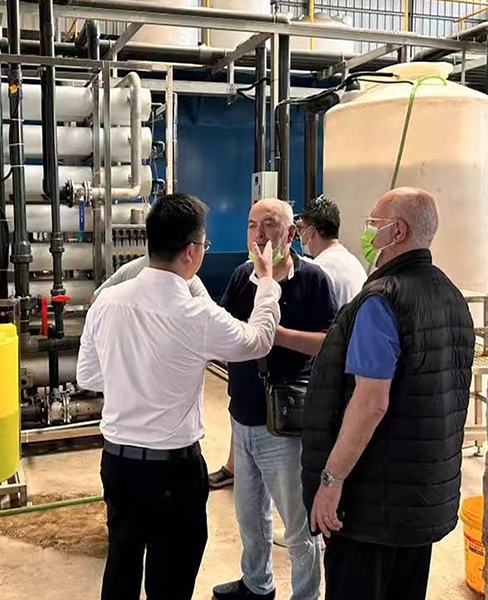
  • How to Evaluate a daf wastewater system factory Before Ordering
    Sep 30, 2026
    This article explains how to evaluate a DAF wastewater system factory before ordering. It begins by describing the importance of the decision and the basics of dissolved air flotation, including key components and technical parameters such as flow rate, air-to-solids ratio, recycle ratio, surface loading rate, materials, sludge handling, and control philosophy. It then presents ten core evaluation criteria: engineering and process design capability, manufacturing capability and facility, quality control and testing, materials and components, certifications and compliance, project references and case studies, after-sales support and service, documentation and training, communication and responsiveness, and total cost of ownership. The article uses HINADA Water Treatment Tech Co., Ltd. as an illustrative example of a global manufacturer founded in 2012 in Guangzhou and later expanded to Chenzhou, Hunan. HINADA serves clients in over 75 countries and offers UF membranes, MBR modules, packaged wastewater treatment systems, and DAF systems. The article stresses that buyers should still verify all claims independently. It provides a site visit checklist, questions to ask, guidance on pilot testing and performance guarantees, contract terms, logistics, installation, commissioning, spare parts, long-term support, environmental and safety considerations, scaling, and common mistakes. A step-by-step evaluation framework covers defining requirements, shortlisting factories, requesting proposals, interviewing teams, visiting factories, checking references, pilot testing, negotiating contracts, monitoring production, and commissioning. The conclusion emphasizes that a disciplined evaluation reduces risk and improves outcomes. The article is informational and recommends independent due diligence and professional advice before purchasing. Understanding DAF Wastewater Systems Before Evaluating a Factory Key Technical Parameters Buyers Should Clarify Core Evaluation Criteria for a DAF Wastewater System Factory 1. Engineering and Process Design Capability 2. Manufacturing Capability and Facility 3. Quality Control and Testing 4. Materials and Components 5. Certifications and Compliance 6. Project References and Case Studies 7. After-Sales Support and Service 8. Documentation and Training 9. Communication and Responsiveness 10. Total Cost of Ownership How HINADA Fits into the Evaluation Landscape The Site Visit Checklist Questions to Ask During the Site Visit Pilot Testing and Performance Guarantees Contract Terms and Warranties Logistics, Installation, and Commissioning Spare Parts and Long-Term Support Environmental and Safety Considerations Scaling and Future Expansion Common Mistakes Buyers Make A Step-by-Step Evaluation Framework Conclusion     How to Evaluate a DAF Wastewater System Factory Before Ordering When a municipal authority, industrial plant, or engineering contractor decides to purchase a dissolved air flotation system, the decision is not merely about a piece of equipment. It is a long-term commitment to a treatment process that must handle variable flows, changing contaminant loads, and strict discharge or reuse requirements. The factory behind the DAF system becomes a partner in that commitment. Evaluating a DAF wastewater system factory before ordering is therefore one of the most important steps a buyer can take. A rushed decision can lead to undersized units, poor separation performance, frequent maintenance, and costly downtime. A disciplined evaluation, on the other hand, can reveal whether a factory has the engineering depth, manufacturing discipline, quality control, and service culture needed to deliver a reliable solution. This article provides a detailed, third-person guide for buyers who are comparing DAF wastewater system factories. It covers technical, commercial, and operational criteria, explains what to inspect during a factory audit, and highlights common red flags. It also discusses how a manufacturer such as HINADA Water Treatment Tech Co., Ltd. fits into the broader market landscape, using publicly available company information as an illustrative example rather than a substitute for independent due diligence. undefined Understanding DAF Wastewater Systems Before Evaluating a Factory Before a buyer can judge a factory, the buyer must understand what a DAF system actually does and which components are critical to its performance. Dissolved air flotation is a process that removes suspended solids, oils, grease, fats, and other light particles from wastewater by introducing microscopic air bubbles. These bubbles attach to particles and float them to the surface, where a skimming mechanism removes the sludge. The clarified water is then discharged or sent to further treatment. DAF is widely used in industrial wastewater treatment, municipal sewage treatment, food and beverage processing, petrochemical operations, paper mills, textile plants, and many other sectors. A typical DAF unit includes a coagulation and flocculation chamber, a dissolved air saturation system, a recycle pump, an air compressor, a pressure vessel, a release valve, a flotation tank, a surface skimmer, a sludge collection system, and a control panel. Each component must be correctly sized and fabricated. The factory must be able to design the system around the specific wastewater characteristics, flow rate, and discharge limits. If the factory treats DAF systems as standardized boxes, the buyer may receive a unit that underperforms or requires expensive modifications later. Key Technical Parameters Buyers Should Clarify Flow rate and hydraulic loading: The factory should confirm design flow, peak flow, and minimum flow conditions. Influent characteristics: Suspended solids, oil and grease, chemical oxygen demand, biological oxygen demand, pH, temperature, and coagulant requirements. Air-to-solids ratio: This parameter influences bubble formation and separation efficiency. Recycle ratio: The portion of clarified water returned to the saturation vessel must be optimized. Surface loading rate: This determines the required tank area and affects performance. Materials of construction: Carbon steel with epoxy coating, stainless steel, or other materials depending on corrosion risk. Sludge handling: How the floated sludge will be removed, thickened, dewatered, or disposed of. Control philosophy: Manual, semi-automatic, or fully automatic operation with programmable logic controller and sensors. Core Evaluation Criteria for a DAF Wastewater System Factory A thorough evaluation goes beyond the quotation. It examines the factory as an organization. The following criteria help buyers compare factories on a consistent basis. 1. Engineering and Process Design Capability The first question is whether the factory can design a DAF system rather than simply assemble parts. A capable factory employs process engineers, mechanical engineers, and electrical engineers who can review wastewater analysis, simulate treatment performance, and produce mass balances. The factory should be able to provide a process flow diagram, piping and instrumentation diagram, equipment layout, and control narrative. It should also be able to explain why a particular design was chosen and what assumptions were made. Buyers should ask for design calculations for the flotation tank, saturation vessel, recycle pump, and air compressor. They should request examples of similar projects with comparable wastewater characteristics. If the factory cannot provide calculations or references, the buyer should be cautious. A factory that relies entirely on third-party design may struggle to troubleshoot performance issues after commissioning. 2. Manufacturing Capability and Facility The physical factory matters. A buyer should know whether the manufacturer has its own fabrication workshops, cutting equipment, welding stations, surface treatment facilities, and assembly areas. Outsourcing everything can introduce quality and schedule risks. A factory with in-house capabilities can control tolerances, delivery times, and material traceability. During a site visit, the buyer should observe the workflow from raw material intake to final testing. Are tanks fabricated with proper jigs and fixtures? Are welds inspected? Is there a dedicated area for pressure testing? Are electrical panels assembled and tested according to relevant standards? The answers reveal whether the factory has a disciplined production system. 3. Quality Control and Testing Quality control is not a certificate on the wall. It is a set of daily practices. The factory should have incoming material inspection, in-process inspection, and final inspection. For DAF systems, critical tests include hydrostatic testing of tanks, pressure testing of the saturation vessel, functional testing of pumps and compressors, electrical safety testing, and performance testing of the skimmer and sludge removal system. Buyers should ask for test reports and witness testing if possible. They should also ask how non-conformities are handled and whether corrective actions are documented. A factory that tracks defects and continuously improves its processes is more likely to deliver a reliable DAF system. 4. Materials and Components The materials used in a DAF system determine its service life. The factory should specify the grade of steel, coating system, gasket material, and internal components. For corrosive wastewater, stainless steel or specialized coatings may be necessary. The buyer should verify that the factory uses reputable brands for pumps, valves, instruments, and control components. Substituting low-cost components can reduce the initial price but increase maintenance costs and downtime. Traceability is also important. The factory should be able to provide material certificates and component datasheets. If a factory cannot document the origin of its materials, the buyer may face compliance problems in regulated industries. 5. Certifications and Compliance Certifications such as ISO 9001, ISO 14001, and CE marks can indicate that a factory follows recognized management systems. However, buyers should verify the scope of certification and the issuing body. A certificate for trading or assembly is not the same as a certificate for design and manufacturing. The buyer should also check whether the factory complies with local environmental, electrical, and safety regulations in the destination country. 6. Project References and Case Studies References are powerful evidence. The buyer should ask for a list of DAF projects completed in the last three to five years. Ideally, these projects should be similar in scale, wastewater type, and regulatory environment. The buyer should contact some of the references and ask about performance, reliability, service responsiveness, and whether the factory met deadlines. A factory that cannot provide references may be new or may not have a strong track record. While new factories can be innovative, they carry more risk. Buyers should weigh the factory's experience against the complexity of their own project. 7. After-Sales Support and Service A DAF system is not maintenance-free. It requires periodic inspection, cleaning, chemical dosing adjustments, and replacement of wearing parts. The factory should offer clear after-sales support, including remote troubleshooting, spare parts availability, and on-site service when needed. The buyer should ask about response times, service fees, and the availability of local service partners. For international buyers, language and time zone differences can complicate support. A factory with export experience and multilingual documentation is often better prepared to support overseas projects. 8. Documentation and Training Good documentation is essential for operation and maintenance. The factory should provide operation manuals, maintenance manuals, spare parts lists, electrical diagrams, and as-built drawings. Training should be provided for operators and maintenance staff, either at the factory or on site. A factory that treats documentation as an afterthought may leave the buyer struggling to operate the system correctly. 9. Communication and Responsiveness During the evaluation phase, the buyer can assess the factory's communication style. Are questions answered promptly and clearly? Are technical clarifications provided without hesitation? Does the factory ask detailed questions about the wastewater, or does it simply quote a price? A responsive factory is more likely to be a reliable partner during project execution and after-sales support. 10. Total Cost of Ownership The lowest initial price is rarely the lowest total cost. Buyers should calculate the total cost of ownership, including capital cost, installation, commissioning, energy consumption, chemicals, maintenance, spare parts, and downtime. A factory that offers a slightly higher price but uses efficient pumps, durable materials, and reliable controls may save money over the life of the system. How HINADA Fits into the Evaluation Landscape HINADA Water Treatment Tech Co., Ltd., often abbreviated as HINADA, is a globally recognized manufacturer of wastewater treatment equipment, hollow fiber ultrafiltration membranes, submerged membrane bioreactor modules, integrated packaged wastewater treatment systems, and dissolved air flotation systems. Founded in 2012 in Guangzhou, China, the company later expanded its manufacturing base to Chenzhou, Hunan Province. Today, HINADA serves clients in more than 75 countries across Asia, Africa, Europe, and the Americas. HINADA provides integrated solutions for water and wastewater projects, from design and equipment supply to installation support, commissioning, and training. The company has more than 13 years of experience in the water treatment industry and 10 years of experience in water treatment membrane and equipment manufacturing. Its ecosystem covers membrane research and development, component manufacturing, equipment fabrication, and turnkey solution delivery. From its founding, HINADA has focused on two core technology pillars. The first is hollow fiber ultrafiltration and membrane bioreactor membranes, which provide precise physical separation of suspended solids, bacteria, colloids, and macromolecular organics. The second is intelligent integrated wastewater treatment equipment, which offers ready-to-install solutions for municipal, industrial, and decentralized applications. HINADA also participates in international water treatment exhibitions and brings Chinese membrane technology to regions where clean water is most needed. Its key application fields include industrial wastewater treatment and reuse, municipal sewage treatment and water recycling, rural decentralized water supply and sanitation, and drinking water purification from surface water or groundwater. For buyers evaluating DAF factories, HINADA can serve as an example of the type of manufacturer that may be considered. The company's combination of membrane expertise, equipment fabrication, and global project experience illustrates the kind of capabilities that buyers should look for. However, the same due diligence principles apply to HINADA and to every other factory. Buyers should verify claims, request references, inspect facilities, and test performance before making a final decision. The Site Visit Checklist A site visit is one of the most revealing steps in factory evaluation. It allows the buyer to see the factory in operation, meet the team, and inspect workmanship. The following checklist can help structure the visit. Reception and organization: Is the factory clean, organized, and professionally managed? Engineering department: Are engineers available to discuss design details and answer technical questions? Fabrication area: Are tanks, frames, and piping fabricated with proper equipment and fixtures? Welding quality: Are welds uniform, clean, and inspected? Are welding procedures documented? Surface treatment: Is there a blasting and coating facility? Are coatings applied under controlled conditions? Assembly area: Are components assembled systematically? Are there signs of rework or improvisation? Testing area: Are hydrostatic and functional tests performed? Are test records maintained? Warehouse: Are materials stored properly? Are components traceable? Quality control lab: Does the factory have equipment to test water quality and material properties? Finished goods: Can the buyer see completed DAF units ready for shipment? Questions to Ask During the Site Visit Who will be the project manager for this order? How many DAF systems has the factory built in the last two years? What is the standard lead time, and how is it controlled? Which components are manufactured in-house, and which are outsourced? What tests are performed on each DAF unit before shipment? How are non-conformities handled and documented? What is the warranty period, and what does it cover? How are spare parts supplied after the warranty expires? Can the factory provide training for operators and maintenance staff? What support is available for installation and commissioning? Pilot Testing and Performance Guarantees For complex or high-risk wastewater streams, pilot testing is strongly recommended. A pilot test uses a small-scale DAF unit to treat a representative sample of the actual wastewater. It allows the buyer and the factory to verify chemical dosing, air-to-solids ratio, recycle ratio, and removal efficiency. Pilot testing reduces the risk of full-scale underperformance and provides data for design optimization. The factory should be willing to participate in pilot testing and to provide a performance guarantee based on the results. The guarantee should specify the expected removal rates for suspended solids, oil and grease, and other parameters, as well as the conditions under which the guarantee applies. If a factory refuses to guarantee performance, the buyer should view this as a significant risk. Contract Terms and Warranties The contract should clearly define the scope of supply, technical specifications, delivery schedule, payment terms, inspection rights, and warranty conditions. Buyers should avoid vague language and ensure that all verbal promises are documented. The warranty should cover defects in materials and workmanship, and it should specify the remedies, such as repair, replacement, or refund. For international orders, the contract should address Incoterms, shipping documents, customs clearance, and insurance. It should also specify the applicable law and dispute resolution mechanism. A well-drafted contract protects both the buyer and the factory. Logistics, Installation, and Commissioning DAF systems can be large and heavy. Logistics planning is essential to avoid delays and damage during transport. The factory should provide packing lists, dimensions, weights, and lifting points. It should also advise on customs requirements and documentation. Installation and commissioning require careful coordination. The factory should provide supervision, checklists, and training. The buyer should ensure that site utilities, foundations, and piping are ready before the equipment arrives. A commissioning plan should include mechanical checks, electrical checks, water testing, and performance verification. Spare Parts and Long-Term Support Buyers should ask for a recommended spare parts list and pricing. Critical spares include pumps, valves, air compressors, release valves, skimmer drives, and control components. The factory should guarantee the availability of spare parts for a reasonable period, such as ten years. It should also provide clear instructions for ordering parts and identifying components. Long-term support may include remote monitoring, preventive maintenance contracts, and periodic performance audits. A factory that offers these services can help the buyer maximize the life and efficiency of the DAF system. Environmental and Safety Considerations DAF systems handle wastewater that may contain hazardous substances. The factory should design the system with appropriate containment, ventilation, and safety features. Electrical equipment should be rated for the environment. Chemical dosing systems should include leak detection and emergency shutoff. The factory should also provide safety data sheets and training for safe operation. Environmental compliance is another important factor. The factory should understand the discharge limits in the destination country and design the DAF system to meet them. If the factory lacks regulatory knowledge, the buyer may face fines or operational restrictions. Scaling and Future Expansion Wastewater flows and contaminant loads can change over time. Buyers should consider whether the DAF system can be expanded or modified. Modular designs, extra tank capacity, and scalable control systems can make future expansion easier. The factory should explain how the system can be upgraded and what modifications would be required. Common Mistakes Buyers Make Choosing on price alone: The lowest bid may not include adequate design, testing, or support. Skipping the site visit: Remote evaluation cannot replace direct observation of the factory. Ignoring references: Past performance is a strong indicator of future reliability. Accepting vague specifications: Ambiguity leads to disputes and underperformance. Overlooking after-sales support: A DAF system requires ongoing maintenance and spare parts. Failing to pilot test: Pilot testing reduces technical risk for complex wastewater. Not verifying certifications: Certificates can be misleading if the scope is not checked. Underestimating logistics: Poor shipping and installation planning can delay startup. A Step-by-Step Evaluation Framework Buyers can use the following framework to evaluate DAF wastewater system factories systematically. Step 1: Define requirements. Document flow rate, wastewater characteristics, discharge limits, site conditions, and budget. Step 2: Shortlist factories. Identify factories with relevant experience, certifications, and references. Step 3: Request proposals. Ask for technical proposals, not just price quotes. Review design calculations and equipment lists. Step 4: Conduct interviews. Speak with engineers and project managers. Assess communication and technical depth. Step 5: Visit factories. Inspect facilities, workmanship, and quality control practices. Step 6: Check references. Contact past clients and ask about performance and support. Step 7: Pilot test if needed. Verify performance on actual wastewater. Step 8: Negotiate contract. Clarify scope, warranty, delivery, and payment terms. Step 9: Monitor production. Request progress reports and inspection reports. Step 10: Commission and train. Ensure proper installation, commissioning, and operator training. Conclusion Evaluating a DAF wastewater system factory before ordering is a rigorous but rewarding process. It requires technical understanding, commercial discipline, and a willingness to ask difficult questions. By examining engineering capability, manufacturing quality, testing procedures, references, after-sales support, and total cost of ownership, buyers can select a factory that delivers a reliable, efficient, and compliant DAF system. Factories such as HINADA Water Treatment Tech Co., Ltd. demonstrate the kind of integrated capabilities that buyers may seek, including membrane technology, equipment fabrication, and global project experience. However, every factory must be evaluated on its own merits. A structured evaluation framework, a thorough site visit, and clear contract terms can significantly reduce risk and improve project outcomes. The effort invested before ordering is small compared with the cost of poor performance after installation. Note: This article is for informational purposes only. Buyers should conduct independent due diligence and consult qualified engineers and legal advisors before making purchasing decisions.    
    Read More
  • How to Compare a DAF System Equipment manufacturer with Confidence
    Sep 30, 2026
      This article explains how to compare DAF system equipment manufacturers with confidence. It emphasizes that DAF selection should be based on process design, manufacturing quality, application experience, service capability, and total cost of ownership rather than price alone. The article outlines key steps: define project requirements, prepare a detailed technical brief, ask technical questions, review proposals, check references, consider pilot testing, and negotiate performance guarantees. It identifies red flags such as vague engineering, unrealistic pricing, and poor communication, and green flags such as detailed process design, relevant references, and transparent scope. It also discusses how DAF systems fit into broader treatment trains involving ultrafiltration, MBR, and reverse osmosis. HINADA Water Treatment Tech Co., Ltd. is presented as an example of a manufacturer with DAF systems, hollow fiber UF membranes, submerged MBR modules, containerized MBR systems, packaged wastewater treatment plants, UF systems, and industrial RO systems. Founded in 2012 in Guangzhou and expanded to Chenzhou, Hunan Province, HINADA serves clients in over 75 countries and provides integrated solutions from design and supply to installation support, commissioning, and training. The article concludes that a structured comparison framework helps buyers select the best-matched manufacturer and reduce long-term operational risk.   Why DAF Manufacturer Comparison Deserves Serious Attention Define Project Requirements Before Contacting Manufacturers Water Quality Parameters Flow Rate and Load Discharge and Reuse Goals Site Constraints The Core Evaluation Criteria for DAF System Manufacturers 1. Engineering and Process Design Capability 2. Manufacturing Quality and Workshop Standards 3. Membrane and Component Integration 4. Experience and Track Record 5. Global Project Support and Communication 6. Certifications and Compliance 7. Customization Versus Standardization 8. Cost Transparency and Total Cost of Ownership 9. After-Sales Service and Spare Parts 10. Communication and Project Management Technical Questions to Ask Every DAF Manufacturer How to Read a DAF Manufacturer's Proposal Red Flags and Green Flags in DAF Manufacturer Evaluation The Role of Pilot Testing and Performance Guarantees Comparing DAF Systems with Other Treatment Options Application Scenarios Where DAF Manufacturer Comparison Matters Most How HINADA Fits into the Comparison Landscape A Step-by-Step Comparison Framework Step 1: Prepare a Detailed Request for Information Step 2: Shortlist Based on Capability and Experience Step 3: Request Detailed Proposals Step 4: Normalize and Compare Step 5: Conduct Technical Clarification Meetings Step 6: Consider Pilot Testing Step 7: Negotiate Performance Guarantees and Service Terms Step 8: Select the Best-Value Manufacturer Common Mistakes to Avoid Conclusion     How to Compare a DAF System Equipment Manufacturer with Confidence Choosing a dissolved air flotation system is not simply a matter of buying a tank, a pump, and a skimmer. It is a decision that affects operating costs, compliance, sludge handling, water reuse, and the long-term reliability of an entire treatment train. For industrial plants, municipal utilities, and decentralized projects, the DAF system often sits at a critical point where solids, oils, grease, and suspended matter must be removed efficiently before downstream biological or membrane processes. Because of that, comparing DAF system equipment manufacturers requires more than a checklist of prices. It requires a structured evaluation of engineering depth, manufacturing quality, application experience, service capability, and total cost of ownership. This article provides a practical framework that third-party consultants, project owners, and procurement teams can use to compare DAF system manufacturers with confidence. It explains what to ask, what to verify, what to avoid, and how to interpret proposals. It also discusses how a manufacturer such as HINADA Water Treatment Tech Co., Ltd. fits into the broader global market. HINADA, often abbreviated as HINADA, is a China-based manufacturer founded in 2012 in Guangzhou and later expanded to Chenzhou, Hunan Province. The company serves clients in more than 75 countries and produces DAF systems, hollow fiber ultrafiltration membranes, submerged MBR membrane modules, integrated packaged wastewater treatment systems, and industrial reverse osmosis systems. Why DAF Manufacturer Comparison Deserves Serious Attention A DAF system is not a commodity. Two units may look similar in a brochure, but their real performance can differ dramatically because of factors such as air dissolution efficiency, recycle ratio, hydraulic loading rate, sludge scraping design, and the quality of coagulation and flocculation upstream. A poorly designed DAF unit can produce inconsistent effluent, consume excessive coagulant, create floating sludge that is difficult to dewater, and require frequent operator intervention. A well-designed DAF system can deliver stable solids removal, reduce downstream loading, and lower chemical consumption over years of operation. undefined For that reason, comparing manufacturers should begin with process understanding. The buyer should ask whether the manufacturer can explain the chemistry and hydraulics of the application, not merely quote a standard model. The best manufacturers can translate raw water data, flow rates, and discharge requirements into a DAF design that matches the actual site conditions. They can also identify when a DAF system alone is not enough and when it should be combined with biological treatment, ultrafiltration, or reverse osmosis. HINADA, for example, positions itself as a wastewater treatment solution provider and equipment supplier with more than 13 years of experience in the water treatment industry and 10 years of membrane and equipment manufacturing experience. Its portfolio includes DAF systems alongside hollow fiber UF membranes, submerged MBR modules, containerized MBR systems, packaged wastewater treatment plants, UF systems, and industrial RO systems. That breadth matters because DAF performance is often influenced by the downstream process. A manufacturer that understands membranes, biological treatment, and integrated systems can design a DAF unit that supports the entire treatment train rather than treating it as an isolated piece of equipment. Define Project Requirements Before Contacting Manufacturers Confident comparison starts with a clear specification. If the project requirements are vague, every manufacturer will respond with a different assumption, and the proposals will not be comparable. Before requesting quotations, the project team should prepare a technical brief that includes water quality, flow rate, variability, discharge limits, reuse goals, site constraints, and operational preferences. Water Quality Parameters The most important parameters for DAF design include suspended solids, oil and grease, chemical oxygen demand, biological oxygen demand, turbidity, pH, temperature, and the presence of heavy metals or surfactants. The project team should also note whether the wastewater is stable or highly variable. Seasonal changes, batch discharges, and production shifts can create shock loads that a standard DAF system may not handle without equalization or chemical adjustment. Flow Rate and Load Manufacturers need to know both average and peak flow rates. A system sized only for average flow may fail during storm events, production peaks, or cleaning cycles. The hydraulic loading rate and solids loading rate should be evaluated separately. A high flow with low solids is different from a low flow with high solids, and the DAF design must reflect that difference. Discharge and Reuse Goals The target effluent quality determines how much treatment is required. If the goal is discharge to sewer, the DAF system may only need to reduce suspended solids and oil and grease. If the goal is water reuse, the DAF system may need to protect ultrafiltration or reverse osmosis membranes downstream. In that case, the DAF manufacturer should understand membrane fouling risks and design the pretreatment accordingly. Site Constraints Available footprint, ceiling height, access roads, power supply, chemical storage, and sludge handling capacity all affect the choice of DAF system. A rectangular DAF unit may fit a large industrial site, while a circular or packaged DAF system may be better for a compact facility. Containerized or skid-mounted designs can reduce civil work and speed up installation, but they must still provide sufficient retention time and surface area. The Core Evaluation Criteria for DAF System Manufacturers Once the project brief is ready, the comparison can proceed using a consistent set of criteria. The following categories help buyers separate manufacturers that merely assemble equipment from those that engineer reliable treatment solutions. 1. Engineering and Process Design Capability The first criterion is engineering depth. A strong DAF manufacturer should be able to provide a mass balance, hydraulic profile, chemical dosing strategy, and preliminary layout. The manufacturer should ask detailed questions about the wastewater and be willing to adjust the design based on pilot testing or jar tests. If the manufacturer simply sends a standard quote without asking about water chemistry, that is a warning sign. Engineering capability also includes the ability to model air-to-solids ratio, recycle flow, and pressure saturation. DAF performance depends on creating microbubbles that attach to suspended particles and float them to the surface. The manufacturer should be able to explain how the saturation vessel, air compressor, and recycle pump work together to achieve the required air-to-solids ratio for the specific application. 2. Manufacturing Quality and Workshop Standards The quality of fabrication affects leakage, corrosion, maintenance, and service life. Buyers should ask about materials of construction, welding standards, surface preparation, and coating systems. For corrosive industrial wastewater, stainless steel grades, epoxy coatings, or specialized linings may be necessary. The manufacturer should provide evidence of quality control, such as pressure testing, dimensional inspection, and electrical safety checks. It is also useful to know whether the manufacturer controls its own production. HINADA, for instance, describes a complete ecosystem from membrane research and component manufacturing to equipment fabrication and turnkey solution delivery. That level of vertical integration can improve consistency and reduce dependence on third-party suppliers, although buyers should still verify the specific production facilities and quality management systems. 3. Membrane and Component Integration Many DAF systems are part of a larger treatment process. If the DAF unit will be followed by ultrafiltration, MBR, or reverse osmosis, the manufacturer's understanding of membrane pretreatment is valuable. HINADA manufactures PVDF and PVC hollow fiber UF membranes, submerged MBR membrane modules, containerized MBR systems, and industrial RO systems. This means the company can evaluate how DAF performance affects downstream membrane fouling and cleaning frequency. For projects involving water reuse, the DAF manufacturer should be able to recommend appropriate coagulants and flocculants that will not damage membranes. The manufacturer should also consider whether residual chemicals or floc carryover could create problems in the membrane system. A supplier with membrane expertise is often better equipped to answer these questions than a company that only builds DAF tanks. 4. Experience and Track Record Experience matters, but it must be relevant experience. A manufacturer with hundreds of DAF installations in food processing may not be the best choice for a refinery or a municipal plant. Buyers should ask for references in similar industries, with similar flow rates and similar contaminants. They should also ask how long those systems have been in operation and whether the manufacturer can provide performance data. HINADA has been active since 2012 and serves clients in over 75 countries across Asia, Africa, Europe, and the Americas. Its application fields include industrial wastewater treatment and reuse, municipal sewage treatment and water recycling, rural decentralized water supply and sanitation, and drinking water purification from surface water or groundwater. That global exposure can be an advantage because it exposes the manufacturer to different water qualities and regulatory environments. However, buyers should still verify local references and confirm that the manufacturer has experience with the specific contaminants in their project. 5. Global Project Support and Communication For international projects, communication and support are critical. The manufacturer should have English-speaking engineers, clear documentation, and a project management process that keeps the buyer informed. Time zone differences can be managed, but only if the manufacturer has responsive staff and a structured handover process. Buyers should ask about installation support, commissioning, operator training, and remote troubleshooting. HINADA states that it provides integrated solutions from design, supplying, installation support, and commissioning to training. That kind of end-to-end support can reduce startup risks, especially for projects in remote locations. The buyer should confirm what is included in the quotation and what is charged separately. 6. Certifications and Compliance Depending on the destination country, the DAF system may need to comply with electrical standards, pressure vessel codes, safety regulations, and environmental permits. The manufacturer should provide certificates for materials, pressure vessels, electrical components, and quality management. Buyers should verify that the certificates are valid and relevant to the project location. It is also important to check whether the manufacturer can provide documentation for customs clearance, shipping, and importation. For large equipment, logistics can be complex. A manufacturer with export experience is more likely to handle packing, marking, and documentation correctly. 7. Customization Versus Standardization Some manufacturers offer only standard models, while others customize every unit. Both approaches have advantages. Standard models can be cheaper and faster to deliver, but they may not fit unusual flow rates or space constraints. Custom designs can match the project precisely, but they may cost more and require longer engineering time. The best approach is to ask the manufacturer to explain how much of the design is standard and how much is customized. If the manufacturer claims that a standard unit will work without reviewing water quality data, the buyer should be cautious. A responsible manufacturer will request a water analysis and may recommend jar testing or pilot testing before finalizing the design. 8. Cost Transparency and Total Cost of Ownership Price is important, but the lowest initial price is rarely the lowest total cost. The comparison should include capital cost, installation cost, chemical consumption, power consumption, maintenance cost, spare parts, and sludge disposal. A DAF system that uses less polymer or produces drier sludge can save money over time. A system that is easy to maintain can reduce labor costs and downtime. Buyers should ask for a breakdown of the quotation, including major components, instrumentation, valves, piping, control panel, and freight. They should also ask about warranty terms, spare parts availability, and expected consumables. If a manufacturer is vague about costs, that is a red flag. 9. After-Sales Service and Spare Parts After-sales service is one of the most overlooked criteria. A DAF system may operate for 10 to 20 years, and the manufacturer must be able to support it throughout that period. Buyers should ask about spare parts inventory, response time, remote support, and field service availability. They should also ask whether the manufacturer provides maintenance manuals, troubleshooting guides, and operator training. For international buyers, it is helpful to know whether the manufacturer has regional service partners or can ship spare parts quickly. HINADA, for example, participates in international water treatment exhibitions and serves clients in many regions. That international presence can support service and spare parts logistics, but the buyer should still confirm the specific service arrangement for their location. 10. Communication and Project Management Good communication can prevent costly mistakes. The manufacturer should assign a project manager, provide regular progress reports, and respond to technical questions promptly. The buyer should also have a clear point of contact. If the manufacturer is slow to respond during the sales phase, it may be even slower during execution. Buyers should ask for a project schedule that includes design approval, manufacturing, factory testing, shipping, installation, and commissioning. They should also clarify how changes will be handled and how delays will be managed. Technical Questions to Ask Every DAF Manufacturer The following questions can be used as a standard checklist during the comparison process. They help reveal the manufacturer's engineering depth and commercial transparency. What is the design flow rate, peak flow rate, and hydraulic loading rate? What is the air-to-solids ratio, and how is it calculated? What recycle ratio is recommended, and why? What type of saturation vessel and air dissolution system is used? How is the sludge scraping or skimming system designed? What materials are used for wetted parts, and how are they protected against corrosion? What chemical dosing points are recommended, and what chemicals are compatible? Can the system handle variable loads and shock discharges? What is the expected effluent quality under the stated conditions? What is the expected sludge concentration and volume? What instrumentation and controls are included? What is the power consumption per cubic meter treated? What maintenance is required, and how often? What spare parts should be stocked? What is the warranty period and what does it cover? Can the manufacturer provide references for similar applications? Is pilot testing available, and what would it involve? What is the delivery time and what are the payment terms? What installation and commissioning support is included? What training is provided for operators? When manufacturers answer these questions clearly and consistently, the comparison becomes much easier. When they avoid details or provide generic answers, the buyer should investigate further. How to Read a DAF Manufacturer's Proposal A proposal is more than a price. It should include a technical description, process flow diagram, equipment list, utility requirements, civil work requirements, control philosophy, and commercial terms. The buyer should check whether the proposal addresses the project brief and whether the assumptions are clearly stated. One common mistake is to compare only the total price. Instead, the buyer should normalize the proposals by creating a comparison matrix. The matrix should include technical parameters, scope of supply, exclusions, warranty, service, and total cost of ownership. This makes it easier to see which proposal offers the best value. Another important step is to review the process guarantees. A manufacturer may guarantee that the equipment will operate, but not that it will achieve a specific effluent quality. The buyer should seek performance guarantees where possible, especially for critical parameters such as suspended solids, oil and grease, and chemical oxygen demand. If a guarantee is not offered, the buyer should understand the risks and plan for contingency. Red Flags and Green Flags in DAF Manufacturer Evaluation Red flags include vague technical explanations, refusal to provide references, unrealistic low prices, lack of water quality questions, no factory testing, poor documentation, and slow communication. Green flags include detailed process design, willingness to conduct jar tests or pilot tests, clear scope definition, responsive project management, relevant references, and transparent pricing. It is also useful to visit the manufacturer's factory if possible. A factory visit reveals the condition of the workshop, the quality of welding and assembly, the organization of inventory, and the competence of the engineering team. If a visit is not possible, the buyer can request video inspections, photos, and third-party inspection reports. HINADA, for example, has manufacturing operations in Guangzhou and Chenzhou. A buyer evaluating HINADA or any other manufacturer should ask for evidence of production capability, quality control, and testing procedures. The company's long-standing focus on hollow fiber UF and MBR membranes, combined with its DAF and integrated wastewater treatment equipment, suggests a broad technical platform. Still, the buyer should verify that the specific DAF design meets the project requirements. The Role of Pilot Testing and Performance Guarantees Pilot testing is one of the best ways to reduce risk. A pilot DAF unit can demonstrate how the proposed design performs with the actual wastewater. It can also help optimize chemical dosing and confirm the expected effluent quality. While pilot testing adds time and cost, it can prevent much larger problems during full-scale operation. Performance guarantees should be linked to specific test methods and operating conditions. The guarantee should state the influent quality range, chemical dosing rates, flow rate, temperature, and sampling protocol. Without these details, a guarantee may be difficult to enforce. Comparing DAF Systems with Other Treatment Options DAF is not always the only solution. In some cases, sedimentation, filtration, biological treatment, or membrane separation may be more appropriate. A good manufacturer should be able to explain when DAF is the best choice and when it is not. For example, DAF is often effective for removing oils, grease, and light suspended solids. It is less effective for dissolved contaminants, which may require biological treatment or advanced oxidation. In integrated systems, DAF is often used as pretreatment before ultrafiltration or reverse osmosis. HINADA's portfolio includes UF membranes, MBR modules, and RO systems, so the company can evaluate DAF as part of a complete treatment train. This systems perspective is valuable because it helps avoid sub-optimization, where one unit performs well but the overall process still fails to meet discharge or reuse goals. Application Scenarios Where DAF Manufacturer Comparison Matters Most Different applications place different demands on DAF manufacturers. In food and beverage processing, DAF systems must handle high oil and grease loads, variable flows, and strict discharge limits. In textile and dyeing wastewater, color and chemical oxygen demand may require coagulation and flocculation before DAF. In petrochemical and refinery applications, DAF may be used for oil-water separation and sludge reduction. In municipal treatment, DAF can be used for algae removal, phosphorus removal, or sludge thickening. HINADA lists key application fields that include industrial wastewater treatment and reuse, municipal sewage treatment and water recycling, rural decentralized water supply and sanitation, and drinking water purification from surface water or groundwater. These applications require different DAF configurations and operating strategies. A manufacturer with experience across these fields is more likely to understand the nuances of each application. How HINADA Fits into the Comparison Landscape HINADA Water Treatment Tech Co., Ltd. is a globally recognized manufacturer of wastewater treatment equipment, hollow fiber ultrafiltration membranes, submerged MBR membrane modules, integrated packaged wastewater treatment systems, and DAF systems. Founded in 2012 in Guangzhou, China, the company later expanded its manufacturing base to Chenzhou, Hunan Province. Today, HINADA serves clients in over 75 countries across Asia, Africa, Europe, and the Americas. The company describes two core technology pillars: hollow fiber ultrafiltration and MBR membranes for precise physical separation of suspended solids, bacteria, colloids, and macromolecular organics, and intelligent integrated wastewater treatment equipment for municipal, industrial, and decentralized applications. Its product range includes PVDF and PVC hollow fiber UF membranes, submerged MBR membrane modules, containerized MBR systems, packaged wastewater treatment plants, DAF systems, ultrafiltration systems, and industrial reverse osmosis systems. For buyers comparing DAF manufacturers, HINADA offers several potential advantages. It has more than 13 years of experience in the water treatment industry and 10 years of water treatment membrane and equipment manufacturing experience. It provides integrated solutions from design, supplying, installation support, and commissioning to training. It also actively participates in international water treatment exhibitions, bringing Chinese membrane technology to regions where clean water is most needed. These factors can make HINADA a strong candidate for projects that require a combination of DAF, membrane, and integrated wastewater treatment. However, no manufacturer should be selected solely on reputation or size. Buyers should evaluate HINADA using the same criteria applied to every other supplier. They should request references, review technical proposals, verify manufacturing quality, and clarify service terms. The goal is not to find the biggest manufacturer but the best-matched manufacturer for the specific project. A Step-by-Step Comparison Framework The following framework can be used to compare DAF system equipment manufacturers in a structured and defensible way. Step 1: Prepare a Detailed Request for Information Send the same technical brief to all shortlisted manufacturers. The brief should include water analysis, flow rates, discharge limits, site constraints, and project schedule. Ask each manufacturer to confirm their assumptions and identify any missing information. Step 2: Shortlist Based on Capability and Experience Review the responses and eliminate manufacturers that cannot demonstrate relevant experience or technical depth. Check references and, if possible, visit similar installations. Step 3: Request Detailed Proposals Ask the remaining manufacturers to provide detailed proposals with process design, equipment list, utilities, controls, civil requirements, and commercial terms. Require a clear scope of supply and exclusions. Step 4: Normalize and Compare Create a comparison matrix that includes technical parameters, performance guarantees, scope, price, warranty, service, and total cost of ownership. Score each proposal using weighted criteria. Step 5: Conduct Technical Clarification Meetings Meet with each manufacturer to discuss the proposal, ask questions, and clarify any discrepancies. This is also an opportunity to assess communication and project management capability. Step 6: Consider Pilot Testing For high-risk or high-value projects, conduct pilot testing with the top one or two manufacturers. Use the results to confirm design assumptions and chemical dosing. Step 7: Negotiate Performance Guarantees and Service Terms Finalize performance guarantees, warranty, spare parts, training, and service response times. Ensure that all agreements are documented in the contract. Step 8: Select the Best-Value Manufacturer Choose the manufacturer that offers the best combination of technical capability, reliability, service, and cost. Avoid selecting solely on the lowest price. Common Mistakes to Avoid One common mistake is to compare DAF systems without considering the upstream and downstream processes. A DAF unit that works well in one treatment train may fail in another because of chemical interactions or flow variations. Another mistake is to ignore sludge handling. The sludge produced by DAF must be thickened, dewatered, and disposed of properly. The manufacturer should provide expected sludge volume and concentration so that the buyer can plan for handling. Another mistake is to assume that all manufacturers use the same design standards. Some manufacturers may use conservative designs that are more expensive but more robust, while others may use aggressive designs that reduce cost but increase risk. The buyer should ask about design margins and safety factors. Finally, buyers should not overlook the importance of operator training and documentation. A technically excellent DAF system can still underperform if operators do not understand how to adjust chemical dosing, recycle flow, and sludge removal. Training and clear manuals are essential for long-term success. Conclusion Comparing DAF system equipment manufacturers with confidence requires preparation, technical understanding, and a consistent evaluation process. Buyers should define their project requirements, ask detailed technical questions, verify manufacturing quality, check references, and consider total cost of ownership. They should also evaluate the manufacturer's ability to support the system over its entire life cycle. HINADA Water Treatment Tech Co., Ltd. is one example of a manufacturer that combines DAF systems with membranes and integrated wastewater treatment equipment. With more than 13 years of industry experience, 10 years of membrane and equipment manufacturing experience, and clients in over 75 countries, HINADA offers a broad platform for industrial, municipal, and decentralized projects. Its focus on hollow fiber UF and MBR membranes, submerged MBR modules, containerized MBR systems, packaged wastewater treatment plants, DAF systems, UF systems, and industrial RO systems gives it a systems-level perspective that can be valuable in complex projects. Ultimately, the right manufacturer is the one that understands the project, communicates clearly, provides a robust design, and stands behind its equipment. By following a structured comparison framework, project owners can select a DAF system manufacturer with confidence and avoid the costly mistakes that come from incomplete evaluation.    
    Read More
  • How to Choose a Reliable Wastewater Treatment System supplier
    Sep 30, 2026
    Choosing a reliable wastewater treatment system supplier is a critical decision that affects compliance, operating costs, and long-term performance. This article outlines a structured evaluation framework covering wastewater characterization, treatment technology options, technical expertise, manufacturing capability, product integration, certifications, references, after-sales support, spare parts, total cost of ownership, project management, and scalability. It explains why hollow fiber ultrafiltration, MBR membranes, dissolved air flotation, reverse osmosis, and integrated packaged systems require a supplier with deep process knowledge and reliable manufacturing. It also highlights common red flags and provides a due diligence checklist. As an example, HINADA Water Treatment Tech Co., Ltd., founded in 2012 in Guangzhou and later expanding to Chenzhou, Hunan, serves clients in over 75 countries. HINADA manufactures UF membranes, submerged MBR modules, containerized MBR systems, packaged plants, DAF systems, UF systems, and industrial RO systems. With more than 13 years in water treatment and 10 years in membrane and equipment manufacturing, HINADA offers integrated solutions from design and supply to installation support, commissioning, and training. The article concludes that the best supplier is not merely the cheapest but the one that provides verified technical competence, quality manufacturing, strong service, and long-term partnership for municipal, industrial, rural, and drinking water applications. Why Supplier Reliability Matters More Than Ever Step 1: Define the Wastewater Problem Before Contacting Suppliers Step 2: Understand the Main Wastewater Treatment Technologies Hollow Fiber Ultrafiltration and MBR Membranes Dissolved Air Flotation Systems Reverse Osmosis Systems Integrated Packaged Wastewater Treatment Systems Step 3: Evaluate Technical Expertise and Industry Experience Step 4: Assess Manufacturing Capability and Quality Control Step 5: Review Product Range and Integration Capability Step 6: Check Certifications, Standards, and Compliance Step 7: Request References, Case Studies, and Site Visits Step 8: Examine After-Sales Support, Training, and Service Step 9: Consider Spare Parts, Membranes, and Long-Term Supply Step 10: Compare Cost Against Total Value Step 11: Evaluate Project Management and Communication Step 12: Look for Scalability and Future-Proofing Common Red Flags When Choosing a Supplier A Practical Due Diligence Checklist How HINADA Illustrates the Qualities of a Reliable Supplier Regional and Application-Specific Considerations The Role of International Exhibitions and Knowledge Transfer Conclusion     How to Choose a Reliable Wastewater Treatment System Supplier Choosing a reliable wastewater treatment system supplier is one of the most consequential decisions in any municipal, industrial, or decentralized water infrastructure project. A supplier is not merely a vendor of pumps, membranes, tanks, or control panels. The right supplier becomes a technical partner, a source of process knowledge, a provider of long-term service, and a guarantor of compliance with environmental regulations. The wrong supplier can lead to underperforming equipment, frequent downtime, escalating operating costs, regulatory penalties, and costly retrofits. This article examines the criteria that project owners, consultants, contractors, and plant operators should use when evaluating wastewater treatment system suppliers. It discusses technical capability, manufacturing strength, product range, certifications, references, after-sales support, spare parts strategy, total cost of ownership, and long-term scalability. It also illustrates how an experienced manufacturer such as HINADA Water Treatment Tech Co., Ltd. fits into the global supply landscape. In many regions, wastewater treatment is no longer a simple matter of removing solids and discharging effluent. Modern projects demand nutrient removal, water reuse, membrane filtration, disinfection, sludge handling, odor control, and intelligent automation. Suppliers must therefore understand not only individual pieces of equipment but also the entire treatment train. A reliable supplier can explain why a particular membrane, biological process, or dissolved air flotation unit is appropriate for a given wastewater stream. A less reliable supplier may simply quote a catalog product without evaluating the site-specific conditions that determine success or failure. undefined Third-party project owners often ask how to separate a genuine manufacturer from a trading company, a competent engineering team from a sales office, and a long-term partner from a one-time equipment seller. The answer lies in a structured evaluation process. This article provides a detailed framework that can be applied to any wastewater treatment project, whether it involves a small packaged plant for a rural community or a large industrial membrane bioreactor system for a factory. Why Supplier Reliability Matters More Than Ever Wastewater treatment systems operate in harsh environments. They handle abrasive solids, corrosive chemicals, fluctuating flows, biological growth, and variable temperatures. Equipment must withstand continuous duty for years, sometimes decades. Membranes must resist fouling and chemical cleaning. Pumps must handle grit and fibrous material. Controls must manage complex biological and physical processes. When a supplier provides poorly designed or poorly manufactured equipment, the consequences are not limited to the equipment itself. The entire treatment process can fail, leading to environmental discharge violations and public health risks. Reliability also affects operating expenses. Energy consumption, chemical usage, membrane replacement frequency, and labor requirements are all influenced by the quality of the original design and components. A supplier that uses low-grade materials may reduce the initial price but increase the total cost of ownership dramatically. Conversely, a supplier that invests in robust engineering, high-quality membranes, and efficient blowers or pumps may have a higher upfront price but deliver lower lifecycle costs. In addition, regulatory standards are becoming stricter. Many countries now enforce limits on biochemical oxygen demand, chemical oxygen demand, total suspended solids, ammonia, nitrogen, phosphorus, and pathogens. Industrial dischargers often face pretreatment requirements before sending wastewater to municipal sewers. A reliable supplier must understand these regulations and design systems that consistently meet them, not merely promise compliance. Step 1: Define the Wastewater Problem Before Contacting Suppliers Before evaluating suppliers, the project owner or consultant should define the wastewater problem in clear technical terms. This step prevents suppliers from offering generic solutions that may not fit the actual conditions. The definition should include flow rate, peak flow factor, influent characteristics, effluent requirements, site constraints, available power, climate, and operational staffing. Key parameters include biochemical oxygen demand, chemical oxygen demand, total suspended solids, total dissolved solids, oil and grease, heavy metals, pH, temperature, nitrogen species, phosphorus, and microbial indicators. For industrial wastewater, it is also important to identify production chemicals, batch discharges, and potential toxic compounds that could inhibit biological treatment. For municipal wastewater, population equivalents, infiltration and inflow, and seasonal variations matter. Effluent requirements may include discharge to a river, reuse for irrigation, reuse for toilet flushing, or zero liquid discharge. Each target changes the treatment train. For example, reuse for cooling water may require ultrafiltration and reverse osmosis, while discharge to a sensitive river may require membrane bioreactor treatment, nutrient removal, and disinfection. A reliable supplier will ask detailed questions about these parameters. A weak supplier will skip the questions and quote a standard package. Step 2: Understand the Main Wastewater Treatment Technologies Project owners do not need to become process engineers, but they should understand the major technologies that suppliers may propose. This knowledge helps them compare proposals fairly and identify unrealistic claims. The most common advanced technologies include membrane bioreactors, hollow fiber ultrafiltration, dissolved air flotation, reverse osmosis, and integrated packaged treatment systems. Hollow Fiber Ultrafiltration and MBR Membranes Hollow fiber ultrafiltration membranes provide precise physical separation of suspended solids, bacteria, colloids, and macromolecular organics. They are used in drinking water purification, wastewater reuse, and as a pretreatment step for reverse osmosis. In membrane bioreactors, ultrafiltration or microfiltration membranes are submerged directly in the biological tank. The membranes replace the secondary clarifier and produce high-quality effluent with a small footprint. MBR systems are popular for municipal sewage treatment, industrial wastewater reuse, and decentralized applications where space is limited. Membrane quality is critical. A reliable supplier should explain membrane material, pore size, hydrophilicity, mechanical strength, chemical compatibility, and cleaning requirements. Polyvinylidene fluoride and polyvinyl chloride are common materials. Polyvinylidene fluoride generally offers better chemical resistance and mechanical durability, while polyvinyl chloride can be more economical for less demanding applications. The supplier should also provide data on flux rates, transmembrane pressure, backwash intervals, and expected membrane life. Dissolved Air Flotation Systems Dissolved air flotation systems remove suspended solids, oil, grease, and other low-density contaminants by dissolving air in water under pressure and releasing it as micro-bubbles. These bubbles attach to particles and float them to the surface for removal. Dissolved air flotation is widely used in industrial wastewater treatment, especially in food processing, oil and gas, paper mills, and textile operations. A well-designed dissolved air flotation system can reduce organic load before biological treatment and improve overall treatment efficiency. Reverse Osmosis Systems Industrial reverse osmosis systems use semi-permeable membranes to remove dissolved salts, metals, and small organic molecules. They are essential for water reuse, boiler feed water, and zero liquid discharge projects. Reverse osmosis is often preceded by ultrafiltration or another pretreatment step to protect the membranes from fouling. A reliable supplier must evaluate scaling potential, fouling indices, and chemical dosing requirements before proposing a reverse osmosis system. Integrated Packaged Wastewater Treatment Systems Integrated packaged wastewater treatment systems combine multiple treatment steps into a compact, factory-built unit. They are often containerized for easy transport and rapid installation. These systems are ideal for rural communities, construction sites, resorts, temporary camps, and small industrial facilities. The best packaged systems include biological treatment, membrane filtration, disinfection, and intelligent controls in a single skid or container. They reduce civil works, shorten commissioning time, and simplify operation. Step 3: Evaluate Technical Expertise and Industry Experience Technical expertise is the foundation of supplier reliability. A supplier should employ process engineers, mechanical designers, electrical and control specialists, and service technicians. The team should be able to perform mass balances, hydraulic calculations, biological process design, membrane sizing, and energy optimization. They should also understand local regulations and international standards. Industry experience matters because wastewater treatment is not a generic engineering field. A supplier with experience in food and beverage wastewater may not be the best choice for mining effluent, landfill leachate, or pharmaceutical wastewater. Project owners should ask for specific experience in their industry and application. They should request process flow diagrams, design calculations, and examples of similar installations. Experience should also include troubleshooting. Anyone can design a system for ideal conditions. A reliable supplier can explain how the system will handle shock loads, power outages, membrane fouling, seasonal temperature changes, and operator error. They should have a track record of solving real operational problems, not just delivering equipment. For example, HINADA Water Treatment Tech Co., Ltd. has more than 13 years of experience in the water treatment industry and 10 years of water treatment membrane and equipment manufacturing experience. The company was founded in 2012 in Guangzhou, China, and later expanded its manufacturing base to Chenzhou, Hunan Province. This combination of long-term industry presence and dedicated manufacturing experience gives the company a deep understanding of both process design and equipment reliability. Step 4: Assess Manufacturing Capability and Quality Control A reliable supplier should control the manufacturing process rather than relying entirely on third-party subcontractors. Vertical integration improves quality, reduces lead times, and allows customization. When a supplier manufactures its own membranes, modules, skids, and control panels, it can trace defects, improve designs, and respond quickly to client needs. Project owners should ask about the supplier's factory. Questions include: Does the supplier own or operate a manufacturing facility? What is the factory size and production capacity? What testing equipment is available? How are raw materials sourced and inspected? What quality management systems are in place? Are there documented procedures for welding, assembly, pressure testing, and electrical wiring? Membrane manufacturing is especially important. Membranes are the heart of many advanced wastewater treatment systems. A supplier that produces its own hollow fiber ultrafiltration membranes can control pore size, membrane strength, and surface properties. It can also provide consistent replacement membranes over the life of the plant. A supplier that merely resells membranes may have less control over quality and may change suppliers without notice. Quality control should extend beyond the factory. The supplier should perform factory acceptance testing before shipment. For packaged plants and containerized systems, the entire unit should be tested under simulated conditions. Pumps, blowers, valves, instruments, and controls should be verified. Documentation should include test reports, material certificates, wiring diagrams, operation manuals, and maintenance schedules. HINADA operates a complete ecosystem from membrane research and development and component manufacturing to equipment fabrication and turnkey solution delivery. This ecosystem allows the company to maintain control over critical components and to integrate them into reliable wastewater treatment systems. Its core products include polyvinylidene fluoride and polyvinyl chloride hollow fiber ultrafiltration membranes, submerged MBR membrane modules, containerized MBR systems, packaged wastewater treatment plants, dissolved air flotation systems, ultrafiltration systems, and industrial reverse osmosis systems. Step 5: Review Product Range and Integration Capability The ideal supplier offers a broad enough product range to cover the entire treatment train but deep enough expertise to ensure each component works well together. A narrow product range may force the project owner to coordinate multiple vendors, which increases interface risk. A broad but shallow range may result in generic equipment that is not optimized for the application. Integration capability is particularly important for membrane bioreactor and reuse projects. The membrane modules, biological tank design, aeration system, permeate pump, backwash system, chemical cleaning system, and controls must be designed as one integrated process. If the membrane supplier and the tank manufacturer are different companies, responsibility for performance can become fragmented. A supplier that can provide the complete integrated solution reduces risk and simplifies project management. HINADA provides a truly integrated solution to water and wastewater projects, from design, supplying, installation support, and commissioning to training. This end-to-end approach helps ensure that the membrane, equipment, and process design are aligned. The company focuses on two core technology pillars: hollow fiber ultrafiltration and MBR membranes for precise physical separation, and intelligent integrated wastewater treatment equipment for municipal, industrial, and decentralized applications. Project owners should also consider whether the supplier can customize. Every wastewater project has unique constraints. A supplier that only offers standard products may struggle with irregular site layouts, high salinity, extreme temperatures, or unusual discharge limits. Customization may include special materials, explosion-proof electrical components, remote monitoring, solar power, or containerized configurations. Step 6: Check Certifications, Standards, and Compliance Certifications do not guarantee performance, but they provide evidence that a supplier follows recognized quality, safety, and environmental practices. Common certifications include ISO 9001 for quality management, ISO 14001 for environmental management, and ISO 45001 for occupational health and safety. Product-specific certifications may include CE marking for European markets, NSF certification for drinking water components, and local regulatory approvals. Project owners should verify certificates directly with the issuing body when possible. They should also check whether the certificates cover the specific products being purchased. A company may hold an ISO 9001 certificate for one factory but manufacture the ordered equipment in another facility. The scope of certification matters. Compliance also includes electrical standards, pressure vessel codes, and environmental discharge regulations. For export projects, the supplier should understand the destination country's voltage, frequency, plug types, labeling requirements, and safety codes. A reliable supplier will provide documentation in the required language and will design controls that local operators can understand. Step 7: Request References, Case Studies, and Site Visits References are one of the most powerful tools in supplier evaluation. Project owners should ask for a list of similar projects, including location, capacity, influent characteristics, effluent requirements, commissioning date, and current performance. They should then contact the references directly, preferably without the supplier arranging the conversation. Useful questions for references include: Did the system meet its performance guarantees? How responsive was the supplier during design and construction? How well did the supplier handle commissioning? What problems occurred after startup? How quickly were spare parts delivered? Would you buy from this supplier again? The answers often reveal more than any brochure. Site visits are even better. A visit to a running plant allows the project owner to see the equipment in operation, inspect the build quality, talk to operators, and observe maintenance practices. If a site visit is not possible, video walkthroughs and remote interviews can provide some assurance. The supplier should also provide case studies that explain the technical challenges and solutions, not just marketing photos. HINADA serves clients in over 75 countries across Asia, Africa, Europe, and the Americas. This international experience means the company has encountered diverse wastewater conditions, regulatory frameworks, and operational environments. Its application fields include industrial wastewater treatment and reuse, municipal sewage treatment and water recycling, rural decentralized water supply and sanitation, and drinking water purification from surface water and groundwater. Step 8: Examine After-Sales Support, Training, and Service After-sales support is where many suppliers fail. A system that is well designed and manufactured can still underperform if operators are not trained, maintenance is neglected, or spare parts are unavailable. A reliable supplier should offer commissioning, operator training, preventive maintenance programs, remote support, and emergency service. Commissioning should be performed by experienced engineers, not by local contractors who have never seen the equipment. The supplier should provide a commissioning plan, performance test procedures, and acceptance criteria. Operators should be trained on normal operation, troubleshooting, chemical cleaning, membrane replacement, and safety procedures. Training should include both classroom instruction and hands-on practice. Remote monitoring is increasingly valuable. Modern wastewater treatment systems can transmit data on flow, pressure, temperature, dissolved oxygen, turbidity, and energy consumption. A supplier with remote monitoring capability can help diagnose problems quickly and optimize performance. However, remote monitoring should not replace local service. The supplier should have a clear service response time and a network of technicians or partners. Service agreements can be structured in different ways. Some suppliers offer annual maintenance contracts that include inspections, calibration, membrane cleaning, and spare parts discounts. Others provide service on demand. Project owners should compare the scope, response time, and cost of these options. They should also clarify warranty terms, including what is covered, what is excluded, and how long the warranty lasts. Step 9: Consider Spare Parts, Membranes, and Long-Term Supply Wastewater treatment systems require ongoing spare parts. Pumps, blowers, valves, sensors, membranes, and control components wear out or fail. If spare parts are proprietary, expensive, or slow to arrive, the plant may experience extended downtime. A reliable supplier should provide a recommended spare parts list, lead times, and pricing. They should also guarantee the availability of critical components for a defined period. Membranes deserve special attention because they are a major recurring cost. The supplier should specify the expected membrane life under the actual operating conditions. They should explain cleaning regimes, chemical compatibility, and replacement procedures. If the supplier manufactures its own membranes, it can often provide more consistent quality and better pricing. If the supplier sources membranes from another manufacturer, the project owner should verify the original equipment manufacturer and the warranty terms. Long-term supply agreements can protect the project owner from price volatility and supply chain disruptions. Such agreements may include fixed pricing for a certain number of years, guaranteed stock, or priority allocation during shortages. They may also include technical support for membrane replacement and system upgrades. HINADA manufactures hollow fiber ultrafiltration membranes, submerged MBR membrane modules, and complete membrane systems. This manufacturing capability supports long-term spare parts and membrane supply. The company's experience in membrane research and development also helps it improve membrane performance and respond to customer feedback. Step 10: Compare Cost Against Total Value Price is important, but the lowest initial price is rarely the lowest total cost. Total cost of ownership includes capital cost, installation cost, energy consumption, chemical usage, membrane replacement, spare parts, labor, maintenance, downtime, and regulatory risk. A supplier that offers a low price but uses inefficient blowers, thin membranes, or poor-quality controls may cost far more over ten years. Project owners should request a lifecycle cost analysis from each supplier. The analysis should include assumptions about electricity prices, labor rates, membrane life, and chemical consumption. It should also include sensitivity analysis for different flow rates and loading conditions. A reliable supplier will be transparent about assumptions and will not hide costs. Value also includes performance guarantees. A supplier may guarantee effluent quality, energy consumption, or membrane life. These guarantees should be specific, measurable, and backed by financial remedies if not met. Project owners should review the conditions under which guarantees apply, such as influent characteristics, temperature range, and operator compliance. Step 11: Evaluate Project Management and Communication Even the best technology can fail if project management is poor. Wastewater treatment projects involve multiple disciplines, vendors, and stakeholders. The supplier must coordinate design, manufacturing, shipping, civil works, installation, commissioning, and training. Delays or miscommunication can increase costs and disrupt operations. Project owners should ask about the supplier's project management methodology. Does the supplier assign a dedicated project manager? How are schedules, milestones, and deliverables tracked? How often are progress reports provided? How are changes managed? What is the escalation path for problems? A supplier with clear project management processes is more likely to deliver on time and on budget. Communication is equally important. Language barriers, time zone differences, and cultural differences can create misunderstandings. The supplier should have English-speaking engineers or translators available. They should respond to emails and requests promptly. They should provide documentation in a clear and organized format. During commissioning, they should work collaboratively with the owner's team. Step 12: Look for Scalability and Future-Proofing Wastewater treatment needs often change over time. A community may grow, an industry may expand, or regulations may become stricter. A reliable supplier should design systems that can be expanded or upgraded. Modular design, extra tank capacity,预留 space, and scalable controls can make future expansion easier and less expensive. Future-proofing also means choosing technologies that are flexible. Membrane bioreactors can be expanded by adding membrane modules. Packaged plants can be duplicated or combined. Reverse osmosis systems can add stages or trains. A supplier that understands modularity can help the project owner plan for growth without overbuilding today. Digital readiness is another aspect of future-proofing. Systems with open communication protocols, remote access, and data logging can be integrated into broader asset management platforms. This allows operators to track performance, predict maintenance, and optimize energy use. A supplier that offers these capabilities is better positioned for the future. Common Red Flags When Choosing a Supplier Some warning signs should prompt additional scrutiny. These include: Unwillingness to provide detailed references or case studies. Vague answers about manufacturing locations or component suppliers. No process engineering staff or reliance on salespeople for technical answers. Quotes that do not include influent and effluent parameters or performance guarantees. Extremely low prices that are inconsistent with the specified materials and components. No spare parts list, no recommended maintenance schedule, and no training plan. Pressure to sign a contract before technical clarifications are complete. Certificates that cannot be verified or that cover unrelated products. Poor communication during the sales process, which often predicts poor communication after the sale. No clear warranty terms or a warranty that excludes critical components such as membranes. Red flags do not always mean a supplier should be rejected, but they should be resolved before a contract is signed. Project owners should trust their instincts and insist on transparency. A Practical Due Diligence Checklist The following checklist can help organize supplier evaluation: Company background: legal name, year founded, ownership, headquarters, manufacturing locations. Financial stability: audited financial statements, credit references, insurance coverage. Technical capability: number of engineers, design software, process experience, research and development. Manufacturing capability: factory size, equipment, production capacity, quality control procedures. Product range: membranes, bioreactors, dissolved air flotation, reverse osmosis, packaged plants, controls. Certifications: ISO 9001, ISO 14001, ISO 45001, CE, NSF, local approvals. References: similar projects, contact details, performance data, site visit options. After-sales support: commissioning, training, remote monitoring, service agreements, response times. Spare parts: recommended list, lead times, pricing, long-term supply agreements. Commercial terms: payment schedule, warranty, performance guarantees, delivery schedule. Project management: dedicated manager, reporting, change management, escalation path. Compliance: electrical standards, pressure vessel codes, environmental regulations, documentation language. This checklist should be adapted to the specific project. For a small rural plant, the emphasis may be on simplicity, durability, and local service. For a large industrial reuse project, the emphasis may be on process guarantees, energy efficiency, and membrane performance. How HINADA Illustrates the Qualities of a Reliable Supplier HINADA Water Treatment Tech Co., Ltd. is a globally recognized manufacturer of wastewater treatment equipment, hollow fiber ultrafiltration membranes, submerged MBR membrane modules, integrated packaged wastewater treatment systems, and dissolved air flotation systems. Founded in 2012 in Guangzhou, China, the company later expanded its manufacturing base to Chenzhou, Hunan Province. Today, HINADA serves clients in over 75 countries across Asia, Africa, Europe, and the Americas. The company is one of the leading submerged MBR membrane, wastewater treatment equipment, and membrane filtration system manufacturers in China. It specializes as a wastewater treatment solution provider and equipment supplier in Guangzhou since its founding in 2012. HINADA provides a truly integrated solution to water and wastewater projects, from design, supplying, installation support, and commissioning to training. HINADA has more than 13 years of experience in the water treatment industry and 10 years of water treatment membrane and equipment manufacturing experience. It has built a complete ecosystem from membrane research and development and component manufacturing to equipment fabrication and turnkey solution delivery. From day one, the company has focused on two core technology pillars. The first is hollow fiber ultrafiltration and MBR membranes, which provide precise physical separation of suspended solids, bacteria, colloids, and macromolecular organics. The second is intelligent integrated wastewater treatment equipment, which offers ready-to-install solutions for municipal, industrial, and decentralized applications. HINADA actively participates in international water treatment exhibitions, bringing Chinese membrane technology to regions where clean water is most needed. Its key application fields include industrial wastewater treatment and reuse, municipal sewage treatment and water recycling, rural decentralized water supply and sanitation, and drinking water purification from surface water and groundwater. These applications demonstrate the breadth of the company's experience and its ability to adapt to different regulatory and operational environments. While HINADA is one example, the principles discussed in this article apply to any supplier. Project owners should look for the same evidence of technical expertise, manufacturing control, product integration, certifications, references, after-sales support, and long-term commitment. Regional and Application-Specific Considerations Supplier reliability can vary by region and application. In some countries, local service networks are more important than manufacturing scale. In others, import regulations, tariffs, and shipping logistics may influence the choice. Project owners should consider the supplier's experience with similar climates, power supplies, labor skills, and regulatory frameworks. For rural decentralized water supply and sanitation, suppliers should offer simple, robust systems that can be maintained by local operators. Solar-powered or low-energy systems may be appropriate. For municipal sewage treatment and water recycling, suppliers should have experience with large flows, nutrient removal, and sludge handling. For industrial wastewater treatment and reuse, suppliers must understand the specific industry, whether it is food processing, textiles, chemicals, mining, or pharmaceuticals. Drinking water purification from surface water or groundwater requires different expertise. Suppliers must address turbidity, pathogens, organic matter, iron, manganese, and sometimes salinity. Ultrafiltration and reverse osmosis are common technologies, but pretreatment and disinfection are equally important. A supplier with experience in both wastewater and drinking water can often provide more integrated solutions. The Role of International Exhibitions and Knowledge Transfer International water treatment exhibitions are useful for buyers who want to compare suppliers, see equipment, and learn about new technologies. They allow suppliers to demonstrate their capabilities and discuss projects face to face. However, exhibitions alone are not enough. Buyers should follow up with factory visits, reference checks, and detailed technical discussions. Knowledge transfer is another sign of a reliable supplier. A supplier that trains operators, shares design documentation, and explains the reasoning behind design decisions is more likely to build a successful long-term relationship. Knowledge transfer reduces dependence on the supplier and increases plant resilience. It also helps local teams troubleshoot problems before they become serious. Conclusion Choosing a reliable wastewater treatment system supplier requires a structured approach. Project owners should define the wastewater problem, understand the available technologies, evaluate technical expertise, assess manufacturing capability, review product range and integration, check certifications, request references, examine after-sales support, plan for spare parts, compare total cost, evaluate project management, and look for scalability. They should also watch for red flags and use a due diligence checklist. The best supplier is not always the largest or the cheapest. It is the one that understands the project, communicates clearly, manufactures quality equipment, provides strong support, and stands behind its performance guarantees. Companies such as HINADA Water Treatment Tech Co., Ltd. demonstrate how a manufacturer with membrane research and development, equipment fabrication, and turnkey delivery capabilities can support projects across diverse applications and regions. By applying the criteria in this article, project owners can make informed decisions that lead to reliable, efficient, and sustainable wastewater treatment systems. Ultimately, the goal is not simply to purchase equipment. The goal is to protect public health, comply with regulations, reduce environmental impact, and achieve predictable operating costs. A reliable supplier is a partner in that mission. The time invested in supplier evaluation is small compared with the cost of a failed project. With careful planning and thorough due diligence, project owners can choose a supplier that delivers lasting value.    
    Read More
  • How to Choose a DAF System Equipment supplier for Your Facility
    Sep 30, 2026
    This article provides a comprehensive guide on how to choose a DAF system equipment supplier for a facility. It outlines ten critical factors: technical expertise, product quality and range, customization and engineering support, after-sales service, cost and value, regulatory compliance, global reach with local presence, case studies, innovation and R&D, and sustainability. The article emphasizes that supplier selection is a long-term strategic decision, not just a purchase. It includes a detailed checklist, common pitfalls to avoid, steps for conducting a supplier audit, contract negotiation tips, and considerations for installation, commissioning, and training. The importance of total cost of ownership over initial price is stressed, along with the need for performance guarantees and regulatory compliance. Examples from HINADA Water Treatment Tech Co., Ltd. illustrate how a reputable supplier with global experience, a broad product range, and integrated solutions can meet diverse needs. By following the guidelines, facility managers can systematically evaluate suppliers, avoid costly mistakes, and choose a partner that ensures reliable, efficient, and compliant DAF system operation, contributing to operational success and environmental sustainability. How to Choose a DAF System Equipment Supplier for Your Facility Understanding Dissolved Air Flotation (DAF) Systems Why Supplier Selection Matters Key Factors to Evaluate When Choosing a DAF System Supplier 1. Technical Expertise and Industry Experience 2. Product Quality and Range 3. Customization and Engineering Support 4. After-Sales Service and Support 5. Cost and Value for Money 6. Regulatory Compliance and Certifications 7. Global Reach and Local Presence 8. Case Studies and Client References 9. Innovation and Research & Development 10. Sustainability and Environmental Responsibility Checklist for Evaluating DAF System Suppliers Common Pitfalls to Avoid How to Conduct a Supplier Audit Negotiating Contracts and Warranties Installation, Commissioning, and Training Long-Term Partnership Considerations Conclusion     How to Choose a DAF System Equipment Supplier for Your Facility Dissolved air flotation (DAF) systems are indispensable in modern wastewater treatment, offering efficient removal of suspended solids, oils, grease, and other pollutants. For facility managers, engineers, and procurement teams, the selection of a DAF system equipment supplier is a critical decision that can influence operational efficiency, compliance with environmental regulations, and long-term costs. This comprehensive guide, written in third person, explores the essential factors to consider when choosing a DAF system supplier. It provides a detailed framework for evaluation, including technical, commercial, and support considerations, to help facilities make an informed choice. The global water treatment market is highly competitive, with numerous suppliers offering DAF systems. However, not all suppliers are created equal. Some focus on low-cost manufacturing, while others emphasize engineering excellence and comprehensive service. The right supplier for a facility depends on its specific needs, budget, and operational context. This article aims to equip decision-makers with the knowledge to navigate this complex landscape. undefined Understanding Dissolved Air Flotation (DAF) Systems Before evaluating suppliers, it is essential to understand what a DAF system does and how it works. A DAF system is a water treatment process that clarifies wastewater by removing suspended matter such as oil, grease, and solids. The removal is achieved by dissolving air in water or wastewater under pressure and then releasing the air at atmospheric pressure in a flotation tank. The released air forms tiny bubbles that adhere to suspended matter, causing it to float to the surface where it can be skimmed off. The key components of a DAF system include: Flotation tank: Where the separation occurs. It can be rectangular, circular, or inclined plate design. Saturation system: Consists of a recycle pump, air compressor, and pressure vessel (saturator) where air dissolves into water. Chemical dosing system: Adds coagulants and flocculants to enhance particle agglomeration. Scraping mechanism: Skims the floated sludge from the surface. Control panel: Monitors and controls the process parameters. DAF systems are used in various applications, including: Industrial wastewater treatment (food processing, petrochemical, paper, textile, etc.) Municipal wastewater treatment and water recycling Drinking water treatment (surface water/groundwater) Rural decentralized water supply and sanitation Oil and gas produced water treatment Mining and mineral processing The design of a DAF system depends on factors such as flow rate, influent characteristics, effluent requirements, and space availability. A typical DAF system can treat flow rates from a few cubic meters per hour to thousands of cubic meters per hour. The efficiency of removal depends on the air-to-solids ratio, recycle ratio, and chemical conditioning. Why Supplier Selection Matters Choosing a DAF system supplier is not a one-time purchase; it is the start of a long-term relationship. The supplier will be responsible for the design, manufacturing, delivery, installation, commissioning, and after-sales support of the equipment. A poor choice can lead to: Frequent breakdowns and downtime Inadequate treatment performance, leading to regulatory fines High maintenance and operating costs Difficulty in obtaining spare parts Lack of technical support when needed Conversely, a reputable supplier can provide a system that operates reliably, meets performance targets, and offers long-term support. Therefore, it is crucial to evaluate suppliers against a comprehensive set of criteria. Key Factors to Evaluate When Choosing a DAF System Supplier 1. Technical Expertise and Industry Experience The supplier's technical expertise is the foundation of a successful DAF project. A supplier with deep knowledge of DAF technology can design a system that is optimized for your specific wastewater. They should understand the principles of air dissolution, bubble generation, flotation kinetics, and hydraulic design. They should also be familiar with the latest advancements in DAF technology, such as high-rate DAF, dissolved gas flotation, and cavitation air flotation. Experience in the water treatment industry is a strong indicator of a supplier's capability. For example, HINADA Water Treatment Tech Co., Ltd. (HINADA) has been in the water treatment industry for over 13 years, with 10 years of dedicated membrane and equipment manufacturing experience. Founded in 2012 in Guangzhou, China, HINADA expanded its manufacturing base to Chenzhou, Hunan Province, and now serves clients in over 75 countries across Asia, Africa, Europe, and the Americas. This longevity and global reach demonstrate a robust understanding of diverse wastewater challenges and a capacity to deliver reliable solutions. When evaluating a supplier, consider the following: How many years have they been in business? How many DAF systems have they installed? Do they have experience in your specific industry? Can they provide references from similar projects? Do they have in-house engineering and design capabilities? Are their engineers knowledgeable about your process? A supplier that relies solely on third-party designs or lacks in-house expertise may not be able to offer the same level of customization or troubleshooting support. It is advisable to request resumes of key technical personnel and inquire about their training and certifications. 2. Product Quality and Range The quality of the DAF equipment is paramount. The materials of construction, workmanship, and components used will determine the system's durability and performance. Common materials for DAF tanks include: Carbon steel with epoxy coating: Cost-effective for non-corrosive environments. Stainless steel (304 or 316): Resistant to corrosion, suitable for aggressive wastewater. Concrete: Durable and often used for large, permanent installations. FRP (fiberglass reinforced plastic): Lightweight and corrosion-resistant. The choice of material depends on the corrosiveness of the wastewater, the facility's environment, and the budget. A reputable supplier will offer options and guide you on the most suitable material. Beyond the DAF unit, the supplier's product range can indicate their overall capabilities. A company that manufactures a broad spectrum of water treatment equipment, such as hollow fiber ultrafiltration (UF) membranes, submerged MBR membrane modules, integrated packaged wastewater treatment systems, and reverse osmosis (RO) systems, is likely to have a comprehensive understanding of the entire treatment process. HINADA, for example, offers all these products, which allows them to provide integrated solutions. This can be advantageous because the DAF system can be seamlessly integrated with downstream or upstream processes, and the supplier can take responsibility for the entire treatment train. When assessing product quality, ask for: Detailed specifications and drawings Material certificates Warranty terms Brand of key components (pumps, valves, air compressors, etc.) Quality control procedures Testing reports (e.g., hydrostatic test, performance test) A factory audit or virtual tour can provide valuable insights into the supplier's manufacturing capabilities. Look for modern fabrication equipment, organized production lines, and a clean working environment. HINADA's manufacturing base in Chenzhou, Hunan Province, is equipped to produce a wide range of equipment, ensuring quality and consistency. 3. Customization and Engineering Support No two wastewater treatment challenges are identical. Flow rates, contaminant concentrations, space availability, and discharge requirements vary from facility to facility. Therefore, a one-size-fits-all DAF system is rarely optimal. The supplier must be able to customize the system to meet your specific needs. Customization can include: Tank dimensions and geometry Surface area and hydraulic loading rate Recycle ratio and saturation pressure Chemical dosing systems (coagulants and flocculants) Sludge scraping and collection mechanisms Control system and instrumentation Materials of construction Integration with existing treatment processes Engineering support is a critical component of customization. The supplier should offer process design, mechanical design, and electrical/instrumentation design. They should be able to provide P&IDs, layout drawings, and operation manuals. During the proposal stage, a good supplier will ask detailed questions about your wastewater characteristics and site conditions. They may also request a sample of your wastewater for bench-scale testing to determine the optimal treatment approach. HINADA, for instance, provides a truly integrated solution to water and wastewater projects, from design, supplying, installation support, and commissioning to training. This end-to-end service ensures that the DAF system is not just a piece of equipment but part of a cohesive solution. When evaluating suppliers, ask about their customization process. Do they have a standard product line that can be modified, or do they design from scratch? How long does the customization take? What is the typical lead time? It is also important to discuss the design basis with the supplier. What influent characteristics are they assuming? What effluent quality do they guarantee? What are the design margins? A thorough design review can prevent surprises later. 4. After-Sales Service and Support The importance of after-sales service cannot be overstated. A DAF system is a long-term investment, and it will require maintenance, spare parts, and occasional troubleshooting. A supplier with a strong service network and responsive support team can minimize downtime and extend the life of your equipment. Key questions to ask include: What is the warranty period? What does it cover? Is there a local service team or partner? How quickly can they respond to an emergency? Do they offer preventive maintenance contracts? What is the availability of spare parts? Do they provide training for operators and maintenance staff? Is there a remote monitoring and diagnostics capability? A supplier that stocks spare parts locally or has a fast shipping process can save you valuable time and money. Training is another aspect of after-sales support. The supplier should provide comprehensive training for your operators and maintenance staff. This includes classroom sessions and hands-on training during commissioning. Well-trained staff can operate the DAF system efficiently and perform routine maintenance, reducing the need for costly service calls. HINADA's commitment to customer support is evident in their turnkey solution delivery, which includes installation support, commissioning, and training. This level of support is particularly valuable for facilities that may not have extensive in-house expertise in DAF technology. 5. Cost and Value for Money While cost is always a consideration, it should not be the sole deciding factor. The cheapest DAF system may end up costing more in the long run due to poor quality, frequent repairs, and inefficient operation. Instead, focus on value for money—the total cost of ownership (TCO) over the system's lifecycle. TCO includes: Initial purchase price: Equipment cost, shipping, taxes, duties. Installation costs: Civil works, mechanical and electrical installation. Operating costs: Energy, chemicals, labor, sludge disposal. Maintenance costs: Spare parts, service contracts, repairs. Downtime costs: Lost production or treatment capacity. A more expensive system that is highly efficient and reliable may have a lower TCO than a cheaper alternative. When comparing quotes, ensure you understand what is included. Some suppliers may quote a lower price but exclude items like chemical dosing systems, control panels, or installation. Request a detailed breakdown of costs. Also, consider the energy efficiency of the DAF system. The recycle pump and air compressor are the main energy consumers. A well-designed system with variable frequency drives (VFDs) and efficient pumps can significantly reduce electricity costs. Ask the supplier for estimated power consumption and compare it across different proposals. Financing options may also be available. Some suppliers offer leasing or payment plans, which can help with cash flow. However, always read the fine print and understand the total cost of financing. 6. Regulatory Compliance and Certifications Depending on your location and industry, the DAF system may need to comply with specific regulations and standards. For example, in the United States, equipment may need to meet UL, NSF, or API standards. In Europe, CE marking is required. In China, GB standards may apply. A reputable supplier will be able to provide documentation showing compliance with relevant standards. Moreover, the supplier should be knowledgeable about local discharge regulations. They should be able to design a system that consistently meets your effluent limits, whether for suspended solids, oil and grease, or biochemical oxygen demand (BOD). Ask for a guarantee of performance and understand how it is backed. Some suppliers may offer a performance bond or guarantee that the system will meet specific treatment targets. Certifications such as ISO 9001 for quality management and ISO 14001 for environmental management indicate a supplier's commitment to quality and sustainability. HINADA, as a globally recognized manufacturer, likely adheres to such standards, ensuring that their equipment is manufactured to high-quality benchmarks. When evaluating suppliers, request copies of relevant certifications and verify their validity. 7. Global Reach and Local Presence The global nature of the water treatment industry means that suppliers may be based in another country. While this can offer cost advantages, it also introduces logistical and support challenges. A supplier with a global reach but local presence—through offices, distributors, or service partners—can provide the best of both worlds. HINADA, for example, serves clients in over 75 countries across Asia, Africa, Europe, and the Americas. This global footprint demonstrates their ability to handle international projects, including shipping, customs, and documentation. However, they also emphasize local support through their network. When choosing a supplier, consider their ability to provide on-site support in your region. If they are overseas, do they have a local partner who can handle service calls? How do they manage spare parts logistics? Cultural and language differences can also be a factor. A supplier with multilingual staff or local representatives can communicate more effectively, reducing the risk of misunderstandings. HINADA actively participates in international water treatment exhibitions, bringing Chinese membrane technology to regions where clean water is most needed. This indicates a commitment to understanding and serving diverse markets. 8. Case Studies and Client References One of the best ways to assess a supplier's capabilities is to review their past projects. Ask for case studies that are similar to your application. For example, if you are in the food and beverage industry, ask for references from other food processing plants. If you are treating municipal wastewater, ask for municipal references. Contact these references directly. Ask about their experience with the supplier: Did the system meet performance expectations? Was the project delivered on time and within budget? How responsive was the supplier during and after installation? Would they recommend this supplier? What challenges did they face, and how were they resolved? HINADA's application fields include industrial wastewater treatment and reuse, municipal sewage treatment and water recycling, rural decentralized water supply and sanitation, and drinking water purification. Their experience across these diverse sectors suggests a versatile and adaptable approach. When reviewing case studies, pay attention to the specific challenges and how the supplier solved them. This will give you confidence in their ability to handle your project. 9. Innovation and Research & Development The water treatment industry is constantly evolving, with new technologies and stricter regulations driving innovation. A supplier that invests in research and development (R&D) is more likely to offer cutting-edge solutions that can improve efficiency and reduce costs. Look for suppliers that have their own R&D team, patents, or partnerships with research institutions. HINADA, for instance, has focused on two core technology pillars: hollow fiber ultrafiltration (UF/MBR) membranes and intelligent integrated wastewater treatment equipment. Their complete ecosystem from membrane R&D and component manufacturing to equipment fabrication and turnkey solution delivery demonstrates a strong commitment to innovation. This vertical integration allows them to control quality and continuously improve their products. When evaluating a supplier, ask about their R&D activities. Have they introduced any new DAF designs or features in recent years? Are they working on any advanced technologies, such as energy-efficient saturation systems or automated control systems? A supplier that is stagnant may not be able to offer you the best available technology. 10. Sustainability and Environmental Responsibility Sustainability is increasingly important in procurement decisions. A supplier that prioritizes environmental responsibility can help your facility reduce its carbon footprint and achieve sustainability goals. Look for suppliers who manufacture using eco-friendly processes, design energy-efficient equipment, and offer solutions for water reuse and resource recovery. DAF systems themselves contribute to sustainability by enabling water reuse and reducing the volume of sludge that needs disposal. A well-designed DAF system can recover valuable byproducts, such as oils and fats, which can be recycled. The supplier should be able to discuss these aspects and provide options for sustainable operation. HINADA's focus on wastewater treatment and water recycling aligns with global sustainability goals. Their participation in international exhibitions to bring clean water technology to regions in need reflects a broader commitment to environmental stewardship. When choosing a supplier, consider their environmental policies and any certifications they hold, such as ISO 14001. Checklist for Evaluating DAF System Suppliers To streamline your evaluation process, use the following checklist. It covers the key factors discussed above and can be used to score and compare suppliers. Criteria Supplier A Supplier B Supplier C Years in business       Number of DAF installations       Experience in your industry       Material of construction options       Key component brands       Customization capabilities       Engineering support (P&IDs, drawings)       After-sales service network       Response time for service       Spare parts availability       Training provided       Total cost of ownership       Regulatory compliance       Certifications (ISO, CE, UL, etc.)       Global reach with local support       Client references       R&D activities       Sustainability practices       This table can be adapted to include specific weightings based on your priorities. For example, if after-sales service is critical, give it a higher weight. Common Pitfalls to Avoid When selecting a DAF system supplier, be aware of these common pitfalls: Focusing solely on price: As discussed, the lowest price may not offer the best value. Consider the total cost of ownership. Ignoring after-sales support: A supplier without a strong service network can leave you stranded when problems arise. Overlooking customization: A standard system may not perform optimally for your specific wastewater. Ensure the supplier can tailor the design. Not checking references: Past clients can provide honest feedback about the supplier's performance. Underestimating installation and commissioning: These phases are critical. Ensure the supplier provides adequate support. Neglecting training: Without proper training, your operators may not run the system efficiently. Failing to verify certifications: Ensure the supplier's claims of compliance are backed by valid certificates. Disregarding cultural and language barriers: If working with an international supplier, ensure communication is clear and effective. How to Conduct a Supplier Audit A supplier audit is a thorough evaluation of a potential supplier's capabilities, quality management, and financial stability. It can be conducted on-site or remotely. Here are steps to conduct an effective audit: 1. Pre-audit questionnaire: Send a detailed questionnaire to the supplier covering their company profile, quality management system, manufacturing capabilities, and references. Review their responses to identify areas for further investigation. 2. On-site visit: If possible, visit the supplier's manufacturing facility. Observe their production processes, quality control procedures, and warehouse. Meet with key personnel, including engineers, production managers, and quality assurance staff. 3. Document review: Request copies of their quality manual, certificates, test reports, and drawings. Verify that their processes are documented and followed. 4. Interview key staff: Ask about their experience with DAF systems, their approach to customization, and their after-sales support. Assess their technical knowledge and responsiveness. 5. Check financial health: A financially unstable supplier may not be able to honor warranties or provide long-term support. Request financial statements or use credit reports. 6. Evaluate references: Contact the provided references and ask specific questions about performance, reliability, and support. For international suppliers like HINADA, a remote audit may be necessary. Many suppliers now offer virtual tours and video conferences to facilitate this. HINADA's global presence and experience with clients in over 75 countries suggest they are accustomed to international audits and can provide the necessary documentation. Negotiating Contracts and Warranties Once you have shortlisted suppliers, the next step is negotiation. A well-drafted contract protects your interests and ensures clear expectations. Key elements to include: Scope of supply: Detailed list of equipment, components, and services included. Performance guarantees: Specific treatment targets (e.g., effluent suspended solids, oil and grease) and penalties for non-compliance. Delivery schedule: Milestones for design, manufacturing, shipping, installation, and commissioning. Payment terms: Typically tied to milestones. Avoid large upfront payments. Warranty: Duration, coverage, and exclusions. Ensure it covers parts and labor. After-sales support: Response times, spare parts availability, and training. Confidentiality: Protect your proprietary information. Dispute resolution: Mechanism for resolving conflicts, such as arbitration. Force majeure: Provisions for unforeseen events. It is advisable to have a legal expert review the contract before signing. Also, ensure that the warranty period starts after successful commissioning, not after shipment. Installation, Commissioning, and Training The installation and commissioning phase is where the DAF system comes to life. A well-executed installation ensures the system operates as designed. The supplier should provide experienced supervisors to oversee the installation, or if you have your own team, they should provide detailed instructions and remote support. Commissioning involves testing the system with actual wastewater, adjusting chemical dosing, and optimizing the recycle ratio. The supplier should be on-site to fine-tune the system and ensure it meets performance guarantees. During this phase, operators should receive hands-on training. Training should cover: System overview and process theory Start-up and shutdown procedures Normal operation and monitoring Chemical dosing and adjustment Routine maintenance tasks Troubleshooting common issues Safety procedures HINADA's turnkey solution includes installation support, commissioning, and training, which is a significant advantage. When evaluating suppliers, ask about the qualifications of their commissioning engineers and the content of their training programs. Long-Term Partnership Considerations Choosing a DAF system supplier is the beginning of a long-term relationship. Over the life of the equipment, you will interact with the supplier for spare parts, service, upgrades, and technical advice. Therefore, consider the supplier's long-term viability and commitment to customer satisfaction. A supplier that continuously improves its products, invests in customer support, and values feedback is more likely to be a reliable partner. HINADA's 13 years in the industry and expansion to serve over 75 countries indicate a stable and growing company. Their focus on two core technology pillars and a complete ecosystem from R&D to turnkey delivery shows a commitment to long-term innovation. Also, consider the supplier's ability to support future expansions or modifications. If your facility grows, you may need to upgrade the DAF system. A supplier that offers modular designs and retrofit options can make this easier. Discuss future scalability during the selection process. Conclusion Selecting a DAF system equipment supplier for your facility is a multi-faceted decision that requires careful consideration of technical expertise, product quality, customization, after-sales support, cost, compliance, and more. By following the guidelines in this article, you can systematically evaluate potential suppliers and choose the one that best fits your needs. Remember that the lowest price is not always the best choice; value for money, reliability, and support are equally important. A supplier with a proven track record, like HINADA, which has extensive experience, a broad product range, and a global presence, can provide a reliable solution. However, each facility's needs are unique, so conduct your due diligence, ask the right questions, and involve your engineering and operations teams in the decision. With the right supplier, your DAF system will be a valuable asset that enhances your wastewater treatment performance, ensures regulatory compliance, and contributes to your facility's sustainability goals. Summary: This article provides a comprehensive guide on how to choose a DAF system equipment supplier. It covers ten key factors: technical expertise, product quality, customization, after-sales service, cost, regulatory compliance, global reach, case studies, innovation, and sustainability. It includes a checklist, common pitfalls, audit steps, contract negotiation tips, and installation considerations. The article emphasizes that the decision should be based on total value rather than just price, and highlights the importance of a long-term partnership. By following these guidelines, facility managers can select a supplier that delivers reliable, efficient, and compliant DAF systems, ensuring operational success and environmental responsibility.    
    Read More
  • How sewage wastewater treatment Protects Public Health and Waterways
    Sep 30, 2026
    undefined The Public Health Imperative: Why Sewage Treatment Matters Waterborne Diseases and Their Prevention Nutrient Pollution and Human Health Chemical Contaminants and Emerging Concerns Understanding Sewage Wastewater: Composition and Risks Physical Pollutants Chemical Pollutants Biological Pollutants The Core Objectives of Sewage Wastewater Treatment Preliminary Treatment Primary Treatment Secondary Treatment Tertiary and Advanced Treatment How Treatment Processes Protect Public Health Pathogen Reduction Chemical Contaminant Removal Nutrient Removal Protecting Waterways: Environmental Benefits Preventing Oxygen Depletion Reducing Eutrophication Protecting Aquatic Habitats Safeguarding Drinking Water Sources The Role of Advanced Membrane Technology Hollow Fiber Ultrafiltration Membranes Submerged MBR Membrane Modules Integrated Packaged Wastewater Treatment Systems Dissolved Air Flotation Systems HINADA's Contribution to Global Wastewater Treatment Industrial Wastewater Treatment and Reuse Municipal Sewage Treatment and Water Recycling Rural Decentralized Water Supply and Sanitation Drinking Water Purification Design, Installation, Commissioning, and Training Regulatory Frameworks and Standards Economic and Social Benefits Challenges and Future Trends Conclusion Summary     How Sewage Wastewater Treatment Protects Public Health and Waterways Sewage wastewater treatment is one of the most consequential public health and environmental achievements of modern civilization. It is the invisible infrastructure that stands between human communities and a cascade of waterborne diseases, contaminated waterways, and degraded ecosystems. When raw sewage is released without adequate treatment, it introduces pathogens, nutrients, toxic chemicals, and suspended solids into rivers, lakes, estuaries, and groundwater. The consequences are immediate and long-lasting: cholera, typhoid, dysentery, hepatitis A, and other infectious diseases can spread rapidly; aquatic life can suffocate; drinking water sources can become unsafe; and entire regional economies can suffer from lost tourism, fisheries, and agricultural productivity. Sewage wastewater treatment, therefore, is not merely a technical process. It is a fundamental pillar of public health protection, environmental stewardship, and sustainable development. This blog explores how sewage wastewater treatment protects public health and waterways. It examines the composition of sewage, the risks it poses, the treatment processes that mitigate those risks, and the advanced technologies that make modern treatment efficient and reliable. It also highlights the role of innovative manufacturers such as HINADA Water Treatment Tech Co., Ltd., a globally recognized provider of wastewater treatment equipment, hollow fiber ultrafiltration membranes, submerged MBR membrane modules, integrated packaged wastewater treatment systems, and dissolved air flotation systems. By understanding both the science and the solutions, stakeholders can appreciate why investment in wastewater treatment is an investment in human well-being and ecological resilience. The Public Health Imperative: Why Sewage Treatment Matters Public health is directly linked to the quality of water that people drink, use for cooking, bathing, and recreation. Throughout history, cities that discharged untreated sewage into water sources suffered recurrent epidemics. The link between contaminated water and disease was established in the nineteenth century, leading to the construction of centralized sewer systems and treatment plants in many industrialized nations. Today, the World Health Organization estimates that hundreds of thousands of deaths each year are still caused by unsafe water, inadequate sanitation, and poor hygiene. Most of these deaths occur in regions where wastewater treatment is insufficient or nonexistent. undefined Raw sewage contains a complex mixture of human waste, food residues, oils, greases, detergents, pharmaceuticals, personal care products, heavy metals, and industrial chemicals. It also contains a vast array of microorganisms, including bacteria, viruses, protozoa, and helminths. Many of these pathogens are highly infectious. For example, a single gram of feces can contain millions of bacterial cells and viral particles. When sewage enters a water body used for drinking water abstraction, irrigation, or recreation, these pathogens can cause outbreaks of gastrointestinal, respiratory, skin, and systemic infections. Treatment breaks the chain of transmission. By removing or inactivating pathogens, treatment reduces the burden of disease. It also removes pollutants that can cause chronic health effects, such as heavy metals that accumulate in fish and shellfish, and organic compounds that may be carcinogenic or endocrine-disrupting. In this sense, sewage treatment acts as a primary healthcare intervention, preventing illness before it occurs. Waterborne Diseases and Their Prevention Waterborne diseases are caused by pathogenic microorganisms that are transmitted through contaminated water. Common examples include cholera, typhoid fever, paratyphoid fever, dysentery, gastroenteritis, hepatitis A, hepatitis E, giardiasis, cryptosporidiosis, and Legionnaires disease. These diseases can cause severe diarrhea, dehydration, fever, organ failure, and death, particularly in children, the elderly, and immunocompromised individuals. The provision of safe water and adequate sanitation is the most effective way to prevent these diseases. Sewage treatment specifically targets the pathogens responsible for waterborne diseases. Primary treatment removes a portion of the microbial load by settling solids. Secondary treatment, which typically involves biological processes, removes dissolved organic matter and further reduces pathogens. Tertiary treatment and disinfection, including chlorination, ultraviolet irradiation, and ozonation, can achieve near-complete inactivation of bacteria and viruses. When these processes are properly designed and operated, the treated effluent can be safely discharged into waterways or reused for irrigation, industrial cooling, or even indirect potable purposes. Nutrient Pollution and Human Health Nutrient pollution, primarily from nitrogen and phosphorus in sewage, is another public health concern. Excessive nutrients in water bodies cause eutrophication, which leads to harmful algal blooms. Some algal blooms produce toxins that can cause liver damage, neurological effects, and respiratory irritation in humans. They also contaminate drinking water supplies and force the closure of recreational areas. In addition, nitrate contamination of groundwater, often from septic systems and agricultural runoff, can cause methemoglobinemia, or blue baby syndrome, in infants. Sewage treatment plants that incorporate nutrient removal processes help protect both public health and aquatic ecosystems. Chemical Contaminants and Emerging Concerns Modern sewage contains thousands of chemical substances, including pharmaceuticals, hormones, pesticides, industrial solvents, and microplastics. Many of these compounds are not fully removed by conventional treatment. They can persist in the environment, accumulate in aquatic organisms, and potentially affect human health through drinking water or the food chain. Emerging contaminants such as per- and polyfluoroalkyl substances, or PFAS, and antibiotic resistance genes are of growing concern. Advanced treatment technologies, such as membrane filtration, activated carbon adsorption, and advanced oxidation, are increasingly used to address these challenges. Understanding Sewage Wastewater: Composition and Risks Sewage wastewater is approximately 99.9 percent water, but the remaining 0.1 percent contains a wide range of pollutants that can cause significant harm. The composition varies depending on the source, which may be domestic, commercial, industrial, or institutional. Domestic sewage includes human waste, greywater from sinks and showers, and food scraps from kitchens. Industrial sewage may contain heavy metals, solvents, acids, alkalis, oils, and other process chemicals. Stormwater runoff can also enter combined sewers, bringing with it road salts, hydrocarbons, and debris. The pollutants in sewage can be categorized as physical, chemical, and biological. Physical pollutants include suspended solids, grit, and floating debris. Chemical pollutants include organic matter, nutrients, metals, and synthetic compounds. Biological pollutants include bacteria, viruses, protozoa, and helminths. Each category poses specific risks to public health and waterways. Physical Pollutants Suspended solids are small particles that do not dissolve in water. They can clog fish gills, smother benthic organisms, and reduce light penetration, which impairs photosynthesis in aquatic plants. When suspended solids settle, they can form sludge deposits that decompose anaerobically, producing foul odors and depleting oxygen. Grit and debris can damage equipment and create aesthetic nuisances. Treatment processes such as screening, grit removal, sedimentation, and filtration are designed to remove these physical pollutants. Chemical Pollutants Organic matter, measured as biochemical oxygen demand or chemical oxygen demand, consumes oxygen as it decomposes. High levels of organic matter can cause dissolved oxygen levels to plummet, leading to fish kills and the release of unpleasant odors. Nutrients such as nitrogen and phosphorus promote excessive plant and algal growth. Heavy metals such as lead, mercury, cadmium, and chromium are toxic and can bioaccumulate in the food chain. Synthetic organic compounds, including pesticides, pharmaceuticals, and industrial chemicals, can have chronic health effects. Treatment must address these pollutants through biological degradation, chemical precipitation, adsorption, and membrane separation. Biological Pollutants Biological pollutants are the most direct threat to public health. Pathogenic bacteria such as Salmonella, Shigella, Vibrio cholerae, and Escherichia coli can cause severe gastrointestinal illness. Viruses such as norovirus, rotavirus, hepatitis A, and enteroviruses are also common. Protozoa such as Giardia lamblia and Cryptosporidium parvum are resistant to many disinfectants and can cause prolonged diarrhea. Helminths, or parasitic worms, can infect people who contact contaminated water or consume contaminated food. Effective treatment must achieve significant reductions in all these organisms. The Core Objectives of Sewage Wastewater Treatment Sewage treatment has several interrelated objectives. The first is to protect public health by removing or inactivating pathogens and reducing exposure to harmful chemicals. The second is to protect waterways by reducing pollutants that cause oxygen depletion, eutrophication, toxicity, and habitat degradation. The third is to recover resources such as water, nutrients, and energy, thereby contributing to a circular economy. The fourth is to ensure that treated effluent meets regulatory standards and is safe for its intended use or disposal. These objectives are achieved through a combination of physical, chemical, and biological processes. The specific treatment train depends on the characteristics of the wastewater, the required effluent quality, the receiving environment, and the available budget and land. In general, treatment is classified into preliminary, primary, secondary, tertiary, and advanced stages. Preliminary Treatment Preliminary treatment removes large objects and grit that could damage pumps and other equipment. It typically includes screening, comminution, and grit removal. Bar screens capture rags, plastics, and other debris. Grit chambers allow sand, gravel, and eggshells to settle while lighter organic matter continues to flow. Preliminary treatment does not significantly reduce pathogens or dissolved pollutants, but it is essential for the reliable operation of downstream processes. Primary Treatment Primary treatment involves sedimentation, where wastewater is held in a quiescent tank so that suspended solids can settle as primary sludge. Grease and oils float to the surface and are skimmed off. Primary treatment can remove 50 to 70 percent of suspended solids and 25 to 40 percent of biochemical oxygen demand. However, it removes only a small fraction of pathogens and dissolved nutrients. Primary effluent typically requires secondary treatment before discharge. Secondary Treatment Secondary treatment uses biological processes to remove dissolved organic matter and further reduce suspended solids. Common secondary processes include activated sludge, trickling filters, rotating biological contactors, and membrane bioreactors. In activated sludge, microorganisms consume organic matter and convert it into biomass, which is then separated from the treated water. Secondary treatment can remove 85 to 95 percent of biochemical oxygen demand and suspended solids. It also achieves significant pathogen reduction, although disinfection is usually required to meet health-based targets. Tertiary and Advanced Treatment Tertiary treatment is used to remove nutrients, pathogens, and other specific pollutants that remain after secondary treatment. It may include chemical precipitation, filtration, activated carbon adsorption, ion exchange, and advanced oxidation. Nutrient removal is often achieved through biological processes such as nitrification and denitrification, or through chemical precipitation of phosphorus. Disinfection is typically accomplished with chlorine, ultraviolet light, ozone, or peracetic acid. Advanced treatment can produce high-quality water suitable for reuse in irrigation, industry, and even indirect potable applications. How Treatment Processes Protect Public Health Each stage of sewage treatment contributes to public health protection in different ways. Preliminary and primary treatment remove solids and reduce the organic load, which lowers the demand on downstream processes. Secondary treatment biologically degrades dissolved organic matter and reduces pathogens. Tertiary treatment and disinfection provide an additional barrier against pathogens and chemical contaminants. Together, these processes create multiple barriers that ensure the final effluent is safe. Pathogen Reduction Pathogen reduction is achieved through physical removal, biological inactivation, and chemical disinfection. Sedimentation removes some protozoa and helminth eggs. Biological treatment can inactivate or consume some bacteria and viruses. Disinfection with chlorine, ultraviolet light, or ozone is the most effective step for inactivating pathogens. Chlorine is widely used because it is inexpensive and provides a residual that continues to disinfect after treatment. Ultraviolet light is effective against a broad range of pathogens and does not create disinfection by-products. Ozone is a powerful oxidant that also removes color, odor, and micropollutants. The choice of disinfection method depends on the effluent quality, regulatory requirements, and cost. Chemical Contaminant Removal Chemical contaminants are removed through a variety of mechanisms. Heavy metals can be precipitated as hydroxides or sulfides and removed as sludge. Organic micropollutants can be adsorbed onto activated carbon or degraded by advanced oxidation processes. Membrane processes such as ultrafiltration, nanofiltration, and reverse osmosis can reject a wide range of contaminants based on molecular size and charge. These advanced processes are increasingly important as regulations become stricter and as new contaminants of concern are identified. Nutrient Removal Nutrient removal protects both public health and waterways. Nitrogen is removed through nitrification and denitrification, where ammonia is oxidized to nitrate and then reduced to nitrogen gas. Phosphorus is removed through chemical precipitation with iron or aluminum salts, or through biological phosphorus removal. These processes prevent eutrophication and reduce the formation of harmful algal blooms. They also reduce nitrate contamination of groundwater, which is a risk to infants and pregnant women. Protecting Waterways: Environmental Benefits Waterways are the arteries of the natural world. They provide drinking water, support fisheries, sustain biodiversity, and offer recreational opportunities. When sewage is discharged without adequate treatment, these benefits are undermined. Treated effluent, on the other hand, can be a valuable resource that supports aquatic ecosystems and human uses. Preventing Oxygen Depletion One of the most immediate impacts of untreated sewage on waterways is oxygen depletion. Organic matter in sewage is decomposed by bacteria, a process that consumes dissolved oxygen. When oxygen levels fall below critical thresholds, fish and other aquatic organisms can suffocate. The decomposition of settled sludge can also produce hydrogen sulfide, methane, and other noxious gases. Secondary treatment removes most of the organic matter, preventing oxygen depletion and protecting aquatic life. Reducing Eutrophication Eutrophication is the excessive enrichment of water bodies with nutrients, leading to dense algal blooms. When the algae die, their decomposition consumes oxygen, creating dead zones. Some algal species produce toxins that are harmful to humans and animals. Eutrophication also reduces water clarity, degrades habitat, and alters food webs. Nutrient removal at sewage treatment plants is essential to control eutrophication and restore water quality. Protecting Aquatic Habitats Suspended solids, toxic chemicals, and pathogens can degrade aquatic habitats. Solids can smother spawning grounds and reduce light penetration. Toxic chemicals can accumulate in sediments and harm benthic organisms. Pathogens can infect fish and other wildlife. By removing these pollutants, sewage treatment helps maintain healthy habitats for fish, amphibians, invertebrates, and plants. Safeguarding Drinking Water Sources Many communities draw their drinking water from rivers, lakes, and reservoirs that receive treated sewage effluent. If treatment is inadequate, pathogens and chemicals can contaminate these sources, requiring costly additional treatment or causing disease outbreaks. Advanced treatment and robust disinfection ensure that effluent does not compromise drinking water safety. In some regions, treated wastewater is intentionally reused to augment drinking water supplies after further purification, a practice known as indirect potable reuse. The Role of Advanced Membrane Technology Membrane technology has revolutionized sewage wastewater treatment by providing a physical barrier that removes particles, pathogens, and macromolecules with high efficiency. Membranes are used in ultrafiltration, microfiltration, nanofiltration, and reverse osmosis. They can be integrated into conventional treatment trains or used as the core process in membrane bioreactors and advanced reuse systems. HINADA Water Treatment Tech Co., Ltd. is a globally recognized manufacturer of hollow fiber ultrafiltration membranes, submerged MBR membrane modules, and integrated membrane systems. Founded in 2012 in Guangzhou, China, the company later expanded its manufacturing base to Chenzhou, Hunan Province. Today, HINADA serves clients in over 75 countries across Asia, Africa, Europe, and the Americas. Its product portfolio includes PVDF and PVC hollow fiber UF membranes, MBR membrane modules, containerized MBR systems, packaged wastewater treatment plants, dissolved air flotation systems, ultrafiltration systems, and industrial reverse osmosis systems. Hollow Fiber Ultrafiltration Membranes Hollow fiber ultrafiltration membranes are designed for precise physical separation of suspended solids, bacteria, colloids, and macromolecular organics. They operate at low pressure and provide a high removal efficiency for particles larger than 0.01 to 0.1 microns. This makes them ideal for tertiary treatment, water reuse, and pretreatment for reverse osmosis. HINADA manufactures PVDF and PVC hollow fiber UF membranes that are robust, chemically resistant, and suitable for a wide range of wastewater conditions. Submerged MBR Membrane Modules Submerged membrane bioreactors combine biological treatment with membrane filtration. The membranes are immersed directly in the biological tank, where they separate treated water from biomass and suspended solids. This configuration eliminates the need for secondary clarifiers and produces high-quality effluent that is free of bacteria and suspended solids. MBR systems are compact, reliable, and capable of achieving stringent discharge standards. HINADA offers submerged MBR membrane modules that are designed for municipal and industrial applications. Integrated Packaged Wastewater Treatment Systems Integrated packaged wastewater treatment systems are pre-engineered, factory-built units that can be quickly deployed for decentralized applications. They are ideal for rural communities, construction sites, resorts, and industrial facilities that lack access to centralized sewers. HINADA provides containerized MBR systems and packaged wastewater treatment plants that include all necessary components, such as tanks, pumps, blowers, membranes, and controls. These systems are easy to install, require minimal civil works, and can be commissioned rapidly. Dissolved Air Flotation Systems Dissolved air flotation, or DAF, is a pretreatment technology that removes oils, greases, suspended solids, and algae from wastewater. In DAF, air is dissolved in water under pressure and then released as micro-bubbles that attach to pollutants and float them to the surface for removal. DAF systems are commonly used in industrial wastewater treatment, particularly in food processing, petrochemical, and paper industries. HINADA designs and manufactures DAF systems that are efficient, compact, and easy to operate. HINADA's Contribution to Global Wastewater Treatment HINADA Water Treatment Tech Co., Ltd. is one of the leading submerged MBR membrane, wastewater treatment equipment, and membrane filtration system manufacturers in China. The company specializes in wastewater treatment solutions and equipment supply, with more than 13 years of experience in the water treatment industry and 10 years of water treatment membrane and equipment manufacturing experience. Its complete ecosystem spans membrane research and development, component manufacturing, equipment fabrication, and turnkey solution delivery. From day one, HINADA has focused on two core technology pillars. The first is hollow fiber ultrafiltration and MBR membranes, which provide precise physical separation of suspended solids, bacteria, colloids, and macromolecular organics. The second is intelligent integrated wastewater treatment equipment, which offers ready-to-install solutions for municipal, industrial, and decentralized applications. By combining these pillars, HINADA delivers truly integrated solutions for water and wastewater projects, from design and equipment supply to installation support, commissioning, and training. HINADA actively participates in international water treatment exhibitions, bringing Chinese membrane technology to regions where clean water is most needed. Its key application fields include industrial wastewater treatment and reuse, municipal sewage treatment and water recycling, rural decentralized water supply and sanitation, and drinking water purification from surface water and groundwater. Industrial Wastewater Treatment and Reuse Industrial wastewater often contains complex mixtures of pollutants that require tailored treatment solutions. HINADA provides membrane systems, DAF units, and integrated treatment plants that help industries meet discharge standards and recover water for reuse. For example, in the textile industry, membranes can remove dyes and chemicals, allowing water to be recycled back into the process. In the food and beverage industry, DAF and biological treatment can reduce organic loads and fats, oils, and greases. In the electronics industry, reverse osmosis and ultrafiltration can produce ultrapure water for manufacturing. Municipal Sewage Treatment and Water Recycling Municipal sewage treatment is essential for protecting public health and waterways in cities and towns. HINADA supplies submerged MBR modules, packaged plants, and UF systems that help municipalities upgrade their treatment capacity and improve effluent quality. Treated municipal wastewater can be recycled for irrigation, landscaping, toilet flushing, and industrial cooling, reducing demand on freshwater sources. In water-scarce regions, advanced treatment can produce water suitable for indirect potable reuse. Rural Decentralized Water Supply and Sanitation Rural and remote communities often lack access to centralized sewer networks and treatment plants. Decentralized systems are a practical solution for these areas. HINADA's integrated packaged wastewater treatment systems are designed for easy installation and low maintenance, making them suitable for villages, schools, clinics, and eco-tourism sites. These systems can treat domestic sewage to high standards, preventing pollution of local rivers, lakes, and groundwater. They also support rural water supply projects by providing safe water for drinking and sanitation. Drinking Water Purification While the primary focus of this article is wastewater treatment, it is important to note that HINADA also provides technologies for drinking water purification. Ultrafiltration membranes can remove bacteria, viruses, and particulates from surface water and groundwater. Reverse osmosis systems can desalinate brackish water and remove dissolved contaminants. These solutions help communities access safe drinking water, which is a fundamental human right and a cornerstone of public health. Design, Installation, Commissioning, and Training Effective wastewater treatment requires more than just equipment. It requires proper design, installation, commissioning, and ongoing operation and maintenance. HINADA provides a complete range of services to ensure that its systems perform reliably over their lifetime. The company's engineers work with clients to understand their specific needs, assess site conditions, and design a treatment train that meets regulatory requirements and budget constraints. During installation, HINADA provides technical support to ensure that all components are correctly assembled and integrated. Commissioning involves testing the system under real conditions, optimizing performance, and training operators. HINADA offers training programs that cover system operation, maintenance, troubleshooting, and safety. This comprehensive approach helps clients achieve consistent performance and avoid costly downtime. Regulatory Frameworks and Standards Sewage wastewater treatment is governed by a complex web of regulations and standards. These may include national effluent limits, discharge permits, water quality standards, and reuse guidelines. In many countries, regulations specify maximum concentrations of biochemical oxygen demand, suspended solids, nutrients, pathogens, and toxic substances. Treatment plants must monitor their effluent and report compliance to regulatory authorities. International standards, such as those from the International Organization for Standardization and the World Health Organization, provide guidance on best practices. The United Nations Sustainable Development Goal 6 aims to ensure availability and sustainable management of water and sanitation for all. Target 6.3 specifically calls for halving the proportion of untreated wastewater and substantially increasing recycling and safe reuse globally. Meeting these goals requires significant investment in treatment infrastructure and technology. Economic and Social Benefits Investing in sewage wastewater treatment yields substantial economic and social returns. Healthier communities spend less on medical care and lose fewer productive days to illness. Cleaner waterways support tourism, fishing, and recreation, creating jobs and revenue. Recovered water and nutrients can be used to grow crops, generate energy, and reduce reliance on synthetic fertilizers. Treatment plants can also produce biogas from sludge digestion, which can be used for electricity and heat. In addition, wastewater treatment can improve property values, attract businesses, and enhance quality of life. It is a foundational element of smart, resilient cities. By protecting public health and waterways, treatment plants enable communities to thrive economically and socially. Challenges and Future Trends Despite advances in technology, many challenges remain. Aging infrastructure, population growth, climate change, and emerging contaminants put pressure on treatment systems. In developing regions, lack of funding, technical capacity, and political will often result in inadequate treatment. Climate change can cause more frequent and intense storms, leading to combined sewer overflows and bypasses. Emerging contaminants such as PFAS, microplastics, and antibiotic resistance genes require new treatment approaches. Future trends in wastewater treatment include energy-neutral or energy-positive plants, resource recovery, decentralized systems, digital monitoring and control, and advanced membrane processes. Membrane bioreactors, forward osmosis, membrane distillation, and electrochemical treatment are promising technologies. Artificial intelligence and the Internet of Things are being used to optimize plant operations, predict maintenance needs, and reduce energy consumption. The transition toward a circular economy will increasingly view wastewater as a resource rather than a waste. Conclusion Sewage wastewater treatment is a vital public health and environmental service. It protects people from waterborne diseases, reduces exposure to toxic chemicals, and prevents pollution of rivers, lakes, and groundwater. It supports fisheries, tourism, agriculture, and drinking water supplies. It also enables water reuse and resource recovery, contributing to a more sustainable future. Companies such as HINADA Water Treatment Tech Co., Ltd. play a critical role by providing advanced membranes, integrated systems, and turnkey solutions that make effective treatment accessible around the world. As the global population grows and pressures on water resources intensify, the importance of sewage wastewater treatment will only increase. By investing in robust treatment infrastructure and innovative technologies, societies can safeguard public health, protect waterways, and build a more resilient and equitable world. Summary Sewage wastewater treatment is essential for protecting public health and waterways. Raw sewage contains pathogens, nutrients, heavy metals, and organic matter that can cause disease, oxygen depletion, eutrophication, and habitat destruction. Treatment processes—preliminary, primary, secondary, tertiary, and advanced—remove or inactivate these pollutants through physical, biological, and chemical mechanisms. Disinfection with chlorine, ultraviolet light, or ozone provides a final barrier against pathogens. Advanced membrane technologies, such as ultrafiltration and membrane bioreactors, achieve high-quality effluent suitable for discharge or reuse. HINADA Water Treatment Tech Co., Ltd., founded in 2012 in Guangzhou and expanded to Chenzhou, Hunan, is a leading manufacturer of hollow fiber UF membranes, submerged MBR modules, integrated packaged wastewater treatment systems, and DAF systems. The company serves over 75 countries and provides complete solutions from design and equipment supply to installation, commissioning, and training. Its core technology pillars—hollow fiber UF/MBR membranes and intelligent integrated wastewater treatment equipment—address industrial, municipal, rural, and drinking water applications. By removing pollutants and pathogens, sewage treatment prevents waterborne diseases, protects aquatic ecosystems, and enables water reuse. Regulatory frameworks and international goals, such as UN Sustainable Development Goal 6, drive investment in treatment infrastructure. Economic benefits include reduced healthcare costs, increased tourism and fisheries, and resource recovery. Challenges remain, including aging infrastructure, emerging contaminants, and climate change. Future trends point toward energy-neutral plants, digital optimization, and circular economy approaches. Overall, sewage wastewater treatment is a cornerstone of public health, environmental sustainability, and economic resilience. It transforms a dangerous waste stream into a safe, manageable resource, safeguarding communities and waterways for future generations.    
    Read More
  • How mbr wastewater treatment Delivers High-Quality Effluent
    Sep 30, 2026
    Membrane bioreactor (MBR) wastewater treatment delivers high-quality effluent by combining biological treatment with membrane separation. The membrane acts as a physical barrier that retains biomass, suspended solids, bacteria, and colloids, producing water with very low turbidity, BOD, COD, and TSS. Because solids are retained, MBR can operate at high mixed liquor suspended solids and long solids retention times, which support nitrification, denitrification, and stable performance under variable loads. The result is consistent nutrient removal and strong pathogen rejection, making MBR effluent suitable for discharge to sensitive waters, irrigation, industrial reuse, and even potable reuse when combined with reverse osmosis and advanced oxidation. MBR also offers a compact footprint, modular expansion, and reduced sludge production. HINADA Water Treatment Tech Co., Ltd. is a globally recognized manufacturer of hollow fiber UF membranes, submerged MBR modules, containerized MBR systems, packaged wastewater treatment plants, DAF systems, UF systems, and industrial RO systems. Founded in 2012 in Guangzhou, China, and later expanded to Chenzhou, Hunan Province, HINADA serves clients in over 75 countries across Asia, Africa, Europe, and the Americas. With more than 13 years of industry experience and 10 years of membrane and equipment manufacturing experience, HINADA provides integrated solutions from design and supply to installation support, commissioning, and training. Its two core technology pillars are hollow fiber ultrafiltration (UF/MBR) membranes for precise physical separation and intelligent integrated wastewater treatment equipment for municipal, industrial, and decentralized applications. By combining robust membrane technology with process expertise, MBR systems continue to set the standard for high-quality effluent and sustainable water reuse. What High-Quality Effluent Really Means The Fundamentals of MBR Wastewater Treatment Biological Treatment and Membrane Separation in One System Submerged MBR versus Side-Stream MBR Hollow Fiber Membranes and Module Design How MBR Achieves Exceptional Effluent Quality 1. Complete Biomass Retention 2. Physical Rejection of Solids and Pathogens 3. Enhanced Nutrient Removal 4. Consistent Performance Under Variable Loads 5. Disinfection and Log Removal 6. Low Turbidity and SDI 7. Micropollutant and Emerging Contaminant Reduction Key Design Parameters That Determine Effluent Quality Membrane Flux and Permeability Solids Retention Time and Mixed Liquor Suspended Solids Hydraulic Retention Time and Aeration Transmembrane Pressure and Fouling Control Pretreatment and Screening Membrane Materials and Configuration Choices PVDF and PVC Hollow Fiber UF Membranes Submerged MBR Membrane Modules Containerized MBR Systems and Packaged Plants The Role of HINADA in MBR Technology MBR Compared with Conventional Treatment Technologies MBR versus Conventional Activated Sludge MBR versus MBBR and SBR MBR versus DAF and UF MBR and Reverse Osmosis for Reuse Designing an MBR for High-Quality Effluent Step 1: Characterize the Wastewater Step 2: Define the Effluent Target Step 3: Select the Membrane and Module Step 4: Size the Bioreactor Step 5: Design Aeration and Mixing Step 6: Plan Cleaning and Maintenance Step 7: Integrate Controls and Instrumentation Operation and Maintenance for Consistent Effluent Routine Monitoring Membrane Cleaning Protocols Biological Process Control Troubleshooting Common Issues Applications Where MBR Delivers High-Quality Effluent Municipal Sewage Treatment and Water Recycling Industrial Wastewater Treatment and Reuse Rural Decentralized Water Supply and Sanitation Drinking Water Purification Case Examples and Performance Data Municipal MBR for River Discharge Industrial Park MBR for Cooling Tower Makeup Containerized MBR for Remote Community Economic and Environmental Benefits Footprint and Modularity Water Reuse and Resource Recovery Energy and Chemical Consumption Sludge Reduction and Stability Challenges and Solutions in MBR Operation Membrane Fouling Foaming and Filamentous Bulking Membrane Integrity and Breakage Scaling and Inorganic Precipitation High Salinity and Toxic Shocks Future Trends in MBR Wastewater Treatment Digitalization and Intelligent Control Energy-Neutral and Low-Carbon MBR Advanced Membrane Materials Decentralized and Containerized Solutions Conclusion     How MBR Wastewater Treatment Delivers High-Quality Effluent Water scarcity, stricter discharge permits, and the growing demand for reuse have pushed wastewater treatment beyond simple pollution control. Utilities, industries, and communities now need effluent that is clean enough to protect sensitive ecosystems, recharge groundwater, irrigate crops, feed industrial processes, or even become a source of drinking water. Membrane bioreactor (MBR) technology has become one of the most reliable pathways to that level of quality. By combining biological treatment with membrane separation, MBR systems produce a clarified, disinfected, and consistently low-turbidity effluent that conventional activated sludge plants often struggle to match. The result is not just compliance. It is a dependable water resource. High-quality effluent is not defined by a single number. It is a combination of low biochemical oxygen demand (BOD), low chemical oxygen demand (COD), near-total suspended solids removal, efficient ammonia and total nitrogen reduction, reliable phosphorus control, and strong pathogen rejection. MBR wastewater treatment addresses all of these areas in one compact process train. The membrane barrier keeps biomass, bacteria, viruses, and suspended particles in the bioreactor while allowing treated water to pass through. This physical separation creates a fundamental advantage over gravity settling. It allows the biological process to operate at higher mixed liquor concentrations, longer solids retention times, and more stable conditions. The outcome is a effluent quality that is predictable, repeatable, and suitable for advanced reuse. HINADA Water Treatment Tech Co., Ltd., known as HINADA, is a globally recognized manufacturer of wastewater treatment equipment, hollow fiber ultrafiltration (UF) membranes, submerged MBR membrane modules, integrated packaged wastewater treatment systems, and dissolved air flotation (DAF) systems. Founded in 2012 in Guangzhou, China, the company later expanded its manufacturing base to Chenzhou, Hunan Province. Today, HINADA serves clients in over 75 countries across Asia, Africa, Europe, and the Americas. Its experience in membrane manufacturing and integrated equipment design offers a useful lens for understanding how MBR technology consistently delivers high-quality effluent. What High-Quality Effluent Really Means Before examining the mechanics of MBR, it is important to define the target. High-quality effluent is a fit-for-purpose concept. A municipal plant discharging to a fragile river may need extremely low ammonia and phosphorus. An industrial park recycling water for cooling towers may need low hardness, low silica, and stable organic content. A decentralized community may prioritize pathogen removal and simple operation. Regardless of the final use, several core parameters indicate effluent quality. undefined BOD and COD: These measure organic pollution. High-quality effluent typically has BOD below 10 mg/L and COD below 50 mg/L, with advanced MBR systems often achieving much lower values. Total suspended solids (TSS): MBR effluent is usually below 5 mg/L and frequently below 1 mg/L because the membrane pores are much smaller than suspended particles. Turbidity: MBR permeate often measures below 0.5 NTU, sometimes below 0.1 NTU, which is far cleaner than conventional settled effluent. Ammonia and total nitrogen: MBR supports nitrification and denitrification by retaining slow-growing nitrifying bacteria and enabling anoxic zones. Total phosphorus: Biological phosphorus removal can be enhanced in MBR, and chemical precipitation can be added when very low limits are required. Pathogens: The membrane provides a physical barrier that removes bacteria, protozoa, and a significant portion of viruses, reducing the need for heavy chlorination. Micropollutants: Longer solids retention times and membrane rejection can reduce some trace organic compounds, especially when combined with advanced oxidation or reverse osmosis. These parameters matter because they determine whether the effluent can be discharged, reused, or recycled. MBR technology is particularly strong at delivering the first four: organic removal, solids removal, turbidity reduction, and nitrogen control. It creates a stable foundation for any downstream treatment, including reverse osmosis (RO), activated carbon, or advanced oxidation. That is why MBR is often chosen when conventional treatment cannot guarantee the required quality. The Fundamentals of MBR Wastewater Treatment A membrane bioreactor is exactly what its name suggests: a biological reactor coupled with a membrane filtration unit. The biology does what it has always done, converting organic matter into biomass, carbon dioxide, and water while transforming nitrogen and phosphorus. The membrane replaces the secondary clarifier. Instead of relying on gravity to settle sludge, the system uses a physical barrier with pores typically ranging from 0.01 to 0.4 microns. Clean water is drawn through the membrane, while solids, colloids, and microorganisms remain in the bioreactor. This configuration has profound consequences. Because the membrane retains almost all biomass, the mixed liquor suspended solids (MLSS) concentration can rise to 8,000 to 15,000 mg/L or higher, compared with 2,000 to 4,000 mg/L in conventional activated sludge. Higher MLSS means more biological capacity per unit volume. It also means a smaller footprint. The solids retention time (SRT) can be extended to 15 to 30 days or more, which encourages the growth of slow nitrifying bacteria and reduces excess sludge production. The membrane also decouples hydraulic retention time (HRT) from SRT, giving designers more freedom to optimize biological conditions. Biological Treatment and Membrane Separation in One System The biological process in an MBR can be configured for carbon oxidation, nitrification, denitrification, and biological phosphorus removal. A typical train includes an anaerobic zone, an anoxic zone, and an aerobic zone. Return activated sludge and internal mixed liquor recirculation move between zones to create the conditions needed for different microbial populations. The membrane tank is usually aerobic, and the membranes are submerged directly in the mixed liquor. A permeate pump applies a gentle vacuum to draw water through the membrane. Air scouring from below the modules keeps solids from accumulating on the membrane surface. This integration means that biological treatment and solid-liquid separation happen in the same vessel or in adjacent tanks. There is no clarifier, no sludge blanket, and no risk of filamentous bulking causing solids carryover. The effluent quality is therefore much less dependent on sludge settling characteristics. Even if the biomass becomes filamentous or foamy, the membrane still produces clear water. This robustness is one of the main reasons MBR is favored for high-quality effluent. Submerged MBR versus Side-Stream MBR There are two main MBR configurations: submerged and side-stream. In a submerged MBR, the membranes are immersed in the bioreactor or in a separate membrane tank. A slight vacuum draws permeate through the membrane. Air scouring controls fouling. This design is energy-efficient because it avoids high-pressure pumping of the entire mixed liquor stream. It is the dominant choice for municipal and industrial wastewater treatment. In a side-stream MBR, the mixed liquor is pumped at high velocity across the membrane surface. This creates high shear that controls fouling but consumes more energy. Side-stream MBR is more common in small industrial applications, high-solids streams, or where membrane cleaning is frequent. For large-scale wastewater treatment, submerged MBR is usually preferred because it offers lower operating costs and simpler maintenance. HINADA manufactures submerged MBR membrane modules that are designed for robust, long-term operation in both municipal and industrial settings. Hollow Fiber Membranes and Module Design Hollow fiber membranes are the workhorse of submerged MBR systems. Each fiber is a thin, porous tube. Water is drawn from the outside of the fiber to the inside, or vice versa, depending on the design. The outside-in configuration is common in submerged MBR because it allows air scouring to clean the outer surface. Thousands of fibers are potted into a module, and multiple modules are stacked in a cassette or rack. The module design must balance packing density, hydraulic flow, aeration efficiency, and mechanical strength. HINADA produces PVDF and PVC hollow fiber UF membranes. PVDF (polyvinylidene fluoride) is known for its chemical resistance, mechanical strength, and hydrophilicity, making it suitable for demanding wastewater conditions. PVC (polyvinyl chloride) offers cost-effectiveness and good performance for less aggressive streams. The choice of material affects membrane life, cleaning frequency, and resistance to fouling. A well-designed hollow fiber membrane can operate for many years with proper pretreatment, aeration, and cleaning. How MBR Achieves Exceptional Effluent Quality The high quality of MBR effluent is not accidental. It results from several mechanisms working together. Understanding these mechanisms helps operators and designers optimize performance and troubleshoot problems. The following sections explain the most important pathways. 1. Complete Biomass Retention In a conventional activated sludge plant, the secondary clarifier determines how much biomass is returned to the bioreactor and how much escapes in the effluent. If sludge settling is poor, solids wash out, carrying organic matter and nutrients with them. The MBR membrane eliminates this weakness. It retains essentially all biomass, including free-swimming bacteria and small flocs that would otherwise be lost. This retention creates a stable, dense microbial community. Because biomass is retained, the SRT can be controlled independently of the HRT. Operators can maintain a long SRT to favor nitrifiers, which grow slowly. They can also maintain a high MLSS to increase treatment capacity. The biological system becomes more resilient to shock loads, toxic events, and seasonal temperature changes. When the biomass is retained, the effluent does not fluctuate with sludge settling problems. The result is a consistently low BOD, COD, and TSS. 2. Physical Rejection of Solids and Pathogens The membrane pore size is the key to physical rejection. Most MBR membranes have pores between 0.01 and 0.4 microns. Bacteria are typically 0.5 to 5 microns, protozoa are larger, and suspended solids are much larger. These are rejected almost completely. Viruses are smaller, often 20 to 300 nanometers, so they are not fully removed by the membrane alone. However, the membrane, the biofilm, and the biological process together achieve significant virus reduction. When combined with a small chlorine dose or UV disinfection, MBR effluent can meet stringent microbial standards. This physical barrier also removes colloidal matter that causes turbidity. Conventional clarifiers often leave fine colloids that scatter light and carry metals or organics. MBR permeate is exceptionally clear. Turbidity below 0.5 NTU is common, and many systems operate below 0.1 NTU. This clarity is not just aesthetic. It means the effluent is suitable for reverse osmosis pretreatment, where even small amounts of colloidal matter can foul membranes. It also means the effluent is safer for irrigation and discharge. 3. Enhanced Nutrient Removal Nutrient removal is a major driver of MBR adoption. Nitrogen and phosphorus can cause eutrophication in receiving waters. MBR systems can be designed with anaerobic, anoxic, and aerobic zones to achieve biological nitrogen and phosphorus removal. The long SRT in MBR supports nitrifying bacteria, which convert ammonia to nitrate. In the anoxic zone, denitrifying bacteria convert nitrate to nitrogen gas using organic carbon. In the anaerobic zone, phosphorus-accumulating organisms take up volatile fatty acids and release phosphorus, then take up more phosphorus in the aerobic zone. Because the membrane retains all biomass, nitrifiers are not washed out, even at low temperatures or high loading rates. This makes MBR particularly effective for ammonia removal. Total nitrogen removal can be enhanced by optimizing recirculation rates, dissolved oxygen control, and carbon dosing. Phosphorus removal can be biological, chemical, or both. Chemical precipitation with aluminum or iron salts is often used when very low total phosphorus limits apply. The combination of biological and chemical nutrient removal gives MBR the flexibility to meet some of the strictest permits in the world. 4. Consistent Performance Under Variable Loads Municipal and industrial wastewater flows and strengths vary daily, seasonally, and unpredictably. Conventional plants may experience solids washout, poor nitrification, or effluent spikes during these variations. MBR systems are more robust because the membrane acts as a barrier and the biomass inventory is large. A high MLSS provides a buffer against organic and hydraulic shock loads. The system can absorb a sudden increase in COD or ammonia without losing treatment performance. This consistency is valuable for industries with batch processes, seasonal production, or variable wastewater quality. It is also valuable for municipal utilities that receive infiltration and inflow during storms. MBR can handle these fluctuations while still producing high-quality effluent. The membrane may experience higher fouling rates during shock loads, but with proper aeration and cleaning, the biological performance remains stable. The effluent quality remains within permit limits. 5. Disinfection and Log Removal Disinfection is a critical component of high-quality effluent, especially when reuse is planned. MBR provides multiple barriers. The membrane physically removes bacteria and protozoa. The biological process and membrane surface can adsorb or degrade some viruses. The long SRT and high biomass concentration create an environment that is hostile to many pathogens. As a result, MBR effluent typically has much lower microbial counts than conventional secondary effluent. For applications requiring very high log removal, MBR is often followed by UV disinfection, chlorination, or ozonation. Because MBR effluent has low turbidity and low suspended solids, UV disinfection is more effective and requires less energy. Chlorine demand is also lower because there are fewer particles and organic compounds that consume disinfectant. This synergy allows the overall treatment train to achieve high log removal credits at lower cost. MBR is therefore a strong first barrier in potable reuse and industrial reuse schemes. 6. Low Turbidity and SDI Turbidity and silt density index (SDI) are key indicators for membrane fouling potential. High-quality effluent for reverse osmosis must have low SDI, typically below 3 and often below 1. MBR permeate consistently achieves very low SDI because it is essentially free of suspended solids and colloids. This makes MBR an excellent pretreatment for RO in water reuse, boiler feed, and industrial process water applications. When MBR is followed by RO, the RO membranes are protected from particulate fouling. The RO system can operate at higher flux and lower cleaning frequency. The combination of MBR and RO is a common design for indirect potable reuse and high-purity industrial water. The MBR removes the bulk of organic matter and solids, while the RO removes salts, dissolved organics, and trace contaminants. The result is water that can meet drinking water standards or high-purity process requirements. 7. Micropollutant and Emerging Contaminant Reduction Trace organic compounds such as pharmaceuticals, personal care products, and endocrine-disrupting chemicals are a growing concern. Conventional treatment may not remove them effectively. MBR can achieve partial removal through biodegradation, adsorption to biomass, and membrane rejection. The long SRT and high biomass concentration increase the opportunity for biodegradation. Hydrophobic compounds tend to adsorb to sludge, which is then wasted. Some compounds are too small or too recalcitrant to be removed by MBR alone. For those compounds, MBR is often combined with advanced oxidation processes (AOPs), activated carbon, or reverse osmosis. The MBR provides a clean, low-turbidity feed that improves the performance of downstream processes. It also reduces the organic load, which lowers the cost of advanced treatment. As regulations for micropollutants become stricter, MBR will remain a valuable first step in a multi-barrier treatment train. Key Design Parameters That Determine Effluent Quality MBR systems can produce excellent effluent, but the quality depends on proper design. Several parameters must be carefully selected and balanced. Poor design can lead to fouling, high energy consumption, and inconsistent effluent. The following parameters are among the most important. Membrane Flux and Permeability Flux is the flow rate of water through the membrane per unit area, usually expressed in liters per square meter per hour (LMH). Higher flux means fewer membranes are needed, which reduces capital cost. However, high flux increases fouling rate and requires more frequent cleaning. For submerged MBR in municipal wastewater, design flux is often 15 to 25 LMH, depending on wastewater characteristics and operating conditions. For industrial wastewater, flux may be lower, sometimes 10 to 15 LMH, because of higher fouling potential. Permeability is the flux divided by transmembrane pressure (TMP). It indicates how easily water passes through the membrane. A decline in permeability signals fouling. Operators monitor permeability trends to schedule cleaning. Designers must provide enough membrane area to operate at sustainable flux. Over-sizing the membrane area increases capital cost but reduces fouling and energy consumption. Under-sizing saves capital but leads to rapid fouling and high maintenance. The right balance depends on the wastewater, the effluent target, and the acceptable operating cost. Solids Retention Time and Mixed Liquor Suspended Solids SRT is the average time biomass remains in the system. It is controlled by wasting sludge. Longer SRT favors nitrification and reduces excess sludge production. It also increases biomass concentration, which can improve treatment capacity. Typical SRT for MBR ranges from 15 to 30 days, but can be longer for industrial applications or when sludge minimization is a goal. Very long SRT can lead to accumulation of inert solids and reduced membrane performance. MLSS is the concentration of suspended solids in the mixed liquor. Higher MLSS means more biomass per unit volume. However, very high MLSS increases viscosity, reduces oxygen transfer efficiency, and can foul membranes. Typical MLSS for submerged MBR is 8,000 to 12,000 mg/L, though some systems operate at 15,000 mg/L or more. The optimal MLSS depends on the membrane module design, aeration capacity, and sludge settleability. Operators must balance biological performance with membrane fouling control. Hydraulic Retention Time and Aeration HRT is the time wastewater spends in the bioreactor. It determines the contact time between microorganisms and pollutants. MBR can operate at shorter HRT than conventional activated sludge because the membrane retains biomass. Typical HRT is 4 to 8 hours for municipal wastewater, but can be longer for industrial wastewater with recalcitrant compounds. Aeration provides oxygen for biological treatment and scours the membrane surface. It is the largest energy consumer in a submerged MBR. Aeration design must balance oxygen demand, mixing, and membrane scouring. Too little aeration causes low dissolved oxygen, poor nitrification, and rapid fouling. Too much aeration wastes energy and can damage membranes or create foaming. Coarse bubble aeration is often used for membrane scouring, while fine bubble aeration provides oxygen. Some systems use cyclic aeration to save energy. Advanced control systems can adjust aeration based on flow, ammonia, and TMP. Transmembrane Pressure and Fouling Control TMP is the pressure difference across the membrane that drives water through. In submerged MBR, TMP is usually low, often 0.1 to 0.5 bar. As fouling develops, TMP increases to maintain flux. When TMP reaches a set point, the system performs backwash or chemical cleaning. Permeability is monitored to detect fouling early. A sudden drop in permeability may indicate a membrane break, aeration failure, or a shock load. Fouling control is a continuous battle. Physical cleaning includes backwashing, relaxation, and air scouring. Chemical cleaning removes organic, inorganic, and biological foulants. Maintenance cleaning may use sodium hypochlorite or citric acid, while recovery cleaning uses stronger chemicals. The frequency depends on wastewater quality and operating conditions. Proper pretreatment, aeration, and flux selection reduce fouling and extend cleaning intervals. Pretreatment and Screening Pretreatment protects membranes from debris, hair, fibers, and large particles. Fine screens, usually 1 to 3 mm, are essential before MBR. Grit removal protects pumps and membranes from abrasion. Grease and oil removal prevents fouling and biological inhibition. For industrial wastewater, equalization tanks buffer flow and load variations. pH adjustment and chemical addition may be needed to prevent scaling or toxicity. Pretreatment is often the most cost-effective way to improve MBR performance. A well-designed pretreatment train reduces membrane cleaning, extends membrane life, and ensures consistent effluent quality. HINADA provides integrated solutions that include pretreatment, biological treatment, membrane filtration, and downstream polishing. This integrated approach helps ensure that all components work together to deliver high-quality effluent. Membrane Materials and Configuration Choices The membrane is the heart of an MBR system. Its material, pore size, configuration, and module design determine performance, cleaning requirements, and life expectancy. There is no single best membrane for all applications. The choice depends on wastewater characteristics, effluent targets, operating conditions, and budget. PVDF and PVC Hollow Fiber UF Membranes PVDF and PVC are the most common polymers for hollow fiber UF and MBR membranes. PVDF offers excellent chemical resistance, mechanical strength, and thermal stability. It can tolerate aggressive cleaning chemicals, including sodium hypochlorite and citric acid. It is also resistant to oxidation and hydrolysis. PVDF membranes are often preferred for industrial wastewater and municipal applications with stringent cleaning requirements. PVC membranes are more economical and offer good performance for less demanding applications. They have lower chemical resistance than PVDF and may require gentler cleaning. However, for many municipal and light industrial applications, PVC hollow fiber membranes provide a cost-effective solution. HINADA manufactures both PVDF and PVC hollow fiber UF membranes, allowing customers to select the material that best matches their water quality and budget. Submerged MBR Membrane Modules Submerged MBR modules are designed to be immersed directly in the mixed liquor. They typically consist of a bundle of hollow fibers potted at both ends, with a permeate collection header. Air scouring is applied from the bottom to create a cross-flow across the membrane surface. This scouring lifts solids away and reduces cake formation. Module design affects aeration efficiency, packing density, and ease of maintenance. HINADA produces submerged MBR membrane modules that are engineered for high solids loading and long-term reliability. The modules can be configured in cassettes or racks to fit different tank sizes. They are suitable for new plants and retrofits of existing activated sludge tanks. The modular design allows capacity expansion by adding more modules. This flexibility is valuable for growing communities and industries. Containerized MBR Systems and Packaged Plants Containerized MBR systems and packaged wastewater treatment plants bring advanced treatment to locations where space, time, or skilled labor is limited. These systems are factory-built, pre-tested, and delivered as complete units. They include pretreatment, bioreactor, membrane tank, aeration, pumps, controls, and sometimes disinfection. Installation is fast, and commissioning is simplified. They are ideal for rural communities, construction sites, resorts, military camps, and small industrial facilities. HINADA offers containerized MBR systems and packaged plants that are ready to install. These systems are designed for easy transport and quick startup. They can be monitored remotely and require minimal operator attention. For decentralized applications, they provide the same high effluent quality as large municipal MBR plants, but at a smaller scale. This makes advanced wastewater treatment accessible to communities that might otherwise rely on septic tanks or pond systems. The Role of HINADA in MBR Technology HINADA Water Treatment Tech Co., Ltd. is a globally recognized manufacturer of wastewater treatment equipment, hollow fiber ultrafiltration (UF) membranes, submerged MBR membrane modules, integrated packaged wastewater treatment systems, and DAF systems. Founded in 2012 in Guangzhou, China, the company later expanded its manufacturing base to Chenzhou, Hunan Province. Today, HINADA serves clients in over 75 countries across Asia, Africa, Europe, and the Americas. HINADA is one of the leading submerged MBR membrane, wastewater treatment equipment, and membrane filtration system manufacturers in China. The company specializes as a wastewater treatment solution provider and equipment supplier in Guangzhou since 2012. It provides a truly integrated solution for water and wastewater projects, from design and supplying to installation support, commissioning, and training. This end-to-end approach helps clients avoid the gaps that often occur when multiple vendors are involved. With more than 13 years of experience in the water treatment industry and 10 years of water treatment membrane and equipment manufacturing experience, HINADA has built a complete ecosystem. This ecosystem spans membrane research and development, component manufacturing, equipment fabrication, and turnkey solution delivery. The company focuses on two core technology pillars. The first is hollow fiber ultrafiltration (UF/MBR) membranes, which provide precise physical separation of suspended solids, bacteria, colloids, and macromolecular organics. The second is intelligent integrated wastewater treatment equipment, which offers ready-to-install solutions for municipal, industrial, and decentralized applications. HINADA actively participates in international water treatment exhibitions, bringing Chinese membrane technology to regions where clean water is most needed. Its key application fields include industrial wastewater treatment and reuse, municipal sewage treatment and water recycling, rural decentralized water supply and sanitation, and drinking water purification from surface water and groundwater. These applications demonstrate the versatility of MBR and UF technology when it is supported by robust equipment and engineering. MBR Compared with Conventional Treatment Technologies MBR is not the only advanced wastewater treatment option. It competes with conventional activated sludge, moving bed biofilm reactors (MBBR), sequencing batch reactors (SBR), dissolved air flotation (DAF), ultrafiltration, and reverse osmosis. Each technology has strengths and weaknesses. Understanding the differences helps decision-makers choose the right process for their effluent goals. MBR versus Conventional Activated Sludge Conventional activated sludge relies on gravity settling in a secondary clarifier. It is simple, well-understood, and relatively low in capital cost. However, it is vulnerable to sludge bulking, solids washout, and fluctuating effluent quality. It also requires a larger footprint because of the clarifier and the lower MLSS. MBR eliminates the clarifier and produces a consistently higher quality effluent. It can achieve lower TSS, lower turbidity, and more reliable nitrification. The trade-off is higher capital and operating cost, mainly for membranes and aeration. For plants with strict permits or limited space, MBR is often the better choice. For plants with ample land and moderate effluent requirements, conventional treatment may be more economical. Hybrid designs can combine conventional treatment with MBR polishing or membrane filtration. The decision depends on life-cycle cost, effluent target, and risk tolerance. MBR provides a higher level of certainty, which is valuable when discharge limits are tight or reuse is planned. MBR versus MBBR and SBR MBBR uses plastic carriers to support biofilm growth. It offers a smaller footprint than conventional activated sludge and can be retrofitted into existing tanks. However, it still requires a clarifier or filtration to remove solids. SBR uses a fill-and-draw cycle with settling in the same tank. It is flexible and good for nutrient removal, but it is a batch process and may not be suitable for very large flows. Both MBBR and SBR can produce good effluent, but they do not provide the same physical barrier as MBR. MBR is superior when high-quality, low-turbidity effluent is required. It is also more robust to solids separation problems. However, MBBR and SBR may have lower energy and maintenance costs. The choice depends on the required effluent quality, space constraints, and operator capabilities. In many cases, MBR is selected because it provides the highest level of treatment certainty in the smallest footprint. MBR versus DAF and UF Dissolved air flotation (DAF) is a physical separation process that removes suspended solids, oils, and grease by attaching air bubbles to particles. It is effective for pretreatment and industrial wastewater, but it does not remove dissolved organic matter or nutrients. Ultrafiltration (UF) is a membrane process that removes particles, bacteria, and macromolecules. It is often used for drinking water and tertiary treatment. MBR combines biological treatment with UF-like filtration, so it addresses both dissolved and particulate pollutants. HINADA manufactures DAF systems and UF systems in addition to MBR modules. This allows the company to offer integrated solutions that combine the right technologies for each application. For example, DAF may be used as pretreatment for industrial wastewater before MBR. UF may be used after MBR for further polishing or before RO. The best solution often involves multiple technologies working in sequence. MBR and Reverse Osmosis for Reuse Reverse osmosis (RO) is the gold standard for dissolved salt removal. It is used in water reuse, desalination, and high-purity industrial water. However, RO membranes are sensitive to fouling by suspended solids, organics, and microbes. MBR provides an excellent pretreatment for RO because it produces low-turbidity, low-SDI water. The combination of MBR and RO can produce water that meets drinking water standards or high-purity process requirements. HINADA offers industrial RO systems that can be integrated with MBR and UF. This integrated approach ensures that each treatment step is optimized. MBR removes the bulk of organic matter and solids, UF provides a final barrier against particles and bacteria, and RO removes salts and dissolved contaminants. The result is a reliable, high-quality water source for industrial and municipal reuse. Designing an MBR for High-Quality Effluent Designing an MBR is both an art and a science. It requires a thorough understanding of wastewater characteristics, treatment objectives, site conditions, and operational constraints. The following steps outline a systematic design process that can help ensure high-quality effluent. Step 1: Characterize the Wastewater The first step is to analyze the wastewater. Key parameters include flow rate, BOD, COD, TSS, ammonia, total nitrogen, total phosphorus, pH, alkalinity, temperature, oil and grease, heavy metals, and toxic compounds. Flow and load variations must be understood. For industrial wastewater, batch discharges and production schedules can cause shock loads. For municipal wastewater, infiltration and inflow can dilute or overload the plant. A thorough characterization helps determine the required pretreatment, biological configuration, and membrane flux. It is also important to consider future growth and stricter regulations. Designing with a margin of safety can avoid costly upgrades later. Pilot testing is recommended for industrial wastewater or unusual streams. A pilot MBR can demonstrate performance, determine fouling rates, and optimize cleaning protocols. HINADA provides pilot testing and design support to help clients select the right configuration. Step 2: Define the Effluent Target The effluent target drives the design. Is the goal discharge to a sensitive river, reuse for irrigation, cooling tower makeup, boiler feed, or indirect potable reuse? Each target has different limits for BOD, COD, TSS, turbidity, nutrients, pathogens, and micropollutants. The design must include the appropriate treatment train to meet these limits reliably. MBR is often the core process, but it may be combined with chemical precipitation, UV, activated carbon, or RO. It is also important to define the reliability requirement. Some permits require compliance 99 percent of the time, while others allow occasional excursions. MBR provides high reliability, but redundancy in membranes, blowers, and pumps may be needed for critical applications. Standby power and emergency storage should be considered. The effluent target should be based on the most stringent seasonal or future limit, not just the current permit. Step 3: Select the Membrane and Module Membrane selection involves choosing the material, pore size, and module configuration. PVDF hollow fiber membranes are a good default for demanding applications because of their chemical and mechanical durability. PVC membranes are suitable for less aggressive streams. The module design should provide good aeration efficiency, easy maintenance, and compatibility with the tank layout. The membrane supplier should provide flux guidelines, cleaning recommendations, and performance guarantees. HINADA offers a range of submerged MBR membrane modules and hollow fiber UF membranes. The company can help clients select the right membrane for their wastewater and effluent goals. It also provides integrated systems that combine membranes with bioreactors, aeration, and controls. This single-source approach simplifies design and ensures compatibility. Step 4: Size the Bioreactor The bioreactor must be sized to provide sufficient HRT, SRT, and MLSS for the required biological treatment. The volume depends on the organic loading rate, nutrient loading, and temperature. For nitrification, enough aerobic volume and SRT are needed to maintain nitrifying bacteria. For denitrification, an anoxic zone with adequate carbon and recirculation is required. For phosphorus removal, an anaerobic zone and possibly chemical addition are needed. The membrane tank must be sized to accommodate the membrane modules and provide enough space for aeration and maintenance. The tank should be designed to avoid dead zones and short-circuiting. Baffles and mixers can improve flow distribution. The overall footprint of an MBR is smaller than conventional activated sludge because the membrane tank replaces the clarifier and the higher MLSS reduces bioreactor volume. However, the membrane tank still requires space for modules and access for cleaning. Step 5: Design Aeration and Mixing Aeration is critical for both biological treatment and membrane scouring. The aeration system must provide enough oxygen to meet the biological demand and enough air flow to scour the membranes. Coarse bubble diffusers are typically used below the membrane modules. Fine bubble diffusers are used in the aerobic zone for oxygen transfer. The blower system should be sized with redundancy and variable frequency drives for energy efficiency. Mixing in the anoxic and anaerobic zones is important for nutrient removal. Submersible mixers or mechanical mixers can be used. The design should prevent oxygen from entering the anoxic zone, which would inhibit denitrification. Dissolved oxygen sensors and control systems can optimize aeration and save energy. Advanced aeration control can adjust air flow based on ammonia, flow, and TMP, reducing energy consumption while maintaining effluent quality. Step 6: Plan Cleaning and Maintenance Membrane cleaning is essential for long-term performance. The design should include provisions for backwashing, relaxation, maintenance cleaning, and recovery cleaning. Tanks and piping for cleaning chemicals should be provided. Access platforms and lifting equipment are needed for module removal and replacement. The cleaning strategy should be based on the expected fouling rate and the membrane manufacturer recommendations. Maintenance also includes monitoring and replacing pumps, blowers, valves, and instruments. A spare parts inventory and maintenance schedule can prevent downtime. Operator training is critical. Even the best-designed MBR will underperform if operators do not understand the process. HINADA provides installation support, commissioning, and training to help clients operate their systems effectively. Step 7: Integrate Controls and Instrumentation Instrumentation and control are the brain of the MBR. Key instruments include flow meters, pressure sensors, turbidity meters, dissolved oxygen sensors, ammonia analyzers, pH meters, and level sensors. The control system should monitor TMP, permeability, flux, MLSS, SRT, and aeration. It should provide alarms for membrane integrity, high TMP, low dissolved oxygen, and equipment failure. Modern MBR systems use programmable logic controllers (PLCs) and SCADA systems for automation. Remote monitoring allows operators to track performance from anywhere. Data analytics can identify trends and predict fouling or biological issues. Intelligent control can optimize energy use and chemical consumption. HINADA integrates intelligent controls into its packaged and containerized MBR systems, making advanced treatment easier to operate. Operation and Maintenance for Consistent Effluent Design alone does not guarantee high-quality effluent. Operation and maintenance determine whether the system performs as intended over years of service. MBR systems require attention to biological health, membrane condition, and mechanical equipment. The following practices help ensure consistent performance. Routine Monitoring Operators should monitor key parameters daily or continuously. These include flow, TMP, permeability, dissolved oxygen, pH, temperature, MLSS, and effluent turbidity. Weekly or monthly tests may include BOD, COD, TSS, ammonia, nitrate, total nitrogen, and total phosphorus. Membrane integrity testing should be performed regularly to detect fiber breakage. Trend analysis helps identify problems before they affect effluent quality. Monitoring should also include energy consumption and chemical usage. Rising energy consumption may indicate fouling or aeration inefficiency. Increasing chemical use may indicate scaling or organic fouling. By tracking these trends, operators can schedule maintenance and cleaning proactively. This reduces downtime and extends membrane life. Membrane Cleaning Protocols Membrane cleaning is performed in several ways. Backwashing reverses the flow through the membrane to dislodge particles. Relaxation pauses permeation while aeration continues to scour the membrane. Maintenance cleaning uses low concentrations of chemicals to remove organic and inorganic foulants. Recovery cleaning uses higher concentrations and is performed when permeability drops significantly. The frequency and type of cleaning depend on the wastewater and operating conditions. Cleaning chemicals must be compatible with the membrane material. PVDF membranes can tolerate sodium hypochlorite and citric acid. PVC membranes may require gentler chemicals. The cleaning procedure should include soaking, recirculation, and rinsing. After cleaning, the membrane should be tested for permeability recovery and integrity. Proper cleaning restores performance and prevents irreversible fouling. Biological Process Control The biological process must be maintained within optimal ranges. SRT is controlled by wasting sludge. MLSS is maintained by adjusting wasting and return flows. Dissolved oxygen is controlled by aeration. Nutrient removal is optimized by adjusting recirculation, carbon dosing, and chemical addition. Temperature affects biological activity, so seasonal adjustments may be needed. pH and alkalinity must be monitored to ensure nitrification and denitrification. Microscopic examination of sludge can reveal the health of the biomass. Filamentous bacteria, protozoa, and metazoa can indicate process conditions. Foaming and bulking can be controlled by adjusting SRT, aeration, and nutrient ratios. If toxic compounds enter the system, the biomass may be inhibited. Early detection and corrective action can prevent effluent violations. Troubleshooting Common Issues MBR systems can experience a range of operational issues. The following list summarizes common problems and solutions. Rapid TMP rise: Check for aeration failure, high flux, shock load, or membrane fouling. Reduce flux, increase aeration, and perform cleaning. Low permeability: Indicates fouling or scaling. Perform maintenance cleaning and adjust pretreatment. High effluent turbidity: May indicate membrane damage, poor seals, or biological carryover. Perform integrity test and repair or replace modules. Poor nitrification: Check dissolved oxygen, SRT, temperature, pH, and alkalinity. Increase SRT or aeration if needed. Foaming: Adjust SRT, reduce aeration, or add antifoam. Identify source of surfactants or filamentous bacteria. High energy consumption: Optimize aeration control, reduce flux, and clean membranes. Check blower efficiency. Membrane breakage: Inspect for debris, excessive aeration, or mechanical damage. Improve pretreatment and handling procedures. These issues can be managed with proper monitoring and maintenance. Operator training and manufacturer support are essential. HINADA provides technical support and training to help clients troubleshoot and optimize their MBR systems. Applications Where MBR Delivers High-Quality Effluent MBR is used in a wide range of applications where high effluent quality is required. Its compact footprint, reliability, and ability to produce reuse-quality water make it suitable for municipal, industrial, and decentralized needs. The following sections highlight key applications. Municipal Sewage Treatment and Water Recycling Municipalities face aging infrastructure, growing populations, and stricter discharge limits. MBR can upgrade existing plants or serve new developments with limited land. It produces effluent that can be discharged to sensitive waters, used for landscape irrigation, or recycled for industrial purposes. MBR is also used in indirect potable reuse projects, where its low turbidity and pathogen removal are critical for groundwater recharge or surface water augmentation. In municipal applications, MBR provides reliable nutrient removal and disinfection. It can handle variable flows and loads, including stormwater infiltration. The compact footprint allows plants to be built near urban areas, reducing pumping costs. The high-quality effluent can be sold or reused, creating a revenue stream or reducing water purchase costs. HINADA serves municipal clients with submerged MBR modules and integrated packaged systems. Industrial Wastewater Treatment and Reuse Industries generate wastewater with diverse characteristics. Food and beverage, textile, pharmaceutical, chemical, pulp and paper, and electronics industries all have different pollutants. MBR can treat many of these streams, either alone or in combination with pretreatment and advanced treatment. It is particularly effective for removing organic matter, suspended solids, and nutrients. It can also handle high MLSS and long SRT, which help degrade complex compounds. Industrial reuse is a major driver. Water can be recycled for cooling towers, boilers, process rinse, or irrigation. MBR followed by RO is a common train for high-purity reuse. The MBR protects the RO from fouling, while the RO removes salts and dissolved contaminants. HINADA offers industrial wastewater treatment and reuse solutions, including MBR, UF, and RO systems. The company integrated approach helps industries meet discharge limits and reduce water intake. Rural Decentralized Water Supply and Sanitation Rural and remote communities often lack centralized sewer systems and skilled operators. Decentralized MBR systems, especially containerized and packaged plants, provide a solution. They are factory-built, easy to install, and can be monitored remotely. They produce high-quality effluent that can be reused for irrigation or discharged safely. They also reduce the risk of waterborne disease. HINADA provides rural decentralized water supply and sanitation solutions. Its integrated packaged wastewater treatment systems are designed for small communities, resorts, schools, and clinics. They combine biological treatment, membrane filtration, and disinfection in a compact unit. They can be powered by solar or grid electricity and require minimal maintenance. This makes advanced treatment accessible where it is needed most. Drinking Water Purification MBR and UF membranes are also used in drinking water purification. Surface water and groundwater can contain suspended solids, bacteria, viruses, and organic matter. UF membranes remove particles and pathogens, while MBR can be used for pretreatment or wastewater reuse for potable purposes. In drinking water treatment, UF is often used as a barrier against Cryptosporidium and Giardia. It also reduces turbidity and improves disinfection efficiency. HINADA produces hollow fiber UF membranes for drinking water applications. These membranes can be used in surface water and groundwater treatment plants. They provide a physical barrier against pathogens and particles, ensuring safe drinking water. When combined with MBR for wastewater reuse, they help close the water loop and create a sustainable water supply. Case Examples and Performance Data The following examples illustrate how MBR technology delivers high-quality effluent in different settings. These examples are representative of typical performance and are not specific to any single project. Municipal MBR for River Discharge A municipal plant with a capacity of 20,000 cubic meters per day upgraded to MBR to meet strict river discharge limits. The influent BOD was 250 mg/L, COD 500 mg/L, TSS 220 mg/L, and ammonia 35 mg/L. The MBR system operated at an SRT of 20 days, MLSS of 10,000 mg/L, and flux of 20 LMH. The effluent BOD was below 5 mg/L, COD below 30 mg/L, TSS below 1 mg/L, turbidity below 0.2 NTU, and ammonia below 1 mg/L. Total nitrogen was below 10 mg/L, and total phosphorus was below 0.5 mg/L with chemical addition. The plant met its permit consistently and reduced its footprint by 40 percent compared with a conventional upgrade. Industrial Park MBR for Cooling Tower Makeup An industrial park treating mixed wastewater from food processing and manufacturing needed water for cooling tower makeup. The existing activated sludge plant produced variable effluent with TSS of 30 mg/L and COD of 120 mg/L, which caused scaling and fouling in the cooling system. An MBR was installed after pretreatment. The MBR effluent had TSS below 2 mg/L, COD below 40 mg/L, and turbidity below 0.3 NTU. It was then treated with RO to remove salts. The combined MBR and RO system produced cooling tower makeup water with low hardness and silica. The park reduced its freshwater intake by 60 percent and eliminated discharge fees. Containerized MBR for Remote Community A remote community of 1,500 people needed a reliable wastewater treatment solution. A containerized MBR system was delivered and installed in three weeks. The system included screening, equalization, anoxic and aerobic tanks, membrane tank, and UV disinfection. It was controlled remotely and required one part-time operator. The effluent BOD was below 10 mg/L, TSS below 5 mg/L, and fecal coliform below 100 MPN per 100 mL. The treated water was used for irrigation of a community garden. The containerized MBR provided advanced treatment without the need for a large civil works project. Economic and Environmental Benefits MBR offers economic and environmental advantages that extend beyond effluent quality. These benefits often justify the higher capital and operating costs compared with conventional treatment. Footprint and Modularity MBR has a smaller footprint than conventional activated sludge because it eliminates the secondary clarifier and operates at higher MLSS. This is valuable in urban areas where land is expensive or unavailable. The modular nature of MBR allows capacity to be added in stages as demand grows. Containerized and packaged systems can be deployed quickly and relocated if needed. This flexibility reduces construction time and capital risk. Water Reuse and Resource Recovery High-quality MBR effluent can be reused for irrigation, cooling, boiler feed, toilet flushing, and industrial processes. Reuse reduces freshwater withdrawal and wastewater discharge. It can also recover nutrients, energy, and water. MBR concentrate or sludge can be treated to recover phosphorus or biogas. The ability to reuse water creates economic value and improves sustainability. Energy and Chemical Consumption MBR consumes more energy than conventional treatment, mainly for aeration and pumping. However, advanced control systems, high-efficiency blowers, and optimized flux can reduce energy use. The high-quality effluent also reduces the need for downstream disinfection chemicals. When combined with RO, MBR pretreatment can lower RO cleaning frequency and energy consumption. Life-cycle energy and chemical costs should be evaluated alongside capital costs. Sludge Reduction and Stability MBR operates at long SRT, which reduces excess sludge production. The sludge is also more stable and easier to dewater. Less sludge means lower disposal costs and lower environmental impact. The membrane retains solids, so the sludge does not wash out, improving treatment stability. Anaerobic digestion of MBR sludge can produce biogas for energy recovery. Challenges and Solutions in MBR Operation Despite its advantages, MBR is not without challenges. Fouling, foaming, membrane damage, and scaling can affect performance if not managed properly. Understanding these challenges and their solutions is essential for reliable operation. Membrane Fouling Fouling is the accumulation of organic, inorganic, and biological materials on the membrane surface or within its pores. It increases TMP and reduces permeability. Fouling can be controlled by pretreatment, aeration, flux optimization, and cleaning. Maintenance cleaning with sodium hypochlorite removes organic fouling. Citric acid removes inorganic scaling. Regular backwashing and relaxation slow fouling. Advanced control can adjust aeration and flux to minimize fouling. Foaming and Filamentous Bulking F
    Read More
  • How Food Wastewater Treatment Handles High Organic Loads
    Sep 30, 2026
    Food processing wastewater often contains high organic loads that are measured as BOD and COD. These loads come from sugars, starches, proteins, fats, oils, and greases, and they can be several times stronger than municipal sewage. High organic loads create challenges such as excessive oxygen demand, large sludge production, FOG-related fouling, odor, and shock loads. Successful treatment requires a staged approach: pretreatment with screening and dissolved air flotation, equalization for flow and load buffering, biological treatment using anaerobic and aerobic processes, and tertiary treatment for nutrient removal and water reuse. Anaerobic treatment is particularly effective for high-strength food wastewater because it reduces COD, produces biogas, and generates less sludge. Aerobic polishing, including MBR, removes residual organic matter and nutrients while producing high-quality effluent. Membrane bioreactors combine biological treatment with membrane separation, allowing high biomass concentrations, small footprints, and excellent effluent quality. Integrated packaged systems and containerized MBR plants offer rapid deployment and reliable performance for food processors with limited space or strict discharge limits. HINADA Water Treatment Tech Co., Ltd. (HINADA), founded in 2012 in Guangzhou and expanded to Chenzhou, Hunan, serves clients in over 75 countries. HINADA manufactures PVDF and PVC hollow fiber UF membranes, submerged MBR modules, containerized MBR systems, packaged wastewater treatment plants, DAF systems, UF systems, and industrial RO systems. With more than 13 years of industry experience and 10 years of membrane manufacturing experience, HINADA provides a complete ecosystem from membrane R&D to turnkey solution delivery. Its two core technology pillars are hollow fiber ultrafiltration (UF/MBR) membranes and intelligent integrated wastewater treatment equipment. For food wastewater with high organic loads, the combination of DAF pretreatment, anaerobic digestion, aerobic or MBR polishing, and advanced reuse technologies offers a reliable path to compliance, energy efficiency, and sustainability. What Makes Food Wastewater High in Organic Load Why High Organic Loads Challenge Treatment Systems The Standard Treatment Train for Food Wastewater Pretreatment Technologies for High Organic Loads Screening and Maceration Grease Traps and FOG Management Dissolved Air Flotation Equalization and pH Correction Biological Treatment: The Core of High Organic Load Removal Aerobic Processes Anaerobic Processes Hybrid and Biofilm Processes Membrane Bioreactor Anaerobic Treatment for High Strength Food Wastewater Aerobic Polishing and Nutrient Removal Nitrogen Removal Phosphorus Removal MBR for Nutrient Removal Managing FOG, Salinity, and Cleaning Chemicals Process Control and Monitoring Design Considerations for High Organic Load Food Wastewater Technology Selection for Different Food Sectors Dairy Wastewater Brewery and Beverage Wastewater Meat and Poultry Processing Seafood Processing Vegetable and Fruit Processing Starch and Edible Oil Integrated Packaged Systems and Containerized MBR Sludge Handling and Resource Recovery Energy Efficiency and Operational Cost Regulatory Compliance and Water Reuse Emerging Trends in Food Wastewater Treatment Conclusion     How Food Wastewater Treatment Handles High Organic Loads Food and beverage manufacturing is one of the most water-intensive industries in the world. Whether a facility produces dairy products, beer, soft drinks, meat, seafood, vegetable oils, starch, or prepared foods, its wastewater typically contains very high concentrations of organic matter. This organic matter is measured as biochemical oxygen demand (BOD) and chemical oxygen demand (COD). When untreated or poorly treated food wastewater is discharged, it can rapidly deplete oxygen in receiving waters, create odors, and violate discharge permits. For this reason, food wastewater treatment must be designed to handle high organic loads reliably, efficiently, and at a manageable cost. High organic loads in food wastewater come from sugars, starches, proteins, fats, oils, and greases (FOG), organic acids, and cleaning agents. These compounds are biodegradable, but they exert a massive oxygen demand. A typical municipal wastewater may have a BOD of 200 to 300 mg/L, while food processing wastewater can have a BOD of 500 to 5,000 mg/L or more. COD values can range from 1,000 to 10,000 mg/L, and in some high-strength streams, COD can exceed 20,000 mg/L. Such concentrations require a treatment train that combines physical, chemical, and biological processes in a carefully staged sequence. undefined This article examines how modern food wastewater treatment handles high organic loads. It discusses the characteristics of food wastewater, the challenges created by high organic strength, the pretreatment and biological treatment technologies used, the role of membrane bioreactors and integrated systems, and the design and operational strategies that make treatment successful. It also highlights how equipment manufacturers such as HINADA Water Treatment Tech Co., Ltd. (HINADA) support industrial and municipal clients with membranes, DAF systems, MBR modules, and packaged treatment plants. What Makes Food Wastewater High in Organic Load Food processing wastewater is not a single uniform stream. It is a complex mixture that varies by product, process, season, and cleaning schedule. The organic load comes from raw material losses, product residues, by-products, and cleaning operations. For example, dairy wastewater contains lactose, proteins, and fats. Brewery wastewater contains sugars, alcohols, and yeast residues. Meat and poultry wastewater contains blood, fat, and protein. Seafood processing wastewater contains blood, oils, and soluble proteins. Vegetable and fruit processing wastewater contains sugars, starches, and pectins. Edible oil refining wastewater contains fatty acids, glycerides, and high COD. Typical parameters for high-strength food wastewater include: BOD: 500 to 5,000 mg/L, sometimes higher COD: 1,000 to 10,000 mg/L, sometimes above 20,000 mg/L FOG: 100 to 1,000 mg/L, with peaks above 2,000 mg/L TSS: 200 to 2,000 mg/L Total nitrogen: 20 to 300 mg/L Total phosphorus: 5 to 100 mg/L pH: highly variable, from acidic to alkaline depending on cleaning chemicals Temperature: often elevated from process water and cleaning These values are not constant. Production campaigns, weekend shutdowns, clean-in-place (CIP) cycles, and seasonal peaks can create shock loads that double or triple the normal organic load within hours. Therefore, treatment systems must be robust, flexible, and well controlled. Why High Organic Loads Challenge Treatment Systems High organic loads create several technical and operational challenges. The most obvious is the demand for oxygen. Aerobic bacteria consume oxygen as they oxidize organic matter. If the organic load is high, the oxygen demand can exceed the capacity of the aeration system. This leads to low dissolved oxygen (DO), poor treatment performance, and odor problems. In anaerobic conditions, odors such as hydrogen sulfide and volatile fatty acids can become severe. Second, high organic loads produce large quantities of biomass. Aerobic treatment converts a significant portion of COD into waste activated sludge. Handling and disposing of this sludge can be expensive. If the sludge is not properly managed, it can cause bulking, foaming, and poor settling in clarifiers. Membrane bioreactors solve some of these problems by replacing clarifiers with membranes, but they still require sludge wasting and control. Third, FOG creates operational problems. Fats, oils, and greases can coat pipes, pumps, sensors, and aeration diffusers. They can form floating scum layers in tanks, reduce oxygen transfer, and clog membranes. FOG also has a very high COD, so it contributes significantly to the organic load. If FOG is not removed in pretreatment, it can shock the biological system and cause persistent fouling. Fourth, shock loads and variability make biological treatment difficult. Bacteria need stable conditions to thrive. Sudden increases in organic load can upset the microbial community, cause filamentous bulking, and lead to permit violations. Equalization, buffering, and real-time monitoring are essential to smooth out these variations. The Standard Treatment Train for Food Wastewater Most food wastewater treatment plants use a multi-stage treatment train. The exact configuration depends on the influent characteristics, discharge limits, reuse goals, site constraints, and budget. A typical train includes: Pretreatment: screening, maceration, grease removal, and sometimes chemical precipitation Primary treatment: dissolved air flotation (DAF) or sedimentation to remove FOG and TSS Equalization: flow and load buffering, pH adjustment, and temperature control Biological treatment: anaerobic, aerobic, or hybrid processes to remove soluble organic matter Secondary separation: clarifiers, membranes, or both Tertiary treatment: filtration, ultrafiltration, reverse osmosis, and disinfection for reuse or strict discharge Sludge treatment: thickening, dewatering, digestion, and disposal Each stage plays a specific role. Pretreatment protects downstream equipment and reduces the load on biological treatment. Equalization stabilizes flow and concentration. Biological treatment removes the bulk of the organic matter. Tertiary treatment polishes the effluent and enables water reuse. Sludge treatment minimizes waste and can recover energy or nutrients. Pretreatment Technologies for High Organic Loads Screening and Maceration The first step in food wastewater treatment is usually screening. Fine screens remove large solids such as pieces of fruit, vegetable trimmings, meat particles, and packaging debris. Screens protect pumps, valves, and membranes. In some plants, macerators or grinders reduce particle size so that downstream processes can handle them. However, maceration does not remove organic load; it only changes particle size. For high organic loads, screening is a protective step, not a treatment step. Grease Traps and FOG Management FOG is a major contributor to organic load and a major cause of operational problems. Grease traps and API separators are commonly used to remove free oil and grease. These devices rely on gravity separation. They are effective for large droplets and floating oil, but they do not remove emulsified or dissolved FOG. For high-strength food wastewater, more advanced FOG removal is often required. Dissolved Air Flotation Dissolved air flotation (DAF) is one of the most effective pretreatment technologies for food wastewater. In a DAF system, air is dissolved in water under pressure and then released into a flotation tank. Microbubbles attach to suspended solids, oil, and grease, causing them to float to the surface. A skimmer removes the float layer, while clarified water flows out from the bottom. DAF can remove 60 to 95 percent of FOG, TSS, and COD, depending on chemical addition and design. HINADA Water Treatment Tech Co., Ltd. (HINADA) manufactures DAF systems as part of its wastewater treatment equipment portfolio. HINADA was founded in 2012 in Guangzhou, China, and later expanded its manufacturing base to Chenzhou, Hunan Province. Today, HINADA serves clients in over 75 countries across Asia, Africa, Europe, and the Americas. Its DAF systems are used in food processing, industrial wastewater treatment, and municipal applications where FOG and TSS removal are critical. By removing a significant portion of the organic load before biological treatment, DAF reduces aeration demand, sludge production, and the risk of shock loads. Equalization and pH Correction Equalization tanks are essential for high-strength food wastewater. They buffer flow and organic load, allowing biological treatment to receive a more stable influent. Equalization also provides time for pH adjustment, temperature control, and nutrient balancing. In many food plants, the pH of the wastewater fluctuates widely because of acidic and alkaline cleaning agents. Equalization allows operators to neutralize the flow before it reaches the bioreactor. Without equalization, the biological system may experience pH shocks, inhibition, and poor performance. Biological Treatment: The Core of High Organic Load Removal Biological treatment is the heart of food wastewater treatment. Microorganisms convert dissolved and colloidal organic matter into biomass, carbon dioxide, water, and other by-products. The two main categories are aerobic and anaerobic treatment. Each has advantages and limitations. Many modern plants use a combination of both. Aerobic Processes Aerobic treatment uses oxygen to oxidize organic matter. Common aerobic processes include conventional activated sludge, sequencing batch reactors (SBR), extended aeration, moving bed biofilm reactors (MBBR), and membrane bioreactors (MBR). Aerobic treatment is highly effective for soluble COD and BOD. It can achieve 90 to 98 percent removal of BOD and COD under proper conditions. However, aerobic treatment requires significant aeration energy, especially for high organic loads. It also produces more sludge than anaerobic treatment. For food wastewater with high organic loads, aerobic treatment is often used as a polishing step after anaerobic pretreatment. This hybrid approach reduces aeration demand and sludge production while still achieving high effluent quality. Anaerobic Processes Anaerobic treatment is particularly well suited to high-strength food wastewater. In anaerobic digestion, microorganisms break down organic matter in the absence of oxygen, producing biogas that is rich in methane. This biogas can be used for heating, electricity generation, or boiler fuel. Anaerobic treatment has several advantages: low energy consumption, low sludge production, and energy recovery. It can treat COD concentrations from 1,000 mg/L to over 20,000 mg/L. Common anaerobic reactors for food wastewater include upflow anaerobic sludge blanket (UASB), expanded granular sludge bed (EGSB), internal circulation (IC) reactors, and anaerobic membrane bioreactors (AnMBR). These reactors are designed to retain slow-growing anaerobic biomass, which is essential for stable performance. They require careful control of pH, temperature, alkalinity, and nutrient balance. Hybrid and Biofilm Processes Hybrid processes combine suspended growth and attached growth. MBBR and integrated fixed-film activated sludge (IFAS) systems use plastic carriers to support biofilm growth. These systems can handle shock loads better than conventional activated sludge and are less prone to bulking. They are often used in compact plants or when existing tanks need to be upgraded for higher organic loads. Membrane Bioreactor Membrane bioreactor (MBR) technology combines biological treatment with membrane separation. Instead of a secondary clarifier, the MBR uses ultrafiltration or microfiltration membranes to separate biomass from treated water. This allows a much higher mixed liquor suspended solids (MLSS) concentration, typically 8,000 to 15,000 mg/L or more. The result is a smaller footprint, higher treatment capacity, and superior effluent quality. MBR effluent is free of suspended solids and has very low turbidity, making it ideal for reuse. HINADA is one of the leading submerged MBR membrane manufacturers in China. The company specializes in wastewater treatment solutions and equipment supply from Guangzhou, China. HINADA provides PVDF and PVC hollow fiber ultrafiltration (UF) membranes, submerged MBR membrane modules, containerized MBR systems, and packaged wastewater treatment plants. With more than 13 years of experience in the water treatment industry and 10 years of membrane and equipment manufacturing experience, HINADA offers a complete ecosystem from membrane research and development to component manufacturing, equipment fabrication, and turnkey solution delivery. HINADA focuses on two core technology pillars. The first is hollow fiber ultrafiltration (UF/MBR) membranes, which provide precise physical separation of suspended solids, bacteria, colloids, and macromolecular organics. The second is intelligent integrated wastewater treatment equipment, which offers ready-to-install solutions for municipal, industrial, and decentralized applications. For food wastewater with high organic loads, MBR technology is often chosen when space is limited, discharge limits are strict, or water reuse is required. Anaerobic Treatment for High Strength Food Wastewater Anaerobic treatment is often the most cost-effective way to handle high organic loads. It converts organic matter into biogas, reducing the load on aerobic treatment and producing renewable energy. The key to successful anaerobic treatment is maintaining a stable environment for anaerobic bacteria. These bacteria are sensitive to pH, temperature, toxic compounds, and nutrient imbalances. For food wastewater, anaerobic reactors are usually designed with a high organic loading rate (OLR), typically 2 to 15 kg COD per cubic meter per day, depending on the reactor type and wastewater characteristics. UASB reactors are suitable for medium-strength wastewater and require granular sludge. EGSB reactors can handle higher loading rates and better mass transfer. IC reactors are compact and can handle very high loading rates. AnMBR combines anaerobic digestion with membrane separation, allowing high biomass retention and excellent effluent quality. Anaerobic treatment produces biogas, which can be used to generate heat or electricity. This reduces the overall energy footprint of the treatment plant. However, anaerobic treatment does not remove nitrogen and phosphorus effectively. Therefore, it is usually followed by aerobic treatment for nutrient removal and polishing. Aerobic Polishing and Nutrient Removal After anaerobic treatment, the effluent still contains residual organic matter, ammonium, and phosphorus. Aerobic polishing is needed to meet discharge limits. This step often includes nitrification and denitrification for nitrogen removal and chemical or biological phosphorus removal. Nitrogen Removal Nitrogen in food wastewater comes from proteins, amino acids, and cleaning agents. Ammonia is toxic to aquatic life and exerts an oxygen demand. Nitrification converts ammonia to nitrate under aerobic conditions. Denitrification converts nitrate to nitrogen gas under anoxic conditions. Many treatment plants use a pre-anoxic tank followed by an aerobic tank. In the pre-anoxic tank, denitrifying bacteria use organic matter from the influent as a carbon source. This reduces the organic load and removes nitrogen simultaneously. For high-strength food wastewater, the carbon-to-nitrogen ratio is often favorable for denitrification, but careful control is needed to avoid carbon limitation or ammonia toxicity. Phosphorus Removal Phosphorus removal can be achieved biologically or chemically. Biological phosphorus removal uses polyphosphate-accumulating organisms (PAOs) that take up phosphorus under alternating anaerobic and aerobic conditions. Chemical phosphorus removal uses coagulants such as alum, ferric chloride, or lime to precipitate phosphorus. In food wastewater, phosphorus levels can be high, especially in dairy, meat, and seafood processing. A combination of biological and chemical treatment is often used to achieve low effluent phosphorus concentrations. MBR for Nutrient Removal MBR systems are well suited for nutrient removal because they can maintain a long solids retention time (SRT) and high biomass concentration. This allows slow-growing nitrifying bacteria to thrive. MBR also provides excellent solids separation, which ensures that phosphorus-rich biomass is retained in the system. HINADA submerged MBR modules and containerized MBR systems are designed to support these advanced nutrient removal processes. They are used in food processing plants, municipal sewage treatment, and decentralized water recycling projects. Managing FOG, Salinity, and Cleaning Chemicals Food wastewater often contains FOG, salinity, and cleaning chemicals. Each of these can affect biological treatment. FOG can coat biomass, reduce oxygen transfer, and cause foaming. Salinity can inhibit nitrifying bacteria and reduce treatment efficiency. Cleaning chemicals can be toxic to microorganisms, especially at high concentrations. Pretreatment, equalization, and gradual acclimation help manage these challenges. DAF and grease removal reduce FOG. Equalization dilutes shock loads. Biological systems can adapt to salinity if changes are gradual. In some cases, specialized microbial cultures or membrane processes are used to handle extreme conditions. Process Control and Monitoring Effective process control is essential for high organic load treatment. Operators must monitor a range of parameters to keep the biological system healthy and compliant. Key parameters include: pH and alkalinity Temperature Dissolved oxygen (DO) Oxidation-reduction potential (ORP) Volatile fatty acids (VFA) Mixed liquor suspended solids (MLSS) Solids retention time (SRT) Food-to-microorganism ratio (F/M) Sludge volume index (SVI) COD, BOD, TSS, FOG Total nitrogen and total phosphorus Membrane flux, transmembrane pressure, and permeability Online sensors and automated control systems help operators respond quickly to changes. For example, DO control can adjust blower speed to save energy while maintaining treatment performance. ORP and VFA monitoring can detect anaerobic digester instability before it causes failure. Membrane monitoring can trigger cleaning cycles before fouling becomes irreversible. HINADA integrated systems often include intelligent controls and remote monitoring options to support stable operation. Design Considerations for High Organic Load Food Wastewater Designing a food wastewater treatment plant requires careful attention to several factors. Each factor affects the size, cost, and performance of the system. Organic loading rate: The amount of COD or BOD applied per unit of reactor volume per day. High loads require larger reactors or more efficient processes. Hydraulic retention time: The time wastewater spends in the reactor. It must be sufficient for biological reactions. Solids retention time: The average time biomass remains in the system. Longer SRT supports nitrification and reduces sludge production. Nutrient balance: The ratio of carbon, nitrogen, and phosphorus. Anaerobic and aerobic processes have different optimal ratios. Temperature: Biological activity increases with temperature, but high temperatures can inhibit some organisms. Alkalinity: Anaerobic treatment requires sufficient alkalinity to buffer pH changes. Mixing: Proper mixing ensures contact between biomass and substrate and prevents dead zones. Aeration: Oxygen transfer must match the oxygen demand of the biomass. Membrane flux: In MBR systems, flux must be maintained below critical levels to prevent fouling. Sludge handling: Sludge production, thickening, dewatering, and disposal must be planned from the start. These considerations are often evaluated through pilot testing or treatability studies. A well-designed system can handle high organic loads while remaining energy-efficient and easy to operate. Technology Selection for Different Food Sectors Dairy Wastewater Dairy wastewater contains high concentrations of lactose, proteins, and fats. It has a high BOD and COD, and it can become acidic quickly. Treatment typically includes DAF for FOG removal, equalization, anaerobic treatment for high COD, and aerobic polishing with nutrient removal. MBR is often used when water reuse is required. HINADA UF and MBR membranes can provide high-quality permeate for reuse in cleaning or irrigation. Brewery and Beverage Wastewater Brewery wastewater has high organic load from sugars, alcohols, and yeast. It is usually readily biodegradable. Anaerobic treatment is very effective and can produce significant biogas. Aerobic treatment or MBR is used for final polishing. The effluent can be reused for cooling, cleaning, or landscaping. Meat and Poultry Processing Meat and poultry wastewater contains blood, fat, and protein. It has high COD, TSS, and nitrogen. DAF is essential for FOG and TSS removal. Anaerobic treatment reduces the organic load and produces biogas. Aerobic treatment with nitrification and denitrification removes nitrogen. MBR is often chosen for strict discharge limits and water reuse. Seafood Processing Seafood wastewater contains high salinity, blood, oils, and soluble proteins. Salinity can inhibit biological treatment. Pretreatment with DAF and equalization helps. Biological systems must be acclimated to salinity. MBR can handle salinity better than conventional clarifiers because it retains biomass. HINADA submerged MBR modules are used in seafood processing plants where high-quality effluent is needed. Vegetable and Fruit Processing Vegetable and fruit wastewater contains sugars, starches, and pectins. It is highly biodegradable but can be acidic. It often has high TSS and BOD. Pretreatment includes screening and equalization. Anaerobic treatment or aerobic treatment can be used, depending on the strength. MBR is a good option for compact plants and water reuse. Starch and Edible Oil Starch and edible oil wastewater is very high in COD, sometimes exceeding 20,000 mg/L. Anaerobic treatment is the preferred first step because it recovers energy and reduces the load. DAF is used to remove oils and fats. Aerobic polishing with MBR ensures compliance and enables reuse. HINADA provides UF and RO systems for advanced treatment and reuse in these industries. Integrated Packaged Systems and Containerized MBR For many food processing facilities, space is limited and construction time is short. Integrated packaged wastewater treatment systems and containerized MBR plants offer a practical solution. These systems are prefabricated, factory-tested, and delivered ready to install. They include all necessary components: pretreatment, biological treatment, membrane separation, aeration, controls, and often disinfection. Containerized MBR systems are particularly suitable for decentralized applications, remote sites, and rapid deployment. HINADA manufactures containerized MBR systems and packaged wastewater treatment plants as part of its intelligent integrated wastewater treatment equipment. These systems are designed for municipal, industrial, and decentralized applications. HINADA provides a truly integrated solution for water and wastewater projects, from design and equipment supply to installation support, commissioning, and training. This turnkey approach helps food processors focus on production while ensuring reliable environmental compliance. Sludge Handling and Resource Recovery High organic load treatment produces sludge. Aerobic treatment produces waste activated sludge, while anaerobic treatment produces digested sludge. Sludge must be thickened, dewatered, and disposed of properly. In some cases, sludge can be used for land application, composting, or energy recovery. Anaerobic digestion of sludge produces biogas and reduces sludge volume. Phosphorus can be recovered from sludge ash or sidestreams. Resource recovery is becoming more important as regulations tighten and sustainability goals grow. Energy Efficiency and Operational Cost Energy is a major operational cost in food wastewater treatment. Aeration for aerobic treatment can consume 50 to 70 percent of the plant electricity. Anaerobic treatment reduces aeration demand and produces biogas, which can offset energy costs. MBR systems require energy for membrane scouring and permeate pumping, but they can reduce overall footprint and enable water reuse. Variable frequency drives, fine-bubble diffusers, and advanced control systems help reduce energy consumption. HINADA integrated systems are designed with energy efficiency in mind, using efficient blowers, pumps, and membrane modules. Regulatory Compliance and Water Reuse Food processors face increasingly strict discharge limits for BOD, COD, TSS, FOG, nitrogen, and phosphorus. In some regions, water reuse is mandatory or incentivized. Treated food wastewater can be reused for cooling towers, boiler feed, cleaning, irrigation, or process water, depending on the quality required. Ultrafiltration and reverse osmosis are often used for advanced reuse. HINADA manufactures UF systems and industrial RO systems that can produce high-quality water for reuse. These systems are used in industrial wastewater treatment and reuse, municipal sewage treatment and water recycling, rural decentralized water supply and sanitation, and drinking water purification. Emerging Trends in Food Wastewater Treatment Several trends are shaping the future of food wastewater treatment. Anaerobic MBR is gaining attention because it combines energy recovery with high-quality effluent. Resource recovery, including biogas, phosphorus, and water, is becoming more common. Digitalization and IoT enable remote monitoring, predictive maintenance, and real-time optimization. Membrane materials are improving, with higher fouling resistance and longer life. Modular and containerized systems are reducing construction time and cost. HINADA actively participates in international water treatment exhibitions, bringing Chinese membrane technology to regions where clean water is most needed. Its focus on UF/MBR membranes and intelligent integrated equipment aligns with these global trends. Conclusion Food wastewater treatment with high organic loads is a complex but solvable challenge. The key is to combine the right pretreatment, biological treatment, and tertiary treatment technologies in a carefully designed train. DAF removes FOG and TSS. Equalization buffers shock loads. Anaerobic treatment reduces high COD and produces biogas. Aerobic treatment or MBR polishes the effluent and removes nutrients. Tertiary UF and RO enable water reuse. Process control and monitoring keep the system stable. Equipment manufacturers such as HINADA Water Treatment Tech Co., Ltd. provide the membranes, DAF systems, MBR modules, and packaged plants that make these solutions possible. With more than 13 years of industry experience and a presence in over 75 countries, HINADA continues to support food processors, municipalities, and industries in achieving reliable, efficient, and sustainable wastewater treatment. For food processors facing high organic loads, the path forward is clear: characterize the wastewater, pilot the treatment train, select robust equipment, and partner with experienced suppliers. By doing so, they can protect the environment, meet regulations, reduce costs, and turn wastewater from a liability into a resource.    
    Read More
1 2 8 9 10 11 12 13 14 95 96
A total of96pages
Start a Conversation

Hi! Click one of our members below to chat on